Motorized Carrot and Cucumber Peeler Suppliers and Manufacturers
Explore 25 verified options for Motorized Carrot and Cucumber Peeler units from Henan and Shandong factories. Compare ISO 9001 certifications, response times, lead times, and pricing ranges to source the right equipment for your production line today; review the available evidence before requesting comparable quotations from suitable candidates.
Suppliers List

Zhengzhou Honest Machinery Co., Ltd.
- Trading Company,Manufacturer/Factory
- China Henan
- Lead time15 days
- Avg. response≤ 6h
Main productsFood Machinery, Packing Machines, Microwave Equipment, Drying Machines, Grain Product Making Machines, Commodity Making Machines, Texitle Machines, Construction Machinery
Main marketsSouth America,Eastern Europe,Mid East,North America,Southeast Asia,Eastern Asia,Oceania,Western Europe,Africa

Automatic Cucumber Peeler / Yam Peeling Machine / Carrot Peeler / Carrot Peeling Machine Price
$1899.00 - $3289.00
MOQ: 1 set

Electric Yam Peeling / Carrot Peeler Machine / Sweet Potato Peeling Machine / Vegetable Peeler
$1899.00 - $3289.00
MOQ: 1 set

High Performance Carrot Cutting Machine / Potato Chip Machine / Potato Peeler
$529.00 - $689.00
MOQ: 1 Set

Automatic Peeler / Green Coconut Peeler Machine / Green Coconut Peeling Machine
$1189.00 - $1689.00
MOQ: 1 set


Luohe Xingdian Electromechanical Equipment Co., Ltd.
- Verified by BV
- Manufacturer/Factory
- China Henan
- Lead time0 days
- Avg. response≤ 2h
Main productsDrilling Rig, Meat Process Machine, Farm Machine, Packing Machine, Vegetable Process Machine, Textile Machine, Food Machine, Embroidery Machine, Construction Products, Industrial Product
Main marketsSouth America,Eastern Europe,Mid East,North America,Southeast Asia,Eastern Asia,Oceania,Western Europe,Africa
- Verified by SGS
- Combined
- China Shandong
- Lead time30 days
- Avg. response≤ 3h
Main productsCrate/Can/Pallet /Basket Washing Machine, Vegetable /Fruit Washing Cutting Production Line, Continuous Frying Machine, Blanching Machine, Steam Peeling Machine, Vegetable Salad Processing Line, Vegetable /Fruit Peeler, Frozen French Fries Production Line, Garlic Production Line, Vacuum Marinator
Main marketsSouth America,Domestic,Europe

High Quality Vegetable Peeler Cucumber Peeling Machine Root Vegetable Peeling Equipment
$4100.00 - $7600.00
MOQ: 1 Sets

Multi-Functional Vegetable Peeler Yam Carrot Radish Eggplant Cucumber Peeling Machine
$4050.00 - $7500.00
MOQ: 1 Sets

$4000.00 - $7000.00
MOQ: 1 Sets


High-Efficiency Electric Potato and Carrot Peeler for Large-Scale Production
$1900.00 - $3000.00
MOQ: 1 Pieces

Commercial Vegetable Peeling Machine Eggplant Lettuce Yam Radish Carrot Peeler
$4050.00 - $7500.00
MOQ: 1 Sets

Shandong Dongsheng Machinery Equipment Co., Ltd.
- Verified by SGS
- Trading Company
- China Shandong
- Lead time15 days
- Avg. response≤ 1h
Main productsMeat Slicer, Vegetable Slicer, Cleaning and Peeling Machine, Packaging Machine Dehydrator, Fish Cutting Equipment
Main marketsDomestic


Automatic Yam Peeler Asparagus Lettuce Cucumber White Radish Carrot Peeling Machine
$5625.00
MOQ: 1 Pieces


Zhengzhou Hento Machinery Co., Ltd.
- Verified by SGS
- Trading Company,Manufacturer/Factory,Group Corporation
- China Henan
- Lead time15 days
- Avg. response≤ 6h
Main productsMeat Processing Machinery, Egg Processing Machinery, Dairy Processing Machinery, Fruit & Vegetable Processing Machinery, Grain Product Making Machines, Snack Machines, Nuts Processing Machinery, Packing Machines, Drying Machines, Commodity Making Machines
Main marketsSouth America,Eastern Europe,Mid East,North America,Southeast Asia,Eastern Asia,Oceania,Western Europe,Africa

Radish Peeling Machine / Vegetable and Asparagus Peeler / Cucumber Peeler Machine
$3750.00 - $4500.00
MOQ: 1 Sets


$11899.00 - $14899.00
MOQ: 1 Set


Guangzhou Xinjiate Machinery Equipment Co., Ltd.
- Verified by BV
- Trading Company,Manufacturer/Factory
- China Guangdong
- Lead time15 days
- Avg. response≤ 6h
Main productsMeat Cutter, Meat Grinder, Sausage Machine, Bone Sawing Machine, Vegetable Dehydrator, Vegetable-Cutter, Shredder, Flour-Mixing Machine, Juicer, Meatball Machine
Main marketsSouth America,Eastern Europe,Mid East,North America,Southeast Asia,Eastern Asia,Oceania,Western Europe,Africa

Zhengzhou Xiangkun Machinery Co., Ltd.
- Verified by TUVRHEINLAND
- Trading Company
- China Henan
- Lead time0 days
- Avg. response≤ 2h
Main productsFeed Pellet Machine, Oil Press, Packing Machine, Toothpick Machine, Coal Briquette Machine, Threshing Machine, Fruit Core Remover, Fish Feed Machine, Nut Shelling Machine

Industrial Automatic Fruit and Vegetable Peeling Machine Commercial Carrot Peeler
$2099.00 - $6500.00
MOQ: 1 Pieces

Henan Penghui Machinery And Equipment Co., Ltd.
- Trading Company
- Lead time旺季: "1 - 1":10,"> 1":"To be negotiated", 淡季: "1 - 1":10,"> 1":"To be negotiated"
- Avg. response≤ 2h
Main productsPastry Machinery, Food Machinery, Agriculture Machinery, Textile Machinery, Plastic Machinery
Zheng Zhou Taizy Trading Co., LTD
- Verified by BV
- Trading Company
- China Henan
- Lead time15 days
- Avg. response≤ 5h
Main productsWood Processing Machine, Plastic Processing Machine, Charcoal Processing Machine, Food Processing Machine, Waste Recycling Machine, Packing Machine, Agricultural Machine, Egg Tray Machine, Metal Processing Machine
Main marketsSouth America,Others(foreignTradeCapacity.exportBusinessCapacityMarketOther),Southeast Asia/ Mideast,Europe

Guang Zhou Ulink Foodtec Co., Ltd.
- Combined
- China Guangdong
- Lead time30 days
- Avg. response≤ 3h
Main productsVegetable Cleaning Equipment, Packing Equipment, Vegetable Fruit Washig Machine, Meat Cutting Machine, Vegetable and Fruit Cutting Machine, Meat Grinder Machine, Peeling Machine, Food Processing Machine, Vegetable Fruit Washing Machine, Vegetable Fruit Packing Machine
Main marketsSouth America,Africa,Southeast Asia/ Mideast,East Asia(Japan/ South Korea),Domestic,Australia,North America


Heavy-Duty Commercial Radish and Carrot Peeler for Efficient Processing
$2485.00 - $8282.00
MOQ: 1 Pieces
Zhucheng Qiangda Machinery Factory
- Verified by SGS
- Combined
- China Shandong
- Lead time30 days
- Avg. response≤ 4h
Main productsFrench Fries/Potato Chips Production Line, Meat Processing Line, Vegetable Processing Line, Pasteurization Line, Dryer/Drying Room, IQF, Sterilizer/Autoclave/Retort, Fryer/Frying Line
Main marketsSoutheast Asia/ Mideast,Europe
Henan Xiwang Machinery Equipment Co., Ltd.
- Verified by SGS
- Trading Company
- China Henan
- Lead time23 days
- Avg. response≤ 4h
Main productsFood Machinery, Industrial Machinery, Commerical Equipment, Packaging Machinery, Agricultural Machinery, Snacks Machinery, Biscuit Machinery, Water/Beverage Production Line, Dairy Production Line, Packing Machine
Main marketsAfrica,Southeast Asia/ Mideast,Europe

High Efficiency Carrot Peeler Commercial Automatic Root Vegetable Peeling Equipment
$2470.00 - $2500.00
MOQ: 1 Pieces

Automatic Carrot Peeling Machine 304 Stainless Steel Industrial Vegetable Peeler
$2470.00 - $2500.00
MOQ: 1 Pieces

Carrot Radish Peeling Machine Automatic Vegetable Peeler for Processing Line
$2470.00 - $2500.00
MOQ: 1 Pieces

Root Vegetable Peeling Machine Chain-Type Garlic Peeler Onion Peeler
$4580.00 - $4600.00
MOQ: 1 Pieces


Automatic Electric Garlic Peeler Peeling Machine Garlic Processing Machine
$4580.00 - $4600.00
MOQ: 1 Pieces

Nanjing Skycity Industrial Technology Co., Ltd
- Verified by CTI
- Trading Company
- China Jiangsu
- Lead time23 days
- Avg. response≤ 5h
Main productsPackaging Equipment, Meat Processing Equipment, Fruit and Vegetable Processing Equipment, Food Dehydrator, Conveying Equipment
Main marketsDomestic

Automatic Electric Potato Peeler for Fruit and Vegetable Processing Industry
$4000.00 - $5000.00
MOQ: 1 Pieces

Automatic Fruit and Vegetable Potato Peeler for Food Processing Industry
$5000.00 - $8000.00
MOQ: 1 Pieces
Zhengzhou Hongle Machinery Equipment Co., Ltd.
- Verified by SGS Group
- Manufacturer, Trading Company
- Lead time15 days
- Avg. response≤ 7h
Main productsFruit and Vegetables Production Line, Chicken Feet Production Line, Packing Machine Production Line, Nut Processing Line, Frying Production Line
Main marketsCentral America(20%), Africa(15%), Southern Europe(10%)
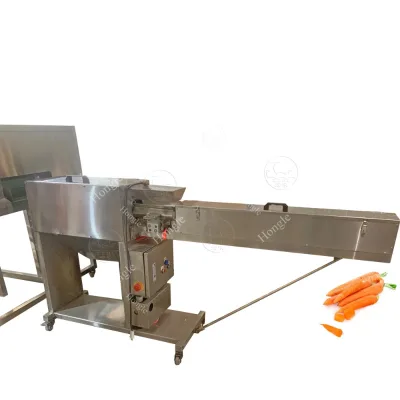
Slicer/Cutter/Potato Peeler/Carrot Grater Peeling Machine Carrot Peeler Cheap
$3300.00 - $3580.00
MOQ: 1 sets
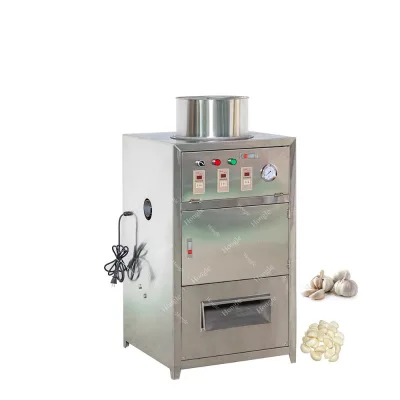

Golden Chef Machinery Co., Ltd.
- Verified by TUVRHEINLAND
- Trading Company
- China Guangdong
- Lead time30 days
- Avg. response≤ 11h
Main productsBakery Equipment, Oven, Baking Oven, Meat Mincer, Refrigerator, Dough Sheeter, Dough Moulder, Proofer
Main marketsNorth America

High Quality Kitchen Use Vegetable Peeler Peeling Machine Potato Peeler Commercial Peeler
$356.00 - $421.00
MOQ: 1 Pieces

Hot Selling Vegetable Peeler Vegetable Peeling Machine Potato Peeler Onion Cutting Machine
$356.00 - $421.00
MOQ: 5 Pieces
Shandong Hede Food Machinery Co., Ltd.
- Verified by SGS
- Combined
- China Shandong
- Lead time15 days
- Avg. response≤ 2h
Main productsFrench Fries and Potato Chips Production Line, Vegetable Processing Production Line, Frying Machine, Vacuum Freeze Dryer, Crate Washer
Main marketsSoutheast Asia/ Mideast,Europe,North America
Suzhou Yushao Machinery Equipment Co., Ltd.
- Verified by SGS
- Trading Company,Manufacturer/Factory,Group Corporation
- China Jiangsu
- Lead time15 days
- Avg. response≤ 2h
Main productsAgricultural Machinery, Animal Feed Pellet Machinery, Fruits/Vegetables Process Machinery, Food Processing Machine, Package Machine, Bone/Meat Processing Machine
Main marketsSouth America,Eastern Europe,Mid East,North America,Southeast Asia,Eastern Asia,Oceania,Western Europe,Africa

Factory Supply Root Vegetable Peeler for Potato Carrot Yam Carrot Lettuce Peeling Machine
$6580.00 - $7580.00
MOQ: 1 set

$6580.00 - $7580.00
MOQ: 1 set

Henan Welly Machinery Equipment Co., Ltd.
- Verified by SGS
- Trading Company,Manufacturer/Factory
- China Henan
- Lead time15 days
- Avg. response≤ 3h
Main productsFood Processing Machinery, Meat Processing Machinery, Vegetable and Fruits Processing Machinery, Snack Machinery, French Fries Production Line, Frying Machine, Meat Tumbler Machine, Potato Chips Machine, Patty Maker Hamburger Patty Machine, Vegetable Washing Machine
Main marketsSouth America,Eastern Europe,Mid East,North America,Southeast Asia,Eastern Asia,Oceania,Western Europe,Africa

- Verified by BV
- Trading Company,Manufacturer/Factory
- China Henan
- Lead time15 days
- Avg. response≤ 4h
Main productsOil Expeller, Oil Press Machine, Oil Refinery, Pellet Machine, Food Processing Machine, Animal Feed Machine, Packing Machine, Filling Machine, Briquette Machine, Brick Machine
Main marketsSouth America,Eastern Europe,Mid East,North America,Southeast Asia,Eastern Asia,Oceania,Western Europe,Africa

ZHENGZHOU HONGLE MACHINERY EQUIPMENT CO., LTD.
- Trading Company,Manufacturer/Factory
- China Henan
- Lead time0 days
- Avg. response≤ 9h
Main productsVegetable Fruit Production Machine, Meat Processing Machines, Nuts Processing Machine, Water Treatment System, Snack Processing Machine
Main marketsSouth America,Eastern Europe,Mid East,North America,Southeast Asia,Eastern Asia,Oceania,Western Europe,Africa

Jiaozuo Fineway Trading Co., Ltd
- Verified by BV
- Trading Company,Manufacturer/Factory
- China Henan
- Lead time23 days
- Avg. response≤ 5h
Main productsTortilla Roti Pita Machines, Bakery Equipment, Textile Machines, Milk and Yogurt Production Machine, Chocolate Processing Machines, Candy Making Machines, Meat Processing Machines, Vegetable Processing Machine, Sausage Production Line, Juice Making Production Line
Main marketsSouth America,Eastern Europe,Mid East,North America,Southeast Asia,Eastern Asia,Oceania,Western Europe,Africa
Jiaozuo Taoding Trading Co., Ltd
- Verified by SGS
- Trading Company
- China Henan
- Lead time15 days
- Avg. response≤ 3h
Main productsVarious Food Machines, Dumpling Machine, Meat Cutting Machine, Roti Machine, Vegetable Cutting Machine, Snack Machine, Packing Machine
Main marketsSouth America,Africa,Southeast Asia/ Mideast,East Asia(Japan/ South Korea),Europe,Australia,North America

Various Shapes Peeler Garlic Peeling Machine Garlic Peeling Machine Peeled Onion Machine
$790.00 - $970.00
MOQ: 1 Pieces

$790.00 - $970.00
MOQ: 1 Pieces

Luohe Quality Mechanical Equipment Co., Ltd.
- Verified by SGS
- Manufacturer/Factory
- China Henan
- Lead time23 days
- Avg. response≤ 6h
Main productsJuice Extractor, Sausage Making Machine, Pita Bread Machine, Biscuit Making Machine
Main marketsSouth America,Eastern Europe,North America,Eastern Asia,Western Europe

Zhengzhou Bogen Machinery Equipment Co., Ltd.
- Verified by CTI
- Trading Company
- China Henan
- Lead time30 days
- Avg. response≤ 3h
Main productsPeanut Butter Machine, Spice Grinder, Meat Grinder, Meat Slicer, Meat Chopper, Potato Washing and Peeling Machine, Vegetables and Fruits Cutting Machine, Sausage Stuffer, Sausage Filler, Sausage Making Machine
Main marketsAfrica,Europe,North America

Hunan Dongfanghong Electromechanical Manufacturing Co., Ltd.
- Combined
- China Hunan
- Lead time30 days
- Avg. response≤ 11h
Main productsChaff Cutter, AC Motor, Corn Sheller, Feed Pellet Machine, Rice Milling Machine, Potato Grater, Feed Granulator, Fodder Chopper, Grinder Machine
Main marketsSoutheast Asia/ Mideast,Domestic,North America




Comprehensive Sourcing Guide
Motorized Carrot and Cucumber Peeler Supplier Concentration and Factory Types
The available data indicates that suppliers for motorized carrot and cucumber peelers are concentrated in specific regions of China, with Henan and Shandong emerging as notable manufacturing hubs. Fact records show a distinct cluster in Henan, where companies list locations explicitly as "China Henan" and offer a broad range of food machinery including vegetable processing equipment. Another significant presence is noted in Shandong, where suppliers specialize in continuous production lines and washing machines alongside peeling units. These regional concentrations suggest established industrial ecosystems where raw materials, skilled labor, and component supply chains are readily available for heavy machinery production. Buyers should prioritize verifying these specific provincial locations when assessing potential partners, as the density of specialized factories in these areas often correlates with higher technical maturity and faster production cycles.
Regarding company structures, the supplier pool includes a mix of trading companies and direct manufacturers, with some entities operating as combined entities or factories. Evidence shows that many suppliers identify as "Manufacturer/Factory" or "Trading Company," while others are classified as "Combined." This distinction is critical for buyers because direct manufacturers often provide more flexibility for customization and lower minimum order quantities, whereas trading companies might offer a broader catalog of unrelated machinery. Some suppliers in the results list diverse main products ranging from drilling rigs to textile machines, indicating a generalist approach, while others focus strictly on food and beverage machinery. Buyers must carefully review the "company_type" field to determine if a supplier is a dedicated factory capable of deep customization or a general trader sourcing from multiple sources.
How to Verify Motorized Carrot and Cucumber Peeler Suppliers
Verification of Motorized Carrot and Cucumber Peeler suppliers requires a rigorous check of their certification status and business credentials. The data reveals that many suppliers hold ISO 9001 system certification, which is a baseline indicator of quality management processes. Some suppliers in the results also display additional certifications such as ANSI/ESD, GMP, or ISO9001:2015, suggesting adherence to specific industry standards for food safety and electrostatic discharge control. Buyers should not assume all suppliers possess these credentials and must request valid certificates directly from the vendor. Furthermore, verification services like BV are mentioned for certain suppliers, providing an external layer of trust regarding their business legitimacy. It is essential to confirm that the certification matches the specific product line, as a factory certified for general machinery may not have specific food-grade approvals for peeling equipment.
Response time and lead time are also critical metrics for verifying supplier reliability and operational efficiency. The observed data shows response times varying significantly, with some suppliers responding in approximately 1.74 hours while others take around 5.52 hours. Lead times are similarly variable, with some suppliers indicating a 15-day production window and others listing zero days, which may imply stock availability or a need for clarification. Buyers should use these metrics to gauge the supplier's responsiveness and capacity to meet urgent deadlines. A supplier with a consistently fast response time and a clear, realistic lead time is more likely to be reliable. However, buyers must verify these numbers against current production schedules, as advertised lead times can fluctuate based on order volume and raw material availability.
What to Compare Across Motorized Carrot and Cucumber Peeler Suppliers
When comparing suppliers, buyers should focus on technical specifications such as capacity, voltage, and material composition to ensure the machine meets operational needs. The product evidence highlights a wide range of capacities, from 1800 pieces per minute for high-speed peeling to 100 kilograms per hour for smaller units. Voltage requirements are consistently listed as 220V across most models, but buyers must confirm compatibility with their local power infrastructure. Material specifications are predominantly stainless steel, which is essential for food safety and durability, though weight varies from 2kg for compact units to 110kg for industrial models. Comparing these attributes helps buyers select a machine that balances throughput requirements with space and power constraints. It is vital to match the specific capacity to the intended production volume to avoid underutilization or bottlenecks.
Pricing and minimum order quantities (MOQ) are another key area for comparison across different suppliers. The data shows price ranges varying from as low as $75 for small electric peelers to over $3,000 for commercial-grade units. MOQs are generally flexible, with many suppliers offering a minimum of one set or one unit, which is advantageous for small businesses or pilot projects. However, some listings specify an MOQ of one set, while others may have different thresholds not explicitly detailed in the summary. Buyers should compare the total cost of ownership, including shipping and potential customization fees, rather than just the unit price. Additionally, the availability of customization options, such as voltage adjustments or specific dimensions, should be evaluated, as some suppliers offer "Customized" options while others list "Non-Customized" products.
Common Motorized Carrot and Cucumber Peeler Sourcing Risks
One significant risk in sourcing motorized carrot and cucumber peelers is the potential mismatch between advertised capabilities and actual performance. The product evidence shows diverse capacity claims, such as 1800 pieces per minute versus 100 kilograms per hour, which can lead to confusion if not verified. Buyers must ensure that the stated capacity is measured under standard operating conditions and not under idealized laboratory settings. Another risk involves the variability in packaging standards, with some suppliers using "Fumigation-Free Wooden Box" while others use "Wooden Box" or "Packaging and Transportation." Inconsistent packaging can lead to damage during transit or customs delays if fumigation certificates are missing. Buyers should explicitly request packaging details and ensure they meet the destination country's import regulations to avoid logistical headaches.
Certification and compliance risks are also prevalent, as not all suppliers may hold the necessary food safety or electrical safety certifications for the buyer's market. While ISO 9001 is common, specific food-grade certifications like GMP or ANSI/ESD are not universal among the results. Buyers must verify that the supplier's certifications are valid and applicable to the specific machinery being purchased. Additionally, the "Customized" status of products varies, with some suppliers offering full customization and others providing non-customized units. Relying on a supplier who claims customization without a clear process can lead to delays or non-compliant products. Buyers should demand a detailed customization workflow and proof of compliance before placing an order to mitigate these risks effectively.
Motorized Carrot and Cucumber Peeler Regional Sourcing and Logistics
Sourcing from China, specifically from regions like Henan and Shandong, offers logistical advantages due to established export infrastructure. The concentration of suppliers in these provinces suggests a mature supply chain for heavy machinery, with access to ports and freight forwarders experienced in handling industrial equipment. Buyers should consider the proximity of the factory to major shipping ports, as this can significantly impact freight costs and transit times. For instance, suppliers in Henan and Shandong are well-positioned for export to global markets, but buyers must verify the specific port of loading for each supplier. Additionally, the use of "Fumigation-Free Wooden Box" packaging by many suppliers simplifies customs clearance in many regions, reducing the risk of delays at the destination port.
Logistics planning must also account for the weight and dimensions of the machinery, which vary widely across different models. The product evidence lists weights ranging from 2kg to 110kg and dimensions from compact 30x21x28cm units to large 1980x450x1050mm machines. These variations directly affect shipping costs and the type of container required. Buyers should calculate the volumetric weight and ensure that the chosen shipping method can accommodate the specific dimensions of the selected model. Furthermore, the lead time of 15 days or zero days mentioned in the data influences the overall supply chain timeline. Buyers must factor in production time, packaging, and transit time to create a realistic delivery schedule, ensuring that the machinery arrives when needed for production or installation.
Motorized Carrot and Cucumber Peeler Commercial Terms and Order Planning
Commercial terms for motorized carrot and cucumber peelers often include flexible payment structures and clear delivery timelines. The data indicates that many suppliers offer a minimum order quantity of one set, allowing buyers to test the market with minimal financial commitment. However, buyers should clarify the payment terms, such as whether deposits are required or if full payment is due upon shipment. The lead time of 15 days for some suppliers suggests a standard production cycle, while others with zero lead time may offer immediate shipment from stock. Buyers must confirm these timelines in writing to avoid misunderstandings and ensure that the production schedule aligns with their business needs. Additionally, the availability of OEM and ODM services should be discussed, as some suppliers offer these capabilities while others do not.
Order planning should also consider the long-term support and after-sales service provided by the supplier. The presence of certifications like ISO 9001 and GMP suggests a commitment to quality, but buyers should inquire about warranty periods, spare parts availability, and technical support. The product evidence shows a variety of models with different specifications, so buyers must ensure that the supplier can provide ongoing support for the specific model they purchase. Furthermore, the customization options available, such as voltage adjustments or specific dimensions, should be documented in the purchase agreement to ensure the final product meets all requirements. By carefully planning the order and clarifying commercial terms, buyers can mitigate risks and ensure a smooth procurement process for their Motorized Carrot and Cucumber Peeler needs.
FAQs
What is the price range for motorized carrot and cucumber peelers?
Prices for these machines typically range from 529 to 3499 dollars depending on the model and capacity. Specific units like the HT-HLB2000 start around 1899 dollars, while specialized commercial models can reach higher price points. Buyers should verify exact costs based on their required capacity and customization needs.
What is the minimum order quantity for these peeling machines?
Most suppliers offer a minimum order quantity of one set for these industrial machines. This low threshold allows buyers to test equipment without large initial commitments. However, specific models may have different requirements, so confirming the MOQ for the exact product model is essential before placing an order.
How long does it take to receive these machines after ordering?
Lead times vary significantly, with some suppliers listing a standard delivery window of 15 days. Other manufacturers may have different schedules, so checking the specific lead time for your selected supplier is necessary. Buyers should also consider shipping times from China when planning their production schedules.
Are these machines customizable for specific production needs?
Many available models support customization options to meet specific production requirements. Some suppliers explicitly state that customization is available for voltage, capacity, or specific features. Buyers should confirm the extent of customization possible, such as voltage adjustments or capacity upgrades, before finalizing their purchase decision.
What certifications do these food machinery suppliers hold?
Suppliers often hold ISO 9001 certification to ensure quality management standards are met. Some manufacturers also possess additional certifications like GMP or ANSI/ESD depending on their specific facility capabilities. Buyers should verify the current certification status of the supplier to ensure compliance with their local food safety regulations.
Where are these motorized peeling machines manufactured?
These machines are primarily manufactured in China, with specific production hubs located in Henan and Shandong provinces. The origin is clearly marked on product specifications as Mainland China. Buyers should be aware of the shipping logistics involved when importing industrial machinery from these specific regions.
What is the typical response time for supplier inquiries?
Response times for supplier inquiries can vary, with some suppliers responding within approximately 1.74 hours. Others may take longer, averaging around 5.52 hours depending on their workload. Buyers should expect prompt communication but should also verify the current response time for the specific supplier they are contacting.