Home Use Noodle Making Machine Suppliers and Manufacturers
Source 17 verified suppliers for Home Use Noodle Making Machine equipment. Compare grounded dimensions including ISO9001:2015 certification, China Henan and Shandong locations, and lead times up to 60 days. Contact suppliers directly to verify pricing and MOQ; review the available evidence before requesting comparable quotations from suitable candidates.
Suppliers List

Henan Dongfang Noodle Machine Group Co., Ltd.
- Verified by TUVRHEINLAND
- Group Corporation
- China Henan
- Lead time60 days
- Avg. response≤ 19h
Main productsNoodle Machine, Fried Instant Cup Noodle Machine, Fine Dried Stick Noodle Machine, Noodle Making Machine, Non-Fried Instant Noodle Production Line, Instant Cup Noodle Making Machine, Indomie Noodle Making Machine, Ramen Noodle Making Machine Production Line, Fried Instant Noodle Making Machine
Main marketsDomestic,Europe

Qingdao HICOCA Food Machinery Co., Ltd
- Combined
- China Shandong
- Lead time15 days
- Avg. response≤ 13h
Main marketsOthers(foreignTradeCapacity.exportBusinessCapacityMarketOther),Southeast Asia/ Mideast,East Asia(Japan/ South Korea)


High Efficiency Fresh Noodle Making Machine Low Loss Noodle Making Machine
$18000.00 - $2000000.00
MOQ: 1 Sets

Hangzhou Creato Machinery Co., Ltd.
- Verified by BV
- Trading Company
- China Zhejiang
- Lead time30 days
- Avg. response≤ 6h
Main productsFood Mixer, Vegetable Cutter, Drywall Sanders, Chocolate Fountain, Airless Paint Sprayer, Constructions Tool, Ice Cream Machine, Paint Remover, Meat Mincer, Bone Saw Machine
Main marketsSouth America,Africa,Southeast Asia/ Mideast,Europe,Australia,North America

Henan Chanda Machinery Co., Ltd
- Verified by TUVRHEINLAND
- Trading Company,Manufacturer/Factory
- China Henan
- Lead time15 days
- Avg. response≤ 4h
Main productsFood Machine, Vegetable Cutting Machine, Bun Making Machine, Roti Making Machine, Samosa Making Machine, Skin Vacuum Packing Machine, Peeling Machine, Tablet Press Machine, Noodle Boiler, Meat Cutting Machine
Main marketsSouth America,Eastern Europe,Mid East,North America,Southeast Asia,Eastern Asia,Oceania,Western Europe,Africa

Electric Stainless Steel Noodle Making Machine Home Use Udon Noodle Making Machine
$101.00 - $133.00
MOQ: 1 Pieces

Hot Sale Automatic Noodle Making Machine Pasta Maker Noodle Cutting Machine for Home Use
$101.00 - $133.00
MOQ: 1 Pieces

$390.00 - $440.00
MOQ: 1 Pieces


Stainless Steel Noodle Pasta Making Machine Portable Noodle Maker Machine
$499.00 - $699.00
MOQ: 1 Pieces

Wuhan G-Young Industry & Trade Co., Ltd.
- Verified by SGS
- Trading Company
- China Hubei
- Lead time60 days
- Avg. response≤ 2h
Main productsFried Instant Noodles Production Line, Non-Fried Instant Noodle Machine, Stick Noodle Making Machine, Fresh Noodle Making Equipment, Spaghetti Production Line, Macaroni Production Line, Rice Vermicelli Production Line
Main marketsAfrica,Others(foreignTradeCapacity.exportBusinessCapacityMarketOther)


Noodle Making Machine Fully Automatic/Noodles Production Machine Machinery Line
$50000.00 - $500000.00
MOQ: 1 Sets


High Quality Noodle Making Machine Automatic/Stable Performance Noodle Equipment
$50000.00 - $500000.00
MOQ: 1 Sets

Noodle Plant Machinery/Noodle Making Machine Machinery Equipment Line
$50000.00 - $500000.00
MOQ: 1 Sets

Luohe Quality Mechanical Equipment Co., Ltd.
- Verified by SGS
- Manufacturer/Factory
- China Henan
- Lead time23 days
- Avg. response≤ 7h
Main productsJuice Extractor, Sausage Making Machine, Pita Bread Machine, Biscuit Making Machine
Main marketsSouth America,Eastern Europe,North America,Eastern Asia,Western Europe

Shandong Huake Machinery Technology Co., Ltd.
- Verified by CTI
- Trading Company,Manufacturer/Factory
- China Shandong
- Lead time45 days
- Avg. response≤ 2h
Main productsPuffed Snack Food Machinery, Pet Feed Machinery, Breakfast Cereal Production Line, Doritos Tortila Chips Machine, Instant Rice Nutrition Rice Production Line, Corn Flake Production Line, Pasta Production Line, Microwave Sterilization and Drying Equipment, Instant Porridge Machine, Extruder Machine
Main marketsSouth America,Eastern Europe,Mid East,North America,Southeast Asia,Eastern Asia,Oceania,Western Europe,Africa


Instant Noodle Making Machine with Hot Sale Instant Noodle Production Line
$5000.00 - $22000.00
MOQ: 1 set

Jiaozuo Zhoufeng Machinery Co., Ltd.
- Trading Company
- Henan, China
- Lead time5 days
- Avg. response≤ 8h
Main productsFood machine,Farm machine,environmental protection machine,Home use machine,Biomass briquette production line
Main marketsMid East(10.00%), South Asia(10.00%), Africa(10.00%), Southeast Asia(10.00%), Domestic Market(10.00%), Central America(10.00%), North America(10.00%), South America(8.00%), Eastern Asia(7.00%), Northern Europe(5.00%), Western Europe(5.00%), Oceania(2.00%), Eastern Europe(2.00%), Southern Europe(1.00%)

Henan Welly Machinery Equipment Co., Ltd.
- Verified by SGS
- Trading Company,Manufacturer/Factory
- China Henan
- Lead time15 days
- Avg. response≤ 3h
Main productsFood Processing Machinery, Meat Processing Machinery, Vegetable and Fruits Processing Machinery, Snack Machinery, French Fries Production Line, Frying Machine, Meat Tumbler Machine, Potato Chips Machine, Patty Maker Hamburger Patty Machine, Vegetable Washing Machine
Main marketsSouth America,Eastern Europe,Mid East,North America,Southeast Asia,Eastern Asia,Oceania,Western Europe,Africa

$560.00 - $2600.00
MOQ: 1 Sets


Gelgoog Intelligent Technology Co., Ltd.
- Verified by TUVRHEINLAND
- Manufacturer/Factory
- China Henan
- Lead time23 days
- Avg. response≤ 6h
Main productsBiscuit Making Machine, Ice Cream Cone Machine, French Fries Machine, Snack Frying Machine, Vegetable Washing Machine, Cellophane Wrapping Machine, Peanut Butter Machine, Garlic Processing Machine, Cocoa Procssting Machine, Nut Roasting Machine
Main marketsSouth America,Eastern Europe,Mid East,North America,Southeast Asia,Eastern Asia,Oceania,Western Europe,Africa

Price Commercial Use Egg Noodle Making Machine Fresh Noodle Making Machine
$4000.00 - $7000.00
MOQ: 1 Sets

1900*750*1500mm Automatic Noodle Maker Noodle Equipment Noodle Making Machine
$4000.00 - $8000.00
MOQ: 1 Sets

Factory Fully Automatic Noodle Making Machine Ramen Noodle Machine Cost
$4000.00 - $7000.00
MOQ: 1 Sets

Factory Price Noodle Making Machine Automatic Egg Noodle Making Machine
$4000.00 - $7000.00
MOQ: 1 Sets

Various Molds Noodle Making Machine Commercial Electric Noodle Machine
$4000.00 - $7000.00
MOQ: 1 Sets

Noodle Press Machine Noodle Processing Equipment Dry Noodle Maker Machine
$4000.00 - $7000.00
MOQ: 1 Sets

Zhengzhou Hento Machinery Co., Ltd.
- Verified by SGS
- Trading Company,Manufacturer/Factory,Group Corporation
- China Henan
- Lead time15 days
- Avg. response≤ 8h
Main productsMeat Processing Machinery, Egg Processing Machinery, Dairy Processing Machinery, Fruit & Vegetable Processing Machinery, Grain Product Making Machines, Snack Machines, Nuts Processing Machinery, Packing Machines, Drying Machines, Commodity Making Machines
Main marketsSouth America,Eastern Europe,Mid East,North America,Southeast Asia,Eastern Asia,Oceania,Western Europe,Africa


High Efficiency Fresh Noodle Machine / Automatic Noodle Making Machine
$1319.00 - $1715.00
MOQ: 1 Sets

Henan Growing Mechanical Equipment Co.,ltd
- Trading Company
- Henan, China
- Lead time0 days
- Avg. response≤ 1h
Main productsagricultural machinery,food machinery,stockbreeding machinery,garden machinery,oil press machinery
Main marketsNorth America(25.00%), Africa(15.00%), Southeast Asia(12.00%), Northern Europe(5.00%), Central America(5.00%), South Asia(5.00%), Mid East(5.00%), South America(5.00%), Domestic Market(1.00%), Eastern Asia(1.00%)
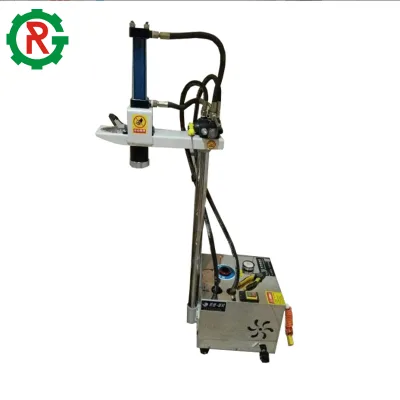
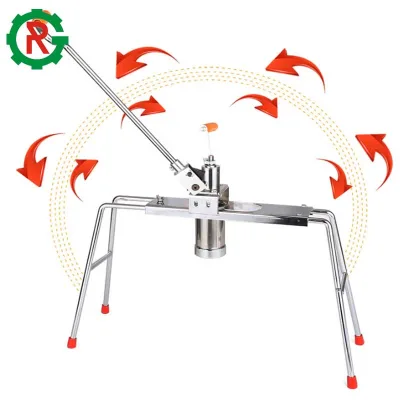
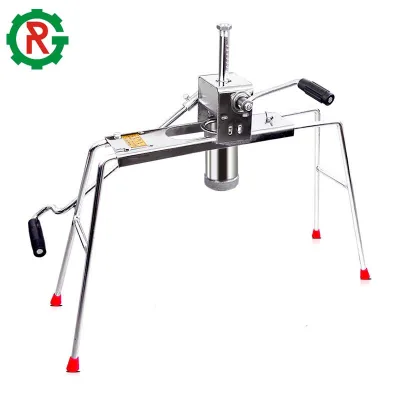
Manual Noodle Pasta Maker Fresh Noodle Making Machine
$46.00 - $52.00

Luohe Xingdian Electromechanical Equipment Co., Ltd.
- Verified by BV
- Manufacturer/Factory
- China Henan
- Lead time0 days
- Avg. response≤ 2h
Main productsDrilling Rig, Meat Process Machine, Farm Machine, Packing Machine, Vegetable Process Machine, Textile Machine, Food Machine, Embroidery Machine, Construction Products, Industrial Product
Main marketsSouth America,Eastern Europe,Mid East,North America,Southeast Asia,Eastern Asia,Oceania,Western Europe,Africa

Xingtai Sichuang Machinery Manufacturing Co., Ltd.
- Manufacturer/Factory
- China Hebei
- Lead time23 days
- Avg. response≤ 3h
Main productsElectric Loader, Micro Cultivator, Macaroni Making Machine, Thread Rolling Machine, Well Drilling Machine, Knife Grinding Machine, Winch, Dumpling Machine, Noodle Machine, Electric Forklift
Main marketsMid East,North America,Southeast Asia,Africa

Household Ramen Pasta Noodle Maker Machine/Chinese Noodle Making Machine
$350.00 - $500.00
MOQ: 1 Pieces


Household Noodle Machine Automatic Fresh Noodle Machine Has High Output and Low Price
$700.00 - $1000.00
MOQ: 1 Pieces

Zhengzhou Jawo Machinery Co., Ltd.
- Verified by TUVRHEINLAND
- Manufacturer/Factory
- China Henan
- Lead time15 days
- Avg. response≤ 6h
Main productsSausage Making Machine, Dumpling Machine, Frozen Meat Cutter, French Fries Production Line, Garlic Separator, Egg Grading Machine, Sand Blasting Machine, Metal Detector, Embroidery Machine, Spray Dryer
Main marketsSouth America,Eastern Europe,Mid East,North America,Southeast Asia,Eastern Asia,Oceania,Western Europe,Africa

Zhengzhou Bogen Machinery Equipment Co., Ltd.
- Verified by CTI
- Trading Company
- China Henan
- Lead time30 days
- Avg. response≤ 4h
Main productsPeanut Butter Machine, Spice Grinder, Meat Grinder, Meat Slicer, Meat Chopper, Potato Washing and Peeling Machine, Vegetables and Fruits Cutting Machine, Sausage Stuffer, Sausage Filler, Sausage Making Machine
Main marketsAfrica,Europe,North America
Henan H&d Industrial Co., Ltd.
- Trading Company
- Henan, China
- Lead time7 days
- Avg. response≤ 2h
Main productsFood Machinery,Farm Machinery,Vending Machine,Beverages Machinery,Juicing Machine
Main marketsNorth America(40.00%), Northern Europe(10.00%), Southeast Asia(10.00%), South Asia(5.00%), Central America(5.00%), Eastern Europe(5.00%), Western Europe(5.00%), South America(5.00%), Mid East(5.00%), Oceania(5.00%), Africa(5.00%)
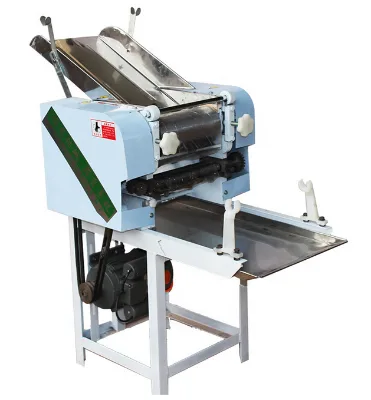
Homemade Cutter Machine Double Knives Manual Small Noodle Making Machine
$367.91 - $459.88
MOQ: 1 sets
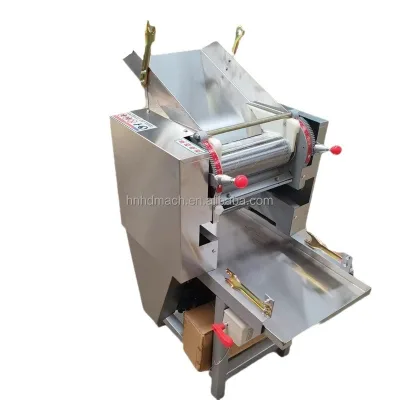
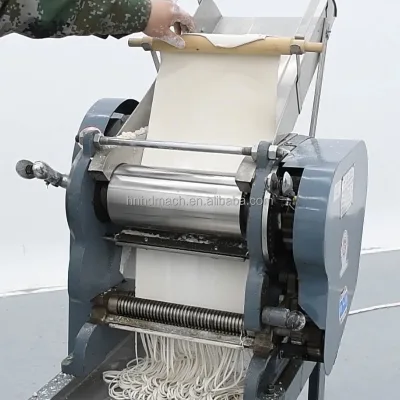
Commercial Automatic Noodle Cutting Machine Fresh and Dry with Motor As Core Component
$360.00 - $450.00
MOQ: 1
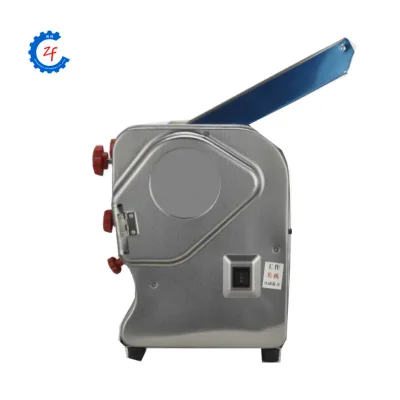
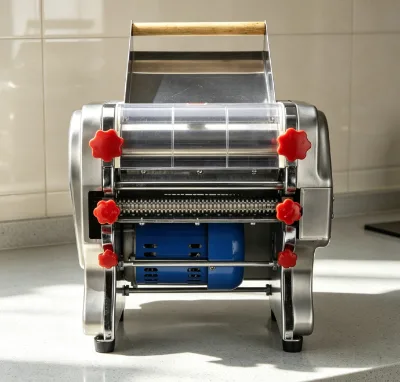
Small Noodle Press Machine Automatic Noodles Maker 110V 220V Chin Chin Making Machine Snack Maker
$360.00 - $450.00
MOQ: 1 sets




Comprehensive Sourcing Guide
Home Use Noodle Making Machine Supplier Concentration and Factory Types
When searching for suppliers of a Home Use Noodle Making Machine, buyers should start by understanding where production capability tends to concentrate. Supplier results in this category show listings originating from China Henan, with product records tied specifically to Zhengzhou, and from China Shandong, with product records tied to Qingdao. These provincial clusters are heavily associated with noodle processing equipment of every scale, from full instant noodle production lines spanning tens of meters to compact commercial units. Buyers should treat these observed locations as high-confidence signals of where to focus supplier outreach, while still confirming that each individual supplier actually manufactures the compact, low-throughput machines suited to household use rather than only industrial lines.
Factory types in these results vary in ways that matter for small-order buyers. One Henan-based group corporation describes itself as a group corporation with ODM, OEM, and own-brand capabilities, while a Shandong-based combined-type company offers ODM and OEM services. Group corporations and combined enterprises often run multiple product divisions, so their catalogs may include both industrial lines and smaller machines. When evaluating a supplier, check whether the main products listed include small-scale noodle machines alongside the large production lines, and confirm the company type—manufacturer, group corporation, or trading entity—so you know who will actually control quality and warranty support for a household-grade unit.
How to Verify Home Use Noodle Making Machine Suppliers
Verification begins with the credentials a supplier has had independently confirmed. In the current supplier results, one Henan-based supplier holds an ISO9001:2015 system certification and has been verified through TUVRHEINLAND, a third-party verification service. Product records from both the Henan and Shandong clusters carry certification labels such as "ISOCE" and "CE,ISO" on individual machine listings. Buyers should not assume every supplier on a search results page holds these credentials; treat them as per-listing evidence that must be confirmed supplier by supplier. Ask each candidate for the actual certificate numbers and issuing bodies, then check those numbers against the issuing organization's own database before committing to a sample order.
Beyond paperwork, verify operational substance. The supplier results include quantified attributes you can cross-check: listed response times of roughly 13 to 19 hours, published lead times, and detailed machine specifications such as power ratings of 1.5kw, machine weights around 470kg, and 220V 50Hz power sources. A genuine manufacturer will be able to discuss these parameters fluently, explain how a machine would be configured for your local voltage, and describe the food-grade stainless steel materials used on contact surfaces—one Shandong listing specifies food-grade stainless steel with a PLC control system. Request a video walkthrough of the production floor, ask which model numbers are built in-house versus sourced from partners, and confirm the company can support spare-parts supply for a consumer-facing appliance.
What to Compare Across Home Use Noodle Making Machine Suppliers
Build a comparison table using the dimensions visible on supplier and product listings rather than relying on marketing copy. Core attributes to record for each supplier include location (Henan versus Shandong in these results), company type, main products, whether ODM, OEM, or own-brand capacity is offered, response time in hours, and quoted lead time. In the observed results, one supplier's lead time is listed at 60 days while another's is 15 days—a difference large enough to reshape your inventory planning. Note that not every supplier displays every attribute; if establishment year or escrow status is absent from a listing, ask the supplier directly and treat an unanswered question as a data point in itself.
Then compare the machine-level specifications shown on product records, since these reveal engineering discipline. Useful comparables from the current listings include automatic grade, customization availability, power source, machine dimensions (for example, customized sizes on compact units versus multi-meter footprints on production lines), packing method (container versus wooden case), and model numbers such as 300-1000 or HKJ-210. Price ranges also matter as an indicator of product tier: listed prices span from a few thousand dollars for smaller machines to over two million for full instant noodle lines, so make sure the quotes you compare are genuinely for home-use-scale equipment. A supplier who quotes a household machine with the same rigor applied to an industrial line is generally a stronger candidate.
Common Home Use Noodle Making Machine Sourcing Risks
The most common risk is category mismatch. Many suppliers in these results are primarily oriented toward industrial equipment—their main products include fried and non-fried instant noodle production lines, cup noodle machines, and ramen line systems with footprints of 75 to 85 meters. A buyer seeking a compact home-use machine risks engaging a factory whose core competence, quality systems, and after-sales structure are built for factory-scale clients. This can surface as long quotation cycles, refusal of small orders, or machines that are simply downsized industrial units with unsuitable pricing. Confirm explicitly that the household model is a standard catalog product, not a one-off adaptation.
A second risk cluster involves specification and certification gaps. Some listings display certification labels like "ISOCE," but buyers must verify what that abbreviation actually covers, and which body issued it, because mixed or informal certification labels are a known weakness in machinery sourcing. Voltage and plug compatibility are frequent failure points: one observed listing specifies 220V 50Hz, which will not suit every market. Customization is widely advertised across the observed results, but "customized" claims should be tested with concrete questions about tooling, minimum order impact, and lead-time changes. Finally, be cautious about lead-time drift—published figures of 15 or 60 days describe standard conditions, and holiday shutdowns or component shortages can extend them substantially without notice.
Home Use Noodle Making Machine Regional Sourcing and Logistics
The two observed regions—Henan, with listings tied to Zhengzhou, and Shandong, with listings tied to Qingdao—each carry practical logistics implications. Qingdao is a major coastal port city, which typically simplifies container shipping for Shandong-based suppliers; a Shandong product record explicitly lists wooden case packing, appropriate for export freight. Henan's Zhengzhou is an inland hub with strong rail and road connections and its own international freight infrastructure, but buyers should ask inland suppliers to quote delivered-to-port costs so inland trucking does not surprise the landed budget. Product records in the Henan cluster list container packing, consistent with larger equipment shipments.
For home-use machines, logistics planning differs from industrial line sourcing. Several observed listings show an MOQ of 1, which makes sample and pilot orders feasible, but you should confirm whether carton-level packing—rather than the wooden case or container packing described for industrial units—is available for small machines. Ask each supplier how the household machine is protected in transit, whether spare cutting dies and parts ship with the initial order, and what the process is for warranty claims on units that arrive damaged. Because response times in the observed results range from roughly 13 to 19 hours, plan communication around the time-zone gap and batch your technical questions so each reply cycle advances multiple issues at once.
Home Use Noodle Making Machine Commercial Terms and Order Planning
Commercial terms should be negotiated against the verified facts in each supplier's listing, not against generic assumptions. Use the published lead times as your baseline: the observed results show figures of 15 days and 60 days, so align your launch calendar with the supplier's actual quoted figure and add buffer for inspection and inland transit. Confirm the MOQ in writing—some observed listings state an MOQ of 1—along with price validity, since observed price ranges vary enormously by machine scale and a household-unit quote must be isolated from the industrial-line pricing shown elsewhere in a supplier's catalog. Ask which payment structures the supplier accepts and whether any trade-assurance or escrow arrangement applies to your order, and verify that arrangement on the platform rather than accepting a verbal assurance.
Order planning should also account for customization and capacity signals. Most observed product records mark customization as available, and the Henan group corporation claims ODM, OEM, and own-brand capacity—useful if you intend private labeling for retail. Sequence your engagement as a sample order against published specifications, an inspection against the listed attributes (power, materials, dimensions, packing), and then a volume order with a written warranty and spare-parts commitment. Reconfirm voltage, plug type, and packaging at the purchase-contract stage, and keep the supplier's response-time performance under observation; a supplier whose listed response time is about 13 hours but who takes a week to reply during negotiation will likely be slower after payment.
FAQs
What is the price range for noodle making machines?
Prices vary significantly based on capacity and automation. Small commercial units start around $4,000, while full production lines can exceed $560,000. Buyers should verify specific model costs and configuration requirements to ensure accurate budgeting for their intended production volume and facility constraints.
What is the typical lead time for delivery?
Manufacturing lead times generally range from 15 to 60 days depending on the supplier and machine complexity. Some suppliers offer faster turnaround times of 15 days, while larger production lines may require up to 60 days. Confirm exact schedules with the vendor before placing orders.
What certifications do these machines typically have?
Most suppliers provide ISO9001:2015 system certification and CE product certification. Some listings also mention ISOCE compliance. Buyers should request valid certificates to ensure the machinery meets international safety and quality standards for food processing equipment before finalizing any procurement agreements.
What is the minimum order quantity required?
The minimum order quantity is typically one unit for most noodle making machines. This allows buyers to purchase single units for testing or small-scale operations. Verify specific MOQ terms with the supplier, as some bulk production lines may have different purchasing requirements.
Where are these noodle machines manufactured?
Manufacturers are primarily located in China, specifically in Henan and Shandong provinces. Key production hubs include Zhengzhou and Qingdao. Buyers should verify the exact factory location to assess logistics costs and shipping times when sourcing equipment from these specific industrial regions.
What is the supplier response time?
Average response times range from approximately 12 to 19 hours. Faster suppliers may respond within 12.69 hours, while others take up to 18.86 hours. Quick communication is essential for resolving technical queries and negotiating terms efficiently during the sourcing process.
Can machines be customized for specific needs?
Yes, customization is widely available for power sources, dimensions, and production speeds. Suppliers offer OEM and ODM services to tailor machines to specific requirements. Buyers should specify their unique production needs to ensure the equipment matches their operational standards and facility layout.