Industrial Fruit Vegetable Juicer Machine Suppliers and Manufacturers
Source 29 verified suppliers for Industrial Fruit Vegetable Juicer Machine equipment. Compare key dimensions including lead times, certifications, and pricing to identify suitable partners. Review detailed specifications and request quotes directly from manufacturers in China; review the available evidence before requesting comparable quotations from suitable candidates.
Suppliers List

Shanghai Benyoud Machinery Group Co., Ltd.
- Trading Company,Manufacturer/Factory
- China Shanghai
- Lead time60 days
- Avg. response≤ 16h
Main productsJuice Production Line, Milk Production Line, Yogurt Processing Plant, Juice Evaporator, Cheese Production Machines, Pasteurizer, Fruit Processing Line, Fruit and Vegetable Processing Plant, Date Processing Line, Orange Processing Line
Main marketsSouth America,Eastern Europe,Mid East,North America,Southeast Asia,Eastern Asia,Oceania,Western Europe,Africa

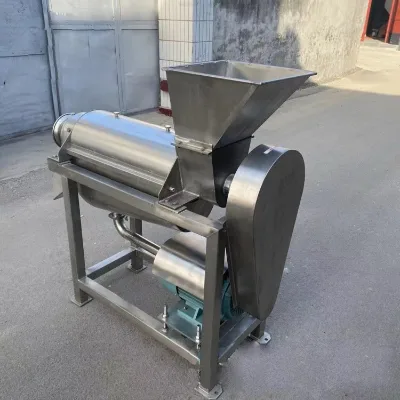
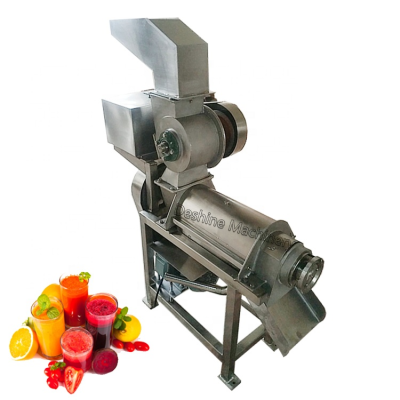
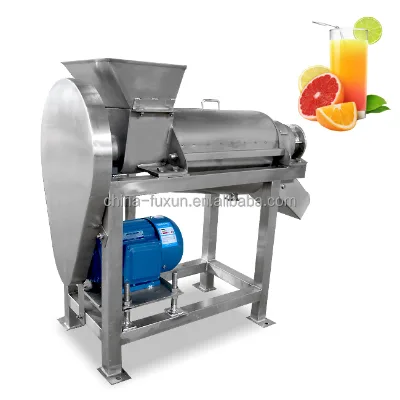
Industrial Fruit Vegetable Crushing Juicing Machine Fruit Crusher And Juicer
$10000.00 - $50000.00
MOQ: 1 Pieces

Industrial fruit washing machine automatic industrial vegetable washing machine
$20000.00 - $49900.00
MOQ: 1 Pieces


Zhengzhou Sunshine Machinery Co., Ltd.
- Trading Company,Manufacturer/Factory
- China Henan
- Lead time15 days
- Avg. response≤ 1h
Main productsOil Processing Machine, Grain Processing Machine, Nut Processing Machine, Fruit/Vegetable Processing Machine, Food Machine, Briquette Making Machine, Moisture Meter, Dewatering Machine, Food Machinery, Food Processor
Main marketsSouth America,Eastern Europe,Mid East,North America,Southeast Asia,Eastern Asia,Oceania,Western Europe,Africa

Fruit Juicer Machine Apple Juice Machine Industrial Lemon Juicer Machine
$2500.00 - $10000.00
MOQ: 1 Pieces


Industrial Juicer Machine Orange Lemon Apple Industrial Cold Press Juicer
$2500.00 - $9800.00
MOQ: 1 Pieces


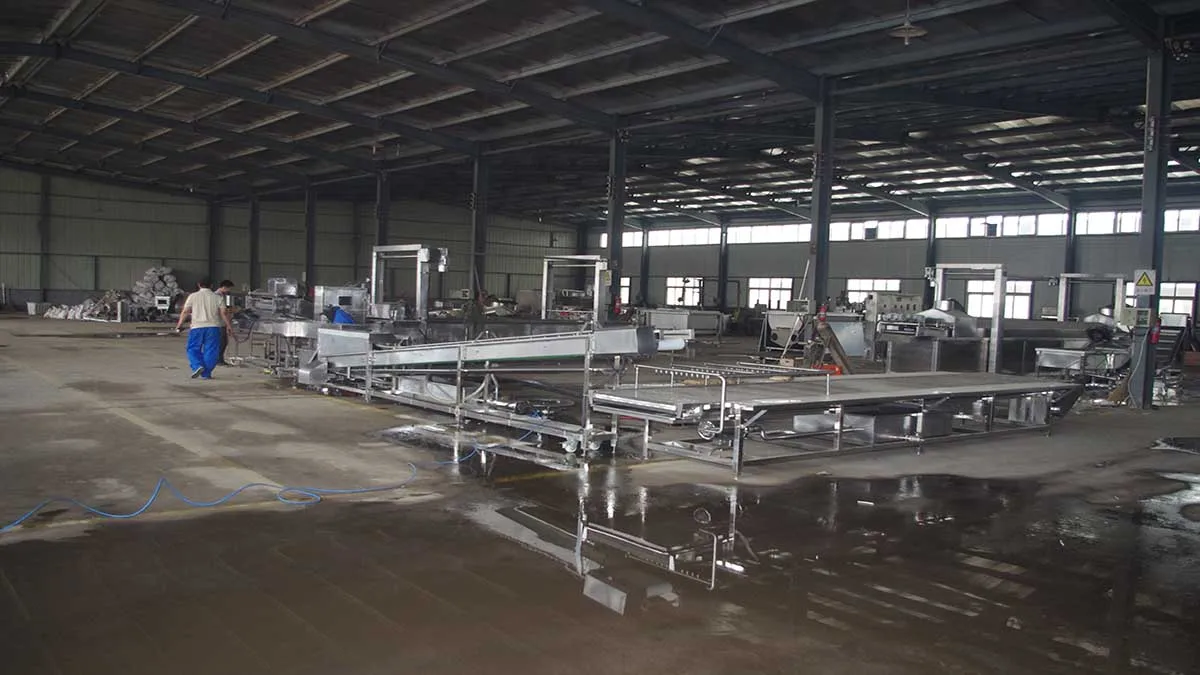
Henan Deshine Machinery Co., Ltd.
- Trading Company
- Henan, China
- Lead time7 days
- Avg. response≤ 3h
Main productsMeat Processing Equipment,Vegetable and fruit Processing Equipment,Food processing machine,Slaughtering Equipment,Chocolate Processing Equipment
Main marketsAfrica(19.00%), North America(15.00%), Southeast Asia(12.00%), Oceania(10.00%), Eastern Asia(7.00%), Mid East(6.00%), Northern Europe(6.00%), Eastern Europe(5.00%), South Asia(3.00%), South America(3.00%), Central America(3.00%), Western Europe(3.00%), Domestic Market(2.00%)
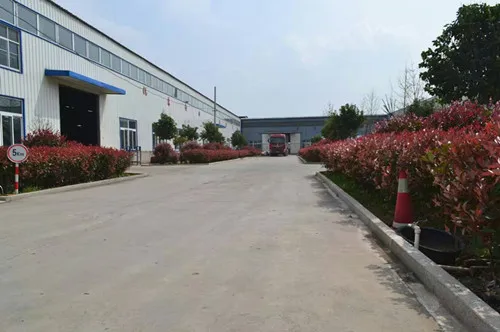
Zhengzhou Imaker Machinery Co., Ltd.
- Trading Company
- Henan, China
- Lead time7 days
- Avg. response≤ 1h
Main productschocolate machine,snack machinery,baking machinery,Food machinery,Meat processing machinery
Main marketsSoutheast Asia(26.00%), North America(18.00%), Central America(18.00%), South America(10.00%), Domestic Market(8.00%), Eastern Europe(5.00%), Africa(5.00%), South Asia(3.00%), Northern Europe(3.00%), Western Europe(2.00%), Southern Europe(1.00%), Oceania(1.00%)
Henan Efficient Machinery CO., LTD
- Verified by BV
- Trading Company
- China Henan
- Lead time15 days
- Avg. response≤ 5h
Main productsPlastic Recycling Machinery, Woodworking Machinery, Charcoal Machinery, Food Machinery, Agricultural Machinery, Packaging Machinery, Metal Baler, Egg Tray Making Machinery
Main marketsAfrica

Industrial Orange Juice Extractor Machine Citrus Fruit Vegetable Juicer
$5900.00 - $6600.00
MOQ: 1 Pieces


Luohe Quality Mechanical Equipment Co., Ltd.
- Verified by SGS
- Manufacturer/Factory
- China Henan
- Lead time23 days
- Avg. response≤ 7h
Main productsJuice Extractor, Sausage Making Machine, Pita Bread Machine, Biscuit Making Machine
Main marketsSouth America,Eastern Europe,North America,Eastern Asia,Western Europe


Industrial Carrot Pineapple Press Juicer Extractor Fruit Juice Machines
$1200.00 - $1350.00
MOQ: 1 Pieces

High Quality Commercial Fruit Juice Making Machine Industrial Cold Press Juicer Extractor Machine
$1410.00 - $1510.00
MOQ: 1 Pieces

High Quality Screw Juice Extractor / Industrial Cold Press Juicer / Fruit and Vegetable Juicer
$1000.00 - $1500.00
MOQ: 1 Pieces

Zhengzhou Honest Machinery Co., Ltd.
- Trading Company,Manufacturer/Factory
- China Henan
- Lead time15 days
- Avg. response≤ 8h
Main productsFood Machinery, Packing Machines, Microwave Equipment, Drying Machines, Grain Product Making Machines, Commodity Making Machines, Texitle Machines, Construction Machinery
Main marketsSouth America,Eastern Europe,Mid East,North America,Southeast Asia,Eastern Asia,Oceania,Western Europe,Africa

Industrial Fruit Juicer / Apple Juice Machine / Fruit Juice Making Machine
$1089.00 - $1489.00
MOQ: 1 set

Industrial Juicer / Fruit Juice Extraction Machine / Juice Making Machine / Electric Fruit Juicer
$1089.00 - $1489.00
MOQ: 1 SET

Hot Sale Juicer / Juice Extractor / Fruit Pulper Machine / Tomato Pulper Machine
$1089.00 - $1989.00
MOQ: 1 set

HE NAN PENG HUI MACHINERY AND EQUIPMENT CO., LTD.
- Verified by CTI
- Manufacturer/Factory
- China Henan
- Lead time15 days
- Avg. response≤ 3h
Main productsMeat Processing Machine, Fruit Processing Machine, Vegetable Processing Machine, Seafood Processing Machine, Grain Product Processing Machine, Snack Machine, Nuts Processing Machine, Quilting Machine, Textile Machine, Paper Product Processing Machine
Main marketsSouth America,Eastern Europe,Mid East,North America,Southeast Asia,Eastern Asia,Oceania,Western Europe,Africa

Industrial Cold Press Juicer Machine Stainless Steel Vegetable Fruit Juice Extractor Machine
$1000.00 - $2000.00
MOQ: 1 Pieces

Automatic Industrial Orange Juicer Machine Commercial Lemon Apple Fruit Juice Extractor Machine
$1000.00 - $2000.00
MOQ: 1 Pieces

High Quality Cold Press Hydraulic Fruit Vegetable Juice Extracting Industrial Juicer Machine
$2000.00 - $3000.00
MOQ: 1 Pieces

Commercial Hydraulic Cold Press Fruit Vegetable Juicer Machine Grape Juice Extractor Machine
$1500.00 - $2100.00
MOQ: 1 Pieces

Zhengzhou Hento Machinery Co., Ltd.
- Verified by SGS
- Trading Company,Manufacturer/Factory,Group Corporation
- China Henan
- Lead time15 days
- Avg. response≤ 8h
Main productsMeat Processing Machinery, Egg Processing Machinery, Dairy Processing Machinery, Fruit & Vegetable Processing Machinery, Grain Product Making Machines, Snack Machines, Nuts Processing Machinery, Packing Machines, Drying Machines, Commodity Making Machines
Main marketsSouth America,Eastern Europe,Mid East,North America,Southeast Asia,Eastern Asia,Oceania,Western Europe,Africa

Industrial Commercial Fruit Juicer / Juice Extractor Machine / Orange Juicer
$750.00 - $989.00
MOQ: 1 Sets

Industrial Electric Fruit Juicer Extractor / Fresh Orange Juice Machine
$1735.00 - $2255.00
MOQ: 1 Sets

High Quality Fruit and Vegetables Crusher Juicer Machine / Orange Juicer Machine
$1180.00 - $1535.00
MOQ: 1 Sets

Zhengzhou Fusion Machinery Co., Ltd.
- Verified by SGS Group
- Manufacturer, Trading Company
- Lead time7 days
- Avg. response≤ 5h
Main productsColloid Mill, Fruit&Vegetable Washing Machine, Food Frying Machine, Peanut Butter Production Line
Main marketsNorth America(38%), Southeast Asia(30%), Western Europe(19%)
Henan Methena Intelligent Technology Co., Ltd
- Verified by SGS
- Manufacturer/Factory
- China Henan
- Lead time15 days
- Avg. response≤ 3h
Main productsCandy Machinery, Biscuit Machinery, Meat Processing Machinery, Pasta Processing Machinery, Mixing Machinery, Drying Machinery, Freeze Drying Machinery, Fruit and Vegetable Processing Machinery, Egg Processing Machinery, Packaging Machinery
Main marketsSouth America,Eastern Europe,Mid East,North America,Southeast Asia,Eastern Asia,Oceania,Western Europe,Africa

Industrial Cold Press Fruit Juicer Extractor Commercial Automatic Juicer Machine
$1500.00 - $2500.00
MOQ: 1 Pieces

Industrial Mango Pulper Extractor Juicer Commercial Cold Press Juicer Extractor Machine
$1500.00 - $2500.00
MOQ: 1 Pieces

Henan Topp Machinery Co., Ltd.
- Verified by BV
- Trading Company,Manufacturer/Factory
- China Henan
- Lead time23 days
- Avg. response≤ 2h
Main productsFruit Juicing Machine, Fruit Stone Extractor, Fruit and Vegetable Peeling Machine, Fruit Sorting Machine, Snack Machinery, Soft Ice Cream Machine, Peanut Brittle Machine, Donut Making Machine, Candy Cane Production Line, Cookies Making Machine
Main marketsSouth America,Eastern Europe,Mid East,North America,Southeast Asia,Eastern Asia,Oceania,Western Europe,Africa

Industrial Juice Extractor Fruit Machine Cold Press Juicer Machine Juice Making Machine
$1380.00 - $1522.00
MOQ: 1 set


Guangzhou Xinjiate Machinery Equipment Co., Ltd.
- Verified by BV
- Trading Company,Manufacturer/Factory
- China Guangdong
- Lead time15 days
- Avg. response≤ 8h
Main productsMeat Cutter, Meat Grinder, Sausage Machine, Bone Sawing Machine, Vegetable Dehydrator, Vegetable-Cutter, Shredder, Flour-Mixing Machine, Juicer, Meatball Machine
Main marketsSouth America,Eastern Europe,Mid East,North America,Southeast Asia,Eastern Asia,Oceania,Western Europe,Africa
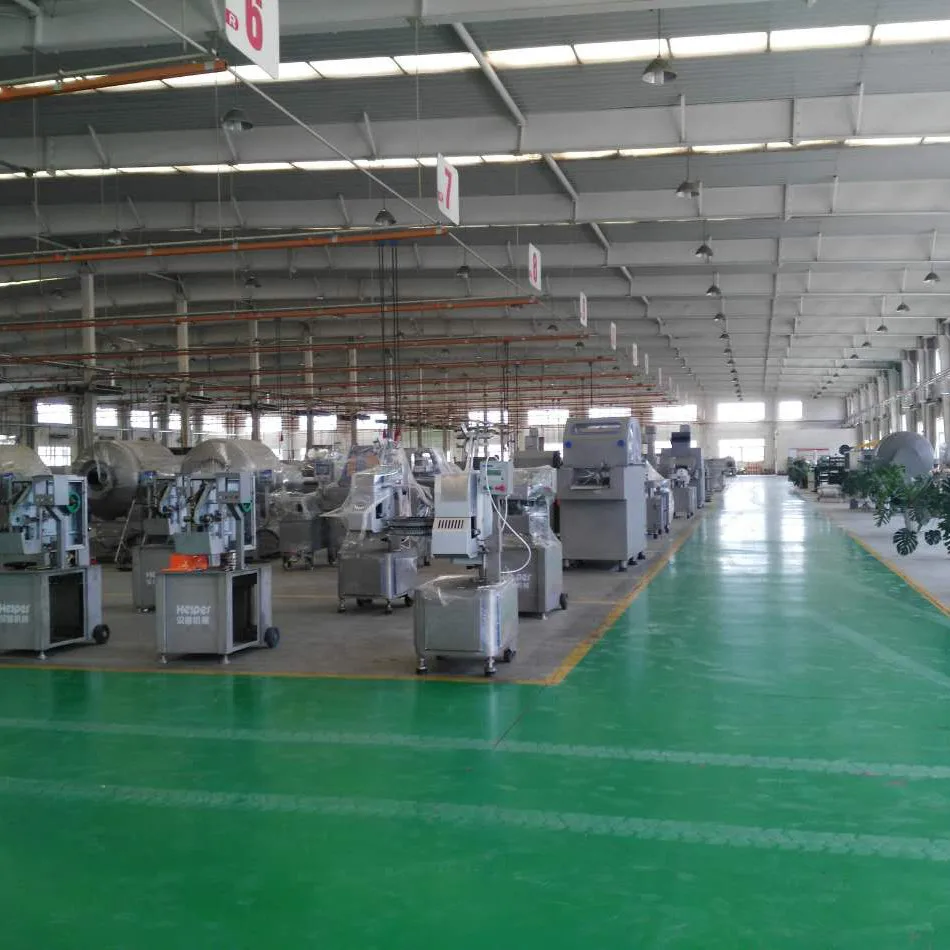
Zhengzhou Hanchuang Machinery Co., Ltd
- Trading Company
- Henan, China
- Lead time20 days
- Avg. response≤ 3h
Main productsPeeling machine,vegetable processing machine,meat processing machine,potato sorting machine,food sterilizer machine
Main marketsSouth Asia(35.00%), Southeast Asia(20.00%), Mid East(15.00%), Africa(15.00%), North America(10.00%), Eastern Asia(5.00%)

Chongqing Qiaoxing Machinery & Equipment Company
- Trading Company,Manufacturer/Factory
- China Chongqing
- Lead time23 days
- Avg. response≤ 6h
Main productsPellet Machine, Soap Making Machine, Food Machine, Wood Pellet Line, Feed Pellet Line, Wood Pellet Mill, Animal Feed Pellet Mill, Food Dryer, Hammer Mill, Animal Feed Pellet Plant
Main marketsSouth America,Eastern Europe,Mid East,North America,Southeast Asia,Eastern Asia,Oceania,Western Europe,Africa

- Verified by BV
- Trading Company,Manufacturer/Factory
- China Henan
- Lead time15 days
- Avg. response≤ 5h
Main productsOil Expeller, Oil Press Machine, Oil Refinery, Pellet Machine, Food Processing Machine, Animal Feed Machine, Packing Machine, Filling Machine, Briquette Machine, Brick Machine
Main marketsSouth America,Eastern Europe,Mid East,North America,Southeast Asia,Eastern Asia,Oceania,Western Europe,Africa


Hot-sale Industrial Automatic Fruit and Vegetable Screw Press Juicer with High Capacity
$2900.00 - $3400.00
MOQ: 1 Sets


Guangzhou Sunrry Kitchen Equipment Co., Ltd.
- Verified by CTI
- Trading Company,Manufacturer/Factory
- China Guangdong
- Lead time30 days
- Avg. response≤ 4h
Main productsCommercial Kitchen Solutions, Turnkey Kitchen Solutions, Catering Equipment, Restaurant Equipment, Commercial Refrigeration Equipment, Commercial Bakery Equipment, Commercial Cooking Equipment, Stainless Steel Equipment, Commercial Food Prep Equipment, Commercial Kitchen Equipment
Main marketsSouth America,Eastern Europe,Mid East,North America,Southeast Asia,Eastern Asia,Oceania,Western Europe,Africa
Zhengzhou Hongle Machinery Equipment Co., Ltd.
- Verified by SGS Group
- Manufacturer, Trading Company
- Lead time15 days
- Avg. response≤ 6h
Main productsFruit and Vegetables Production Line, Chicken Feet Production Line, Packing Machine Production Line, Nut Processing Line, Frying Production Line
Main marketsCentral America(20%), Africa(15%), Southern Europe(10%)
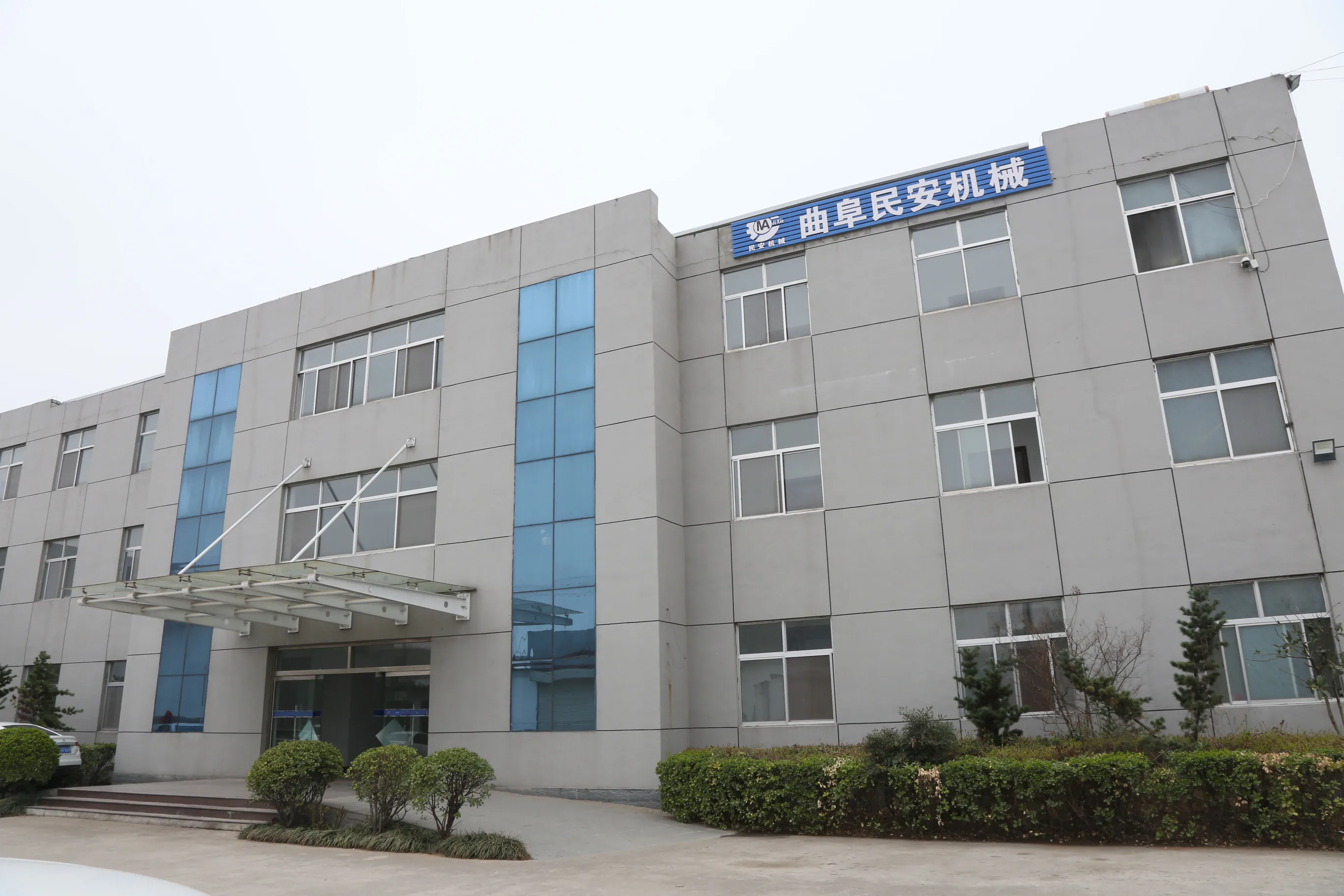
Shandong Minan Machinery Equipment Co., Ltd.
- Manufacturer
- Shandong, China
- Lead time7 days
- Avg. response≤ 6h
Main productsFood and beverage machinery,Industrial Juicer,Screw Juicer,Commercial Juicer
Main marketsSoutheast Asia(40.00%), Africa(30.00%), Eastern Asia(10.00%), South America(10.00%), Mid East(10.00%)

Jinan Chenji International Trade Co., Ltd.
- Verified by BV
- Trading Company,Manufacturer/Factory
- China Shandong
- Lead time23 days
- Avg. response≤ 4h
Main productsTensile Testing Machine, Hardness Tester, Plastic PVC Tester, Mining Machine Springs, Ethanol Distilling Equipment, Railway Spring, Metallographic Cutting Equipment, Pipes Pressure Testing Machines
Main marketsSouth America,Eastern Europe,Mid East,North America,Southeast Asia,Eastern Asia,Oceania,Western Europe,Africa

High Quality Commercial Fruit Juice Making Machine Industrial Cold Press Juicer Extractor Machine
$1560.00 - $2400.00
MOQ: 1 Sets

$1560.00 - $2400.00
MOQ: 1 Sets


Vegetables Orange Juice Onion Garlic Pineapple Carrot Fruits and Vegetables Juicer
$1560.00 - $2400.00
MOQ: 1 Sets

Large Citrus Ginger Lemon Garlic Pineapple Carrot Fruits and Vegetables Juicer
$1560.00 - $2400.00
MOQ: 1 Sets

Fruit Pomegranate Pear Fresh Fruits, Vegetables, Herbs Juice Extractor Machine
$1560.00 - $2400.00
MOQ: 1 Sets
Henan H&d Industrial Co., Ltd.
- Trading Company
- Henan, China
- Lead time7 days
- Avg. response≤ 2h
Main productsFood Machinery,Farm Machinery,Vending Machine,Beverages Machinery,Juicing Machine
Main marketsNorth America(40.00%), Northern Europe(10.00%), Southeast Asia(10.00%), South Asia(5.00%), Central America(5.00%), Eastern Europe(5.00%), Western Europe(5.00%), South America(5.00%), Mid East(5.00%), Oceania(5.00%), Africa(5.00%)
Jingjiang Elite Food Machinery Co., Ltd.
- Manufacturer
- Jiangsu, China
- Lead time30 days
- Avg. response≤ 3h
Main productsFruit & Vegetable Processing Machinery
Main marketsDomestic Market(60.00%), Mid East(12.00%), Africa(8.00%), South Asia(7.00%), Eastern Europe(6.00%), Southeast Asia(4.00%), North America(1.00%), South America(1.00%), Oceania(1.00%)
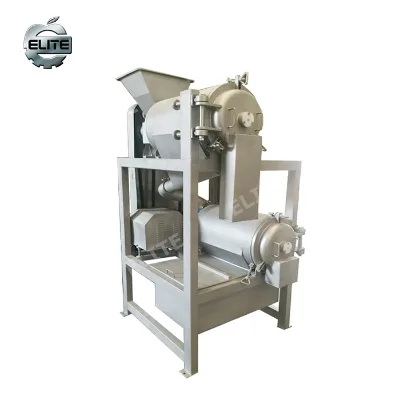
Multifunction Carrot Vegetable Blender Industry Fruit Juicer Machine Juicer Extractor
$1750.00 - $1800.00
MOQ: 1
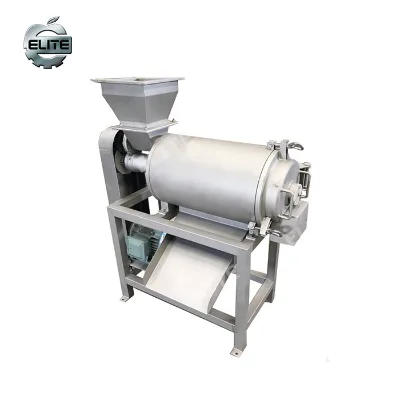
Henan Xiwang Machinery Equipment Co., Ltd.
- Verified by SGS
- Trading Company
- China Henan
- Lead time23 days
- Avg. response≤ 4h
Main productsFood Machinery, Industrial Machinery, Commerical Equipment, Packaging Machinery, Agricultural Machinery, Snacks Machinery, Biscuit Machinery, Water/Beverage Production Line, Dairy Production Line, Packing Machine
Main marketsAfrica,Southeast Asia/ Mideast,Europe


Fruit Vegetable Juicer Pulping Machine Fruit Puree Juice Extractor Machine
$1480.00 - $1510.00
MOQ: 1 Pieces

Commercial Quality Juice Machine for Fresh Fruit and Vegetables Juicing
$1860.00 - $2820.00
MOQ: 1 Pieces

Zhucheng Tianshun Machinery Co., Ltd.
- Verified by TUVRHEINLAND
- Combined
- China Shandong
- Lead time15 days
- Avg. response≤ 4h
Main productsFood Machine, Frying Machine, Vacuum Packaging Machine, Vegetable Washing Machine, Drying Machine, Potato Chips Frying Machine, Fully Automatic Fried Pasta Machine, French Fries Frying Machine, Package Cleaning Machine, Blanching Machine
Main marketsSouth America,Europe
Henan Pansheng Mechanical Equipment Co., Ltd.
- Trading Company
- Henan, China
- Lead time5 days
- Avg. response≤ 1h
Main productsFood Machinery,Mining Machinery,Waste Resource Recovery Machinery,Wood Machinery,Drying Machine
Main marketsNorthern Europe(10.00%), Western Europe(10.00%), Southeast Asia(10.00%), Eastern Europe(10.00%), South America(10.00%), North America(10.00%), Domestic Market(5.00%), South Asia(5.00%), Southern Europe(5.00%), Oceania(5.00%), Central America(5.00%), Africa(5.00%), Eastern Asia(5.00%), Mid East(5.00%)

Guangdong Shenghui Machinery Co., Ltd
- Verified by TUVRHEINLAND
- Combined
- China Guangdong
- Lead time23 days
- Avg. response≤ 6h
Main productsFood Machine, Vegetable Cutting Machine, Vegetable Washing Machine, Fruit Cleaning Machine, Bone Sawing Machine, Grinding Machine, Peeling Machine, Packing Machine, Fish Skinning Machine, Fish Extraction Machine
Main marketsSoutheast Asia/ Mideast,Domestic

Commercial Passion Fruit Crushing Machine Fruit Juicer Fruit Juicing Machine
$19850.00 - $20300.00
MOQ: 1 pc


Wenzhou Cathylin International Trade Co., Ltd.
- Verified by TUVRHEINLAND
- Trading Company
- China Zhejiang
- Lead time15 days
- Avg. response≤ 13h
Main productsFlatware, Cutlery, Kitchen Tools, Tableware, Cookware, Bakeware, Drinkware
Main marketsNorth America


Wholesale 300W Professional Masticating Juicer Machine for Fruits and Vegetables
$28.93
MOQ: 20 Pieces

Henan Domax Machinery Co., Ltd.
- Verified by SGS
- Trading Company,Manufacturer/Factory
- China Henan
- Lead time15 days
- Avg. response≤ 6h
Main productsMeat Processing Machine, Snacks Machine, Vegetables Processing Machine, Fruits Processing Machine, Nut Processing Machine, Hygiene Station, Recycling Machine, Farm Machine
Main marketsSouth America,Eastern Europe,Mid East,North America,Southeast Asia,Eastern Asia,Oceania,Western Europe,Africa
- Verified by SGS Group
- Trading Company
- Lead time10 days
- Avg. response≤ 2h
Main productsBrick Making Machinery, Wall Saw Machine, Electric Power Trowel, Rebar Tying, Diamond Wire Saw Machine
Main marketsSouthern Europe(30%), Africa(25%), Southeast Asia(20%)
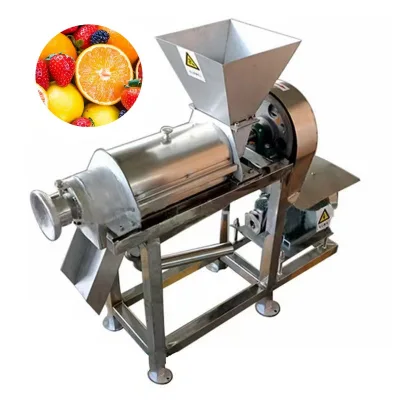
Automatic Juicer for Mango Grape Orange Apple Pear Easy to Operate Juice Collection Equipment
$1056.16 - $1138.99
MOQ: 1 sets
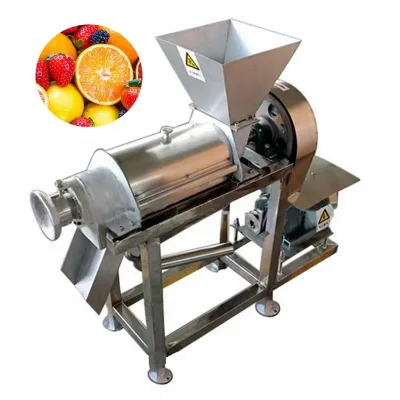
Multifunction Fruit Pulping Machine for Mango Orange and Lemon Juicer High Output Easy Cleaning
$1040.96 - $1122.60
MOQ: 1 sets
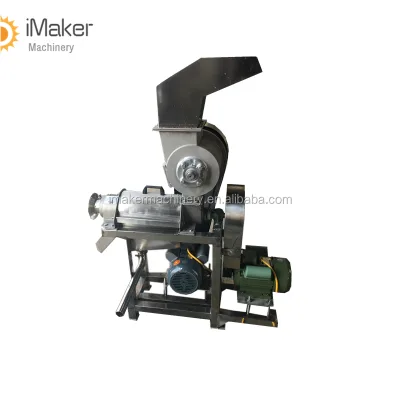
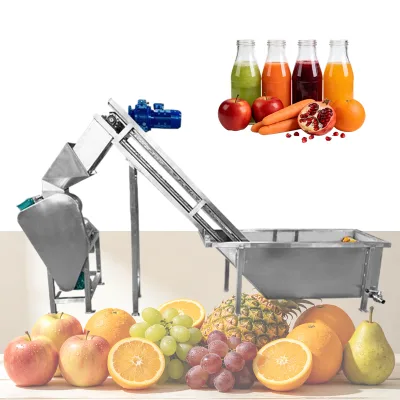
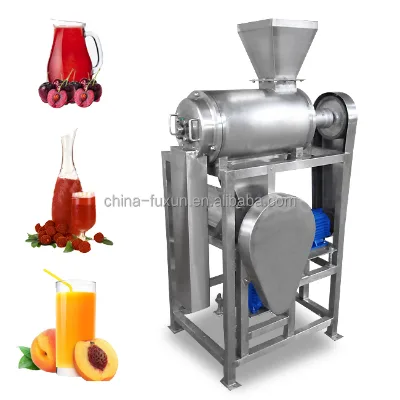




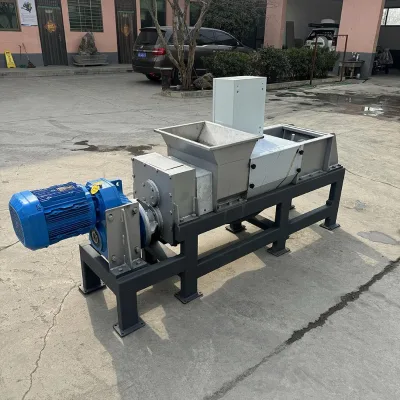
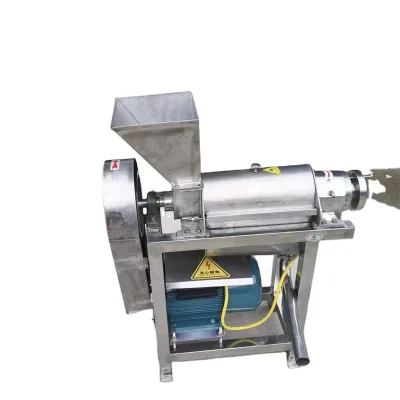
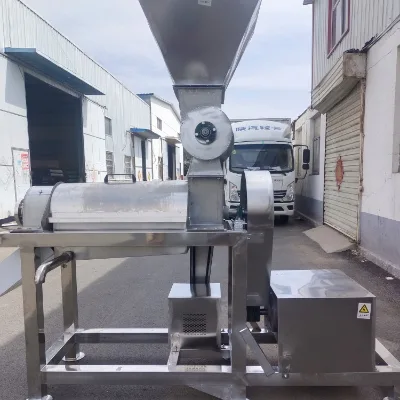
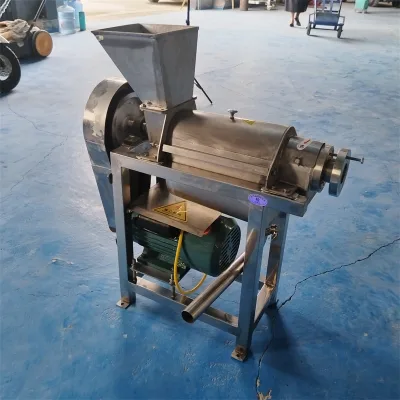
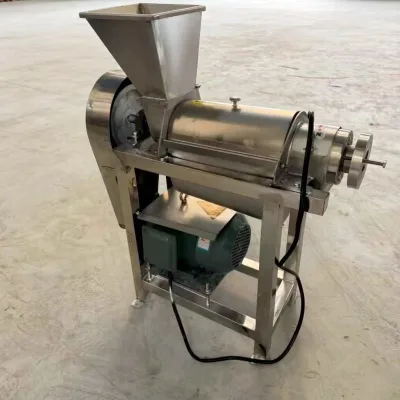
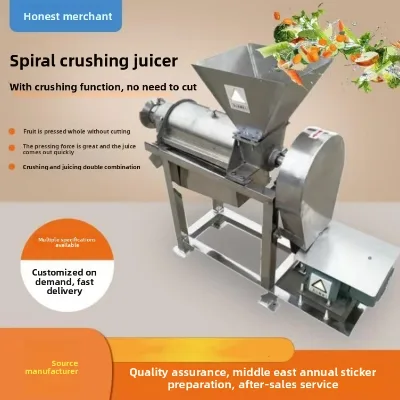
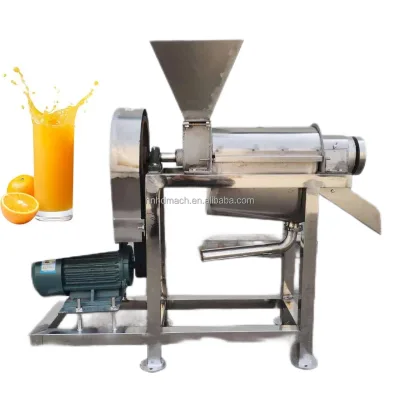
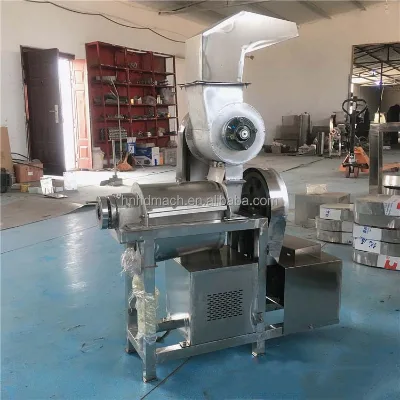




Comprehensive Sourcing Guide
Industrial Fruit Vegetable Juicer Machine Supplier Concentration and Factory Types
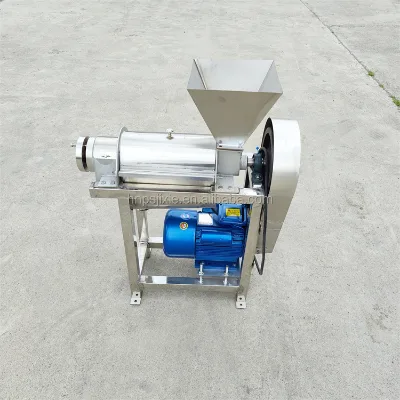
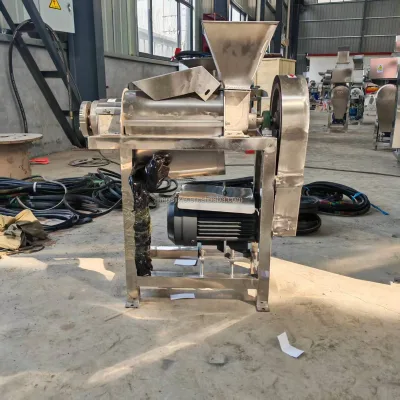
Current data indicates a concentration of suppliers in China, specifically within Shanghai and Henan provinces, where manufacturers and trading companies operate side by side. These regions host facilities producing diverse equipment ranging from basic fruit crushers to complete juice production lines and evaporators. The presence of both trading companies and direct manufacturers suggests a varied supply chain structure where buyers may encounter intermediaries or direct factory representatives depending on the specific product listing. This mix allows for different procurement strategies, though it requires careful verification to ensure the entity represents the actual production capability.
When evaluating the factory type, buyers should look for explicit declarations of whether the entity is a manufacturer or a trading company, as this impacts direct communication and customization flexibility. Some suppliers list capabilities for OEM and own-brand production, such as the "BEYOND" brand, indicating in-house engineering and assembly capacity. Others may focus on trading specific machinery types like oil processing or grain machines alongside fruit and vegetable equipment. Understanding this distinction is critical because a trading company might source from multiple factories, potentially complicating quality control and lead time management compared to a single-source manufacturer.
How to Verify Industrial Fruit Vegetable Juicer Machine Suppliers
Verification begins with scrutinizing the specific product attributes and certifications listed against the supplier's declared capabilities. Evidence shows that some units carry ISO 9001:2015, HACCP, and GMP certifications, while others reference ISO 9001:2008 or CE and SGS standards. Buyers must confirm that the certification documents provided match the specific model being purchased, as standards can vary between product lines or even between different factories supplying the same trading company. The material specifications, such as SUS304 or SUS316L stainless steel, should also be cross-referenced with the supplier's quality assurance protocols to ensure durability and food safety compliance.
Response time and lead time data provide another layer of verification regarding operational efficiency and reliability. Current observations note response times ranging from under one hour to over fifteen hours, with lead times varying significantly from three days to sixty days depending on the order complexity. A supplier claiming a short lead time for a customized machine must demonstrate the capacity to deliver within that window, whereas a standard model might have a shorter production cycle. Buyers should request proof of recent shipments or video evidence of the production line to validate these claims, ensuring the supplier can meet the specific timeline required for their project without compromising on the quality of the Industrial Fruit Vegetable Juicer Machine.
What to Compare Across Industrial Fruit Vegetable Juicer Machine Suppliers
Comparing suppliers requires a detailed analysis of lead times, minimum order quantities, and pricing structures to determine the best fit for the project budget and schedule. Lead times observed in the market range from three days for simple units to sixty days for complex production lines, directly impacting inventory planning and cash flow. Minimum order quantities appear flexible, with some suppliers offering a single unit as the MOQ, while others may have higher thresholds for customized configurations. Pricing also varies widely, with some machines listed between $2,500 and $10,000, while larger processing lines can exceed $50,000, necessitating a clear comparison of value versus cost for each specific requirement.
Beyond price and time, the scope of customization and technical specifications must be compared to ensure the machine meets operational needs. Some suppliers offer full customization for control types, ranging from semi-automatic to fully automatic systems, while others provide non-customized standard models. The capacity of the machines, measured in tons per hour, varies from 0.1 TPH to over 30 TPH, requiring buyers to match the equipment size to their expected production volume. Additionally, the availability of after-sales support, warranty terms, and the specific voltage requirements, such as 220V or 380V, are critical factors that differ between suppliers and must be aligned with the buyer's local infrastructure and operational standards.
Common Industrial Fruit Vegetable Juicer Machine Sourcing Risks
One significant risk involves the discrepancy between advertised capabilities and actual production capacity, particularly when trading companies act as intermediaries. A supplier may list a wide range of products, including juice lines and oil processing machines, but lack the specific engineering expertise for complex fruit crushing or juicing applications. This can lead to delays or substandard equipment if the trading company outsources production to a less qualified factory without adequate oversight. Buyers must verify the actual manufacturing location and the specific factory's history with similar machinery to mitigate the risk of receiving a product that does not meet the required performance standards.
Another risk lies in the variability of lead times and the potential for hidden costs associated with shipping and installation. While some suppliers quote a lead time of 30 days, others may extend to 60 days, and these figures often exclude shipping duration or customs clearance time. The packaging methods, such as wooden cases or frameworks, are essential for protecting the machinery during transit, but inadequate packaging can lead to damage upon arrival. Furthermore, the lack of standardized commercial terms across different suppliers can result in unexpected expenses for installation, training, or spare parts, making it crucial to clarify all cost components before finalizing the order to avoid budget overruns.
Industrial Fruit Vegetable Juicer Machine Regional Sourcing and Logistics
Sourcing from China, specifically Shanghai and Henan, offers access to a dense network of manufacturers but introduces specific logistical considerations regarding shipping and customs. Shanghai, as a major port city, often provides more direct shipping options for international buyers, potentially reducing transit times for equipment destined for coastal regions. However, suppliers in Henan, while offering competitive pricing and rapid response times, may require additional inland transportation to reach a port, adding complexity to the logistics chain. Buyers should evaluate the total delivery timeline, including inland freight, port handling, and ocean transit, to ensure the equipment arrives when needed for their production schedule.
Logistics planning must also account for the specific dimensions and weight of the machinery, which can vary significantly between models. For instance, some juicer machines weigh up to 240kg and require specific handling equipment for unloading, while larger production lines may need specialized cranes and reinforced shipping containers. The packaging standards, such as wooden cases or frameworks, are designed to protect the equipment but add to the overall volume and weight, influencing freight costs. Buyers should verify the packaging details and ensure that the shipping terms, such as FOB or CIF, clearly define who is responsible for insurance and freight charges to prevent disputes and ensure the safe arrival of the Industrial Fruit Vegetable Juicer Machine.
Industrial Fruit Vegetable Juicer Machine Commercial Terms and Order Planning
Commercial terms regarding payment, escrow, and warranty are critical components of the order planning process that vary significantly between suppliers. Some suppliers may offer flexible payment terms, while others require full payment before production begins, impacting the buyer's cash flow and risk exposure. The use of escrow services can provide an additional layer of security, ensuring that funds are only released once the equipment meets the agreed-upon specifications and passes inspection. Buyers should carefully review the payment schedule and ensure that the terms align with their financial policies and risk tolerance before committing to a purchase.
Order planning must also consider the customization process and the timeline for finalizing technical specifications. Suppliers offering customization options, such as specific control types or material grades, require a clear communication channel to ensure the final product matches the buyer's requirements. The lead time for customized orders can be longer than for standard models, so buyers should factor in this additional time when planning their production schedules. Additionally, the availability of spare parts and the supplier's commitment to after-sales support should be confirmed, as these factors are essential for maintaining the long-term operational efficiency of the Industrial Fruit Vegetable Juicer Machine and minimizing downtime.
FAQs
What is the price range for industrial fruit and vegetable juicer machines?
Prices for these machines typically range from $2,500 to $50,000 depending on capacity and features. Basic models start around $2,500, while complex processing lines can exceed $50,000. Buyers should verify specific pricing for their required throughput and customization needs before placing orders.
What certifications are available for these juice processing machines?
Manufacturers often provide ISO 9001, HACCP, and GMP certifications for their equipment. Some suppliers also offer CE, SGS, and BV certifications. These documents verify that the machinery meets international safety and quality standards for food processing applications and industrial compliance requirements.
What materials are used in constructing these juicer machines?
Machines are commonly constructed from SUS304 or SUS316L stainless steel. Both materials are available to ensure durability and hygiene. Stainless steel construction prevents corrosion and meets food-grade safety standards required for processing fresh fruits and vegetables in industrial environments.
What is the typical lead time for manufacturing these machines?
Lead times generally range from 15 to 60 days after payment. Some suppliers offer faster production with a 15-day turnaround, while others require up to 60 days for complex orders. Buyers should confirm specific delivery schedules with suppliers based on their order volume.
What is the minimum order quantity for these machines?
The minimum order quantity is typically one unit. Suppliers accept single-unit purchases for both standard and customized models. This allows buyers to test equipment performance before committing to larger industrial production line orders or bulk procurement for multiple facilities.
Where are these industrial juicer machines primarily manufactured?
Manufacturing locations include Shanghai and Henan in China. Suppliers in these regions offer various processing solutions including juice extraction and fruit washing equipment. Buyers can source directly from these established industrial hubs known for food machinery production and export capabilities.