Multi Vegetable Cutter Suppliers and Manufacturers
Explore 17 verified options for Multi Vegetable Cutter suppliers and manufacturers in China. Compare locations, response times, lead times, certifications, and product specifications to find the right partner. Contact suppliers directly to request quotes and verify capacity; review the available evidence before requesting comparable quotations from suitable candidates.
Suppliers List

Luohe Quality Mechanical Equipment Co., Ltd.
- Verified by SGS
- Manufacturer/Factory
- China Henan
- Lead time23 days
- Avg. response≤ 7h
Main productsJuice Extractor, Sausage Making Machine, Pita Bread Machine, Biscuit Making Machine
Main marketsSouth America,Eastern Europe,North America,Eastern Asia,Western Europe


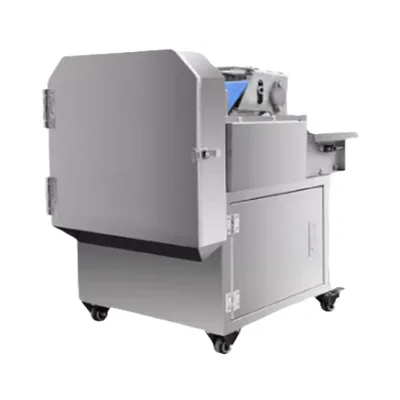
Slicer Fruit Potato Onion Cutter Vegetable Cutter Chopper Vegetable Cutter
$1700.00 - $2000.00
MOQ: 1 Pieces

Hangzhou Jinghong Chuangda Machinery Co., Ltd.
- Manufacturer, Trading Company
- Zhejiang, China
- Lead time3 days
- Avg. response≤ 2h
Main productsDumpling Machine,Steamed Stuffed Bun Machine,Vegetable Cutter
Main marketsSoutheast Asia(22.00%), North America(22.00%), Western Europe(15.00%), Southern Europe(10.00%), Eastern Asia(8.00%), South Asia(4.00%), Eastern Europe(4.00%), Mid East(3.00%), Africa(3.00%), Oceania(3.00%), South America(2.00%), Central America(2.00%), Northern Europe(2.00%)

Zhengzhou Bogen Machinery Equipment Co., Ltd.
- Verified by CTI
- Trading Company
- China Henan
- Lead time30 days
- Avg. response≤ 3h
Main productsPeanut Butter Machine, Spice Grinder, Meat Grinder, Meat Slicer, Meat Chopper, Potato Washing and Peeling Machine, Vegetables and Fruits Cutting Machine, Sausage Stuffer, Sausage Filler, Sausage Making Machine
Main marketsAfrica,Europe,North America
Guangzhou Xinjiate Machinery Equipment Co., Ltd.
- Verified by BV
- Trading Company,Manufacturer/Factory
- China Guangdong
- Lead time15 days
- Avg. response≤ 7h
Main productsMeat Cutter, Meat Grinder, Sausage Machine, Bone Sawing Machine, Vegetable Dehydrator, Vegetable-Cutter, Shredder, Flour-Mixing Machine, Juicer, Meatball Machine
Main marketsSouth America,Eastern Europe,Mid East,North America,Southeast Asia,Eastern Asia,Oceania,Western Europe,Africa
Jiaozuo Taoding Trading Co., Ltd
- Verified by SGS
- Trading Company
- China Henan
- Lead time15 days
- Avg. response≤ 4h
Main productsVarious Food Machines, Dumpling Machine, Meat Cutting Machine, Roti Machine, Vegetable Cutting Machine, Snack Machine, Packing Machine
Main marketsSouth America,Africa,Southeast Asia/ Mideast,East Asia(Japan/ South Korea),Europe,Australia,North America

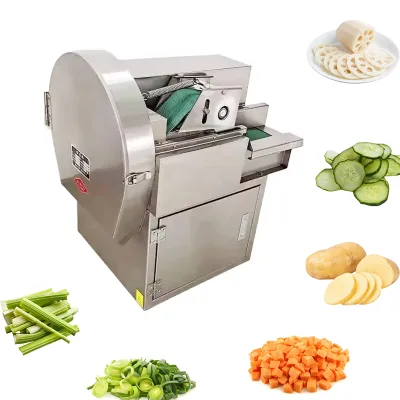
Various Shapes Support Stainless Steel Vegetable Cutter Vegetable Cutter Machine Vegetable Cutter
$950.00 - $1250.00
MOQ: 1 Pieces

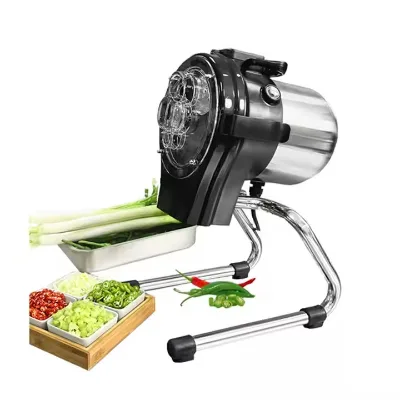
Low Price Factory Onion Cutting Cutter Vegetable Chopper Multi Function Onion Cutter
$950.00 - $1250.00
MOQ: 1 Pieces
Luohe Bard Machinery Equipment Co., Ltd.
- Manufacturer, Trading Company
- Henan, China
- Lead time7 days
- Avg. response≤ 1h
Main productsGeneral Machinery,Fruit Vegetables Processing Machines,Meat Processing Machines,Snack food machinery,Packaging Machinery
Main marketsNorth America(30.00%), Mid East(15.00%), Western Europe(13.00%)
Henan Baixin Machinery Equipment Co., Ltd.
- Verified by SGS
- Combined
- China Henan
- Lead time15 days
- Avg. response≤ 3h
Main productsMesh Belt Continuous Dryer, Heat Pump Dryer, Microwave Dryer, French Fries Production Line
Main marketsSouth America,Africa,Southeast Asia/ Mideast,Europe

- Verified by BV
- Trading Company,Manufacturer/Factory
- China Henan
- Lead time15 days
- Avg. response≤ 4h
Main productsOil Expeller, Oil Press Machine, Oil Refinery, Pellet Machine, Food Processing Machine, Animal Feed Machine, Packing Machine, Filling Machine, Briquette Machine, Brick Machine
Main marketsSouth America,Eastern Europe,Mid East,North America,Southeast Asia,Eastern Asia,Oceania,Western Europe,Africa


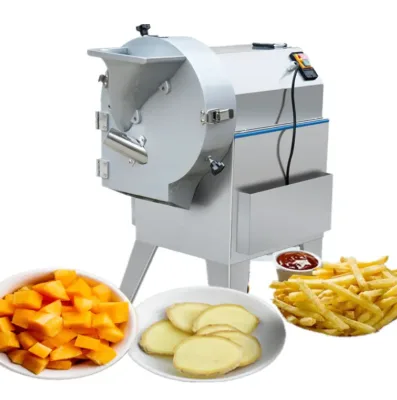
Best Selling Multifunctional Double-Head Vegetable Cutter vegetable cutting machine
$1999.00 - $2500.00
MOQ: 1 Sets


Hunan Dongfanghong Electromechanical Manufacturing Co., Ltd.
- Combined
- China Hunan
- Lead time30 days
- Avg. response≤ 10h
Main productsChaff Cutter, AC Motor, Corn Sheller, Feed Pellet Machine, Rice Milling Machine, Potato Grater, Feed Granulator, Fodder Chopper, Grinder Machine
Main marketsSoutheast Asia/ Mideast,Domestic,North America

Zhengzhou Lerford Machinery Equipment Co., Ltd.
- Verified by SGS
- Trading Company
- China Henan
- Lead time15 days
- Avg. response≤ 5h
Main productsPellet Machine, Packing Machine, Vegetable Processing Machine, Fruit Washing Machine, Dryer Machine, Briquette Machine, Toothpick Machine, Snack Machine, Oil Press, Potato Chips Machine
Main marketsSouth America,Africa,Others(foreignTradeCapacity.exportBusinessCapacityMarketOther),Europe,North America

Zhengzhou Honest Machinery Co., Ltd.
- Trading Company,Manufacturer/Factory
- China Henan
- Lead time15 days
- Avg. response≤ 7h
Main productsFood Machinery, Packing Machines, Microwave Equipment, Drying Machines, Grain Product Making Machines, Commodity Making Machines, Texitle Machines, Construction Machinery
Main marketsSouth America,Eastern Europe,Mid East,North America,Southeast Asia,Eastern Asia,Oceania,Western Europe,Africa

$1089.00 - $1689.00
MOQ: 1 set

Fruit Cutter / Vegetable Cutter / Potato Cutting Machine / Vegetable and Fruit Cutting Machine
$369.00 - $569.00
MOQ: 1 SET

Guangzhou Nantian Sources Co., Ltd.
- Manufacturer/Factory
- China Guangdong
- Lead time15 days
- Avg. response≤ 6h
Main productsKitchen Equipment, Kitchenware, Food Machine, Kitchen Appliance, Glassware, Food Machinery, Bakery Equipment, Dinnerware, Kitchen Utensils, Food Processor
Main marketsSouth America,Mid East,Southeast Asia,Eastern Asia,Oceania,Africa


MOQ: 1 Pieces

Guangzhou Tianyin Industrial Co., Ltd.
- Verified by SGS
- Trading Company,Manufacturer/Factory
- China Guangdong
- Lead time15 days
- Avg. response≤ 8h
Main productsIce Maker Machine, Ice Cream Machine, Somosa Making Machine, Dumpling Making Machine, Food Machine, Dough Sheeter, Bakery Equipment, Meat Cutting Machine, Vegetable Cutting Machine
Main marketsSouth America,Eastern Europe,Mid East,North America,Southeast Asia,Eastern Asia,Oceania,Western Europe,Africa

Multifunctional Vegetable Cutter Vegetable Slicer Grater Slicer Vegetable Chopper Cutter
$400.00 - $800.00
MOQ: 1 Pieces

Multifunctional Vegetable Slicer Kitchen Chopper Wet Vegetable Cutter Machine
$400.00 - $800.00
MOQ: 1 Pieces

Zhucheng Lijie Food Machinery Co.,Ltd.
- Verified by BV
- Combined
- China Shandong
- Lead time30 days
- Avg. response≤ 3h
Main productsPotato Chips Frying Machine, Hot Air Drying Machine, Bubble Washing Machine, Fruit&Vegetable Cutting Machine, Frying Machine, Air Drying Machine, Washing and Hot Air Drying Line, Frozen French Fries Production Line, Turnover Basket Washing Machine, Auxiliary Machine
Main marketsAfrica,Southeast Asia/ Mideast,East Asia(Japan/ South Korea)
Changzhou Jinkun Food Machinery Co., Ltd.
- Verified by SGS
- Combined
- China Jiangsu
- Lead time15 days
- Avg. response≤ 4h
Main productsMeat Slicer, Bone Saw, Hamburger Press, Meat Mincer, Vegetable Cutter, Juicer Series, Meat Grinder, Sausage Machine, Machine Accessories
Main marketsSouth America,Europe


Versatile Vegetable Cutter with Motor and Machinery Test Report Provided
$290.00 - $310.00
MOQ: 1 Pieces


High-Performance Vegetable Cutter with Motor 24kg Weight and Certification
$290.00 - $310.00
MOQ: 1 Pieces
- Verified by SGS
- Combined
- China Jiangxi
- Lead time30 days
- Avg. response≤ 2h
Main productsMeat Cutting Machine, Meat Grinder Machine, Precision Sausage Filling Equipment, Meatball Emulsifier Machinery, Meatball Forming Machine, Multi-Purpose Vegetable Cutter, Pre-Cut Vegetable Processing Equipment, Slicing Dicing & Julienning Equipment, Fish Processing Equipment, Food Packaging Equipment
Main marketsSoutheast Asia/ Mideast


Professional Dual-Head Vegetable Cutter for Efficient Bulk Processing
$4900.00 - $6700.00
MOQ: 1 Pieces

Variable Frequency Electric Vegetable Cutter with Precision Control Features
$4900.00 - $6700.00
MOQ: 1 Pieces

Automatic Dual-Head Vegetable Cutter with Adjustable Speed Control for Efficient Processing
$4900.00 - $6700.00
MOQ: 1 Pieces

- Verified by BV
- Combined
- China Guangdong
- Lead time15 days
- Avg. response≤ 2h
Main productsHood Type Dishwasher, Conveyor Type Dishwasher, Ultrasonic Dishwasher, Undercounter Dishwasher, Bakery Equipment, Food Processor
Main marketsSouth America,Africa,Others(foreignTradeCapacity.exportBusinessCapacityMarketOther),North America




Comprehensive Sourcing Guide
Multi Vegetable Cutter Supplier Concentration and Factory Types
The current supplier landscape for multi vegetable cutters reveals a distinct concentration of manufacturing activity within specific Chinese provinces, with verified results indicating production hubs in Henan, Zhejiang, and Guangdong. These regions host a mix of Manufacturer/Factory entities and Trading Companies, each offering different value propositions for buyers seeking industrial-grade equipment. Suppliers in Henan often list diverse main products including juice extractors and sausage making machines alongside vegetable cutters, suggesting a broad industrial machinery focus. In contrast, facilities in Zhejiang and Guangdong may specialize more narrowly in food processing equipment or serve as trading intermediaries that aggregate products from various factories.
When evaluating these entities, buyers must distinguish between direct manufacturers and trading companies based on the company type field. Direct manufacturers typically offer OEM capabilities and direct control over production lines, which can be critical for customizing cutter specifications like capacity or material. Trading companies, while potentially offering a wider range of models from different sources, may introduce additional layers in the supply chain. The presence of verified badges such as SGS, CTI, or BV on supplier profiles provides a baseline for trust, but the specific factory type determines the depth of technical support and customization options available for complex Multi Vegetable Cutter orders.
How to Verify Multi Vegetable Cutter Suppliers
Verification of Multi Vegetable Cutter suppliers requires a rigorous examination of third-party audit reports and system certifications rather than relying solely on self-reported claims. Current data indicates that some suppliers hold ISO 9001 system certification, which validates their quality management processes, while others display verification badges from agencies like SGS, CTI, or BV. These external validations are essential for confirming that the supplier's production environment meets international standards for safety and consistency. Buyers should prioritize suppliers who explicitly list these certifications in their product attributes or company profiles, as this evidence suggests a commitment to maintaining standardized manufacturing practices.
Beyond certifications, the response time and lead time metrics provide tangible indicators of a supplier's operational efficiency and reliability. A supplier with a response time of two days or less demonstrates a high level of engagement and readiness to address technical inquiries or customization requests promptly. Similarly, lead times ranging from three to thirty days offer insight into production capacity and scheduling flexibility. Buyers should cross-reference these metrics with the supplier's main product list to ensure that vegetable cutters are a core competency rather than a peripheral offering. Verifying that the supplier has a history of delivering specific models, such as the VD-06 or BG-660, adds another layer of confidence to the selection process.
What to Compare Across Multi Vegetable Cutter Suppliers
Comparing suppliers requires a systematic analysis of key operational dimensions including lead time, minimum order quantity, and response speed to identify the most suitable partner for specific project needs. Lead times in the current market vary significantly, with some suppliers offering rapid delivery windows of three days while others require up to thirty days for production and shipping. This variance often correlates with the supplier's capacity to handle OEM requests and their current production load. Buyers must align their project timelines with these lead times to avoid delays, especially when sourcing for large-scale food processing plants or commercial kitchens that cannot afford interruptions in their operations.
Minimum order quantities and pricing structures also differ widely across the supplier base, influencing the total cost of ownership and inventory strategy. Some suppliers list a minimum order quantity of just one unit, making them accessible for small businesses or pilot projects, while others may have higher thresholds. Price ranges observed in the market span from approximately $158 to $2,000, depending on the machine's capacity, material composition, and feature set. Buyers should compare these figures against the specific technical requirements of their application, such as the need for stainless steel construction or specific cutting sizes ranging from 1 to 60mm. Additionally, the availability of customization options and after-sales service, such as overseas engineering support, should be weighed against the initial purchase price to determine the long-term value of each supplier.
Common Multi Vegetable Cutter Sourcing Risks
One significant risk in sourcing multi vegetable cutters involves the potential mismatch between advertised specifications and actual product performance, particularly regarding capacity and material durability. While product attributes often list capacities ranging from 120 to 1500kg/H, buyers must verify that these figures are tested under realistic operating conditions rather than ideal laboratory settings. The material specification, frequently cited as stainless steel, is critical for food safety and longevity, yet the grade and thickness of the steel can vary between suppliers. Without independent testing or detailed material certificates, there is a risk that the equipment may degrade faster than expected or fail to meet hygiene standards required for commercial food processing environments.
Another critical risk is the variability in after-sales support and warranty enforcement across different supplier types. While some suppliers explicitly state that engineers are available to service machinery overseas, others may offer limited or no post-purchase technical assistance. This discrepancy can lead to significant downtime if the machine requires repairs or calibration after installation. Buyers should carefully review the "After-Sales Service Provided" attributes in product listings to ensure that the supplier has the necessary resources to support the equipment throughout its lifecycle. Relying on a supplier without a proven track record of international service can result in costly delays and operational inefficiencies, particularly for complex industrial machinery that requires specialized maintenance.
Multi Vegetable Cutter Regional Sourcing and Logistics
Sourcing multi vegetable cutters from China involves navigating distinct regional logistics profiles that impact shipping costs, transit times, and overall supply chain efficiency. The current supplier data highlights manufacturing clusters in Henan, Zhejiang, and Guangdong, each with different port access and logistical advantages. Suppliers in Guangdong often benefit from proximity to major international shipping hubs, potentially reducing transit times for ocean freight to global destinations. In contrast, suppliers in Henan or Zhejiang may require additional inland transportation to reach coastal ports, which can add days to the delivery schedule and increase freight costs. Buyers must factor these regional differences into their logistics planning to ensure timely arrival of equipment.
Packaging standards also vary by region and supplier, influencing the safety of the equipment during transit. Product attributes frequently indicate that machines are packed in wooden crates or wooden cases, which provide robust protection for heavy industrial machinery. However, the quality of the packing material and the securing methods used can differ significantly between suppliers. Buyers should verify that the packaging meets international shipping standards to prevent damage during long-haul transport. Additionally, the origin of the product, consistently listed as China, means that buyers must be aware of any import regulations or tariffs specific to their destination country that could affect the final landed cost of the Multi Vegetable Cutter.
Multi Vegetable Cutter Commercial Terms and Order Planning
Commercial terms for multi vegetable cutters often include specific requirements regarding payment methods, shipping terms, and customization agreements that must be clearly defined before order placement. While some suppliers offer flexible terms for small orders with a minimum quantity of one unit, larger industrial orders may require different payment structures or deposit arrangements. Buyers should clarify whether the quoted price includes all necessary certifications, such as CE, SGS, ISO, BV, or QS, as these can impact the marketability of the equipment in different regions. Understanding the full scope of the commercial agreement helps prevent unexpected costs and ensures that the supplier is committed to delivering a product that meets all regulatory requirements.
Order planning for multi vegetable cutters must account for the production lead time and the potential need for customization, which can extend the timeline significantly. Suppliers offering OEM services may require additional time for design approval and prototype testing before mass production begins. Buyers should plan their procurement schedule to accommodate these variables, ensuring that the equipment arrives well before the intended start of operations. It is also essential to confirm the availability of spare parts and the lead time for replacements, as this affects the long-term viability of the investment. By carefully aligning commercial terms with operational needs, buyers can mitigate risks and ensure a smooth integration of the Multi Vegetable Cutter into their production workflow.
FAQs
What is the typical lead time for vegetable cutter orders?
Lead times vary by supplier, ranging from 3 days to 30 days based on order volume and customization needs. Some manufacturers in China offer rapid delivery within three days, while others may require up to a month for complex machinery production and shipping arrangements.
Are vegetable cutters available with custom specifications?
Many suppliers offer customized vegetable cutters with adjustable cutting sizes from 1 to 60mm and varying capacities. Customization options include specific voltage requirements and material choices like stainless steel, allowing buyers to tailor machines for restaurants or industrial food processing plants.
What certifications do vegetable cutter manufacturers hold?
Manufacturers often hold ISO 9001 system certifications and product certifications such as CE, SGS, BV, and QS. These credentials ensure the machinery meets international safety and quality standards, providing buyers with confidence in the reliability and compliance of the equipment they purchase.
What is the minimum order quantity for vegetable cutters?
The minimum order quantity is typically one unit for most vegetable cutter models available on the market. This low MOQ allows small businesses and individual buyers to purchase commercial-grade equipment without needing to commit to large bulk orders or significant upfront inventory investments.
Where are vegetable cutter manufacturers primarily located?
Major manufacturers are located in regions like Henan, Zhejiang, and Guangdong in China. These industrial hubs host factories and trading companies specializing in food processing machinery, offering a wide range of options from electric vegetable cutters to multifunctional fruit and vegetable processing systems.
What is the price range for industrial vegetable cutters?
Prices for industrial vegetable cutters range from approximately 158 to 2000 dollars depending on capacity and features. Basic models start lower, while high-capacity machines with advanced functions and stainless steel construction command higher prices to meet the demands of commercial food processing environments.
How quickly do suppliers respond to inquiries?
Supplier response times vary, with some companies replying within two hours and others taking up to six hours. Fast response times are common among verified manufacturers, ensuring that buyers receive timely information regarding product specifications, pricing, and shipping logistics for their vegetable cutter orders.