Multicolor Aluminium Pigeon Foot Ring Suppliers and Manufacturers
Source 16 verified suppliers for Multicolor Aluminium Pigeon Foot Ring products. Compare grounded dimensions including MOQ, lead time, certifications, and pricing. Review product specifications and request samples to verify quality before placing bulk orders; review the available evidence before requesting comparable quotations from suitable candidates.
Suppliers List

Sails RFID Smart Card Technology Co., Limited
- Trading Company
- China Guangdong
- Lead time15 days
- Avg. response≤ 6h
Main productsRFID Tags, Smart Card, Ear Tag, Pet Microchip, Pigeon Ring, Security Seal, RFID Inlay, PVC Card, ID Card, RFID Reader
Main marketsSouth America,Africa,Southeast Asia/ Mideast,Europe,Australia,North America


Use for Training Pigeon Bird Aluminium Foot Ring with Customized Letter or Flag for Pigeon
$0.10 - $0.20
MOQ: 100 Pieces


Pigeon Racing Foot Ring Love Bird Ring Closed Aluminum Metal Pigeon Rings for Racing
$0.15 - $0.19
MOQ: 1000 Pieces

Chongqing Duoduoduo Technology Co., Ltd.
- Manufacturer, Trading Company
- Chongqing, China
- Lead time0 days
- Avg. response≤ 1h
Main productsHose Clamps,Pipe clips,Cable clamps,Pet products
Main marketsNorth America(18.00%), Northern Europe(12.00%), Western Europe(12.00%), Oceania(10.00%), Domestic Market(10.00%), South America(10.00%), Eastern Asia(6.00%), Eastern Europe(5.00%), Mid East(4.00%), Southeast Asia(4.00%), Southern Europe(3.00%), Africa(2.00%), South Asia(2.00%), Central America(2.00%)
Shenzhen Wenchuangfu Electronic Plastic Product Co., Ltd.
- Verified by SGS Group
- Manufacturer, Trading Company
- Lead time5 days
Main productsChicken Coop Door; Egg Incubator; Pet Toys; Mini Sealer; Phone Holder
Dongguan Geshifeng Metal Products Co., Ltd.
- Verified by SGS Group
- Manufacturer, Trading Company
- Guangdong, China
- Lead time10 days
Main productsPigeon Foot Rings, Bird Cage, Bird Toys, Pigeon Accessories, Bird Accessories
Main marketsNorth America(18%), Domestic Market(17%), Mid East(14%)


New Style Open Aluminum Ring Bird Leg Bands Pigeon Foot Ring Number Bands a 00001//
$0.09 - $0.18
MOQ: 100

Shenzhen Jianhe Smartcard Technology Co., Ltd
- Verified by SGS
- Combined
- China Guangdong
- Lead time15 days
- Avg. response≤ 3h
Main productsSmart Card, RFID Card/Tags, Card Reader
Main marketsSoutheast Asia/ Mideast,East Asia(Japan/ South Korea),North America
Hangzhou Muye Technology Co., Ltd.
- Trading Company
- Zhejiang, China
- Lead time15 days
- Avg. response≤ 11h
Main productsPet cleaning,Pet hygiene,baby hygiene,hygiene material,hygiene equipment
Main marketsSouth America(15.00%), Domestic Market(15.00%), North America(13.00%), Central America(12.00%), Africa(10.00%), South Asia(6.00%), Southeast Asia(6.00%), Western Europe(5.00%), Eastern Europe(5.00%), Mid East(3.00%)
Dezhou Decheng Yuancheng Poultry Equipment Factory
- Manufacturer, Trading Company
- Shandong, China
- Lead time5 days
- Avg. response≤ 5h
Main productspoultry feeders,poultry drinkers,poultry equipment,livestock products,incubator relevant prodcuts
Main marketsMid East(30.00%), North America(10.00%), Africa(10.00%), Southeast Asia(10.00%), Eastern Europe(10.00%), Northern Europe(10.00%), Western Europe(5.00%), Domestic Market(5.00%), Southern Europe(4.00%), Eastern Asia(2.00%), South Asia(2.00%), South America(2.00%)

Zhengzhou Lansheng Lianzhou International Trade Co., Ltd.
- Trading Company
- Henan Province, China
- Lead time15 days
- Avg. response≤ 1h
Main productsPet Supplies & Pet,pet food,Pet Health Products
Main marketsNorth America(30.00%), Southeast Asia(15.00%), Mid East(15.00%), Southern Europe(10.00%), Northern Europe(10.00%), Western Europe(10.00%), Eastern Europe(10.00%)

- Trading Company
- China Shandong
- Lead time15 days
- Avg. response≤ 9h
Main productsThermal Printable Wristband, RFID Sticker and Labels, Fabric Wristbands, Packing Box, Wooden Box, Leather Box, EAS Labels and Tags, 8.2MHz RF Stickers, 58kHz Tags, Training Equiptment
Main marketsSouth America,Eastern Europe,Mid East,North America,Southeast Asia,Eastern Asia,Oceania,Western Europe,Africa

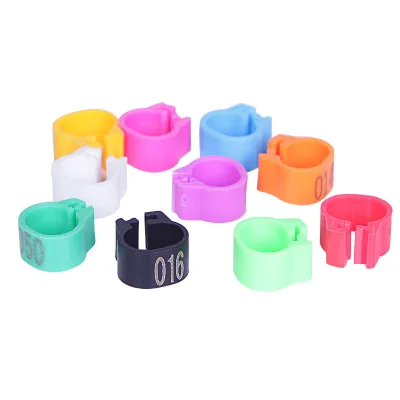
Pigeon Leg Plastic Foot Clip Rings Band for Birds Chickens Tags Mixed Color Pigeon Foot Ring
$0.20 - $0.25
MOQ: 1000 Pieces


Jinjiang Jiayi Supply Chain Management Co., Ltd.
- Verified by BV
- Trading Company
- China Fujian
- Lead time30 days
- Avg. response≤ 1h
Main productsGift, Shoe, Garment, Machine
Main marketsDomestic
Weifang Xuelong Trading Co., Ltd.
- Trading Company
- Shandong, China
- Lead time7 days
- Avg. response≤ 2h
Main productsAquarium landscape decoration,driftwood,Aquarium equipment and equipment,aquarium,Aquarium rocks and sand
Main marketsNorth America(20.00%), Domestic Market(10.00%), South Asia(10.00%), Southern Europe(10.00%), Northern Europe(10.00%), Central America(10.00%), Western Europe(10.00%), Eastern Asia(10.00%), Mid East(10.00%), Oceania(10.00%), Africa(10.00%), Southeast Asia(10.00%), Eastern Europe(10.00%), South America(10.00%)


bird leg ring, foot ring, racing bird ring, ring material, bird ring Customizable
$0.05 - $0.14
MOQ: 1000 pieces

Zhejiang Kangrui Apparatus Technology Co., Ltd.
- Verified by BV
- Combined
- China Zhejiang
- Lead time30 days
- Avg. response≤ 12h
Main productsSyringe, Needle, Ear Tag, Applicator, Veterinary, Drencher, Drinker, Feeder, Ai Equipments, Feeding Equipments
Main marketsSouth America,Southeast Asia/ Mideast,Domestic,Europe,Australia,North America

Plastic Bird Bands Leg Digital Rings for Pigeon Poultry Chicken Foot Ring
$0.01 - $0.02
MOQ: 10000 Pieces

Foot Rings Poultry Buckle Poultry Ring for Birds Plastic Duck Goose Leg
$0.01 - $0.02
MOQ: 10000 Pieces
Anhui Hatai Intelligent Technology Co., Ltd.
- Verified by TüVRheinland
- Manufacturer, Trading Company
- Lead time10 days
Main productsAnimal Ear Tag, Ear Tag Plier, Ear Tag Reader/scanner, Electronic Ear Tag, Animal Neck Collar
Main marketsMid East(28%), Africa(20%), Oceania(10%)
Qingyuan Bird Story Import And Export Co., Ltd.
- Verified by TüVRheinland
- Manufacturer, Trading Company
- Lead time15 days
Main productsPet Toys, Pet Cage And Accessories, Bird Supplies, Rabbit Supplies, Pet Foot Rings
Main marketsNorth America(24%), Western Europe(20%), Mid East(12%)
Longmu Animal Husbandry Technology (cangzhou) Co., Ltd.
- Trading Company
- Hebei, China
- Lead time20 days
- Avg. response≤ 1h
Main productsAnimal feeder and drinker,chicken feeder,Chicken drinker,Poultry feeding systems,Poultry drinking systems
Main marketsNorth America(30.00%), Southeast Asia(25.00%), South America(10.00%), Southern Europe(5.00%), Northern Europe(5.00%), Western Europe(5.00%), Mid East(5.00%), Oceania(5.00%), Africa(5.00%), Eastern Europe(5.00%)


2023 Plastic Clip Bird Foot Rings Pigeon Foot Rings Bird Leg Bands Bird Clips Rings LMA-30
$0.13 - $0.17
MOQ: 100 meters

ZZ 2023 Factory Directly Customized Pigeon Ring with Name and Phone Number Racing Pigeon Ring
$0.12 - $0.13
MOQ: 100 pieces

Zhengzhou Zhimuren Machinery Co,, Ltd.
- Verified by SGS Group
- Manufacturer, Trading Company
- Lead time15 days
Main productsWater bowls for pigs/ cattle and sheep, Cow and sheep milking machine, Ear tag pliers, Ear tag, Water bucket/ Feeder bucket
Main marketsSouth America(25%), Eastern Europe(21%), North America(18%)
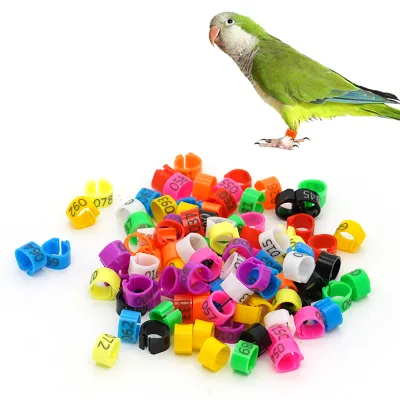
![[Color Aluminum Ring] Foot Ring, Carrier Pigeon Supplies, Marking Ring, Aluminum Multi-color Foot Ring, Closed Aluminum Ring](https://file.focusaim.com/api/image/preview/2f3b10e988a17ea801e4e1a724e634ee.png?bi=true&local=true)








Comprehensive Sourcing Guide
Multicolor Aluminium Pigeon Foot Ring Supplier Concentration and Factory Types
The current supplier landscape for multicolor aluminium pigeon foot rings is dominated by trading companies located in China, specifically within the Guangdong province. This concentration suggests that while manufacturing may occur in specialized facilities, the primary point of contact for international buyers is often a trading entity that aggregates products from various factories. These trading companies serve as intermediaries, offering a broader range of related items such as RFID tags, smart cards, and other pet supplies, which can be advantageous for buyers seeking a one-stop solution for bird management equipment. The presence of these entities in Shenzhen, a major manufacturing hub, indicates a mature supply chain ecosystem where logistics and export procedures are well-established. Buyers should recognize that engaging with a trading company does not necessarily imply lower quality, but it does mean that direct factory communication might be limited unless explicitly negotiated. Understanding this structure helps in setting realistic expectations regarding communication channels and the potential for direct factory audits, which may require additional steps if the supplier is primarily a trading firm rather than a manufacturer.
Within this cluster, the product offerings vary significantly in terms of technological integration and material composition. Some suppliers provide simple, chipless aluminium rings suitable for basic identification, while others offer advanced RFID-enabled tags with passive chips like TK4100 or EM4100, operating at frequencies such as 125kHz. This diversity allows buyers to select suppliers based on their specific technical requirements, whether they need basic visual identification or automated tracking capabilities. The main products listed by these suppliers often include a wide array of bird supplies, indicating that these companies have developed expertise in the niche market of avian identification. This specialization can be beneficial for buyers who require consistent quality across different types of rings, from small chicks to larger racing pigeons. However, it also means that buyers must carefully verify the specific capabilities of each supplier, as a company selling both RFID readers and aluminium rings may not have equal depth of expertise in both areas. Therefore, assessing the supplier's primary focus and product evidence is crucial to ensuring they can meet the specific demands of a Multicolor Aluminium Pigeon Foot Ring order.
How to Verify Multicolor Aluminium Pigeon Foot Ring Suppliers
Verifying the authenticity and reliability of suppliers requires a close examination of the provided product evidence and certification details. Buyers should start by cross-referencing the certifications listed on product pages, such as RoHS, CE, ISO, and SGS, with the supplier's official documentation. For instance, some products explicitly state compliance with RoHS standards, which is critical for ensuring the materials used in the aluminium rings are free from hazardous substances. Additionally, the presence of ISO and CE certifications indicates adherence to international quality and safety management systems. However, buyers must not take these claims at face value; instead, they should request copies of the actual certificates and verify their validity through the issuing bodies. The product attributes often include specific model numbers, such as SEAT-P-01 or SAP02, which can be used to trace the product's origin and manufacturing history. By asking suppliers for detailed technical datasheets that match these model numbers, buyers can assess the supplier's transparency and attention to detail. This process helps in distinguishing between suppliers who have genuine manufacturing capabilities and those who may be merely reselling generic products without proper quality control.
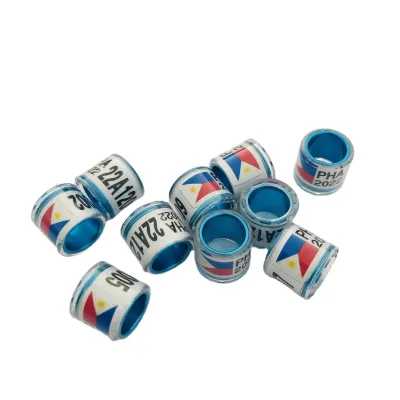
Another critical aspect of verification is the assessment of the supplier's response time and communication efficiency. The data indicates a response time of approximately 5.37 hours, which is a useful metric for evaluating how quickly a supplier can address inquiries and resolve issues. Fast response times often correlate with better customer service and more reliable order processing. Buyers should also look for evidence of customization capabilities, as many suppliers offer options for printing logos, letters, or numbers on the rings. The product attributes mention customization availability and specific printing methods like laser printing, which are important for branding and identification purposes. Buyers should request samples to verify the quality of the printing and the durability of the aluminium material. Furthermore, checking the supplier's main products list can provide insights into their overall business focus. If a supplier primarily deals in trading company activities, buyers should inquire about their relationship with the actual manufacturers to ensure they have direct access to production lines. This verification process helps in building a robust supplier base that can deliver high-quality multicolor aluminium pigeon foot rings consistently.
What to Compare Across Multicolor Aluminium Pigeon Foot Ring Suppliers
When evaluating multiple suppliers, it is essential to compare key operational metrics such as lead times, minimum order quantities (MOQs), and pricing structures. The available data shows a range of lead times, with some suppliers indicating a standard lead time of 15 days, while others may have different delivery schedules depending on the product type and customization requirements. Buyers should also pay attention to the MOQs, which vary significantly across different products. For example, some aluminium rings have an MOQ of 100 pieces, while others may require 1000 or even 10,000 pieces per box. This variation allows buyers to choose suppliers that align with their inventory needs and budget constraints. Pricing is another critical factor, with prices ranging from $0.08 to $0.36 per unit depending on the complexity and features of the ring. Buyers should compare these prices in the context of the MOQ and lead time to determine the total cost of ownership. Additionally, the availability of free samples, with freight collect, can be a valuable tool for evaluating product quality before committing to a large order. By systematically comparing these metrics, buyers can identify suppliers that offer the best balance of cost, speed, and quality for their specific requirements.
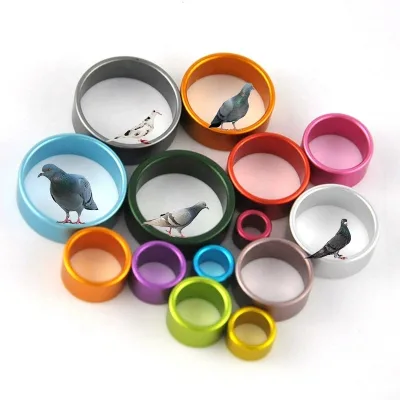
Beyond operational metrics, buyers should also compare the technical specifications and customization options offered by different suppliers. The product attributes reveal a wide range of sizes, from 2mm to 22mm, and various colors such as yellow, silver, green, blue, black, and red. Buyers should assess which suppliers offer the most comprehensive range of sizes and colors to meet their diverse needs. The material composition is also a key differentiator, with some suppliers offering pure aluminium rings while others provide plastic and aluminium combinations. The presence of RFID chips in some products adds another layer of complexity, requiring buyers to compare the chip types, frequencies, and read-write capabilities. Suppliers that offer read/write capabilities may be more suitable for advanced tracking systems, while those with read-only chips may be sufficient for basic identification. Additionally, the printing options, such as laser printing or custom logo printing, should be compared to ensure the supplier can meet branding requirements. By thoroughly comparing these technical details, buyers can select suppliers that not only offer competitive prices but also provide the specific features and customization options needed for their Multicolor Aluminium Pigeon Foot Ring projects.
Common Multicolor Aluminium Pigeon Foot Ring Sourcing Risks
One of the primary risks in sourcing multicolor aluminium pigeon foot rings is the potential discrepancy between the claimed certifications and the actual product quality. Suppliers may list certifications such as RoHS, CE, or ISO on their product pages, but these claims must be verified through independent testing or direct certificate validation. Without proper verification, buyers risk receiving products that do not meet the required safety and quality standards, which can lead to regulatory issues or customer dissatisfaction. Another significant risk is the variability in material quality, particularly regarding the aluminium used in the rings. Some suppliers may use lower-grade aluminium that is prone to corrosion or breakage, especially when exposed to outdoor conditions. Buyers should request material specifications and conduct physical tests on samples to ensure the durability and longevity of the rings. Additionally, the customization process, such as printing logos or numbers, can introduce risks if the printing method is not durable. Laser printing is generally more durable than other methods, but buyers should verify the resistance of the print to wear and tear. By identifying these risks early in the sourcing process, buyers can implement mitigation strategies such as requesting detailed material reports and conducting rigorous sample testing.
Logistical and communication risks are also prevalent in this sourcing category, particularly when dealing with trading companies located in different regions. The lead times provided by suppliers may not always be accurate, especially if there are delays in production or shipping. Buyers should establish clear communication channels and request regular updates on the production status to avoid unexpected delays. Furthermore, the MOQ requirements can pose a risk for buyers with smaller order volumes, as some suppliers may have high MOQs that are difficult to meet. Buyers should negotiate flexible MOQ terms or seek suppliers with lower minimum requirements to reduce inventory holding costs. Another risk is the potential for miscommunication regarding product specifications, such as size, color, or chip type. To mitigate this risk, buyers should provide detailed technical drawings and specifications and request written confirmation from the supplier before placing the order. Additionally, buyers should be aware of the payment terms and ensure that they are secure, such as using escrow services or letters of credit. By proactively addressing these risks, buyers can minimize disruptions and ensure a smooth sourcing process for their Multicolor Aluminium Pigeon Foot Ring orders.
Multicolor Aluminium Pigeon Foot Ring Regional Sourcing and Logistics
Sourcing multicolor aluminium pigeon foot rings from China, particularly from the Guangdong province, offers several logistical advantages due to the region's well-developed infrastructure and proximity to major ports. Shenzhen, as a key manufacturing hub, provides easy access to international shipping routes, which can help reduce transit times and costs. Buyers should consider the impact of regional logistics on their overall supply chain, including the availability of freight forwarders and customs clearance services. The data indicates that some suppliers offer delivery times to the USA of about 3 to 7 working days via carriers like UPS, DHL, or FedEx, which is a significant advantage for buyers requiring fast turnaround times. However, buyers should also be aware of potential delays due to customs inspections or seasonal shipping congestion. To mitigate these risks, buyers should work with experienced freight forwarders who can navigate the complexities of international shipping and ensure timely delivery. Additionally, buyers should consider the environmental impact of their sourcing decisions and opt for suppliers who use sustainable packaging and shipping practices. By leveraging the logistical advantages of the Guangdong region, buyers can optimize their supply chain and reduce the overall cost of sourcing multicolor aluminium pigeon foot rings.
The regional concentration of suppliers in China also means that buyers can benefit from economies of scale and competitive pricing. However, this concentration can also lead to increased competition among suppliers, which may result in price wars and potential compromises on quality. Buyers should be cautious of suppliers offering unusually low prices, as this may indicate the use of inferior materials or poor manufacturing practices. To ensure quality, buyers should conduct regular audits and inspections of the production facilities, even if they are dealing with trading companies. Additionally, buyers should consider the impact of currency fluctuations on their sourcing costs, as the Chinese yuan is the primary currency used in transactions. By monitoring exchange rates and hedging against currency risks, buyers can stabilize their costs and avoid unexpected price increases. Furthermore, buyers should explore opportunities for localizing their supply chain by sourcing from multiple regions to reduce dependency on a single market. This diversification strategy can help mitigate risks associated with regional disruptions, such as natural disasters or political instability. By carefully managing regional sourcing and logistics, buyers can build a resilient and efficient supply chain for their Multicolor Aluminium Pigeon Foot Ring needs.
Multicolor Aluminium Pigeon Foot Ring Commercial Terms and Order Planning
Effective order planning for multicolor aluminium pigeon foot rings requires a thorough understanding of the commercial terms offered by suppliers, including payment methods, warranty policies, and after-sales support. The data indicates that common payment methods include T/T, PayPal, and Western Union, with some suppliers also accepting escrow services for added security. Buyers should choose payment methods that offer the best balance of security and convenience, depending on the order value and their relationship with the supplier. Additionally, buyers should inquire about warranty policies and return procedures
FAQs
What is the price range for aluminum pigeon foot rings?
Prices typically range from $0.10 to $0.36 per unit depending on material and customization. Basic aluminum rings start around $0.10, while RFID-enabled options cost up to $0.36. Bulk orders often secure lower rates within this bracket, making them suitable for large-scale bird management projects.
What certifications are available for these bird rings?
Manufacturers offer rings certified under RoHS, CE, ISO, SGS, GMP, and CCC standards. These certifications ensure compliance with international safety and quality regulations. Buyers should verify specific certification requirements for their target market to ensure the products meet local import and usage standards.
What is the minimum order quantity for these rings?
MOQs vary by product type, ranging from 100 to 1000 pieces. Custom aluminum rings may require a minimum of 100 units, while standard plastic or RFID options often start at 500 or 1000 units. Buyers should confirm exact MOQs with suppliers before placing orders.
How long does production take for these rings?
Standard lead times are approximately 15 days for production. Some suppliers offer faster delivery to the USA, taking about 3 to 7 working days via express couriers like DHL or FedEx. Buyers should confirm specific timelines with suppliers to align with their project schedules.
Can I get free samples of these rings?
Suppliers often provide free samples, but buyers usually cover the freight costs. This arrangement allows buyers to verify quality and fit before committing to bulk orders. Buyers should contact suppliers directly to arrange sample shipments and confirm shipping fee responsibilities.
What sizes are available for aluminum pigeon rings?
Sizes range from 2mm to 22mm, accommodating various bird species. Common sizes include 2mm, 3mm, 5mm, 8mm, 10mm, and 12mm. Custom sizes are also available upon request. Buyers should select sizes based on the specific leg circumference of their birds.
Where are these rings manufactured?
These rings are primarily manufactured in Shenzhen, Guangdong, China. This region is known for its robust manufacturing capabilities in pet supplies and RFID technology. Buyers can verify the origin of specific products to ensure they meet their sourcing preferences and quality expectations.