Vacuum Marinating Meat Curing Machine Suppliers and Manufacturers
Source 19 verified suppliers for Vacuum Marinating Meat Curing Machine units. Compare key dimensions including SUS304 material, 380V voltage, ISO 9001 certification, and lead times from 15 to 30 days. Request quotes to evaluate pricing and customization options; review the available evidence before requesting comparable quotations from suitable candidates.
Suppliers List

Zhucheng Changhe Machinery Technology Co., Ltd.
- Verified by SGS
- Combined
- China Shandong
- Lead time30 days
- Avg. response≤ 3h
Main productsSlaughtering Equipment
Main marketsDomestic


Meat Grinder Vacuum Curing Mixer Meat Grinder Chicken Curing Machine
$1000.00 - $8000.00
MOQ: 1 Pieces


Zhengzhou Jawo Machinery Co., Ltd.
- Verified by TUVRHEINLAND
- Manufacturer/Factory
- China Henan
- Lead time15 days
- Avg. response≤ 5h
Main productsSausage Making Machine, Dumpling Machine, Frozen Meat Cutter, French Fries Production Line, Garlic Separator, Egg Grading Machine, Sand Blasting Machine, Metal Detector, Embroidery Machine, Spray Dryer
Main marketsSouth America,Eastern Europe,Mid East,North America,Southeast Asia,Eastern Asia,Oceania,Western Europe,Africa

Vipstar Machinery Technology Co., Ltd.
- Verified by SGS
- Trading Company
- China Hebei
- Lead time15 days
- Avg. response≤ 9h
Main marketsSoutheast Asia/ Mideast

Vacuum Tumbler Sausage Curing Machine for Marinating and Tumbling Meat
$2200.00 - $12200.00
MOQ: 1 Pieces

Meat Tumbler Vacuum Marinator Marinating Machine Tumbler Chicken Machine
$2200.00 - $12200.00
MOQ: 1 Pieces

Gr-200 Meat Tumbler Vacuum Marinator Marinating Machine Tumbler Chicken Machine
$2200.00 - $12200.00
MOQ: 1 Pieces

Henan Chuang Qin Mechanical Equipment Co., Ltd.
- Verified by TUVRHEINLAND
- Manufacturer/Factory
- China Henan
- Lead time15 days
- Avg. response≤ 4h
Main productsCoffee Roaster, Meat Processing Machinery, Flour Food Machinery, Vegetable and Fruit Processing Machine, Egg Processing Machine, Snack Food Machinery, Packaging Machine
Main marketsSouth America,Eastern Europe,Mid East,North America,Southeast Asia,Eastern Asia,Oceania,Western Europe,Africa

$350.00 - $1350.00
MOQ: 1 Pieces

$490.00 - $650.00
MOQ: 1 Pieces

Meat Marinator Machine Chicken Meat Marinating Machine Chicken Marinating Vacuum Tumbler Machine
$490.00 - $650.00
MOQ: 1 Pieces

Vacuum Meat Marinade Machine Vacuum Tumbler Meat Marinading Machine Meat Tumbler
$1000.00 - $6500.00
MOQ: 1 Sets

$350.00 - $1350.00
MOQ: 1 Pieces

$490.00 - $650.00
MOQ: 1 Pieces

Zhucheng Shuke Machinery Technology Co., Ltd.
- Verified by TUVRHEINLAND
- Combined
- China Shandong
- Lead time15 days
- Avg. response≤ 2h
Main productsFood Machine, Meat Grinder, Sausage Stuffer, Smoker Oven, Meat Chopper Machine, Meat Cutter Machine, Meat Vacuum Tumbler, Shape Cutting Machine, Meat Cutting Machine, Stuffing Mixer
Main marketsAustralia

Jiaozuo Fineway Trading Co., Ltd
- Verified by BV
- Trading Company,Manufacturer/Factory
- China Henan
- Lead time23 days
- Avg. response≤ 4h
Main productsTortilla Roti Pita Machines, Bakery Equipment, Textile Machines, Milk and Yogurt Production Machine, Chocolate Processing Machines, Candy Making Machines, Meat Processing Machines, Vegetable Processing Machine, Sausage Production Line, Juice Making Production Line
Main marketsSouth America,Eastern Europe,Mid East,North America,Southeast Asia,Eastern Asia,Oceania,Western Europe,Africa

Commercial 304 Stainless Steel Vacuum Marinating Tumbler Chicken Fish Beef Vacuum Marinating Machine
$160.00 - $200.00
MOQ: 1 Sets

40L/60L/75L/150L Vacuum Marinating Machine Tumbler Marinator Chicken Meat Marinated Machine
$160.00 - $200.00
MOQ: 1 Sets

Zhucheng Avis Machinery Co., Ltd.
- Verified by TUVRHEINLAND
- Combined
- China Shandong
- Lead time15 days
- Avg. response≤ 2h
Main productsMeat Machine, Vegetable Machine, Fruit Washing Machine, Frying Machine, Smoked Furnace, Bubble Washing Machine, Meat Grinder, Box Cleaning Machine, Potato Peeler, Air Dryer
Main marketsDomestic

Commercial Vacuum Meat Marinating Machine for Marinating Chicken and Chicken Leg Meat.
$2000.00 - $7000.00
MOQ: 1 Pieces

Industrial Beef Seafood Chicken Vacuum Marinating Machine/Rolling Marinating Machine
$5000.00 - $15000.00
MOQ: 1 Pieces

Industrial Fully Automatic Vacuum Meat Marinating Machine, Beef Marinating Machine
$2000.00 - $5000.00
MOQ: 1 Pieces

Industrial Vacuum Marinating Machine for Chicken, Duck, Beef, and Fish Meat Processing
$5000.00 - $15000.00
MOQ: 1 Pieces

Industrial Vacuum Marinating Machine/Rolling Marinating Machine for Chicken, Duck Process
$5000.00 - $15000.00
MOQ: 1 Pieces

Industrial Vacuum Marinating Machine for Industrial Chicken, Duck, Beef, and Fish Processing
$5000.00 - $15000.00
MOQ: 1 Pieces

Guangdong Shenghui Machinery Co., Ltd
- Verified by TUVRHEINLAND
- Combined
- China Guangdong
- Lead time23 days
- Avg. response≤ 5h
Main productsFood Machine, Vegetable Cutting Machine, Vegetable Washing Machine, Fruit Cleaning Machine, Bone Sawing Machine, Grinding Machine, Peeling Machine, Packing Machine, Fish Skinning Machine, Fish Extraction Machine
Main marketsSoutheast Asia/ Mideast,Domestic

$15870.00 - $19000.00
MOQ: 1 pc

Vacuum Marinated Meat Tumbler Machine Beef Jerky Marinate Machine Pork Meat Marinating Machine
$3365.00 - $3968.00
MOQ: 1 pc

Stainless Steel Vacuum Meat Tumbler Meat Processing Machine Vacuum Marinator
$15870.00 - $19000.00
MOQ: 1 pc

$800.00 - $2850.00
MOQ: 1 pc

Vacuum Chicken Beef Meat Marinating Salting Mixer Machine Meat Blending Machine Blender
$11900.00 - $15000.00
MOQ: 1 pc

Vacuum Meat Blender Machine Spare Ribs Mixing Machine Meat Blending Machine
$11900.00 - $15000.00
MOQ: 1 pc

- Verified by SGS
- Combined
- China Guangdong
- Lead time30 days
- Avg. response≤ 7h
Main productsBakery Equipment, Catering Equipment, Fryer, Griddle, Oven, Dough Mixer, Grill, Food Display Cabinet, Freezer, Refrigerator
Main marketsDomestic,Europe,North America
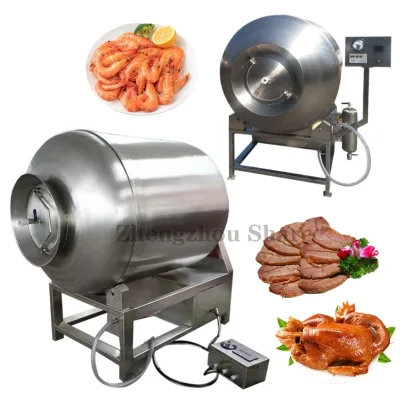
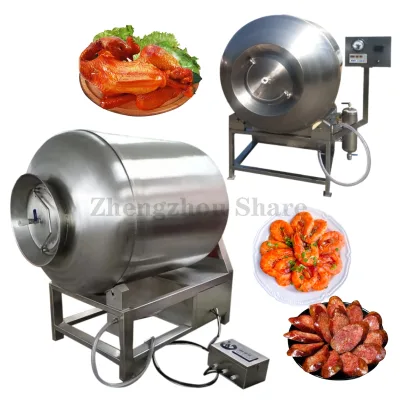
Zhengzhou Share Machinery Co., Ltd.
- Trading Company
- Lead time旺季: "1 - 1":15,"> 1":"To be negotiated", 淡季: "1 - 1":15,"> 1":"To be negotiated"
- Avg. response≤ 3h
Main productsConstruction Machinery/Industrial Machinery/Printing Machinery

Zhengzhou Hento Machinery Co., Ltd.
- Verified by SGS
- Trading Company,Manufacturer/Factory,Group Corporation
- China Henan
- Lead time15 days
- Avg. response≤ 7h
Main productsMeat Processing Machinery, Egg Processing Machinery, Dairy Processing Machinery, Fruit & Vegetable Processing Machinery, Grain Product Making Machines, Snack Machines, Nuts Processing Machinery, Packing Machines, Drying Machines, Commodity Making Machines
Main marketsSouth America,Eastern Europe,Mid East,North America,Southeast Asia,Eastern Asia,Oceania,Western Europe,Africa

- Verified by SGS
- Combined
- China Shandong
- Lead time30 days
- Avg. response≤ 3h
Main productsCrate/Can/Pallet /Basket Washing Machine, Vegetable /Fruit Washing Cutting Production Line, Continuous Frying Machine, Blanching Machine, Steam Peeling Machine, Vegetable Salad Processing Line, Vegetable /Fruit Peeler, Frozen French Fries Production Line, Garlic Production Line, Vacuum Marinator
Main marketsSouth America,Domestic,Europe

Commercial Meat Tumbler Vacuum Marinator Beef Pork Chicken Processing Marinating Machine
$6800.00 - $7200.00
MOQ: 1 Sets


Professional Meat Tumbler Vacuum Marinator Beef Pork Chicken Processing Machine
$6800.00 - $7200.00
MOQ: 1 Sets

Zhucheng Yido Intelligent Technology Co., Ltd.
- Verified by SGS
- Combined
- China Shandong
- Lead time15 days
- Avg. response≤ 3h
Main productsMeat Processing Equipment Production Line, Fruit and Vegetable Processing Equipment, Potato Chips Production Line, Fish Processing Production Line, Pet Food Production Line, Auxiliary Equipment, Cleaning Equipment, Pastry Processing Equipment, Leisure Food Processing Machinery, Vacuum Packaging Machine
Main marketsSoutheast Asia/ Mideast,Europe,North America

BBQ Meat Marinating Vacuum Meat Massage Machine Beef Seasoning Marinator
$1700.00 - $2000.00
MOQ: 1 Pieces

20L-3000L Vacuum Meat Tumbler Machine Meat Seasoning Marinating Machine
$1700.00 - $2000.00
MOQ: 1 Pieces

Guangzhou Zengxing Commercial Equipment Manufacturing Co., Ltd.
- Verified by SGS
- Combined
- China Guangdong
- Lead time15 days
- Avg. response≤ 11h
Main productsElectric Fryer, Vacuum Tumbler, Toaster, Gas Fryer, Oil Filter Car, Griddle, Egg Cooker, Gas Ranges, Breading Table, Vacuum Packaging Machine
Main marketsOthers(foreignTradeCapacity.exportBusinessCapacityMarketOther)

Luohe Quality Mechanical Equipment Co., Ltd.
- Verified by SGS
- Manufacturer/Factory
- China Henan
- Lead time23 days
- Avg. response≤ 6h
Main productsJuice Extractor, Sausage Making Machine, Pita Bread Machine, Biscuit Making Machine
Main marketsSouth America,Eastern Europe,North America,Eastern Asia,Western Europe


Factory Price Automatic Meat Marinating Machine/Vacuum Meat Tumbler Machine
$2110.00 - $2300.00
MOQ: 1 Pieces
Shandong Baiyu Industry and Trade Co., Ltd.
- Verified by SGS
- Combined
- China Shandong
- Lead time30 days
- Avg. response≤ 2h
Main productsMeat Processing Machine, Potato Peeler Machine, Meat Cutting Machine, Package Machine, Sterilization Equipment, High Pressure Washing Machine, Food Machinery, Potato Chips Production Line, Sausage Making Machine, Production Machine
Main marketsSoutheast Asia/ Mideast,East Asia(Japan/ South Korea),Europe,Australia,North America


Industrial Vacuum Marinating Mixing Machine for Meat and Seafood Processing
$1200.00 - $4800.00
MOQ: 1 Pieces

Henan Domax Machinery Co., Ltd.
- Verified by SGS
- Trading Company,Manufacturer/Factory
- China Henan
- Lead time15 days
- Avg. response≤ 5h
Main productsMeat Processing Machine, Snacks Machine, Vegetables Processing Machine, Fruits Processing Machine, Nut Processing Machine, Hygiene Station, Recycling Machine, Farm Machine
Main marketsSouth America,Eastern Europe,Mid East,North America,Southeast Asia,Eastern Asia,Oceania,Western Europe,Africa

Jinan Damatic Machinery Equipment Co., Ltd.
- Verified by SGS
- Trading Company,Manufacturer/Factory
- China Shandong
- Lead time45 days
- Avg. response≤ 5h
Main productsBakery Machinery Machines, Grain Product Processing Machines, Meat Processing Machines, Fruits and Vegetable Processing Machines, French Fries and Potato Chips Line, Pita Bread Line, Vegetable Washing and Sorting Line, Biscuit Making Line, Bread Making Line
Main marketsSouth America,Eastern Europe,Mid East,North America,Southeast Asia,Eastern Asia,Oceania,Western Europe,Africa
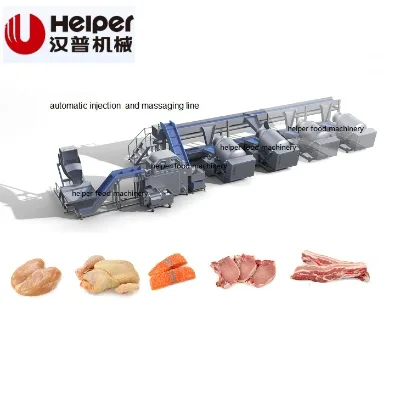
Shijiazhuang Helper Food Machinery Co., Ltd.
- Verified by SGS Group
- Manufacturer, Trading Company
- Lead time45 days
- Avg. response≤ 2h
Main productsSausage Production Line, Noodles Production Line, Wet Pet Food Production Line, Dumplings Production Line, Bowl Cutter
Main marketsDomestic Market(70%), Southeast Asia(7%), South America(5%)




Comprehensive Sourcing Guide
Vacuum Marinating Meat Curing Machine Supplier Concentration and Factory Types
Current data indicates a concentration of suppliers in China, specifically within the Shandong, Henan, and Hebei provinces. Shandong-based entities often operate as combined entities offering both manufacturing and trading capabilities, while Henan suppliers frequently present as dedicated manufacturers or factories. Hebei results show a presence of trading companies that may source from various production bases. These regional clusters suggest that buyers should expect distinct operational models depending on the province, with Shandong and Henan showing stronger manufacturing footprints compared to the trading-focused profile observed in Hebei.
When assessing factory types, buyers must distinguish between combined entities, manufacturers, and trading companies. Combined entities in Shandong may offer broader service ranges, whereas Henan manufacturers often emphasize their own brand capabilities and direct production control. Trading companies in Hebei might provide different logistical advantages but lack direct factory oversight. Buyers should verify the specific company type listed in supplier profiles to understand the supply chain structure. This distinction is critical because it influences the level of customization available, the transparency of the production process, and the directness of communication regarding technical specifications for vacuum marinating equipment.
How to Verify Vacuum Marinating Meat Curing Machine Suppliers
Verification of supplier credentials is a primary step in ensuring reliability when sourcing vacuum marinating meat curing machines. Some suppliers in the dataset display third-party verification badges such as SGS or TÜV Rheinland, which serve as external validations of their business status or product quality. These certifications provide a baseline of trust but should be cross-referenced with other data points. Buyers should look for these specific verification markers in the supplier profile rather than assuming all listed vendors possess them. The presence of such badges indicates a higher level of scrutiny by independent agencies, which can reduce the risk of engaging with unverified entities.
Beyond external verification, buyers should examine the supplier's response time and main product focus to gauge operational readiness. Response times in the observed data range from approximately 2.34 to 8.29 hours, indicating varying levels of customer service efficiency. A faster response time often correlates with a more active sales team and better communication channels. Additionally, checking if the supplier's main products align with vacuum tumblers and meat processing machinery ensures they are not a generalist trading house with limited expertise. This alignment helps confirm that the supplier has the necessary technical knowledge to support complex equipment orders and troubleshoot potential issues during the procurement process.
What to Compare Across Vacuum Marinating Meat Curing Machine Suppliers
Comparing suppliers requires a detailed analysis of lead times, minimum order quantities, and pricing structures. Lead times in the current results vary significantly, with some suppliers offering a 15-day turnaround while others indicate a 30-day production cycle. This variance directly impacts project planning and inventory management. Buyers must also scrutinize the Minimum Order Quantity (MOQ), as some listings show an MOQ of just one set, while others may have different thresholds. Understanding these constraints is essential for determining whether a supplier can accommodate small-scale pilot runs or requires larger volume commitments.
Pricing and customization capabilities are equally critical comparison factors. The observed price ranges for these machines span from roughly $500 to over $12,000, reflecting differences in capacity, material quality, and feature sets. Buyers should compare the specific attributes listed, such as voltage requirements, material grade (e.g., SUS304 stainless steel), and tank capacity. Customization options are frequently available, but the extent of this flexibility varies by supplier. Evaluating these technical specifications alongside the price ensures that the selected machine meets the specific operational needs of the facility without incurring unnecessary costs for features that are not required.
Common Vacuum Marinating Meat Curing Machine Sourcing Risks
One significant risk involves the discrepancy between claimed capabilities and actual production capacity. While some suppliers list extensive R&D capabilities like OEM and ODM, others may have limited scope. Buyers should verify if the supplier's stated capacity matches the complexity of the requested machine. For instance, a trading company might not have the engineering resources to handle custom modifications compared to a dedicated manufacturer. This mismatch can lead to delays or substandard product quality if the supplier overpromises on their ability to deliver specialized equipment.
Another risk relates to the lack of standardized certifications in certain supplier profiles. Some entries show a certification status of "NIL," which raises questions about the quality control processes and adherence to international safety standards. Without recognized certifications like ISO 9001, buyers face higher uncertainty regarding the durability and safety of the machinery. Additionally, the absence of detailed product evidence or inconsistent data on production cycles can obscure the true lead time. Buyers must be vigilant in requesting proof of these attributes to avoid receiving equipment that does not meet regulatory or operational requirements.
Vacuum Marinating Meat Curing Machine Regional Sourcing and Logistics
Regional sourcing impacts logistics costs and delivery timelines significantly. Suppliers located in Shandong, Henan, and Hebei all ship from China, but the specific seaports and inland logistics networks differ. For example, some suppliers list Qingdao as their primary seaport, which is a major hub for northern China exports. Buyers should verify the specific port of origin to estimate freight costs accurately. The distance from the factory to the port can influence the overall shipping time and the complexity of inland transportation arrangements.
Logistics planning must also account for packaging standards, which vary by supplier. Some listings specify wooden box packaging, while others mention fumigation-free wooden cases. These differences affect customs clearance procedures and the risk of damage during transit. Buyers should confirm the packing details to ensure compliance with import regulations in their destination country. Additionally, the physical dimensions of the machines, such as standard sizes of 2600x2000x2000mm or smaller 750x410x840mm units, will dictate container loading efficiency. Proper planning of these logistical elements is crucial for minimizing delays and unexpected shipping expenses.
Vacuum Marinating Meat Curing Machine Commercial Terms and Order Planning
Commercial terms and payment methods are pivotal for securing a successful transaction. The observed data indicates that payment terms like T/T (Telegraphic Transfer) are common, but buyers must confirm the specific deposit and balance structure. Understanding the payment schedule helps in managing cash flow and mitigating financial risk. Buyers should also inquire about escrow options if available, as these provide an additional layer of security for the funds until the goods are delivered as specified. Clear agreement on these terms prevents disputes and ensures a smooth financial transaction process.
Order planning requires a comprehensive review of the production cycle and delivery commitments. While some suppliers state a production cycle of 7-15 days, others may have longer lead times depending on customization needs. Buyers should factor in these timelines when scheduling their production lines or marketing campaigns. It is also essential to verify the model numbers and technical specifications to ensure the ordered unit matches the intended application. Detailed order planning that includes these variables helps avoid bottlenecks and ensures that the vacuum marinating machines are ready for deployment when needed.
FAQs
What is the price range for vacuum marinating meat curing machines?
Prices typically range from $500 to $12,200 depending on capacity and features. Smaller units suitable for home or small factories start around $500, while larger commercial tumblers with higher tank capacities can exceed $8,000. Buyers should check specific model listings for exact pricing based on their required production volume.
What is the minimum order quantity for these machines?
The minimum order quantity is generally one set for most suppliers. This allows buyers to purchase single units for testing or small-scale operations. Some manufacturers may offer customization options even for single orders, making it accessible for startups or small food processing businesses without requiring bulk purchases.
How long does it take to manufacture and ship these machines?
Lead times vary between 15 and 30 days for production. Some suppliers offer faster turnaround times of 7 to 15 days for standard models. Buyers should confirm specific delivery schedules with the supplier, as shipping times from China depend on the destination port and chosen logistics method.
What materials are used in constructing vacuum tumblers?
Most machines are constructed from SUS304 stainless steel to ensure food safety and durability. This material resists corrosion and is easy to clean, meeting hygiene standards for meat processing. Buyers should verify the specific grade of stainless steel used in the tank and contact surfaces to ensure compliance with local regulations.
Are these machines customizable for specific business needs?
Customization is available for voltage, power source, and tank capacity. Suppliers offer OEM and ODM services to tailor machines to specific production requirements. Buyers can request custom dimensions or functions like cold treatment, heat treatment, or stirring, ensuring the equipment fits their existing workflow and space constraints.
What certifications do these suppliers typically hold?
Suppliers often hold ISO 9001 certification for quality management systems. Some are verified by SGS or TÜV Rheinland for product safety and reliability. Buyers should request current certification documents to verify compliance with international standards, ensuring the machinery meets the regulatory requirements for their target market.