Shockproof Carbon Fiber Insoles Suppliers and Manufacturers
Source Shockproof Carbon Fiber Insoles from 21 verified suppliers in China. Compare key dimensions including ISO9001:2015 certification, lead times of 7-15 days, and MOQs starting from 1 unit. Review response times and pricing to identify the right partner for your needs.
Suppliers List

Wuhan Haiwei Naval Architecture and Ocean Engineering Technology Co., Ltd
- Verified by TUVRHEINLAND
- Combined
- China Hubei
- Lead time15 days
- Avg. response≤ 25h
Main productsCarbon Fiber Raw Materials, Car Hood, Automobile Wheel Hub, Car Rearview Mirror, Paint Sales, Coating Services, Automotive Structural Components, Automotive Decorative Parts, Technical Research and Development, Shipbuilding Products
Main marketsDomestic

Guangdong Shenyang New Material Technology Co., Ltd.
- Verified by CTI
- Combined
- China Guangdong
- Lead time15 days
- Avg. response≤ 1h
Main productsCarbon Fiber Composite Materials, Carbon Fiber Sheets, Carbon Fiber Tubes, Carbon Fiber Drone Frames, Carbon Fiber Sports Equipment, Carbon Fiber Automotive Parts, Carbon Fiber Aerospace Components, Carbon Fiber Industrial Products, Carbon Fiber Medical Devices, Carbon Fiber Consumer Goods
Main marketsSouth America,Africa,Southeast Asia/ Mideast,East Asia(Japan/ South Korea),Domestic,Europe,Australia,North America


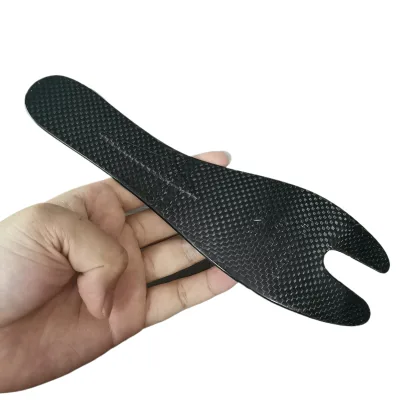
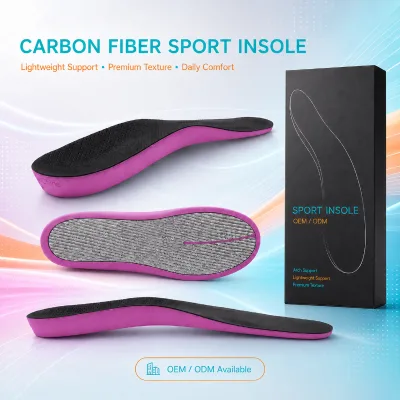
OEM Carbon Fiber Shoe Insoles – Ultra-Thin, Durable, Custom Sizes Available
$0.90 - $999.00
MOQ: 100 Pieces
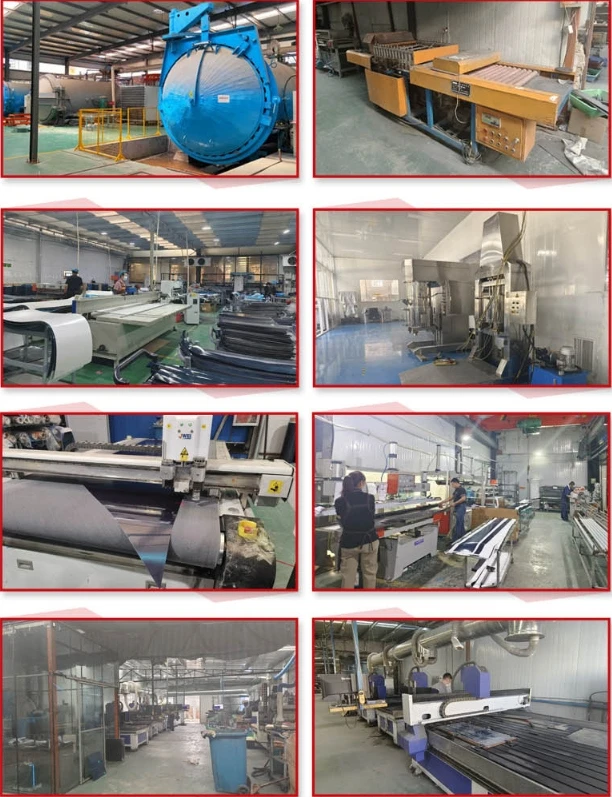
Dongguan Fenway Composite Technology Co., Ltd.
- Trading Company
- Guangdong, China
- Lead time7 days
- Avg. response≤ 2h
Main productscarbon fiber molding part,carbon fiber cnc part,carbon fiber sheet,carbon fiber tube,carbon fiber products
Main marketsNorth America(30.00%), Eastern Europe(15.00%), Northern Europe(10.00%), Oceania(10.00%), South America(10.00%), Western Europe(5.00%), Central America(5.00%), Southeast Asia(5.00%), Southern Europe(3.00%), Domestic Market(2.00%), South Asia(2.00%), Mid East(2.00%), Eastern Asia(1.00%), Africa(1.00%)
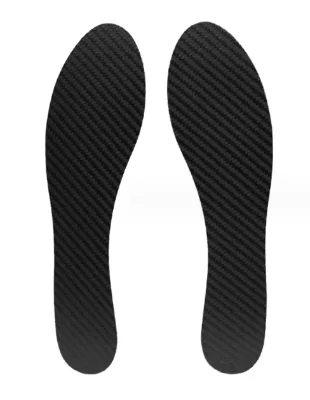
$30.87 - $51.45
MOQ: 100 Minimum
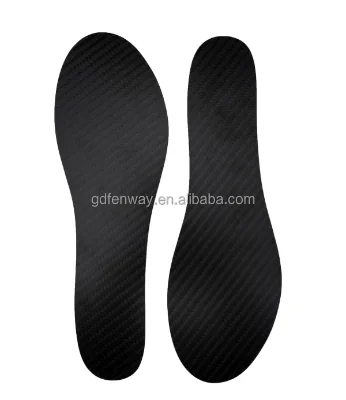
$30.00 - $50.00
MOQ: 100 Minimum

Ningbo Kangbeien Heatlh Tech. Co., Ltd.
- Verified by SGS
- Combined
- China Zhejiang
- Lead time30 days
- Avg. response≤ 9h
Main marketsDomestic


PU Sports Insoles for Shock Absorption, Breathability, Sweat Absorption, and Odor Prevention
$1.20 - $1.50
MOQ: 1000 Pairs

- Verified by Intertek
- Manufacturer, Trading Company
- Lead time30 days
Main productsinsole, Shoe, shoe accessories, shoe material, shoe tree
Main marketsWestern Europe(34%), North America(33%), Eastern Europe(24%)
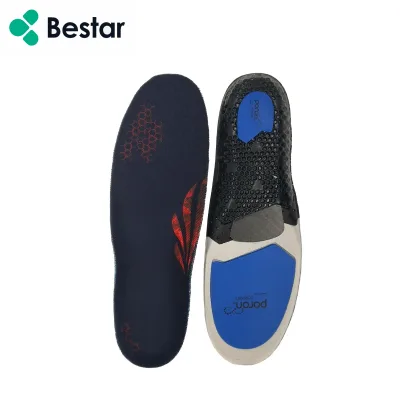
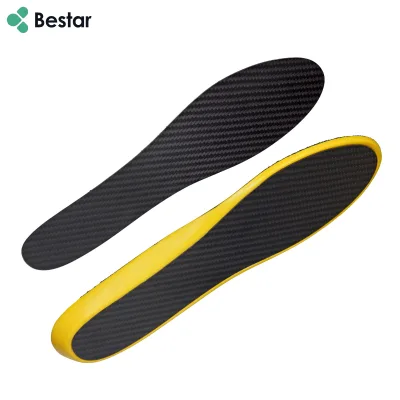
Carbon Fiber Insole Poron Shock Absorption Sport Carbon Insoles Fiber Inlays
$4.07 - $5.49
MOQ: 100 pairs

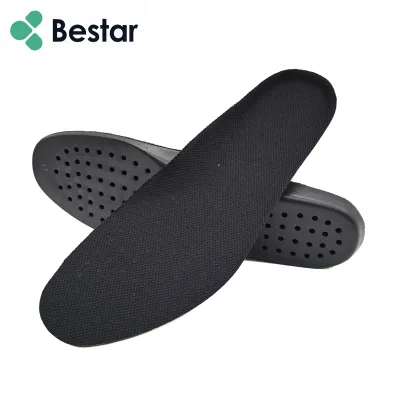


$0.83 - $1.03
MOQ: 1000 pairs
- Trading Company
- Beijing, China
- Lead time20 days
- Avg. response≤ 6h
Main productsInsoles,Slippers,Activewear,Shoes Boots and Accessories,Apparel and Accessories
Main marketsNorthern Europe(15.00%), North America(15.00%), Western Europe(10.00%), Oceania(10.00%), Southeast Asia(10.00%), Eastern Europe(10.00%), South Asia(5.00%), Southern Europe(5.00%), South America(5.00%), Central America(5.00%), Mid East(5.00%), Eastern Asia(5.00%)
Dongguan Lee-Mat Sports Technology Co., Ltd.
- Manufacturer, Trading Company
- Guangdong, China
- Lead time20 days
- Avg. response≤ 1h
Main productsOrthotic Insole,Oven Insole,Heated Gloves,Heated Socks,Orthotic Sandals
Main marketsDomestic Market(43.00%), North America(25.00%), Oceania(25.00%), Western Europe(7.00%)

Ningbo Youkiunite Imp &Exp Co., Ltd
- Verified by CTI
- Trading Company
- China Zhejiang
- Lead time15 days
- Avg. response≤ 4h
Main productsSocks, Hat/Cap, Slippers, Shoelaces, Scarf, Gloves, Pet Products, Shoes Accessories, Garment Accessories, Shoes
Main marketsSouth America,Europe,North America

High Elastic Shock Absorbent Sweat-Absorbing Insoles Fully Padded Breathable Insoles
$0.65 - $0.71
MOQ: 10 pieces


Dongguan Yaode Technology Industry Co., Ltd.
- Manufacturer, Trading Company
- Guangdong, China
- Lead time0 days
- Avg. response≤ 4h
Main productsOrthotic insoles,Sport insoles,EVA insoles,Hight increase insoles,Children's insoles
Main marketsNorth America(31.00%), Eastern Europe(22.00%), South America(21.00%), Southeast Asia(6.00%), Western Europe(5.00%), Southern Europe(5.00%), Mid East(3.60%), Northern Europe(1.80%), Central America(1.60%), South Asia(1.50%), Eastern Asia(1.50%)
Huizhou Jinfengsheng Technology Co., Ltd.
- Trading Company
- Guangdong Province, China
- Lead time7 days
- Avg. response≤ 1h
Main productsHydrofoil and accessories,Underwater Scooter,Foil Drive Booster,Efoil,Diving Suit
Main marketsSouth America(20.00%), Mid East(15.00%), North America(15.00%), Eastern Europe(10.00%), Southeast Asia(10.00%), Domestic Market(8.00%), Southern Europe(5.00%), Northern Europe(5.00%), Central America(5.00%), Eastern Asia(5.00%), Western Europe(2.00%)

Yangzhou Runtong International Trading Co., Ltd.
- Verified by TUVRHEINLAND
- Trading Company
- China Jiangsu
- Lead time30 days
- Avg. response≤ 2h
Main productsShoe Insole, Shoe Polish, Shoe Brush, Shoe Tree, Shoe Cleaner, Shoe Lace, Shoe Deodorizer, Shoe Freshener, Shoe Horn
Main marketsSouth America,Southeast Asia/ Mideast,Europe,Australia,North America

Sports & Comfort Carbon Fiber Insoles Non-Slip Arch Support with Shock Absorption
$10.00 - $15.00
MOQ: 200 Pairs

Black Suede Unisex Sports Comfort Insoles Breathable Shock Absorption Insoles
$1.60 - $3.00
MOQ: 500 Pairs


Dongguan Qiangying Safety Shoes Material Co., Ltd.
- Manufacturer, Trading Company
- Guangdong, China
- Lead time15 days
- Avg. response≤ 1h
Main productsanti-puncture insole,anti-static anti-penetration insole,steel toe cap,plastic toe cap,midsole
Main marketsNorth America(6.00%), South America(5.50%), Southeast Asia(2.20%), Mid East(1.80%), Northern Europe(1.50%), Southern Europe(1.00%), Eastern Europe(1.00%), Western Europe(1.00%)
Dongguan Since Household Care Co., Ltd.
- Verified by TüVRheinland
- Manufacturer, Trading Company
- Lead time15 days
Main productsPU Gel / Silicone Insoles, TPE Gel Insoles, SEBS Gel Footcare Products, PU Foam Insoles, EVA Insoles
Main marketsNorth America(32%), Eastern Asia(22%), Domestic Market(18%)

Fu Jian Yue Te Advanced Material Technology Co., Ltd.
- Verified by SGS
- Combined
- China Fujian
- Lead time15 days
- Avg. response≤ 1h
Main marketsDomestic


Athletic Sports Comfort Insoles with Shock Absorbing Soft PU Memory Foam
$2.00 - $3.50
MOQ: 1000 Pieces

Ningbo Beiduoen Health Tech. Co., Ltd.
- Verified by CTI
- Combined
- China Zhejiang
- Lead time23 days
- Avg. response≤ 11h
Main productsKnee Support, Ankle Brace, Compression Arthritis Glove, Wrist Support, Waist Belt, Foot Care, Insoles, Toe Separator, Compresson Sock Glove Knee Brace, Copper Supports
Main marketsSouth America,Southeast Asia/ Mideast,Europe,Australia,North America

New Style PU Foam Insole Shock Absorbing Insole, Sport Insole, Shock Absorbing Foot Care Insole
$1.40 - $1.80
MOQ: 500 Pairs


New Style PU Foam Insole Shock Absorbing Insole, Sport Insole, Shock Absorbing Foot Insole
$1.40 - $1.80
MOQ: 500 Pairs

Silicon Gel Thick Soft and Comfortable Sport Full Size Insole for Shock Absorption for Human
$1.50 - $1.70
MOQ: 100 Pairs


Weihai Snowwing Outdoor Equipment Co., Ltd.
- Verified by TUVRHEINLAND
- Combined
- China Shandong
- Lead time23 days
- Avg. response≤ 4h
Main productsCarbon Fiber
Main marketsEurope
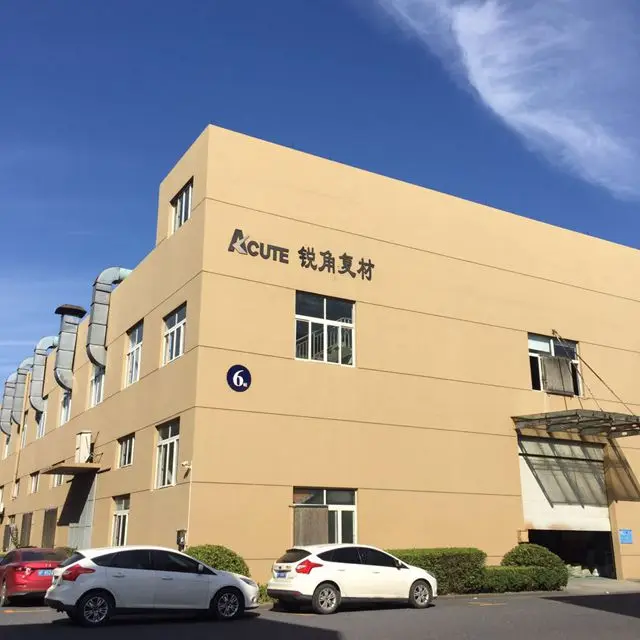
Jiaxing Acute Composites Technology Co., Ltd.
- Manufacturer
- Zhejiang, China
- Lead time30 days
- Avg. response≤ 16h
Main productscarbon fiber plate,carbon fiber tube,carbon fiber parts,carbon fiber insoles,carbon fiber components
Main marketsDomestic Market(35.00%), North America(35.00%), Western Europe(20.00%), Northern Europe(10.00%)

Dongguan Topinsole Commodity Limited
- Verified by BV
- Trading Company
- China Guangdong
- Lead time15 days
- Avg. response≤ 10h
Main productsInsoles, Footcare
Main marketsSouth America,Africa,Southeast Asia/ Mideast,East Asia(Japan/ South Korea),Europe,Australia,North America


Cork Activated Carbon for Sweat-Absorbing Antibacterial Comfort Breathable Sports Insoles
$1.25 - $1.45
MOQ: 500 Pairs

$1.25 - $1.45
MOQ: 500 Pairs

Quanzhou Sanxinda Trading Co., Ltd.
- Verified by SGS
- Combined
- China Fujian
- Lead time23 days
- Avg. response≤ 25h
Main productsShoe Sole, Shoe Last, Shoelace, PU, Insole, Hot Melt Adhesive, Shoe Material
Main marketsDomestic

Jinjiang Maituo Import and Export Trading Co., Ltd.
- Verified by CTI
- Combined
- China Fujian
- Lead time60 days
- Avg. response≤ 6h
Main productsShoe, Shoe Accessories, Sporting Shoes, Shoe Machine, Shoe Sole, Microfiber PU, Space Leather, TPU, Basketball Cover, Textile Fabrics
Main marketsEurope
Dongguan Zhonghan Daily Necessities Co., Ltd.
- Verified by TüVRheinland
- Trading Company
- Lead time30 days
Main productsFoot Care Products, Sports Protection Products
Main marketsDomestic Market(40%), North America(20%), Southeast Asia(10%)


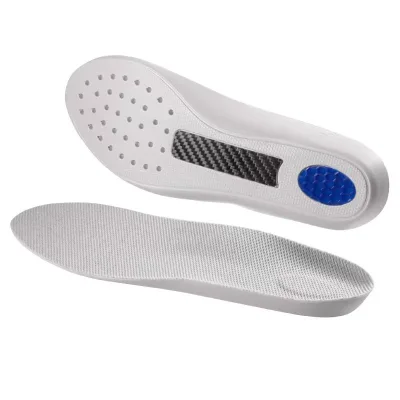
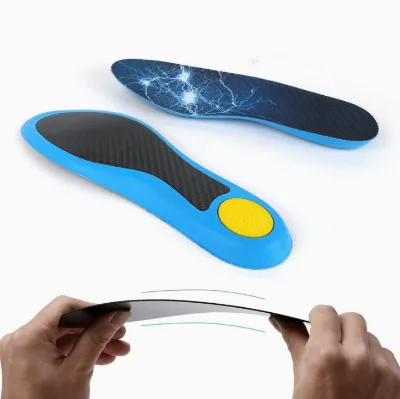
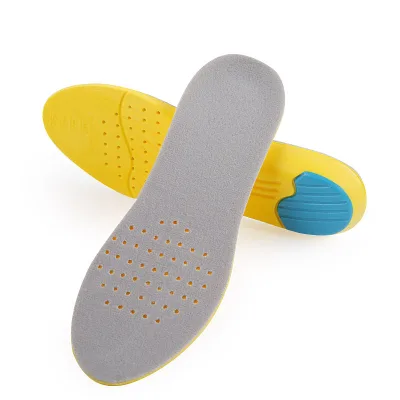






Comprehensive Sourcing Guide
Shockproof Carbon Fiber Insoles Supplier Concentration and Factory Types
The current supplier landscape for Shockproof Carbon Fiber Insoles reveals a distinct geographic and structural concentration, primarily anchored in China. Evidence indicates that manufacturing capabilities are clustered in specific provinces, with Hubei and Guangdong emerging as key operational hubs. Suppliers in Hubei are often characterized as combined entities, suggesting a hybrid model that may integrate manufacturing with trading or technical services. These facilities frequently list main products that extend beyond insoles to include broader automotive structural components, shipbuilding products, and general carbon fiber raw materials. This diversification implies that some suppliers leverage existing industrial infrastructure for automotive or aerospace applications to produce high-performance footwear components. In contrast, suppliers located in Guangdong, particularly those associated with Shenzhen, often present themselves as trading companies or specialized composite material providers. These entities focus heavily on carbon fiber sheets, tubes, and drone frames, indicating a strong background in raw material processing and composite molding. The presence of both combined manufacturers and trading companies suggests that buyers can access either direct factory pricing or curated product selections, depending on their volume requirements and need for technical support. Understanding this structural divide is crucial for aligning procurement strategies with the specific capabilities of the supplier base.
Factory types vary significantly in their operational focus and output capacity, which directly impacts the sourcing strategy for Shockproof Carbon Fiber Insoles. Some suppliers explicitly highlight OEM and ODM capabilities, allowing for extensive customization of product attributes such as thickness, hardness, and shape. This flexibility is essential for brands seeking unique ergonomic solutions or specific performance metrics for athletic applications. Other suppliers emphasize their role in providing standardized carbon fiber materials, such as polyacrylonitrile-based filaments with high-strength properties like T300 or T700 grades. These suppliers often serve as upstream providers who may also offer finished insole products, creating a vertical integration advantage. The distinction between a pure trading company and a combined manufacturing entity is critical; trading companies may offer faster response times and broader product ranges, while combined factories might provide deeper technical expertise in material science and structural engineering. Buyers must assess whether their priority lies in rapid iteration and diverse sourcing options or in deep technical collaboration and material control. This assessment will determine whether to engage with suppliers who prioritize speed and variety or those who prioritize material integrity and manufacturing precision.
How to Verify Shockproof Carbon Fiber Insoles Suppliers
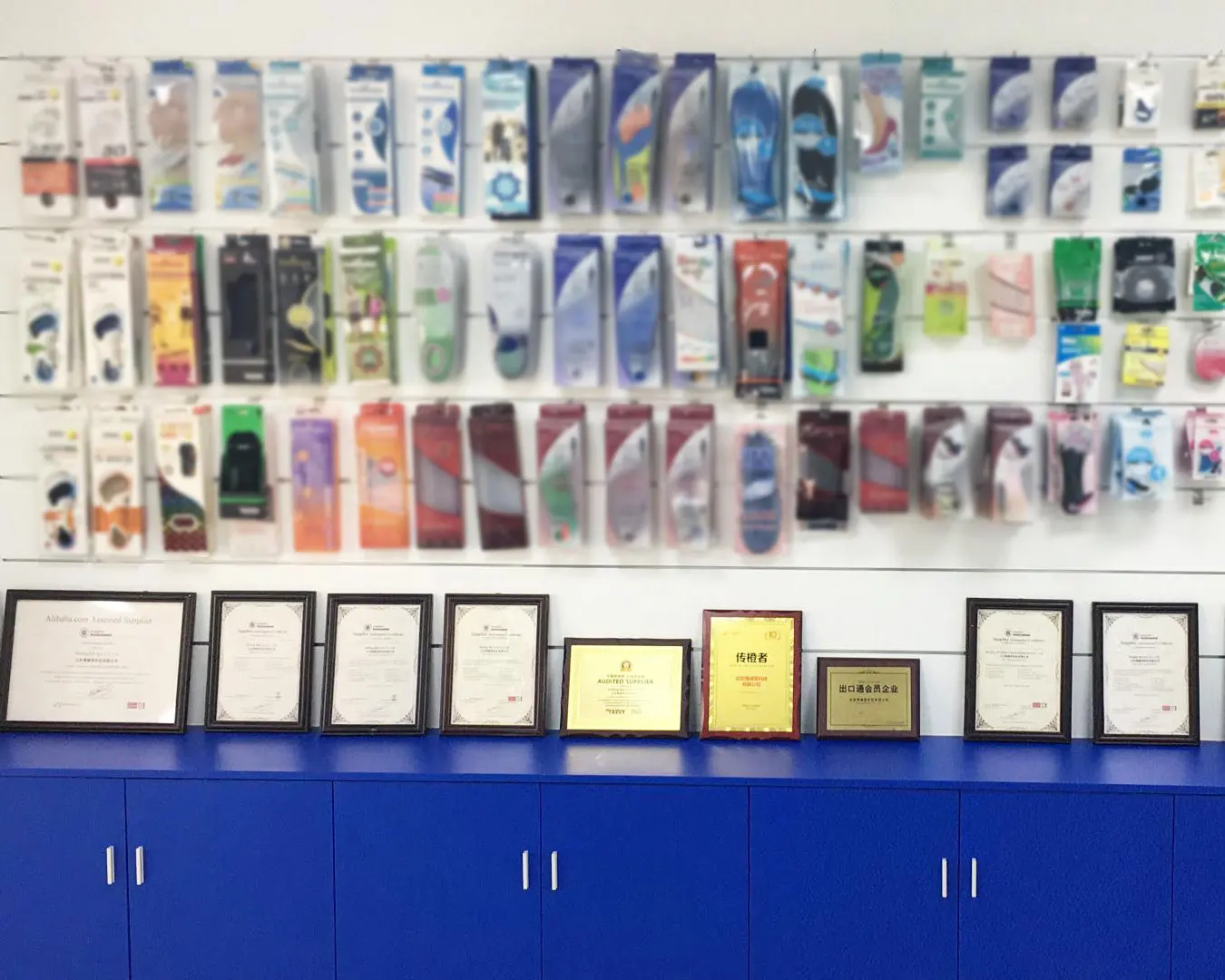
Verification of suppliers for Shockproof Carbon Fiber Insoles requires a multi-layered approach that goes beyond basic profile checks. One critical step is to examine the verification status provided by third-party inspection agencies. For instance, some suppliers display verification from TÜV Rheinland, a globally recognized entity that audits manufacturing processes and quality management systems. Others may hold verification from CTI, which often focuses on product testing and compliance. These verifications serve as a baseline indicator of operational legitimacy but do not guarantee product performance. Buyers should cross-reference these claims by requesting specific audit reports or certificates of conformity. Additionally, the presence of system certifications, such as ISO9001:2015, provides evidence of standardized quality management practices. However, it is important to note that not all suppliers display such certifications, and the absence of a visible certificate does not necessarily imply non-compliance. In such cases, buyers should proactively request documentation to confirm adherence to international quality standards. This due diligence helps mitigate the risk of engaging with unverified entities that may lack the necessary infrastructure for consistent production.
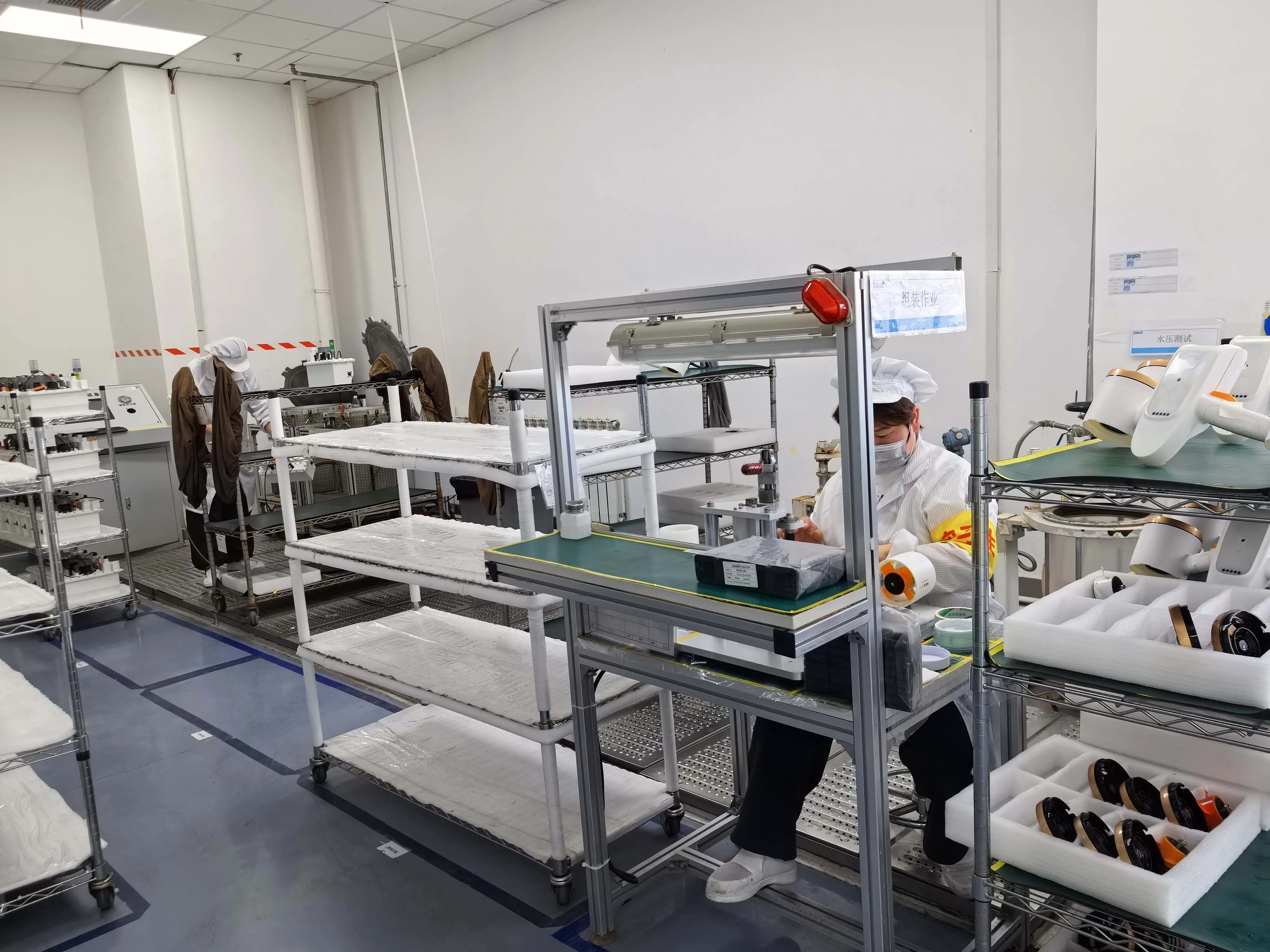
Beyond certifications, verifying the technical capabilities and material specifications is paramount for Shockproof Carbon Fiber Insoles. Buyers should scrutinize the raw materials listed in product attributes, such as polyacrylonitrile-based carbon fiber, and confirm the specific strength grades available, such as T300, T700, T800, or T1000. These grades directly influence the durability and shock-absorbing properties of the final product. Furthermore, examining the factory details, such as factory area and employee count, can provide insights into production capacity. For example, a factory with a 10,000-square-meter area and 110 employees suggests a medium-scale operation capable of handling moderate to large orders. Buyers should also verify the customization options offered, including the ability to adjust thickness, hardness, and shape. This technical verification ensures that the supplier can meet specific design requirements. Additionally, checking the shipping origin and packing methods, such as hard outer packaging cartons, helps assess the supplier’s attention to detail in logistics and product protection. By combining verification of credentials with technical due diligence, buyers can build a more accurate profile of supplier reliability and capability.
What to Compare Across Shockproof Carbon Fiber Insoles Suppliers
When evaluating suppliers for Shockproof Carbon Fiber Insoles, comparing lead times is a critical factor that influences inventory management and market responsiveness. Suppliers exhibit varying lead times, with some offering as little as seven days, while others may require up to fifteen days. This variance often correlates with the supplier’s location and operational model; trading companies in Guangdong may offer faster turnaround times due to streamlined logistics, whereas combined manufacturers in Hubei might have longer cycles due to complex production processes. Buyers should align their order planning with these lead times to avoid stockouts or excess inventory. Additionally, response time is another key metric to compare. Some suppliers demonstrate rapid response capabilities, with times as low as 0.65 hours, indicating high availability and efficient communication channels. Others may have longer response times, such as 25 hours, which could signal slower customer service or higher workload. Fast response times are particularly valuable for resolving technical queries or addressing order discrepancies promptly. By comparing these temporal metrics, buyers can identify suppliers that best fit their operational tempo and communication preferences.
Minimum Order Quantities (MOQ) and pricing structures also require careful comparison across different suppliers. MOQs can range significantly, from as low as one unit for prototyping or small batches to 100 units for standard production runs. This flexibility allows buyers to test market demand with minimal risk or commit to larger volumes for cost efficiency. Pricing is similarly variable, with some suppliers offering ranges from $0.10 to $10.00 per unit, while others may have higher price points up to $999.00 for specialized or premium products. These price differences often reflect the material grade, customization level, and production complexity. Buyers should analyze the price-to-MOQ ratio to determine the most cost-effective option for their specific needs. Additionally, comparing the main products offered by each supplier can reveal their core competencies. Some suppliers focus on automotive components, while others specialize in sports accessories. Understanding these product focuses helps buyers assess whether the supplier’s expertise aligns with their specific application requirements. By systematically comparing lead times, response speeds, MOQs, and pricing, buyers can make informed decisions that balance cost, speed, and quality.
Common Shockproof Carbon Fiber Insoles Sourcing Risks
One significant risk in sourcing Shockproof Carbon Fiber Insoles is the potential mismatch between advertised material specifications and actual product performance. Suppliers may list high-strength carbon fiber grades, such as T700 or T800, but fail to provide independent test results verifying these claims. Without verified data, buyers risk receiving products that do not meet the required shock-absorbing or durability standards. This discrepancy can lead to product failures in the market, damaging brand reputation and resulting in costly returns. To mitigate this risk, buyers should insist on third-party testing reports or material certificates that confirm the specific carbon fiber grade and mechanical properties. Additionally, the risk of inconsistent quality across production batches is heightened when working with suppliers who lack robust quality control systems. Even with ISO9001:2015 certification, the implementation of quality standards can vary. Buyers should request sample batches for rigorous testing before committing to large orders. This proactive approach helps identify potential quality issues early in the sourcing process, allowing for corrective actions before mass production begins.
Another common risk is the ambiguity surrounding customization capabilities and intellectual property protection. Suppliers offering extensive customization options, such as adjustable thickness and shape, may lack the technical expertise to execute complex designs accurately. This can result in products that do not fit properly or fail to deliver the intended ergonomic benefits. Furthermore, there is a risk of intellectual property leakage when sharing proprietary designs with suppliers who may also serve competitors. Buyers should ensure that clear confidentiality agreements are in place and that the supplier has a track record of protecting client designs. Additionally, the risk of logistical delays is heightened when sourcing from suppliers with longer lead times or less efficient shipping processes. Suppliers in different regions may face varying logistical challenges, impacting delivery schedules. Buyers should verify the supplier’s shipping origin and packing methods to ensure products are protected during transit. By identifying and addressing these risks through thorough due diligence and clear contractual terms, buyers can safeguard their investments and ensure a smoother sourcing experience.
Shockproof Carbon Fiber Insoles Regional Sourcing and Logistics
Sourcing Shockproof Carbon Fiber Insoles from different regions in China presents distinct logistical advantages and challenges. Suppliers located in Guangdong, particularly those in Shenzhen, benefit from proximity to major international shipping hubs, which can facilitate faster and more cost-effective export logistics. This geographic advantage is often reflected in their shorter lead times and rapid response capabilities, making them suitable for buyers requiring quick turnaround times. Additionally, the concentration of trading companies in this region offers buyers access to a diverse range of products and suppliers, simplifying the sourcing process. However, buyers should be aware that trading companies may add a markup to the final price, which could impact overall cost efficiency. In contrast, suppliers in Hubei, while potentially offering more integrated manufacturing capabilities, may have longer lead times due to their inland location. This region’s focus on combined manufacturing and technical services can be advantageous for buyers seeking deep customization and material expertise. Understanding these regional differences allows buyers to strategically select suppliers based on their specific logistical needs and cost priorities.
Logistics planning must also account for the specific packaging and shipping requirements of carbon fiber products. Suppliers often use hard outer packaging cartons or rigid carton packaging to protect the insoles during transit, ensuring they arrive in pristine condition. Buyers should verify the packing methods specified by each supplier to prevent damage during shipping. Additionally, the shipping origin listed in product attributes, such as Shenzhen or Guangdong Province, provides insight into the supplier’s logistical network. Buyers should coordinate with suppliers to optimize shipping routes and consolidate orders where possible to reduce freight costs. For international buyers, understanding Incoterms and customs regulations is essential to avoid unexpected delays or duties. Suppliers with experience in export logistics can provide valuable guidance on documentation and compliance. By leveraging regional strengths and planning logistics carefully, buyers can ensure efficient and reliable delivery of Shockproof Carbon Fiber Insoles. This strategic approach minimizes supply chain disruptions and enhances overall procurement efficiency.
Shockproof Carbon Fiber Insoles Commercial Terms and Order Planning
Effective order planning for Shockproof Carbon Fiber Insoles requires a clear understanding of commercial terms, including payment structures and delivery schedules. Suppliers may offer various payment terms, such as partial upfront payments or full payment upon shipment, which can impact cash flow management. Buyers should negotiate terms that align with their financial capabilities and risk tolerance. Additionally, lead times are a critical component of order planning, as they determine when products will be available for sale. Buyers should factor in production lead times, shipping durations, and customs clearance periods to create a realistic timeline. For suppliers with longer lead times, such as those in Hubei, buyers should place orders well in advance to avoid stockouts. Conversely, suppliers with shorter lead times, such as those in Guangdong, offer more flexibility for last-minute orders. By aligning order placement with supplier capabilities, buyers can maintain optimal inventory levels and meet market demand efficiently.
Pricing and MOQs also play a pivotal role
FAQs
What is the price range for Shockproof Carbon Fiber Insoles?
Prices typically range from $0.10 to $999.00 per unit depending on customization and material grade. Basic models start near $1.00 while premium orthotic options can reach higher tiers. Buyers should verify specific quotes based on order volume and required thickness specifications.
What is the minimum order quantity for these insoles?
Minimum order quantities vary significantly by supplier, ranging from 1 to 200 units. Some manufacturers accept single units for sampling, while others require bulk purchases of 20 or 100 pieces. Check individual listings to confirm the specific MOQ applicable to your order size.
How long does production take for custom orders?
Lead times generally span 7 to 15 days for standard production runs. Some suppliers offer faster turnaround times for ready stock items. Custom molds or specific thickness requirements may extend the timeline. Confirm the exact delivery schedule with the supplier before finalizing the purchase agreement.
Are these insoles suitable for specific sports activities?
Yes, they are designed for running, basketball, cycling, hiking, and badminton. The shock-absorbing properties help reduce impact stress on joints. Customizable hardness and shape allow for tailored support. Verify the applicable sports list on the product page to ensure compatibility with your athletic needs.
What materials are used in manufacturing these insoles?
Manufacturers primarily use polyacrylonitrile-based carbon fiber and carbon fiber prepreg composites. These materials provide high strength, lightweight durability, and corrosion resistance. Some options include fiber-based blends for specific comfort levels. Review the material specifications to ensure the insole meets your performance and durability requirements.
Can I get custom sizes and logos on the insoles?
Customization is widely available, including size adjustments and logo engraving. Suppliers offer OEM and ODM services to meet specific branding needs. Thickness and shape can also be tailored to individual foot profiles. Confirm customization options and any associated costs directly with the manufacturer before placing your order.
Where are these carbon fiber insoles manufactured?
Production facilities are located in China, specifically in Hubei and Guangdong provinces. Shenzhen is a common shipping origin for many suppliers. These regions are known for advanced composite manufacturing capabilities. Verify the exact factory location and shipping terms to understand logistics and potential import duties for your region.