Multiple Colors Glass Seed Beads Suppliers and Manufacturers
Explore 12 verified sources for Multiple Colors Glass Seed Beads with options for customization and various sizes. Compare lead times, response rates, and pricing ranges to select the right partner. Contact suppliers directly to request samples and confirm specifications; review the available evidence before requesting comparable quotations from suitable candidates.
Suppliers List

Jiangyin Jinhui Arts & Crafts Co., Ltd.
- Combined
- China Jiangsu
- Lead time30 days
- Avg. response≤ 14h
Main productsGlass Bead
Main marketsSoutheast Asia/ Mideast
BLUFOREST INTERNATIONAL LIMITED
- Trading Company
- Hong Kong S.A.R.
- Lead time20 days
- Avg. response≤ 18h
Main productsScented Candle,Festive & Party Supplies,Home Accessory,Home Decor,Pet Product
Main marketsEastern Europe(15.00%), South America(15.00%), North America(15.00%), Northern Europe(10.00%), Western Europe(8.00%), Southern Europe(8.00%), Central America(5.00%), Mid East(5.00%), Southeast Asia(5.00%), Oceania(4.00%), Domestic Market(3.00%), Eastern Asia(3.00%), South Asia(3.00%), Africa(1.00%)

Beijing Hong Yun Xi International Trade Company Limited
- Verified by SGS
- Trading Company
- China Beijing
- Lead time23 days
- Avg. response≤ 19h
Main productsFRP Tank, FRP Vessel, FRP Pipe, FRP Tower, FRP Clarifier, FRP Wet Electrostatic Precipitator Tube, FRP Environment Protection Equipment, Fiberglass Mat, Fiberglass Roving, Glass Beads
Main marketsOthers(foreignTradeCapacity.exportBusinessCapacityMarketOther),Southeast Asia/ Mideast
Dongguan Xingzhao Crystal Jewelry Factory
- Verified by SGS Group
- Trading Company
- Lead time7 days
- Avg. response≤ 4h
Main productsGlass Beads, Glass Seed Beads, Clay Beads, Fashion Jewelry, DIY Accessories
Main marketsCentral America(25%), North America(20%), South America(20%)
Tongshan Dashun Crystal Crafts Co., Ltd.
- Verified by TüVRheinland
- Manufacturer, Trading Company
- Lead time0 days
- Avg. response≤ 6h
Main productsPlastic Rhinestone Trimming, Fashion Bracelets, Fashion Necklaces
Main marketsCentral America(23%), North America(22%), South America(15%)
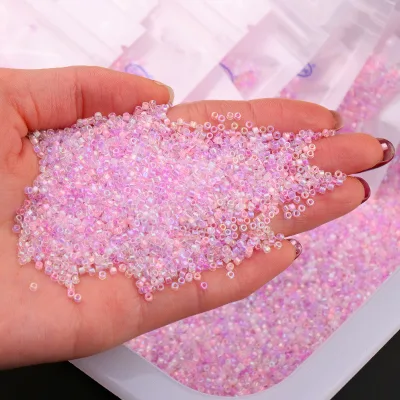
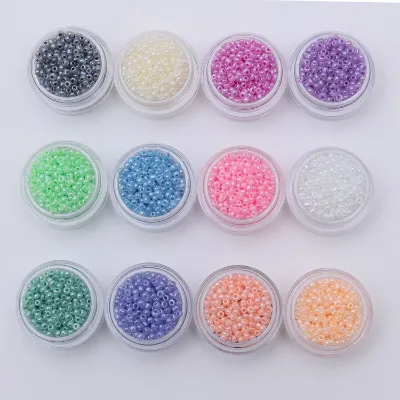
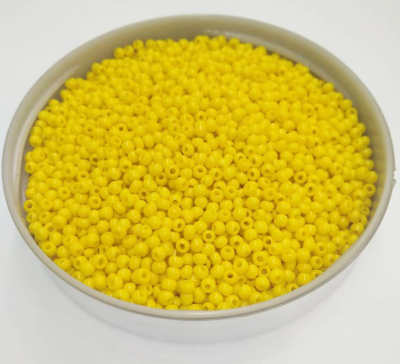
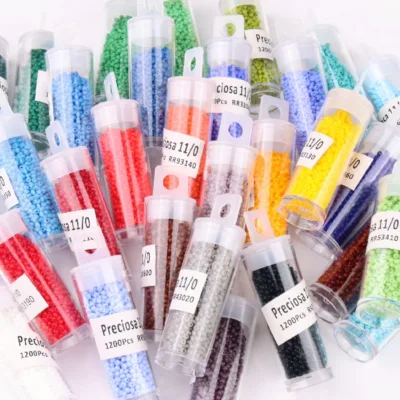
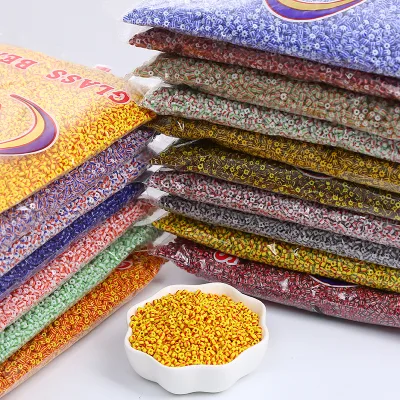
Factory Hot Selling Inside rainbow Color Glass Seed Beads Bulk Bag Wholesale
$0.55 - $0.65
MOQ: 50 packs
Hubei Jingcan Glass Products Co., Ltd.
- Verified by TüVRheinland
- Manufacturer, Trading Company
- Lead time0 days
- Avg. response≤ 5h
Main productsGlass Product, Garment Accessories, Jewelry, Jewelry Accessories
Main marketsCentral America(25%), North America(20%), South America(15%)
Hangzhou Daya Textile Co., Ltd.
- Trading Company
- Zhejiang, China
- Lead time20 days
- Avg. response≤ 4h
Main productsZipper&slider,Tape&Webbing,Thread&yarn,Garment accessory,Tailoring Material
Main marketsSouth America(60.00%), Domestic Market(10.00%), South Asia(10.00%), Mid East(10.00%), North America(10.00%)
Yiwu Jing Can Crystal Co., Ltd.
- Verified by SGS Group
- Manufacturer, Trading Company
- Lead time0 days
- Avg. response≤ 3h
Main productsCrystal Rhinestone, Glass Seed Beads, Clay Beads, Fashion Jewelry, DIY Accessories
Main marketsCentral America(25%), North America(20%), South America(20%)
Pujiang Jinletong Crafts Co., Ltd.
- Verified by Intertek
- Manufacturer, Trading Company
- Lead time15 days
- Avg. response≤ 3h
Main productsFuse Bead Kit Toys, Children's DIY Puzzle Toys, Weaving Loom Kit, Beads Craft Masterpiece Kit , DIY Jewelry Crafts Kit
Main marketsNorth America(30%), Western Europe(20%), South America(15%)

Kingswick Technology Group Limited
- Trading Company,Manufacturer/Factory,Group Corporation,Other
- China Guangdong
- Lead time15 days
- Avg. response≤ 18h
Main productsHotfix Rhinestones, Nail Rhinestones, Flat Back Rhinestones, Sew on Rhinestones, Hot Fix Rhinestone Machines, Rhinestone Appliques, Glass Crystal Beads, Rhinestone Ribbons, Jewelry Beads, Pearl Beads
Main marketsSouth America,Eastern Europe,Mid East,North America,Southeast Asia,Eastern Asia,Oceania,Western Europe,Africa

Colorful Glass Curtain Accessories Crystal Glass Tube Seed Beads for Jewelry Making
$1.20 - $2.30
MOQ: 50 Bags

12/0 Wholesale Glass Seed Beads 2mm in Bulk Mini Seed Beads for Jewelry Making
$1.20 - $2.20
MOQ: 50 Bags

Wenzhou Olova Industry Co., Ltd.
- Manufacturer/Factory
- China Zhejiang
- Lead time0 days
- Avg. response≤ 16h
Main productsSequin Device, Cording Device, Embroidery Machine, Punching Machine, Pearl Device, Towel Device, Embroidery Device, Sewing Embroidery, Embroidery Equipment, Device

NINGBO HOBA INTERNATIONAL TRADING CO., LTD.
- Verified by BV
- Trading Company
- China Zhejiang
- Lead time30 days
- Avg. response≤ 4h
Main productsThread, Button, Lace Tape, Zipper, Hot Fix Stone, Crystal, Rope, Jewelry Accessory, Ribbon, Reflecting Material
Main marketsSouth America,Africa,Southeast Asia/ Mideast,East Asia(Japan/ South Korea),Europe,Australia,North America


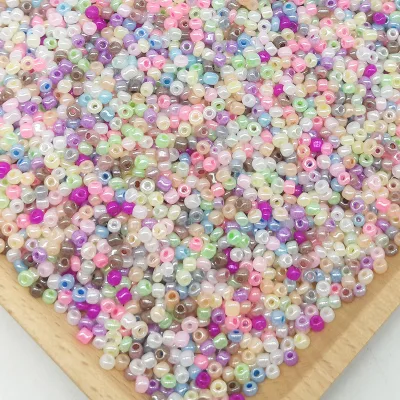
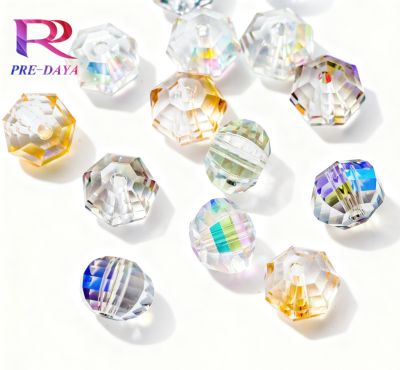
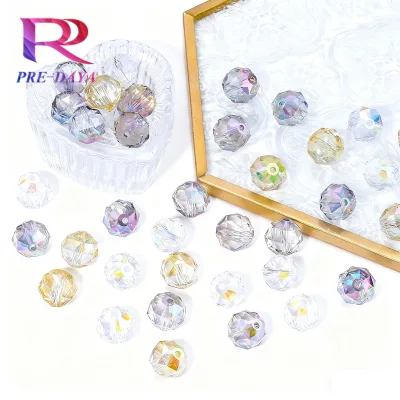
Wholesale 2/3/4mm Glass Seed Beads Bracelet Necklace Beads for Jewelry DIY Accessories
$0.60 - $1.60
MOQ: 20 Bags

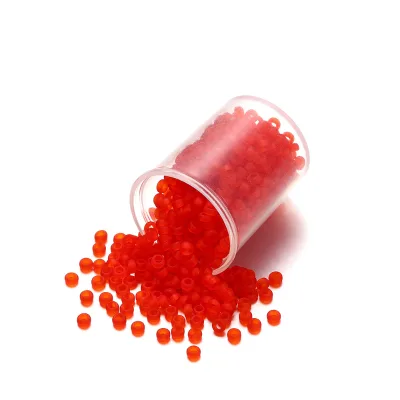
High Quality Wholesale 500 Grams Glass Seed Beads 2mm 3mm 4mm Frosted Opaque Loose Round Beads
$0.93 - $2.60
MOQ: 50 Bags




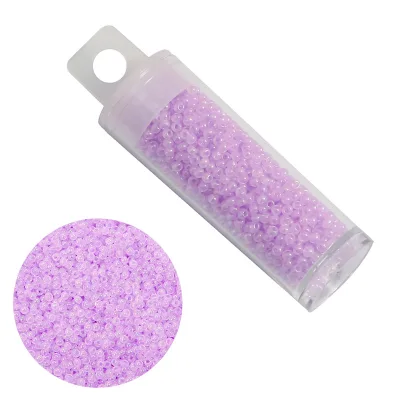
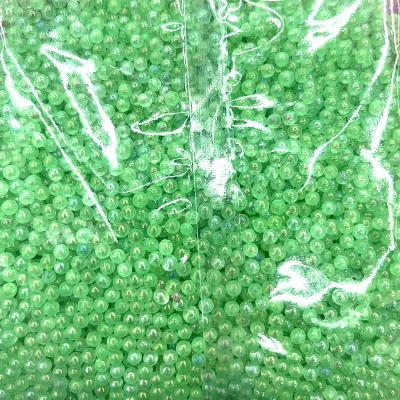
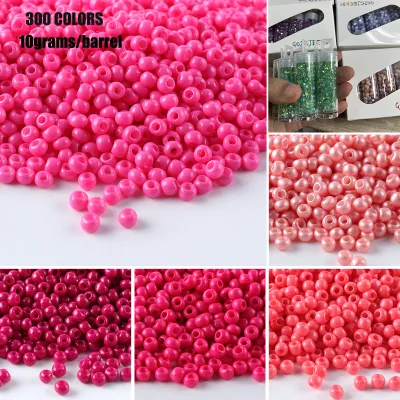
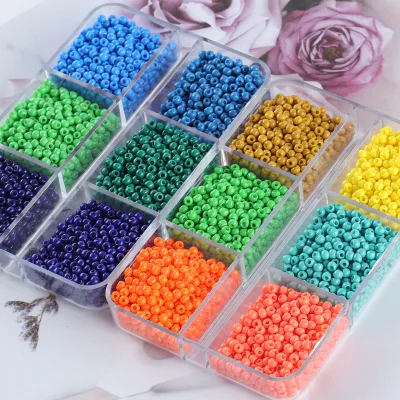


Comprehensive Sourcing Guide
Multiple Colors Glass Seed Beads Supplier Concentration and Factory Types
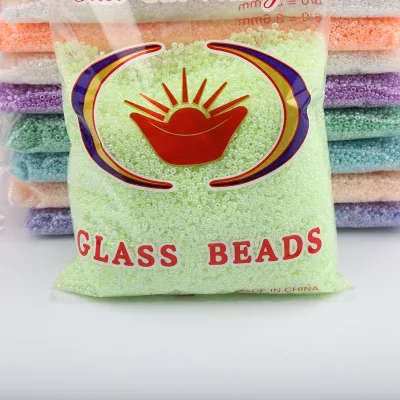
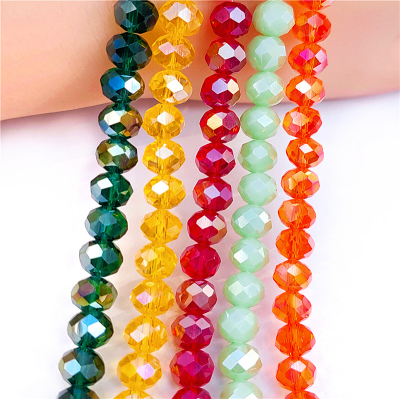
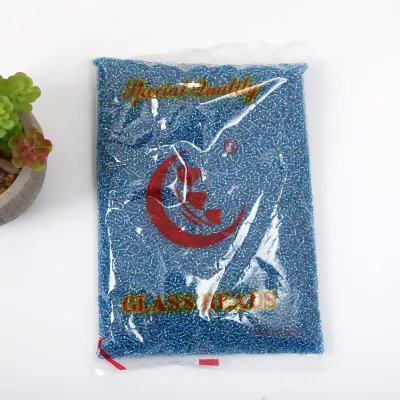
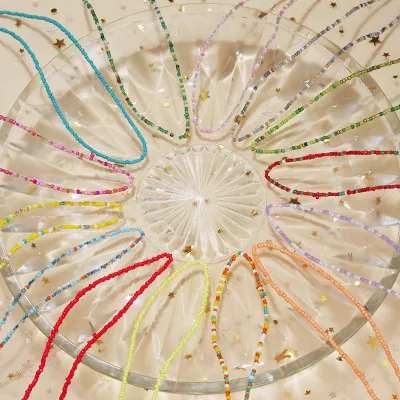
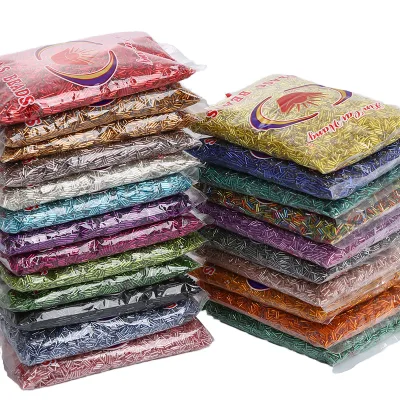
Glass seed beads in multiple colors are a category where supplier origin matters, because dyeing, plating, and size-sorting quality vary significantly by region. Evidence from current results points to China as the dominant provenance, with a manufacturing cluster in Jiangsu Province explicitly listed as the origin for several listings, including round-cut, bugle, and drop-style seed beads sized from 15/0 up to 6/0. Jiangsu producers in this category appear as combined manufacturers and traders, which means they can both produce in-house and broker complementary items such as bead curtains, placemats, and reflective beads. Some listings also show goods shipped through trading companies based in Hong Kong S.A.R., which source finished beads from Zhejiang factories and package them for retail-scale buyers. This layered structure is typical for the category: the actual dyeing and glass-drawing operations sit in mainland provinces, while trading entities in coastal hubs handle small-batch orders and export paperwork.
For a buyer, this means two distinct sourcing routes. Direct combined manufacturers in Jiangsu generally support OEM and ODM customization, offer machine-made opaque, plated, and dye-colored beads across standard sizes, and list multi-color assortments. Trading companies elsewhere add convenience for mixed-product orders, such as combining seed beads with candles, home decor, or pet products, but add a margin layer. Verify which entity physically holds the inventory before committing, because lead times and customization scope differ sharply between the factory and the intermediary.
How to Verify Multiple Colors Glass Seed Beads Suppliers
Verification starts with confirming what each supplier actually is. Company type labels in current results distinguish combined manufacturers from pure trading companies, and this distinction should drive your first questions. Ask a combined supplier directly whether dyeing, plating, and hole-drilling happen in their own facility or are subcontracted, because a factory that outsources color work has limited control over batch-to-batch shade consistency. Request the physical production address and compare it with the listed origin; several bead listings state Jiangsu or Zhejiang as the place of origin, which should match what the supplier confirms on a proforma invoice. Be cautious with certificates: at least one bead supplier lists system certification only as "Others," which is not a recognized standard, so ask for the actual documents behind any claim and do not assume accredited status.
Second, verify product claims against the specification sheet. Legitimate listings in this category state material (glass or crystal glass), size standards such as 15/0, 12/0, 8/0, and 6/0, shape (round, drop, toothed wheel), plating type, and packing formats like 450g or 500g bags or 25kg loose cartons. A supplier who cannot produce these details consistently is repackaging someone else's catalog. Third, test responsiveness before ordering; displayed average response times in current results range from roughly 13 to 18 hours, which is a reasonable benchmark for the category. Send a technical question about colorfastness or hole tolerance and measure how quickly, and how specifically, the reply arrives.
What to Compare Across Multiple Colors Glass Seed Beads Suppliers
Build a comparison matrix using the attributes suppliers actually display, while remembering that not every listing carries every field. Lead time is one of the strongest differentiators: current results show figures ranging from about 20 days to 30 days, which materially affects your inventory calendar for seasonal craft or jewelry programs. Minimum order quantities vary even more dramatically, from listings advertising an MOQ of just one unit for small-bag seed bead assortments to others requiring 100 units for multi-color 3mm and 4mm crystal seed beads. Match the MOQ to your distribution model: small MOQs suit sample validation and retail testing, while bulk loose-packing formats at 25kg serve manufacturers of garments, handbags, and bead curtains.
Compare price bands alongside size standards, since cost scales with fineness; observed ranges span from roughly 0.50 to 2.50 for assorted opaque Czech-style beads, 0.75 to 2.45 for 12/0 opaque machine-made beads, 0.95 to 2.05 for plated round beads, up to 3.05 to 4.60 for drop-style dyed beads in 8/0 and 6/0. Note that some suppliers advertise ODM and OEM capacity while others do not state it, and customization availability appears on some listings but not all. Response speed, company type, and main-product breadth round out the matrix. A combined manufacturer focused solely on beads will handle color-matching requests differently from a general trading company whose main products span candles and home decor.
Common Multiple Colors Glass Seed Beads Sourcing Risks
The most frequent risk in this category is color inconsistency across batches. Because multi-color assortments are dyed or plated in separate production runs, reorders can arrive with shifted hues even when the color code matches the original purchase order. Mitigate this by retaining sealed reference samples from each approved lot and requiring the supplier to match against them, not against a catalog image. A related risk is plating failure: listings mention quartz-glass plating and ab-plate finishes, and thin plating on small beads can flake during stringing. Ask for abrasion and sweat-test results specific to plated beads, and if evidence is unavailable, order a paid pre-production sample and test it yourself before scaling.
Size-tolerance risk is equally common. Seed bead sizing such as 15/0 (1.5mm), 12/0 (1.9mm), 8/0 (3.0mm), and 6/0 (3.6mm) must hold across millions of units, because uneven beads jam in looms and bead curtains. Confirm the sorting method, whether machine-sorted or hand-sorted, and inspect hole concentricity in samples. Counterfeit origin claims are another hazard; a listing may state a mainland origin while the seller is a reseller with no factory relationship. Also watch for certificate ambiguity, since one current supplier lists system certification only as "Others." Finally, packing risk is underrated: 450g and 500g polybag formats inside cartons can arrive with crushed or mixed colors if inner packaging is flimsy, so specify bag strength and carton labeling in writing before production begins.
Multiple Colors Glass Seed Beads Regional Sourcing and Logistics
Current results support two logistics-relevant regions. Jiangsu Province in mainland China is the documented production origin for several glass seed bead lines, spanning round, bugle, and drop styles, and this cluster proximity matters because dyeing houses, glass-drawing mills, and plating workshops tend to concentrate together there. Zhejiang also appears as the stated place of origin for 3mm and 4mm crystal seed bead assortments, indicating a second bead-producing province. Hong Kong S.A.R. functions as an export and consolidation point rather than a manufacturing base; one trading company there lists seed beads among main products alongside candles, party supplies, home decor, and pet products, which signals a consolidation model useful for buyers mixing categories in one shipment.
For logistics planning, freight characteristics are favorable: glass seed beads are dense, non-perishable, and non-hazardous, so sea freight in cartons is the norm for bulk orders, while small-bag retail assortments can move by air or courier when timelines are tight. Confirm the loading port relative to the factory, since Jiangsu and Zhejiang producers ship through different nearby ports. Clarify Incoterms early, because a Hong Kong trading intermediary may quote from its own warehouse while the factory quotes ex-works from the mainland, changing your freight cost calculation. Always verify the actual dispatch location before booking transport, and ask whether multi-color assortments are picked at the factory or consolidated after factory gate.
Multiple Colors Glass Seed Beads Commercial Terms and Order Planning
Structure commercial terms around the verification you completed. For payment, prefer staged terms on first orders, such as a deposit before production with the balance after pre-shipment inspection, and ask whether the platform offers escrow-style protection; some listings advertise such coverage and others do not, so confirm availability for the specific transaction rather than assuming it. Match order structure to the MOQ tiers you observed: single-unit MOQ listings enable inexpensive assortment sampling, while 100-unit MOQ crystal bead listings suit pilot retail batches, and 25kg loose-pack orders from combined manufacturers serve high-volume production. Never scale from catalog images; run a paid sample, approve colors and sizes against written specifications, then reference that approval in the sales contract.
Plan the calendar around stated lead times, which in current results run from about 20 to 30 days, and add time for color-approval cycles and inland transit before booking vessels. Because multi-color assortments require picking and mixing, confirm whether that labor is included in the quoted price or billed separately. Specify packing precisely, referencing the formats documented in the category, such as 450g bags, 500g bags, 25kg loose packing, polybag and carton combinations, and 5x5x5 cm retail units for small assortments. Finally, agree in writing on reorder consistency: batch shade matching against retained samples, tolerance limits on each size grade, and remedies if a lot fails, so that repeat orders remain commercially secure after the first shipment succeeds.
FAQs
What is the price range for Multiple Colors Glass Seed Beads?
Prices for Multiple Colors Glass Seed Beads range from 0.50 to 4.60 per unit depending on the specific style and size. Some standard round beads start at 0.50, while drop style or specialized opaque colors may reach 4.60. Buyers should check the exact product attributes for the current pricing tier.
What are the minimum order quantities for these glass beads?
Minimum order quantities vary significantly by supplier and product type. Some listings accept orders as low as one piece, while others require a minimum of 100 units. Buyers must verify the specific MOQ for the desired color and size combination before placing an order to ensure availability.
Where are the suppliers of these glass beads located?
Suppliers offering Multiple Colors Glass Seed Beads are primarily located in Jiangsu, China, with some trading companies based in Hong Kong S.A.R. The products originate from regions like Zhejiang and Jiangsu. Buyers should confirm the specific place of origin for each supplier to understand shipping logistics.
How long does it take to receive these glass beads?
Lead times for Multiple Colors Glass Seed Beads typically range from 20 to 30 days depending on the supplier. Some suppliers offer a 20-day turnaround, while others may require up to 30 days for production and packaging. Buyers should confirm the exact delivery schedule with the specific vendor.
What sizes are available for Multiple Colors Glass Seed Beads?
Available sizes include 1.5mm, 1.9mm, 3.0mm, and 3.6mm, corresponding to standard counts like 15/0, 12/0, 8/0, and 6/0. Some listings also offer 3mm and 4mm options. Buyers should specify the required size to ensure the beads match their jewelry or craft project needs.
Can these glass beads be customized for specific projects?
Yes, customization is available for Multiple Colors Glass Seed Beads, allowing buyers to select specific colors and styles. Suppliers offer options for opaque colors, plate colors, and various shapes like round or drop styles. Buyers should discuss their specific design requirements with the supplier to confirm customization feasibility.
What is the response time for supplier inquiries?
Supplier response times for inquiries regarding Multiple Colors Glass Seed Beads vary, with some suppliers responding within 13 hours and others taking up to 18 hours. Buyers should expect a response within this window but should verify the current status with the specific supplier to ensure timely communication.