Multilingual Automotive Battery Analyzer Suppliers and Manufacturers
Source a Multilingual Automotive Battery Analyzer from 16 verified suppliers in China. Compare dimensions like ISO9001:2015 certification, 15-day lead times, and SGS verification. Request quotes today to evaluate pricing and customization options for your specific testing needs; review the available evidence before requesting comparable quotations from suitable candidates.
Suppliers List

Shandong Lingxiang New Energy Technology Co., Ltd.
- Verified by SGS
- Combined
- China Shandong
- Lead time15 days
- Avg. response≤ 1h
Main productsBattery Testing Equipment, Battery Tester, Test Equipment
Main marketsDomestic
Fuzhou Yu Xin Electronic Co., Ltd.
- Verified by SGS Group
- Manufacturer, Trading Company
- Lead time30 days
- Avg. response≤ 1h
Main productsStud Finder, Digital Level, Moisture Meter, Socket Tester, Voltage Tester
Main marketsNorth America(45%), Western Europe(30%), Eastern Europe(20%)
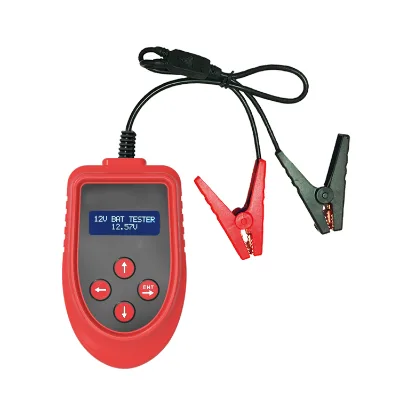
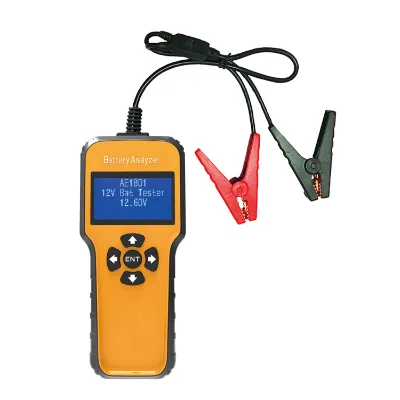
12V Automotive Diagnostic Tools Car Battery Tester Vehicle Battery Analyzer for Item AE1803
$9.05 - $9.90
MOQ: 500 pieces
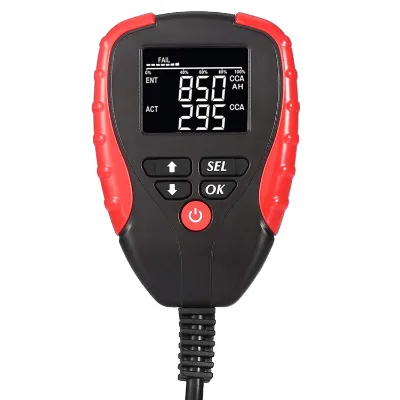
$12.88 - $15.45
MOQ: 100 pieces

Chongqing Cubwill Import&Export Co., Ltd
- Verified by SGS
- Trading Company
- China Chongqing
- Lead time15 days
- Avg. response≤ 5h
Main productsMotorcycle Battery, Three Wheeler Battery, Lithium Battery, Ebike Battery, Electric Motorcycle Battery, UPS Battery, Solar Battery
Main marketsOthers(foreignTradeCapacity.exportBusinessCapacityMarketOther)

Battery Tester with Printer Cranking Charging Analyzer Auto Battery Diagnostic Tool Multi-Language
$48.99 - $55.99
MOQ: 5 Pieces

Multifunctional 12V/24V Universal Battery Analyzer with Printing Feature Battery Tester
$48.99 - $55.99
MOQ: 5 Pieces


$48.99 - $59.99
MOQ: 5 Pieces

Sichuan CNGO New Energy Co.LTD.
- Verified by SGS
- Trading Company
- China Sichuan
- Lead time15 days
- Avg. response≤ 3h
Main productsGas Valve, Oxygen Valve, Cylinder Valve, Filling Valve, Ball Valve, Gas Cylinder Tank, Solenoid Valve, Tank Valve, Tank, Cylinder
Main marketsEurope


Bat-500 Professional Battery Analyzer, Supports Multiple Battery Types and International
$14.45 - $16.67
MOQ: 20

Shenzhen Yilida Technology Co., Ltd.
- Verified by CTI
- Manufacturer/Factory
- China Shandong
- Lead time0 days
- Avg. response≤ 22h
Main productsAutomotive Maitenance Equipment, Car Repair Tool, Automobile Collision Repair Equipment, Car Workshop Equipment, Chassis Straigntener
Shenzhen Jiawei Hengxin Technology Co., Ltd.
- Manufacturer, Trading Company
- Lead time旺季: "1 - 1000":32,"> 1000":"To be negotiated", 淡季: "1 - 1000":32,"> 1000":"To be negotiated"
- Avg. response≤ 3h
Main productsKW870 Car Diagnostic Scanner, KW720 Car Battery Tester, KDIAG Car Full System Diagnostic Tool, KW520 Smart Battery Charger, KW450 Car OBD2 Full System Diagnostic Scanner
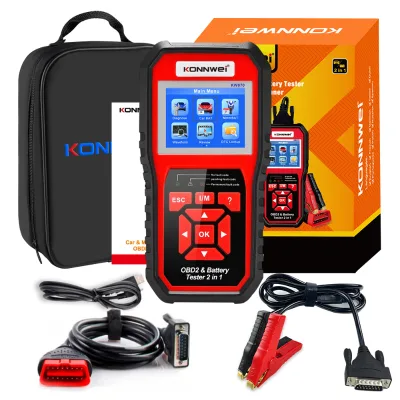
$29.19 - $30.66
MOQ: 2 pieces
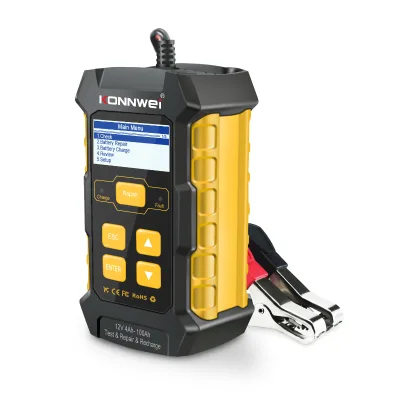
$21.46 - $22.48
MOQ: 2 pieces
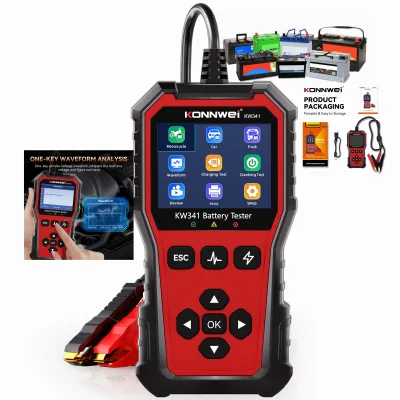
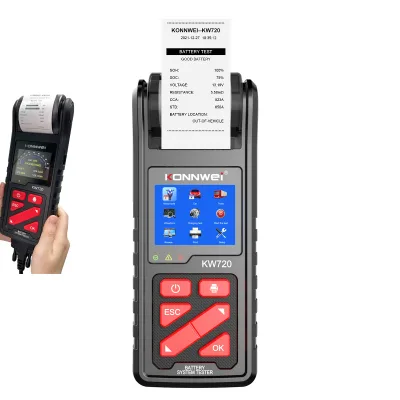
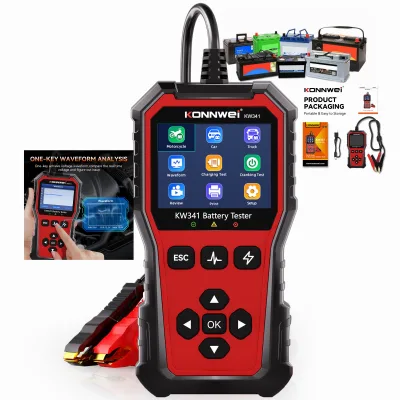
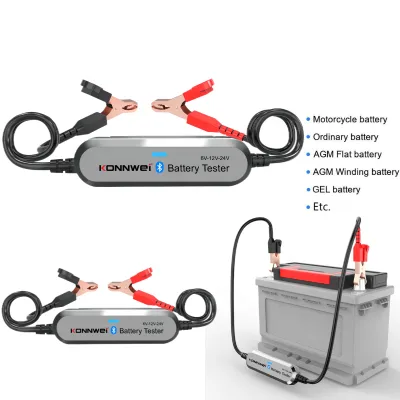

Wuhan Huayi Electric Power Technology Co., Ltd.
- Verified by TUVRHEINLAND
- Combined
- China Hubei
- Lead time15 days
- Avg. response≤ 3h
Main productsAC DC Hipot Tester, Transformer Tester, Relay Protection Tester, Tan Delta Tester, Turn Ratio Tester, Pd Detector, Contact Resistance Tester, CT PT Analyzer, Oil Bdv Tester, Insulation Resistance Tester
Main marketsSouth America,Africa


$2000.00 - $4200.00
MOQ: 1 Pieces
Hangzhou Qinlai Technology Co., Ltd.
- Trading Company
- Zhejiang, China
- Lead time0 days
- Avg. response≤ 2h
Main productsAC Recovery and Filling Machine, Car Chassis Suspension Abnormal Noise Tester, Automobile Exhaust Analyzer, Car Headlight Tester
Main marketsDomestic Market(100.00%)

Tianchang Zhiyun Electronic Technology Co., Ltd.
- Verified by BV
- Trading Company,Manufacturer/Factory
- China Anhui
- Lead time23 days
- Avg. response≤ 15h
Main productsIntelligent Pulse Repair Battery Chargers, Motorcycle Battery Chargers, Outdoor Power Supply, Battery Detector, Car Jump Starter, Invert Power, Car Battery Charger, Lead Acid Battery, Lead-Acid Battery Charger, Lithium Battery Charger
Main marketsSouth America,Eastern Europe,Mid East,North America,Southeast Asia,Eastern Asia,Oceania,Western Europe,Africa

12V 24V Car Battery Tester 3-200ah CCA Load Tester Automotive Digital Battery Analyzer
$8.00 - $11.50
MOQ: 2 Pieces

$8.00 - $11.50
MOQ: 2 Pieces

$8.00 - $11.50
MOQ: 2 Pieces


$8.00 - $11.50
MOQ: 2 Pieces

12V 24V Portable Professional Auto Car Battery Tester Motorcycle Digital Battery Analyzer
$8.00 - $11.50
MOQ: 2 Pieces

Wenzhou High Fun Electronic Co. Ltd
- Verified by BV
- Trading Company,Manufacturer/Factory
- China Zhejiang
- Lead time23 days
- Avg. response≤ 4h
Main productsTerminal, Busbar, Vinyl Cap, Rubber Cover, Alligator Clip, Test Lead, Cable Tie, Booster Cable, Heat Shrink Tube/Cable Gland, Banana Plug/Binding Post
Main marketsSouth America,Eastern Europe,Mid East,North America,Southeast Asia,Eastern Asia,Oceania,Western Europe,Africa

$27.00 - $30.00
MOQ: 1 Pieces

12V Auto Battery Load Tester Bluetooth Battery Charge Discharge Capacity Tester Analyzer for Car
$27.00 - $30.00
MOQ: 1 Pieces

$15.40 - $18.20
MOQ: 10 Pieces
Shenzhen Clover Technology Co., Ltd.
- Manufacturer
- guangdong, China
- Lead time7 days
- Avg. response≤ 9h
Main productsAutomotive Diagnostic Tool,DIY Professional Diagnostic Tools,Tire Pressure Monitoring System,OBD2,Elm327
Main marketsNorth America(30.00%), Eastern Europe(15.00%), Southeast Asia(10.00%), Northern Europe(10.00%), Southern Europe(5.00%), South America(5.00%), Central America(5.00%), Western Europe(5.00%), Mid East(5.00%), Oceania(5.00%), Africa(5.00%)

Hangzhou Tonny Electric & Tools Co., Ltd.
- Verified by TUVRHEINLAND
- Combined
- China Zhejiang
- Lead time30 days
- Avg. response≤ 10h
Main productsBattery Charger, Power Inverter, Fan, Work Light, Forklift Lamp, Emergency Beacon Lights, Tail & Trailer Light Kits Roger, Testing Tools, Trailer Connectors, Vacuum Cleaner
Main marketsSouth America,Africa,East Asia(Japan/ South Korea),Europe,Australia,North America

Auto Battery Test 12V 24V Car Digital Battery Tester Analyzer for Cars and Motorcycle
$4.40 - $5.50
MOQ: 500 Pieces

12V Mini Vehicle Automotive Car Battery Tester, Alternator Voltage Tester, Analyzer with LCD Display
$4.00 - $5.00
MOQ: 500 Pieces

- Verified by TüVRheinland
- Trading Company
- Lead time10 days
- Avg. response≤ 2h
Main productsPH Meter, Mosisture Meters, Temperature Meters, Refractometers, Measuring & Analysing Instrument Stock
Main marketsWestern Europe(45%), North America(35%), South America(3%)
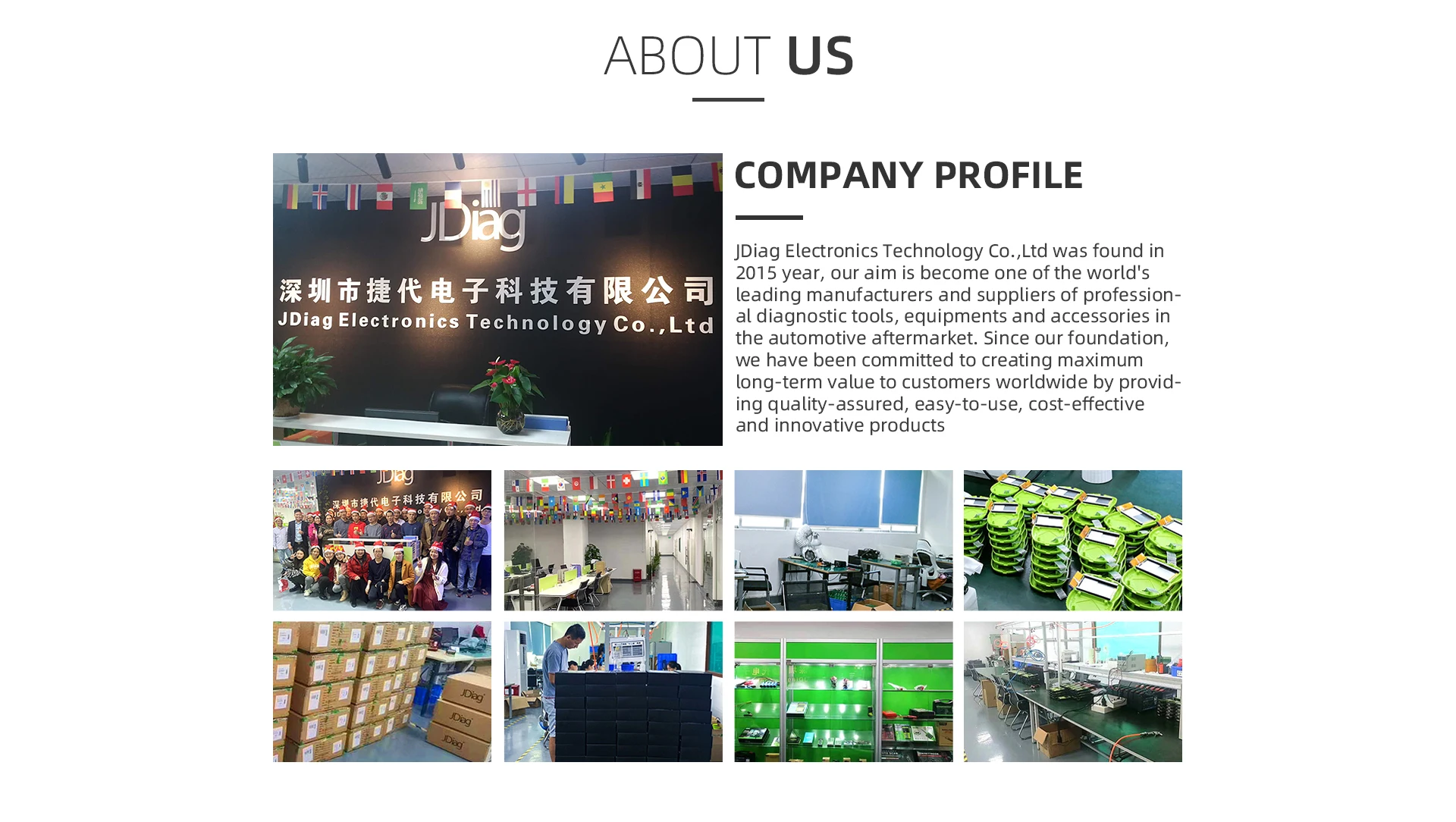
JDiag Electronics Technology Co., Ltd.
- Manufacturer
- Guangdong, China
- Lead time7 days
- Avg. response≤ 5h
Main productsMotorcycle scanner,circuit tester,car jump starter,battery tester,Motorcycle diagnostic tool
Main marketsSoutheast Asia(40.00%), North America(20.00%), Mid East(10.00%), South America(10.00%), Northern Europe(5.00%), Western Europe(5.00%), Africa(5.00%), Oceania(5.00%)
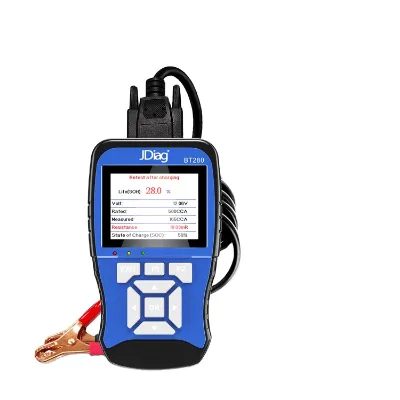
$30.59 - $38.75
MOQ: 100 sets
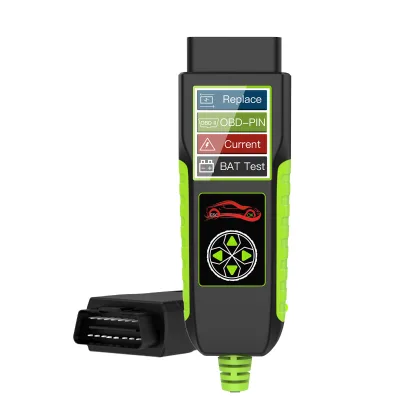
Digital Car Battery Tester and Alternator Analyzer Combination for Efficient Cranking Charging
$19.89 - $21.00
MOQ: 1 pieces

Zhengzhou CY Scientific Instrument Co., Ltd.
- Combined
- China Henan
- Lead time15 days
- Avg. response≤ 8h
Main productsCVD System, Tube Furnace, Muffle Furnace, Dental Furnace, Plasma Cleaner
Main marketsSouth America,Africa,Southeast Asia/ Mideast,East Asia(Japan/ South Korea),Domestic,Europe,Australia,North America

8 Channel Battery Analyzer for Temperature Measurement and Laptop and Software
$700.00 - $1200.00
MOQ: 1 Pieces


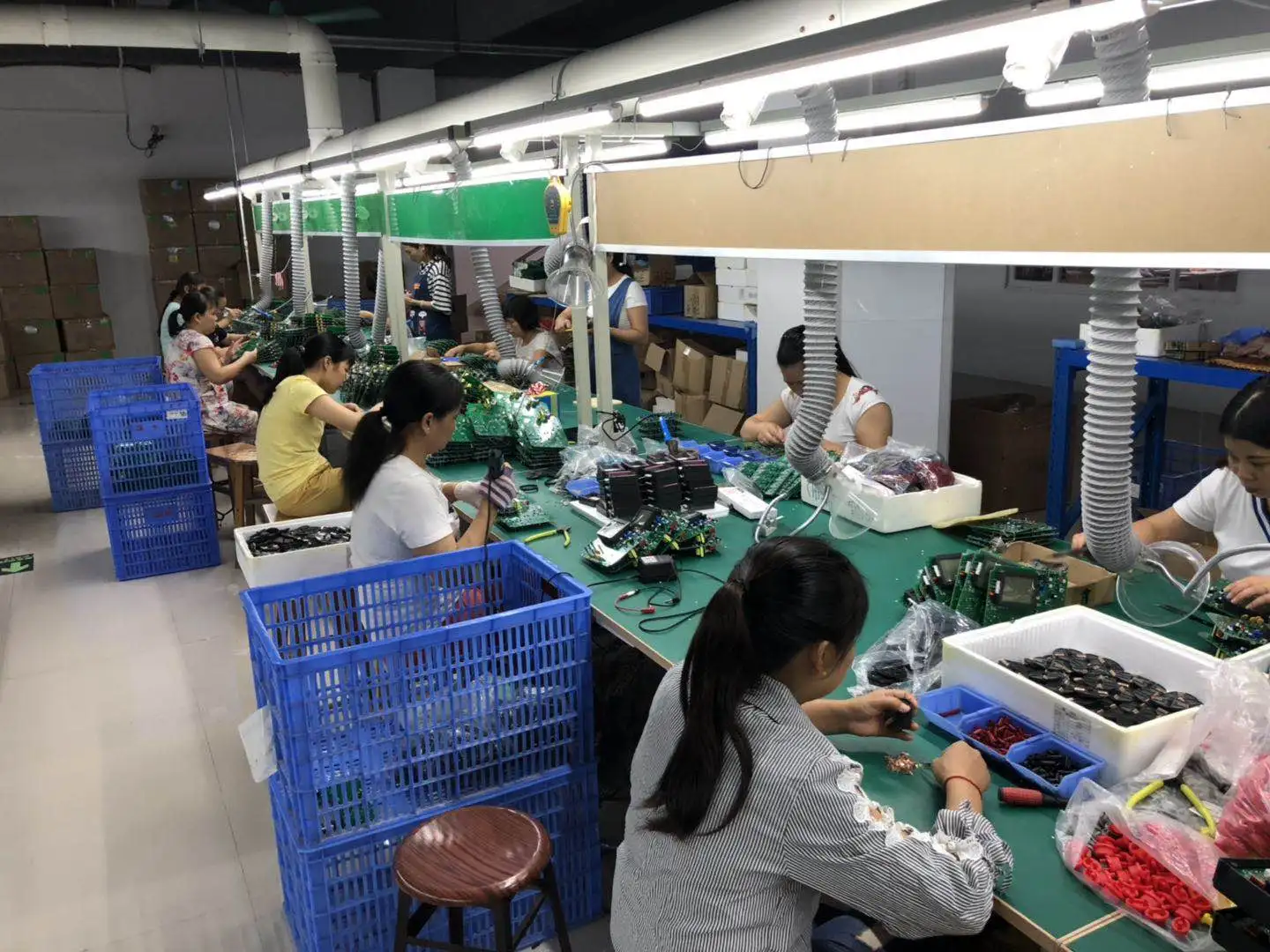
Hangzhou Guozheng Technology Co., Ltd.
- Trading Company
- Zhejiang, China
- Lead time10 days
- Avg. response≤ 4h
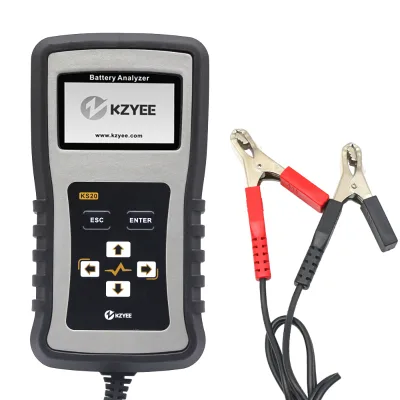
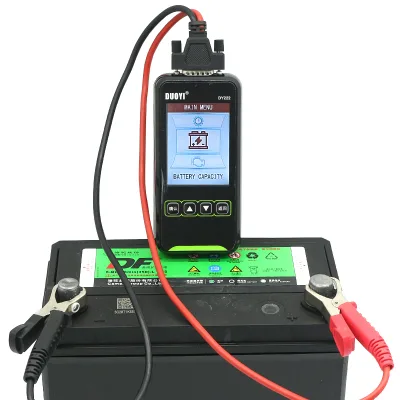
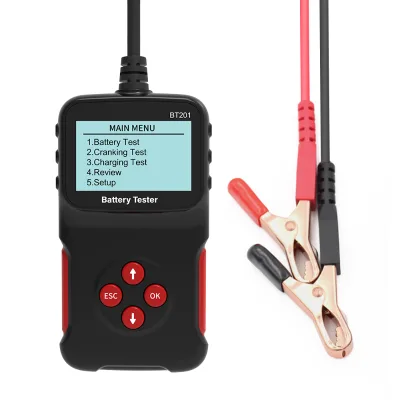
Main productsInstruments,Automotive Diagnostic Tools,Gas Detectors,Battery Testers,Surveying & Mapping Measurements
Main marketsSouth America(30.00%), Africa(22.00%), Southeast Asia(16.00%), Eastern Europe(13.00%), North America(11.00%), Mid East(6.00%), Northern Europe(2.00%)


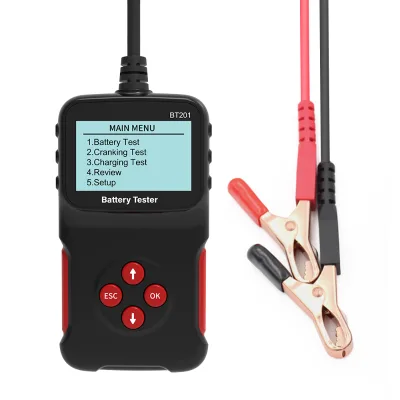
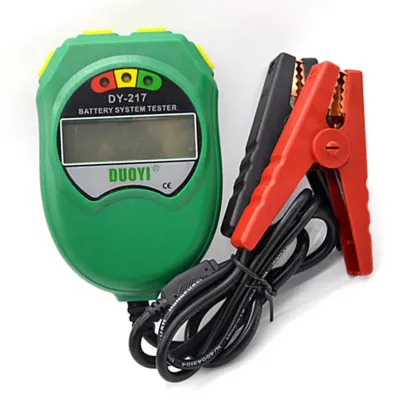
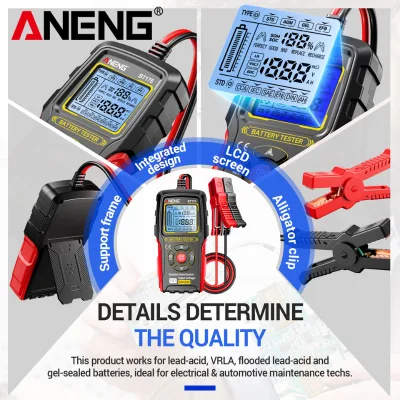
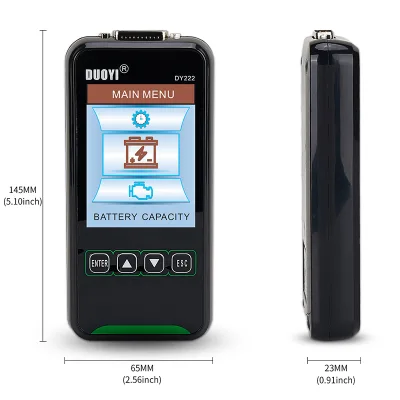
Comprehensive Sourcing Guide
Multilingual Automotive Battery Analyzer Supplier Concentration and Factory Types
The current supplier landscape for multilingual automotive battery analyzers shows a distinct concentration of manufacturing activity within China, specifically in the Shandong province. This region hosts a significant number of combined entities that function as both manufacturers and trading companies, offering a hybrid model that can streamline the procurement process for international buyers. These combined suppliers often possess direct access to production lines while maintaining the sales flexibility of a trading firm, which is particularly relevant for complex electronic testing equipment like battery analyzers. The presence of these dual-role entities suggests a mature industrial cluster where supply chain integration is already established, potentially reducing the friction often associated with sourcing specialized diagnostic tools from disparate sources.
Beyond the specific Shandong cluster, buyers must remain vigilant about the diversity of company types available in the broader market. While some suppliers are pure manufacturers, others operate strictly as trading companies, and a third group combines both functions. This variation impacts the depth of technical support and the agility of customization services. For instance, a combined entity might offer ODM and OEM capabilities, allowing for tailored solutions such as specific multilingual interfaces or custom testing protocols for different battery chemistries. However, the absence of a single dominant factory type means that buyers cannot assume uniform capabilities across all listings. It is essential to verify the specific operational model of each potential partner to ensure they align with the buyer's need for either direct factory pricing or the broader product range that trading companies typically provide.
How to Verify Multilingual Automotive Battery Analyzer Suppliers
Verification of supplier credibility is a critical step when sourcing multilingual automotive battery analyzers, as the market contains a mix of verified and unverified entities. Several suppliers in the current results have undergone third-party verification processes, such as those conducted by SGS, which adds a layer of confidence regarding their business legitimacy and operational stability. These verified badges serve as an initial filter, indicating that the supplier has met specific criteria for authenticity and compliance. However, verification status alone does not guarantee product quality or delivery reliability. Buyers should treat these badges as a starting point for due diligence rather than a final seal of approval, ensuring that the verification covers the specific product lines relevant to their multilingual diagnostic needs.
In addition to third-party verification, buyers should scrutinize system certifications and product-specific attributes to confirm technical competence. Many suppliers in the sector hold ISO9001:2015 certification, which demonstrates a commitment to quality management systems, while others may display CE or FCC marks indicating compliance with international safety and electromagnetic standards. These certifications are particularly important for electronic testing equipment that must operate safely within automotive environments. Furthermore, the presence of detailed product attributes, such as specific model numbers like C120-8-7 or AE1803, and clear descriptions of application areas like lead-acid or lithium-ion batteries, provides tangible evidence of the supplier's product knowledge. Buyers should request documentation to validate these claims, ensuring that the multilingual features and diagnostic accuracy meet their specific operational requirements before proceeding with any engagement.
What to Compare Across Multilingual Automotive Battery Analyzer Suppliers
When evaluating potential partners, buyers must compare a range of operational metrics that directly impact the efficiency and cost-effectiveness of their sourcing strategy. Lead times vary significantly across the supplier base, with some entities offering a 15-day turnaround while others require up to 30 days for order fulfillment. This discrepancy is crucial for buyers managing tight inventory cycles or urgent project deadlines. Similarly, response times can differ, with some suppliers demonstrating rapid communication capabilities, indicated by response metrics as low as 0.01, while others may operate on a standard one-day cycle. These factors influence the overall agility of the supply chain and the ability to resolve technical queries or customization requests promptly.
Beyond speed and timing, buyers should analyze minimum order quantities (MOQ) and pricing structures to determine financial feasibility. The market shows a wide spectrum of entry barriers, with some suppliers accepting orders as low as a single unit, while others enforce MOQs of 500 pieces. This variation allows buyers to select partners that match their scale, whether they are testing a prototype or launching a mass-market product. Pricing also fluctuates based on the specific model and customization level, with some analyzers listed at fixed prices around $225 or $553, while others may require negotiation for bulk orders. Additionally, the scope of main products offered by each supplier should be reviewed; some focus exclusively on battery testing equipment, while others diversify into related tools like stud finders or voltage testers, which could affect the comprehensiveness of the solution provided.
Common Multilingual Automotive Battery Analyzer Sourcing Risks
One of the primary risks in sourcing multilingual automotive battery analyzers involves the potential mismatch between advertised capabilities and actual product performance. While suppliers may claim support for various battery types, including lithium-ion and lead-acid, the specific application details must be rigorously validated. For example, a device listed for lead-acid batteries may not be suitable for high-voltage hybrid systems without specific configuration. Buyers must verify the "Test Region" and "Application" attributes to ensure the equipment matches their specific vehicle fleet requirements. Relying solely on broad product keywords without confirming technical specifications can lead to the acquisition of tools that fail to deliver accurate diagnostics, resulting in wasted investment and operational downtime.
Another significant risk pertains to the reliability of customization claims and the consistency of product standards. Suppliers often advertise "Customized" options for models and standards, but the extent of this customization can vary widely. Some listings indicate that the product standard is customized, while others provide fixed specifications like operating voltage or current limits. Without clear, written agreements defining the scope of customization, buyers risk receiving products that do not meet their unique multilingual or interface requirements. Furthermore, the lack of standardized packaging or origin details in some listings can complicate logistics and customs clearance. Buyers should demand detailed product data sheets and sample units to verify that the customization promises are actionable and that the final product adheres to the agreed-upon standards before finalizing any large-scale orders.
Multilingual Automotive Battery Analyzer Regional Sourcing and Logistics
The geographic concentration of suppliers in China, particularly in Shandong and Fujian provinces, dictates the logistics strategy for international buyers. Products originating from these regions typically ship via established maritime routes, but the specific port of origin can influence transit times and shipping costs. Buyers should account for the fact that different suppliers may have varying logistics partners, leading to inconsistencies in delivery schedules. For instance, a supplier in Fujian might utilize different shipping channels compared to one in Shandong, affecting the overall lead time from order placement to final delivery. Understanding these regional nuances is essential for accurate planning, especially when dealing with time-sensitive automotive diagnostic projects.
Logistics planning must also consider the packaging and weight specifications provided in the product data. Some analyzers are packaged in standard boxes with defined dimensions, such as 20x12x10 cm, while others may have larger or heavier configurations, impacting freight charges. The single gross weight of items, which can range from 1.5 kg to heavier industrial units, directly affects the cost of air freight versus sea freight. Buyers should request detailed packing lists and weight data from each supplier to calculate precise shipping costs. Additionally, the origin country, consistently listed as China for the majority of these products, means that import duties and tariffs will apply based on the buyer's local regulations. Proactive engagement with freight forwarders to understand these regional logistics variables can prevent unexpected delays and cost overruns during the import process.
Multilingual Automotive Battery Analyzer Commercial Terms and Order Planning
Commercial terms for multilingual automotive battery analyzers often include specific warranty periods and payment structures that vary by supplier. Some listings explicitly state a 12-month warranty, providing a baseline for after-sales support and product reliability assurance. However, buyers must confirm whether this warranty covers the multilingual software components or only the hardware, as software updates and language pack support may have different terms. Additionally, the presence of SDK combinations in some product attributes suggests that integration with other systems is possible, but the commercial terms for software licensing and support should be clarified separately. Understanding these warranty and support nuances is vital for long-term operational planning and risk management.
Order planning should also factor in the specific pricing models and unit costs associated with different product lines. Prices for these analyzers can range from budget-friendly options around $9 to more specialized equipment priced near $553, depending on the complexity and features. Buyers must align their budget with the specific model requirements, ensuring that the selected device offers the necessary multilingual capabilities without unnecessary cost inflation. Furthermore, the MOQ requirements, which can range from single units to hundreds of pieces, play a critical role in inventory management and cash flow planning. Buyers should negotiate terms that allow for flexible order sizes or tiered pricing to optimize their procurement strategy. Clear communication regarding these commercial terms ensures that the final agreement supports the buyer's financial and operational goals effectively.
FAQs
What is the price range for battery testing equipment?
Prices for battery testing equipment vary significantly based on functionality and capacity. Basic automotive testers start around $9.05, while advanced multi-channel analyzers can reach $553. Buyers should verify specific model pricing and check for volume discounts when placing larger orders to ensure accurate budgeting.
What certifications do these suppliers hold?
Suppliers typically hold ISO9001:2015 system certifications to ensure quality management standards. Additionally, product-specific certifications such as CE and FCC are common for electronic testing devices. Buyers should request valid certificate copies to confirm compliance with regional safety and electromagnetic compatibility regulations before finalizing procurement.
What is the typical lead time for orders?
Lead times generally range from 15 to 30 days depending on the supplier and order complexity. Standard diagnostic tools may ship within 15 days, while customized or high-capacity testing equipment often requires 30 days for production and quality assurance. Confirm exact timelines with the supplier prior to payment.
What is the minimum order quantity for testers?
Minimum order quantities vary by product type. Some advanced battery analyzers allow orders as low as one unit for testing purposes. Conversely, basic automotive diagnostic tools may require a minimum order of 500 units. Always check the specific MOQ listed for the desired model to avoid order rejection.
Where are these battery testing manufacturers located?
Manufacturers are primarily located in China, with specific hubs in Shandong and Fujian provinces. These regions offer robust supply chains for electronic testing equipment. Buyers can filter results by these locations to assess logistics costs and shipping times more accurately for their specific international delivery requirements.
Do suppliers offer customization for battery analyzers?
Yes, many suppliers offer OEM and ODM customization services for battery testing equipment. Buyers can request customized models, branding, or specific testing parameters for lead-acid or lithium-ion batteries. Verify customization availability and associated costs directly with the supplier to ensure the final product meets specific operational needs.