Nami Anime Figure Suppliers and Manufacturers
Source Nami Anime Figure products from 13 suppliers on this page, comparing company type, Guangdong location, response time, lead time, customization options, MOQ, and certifications such as CE. Review the listed dimensions side by side, then contact suppliers to request samples before placing an order.
Suppliers List

- Trading Company
- China Guangdong
- Lead time15 days
- Avg. response≤ 7h
Main productsAnime Figure, Japanese Anime Figure, One Piece, Naruto, Action Figure, Dragon Ball, Model Toys, Anime Action Figure, PVC Figure, Figurine
Main marketsDomestic

Factory Supply Nami One Piece Wholesale Japanese Anime Plastic Figure Toy
$36.20 - $39.12
MOQ: 12 Pieces

Factory Supply Gk Fight Nami One Piece Wholesale Japanese Anime Manga Figure Toy
$7.30 - $8.76
MOQ: 24 Pieces

Factory Supply Namikaze Minato Naruto Japanese Anime Figure Wholesale Action Figure Toys
$8.03 - $9.23
MOQ: 16 Pieces


New Arrived 98 Nami One Piece Wholesale Japanese Anime PVC Figure Toy Model
$4.69 - $5.69
MOQ: 42 Pieces


Dongguan Jiehao Technology Co., Ltd.
- Verified by CTI
- Manufacturer/Factory
- China Guangdong
- Lead time90 days
- Avg. response≤ 3h
Main productsPlastic Toys, Vinyl Toys, Silicon Toys, Educational Toys, Intelligent Toy, Toys, Plastic Doll, Soft PVC Toys, 2D Soft PVC Keychain Toys, Blowing Toys
Main marketsSouth America,Eastern Europe,Mid East,North America,Southeast Asia,Eastern Asia,Oceania,Western Europe,Africa


Charming Anime Character Figurines Collection for Enthusiasts and Collectors
$1.21 - $1.31
MOQ: 5000 Pieces

Customized 3D Action Figure Anime Figure Blind Box China Plastic Toys Manufacturer
$0.65
MOQ: 3000 Pieces
Yiwu L&C Commercial Trading Co., Ltd.
- Trading Company
- Zhejiang, China
- Lead time25 days
- Avg. response≤ 5h
Main productsMUSIC BOX,POSTER,JEWELRY,WALLET,COSPLAY CLOTHES
Main marketsSouth America(20.00%), North America(19.00%), Eastern Asia(10.00%), Central America(10.00%), South Asia(9.00%), Western Europe(9.00%), Mid East(8.00%), Northern Europe(8.00%), Domestic Market(7.00%)

- Combined
- China Guangdong
- Lead time45 days
- Avg. response≤ 1h
Main productsResin Craft, Baby Doll, Christmas Tree, Christmas Wreath, Christmas Garland, Christmas Decoration, Artificial Flower, Artificial Plant, Artificial Tree, Christmas Ornaments
Main marketsSouth America,Europe,North America


$1.00 - $2.00
MOQ: 1 Pieces


Yiwu Animestar Import and Export Co.,Ltd
- Verified by SGS Group
- Trading Company
- Lead time15 days
- Avg. response≤ 5h
Main productsAnime Figure, Alloy Accessories, Clothes, Plush Toys
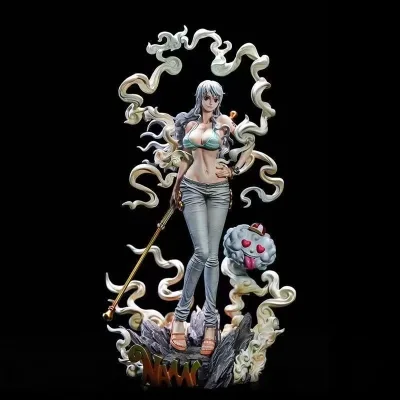
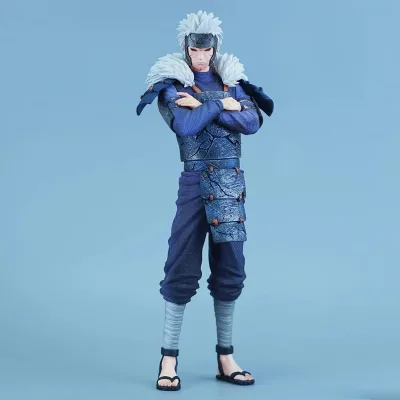
31cm Senju Tobirama Anime Figure Model Toy
$12.00 - $14.00
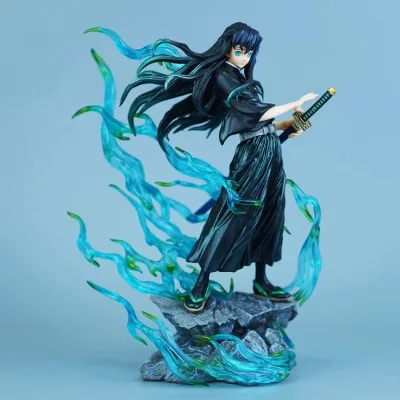
25cm Tokitou Muichirou Anime Figure Model Toy
$18.00 - $20.00
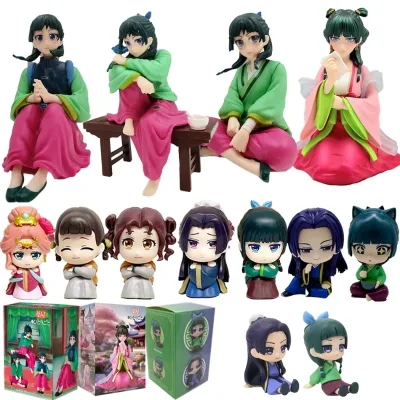

Dongguan Glory Plastic Products Co., Ltd.
- Verified by SGS
- Combined
- China Guangdong
- Lead time30 days
- Avg. response≤ 13h
Main productsBoardgame Accessories, Plastic Injection PVC Miniature, Plastic Dice, Products Design & Mould, Game Components, Print and Painting and Packing, Plastic Products Custom Packing, Poly Resin Craft Gift and Toy, Freight and Shipping, Creative Consultation
Main marketsEast Asia(Japan/ South Korea),Domestic


Custom Cartoon Image Miniature Figure Cartoon Character Miniature Figure
$0.15 - $0.20
MOQ: 3000 Pieces

Zhongshan Benjian Electronic Commerce Co., Ltd.
- Verified by SGS
- Trading Company
- China Guangdong
- Lead time15 days
- Avg. response≤ 25h
Main productsAction Figure, Anime Figure, PVC Figure, Blind Box
Main marketsSouth America,Southeast Asia/ Mideast,East Asia(Japan/ South Korea),Europe,North America

Nami with Clima-Tact Anime Figure PVC Collectible Model Toy Desktop Ornament
$2.50 - $2.79
MOQ: 20 Pieces


DONGGUAN HUI TAI TONG TECHNOLOGY CO., LIMITED
- Manufacturer/Factory
- China Guangdong
- Lead time23 days
- Avg. response≤ 5h
Main productsPlastic Toy, Children Toy, Educational Toy, Action Figure, PVC Figure, Promotional Gift, Sport Figure
Main marketsNorth America,Eastern Asia,Western Europe


$0.66 - $0.99
MOQ: 1000 Pieces


China Manufacturer PVC Anime Figure Action Figure 3D Sport Figure Collectible Toys
$0.66 - $0.99
MOQ: 500 Pieces

OEM Action Figure Model Lady Fashion Girl Plastic Anime Girl Character Figurines
$0.66 - $1.99
MOQ: 1000 Pieces

Huizhou Shenghui Plastic Product Co., Ltd
- Verified by SGS
- Trading Company
- China Guangdong
- Lead time30 days
- Avg. response≤ 3h
Main productsCustomized Plastic Figure, Plastic Toy, Plastic Figure
Main marketsSoutheast Asia/ Mideast


Action Figure Cartoon Japanese Kawaii Figurines Collectibles Toy Gifts for Children
$0.80 - $1.50
MOQ: 3000 Pieces

- Manufacturer/Factory
- China Guangdong
- Lead time23 days
- Avg. response≤ 8h
Main productsStatue, Resin Craft, Figruine, Metal Trophy, Figure, Resin Figure, Polyresin Figurine, Collective Statue, Polyresin Statue, Function Model
Main marketsEastern Europe,Mid East,North America,Southeast Asia,Oceania,Western Europe,Africa

Shantou Kaixin Trading Co., Ltd
- Verified by BV
- Manufacturer
- China Guangdong
- Lead time23 days
- Avg. response≤ 6h
Main productsToy, Educational Toy, Remote Control Toy, Pretend Play Toy Set, Summer Toy, Vehicle Toy, Doll, Promotion Toy, Baby Toy, Game Toy

Guangdong qunlong technology co., ltd
- Manufacturer
- China Guangdong
- Lead time15 days
- Avg. response≤ 1h
Main productsOEM/Design Toys, Plastic Products
Main marketsDomestic
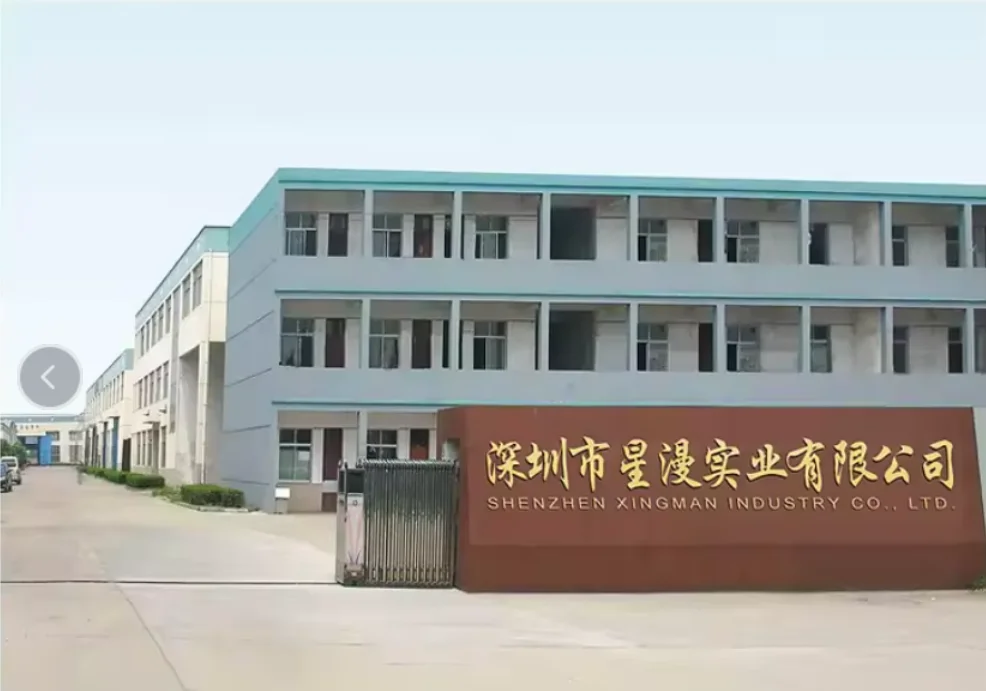
Shenzhen Xingman Industry Co., Ltd.
- Manufacturer, Trading Company, Distributor/Wholesaler
- Guangdong, China
- Lead time30 days
- Avg. response≤ 6h
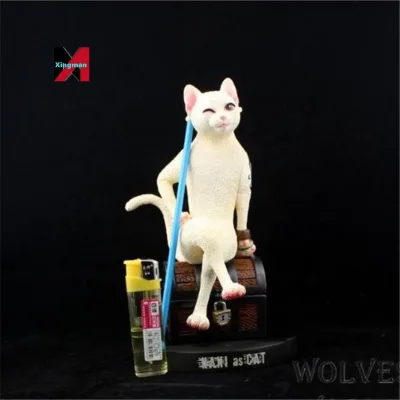
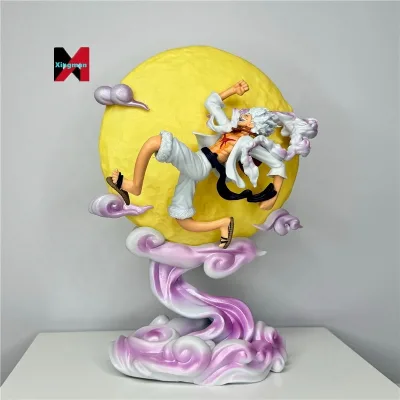
Main productsAnime Keychain,Anime Necklace,Anime Jewelry,Anime wall Scroll Posters,Anime action figures
Main marketsNorth America(45.00%), Western Europe(20.00%), Southeast Asia(10.00%), Mid East(10.00%), Oceania(10.00%), Domestic Market(5.00%)
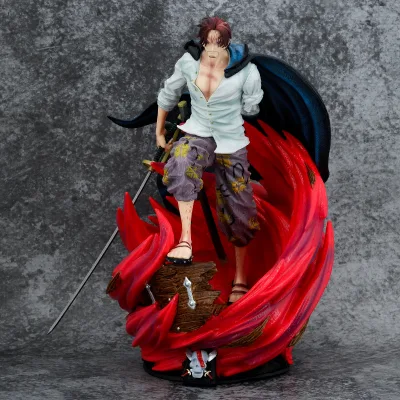
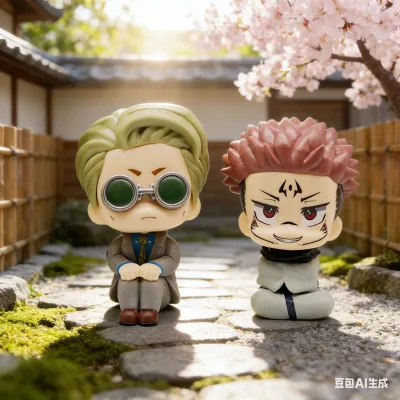
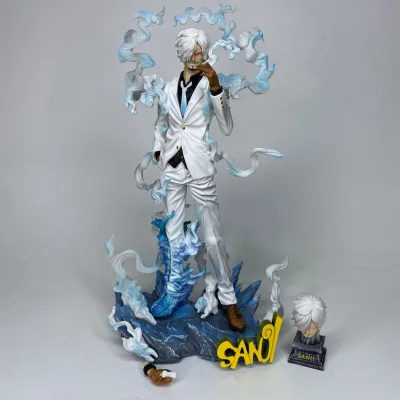
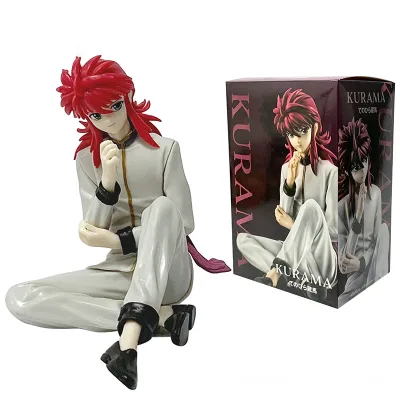
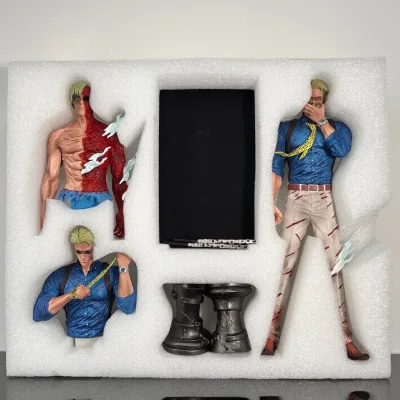


Comprehensive Sourcing Guide
Nami Anime Figure Supplier Concentration and Factory Types
Search results for licensed anime-style figures are typically dominated by two company profiles: trading companies that aggregate output from multiple workshops, and manufacturer/factory entities that mold and decorate PVC and plastic figures in-house. In the current results, suppliers are located in Guangdong, China, which is a well-established cluster for anime figure production, and their main products center on anime figures from series such as One Piece and Naruto, alongside general action figures, PVC figures, model toys and figurines. This tells you that the category sits at the intersection of toy manufacturing and character-goods merchandising, where tooling quality and paint finishing decide the outcome.
The profile split matters more than the headcount. Trading companies are useful when you want to mix SKUs across several character licenses and sizes, since they can consolidate stock items that already exist in inventory — several listed products are marked as in stock with sample availability. Factory entities are more relevant for custom molds, original sculpts, and full OEM/ODM development; one manufacturer in the results explicitly lists OEM and ODM capability and holds multiple system certifications. When you evaluate a candidate, read the company type field together with the product list: a trading company advertising dozens of in-stock figures is a distributor, while a factory advertising figure tooling is a production partner. Match that profile to whether your program is resale of existing designs or development of exclusive ones.
How to Verify Nami Anime Figure Suppliers
Verification starts with the platform's own structured signals, because anime figures are frequently copied without authorization and mislabeled specs are common. In the current results, one manufacturer holds a CTI third-party verification and lists system certifications including BSCI, ISO 9001, ISO 14001, SEDEX, OHSAS 18001 and QC 080000. The trading-company profiles in the same results display no system certification at all — that absence is not proof of a problem, but it tells you exactly where to focus your own requests: certificate copies, factory photos, and a live video walkthrough of the molding and painting lines. Never accept a certification name in a listing without asking for the current certificate document.
Product-level claims also need checking against physical evidence. Every figure in the results carries a CE/EN-function certification note, plastic construction, and static-display function, and most advertise in-stock status with a delivery time of one week. Before ordering, ask each supplier for a sample of the exact SKU and compare it against the listing photos, because stock figures may have been photographed from a different production run. Confirm the material is genuinely PVC plastic as claimed, weigh the piece, and check paint bleed and joint seams. If the supplier claims customization is available, ask for photos of previous custom projects rather than catalog stock. For licensed characters, clarify in writing who is responsible for IP authorization, since factories producing character figures typically expect the buyer to hold or arrange rights.
What to Compare Across Nami Anime Figure Suppliers
Build a comparison sheet from the attributes actually displayed, without assuming every supplier shows every field. Lead time is one of the widest gaps in this category: the trading companies in the current results show a lead time around 15 days, while the manufacturer shows roughly 90 days — a six-fold difference that likely reflects stock resale versus made-to-order production. Response time is another differentiator: one profile reports answers in about 2–3 hours and another near 7 hours. Fast response usually predicts smoother sampling communication, so log it alongside price when you shortlist.
Compare product economics per SKU rather than per supplier. In the results, individual figures range from roughly $4.69–$5.69 up to $36.20–$39.12 per unit, with MOQs from as low as 12 units up to 45, and heights spanning 20 cm to 43 cm. Notice that the highest-priced item is also the tallest, so normalize comparisons by figure size and detail level. Also compare logistics attributes — all listed items offer sea, air or express shipping, carton packing, and sample availability — and the customization flag, which every listed product marks as available. Finally, compare location and main-product breadth: Guangdong-based suppliers focusing purely on anime figures will handle a mixed character order differently from a broad plastics factory that treats figures as one line among vinyl, silicone and keychain toys. Rank suppliers by the combination of lead time, MOQ fit, unit price at your target size, and category focus.
Common Nami Anime Figure Sourcing Risks
The largest risk in this category is intellectual property. Nami is a character from One Piece, a licensed Japanese franchise, and every product in the current results is styled as a Japanese anime figure — yet none of the listings states that an IP license exists. If you import character figures without authorization, you expose yourself to customs seizure, platform delisting and legal claims in destination markets. Put IP responsibility in writing: ask each supplier to state in the contract whether they hold a license, whether goods ship as "authorized" or at the buyer's risk, and how they handle destination-market enforcement.
The second cluster of risks is quality and description drift. Paint defects, mold lines, and color variance are the classic failure modes for PVC figures, and a CE/EN marking on a listing does not test paint safety or structural quality. Order samples of every SKU before committing, and specify an acceptable-defect rate in the purchase agreement. Third, delivery-time claims can mislead: several stock products advertise one-week delivery, but that covers dispatch, not ocean freight, customs clearance or destination delivery, and the manufacturer profile shows a 90-day lead time for production orders. Fourth, low MOQs such as 12 or 16 units invite small test orders, but small shipments by express carry disproportionately high per-unit freight. Finally, beware of a single quoted price: ranges like $7.30–$8.76 suggest the final price depends on quantity, size or finish, so confirm which specification maps to which price point before signing.
Nami Anime Figure Regional Sourcing and Logistics
The current results point to Guangdong, China as the sourcing region, with one product origin stated as Dongguan, a city inside that province known for plastics and toy manufacturing. Guangdong's strength for this category is the density of PVC molding, spray-painting and packaging vendors within short distances, which compresses both sampling time and the cost of coordinating custom projects. One supplier in the results even lists full-color logo printing and silk-screen imprinting among its capabilities, which matters if you need branded packaging or exclusive paint schemes alongside the figures themselves.
Logistically, all listed products support sea, air and express delivery, giving you three realistic modes depending on urgency and volume. For in-stock figures with one-week dispatch, express or air freight is viable for small MOQs — some listed orders are as small as 12–24 units — and keeps a new assortment moving quickly. For production runs aligned to the 90-day manufacturer lead time, sea freight in cartons is the economical default, and you should budget six to eight weeks of transit on top of production when planning seasonal launches. Because anime figures are compact but fragile, insist on double-boxed cartons with foam or blister inserts and specify drop-test expectations in the packing instruction. Confirm the Incoterm early — FOB from a Guangdong port is standard — and ask each supplier how sample shipments differ from bulk shipments in cost and speed before you approve tooling or a large order.
Nami Anime Figure Commercial Terms and Order Planning
Structure commercial terms around the two distinct business models visible in the results. For stock resale through trading companies, the key terms are unit price at your MOQ — which ranges from about 12 to 45 units per SKU across the listings — sample cost and whether it is credited against the first order, payment method, and the confirmed dispatch window. One factory profile lists T/T as its payment term and quotes a seven-day sample time, which is typical; still, ask every supplier to state its own payment schedule and whether any escrow or trade-assurance mechanism is available, since this was not displayed for all profiles. Never wire a deposit to a personal account.
For order planning, sequence a pilot, then a repeat, then a custom program. Start with one or two in-stock SKUs near the low end of the MOQ range — a 20–26 cm figure in the $4.69–$9.23 bracket is a low-risk probe — evaluate sell-through, then scale into larger 32–43 cm pieces or customized sculpts, which commit you to the manufacturer's longer production and 90-day-class lead times. Confirm which figure height and finish corresponds to each point in the quoted price range, since several listings show wide spreads. Finally, agree in writing on defect-rate tolerance, replacement terms for transit damage, and re-order lead times for stock items, so replenishment of a fast-selling character figure does not stall between production cycles.
FAQs
Where are the Nami anime figures manufactured?
The Nami anime figures are manufactured in Guangdong, China. Specific products list Dongguan as the origin point. Buyers should verify the exact factory location for each order to ensure compliance with regional shipping requirements and quality standards.
What is the minimum order quantity for these figures?
Minimum order quantities vary by product model. Some listings require 12 units, while others start at 16, 24, 30, 42, or 45 pieces. Buyers must check the specific MOQ for the desired Nami figure model before placing a bulk order.
How long does it take to receive samples?
Sample delivery times differ based on the supplier. One supplier offers a one-week delivery time for stock items. Another manufacturer indicates a seven-day sample time for customized requests. Buyers should confirm the current sample lead time with the seller.
Are these figures certified for safety standards?
Yes, many listings include CE and EN certifications for static display. Some manufacturers also hold BSCI, ISO 9001, and ISO 14001 system certifications. Buyers should request specific test reports to verify that the plastic figures meet international safety requirements.
What materials are used to make these figures?
The figures are primarily made from plastic and PVC materials. Some listings specify soft PVC or vinyl for certain toy types. Buyers should confirm the exact material composition to ensure durability and suitability for the intended age group or display purpose.
What is the typical price range for wholesale figures?
Wholesale prices range from approximately 4.69 to 39.12 USD per unit depending on size and design. Smaller figures cost less, while larger 43cm models command higher prices. Buyers should compare unit costs against the minimum order quantity to calculate total expenses.
Do suppliers offer customization for these anime figures?
Customization is available for many of the Nami Anime Figure listings. Buyers can request specific logos, colors, or packaging modifications. However, custom orders may extend lead times and require higher minimum quantities compared to standard stock items.
How quickly do suppliers respond to inquiries?
Response times vary significantly between different suppliers. Some trading companies respond within 6.99 hours, while manufacturers may reply in 2.75 hours. Buyers should expect faster communication from manufacturers but should verify current response rates before initiating negotiations.