Nasal Aspirator Suppliers and Manufacturers
Source 24 verified Nasal Aspirator suppliers from China Jiangsu and Guangdong. Compare key dimensions including lead times, MOQs, certifications, and response rates. Review product specs and request samples to evaluate quality and pricing for your procurement needs; review the available evidence before requesting comparable quotations from suitable candidates.
Suppliers List

Nanjing Ihome Comfort Co., Ltd.
- Verified by SGS
- Trading Company
- China Jiangsu
- Lead time30 days
- Avg. response≤ 6h
Main productsHot Water Bottle, Ice Pack, Hot Water Bag, Kneepad, Hot Cold Pack, Bp Bulb Bladder, Fitness Equipment, Leather Bag, Test Pack, First Aid Kit
Main marketsSouth America,Africa,Others(foreignTradeCapacity.exportBusinessCapacityMarketOther),Southeast Asia/ Mideast,East Asia(Japan/ South Korea),Europe,North America


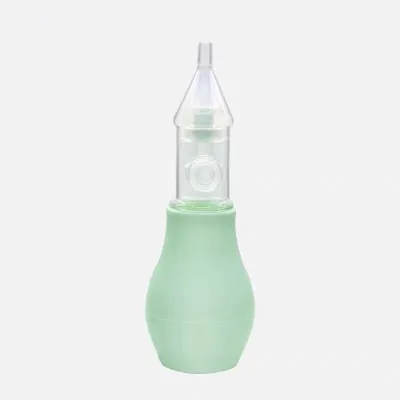
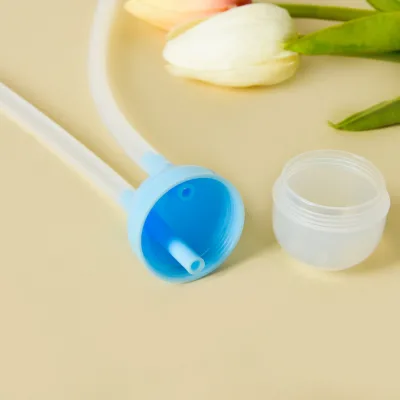
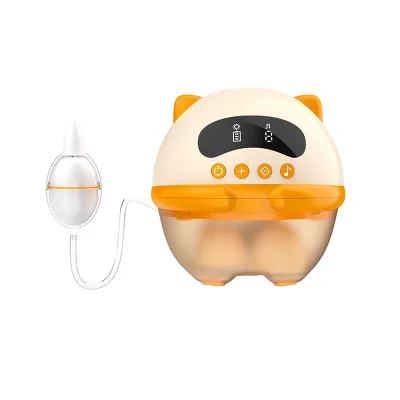
Soft Baby Silicone Nasal Suction to Remove Nasal Mucus Nasal Aspirator with Tube
$2.50 - $5.00
Moq: 500


Shenzhen Ikeemi Technology Co., Ltd.
- Trading Company,Manufacturer/Factory
- China Guangdong
- Lead time15 days
- Avg. response≤ 16h
Main productsPhone Accessory, Phone Case, Phone Holder, Screen Protector, iPhone Case, Samsung Case, LG Case, Apple Watch Stand, Promotion Gift, Drawing and Pattern Customized Phone Case
Main marketsSouth America,Eastern Europe,Mid East,North America,Southeast Asia,Eastern Asia,Oceania,Western Europe,Africa

Shenzhen Fitconn Technology Co., Ltd.
- Verified by SGS
- Trading Company,Manufacturer/Factory
- China Guangdong
- Lead time23 days
- Avg. response≤ 9h
Main productsCompressor Nebulizer, Mesh Nebulizer, Anti Decubitus Air Mattress, Blood Pressure Monitor, Pulse Oximeter, Fetal Doppler, Themometer, DC Compressor Nebulizer, Glucose Meter, Mini Masager
Main marketsSouth America,Eastern Europe,Mid East,Eastern Asia,Oceania,Western Europe
Ningbo Jiangbei Ringlong Import & Export Co., Ltd.
- Verified by BV
- Combined
- China Zhejiang
- Lead time23 days
- Avg. response≤ 3h
Main productsKitchenware, Textile, Memory Foam Series, Household Items, Outdoor Products, Packing Box, Air Conditioning System, TV Products, Fitness, Baby Products
Main marketsEurope
Wenzhou Shifengxu Technology Co., Ltd.
- Verified by SGS
- Combined
- China Zhejiang
- Lead time15 days
- Avg. response≤ 4h
Main marketsDomestic

- Verified by SGS
- Trading Company
- China Zhejiang
- Lead time15 days
- Avg. response≤ 13h
Main productsFan, Heater Fan, Air Fryer, Toaster, Rice Cooker, Vacuum Cleaner, Coffee Machine, Hairdressing Appliance, Electric Toothbrush, Steam Iron
Main marketsEurope,Australia


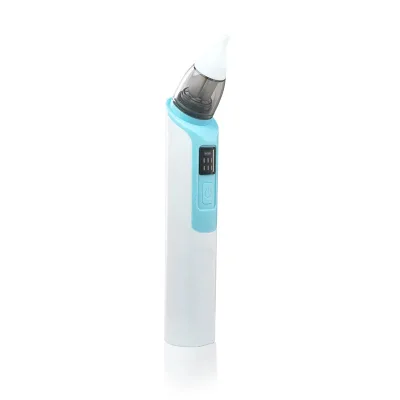
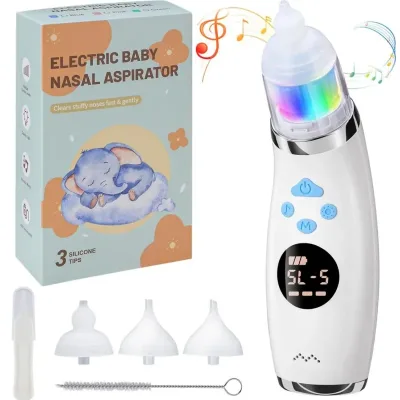
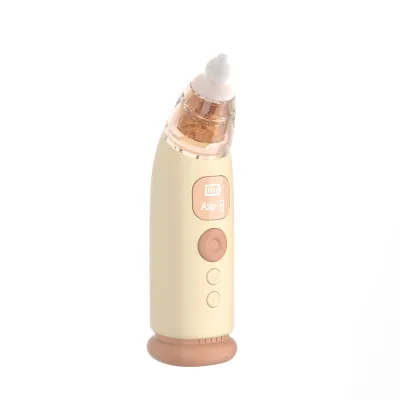
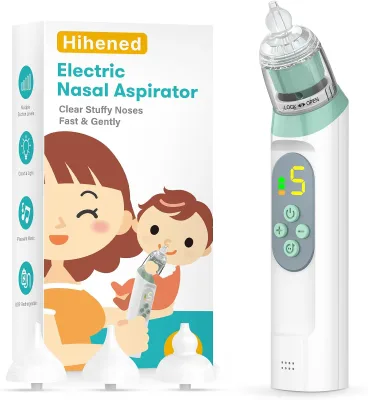
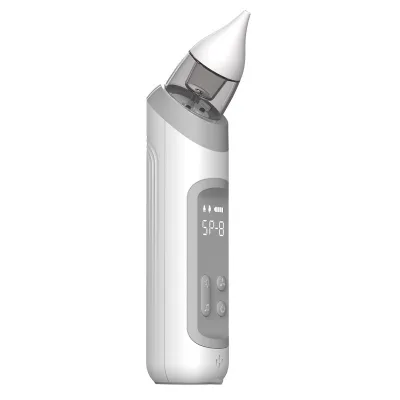
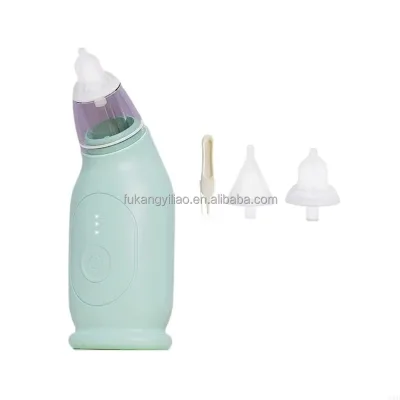
Quality Guaranteed Nasal Aspirator Electric Baby Nose Sucker Adjustable Rechargeable
$10.59 - $10.85
Moq: 300

HANGZHOU WEIZE IMP & EXP CO., LTD.
- Verified by TUVRHEINLAND
- Trading Company
- China Zhejiang
- Lead time30 days
- Avg. response≤ 4h
Main productsProtective Mask
Main marketsAfrica,Southeast Asia/ Mideast,Europe,North America

- Manufacturer
- Taiwan, China
- Lead time0 days
- Avg. response≤ 1h
Main productsdigital thermometer,clinical thermometer,ear thermometer,forehead thermometer,infrared thermometer
Main marketsDomestic Market(10.0%), Western Europe(10.0%), Eastern Asia(10.0%), Mid East(10.0%), Oceania(10.0%), Africa(10.0%), Southeast Asia(10.0%), Eastern Europe(10.0%), South America(10.0%), North America(10.0%)

Guangdong RoRo Baby Products Co., Ltd.
- Verified by TUVRHEINLAND
- Manufacturer/Factory
- China Guangdong
- Lead time23 days
- Avg. response≤ 2h
Main productsBaby Bottle Baby Feeding Bottle Baby Feeder, Nipple Teat Baby Bottle Nipple, Pacifier Soother Baby Pacifier, Teether Baby Teether Baby Soother, Water Cup Baby Drink Cup Baby Training Cup, Food Container Milk Powder Box Milk Powder Case, Baby Water Bottle, Breast Pump Breast Shield Silicone Breast Pump, Manual Breast Pump Baby Bowl Baby Spoon, Fruit Feeder Glass Bottle Food Feeder Baby Care
Main marketsSouth America,Eastern Europe,Mid East,North America,Southeast Asia,Eastern Asia,Oceania,Western Europe,Africa

- Verified by SGS
- Trading Company,Manufacturer/Factory
- China Guangdong
- Lead time23 days
- Avg. response≤ 2h
Main productsBeauty Devices, Skin Care Instrument, LED Face Masks, Makeup Tools, Beauty Instrument (OEM/ODM), OEM / ODM Electronics, Beauty Device, Home Air Care Appliances, Furniture, Electric Bakhoor Burners
Main marketsSouth America,Eastern Europe,Mid East,North America,Southeast Asia,Eastern Asia,Oceania,Western Europe,Africa
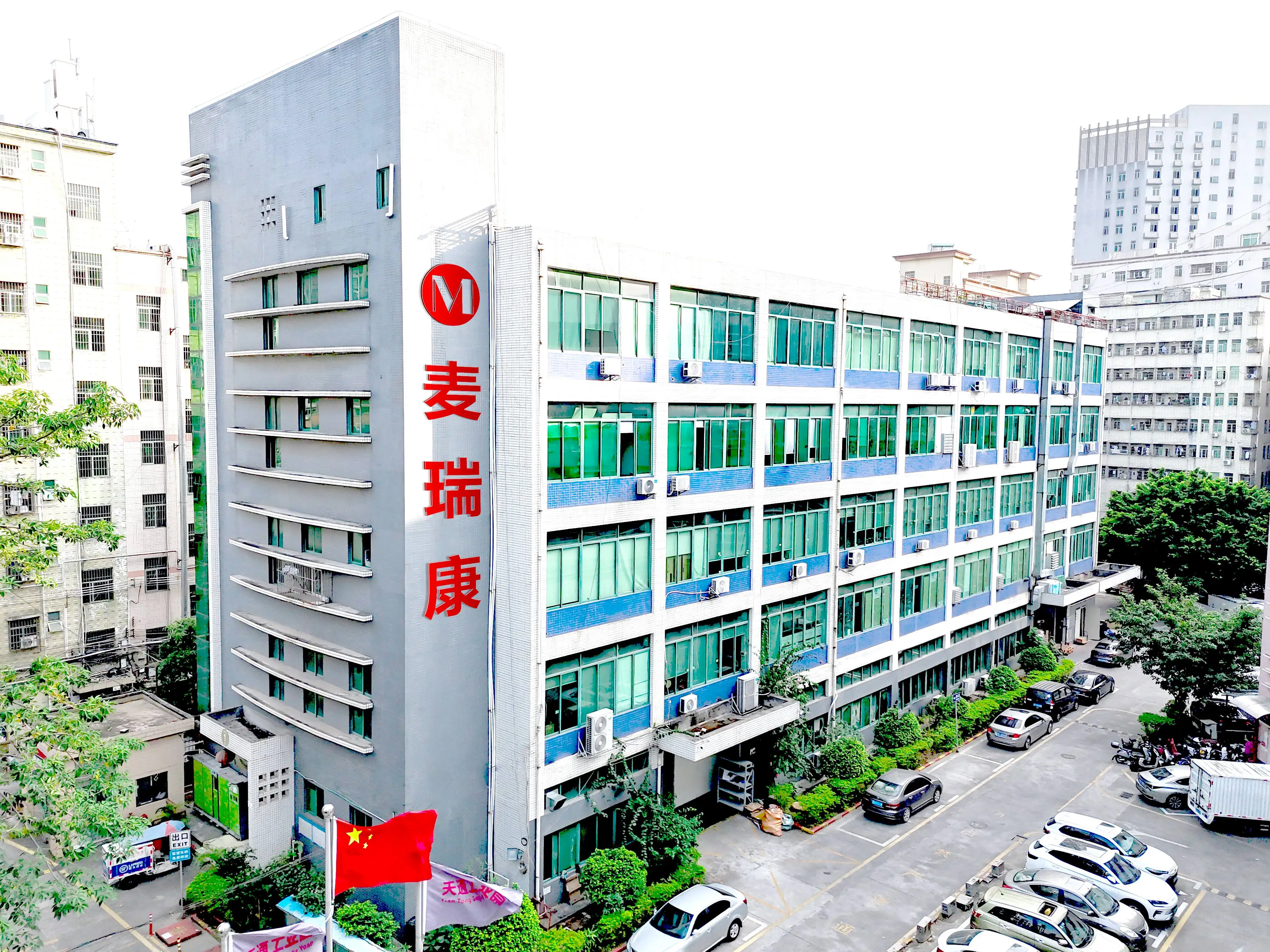
Shenzhen Huge Creation Technology Co., Ltd.
- Manufacturer
- Guangdong, China
- Lead time15 days
- Avg. response≤ 7h
Main productsBlood pressure monitor,Nebulizer,Rehabilitation physiotherapy equipment,Fetal doppler,Pulse Oximeter
Main marketsNorthern Europe(30.0%), North America(30.0%), Western Europe(20.0%), Eastern Europe(3.0%), Southern Europe(3.0%), Central America(2.0%), South Asia(2.0%), Southeast Asia(2.0%), Mid East(2.0%), South America(2.0%), Domestic Market(1.0%), Africa(1.0%), Eastern Asia(1.0%), Oceania(1.0%)

- Verified by SGS
- Trading Company
- China Zhejiang
- Lead time15 days
- Avg. response≤ 15h
Main productsMop, Kitchen Knife, Chopping Board, Blanket, Mosquito Net, Cushion, Slipper, Broom, Luggage, Educational Toy
Main marketsEurope,Australia

Shanghai Goldenwell Medical Technology Co., Ltd.
- Verified by CTI
- Trading Company
- China Shanghai
- Lead time15 days
- Avg. response≤ 5h
Main productsMedical Devices, Sports Support, Medical Dressings
Main marketsSoutheast Asia/ Mideast,Europe

Kingsun Baby Products Co., Ltd.
- Verified by TUVRHEINLAND
- Trading Company,Manufacturer/Factory
- China Guangdong
- Lead time23 days
- Avg. response≤ 5h
Main productsBaby Bottle, Nipple, Pacifier, Breast Pump, Teethers, Baby Water Bottle, Nasal Aspirator, Baby Dinner Set, Baby Products, Feeding Accessories
Main marketsSouth America,Eastern Europe,Mid East,North America,Southeast Asia,Oceania,Western Europe,Africa
Shenzhen Fitconn Technology Co., Ltd.
- Verified by TüVRheinland
- Manufacturer, Trading Company
- Lead time20 days
- Avg. response≤ 3h
Main productsNebulizer, Digital Thermometer, Fetal Doppler, Blood Pressure Monitor, Medical Air Mattress
Main marketsSoutheast Asia(20%), Mid East(15%), South America(10%)
Dongguan Booming Electric Industrial Co., Ltd.
- Verified by TüVRheinland
- Manufacturer, Trading Company
- Lead time7 days
- Avg. response≤ 2h
Main productsGlass Rinser, Electric Camping Shower, Electric Water Dispenser, Mesh Nebulizer, Electric Water Heater
Main marketsNorth America(20%), Eastern Europe(20%), Northern Europe(20%)

Guangzhou T.K Medical Instrument Co., Ltd.
- Verified by BV
- Combined
- China Guangdong
- Lead time15 days
- Avg. response≤ 4h
Main productsLaparoscopic Products, Trocars, Retrieval Bags, Veress Needles, Wound Retractors, Wound Protectors, Vacuum Bells
Main marketsSouth America,Southeast Asia/ Mideast,East Asia(Japan/ South Korea),Europe,Australia,North America
HANGZHOU WEIZE IMP & EXP CO.,LTD
- Verified by SGS Group
- Trading Company
- Lead time3 days
- Avg. response≤ 3h
Main productsTourniquet, Gel Tube, Band Aid, Baby's Safety, Medical Compression Stockings
Main marketsWestern Europe(30%), North America(20%), Eastern Europe(10%)
Joystar Electrical Appliances Manufacturing Co., Ltd.
- Verified by SGS
- Combined
- China Guangdong
- Lead time30 days
- Avg. response≤ 5h
Main productsBottle Sterilizer Baby Bottle Warmer
Main marketsOthers(foreignTradeCapacity.exportBusinessCapacityMarketOther),Europe
- Verified by BV
- Trading Company
- China Zhejiang
- Lead time30 days
- Avg. response≤ 7h
Main productsElectric Kettle, Massager, Hair Dryer, Heater, Electric Grill, Humidifier, Hair Straightener, Mixer, Beauty Instrument, Electronics
Main marketsAfrica,Southeast Asia/ Mideast,Europe,North America

Qingyuan Kangbei Glassware Co., Ltd.
- Verified by SGS
- Combined
- China Guangdong
- Lead time23 days
- Avg. response≤ 1h
Main productsBaby Bottle, Nipple, Pacifier, Baby Bowl, Baby Spoon, Breast Pump, Glass Products, Glass Bottle, Feeding Bottle, PPSU Baby Bottle
Main marketsAfrica,Southeast Asia/ Mideast

HUNAN VENTMED MEDICAL TECHNOLOGY CO., LTD.
- Manufacturer/Factory
- China Hunan
- Lead time23 days
- Avg. response≤ 4h
Main productsCPAP, Sleep Monitor, Bipap, Polysomnogram, Bpap, Sleep Study, Auto CPAP, CPAP Machine
Main marketsSouth America,Eastern Europe,Mid East,North America,Southeast Asia,Eastern Asia,Oceania,Western Europe,Africa

Shenzhen Oxy Genator Technology Develop Co., Ltd.
- Manufacturer
- Guangdong, China
- Lead time5 days
- Avg. response≤ 2h
Main productsOxygen Concentrator,Oxygen Machine,Portable Oxygen Concentrator,O2 Concentrator,Oxygen Generators
Main marketsDomestic Market(60.0%), Western Europe(35.0%), North America(5.0%)
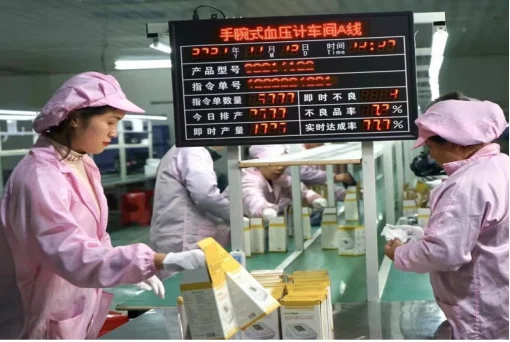
Shenzhen Fukang Medical Technology Co., Ltd.
- Manufacturer, Trading Company
- Guangdong, China
- Lead time5 days
- Avg. response≤ 2h
Main productsinfrared forehead thermometer,mesh nebulizer,pulse oximeter,blood glucose meter,fetal doppler
Main marketsSouth America(40.0%), Western Europe(20.0%), Southern Europe(10.0%), Mid East(10.0%), South Asia(10.0%), Domestic Market(5.0%), Eastern Asia(5.0%)








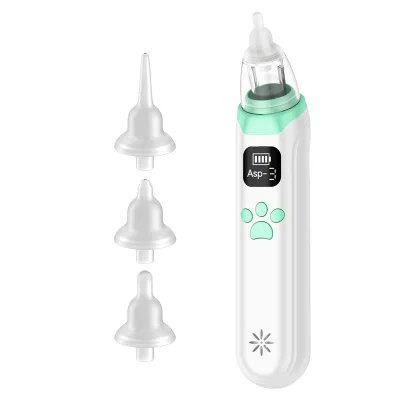
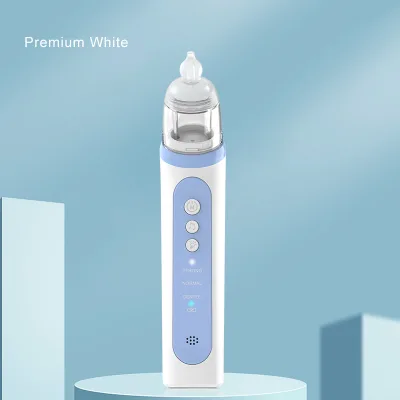
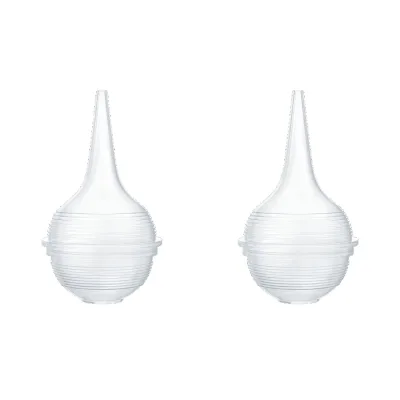


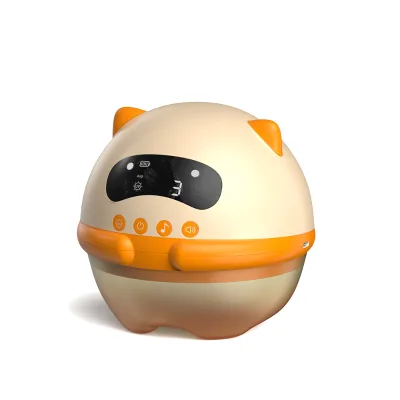
Comprehensive Sourcing Guide
Nasal Aspirator Supplier Concentration and Factory Types
Current data indicates a concentration of manufacturing and trading entities in Jiangsu and Guangdong provinces, with specific product origins noted in these regions. Suppliers in Jiangsu often list main products including hot water bottles, first aid kits, and various baby care items alongside nasal aspirators, suggesting a broader medical or consumer goods cluster. In contrast, suppliers located in Guangdong frequently specialize in phone accessories and personal care appliances, yet also offer electric nasal aspirators with specific certifications like CE and RoHS. This geographic split implies that buyers should expect different supply chain dynamics depending on the province, with Jiangsu potentially offering a wider range of general medical supplies and Guangdong focusing on electronics-integrated personal care devices.
The company types observed vary between trading companies and manufacturers, with some entities claiming both roles. A trading company structure often implies a focus on sourcing and logistics rather than direct production, which may affect lead times and customization flexibility. Conversely, suppliers identifying as manufacturers or factories often highlight their own brand capabilities, such as OEM and ODM services, alongside specific production capacities like shift schedules. Buyers must verify whether a supplier is a direct factory or a middleman by checking their stated main products and capacity details. Some suppliers list extensive certifications like ISO 13485 or BSCI, which are more common in direct manufacturing setups, while others may only hold general system certifications. Understanding this distinction is critical for assessing the depth of technical support and production control available for Nasal Aspirator orders.
How to Verify Nasal Aspirator Suppliers
Verification of supplier credibility relies heavily on third-party audit results and specific certification claims found in the product data. Several suppliers in the current results display verification status from SGS, which serves as a baseline indicator of operational legitimacy. Beyond general verification, buyers should scrutinize specific product certifications such as CE, RoHS, ISO, and ISO 13485, which are explicitly listed for certain electric Nasal Aspirator models. These certifications are not universal; for instance, one product line lists CE RoHS compliance while another cites ISO standards, indicating that certification status is product-specific rather than a blanket company attribute. Buyers must request current certificates for the exact model they intend to purchase, as a supplier may be verified for one product line but lack specific medical device certifications for another.
Response time and lead time data provide additional layers of verification regarding supplier reliability and operational efficiency. The observed response times vary significantly, with some suppliers responding within approximately six hours while others take over fifteen hours, suggesting differences in customer service staffing or time zone alignment. Lead times also fluctuate, ranging from about twelve days for specific electric models to thirty days for general orders, which impacts inventory planning. Buyers should treat these metrics as benchmarks rather than guarantees, as they are subject to change based on order volume and raw material availability. It is essential to confirm these figures directly with the supplier before placing an order, ensuring that the stated response and delivery windows align with the buyer's specific project timeline and urgency requirements.
What to Compare Across Nasal Aspirator Suppliers
When evaluating potential partners, buyers should prioritize comparing minimum order quantities (MOQ) and unit pricing structures, as these vary widely across the supplier pool. Current data shows MOQs ranging from as low as sixty pieces for certain electric models to five hundred or even one thousand pieces for others, directly influencing the feasibility of small-batch testing or large-scale distribution. Pricing also demonstrates significant variance, with unit costs observed between $2.50 and $13.00 depending on the product features, such as battery capacity, control mode, or material composition. A supplier offering a lower price point may have a higher MOQ, while a premium-priced item might offer lower entry barriers or additional features like multi-function capabilities. Buyers must calculate the total landed cost, including shipping and potential tariffs, rather than focusing solely on the unit price to ensure accurate budgeting.
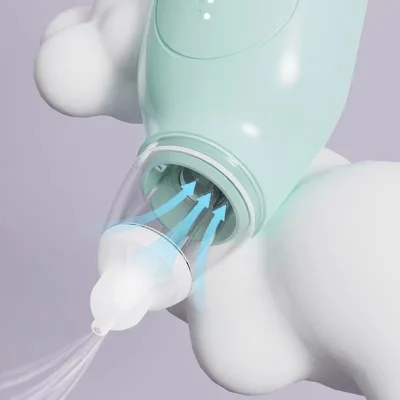
Technical specifications and customization options form another critical comparison dimension for Nasal Aspirator sourcing. Suppliers differ in their ability to offer custom logos, colors, and packaging, with some explicitly stating that customization is available while others may have fixed configurations. Product attributes such as control mode (electric vs. manual), power type (USB charge vs. battery), and material (ABS plastic vs. PP) vary by model and supplier. For instance, one product line offers a spray Nasal Aspirator with a 380mAh battery, while another provides a steam aspirator with different dimensions. Buyers should create a specification matrix to compare these technical details side-by-side, ensuring that the selected supplier can meet the exact functional requirements of their target market. Additionally, the availability of free samples and the specific packing standards, such as individual packages or color boxes, should be factored into the decision-making process.
Common Nasal Aspirator Sourcing Risks
One significant risk in sourcing nasal aspirators involves the discrepancy between claimed certifications and actual product compliance. While some suppliers list certifications like ISO 13485 or CE RoHS, these may apply only to specific product lines or models rather than the entire company portfolio. Buyers face the risk of receiving non-compliant goods if they assume a supplier's general certification covers all their offerings. This is particularly critical for medical devices, where regulatory compliance is mandatory for market entry in many regions. To mitigate this, buyers must request test reports and certificates specifically for the model number they are ordering, rather than accepting generic company-level documentation. Verifying the validity of these documents with the issuing body is a necessary step to avoid potential customs seizures or market recalls.
Another prevalent risk relates to supply chain consistency and the reliability of delivery timelines. Lead times observed in the data range from twelve to thirty days, but these figures can be affected by raw material shortages, production bottlenecks, or logistical disruptions. Suppliers with longer lead times may struggle to meet urgent demand, while those with shorter times might be operating at full capacity. The variation in response times, from under six hours to over fifteen hours, also signals potential communication gaps that could delay issue resolution. Buyers should establish clear communication protocols and request written confirmation of delivery schedules before finalizing orders. Relying on a single supplier without a backup plan increases vulnerability to delays, so diversifying the supplier base or maintaining safety stock is a prudent strategy to manage these operational risks effectively.
Nasal Aspirator Regional Sourcing and Logistics
Sourcing from Jiangsu offers distinct advantages for buyers seeking a broad range of medical and consumer goods, as this region hosts suppliers with diverse product portfolios including first aid kits and baby care items. The presence of suppliers in this area suggests a mature supply chain for general medical supplies, which can facilitate consolidated shipping if multiple product categories are required. However, buyers must verify the specific origin of the Nasal Aspirator models, as some products may be manufactured in different locations within the province or even in other regions. Logistics from Jiangsu typically involve established freight networks, but transit times to international destinations can vary based on the specific port of departure and shipping method selected.
In contrast, sourcing from Guangdong provides access to suppliers specializing in electronics and personal care appliances, often featuring advanced features like USB charging and electric motors. This region is known for its high concentration of technology manufacturers, which can result in faster innovation cycles and more sophisticated product designs. The logistics infrastructure in Guangdong is robust, with major ports facilitating efficient export of electronic goods. However, buyers should be aware that suppliers in this region may have different lead times and MOQs compared to those in Jiangsu. When planning logistics, it is essential to consider the specific product origin listed in the supplier data, as this impacts customs classification and shipping costs. Consolidating orders from different regions may increase complexity, so buyers should weigh the benefits of product specialization against the potential logistical challenges of managing multiple supply sources.
Nasal Aspirator Commercial Terms and Order Planning
Commercial terms for Nasal Aspirator orders are heavily influenced by the specific MOQ and pricing tiers established by each supplier. Buyers must carefully review the minimum order quantities, which can range from sixty pieces to one thousand pieces, to ensure they align with their inventory strategy and cash flow. Pricing structures often include a range, such as $2.50 to $5.00 or $9.50 to $13.00, depending on the order volume and customization level. Negotiating these terms requires a clear understanding of the supplier's capacity and the buyer's projected demand. Additionally, buyers should inquire about sample policies, as some suppliers offer free samples while others may charge for them, which affects the initial cost of product evaluation.
Order planning must account for the variability in lead times and response speeds observed across the supplier base. With lead times ranging from twelve to thirty days, buyers need to build sufficient buffer time into their production schedules to avoid stockouts. The response time, which can vary from under six hours to over fifteen hours, indicates the level of support a buyer can expect during the order process. It is advisable to confirm all commercial terms, including payment methods, shipping responsibilities, and warranty conditions, in writing before proceeding. Buyers should also verify the availability of customization options, such as logo printing and color selection, as these may extend the lead time. By aligning commercial terms with realistic production timelines, buyers can minimize risks and ensure a smooth procurement process for Nasal Aspirator products.
FAQs
What is the typical price range for electric nasal aspirators?
Electric nasal aspirators generally cost between $2.50 and $13.00 per unit. Prices vary based on features like battery capacity and material quality. Basic models start around $2.50, while advanced units with multiple gears or sterilization functions reach up to $13.00. Buyers should check specific product listings for exact pricing tiers.
What is the minimum order quantity for these products?
Minimum order quantities typically range from 60 to 1000 pieces. Some suppliers accept orders as low as 60 units, while others require 500 or 1000 pieces. This depends on the manufacturer's production capacity and customization requirements. Buyers seeking smaller batches should look for suppliers with lower MOQ thresholds.
How long does delivery usually take?
Delivery times vary significantly, ranging from about 12 days to 30 days. Some suppliers offer faster turnaround times of approximately 12 days for standard orders. Others may require up to 30 days for production and shipping. Buyers should confirm specific lead times with suppliers before placing orders to ensure timely receipt.
Are these aspirators certified for safety?
Many electric nasal aspirators carry certifications such as CE, RoHS, ISO, and ISO 13485. These certifications indicate compliance with international safety and quality standards. Buyers should verify specific certification documents provided by suppliers. Ensuring products meet regional regulatory requirements is crucial for importing medical or baby care devices.
Can I customize the logo or packaging?
Customization options are widely available, including logo printing and packaging design. Suppliers often accept customized logos and offer various packaging types like color boxes or cartons. Buyers should discuss specific customization requirements with suppliers to ensure feasibility and cost implications. Customization may affect lead times and minimum order quantities.
What materials are commonly used in these devices?
Common materials include ABS plastic, PP, and silicone for safety and durability. ABS plastic is often used for the main body, while silicone ensures gentle contact with baby skin. PP is used for internal components. Buyers should check product specifications for material details to ensure compliance with safety standards for baby products.
Where are these suppliers located?
Suppliers are primarily located in China, specifically in Jiangsu and Guangdong provinces. Jiangsu and Guangdong are major manufacturing hubs for electronics and baby products. Buyers can find a wide range of suppliers in these regions. Location may impact shipping costs and lead times, so buyers should consider logistics when selecting suppliers.