New Oil Pan Suppliers and Manufacturers for Auto Parts
Explore 21 verified options for New Oil Pan suppliers and manufacturers offering aluminum, steel, and plastic variants. Compare locations like Chongqing and Jiangsu, response times, lead times, and certifications such as ISO 9001. Contact suppliers directly to request quotes and verify specifications.
Suppliers List

Chongqing Xinchenzhan Technology Co., Ltd.
- Trading Company
- Chongqing, China
- Lead time5 days
- Avg. response≤ 2h
Main productsEngine Assembly, Cylinder Blocks, Oil Pumps, Oil Sump, Cylinder Heads
Main marketsNorth America(20.0%), Eastern Europe(18.0%), South Asia(15.0%), Southeast Asia(15.0%), South America(10.0%), Western Europe(8.0%), Southern Europe(4.0%), Eastern Asia(3.0%), Africa(3.0%), Mid East(3.0%), Oceania(1.0%)

- Verified by SGS
- Trading Company,Manufacturer/Factory
- China Jiangsu
- Lead time0 days
- Avg. response≤ 10h
Main productsSwimming Pool, Pool Filter, Solar Shower, Solar Heater, Pool Pump, Faucet, Hose Reel, Paint Brush, Paint Roller, Grease Gun
Main marketsSouth America,Eastern Europe,Mid East,North America,Southeast Asia,Eastern Asia,Oceania,Africa

Deqing Lizheng Metal Works Co., Ltd.
- Verified by SGS
- Combined
- China Zhejiang
- Lead time15 days
- Avg. response≤ 5h
Main productsWelding, Sheet Metal Fabrication, Medical Equipment Parts, Metal Casting, Fasteners
Main marketsDomestic
Zhihang (hubei) Automotive Parts Co., Ltd.
- Verified by TüVRheinland
- Trading Company
- Hubei, China
- Lead time30 days
- Avg. response≤ 2h
Main productsOil Filter, Brake Pads, Engine, Bearing, Oil Pumps
Main marketsMid East(100%)

Ningbo Fausto Industry CO., Ltd.
- Manufacturer/Factory,Group Corporation
- China Zhejiang
- Lead time23 days
- Avg. response≤ 23h
Main productsDie Casting Parts, Telecommunication Equipments and Parts, Aluminum Die Casting, Mould, Mould Tooling, Mold, Auto Parts, Transmission, Oil Pan, Car Parts
Main marketsSouth America,Eastern Europe,North America,Eastern Asia,Oceania,Western Europe

Wenzhou Espeed Industry & Trade Co., Ltd.
- Trading Company
- Zhejiang, China
- Lead time0 days
- Avg. response≤ 11h
Main productsAuto Sensor,Engine Parts,Electrical Parts,Cooling System,Auto Switch
Main marketsSouth America(40.0%), Eastern Europe(25.0%), North America(20.0%), Western Europe(5.0%), Southeast Asia(5.0%), Africa(2.0%), Southern Europe(1.0%), Mid East(1.0%), South Asia(1.0%)
Jinjiang Sidebo Technology Industrial Co., Ltd.
- Verified by CTI
- Trading Company,Manufacturer/Factory
- China Fujian
- Lead time23 days
- Avg. response≤ 4h
Main productsEngine Cylinder Block, Oil Pan Sump, Timing Cover, Oil Pickup Screen Connection Suction Strainer, Oil Dipstick and Lead Tube, Aluminum Oil Pan, Engine Oil Pump, Oil Pan and Cylinder Head Gasket, Expansion Freeze Plugs, Cylinder Head
Main marketsSouth America,North America,Western Europe

Jiaxing Lifede Imp. & Exp. Co., Ltd.
- Verified by TUVRHEINLAND
- Trading Company
- China Zhejiang
- Lead time30 days
- Avg. response≤ 4h
Main productsHydraulic Jack, Car Jack, Motorcycle Lift Tools, Jack Stands, Floor Jacks, Shop Press, Engine Crane, Engine Stands, Hydraulic Vehicle Positioning Jack
Main marketsEurope,North America

Guangzhou Gangzheng Automobile Parts Co.,Ltd.
- Verified by BV
- Manufacturer/Factory
- China Guangdong
- Lead time15 days
- Avg. response≤ 3h
Main productsShock Absorber, Clutches, Brake Disc, Brake Pads, Electronic Fuel Injection System Parts, Engine Assembly, Headlamp, Aluminium Wheel
Main marketsSouth America,Eastern Europe,Mid East,North America,Southeast Asia,Eastern Asia,Oceania,Western Europe,Africa

Zhejiang Shengxuan Industry Co., Ltd
- Verified by SGS
- Combined
- China Zhejiang
- Lead time30 days
- Avg. response≤ 5h
Main productsAluminum Casting, Aluminum Auto Parts, Aluminum Wheel, Customize Metal Parts
Main marketsAustralia,North America

Beijing Antaios Technology Co., Ltd.
- Verified by SGS
- Manufacturer/Factory
- China Beijing
- Lead time0 days
- Avg. response≤ 4h
Main productsDeutz Engine, Deutz Diesel Engine, Diesel Engine, Air Cooled Diesel Engine, Water Cooled Diesel Engine, Marine Diesel Engine, 4bt Engine, 6bt Engine, 4 Cylinder Diesel Engine, 4 Stroke Diesel Engine
Main marketsSouth America,Eastern Europe,Mid East,North America,Southeast Asia,Eastern Asia,Oceania,Western Europe,Africa
Guangzhou Best Auto Parts Co., Ltd.
- Trading Company, Buying Office, Distributor/Wholesaler
- Lead time旺季: "1 - 30":5,"31 - 50":8,"51 - 100":10,"> 100":"To be negotiated", 淡季: "1 - 30":5,"31 - 50":8,"51 - 100":10,"> 100":"To be negotiated"
- Avg. response≤ 4h
Main productscar headlight,car brake disc,automobile gearbox,automobile wheel hub,Automotive lighting
Hangzhou Aelwen Auto Parts Co., Ltd.
- Trading Company
- Lead time旺季: "1 - 10000":40,"> 10000":"To be negotiated", 淡季: "1 - 10000":40,"> 10000":"To be negotiated"
- Avg. response≤ 2h
Main productsSteering Rack, Door Lock Actuator, Gear Shift Knob, Auto Switch, Car Door Handle
Ningbo Fenghua Gogo Automatic Trading Company Limited
- Trading Company
- Lead time旺季: "1 - 1000":30,"> 1000":"To be negotiated", 淡季: "1 - 1000":30,"> 1000":"To be negotiated"
Main productsPneumatic Parts, Hhydraulic Parts, Auto Parts, Valve, Pump

Jiangmen Letus Auto Parts Co., Ltd
- Trading Company,Manufacturer/Factory
- China Guangdong
- Lead time15 days
- Avg. response≤ 14h
Main productsTransmission Gearbox, Crankshaft, Differential Assembly, Gear/Shaft, Cylinder Head, Oil Pan, Valve Cover, Synchronizer, Synchronizer Ring
Main marketsSouth America,Mid East,Southeast Asia,Eastern Asia,Africa
Ruian Huanuo Imp. & Exp. Company Limited
- Trading Company
- Zhejiang, China
- Lead time25 days
- Avg. response≤ 6h
Main productsVolkswagen parts,Japanese truck parts,Fiat parts,Renault parts,Pegeout parts
Main marketsWestern Europe(16.67%), Eastern Europe(16.67%), South America(16.67%), North America(16.67%), Southeast Asia(16.66%), Mid East(16.66%)

Hangzhou Huajida Auto Parts Co., Ltd.
- Trading Company
- China Zhejiang
- Lead time15 days
- Avg. response≤ 20h
Main productsJAC Truck Spare Part
Main marketsSouth America,Africa,Southeast Asia/ Mideast,Europe

OEM No 1009100faxz Oil Pan for JAC1040
Contact supplier

OEM No 2409000710003 Oil Pan for Engine QC490
Contact supplier

Oil Pan OEM No 4102b. 05.10 for Cy4102
Contact supplier

Kunshan Hanzhi Logistics Equipment co.,ltd.
- Verified by TUVRHEINLAND
- Trading Company
- China Jiangsu
- Lead time15 days
- Avg. response≤ 1h
Main productsForklift Parts, Forklift Engine Parts, Forklift Spare Parts, Engine Assembly, Forklift Cooling System Parts, Forklift Hydraulic Parts, Forklift Transmission Parts, Forklift Starter, Forklift Torque Converter, Forklift
Main marketsSouth America,Africa,Southeast Asia/ Mideast,Domestic,Europe,Australia,North America
Benzhibao (guangzhou) Automotive Parts Co., Ltd.
- Manufacturer, Trading Company, Distributor/Wholesaler
- Guangdong, China
- Lead time0 days
- Avg. response≤ 5h
Main productsbody parts,brake parts,engine parts,suspension parts,steering systems
Main marketsDomestic Market(50.0%), Southeast Asia(11.0%), Africa(9.0%), North America(8.0%), Northern Europe(5.5%), South Asia(5.0%), Eastern Asia(4.5%), Central America(3.0%), South America(2.0%), Mid East(1.0%), Eastern Europe(0.7%)
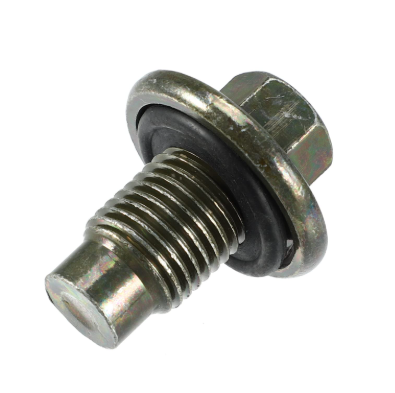
$0.10 - $0.60
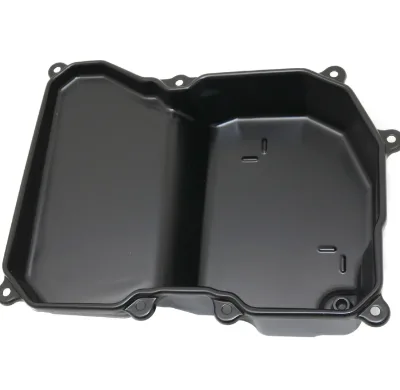
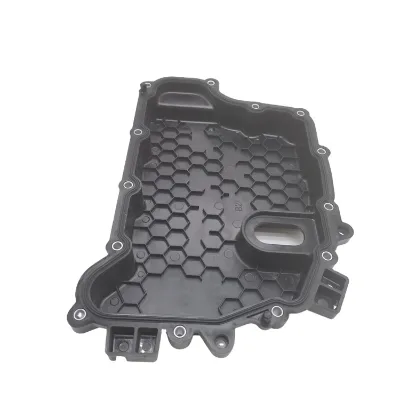
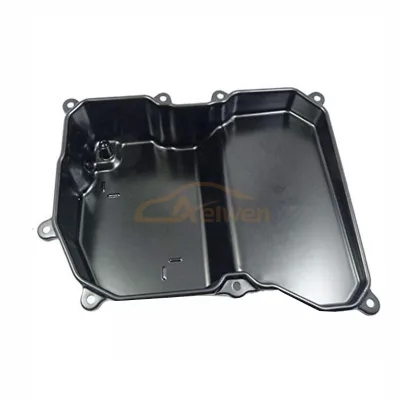
Transmission Oil Pan 09G321361
$1.00 - $7.99
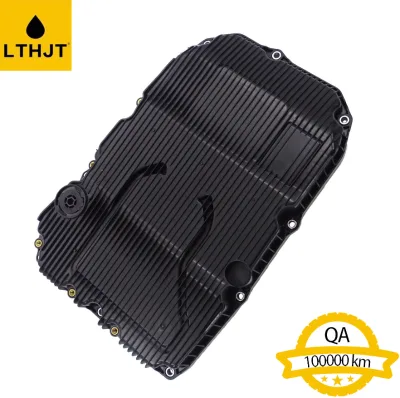
Transmission Oil Pan - 9-speed 7252703707
$8.88 - $10.99

Guangzhou Chenglong Auto Oil Seal Co., Ltd.
- Trading Company
- China Guangdong
- Lead time15 days
- Avg. response≤ 17h
Main productsGasket, Oil Seal, Repair Kit
Main marketsDomestic,North America

Guangzhou Chengming Trading Co., Ltd.
- Manufacturer, Trading Company, Distributor/Wholesaler
- Guangdong, China
- Lead time15 days
- Avg. response≤ 5h
Main productsfuel pump,sensor,steering pump,oil pump,oxygen sensor
Main marketsNorth America(30.0%), Central America(15.0%), Southeast Asia(10.0%), Eastern Europe(10.0%), Southern Europe(5.0%), Northern Europe(5.0%), South America(5.0%), Western Europe(5.0%), Eastern Asia(5.0%), Mid East(5.0%), Oceania(5.0%)
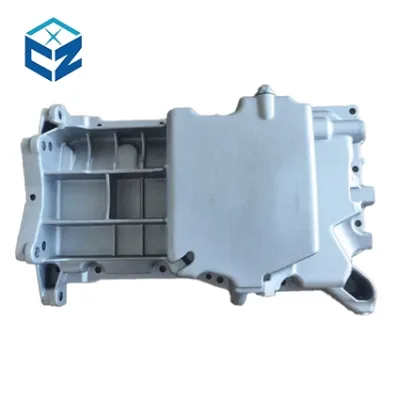


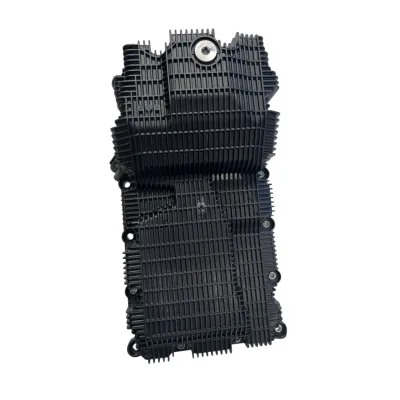
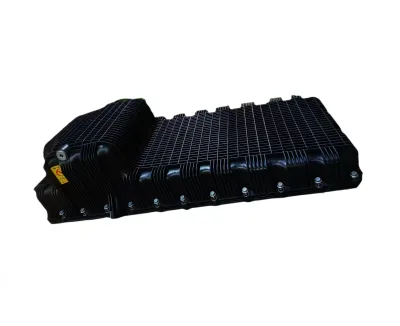


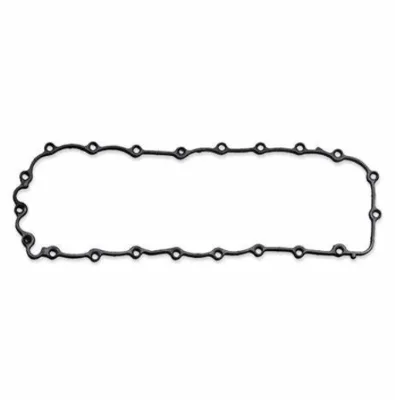
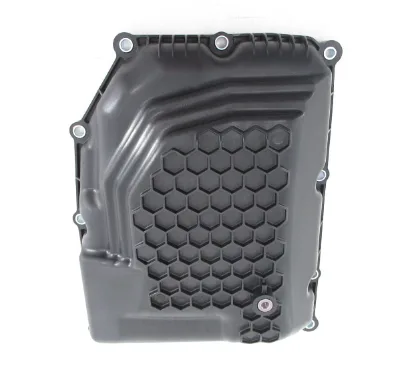


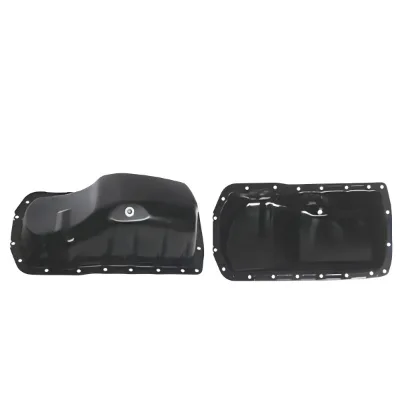
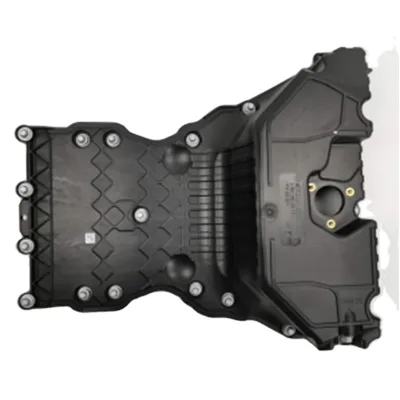


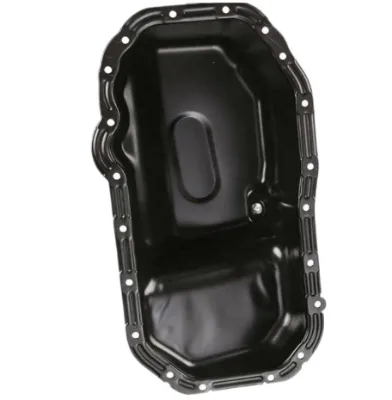
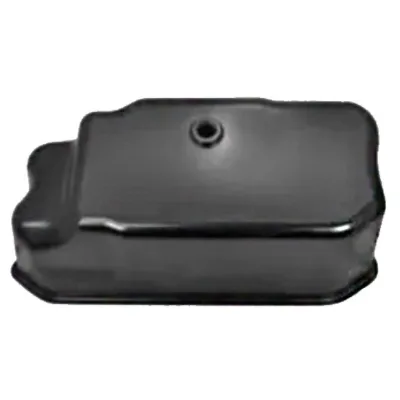
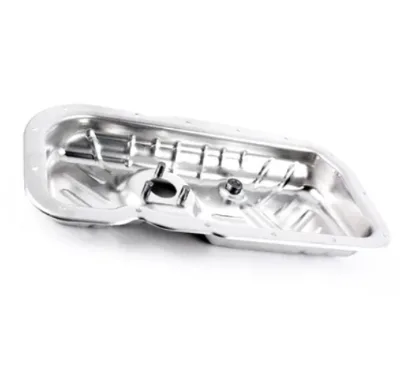
![Hanous Car Oil Pan for DUCATO 230 [1994-2002] 2.8 OE 500323326](https://file.focusaim.com/api/image/preview/540607be57d1ff85d247ab220886e8be.png?bi=true&local=true)


Comprehensive Sourcing Guide
New Oil Pan Supplier Concentration and Factory Types
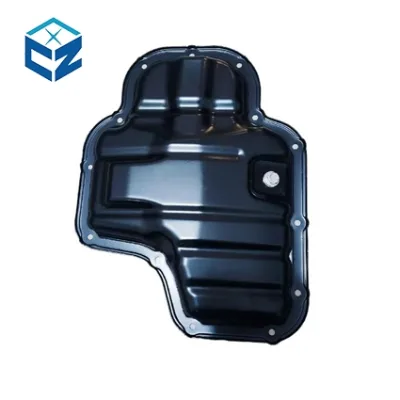
The current supplier landscape for new oil pans reveals a distinct concentration of manufacturing and trading entities within specific Chinese regions. Data indicates a significant cluster of suppliers located in Chongqing, China, which specializes in engine assemblies, cylinder blocks, and various oil sump components. These Chongqing-based entities often operate as trading companies, facilitating the movement of aluminum and steel oil pans designed for specific vehicle models like the Highlander and Corolla. Their product portfolios frequently include brand-new aluminum oil pans and heavy-duty steel variants, suggesting a regional focus on casting and fabrication for automotive engine systems.
In contrast, other sourcing hubs appear in Jiangsu and Zhejiang provinces, offering a broader range of industrial capabilities beyond just engine parts. Suppliers in Jiangsu are identified as trading companies or manufacturers with capabilities in swimming pool equipment and solar heaters, yet they also list oil drain pans and vehicle tools within their main product lines. Meanwhile, Zhejiang-based suppliers present as combined entities with strong capabilities in welding, sheet metal fabrication, and metal casting, which are critical for producing durable oil pans. This geographic diversity means buyers must verify the specific factory type and primary product focus for each supplier, as a trading company in Chongqing may have different supply chain dynamics than a combined manufacturer in Zhejiang offering custom metal fabrication services.
How to Verify New Oil Pan Suppliers
Verifying the legitimacy and capability of a New Oil Pan supplier requires a rigorous check of their stated credentials and operational history. Buyers should prioritize suppliers who display recognized system certifications, such as ISO 9001 or ISO 9001:2015 certificates, which indicate adherence to quality management standards. Some suppliers in the current results have undergone third-party verification processes, such as SGS verification, which adds a layer of confidence regarding their business operations. It is essential to confirm that these certifications are current and directly applicable to the manufacturing of automotive parts, rather than being generic business licenses that do not cover production quality control.
Beyond certifications, buyers must assess the supplier's response time and lead time capabilities to ensure they can meet project deadlines. Response times vary significantly across the market, with some suppliers indicating a response time of two days, while others may take up to nine days or more. Lead times for production also differ, ranging from immediate availability to fifteen days or longer depending on the complexity of the order. A supplier claiming a lead time of zero days may be offering stock items, whereas a longer lead time often reflects custom manufacturing or tooling requirements. Buyers should request proof of these metrics through direct communication and verify that the supplier's stated response time aligns with their actual operational capacity before committing to an order.
What to Compare Across New Oil Pan Suppliers
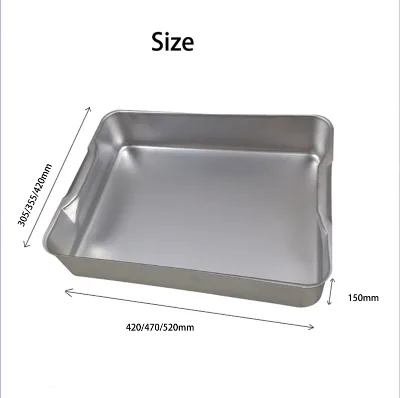
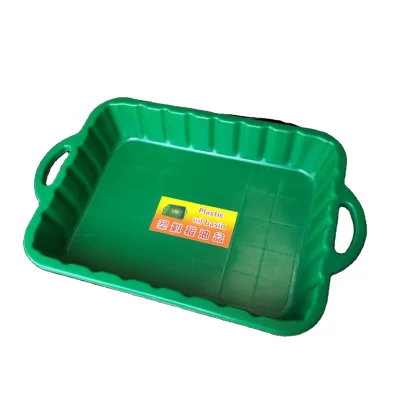
When evaluating multiple suppliers for new oil pans, the primary comparison points should include minimum order quantities, pricing structures, and specific product attributes. The market shows a wide range of MOQs, with some suppliers requiring orders as low as fifty units for specific aluminum oil pans, while others may demand two hundred units for plastic drain pans or custom-fabricated items. Pricing also varies based on material and specifications; for instance, aluminum oil pans may range from approximately twenty-two to twenty-three dollars per unit, whereas steel variants or plastic drain pans might be priced between six and nine dollars. Buyers must compare these figures against the specific material requirements, such as aluminum versus steel, and the intended application, whether for replacement, repair, or retrofitting.
In addition to cost and volume, buyers should compare the detailed product specifications and warranty terms offered by each supplier. Product evidence indicates that some oil pans come with a one-year warranty, while others may offer different service levels, such as twenty-four-hour customer service. Specifications like material type, OEM numbers, and dimensions are critical for ensuring compatibility with specific vehicle models. For example, an oil pan designed for a 2.4L engine will have different dimensions and mounting points than one for a 2.5L engine. Buyers should also compare the packaging details, such as single package size and gross weight, as these factors directly impact shipping costs and logistics planning. A thorough comparison of these attributes ensures the selected supplier can meet both technical and commercial requirements.
Common New Oil Pan Sourcing Risks
One significant risk in sourcing new oil pans is the potential mismatch between the supplier's main product focus and the specific automotive part required. Many suppliers list diverse product ranges, such as swimming pool equipment or general vehicle tools, alongside oil pans. This diversification can indicate that the oil pan is a secondary product line rather than a core competency, potentially affecting quality control and consistency. Buyers must verify that the supplier's primary manufacturing capabilities align with the specific type of oil pan needed, whether it is a cast aluminum unit or a galvanized iron drain pan, to avoid receiving substandard components that do not meet automotive safety standards.
Another critical risk involves the accuracy of product specifications and the reliability of the supply chain regarding lead times. Suppliers may list generic specifications that do not match the exact OEM requirements of the buyer's vehicle, leading to installation failures or performance issues. For example, an oil pan listed with a specific model number might not be compatible with the intended engine variant if the supplier has not verified the fitment. Additionally, discrepancies in lead times can disrupt production schedules; a supplier claiming a short lead time might face delays due to raw material shortages or production bottlenecks. Buyers should request detailed technical drawings and sample approvals to mitigate these risks and ensure the final product matches the required specifications exactly.
New Oil Pan Regional Sourcing and Logistics
Sourcing new oil pans from different regions in China presents distinct logistical advantages and challenges that buyers must consider. Suppliers located in Chongqing, a major industrial hub, often benefit from established supply chains for engine components, which can streamline the production of aluminum and steel oil pans. However, the distance from major ports may increase shipping times and costs for international buyers. Conversely, suppliers in Jiangsu and Zhejiang provinces are often closer to coastal shipping hubs, potentially offering faster transit times for exported goods. Buyers should evaluate the specific location of the supplier to estimate shipping durations and costs accurately, as these factors can significantly impact the total landed cost of the product.
Logistics planning also requires attention to packaging and weight specifications provided by the supplier. Product data indicates that oil pans can vary significantly in size and weight, from compact units weighing under two kilograms to larger drain pans with substantial dimensions. These variations affect the number of units that can be shipped per container, influencing freight costs. Buyers should request detailed packing lists and single package dimensions to optimize container loading and minimize shipping expenses. Furthermore, understanding the origin of the product is crucial for compliance with import regulations and potential tariffs. Verifying the place of origin, such as Chongqing or other specific provinces, ensures that the buyer can navigate customs procedures efficiently and avoid unexpected delays at the port of entry.
New Oil Pan Commercial Terms and Order Planning
Commercial terms for New Oil Pan orders often include specific conditions regarding payment, warranty, and customization options. Some suppliers offer a one-year warranty on their products, providing a safety net for buyers against manufacturing defects. Others may provide twenty-four-hour customer service, which can be valuable for resolving issues quickly. Buyers should clarify these terms before placing an order, ensuring that the warranty covers the specific defects relevant to their use case. Additionally, customization options, such as OEM or ODM services, may be available from certain suppliers, allowing for tailored solutions that meet unique vehicle requirements. Understanding the scope of these services is essential for planning a successful procurement strategy.
Order planning must also account for the minimum order quantities and pricing tiers offered by suppliers. With MOQs ranging from fifty to two hundred units, buyers need to balance their inventory needs with the cost benefits of larger orders. Pricing structures may vary based on the quantity ordered, with bulk purchases often attracting lower unit prices. Buyers should calculate the total cost of ownership, including the unit price, shipping, and any potential tariffs, to determine the most economical sourcing option. It is also important to plan for lead times, which can range from immediate availability to fifteen days or more. By aligning order quantities and timing with production schedules, buyers can ensure a steady supply of new oil pans while maintaining cost efficiency and meeting customer demand.
FAQs
What is the price range for new aluminum oil pans?
New aluminum oil pans typically cost between $22.65 and $23.68 per unit. This pricing applies to specific models like the 2.4L engine variant. Buyers should note that prices vary based on material and OEM specifications. Always confirm the final quote with the supplier before placing an order to ensure accuracy.
What is the minimum order quantity for oil drain pans?
The minimum order quantity for plastic oil drain pans is usually 200 units. For specific engine oil pans, the MOQ may be lower, such as 50 units. These thresholds depend on the supplier and product type. Verify the exact MOQ with the manufacturer to avoid order rejection or additional fees during the procurement process.
How long does it take to manufacture new oil pans?
Lead times for new oil pans vary by supplier. Some manufacturers offer a lead time of five days, while others may require up to fifteen days. Plastic drain pans might have different production schedules. Check the specific supplier's lead time to plan your inventory and shipping logistics effectively for timely delivery.
Where are new oil pans typically manufactured?
New oil pans are commonly manufactured in regions like Chongqing, China, and Jiangsu, China. These areas are known for automotive parts production. The place of origin affects shipping costs and delivery times. Confirm the manufacturing location with the supplier to ensure it meets your sourcing preferences and logistical requirements.
Do suppliers offer warranties for new oil pans?
Yes, many suppliers offer a one-year warranty for new aluminum oil pans. This warranty covers defects in materials and workmanship. It is important to review the warranty terms provided by the specific supplier. Ensure the warranty details are included in your purchase agreement to protect your investment against potential issues.
What certifications do oil pan suppliers hold?
Some oil pan suppliers hold ISO 9001 or ISO 9001:2015 certifications. These certifications indicate adherence to quality management standards. Verification services like SGS may also be available for certain suppliers. Check the supplier's certification status to ensure they meet your quality requirements and industry standards for automotive parts manufacturing.