New Lambad Oxygen Sensor Suppliers and Manufacturers
Source a New Lambad Oxygen Sensor from 23 verified suppliers in China. Compare dimensions like lead times, MOQs, certifications, and response rates to find the right partner. Review product specs and request quotes today; review the available evidence before requesting comparable quotations from suitable candidates.
Suppliers List

Anhui Aljieao Auto Parts Co., Ltd
- Verified by CTI
- Trading Company
- China Anhui
- Lead time23 days
- Avg. response≤ 2h
Main productsUrea Pump, Nox Sensor, Truck Lamp
Main marketsSouth America,Africa,Southeast Asia/ Mideast,East Asia(Japan/ South Korea),Europe,Australia,North America

$10.94 - $14.98
MOQ: 20 Pieces

$10.94 - $14.98
MOQ: 20 Pieces

Shanghai Boqu Instrument Co., Ltd.
- Manufacturer
- China Shanghai
- Lead time15 days
- Avg. response≤ 7h
Main productspH Meter, pH Sensor, Dissolved Oxygen Meter, Do Sensor, Conductivity Meter, Conductivity Sensor, Turbidity Sensor, Residual Chlorine Analyzer, Concentration Meter, Turbidity Meter
Main marketsSouth America,Africa,Southeast Asia/ Mideast,East Asia(Japan/ South Korea),Domestic,Europe,Australia,North America
Guangzhou Gordons Auto Parts Co., Ltd.
- Manufacturer, Trading Company
- Guangdong, China
- Lead time15 days
- Avg. response≤ 3h
Main productsAuto sensor,Fuel injector,Ignition coil,Valve,Pump
Main marketsSouth America(35.00%), Southeast Asia(20.00%), Africa(18.00%), North America(10.00%), South Asia(5.00%), Mid East(5.00%), Domestic Market(1.00%), Oceania(1.00%), Southern Europe(1.00%), Northern Europe(1.00%), Western Europe(1.00%), Eastern Asia(1.00%), Eastern Europe(1.00%)

Hunan Rika Electronic Tech Co., Ltd.
- Verified by BV
- Combined
- China Hunan
- Lead time15 days
- Avg. response≤ 4h
Main productsWind Sensor, Radiation Sensor, Temperature Humidity Sensor, Rain Guage, Pyranometer, Soil Sensor, Level Sensor, Data Logger, Solar Radiation Shield, Weather Station
Main marketsSouth America,Southeast Asia/ Mideast,Europe


Precision Dissolved Oxygen Sensor with 0-20mg/L Range and High Accuracy
$176.00 - $188.00
MOQ: 1 Pieces


Qingdao D&E International Trade Co., Ltd.
- Verified by BV
- Trading Company,Manufacturer/Factory
- China Shandong
- Lead time23 days
- Avg. response≤ 6h
Main productsAuto Spare Parts, Truck Sparts Parts, Diesel Heaters, Truck Air Conditioner, Heater Spare Parts for Eberspacher/Webasto
Main marketsSouth America,Eastern Europe,Mid East,North America,Southeast Asia,Eastern Asia,Oceania,Western Europe,Africa
Changsha Torch Auto Parts Co., Ltd.
- Verified by CTI
- Combined
- China Hunan
- Lead time45 days
- Avg. response≤ 3h
Main productsSpark Plug, Ignition Coil, Seal, Brake Pad, Ignition Parts, Power Plant Equipment and Spare Parts, Gas Genesets, Engine Parts, Filter
Main marketsAfrica,Southeast Asia/ Mideast,Domestic,Europe,North America

Factory Direct Wholesale High-Accuracy Upstream/Downstream Lambada Oxygen Sensor
$10.00 - $19.99
MOQ: 4 pieces


Professional Grade Dual-Channel Oxygen Sensor with Diagnostic Capability
$10.00 - $19.99
MOQ: 4 pieces
Wenzhou High and Long Co., Ltd.
- Verified by SGS
- Trading Company
- China Zhejiang
- Lead time30 days
- Avg. response≤ 10h
Main productsThrottle Body, Auto Sensors, Idle Control Valve, Ignition Coil, ECU, Fuel Metering
Main marketsSoutheast Asia/ Mideast,Europe,North America

Shenzhen Sinno Environmental Protection Technology Co., Ltd
- Verified by CTI
- Combined
- China Guangdong
- Lead time15 days
- Avg. response≤ 1h
Main productsChromaticity Online Sensor, Dissolved Oxygen Online Sensor, pH Sensor, Suspended Solids Online Sensor, Oil in Water Online Sensor, Radar Flowmeter, Conductivity Online Sensor, Ammonia Nitrogen Water Quality Analyzer, Total Organic Carbon Water Quality Analyzer, Cod/Toc/BOD Water Quality Sensor
Main marketsDomestic

Guangzhou Hengxin Auto Parts Trading Co., Ltd.
- Verified by SGS
- Manufacturer/Factory
- China Guangdong
- Lead time23 days
- Avg. response≤ 18h
Main productsFilter, Ball Joint, Water Pump, Break Pads, Rubber Sleeve, Coil Ignition, Spark Plug, Gasket
Main marketsSouth America,Eastern Europe,Mid East,North America,Southeast Asia,Eastern Asia,Oceania,Western Europe,Africa

- Verified by SGS
- Manufacturer/Factory
- China Shaanxi
- Lead time0 days
- Avg. response≤ 9h
Main productsPressure Sensor, Pressure Transmitter, Level Measurement, Pressure Transducer, Water Level Sensor, Water Level Meter, Ultrasonic Level Sensor, Radar Level Sensor, Fuel Level Sensor, Flow Meter

Dissolved Oxygen Sensor Digital Low Cost Online RS485 Dissolved Oxygen Sensor Probe
$779.50 - $849.50
MOQ: 1 Pieces

Wenzhou Espeed Industry & Trade Co., Ltd.
- Trading Company
- Zhejiang, China
- Lead time0 days
- Avg. response≤ 11h
Main productsAuto Sensor,Engine Parts,Electrical Parts,Cooling System,Auto Switch
Main marketsSouth America(40.00%), Eastern Europe(25.00%), North America(20.00%), Western Europe(5.00%), Southeast Asia(5.00%), Africa(2.00%), Southern Europe(1.00%), Mid East(1.00%), South Asia(1.00%)
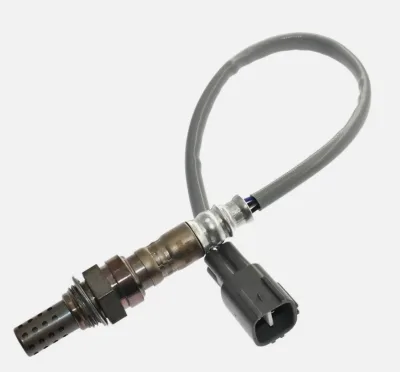
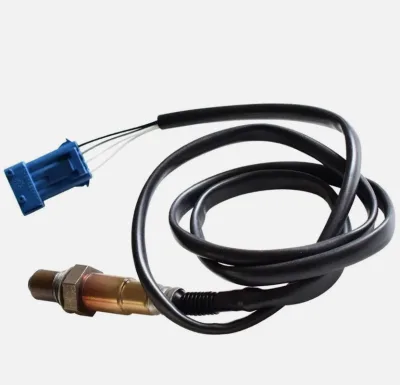
Hot Sell Wholesale Lambda O2 Oxygen Sensor 9636148880 9622997780 1628CX 1628HV 101980700
$7.90 - $8.80
MOQ: 10 pieces
- Verified by SGS
- Trading Company
- China Jiangxi
- Lead time15 days
- Avg. response≤ 1h
Main productsPatient Monitor Module, Patient Monitor Part
Main marketsSouth America,Africa,Southeast Asia/ Mideast,East Asia(Japan/ South Korea),Domestic,Europe,Australia,North America

Oom111 Oxygen Sensor Gas Sensor for Anesthesia Machine Medical Replacement Accessories
$100.00 - $1000.00
MOQ: 1 Pieces


Oxygen Sensor 10097559 O2 Sensor for Pb760 Pb840 Pb980 Ventilator Machine Accessories
$100.00 - $1000.00
MOQ: 1 Pieces
- Distributor/Wholesaler
- Guangdong, China
- Lead time15 days
- Avg. response≤ 7h
Main productsGas Sensors,UV Sensors,Air Flow Sensors,Humidity Sensors,Pressure Sensors
Main marketsSouthern Europe(10.00%), Northern Europe(10.00%), Western Europe(10.00%), Eastern Europe(10.00%), Mid East(10.00%), North America(10.00%), Domestic Market(5.00%), South Asia(5.00%), Oceania(5.00%), Africa(5.00%), Central America(5.00%), Southeast Asia(5.00%), Eastern Asia(5.00%), South America(5.00%)
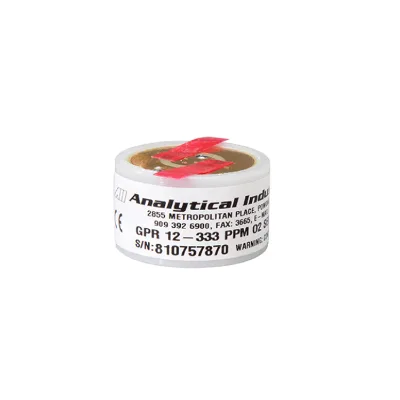
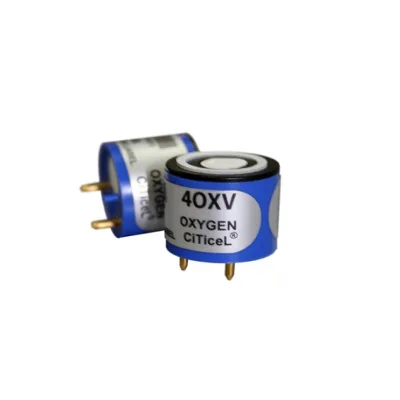
1-25% Vol O2 Sensor Oxygen Gas Sensor for Portable or Fixed Life Safety
$20.00 - $22.00
MOQ: 1 Minimum

ZHEJIANG MASTER INJECTION SYSTEM CO., LTD.
- Verified by BV
- Combined
- China Zhejiang
- Lead time30 days
- Avg. response≤ 16h
Main productsFuel Pump, Fuel Pump Module, Motorcycle Fuel Pump, Motorcycle Fuel Pump System, Vvt Variable Valve Timing, Ocv Oil Control Valve, Vvt Solenoid, Electric Fuel Pump, Gasoline Fuel Pump, Fuel Pump Factory
Main marketsSouth America,Africa,Southeast Asia/ Mideast,Europe,North America
Jiangsu Jumao X-Care Medical Equipment Co., Ltd.
- Verified by SGS
- Combined
- China Jiangsu
- Lead time23 days
- Avg. response≤ 4h
Main productsOxygen Concentrator, Wheelchair, Overbed Table, Long Term Care Bed, Cane, Rollator, Oxygen Supply Device, Crutch, Oxygen Concentrator Accessory, Wheelchair Accessory
Main marketsNorth America

Suzhou Yosemite Technologies Ltd.
- Combined
- China Jiangsu
- Lead time30 days
- Avg. response≤ 17h
Main productsUV 254 Cod Sensor, Instruments, Accessories, Systems, Nh4 Sensor, Multiparameter Sonde, Turbidity Sensor, Online Optical Dissolved Oxygen Sensor
Main marketsSouth America,Southeast Asia/ Mideast,East Asia(Japan/ South Korea),Europe,Australia,North America
Taizhou Duke Auto Accessories Co., Ltd.
- Manufacturer, Trading Company
- Zhejiang, China
- Lead time30 days
- Avg. response≤ 10h
Main productscar seat cover,steering wheel cover,car covers,auto parts,car mats
Main marketsMid East(20.00%), Western Europe(20.00%), Eastern Asia(20.00%), Central America(10.00%), North America(10.00%), Northern Europe(5.00%), Eastern Europe(5.00%), South America(5.00%), Africa(5.00%)
Guangzhou Tianyu Auto Parts Co., Ltd.
- Manufacturer, Trading Company, Distributor/Wholesaler
- Guangdong, China
- Lead time7 days
- Avg. response≤ 5h
Main productsFuel injector,Ignition Coil,clock spring,Auto sensor,window switch
Main marketsDomestic Market(70.00%), Southeast Asia(8.68%), Mid East(6.86%), Eastern Europe(6.85%), South Asia(6.40%), South America(0.46%), Africa(0.34%), Oceania(0.23%), Western Europe(0.18%)
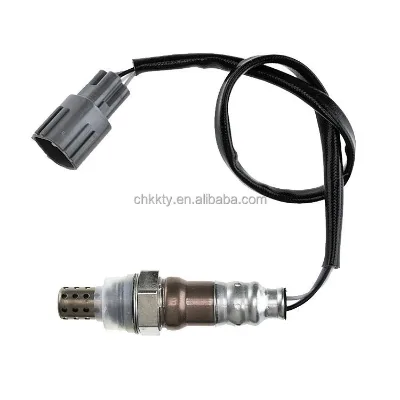
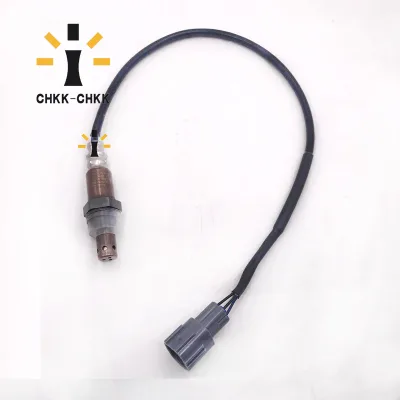
Direct Factory Good Price Oxygen Sensor 89465-46130
$8.00 - $9.00

Ningbo Farwill Automation Co., Ltd.
- Verified by BV
- Combined
- China Zhejiang
- Lead time30 days
- Avg. response≤ 6h
Main productsDoor Operator, Automatic Door, Sliding Door Operator, Revolving Door, High Speed Door, Window Actuator, Hermetic Door, Montion Sensor, Safety Sensor, Sliding Gate Opener
Main marketsDomestic

Wenzhou Credit Parts Co., Ltd.
- Verified by TUVRHEINLAND
- Combined
- China Zhejiang
- Lead time15 days
- Avg. response≤ 11h
Main productsFuel Injector, Fuel Pump, Vvt Variable Valve, Sensor, Fuel Injector Repair Kits, Fuel Pressure Regulator, Idle Air Control Valve, Diesel Injector
Main marketsNorth America
Nanjing Yibang Electronic Technology Co., Ltd.
- Verified by SGS
- Combined
- China Jiangsu
- Lead time15 days
- Avg. response≤ 3h
Main productsGas Detection Analyzer
Main marketsDomestic

Laser Oxygen (O2) Gas Sensor with Fast Response (T90<15s) for Process Control
$1500.00 - $3000.00
MOQ: 1 Pieces

Laser Oxygen (O2) Gas Sensor with Automatic Calibration and Zero Drift Correction
$1500.00 - $3000.00
MOQ: 1 Pieces
Shenzhen Beswho Electronic Technology Co., Ltd.
- Verified by TüVRheinland
- Trading Company
- Lead time3 days
- Avg. response≤ 2h
Main productsElectron Component, PLC, RF
Main marketsNorth America(20%), Eastern Europe(15%), Western Europe(15%)
Ningbo Suijin Machinery Technology Co., Ltd.
- Verified by CTI
- Combined
- China Zhejiang
- Lead time30 days
- Avg. response≤ 5h
Main productsInvestment Casting Parts, Precision Casting Parts, Machining Parts, Auto Parts, Industry Parts, Building Parts, Marine Hardware, Valve/Pump Parts
Main marketsSoutheast Asia/ Mideast,Europe

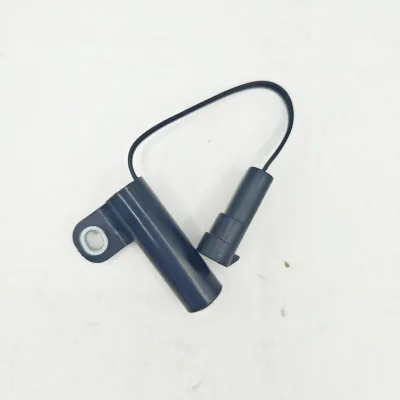
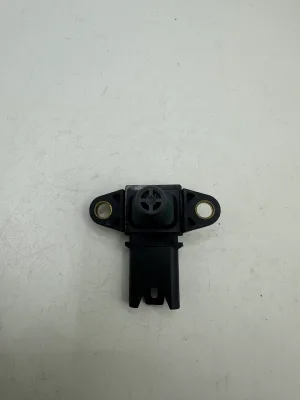
Exhaust Connection O2 Oxygen Sensor Extension Spacer Thread Universal Lambda Sensor Extender Adapter
$0.80 - $1.30
MOQ: 1000 Pieces

$0.80 - $1.30
MOQ: 1000 Pieces




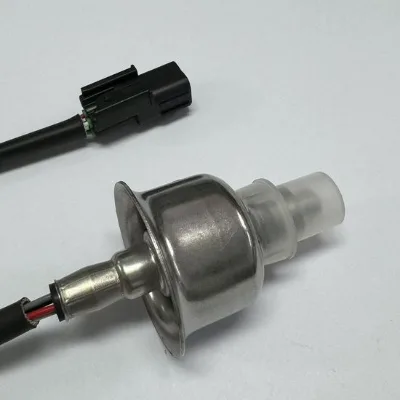
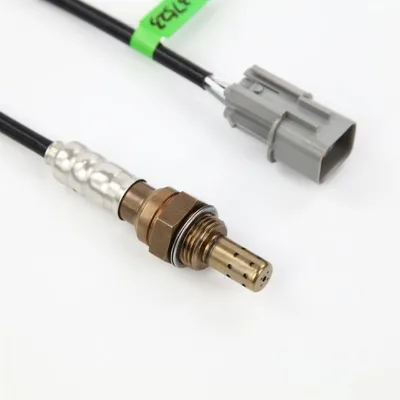
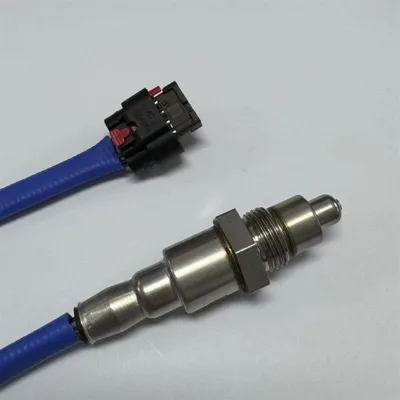


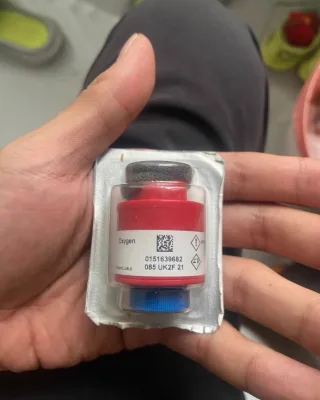
Comprehensive Sourcing Guide
New Lambad Oxygen Sensor Supplier Concentration and Factory Types
Current data indicates a concentration of suppliers in China, specifically within Anhui, Shanghai, and Guangdong provinces. In Anhui, the available results show a trading company offering auto parts like oxygen sensors alongside other vehicle components. This suggests that some suppliers in this region may operate as intermediaries rather than direct manufacturers. Conversely, the Shanghai cluster features a manufacturer specializing in industrial sensors, including dissolved oxygen meters and probes, which indicates a different manufacturing focus compared to the automotive sector found in Anhui.
Guangdong presents a mixed landscape where suppliers identify as both manufacturers and trading companies, offering automotive oxygen sensors with specific OEM numbers. The presence of both company types in these regions means buyers must distinguish between a factory producing the sensor and a trader sourcing it from elsewhere. While the Anhui and Guangdong entries list automotive sensors, the Shanghai entry focuses on industrial water treatment sensors. Buyers should verify if a supplier's main products align with their specific need for automotive lambda sensors rather than industrial equivalents, as the manufacturing capabilities and supply chains differ significantly between these product categories.
How to Verify New Lambad Oxygen Sensor Suppliers
Verification requires checking specific credentials and response metrics provided in supplier profiles. One supplier in the dataset holds CTI verification, which serves as a concrete indicator of third-party validation for that specific entity. Another supplier in Shanghai displays ISO9001:2015 and ISO14001:2015 certificates, confirming adherence to quality and environmental management standards. However, not all listed suppliers show these specific certifications in the provided facts, so buyers must look for explicit certification data rather than assuming universal compliance. The presence of ISO9001 and TS16949 on product attributes for some automotive sensors suggests a potential link to automotive industry standards, but this must be confirmed against the supplier's overall profile.
Response time is another critical verification metric available in the data, ranging from 1.72 hours to 6.51 hours for different suppliers. A faster response time, such as 1.72 hours, often correlates with a more active sales team or a streamlined communication process, which is vital for resolving technical queries about sensor compatibility. Buyers should prioritize suppliers with documented response times under three hours to ensure timely support during the sourcing process. Additionally, checking if a supplier offers customization services, as seen in the product attributes for several oxygen sensors, can indicate a more flexible manufacturing capability. Always request proof of these claims directly from the supplier before proceeding with an order.
What to Compare Across New Lambad Oxygen Sensor Suppliers
When evaluating potential partners, compare lead times, minimum order quantities, and price ranges to determine feasibility. Lead times in the observed data vary significantly, with one supplier listing 23 days and another offering 15 days. These differences impact inventory planning and delivery schedules, making it essential to select a supplier whose timeline matches your production needs. Minimum order quantities also differ, with some suppliers requiring as few as one unit while others mandate 20 or 50 units. This variation allows buyers to choose between low-risk sampling options and bulk purchasing strategies depending on their current demand levels.
Price comparison must account for the specific product model and material composition. The data shows price ranges from $1.00 to $14.98, with some specific automotive sensors listed at a fixed price of $4.30. These prices often reflect differences in material quality, such as metal versus metal-and-plastic construction, or the inclusion of specific certifications like CE or SGS. Buyers should compare the unit cost against the stated material properties and output type, such as digital sensors, to ensure value alignment. Furthermore, comparing the main products listed for each supplier helps identify those with a dedicated focus on oxygen sensors versus those offering a broad range of unrelated auto parts, which can affect product expertise and availability.
Common New Lambad Oxygen Sensor Sourcing Risks
A primary risk involves the mismatch between product specifications and actual application requirements. Some suppliers list sensors suitable for specific markets like Japan, while others provide general automotive parts without clear vehicle compatibility details. Buyers must verify that the sensor model, such as 22641-AA191 or 4727336A, matches their vehicle's exact requirements to avoid installation failures. Another risk is the ambiguity in certification claims; while some products list ISO9001 and TS16949, others may only display generic standards like SGS or CE without automotive-specific validation. Relying on product-level certifications without verifying the supplier's overall quality management system can lead to inconsistent product quality.
Logistical and communication risks also arise from varying response times and shipping terms. Suppliers with slower response times, such as 6.51 hours, may delay critical issue resolution regarding sensor performance or shipping delays. Additionally, payment terms vary, with some suppliers requiring a 30% deposit via T/T while others accept Western Union or PayPal. These differences can expose buyers to financial risk if the supplier fails to deliver. The lack of standardized packing, ranging from paper boxes to neutral packing, can also lead to damage during transit if not specified clearly. Buyers should explicitly confirm packing standards and payment security measures before finalizing any transaction to mitigate these potential disruptions.
New Lambad Oxygen Sensor Regional Sourcing and Logistics
Sourcing from China offers distinct logistical advantages based on the specific province of the supplier. Suppliers in Anhui and Guangdong are positioned to serve the automotive sector, while Shanghai-based suppliers focus on industrial applications. The location data confirms that products originate from these specific Chinese regions, which influences shipping routes and customs procedures. Buyers should consider that suppliers in Guangdong may have established logistics networks for automotive parts, potentially offering faster shipping options like DHL or FedEx as indicated in some product attributes. In contrast, suppliers in Shanghai might have different shipping efficiencies tailored to industrial equipment.
Lead times and shipping terms are directly influenced by the supplier's location and operational capacity. The observed lead times of 15 to 23 days suggest that production and consolidation occur within China before international shipping begins. Buyers must account for these production windows when planning orders, especially if they require urgent delivery. Shipping terms such as "DHL, FEDEX, EMS, UPS" indicate that suppliers utilize major international carriers, which can affect both cost and delivery speed. It is crucial to verify the specific shipping terms for each order, as some suppliers may offer neutral packing while others use branded boxes, impacting the final delivery experience and potential customs clearance issues in the destination country.
New Lambad Oxygen Sensor Commercial Terms and Order Planning
Commercial terms vary significantly across suppliers, particularly regarding payment methods and deposit requirements. Some suppliers explicitly state a 30% deposit via T/T, while others accept Western Union or PayPal, which may offer different levels of buyer protection. Buyers must carefully review these terms to ensure they align with their financial policies and risk tolerance. Additionally, the minimum order quantity (MOQ) is a critical factor in order planning, with values ranging from 1 unit to 50 units. Understanding these thresholds helps buyers determine the most cost-effective order size and manage inventory levels efficiently without overstocking or facing stockouts.
Order planning should also consider the customization availability and production processes listed in product attributes. Several suppliers indicate that customization is available, which can be vital for meeting specific vehicle or industrial requirements. The production process, described as "Synthetic Type" for some sensors, suggests a standardized manufacturing approach that may ensure consistency. Buyers should confirm if the supplier can accommodate custom orders within their stated lead times and if the customization affects the price or MOQ. Finally, verifying the product origin and standard, such as "Standard, Metal/Plastics," ensures that the sensor meets the necessary durability and performance expectations for the intended application, preventing costly returns or replacements.
FAQs
What is the price range for new lambda oxygen sensors?
New lambda oxygen sensors are available within a broad price spectrum depending on specifications and volume. Industrial dissolved oxygen sensors range from $1 to $1000, while automotive replacement units typically cost between $4.30 and $14.98. Buyers should verify specific model requirements to determine the exact unit price for their procurement needs.
What certifications do these oxygen sensors hold?
Manufacturers often provide ISO9001 and TS16949 certifications for automotive oxygen sensors, ensuring quality management standards. Industrial dissolved oxygen sensors may carry CE, SGS, and ISO9001 certifications. Buyers should request current certificate copies to verify compliance with regional regulatory requirements and specific industry standards before finalizing orders.
What are the typical lead times for these sensors?
Lead times vary significantly by supplier type and product category. Automotive parts suppliers may require up to 23 days for production and delivery. Industrial sensor manufacturers often offer faster turnaround times of approximately 15 days. Buyers should confirm exact delivery schedules with suppliers to align with project timelines and inventory requirements.
What is the minimum order quantity for oxygen sensors?
Minimum order quantities depend on the supplier and product type. Industrial dissolved oxygen sensors may have an MOQ of just one unit, facilitating small-scale testing. Automotive replacement sensors typically require orders of 5 to 20 pieces. Buyers should check specific product listings to determine the applicable MOQ for their purchase volume.
Where are these oxygen sensors manufactured?
Suppliers offering new lambda oxygen sensors are located in key manufacturing regions including China, specifically in Anhui, Shanghai, and Guangdong provinces. These locations host both trading companies and direct manufacturers. Buyers can filter results by location to prioritize suppliers near their logistics hubs or specific regional quality standards.
How quickly do suppliers respond to inquiries?
Supplier response times vary, with some trading companies responding within approximately 1.72 hours and manufacturers taking around 3 to 6.51 hours. Faster response times often indicate active sales teams ready to assist with technical specifications and pricing. Buyers should prioritize suppliers with quick response rates for efficient communication during the sourcing process.