Nonstick Black Frying Pan Suppliers and Manufacturers
Compare 15 verified suppliers offering nonstick black frying pans with varying lead times, MOQs, and certifications. Review response times and product attributes like material and stove compatibility before requesting quotes; review the available evidence before requesting comparable quotations from suitable candidates.
Suppliers List

Foshan Nanhai Sunleaf Metal Products Co., Ltd.
- Verified by SGS
- Combined
- China Guangdong
- Lead time30 days
- Avg. response≤ 2h
Main marketsEurope,North America
Yongkang Qimei Industry & Trade Co., Ltd.
- Manufacturer, Trading Company
- Zhejiang, China
- Lead time15 days
- Avg. response≤ 6h
Main productscookware set,saucepot,saucepan,fry pan,wok
Main marketsNorth America(45.0%), South America(25.0%), Eastern Europe(5.0%), Africa(3.0%), Mid East(3.0%), Southeast Asia(2.0%), Western Europe(1.0%), Eastern Asia(1.0%)
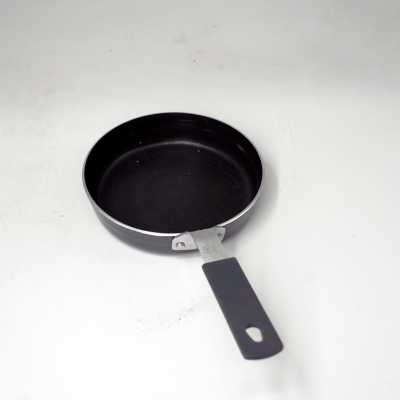
Aluminium Non Stick Deep Fryer Pan
$1.50 - $2.00
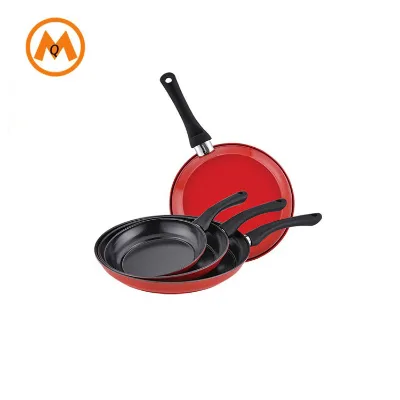
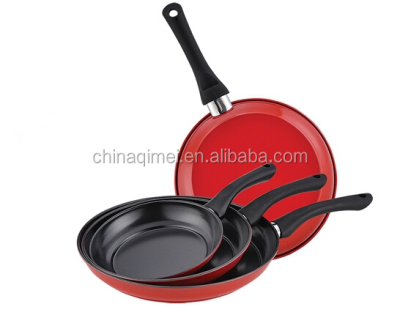
3pcs Red Round Pan Cookware Non-stick Frying Pan
Contact supplier

Hebei Bigking Cookware Co., Ltd.
- Manufacturer/Factory
- China Hebei
- Lead time23 days
- Avg. response≤ 21h
Main productsCast Iron Cookware, Cast Iron Dutch Oven, Cast Iron Skillet, Cast Iron Grill Pan, Cast Iron Casserole, Cast Iron Oven Dish, BBQ, Fondue Set, Teapot, Frying Pan
Main marketsSouth America,Eastern Europe,North America,Western Europe

Eagle Catering Equipment Co., Ltd.
- Manufacturer/Factory
- China Guangdong
- Lead time30 days
- Avg. response≤ 7h
Main productsTrolleys, Gastronorm Containers, Table, Shelves, Sink, Barrier Post, Cookware, Buffetware, Barware, Kitchen Utensils
Main marketsSouth America,Eastern Europe,Mid East,North America,Southeast Asia,Eastern Asia,Oceania,Western Europe,Africa

Zensun Stainless Steel Products Co. , Ltd.
- Verified by SGS
- Trading Company
- China Guangdong
- Lead time30 days
- Avg. response≤ 8h
Main productsGn Pan, Chafing Dish, Food Tray, Stock Pot, Kettle, Cutlery, Kitchenware, Cookware, Restraurant and Hotel Supplies, Milk Pot
Main marketsDomestic

Guangzhou Nantian Sources Co., Ltd.
- Manufacturer/Factory
- China Guangdong
- Lead time15 days
- Avg. response≤ 6h
Main productsKitchen Equipment, Kitchenware, Food Machine, Kitchen Appliance, Glassware, Food Machinery, Bakery Equipment, Dinnerware, Kitchen Utensils, Food Processor
Main marketsSouth America,Mid East,Southeast Asia,Eastern Asia,Oceania,Africa

Foshan Jalaxy Homeware Co., Ltd.
- Trading Company
- Guangdong, China
- Lead time45 days
- Avg. response≤ 3h
Main productsHotel Supplies,Chaffing Dishes,Stock Pot,Wok,Fry Pan
Main marketsNorth America(33.0%), Western Europe(20.0%), Oceania(10.0%), Southeast Asia(10.0%), Eastern Europe(10.0%), Eastern Asia(5.0%), Southern Europe(3.0%), Central America(2.0%), South America(2.0%), South Asia(2.0%), Africa(1.0%), Mid East(1.0%), Northern Europe(1.0%)
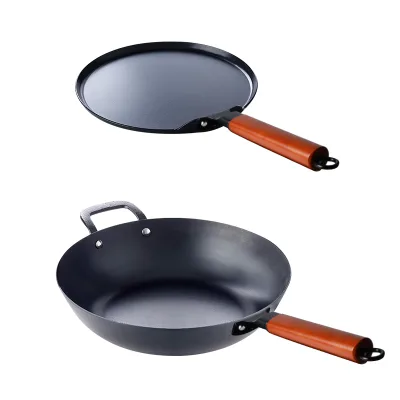
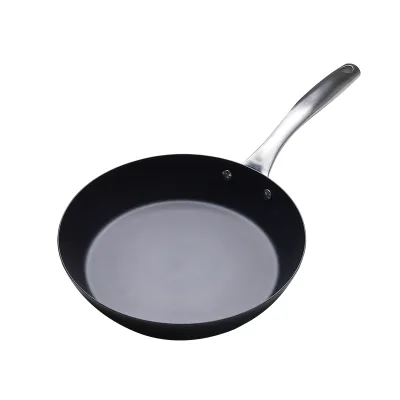
New Carbon Steel Frying Pan Wok Pan With Stainless Steel Handle
Contact supplier

Hebei Cookwin Kitchen Products Co., Ltd.
- Verified by BV
- Trading Company,Manufacturer/Factory
- China Hebei
- Lead time30 days
- Avg. response≤ 2h
Main productsCast Iron Cookware, Cast Iron Casserole, Cast Iron Frypan, Cast Iron Skillet, Cast Iron Dutch Oven, Cast Iron Griddle, Cast Iron Fondue, Cast Iron Wok, Cast Iron Teapot, Cast Iron Pipe and Fitting
Main marketsSouth America,Eastern Europe,Mid East,North America,Southeast Asia,Eastern Asia,Oceania,Western Europe,Africa


Small Frying Pan Enameled Frypan Cookware Baking Pan Kitchen Cast Iron Deep Fryer
$2.00 - $4.00
Moq: 100

Xingtai Huaiyang Enamel Co., Ltd
- Verified by SGS
- Trading Company
- China Hebei
- Lead time30 days
- Avg. response≤ 1h
Main productsCast Iron Cookware, Enamel Casserole, Cast Iron Dutch Oven, Cast Iron Skillet, Cast Iron Casserole, Cast Iron Fry Pan, Cast Iron Fondue Set, Cast Iron Pissa Pan, Cast Iron Pot, CAS Iron Griddle
Main marketsDomestic

Xuzhou Sheng Ming Casting Co., Ltd
- Verified by SGS
- Combined
- China Jiangsu
- Lead time30 days
- Avg. response≤ 6h
Main productsManhole Cover, Ductile Iron Pipes, Valves, Water Meter Tank Cover, Iron Castings(Support Customization), Hardware Tools, Cast Iron Fireplace, Air Fryer, Kettle, coffee Machine
Main marketsDomestic

Jiangmen Weifeng Houseware Co., Ltd.
- Manufacturer/Factory
- China Guangdong
- Lead time30 days
- Avg. response≤ 9h
Main productsStainless Steel Cookware, Kitchenware, Houseware, Cookware Set, Whistling Kettle, Kitchen Utensils, Stainless Steel Cookware Set, Stainless Steel Houseware
Main marketsSouth America,Eastern Europe,Mid East,North America,Southeast Asia,Eastern Asia,Oceania,Western Europe,Africa

Stainless Steel Non-Stick Coating Frying Pan with Golden-Plated Handle, Cookware
$13.00 - $15.00
Moq: 800


Wenzhou Cathylin International Trade Co., Ltd.
- Verified by TUVRHEINLAND
- Trading Company
- China Zhejiang
- Lead time15 days
- Avg. response≤ 14h
Main productsFlatware, Cutlery, Kitchen Tools, Tableware, Cookware, Bakeware, Drinkware
Main marketsNorth America

- Trading Company
- China Zhejiang
- Lead time30 days
- Avg. response≤ 10h
Main productsHome Appliance, Cookware Set, Thermos, Home Storage, Furniture, Pet Supplies, Garden Tools, Outdoor Supplies, Baby Supplies, Houesehold Items
Main marketsSouth America,Africa,Southeast Asia/ Mideast,East Asia(Japan/ South Korea),Domestic,Europe,Australia,North America

Baoding Tengke Trading Co., Ltd.
- Verified by SGS
- Trading Company
- China Hebei
- Lead time15 days
- Avg. response≤ 2h
Main productsBags, Cleaning Tools Scraper, Household Products, Towel, Tumbler Bottle Mug, Ktichen Tools/Gardget, Textile, Personal Care, Balloons, Hook and Loop Tape
Main marketsEurope

Guangzhou ola Machinery Equipment Co., Ltd.
- Verified by SGS
- Combined
- China Guangdong
- Lead time23 days
- Avg. response≤ 3h
Main marketsDomestic


Comprehensive Sourcing Guide
Nonstick Black Frying Pan Supplier Concentration and Factory Types
Suppliers of the Nonstick Black Frying Pan in the observed results cluster in two Chinese provinces: Guangdong and Zhejiang. One Guangdong supplier lists its product origin as Foshan, Guangzhou, China, which reflects the province's established role in aluminum-alloy cookware manufacturing. Zhejiang suppliers list the province as their place of origin and note Ningbo as a port of dispatch, indicating a coastal logistics advantage for container shipments. When your own search covers other regions, apply the same logic: look at the province and city listed on each supplier profile, the port named for dispatch, and whether the product origin matches the company registration location, because these details reveal genuine manufacturing clusters versus resellers.
The observed results show two distinct company types. A combined manufacturer-and-trading-company profile in Zhejiang lists main products spanning cookware sets, saucepots, saucepans, fry pans, and woks, suggesting broad cookware tooling. Other profiles describe themselves simply as combined companies and offer ODM, OEM, and own-brand capacity. For a Nonstick Black Frying Pan, this distinction matters: a manufacturer with forging and coating lines can control pan thickness and finish consistency, while a trading company may aggregate multiple factories. Verify which model each profile actually represents by asking for the factory address and checking whether the listed products all share one production process, such as forged aluminum or carbon steel forming.
How to Verify Nonstick Black Frying Pan Suppliers
Verification starts with third-party checks visible on the profile. In the observed results, at least one supplier carries SGS verification, which signals that a recognized inspection body has reviewed business credentials. System certification is another verifiable anchor: one supplier holds an ISO9001:2015 certificate, indicating a documented quality management system. Do not assume every listing displays these credentials; where verification badges or certificates are absent from a profile, ask the supplier directly for certificate copies and cross-check the certificate number with the issuing body. For cookware, also request product-level certification evidence such as FDA, LFGB, CE/EU, ISO, or CB claims shown on some listings, and confirm they apply to the specific nonstick pan you intend to order.
Product attribute pages provide a second verification layer. Several listings in the results specify material as aluminum alloy, certification sets such as FDA, LFGB, CE/EU, and ISO, and heat-resistant, anti-scald handle materials. When these attributes appear, treat them as supplier claims to be tested with samples, not guarantees. Request a physical sample of the Nonstick Black Frying Pan, check the coating against abrasion, and confirm the glass cover, dimensions, and weight match the stated specifications—for example, one listing cites a 28 cm diameter by 8.5 cm height body at 1.2 kg net weight. A supplier whose samples match its published attributes is more credible than one whose samples deviate.
What to Compare Across Nonstick Black Frying Pan Suppliers
Compare suppliers on the operational dimensions their profiles display. Lead time is one such dimension: observed results include suppliers quoting 30 days and 15 days for production and dispatch, a spread that directly affects your replenishment calendar. Response time is another—recorded values range from roughly 1.25 hours to 6 hours—so weight faster responders more heavily when you need iterative sampling or urgent reorders. MOQ varies dramatically in this category: one aluminum frying pan listing shows an MOQ of 50 pieces while a carbon steel forged frypan listing shows 2,000 sets. Match the MOQ to your sales volume before shortlisting, since a low-MOQ supplier lets you test the market with less inventory risk.
Also compare product scope and manufacturing capacity. Some profiles list fry pans alongside cookware sets, saucepots, and woks, which suits buyers building a broader kitchenware line; others focus on frying pans and skillets, which can mean deeper specialization. One Zhejiang listing states a supply ability of 500,000 pieces per month, a figure worth confirming by phone if you plan large recurring orders. Price ranges are published on some listings—from 1.50 to 2.50 USD on one carbon steel pan and 21 to 23 USD on an aluminum pan with cover—so compare like-for-like products, sizes, and coatings rather than raw price alone. Finally, note whether customization is marked as available, and confirm what customization actually covers.
Common Nonstick Black Frying Pan Sourcing Risks
The most frequent risk in this category is coating inconsistency between sample and production runs. A Nonstick Black Frying Pan that performs well in a pre-production sample can degrade if the factory switches coating batch or applies a thinner layer during mass production. Mitigate this by specifying the coating in your purchase contract, retaining a golden sample, and reserving the right to test random production units before shipment. A second risk is stove compatibility: some listings state gas or open flame use only, while others claim all-purpose use. If your market relies on induction cooktops, verify the base construction explicitly, because one listing describes induction or spiral bottoms as options while another explicitly restricts to gas.
Stated certifications present a third risk when they are copied across listings without evidence. Multiple observed listings claim FDA, LFGB, CE/EU, and ISO compliance, but certification claims must be confirmed with valid, current documents naming the exact product model. Fourth, watch for attribute drift: one listing advertises up to 13% energy saving, a performance claim that should be substantiated before you repeat it in your own marketing. Finally, consider packaging and coverage claims—one listing notes a glass cover and one set per box—and confirm transit packaging protects glass components, since breakage claims erode margins. Document every agreed attribute in writing rather than relying on the listing text.
Nonstick Black Frying Pan Regional Sourcing and Logistics
The Guangdong and Zhejiang clusters visible in the results illustrate how regional choice shapes logistics. A Guangdong supplier with product origin in Foshan, Guangzhou sits near major southern Chinese ports, giving flexibility on sailing schedules. A Zhejiang supplier that names Ningbo as its port of dispatch is close to one of the world's busiest container ports, which can simplify booking and reduce inland haulage cost. For buyers shipping full containers of nonstick black frying pans, port proximity translates into shorter cut-off lead times and lower inland freight. When evaluating suppliers outside these provinces, ask which port they dispatch from and how many days of inland transit that adds to your quoted lead time.
Lead times quoted in the results—15 days from one supplier and 30 days from another—should be combined with port and shipping time to build a realistic landed calendar. Add ocean transit to the production lead time, then buffer for customs clearance in your market. Packaging configuration also matters for logistics: one listing specifies a master carton with color label or sleeve packing and a single set per box, which affects carton dimensions and container utilization. For glass-covered pans, ask how cartons are reinforced and whether drop tests are performed. If you ship mixed containers, confirm whether the supplier can combine fry pans with cookware sets or saucepots from its own range to fill space efficiently.
Nonstick Black Frying Pan Commercial Terms and Order Planning
Plan your first orders around the MOQ and price evidence visible in this category. The observed range is wide: an aluminum nonstick frying pan listed at 50 pieces MOQ and 21 to 23 USD per unit, versus a carbon steel forged frypan at 2,000 sets MOQ and 1.50 to 2.50 USD. These are listing-level figures, so confirm the exact unit, size, and coating before comparing. A sensible sequence is a small pilot order from a lower-MOQ supplier to validate demand and quality, followed by volume negotiation with the supplier whose unit economics fit your margin. When MOQ is quoted in sets, verify set composition, since a 2,000-set order is a very different commitment from 2,000 pieces.
Negotiate commercial terms that protect quality and timing. Tie payment milestones to inspection outcomes rather than releasing funds solely on shipment, and use escrow or third-party trade protection where the platform offers it, checking each supplier's profile for such options. Confirm the production lead time in writing—whether that is 15 or 30 days as some listings indicate—and agree on a dispatch port. For ongoing programs, ask suppliers offering ODM, OEM, and own-brand services what development lead time a customized black finish or handle design requires. Finally, plan replenishment cycles so reordered stock arrives before the first container sells through, using the quoted lead time plus transit as your reorder trigger point.
FAQs
What is the typical minimum order quantity for a Nonstick Black Frying Pan?
Minimum order quantities vary widely between suppliers on this page. Some listings offer a single-piece MOQ for sampling or trial orders, while others set 50 pieces per order, and one carbon steel listing requires 2,000 sets. Confirm the exact MOQ directly with each supplier before requesting a quote, as requirements differ by material, coating, and customization level.
What lead times should buyers expect for nonstick frying pan orders?
Listed lead times on this page range from 15 to 30 days after order confirmation. Shorter timelines generally apply to standard stock designs, while customized colors, logos, or packaging can extend production. Verify the quoted lead time in writing, including whether it covers coating application, quality inspection, and packing before goods leave the factory.
Which certifications are relevant for nonstick frying pans sold in Western markets?
Listings on this page reference FDA, LFGB, CE/EU, ISO, and CB certifications, which cover food-contact safety and European market access. FDA and LFGB compliance is especially important for nonstick coatings that touch food. Always request current, verifiable test reports for the specific coating used, since certification claims should be checked against up-to-date documents before you place an order.
Are these nonstick frying pans compatible with induction cooktops?
Compatibility varies by listing. Some aluminum alloy pans are described as gas or open-flame only, while other listings mention induction bottoms or all-purpose stove suitability. Induction requires a magnetic base, so pure aluminum pans usually need a special induction layer. Check the applicable stove specification for each model and confirm compatibility in writing if induction use is essential for your customers.
What sizes and materials are available for nonstick black frying pans?
Listings on this page feature aluminum alloy pans in 26 to 29 centimeter sizes, with one model measuring 28 centimeters in diameter and 8.5 centimeters in height at a net weight of 1.2 kilograms. A carbon steel option spans 18 to 30 centimeters in multiple thicknesses. Glass lids, bakelite handles, and heat-resistant anti-scald handles appear across the available product options.
Do suppliers offer OEM or ODM customization for frying pans?
Yes, customization is available on multiple listings, and supplier capabilities include ODM, OEM, and own-brand production. Typical options include custom colors, logos, packaging styles such as color labels or sleeves, and coating choices. Expect minimum order requirements and longer lead times for customized runs, so discuss tooling, artwork approval, and sample confirmation with suppliers before committing to production.
How quickly do these suppliers respond to buyer inquiries?
Response times recorded on this page range from roughly one hour to six hours, so most inquiries receive replies within a business day. Faster responders are helpful when coordinating samples, coating specifications, or shipping details. Send a detailed first inquiry covering quantity, target price, certification needs, and destination market to get an accurate quote in the first reply.
Which supplier locations and trade details matter when sourcing from China?
Suppliers on this page are located in Guangdong and Zhejiang, China, with products originating from areas including Foshan and dispatch possible through the port of Ningbo. Guangdong suppliers often serve export markets with combined manufacturing and trading operations. Confirm the nearest port, container loading arrangements, and whether the supplier is a manufacturer or trading company, since this affects pricing and communication.