Nordic Modern Ceramic Vase Suppliers and Manufacturers
Discover 13 verified suppliers offering Nordic Modern Ceramic Vase options with varying lead times, certifications, and response speeds. Compare dimensions, MOQs, and prices to select the right partner for your sourcing needs today; review the available evidence before requesting comparable quotations from suitable candidates.
Suppliers List

Golden Ace Industrial Co., Ltd.
- Verified by BV
- Combined
- China Shandong
- Lead time60 days
- Avg. response≤ 8h
Main productsGlassware, Kitchenware, Houseware, Glass Vase, Giftware
Main marketsAfrica,Southeast Asia/ Mideast,Europe,Australia,North America

- Trading Company
- Fujian, China
- Lead time120 days
- Avg. response≤ 1h
Main productsA wide range of Ceramic/Porcelain/Stoneware items,such as Spring/Valentine/Easter/Summer/Autumn/Halloween/Christmas/Bathroom wares/Tableware/ Home Decor,Etc...
Main marketsEastern Europe(35.0%), Northern Europe(30.0%), Western Europe(20.0%), Southern Europe(10.0%), North America(5.0%)

Foshan Ciray Household Products Co., Ltd.
- Trading Company,Manufacturer/Factory
- China Guangdong
- Lead time45 days
- Avg. response≤ 19h
Main productsCeramic Plate, Ceramic Bowl, Ceramic Tray, Stainless Steel Tray, Stainless Steel Cutlery, Stainless Steel Plate, Coffee-Related Products, Ceramic Ornaments, Ceramic Tableware, Glass Tableware
Main marketsSouth America,Eastern Europe,North America,Oceania,Western Europe


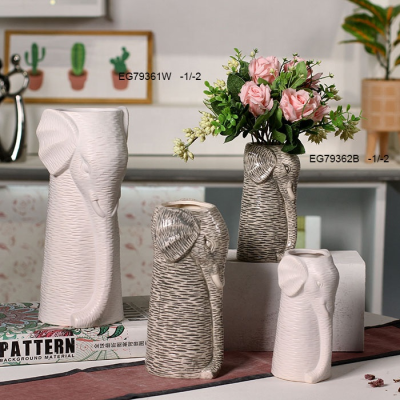
Nordic Ornamental Handmade Wiredrawing Pattern Ceramic Vase for Artificial Flowers
$2.00 - $5.38
Moq: 500


Chaozhou Jizhi Ceramics Co., Ltd
- Manufacturer, Trading Company
- Guangdong, China
- Lead time40 days
- Avg. response≤ 7h
Main productsFlower vase,ceramic pot,ceramic animal,table lamp,ceramic fruit plate
Main marketsNorthern Europe(30.0%), South America(20.0%), South Asia(10.0%), North America(10.0%), Eastern Asia(10.0%), Southeast Asia(10.0%), Eastern Europe(10.0%)

- Verified by CTI
- Trading Company
- China Zhejiang
- Lead time23 days
- Avg. response≤ 13h
Main productsEarring, Vase, Scented Candles, Hair Ties, Bags
Main marketsSouth America,Europe,North America

Ningbo H&G Home Decoration Limited
- Combined
- China Zhejiang
- Lead time60 days
- Avg. response≤ 7h
Main productsMetal Candle Lantern, Wood Candle Lantern, LED Candle Lantern, LED String Light Lantern, Metal Candle Holder, Candlestick, Wall Sconce Candle Holder, Flower Pot Stand, Metal Planter, Metal Plant Stand
Main marketsAfrica,Europe,Australia,North America

Quanzhou Xiaoye Trading Co., Ltd.
- Verified by CTI
- Trading Company
- China Fujian
- Lead time15 days
- Avg. response≤ 2h
Main productsShoe Charm, Custom Shoe Charm, Straw Topper, Custom Straw Topper, Refrigerator Magnet, Shoe Decorations, Key Chain, Custom Keychain, Crocs Charms, Jibitz Charms
Main marketsSouth America,Africa,Southeast Asia/ Mideast,East Asia(Japan/ South Korea),Domestic,Europe,Australia,North America

SHANGLI LIGHTING CRAFTS CO.,LTD
- Verified by BV
- Manufacturer/Factory
- China Guangdong
- Lead time30 days
- Avg. response≤ 11h
Main productsPortable Table and Floor Lamp, LED Lamp, Hotel Lamp, Chandelier Lamp, Pendant Lamp, Ceiling Lamp, Wall Lamp, Lampshade, Accessory, Mirror
Main marketsSouth America,Eastern Europe,Mid East,North America,Southeast Asia,Eastern Asia,Oceania,Western Europe,Africa

- Verified by BV
- Trading Company
- China Shandong
- Lead time30 days
- Avg. response≤ 2h
Main productsCeramic Mugs, Ceramic Dinnerware, Ceramic Tea Set, Ceramic Kitchen Ware, Custom Drum Shape Ceramic Coffee Mug, 24oz Large Capacity 3D Embossed Mug, Porcelain Cappuccino Cup and Saucer, 14oz Custom Souvenirs Ceramic Mug, 12 Sets Vintage Reactive Glazed Tableware, Custom Royal White Ceramic Milk Jar
Main marketsNorth America


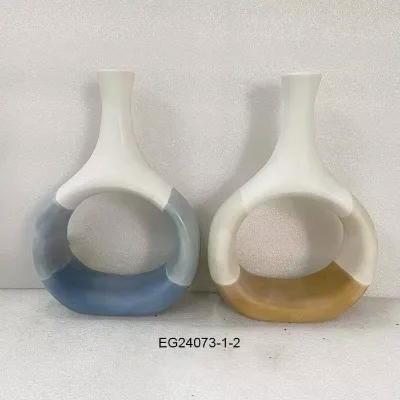
Home Decor Gradient Vase Indoor Nordic Style Flower Vase Custom Ceramic Porcelain Vase
$1.50 - $3.00
Moq: 3000


- Trading Company
- China Zhejiang
- Lead time30 days
- Avg. response≤ 11h
Main productsHome Appliance, Cookware Set, Thermos, Home Storage, Furniture, Pet Supplies, Garden Tools, Outdoor Supplies, Baby Supplies, Houesehold Items
Main marketsSouth America,Africa,Southeast Asia/ Mideast,East Asia(Japan/ South Korea),Domestic,Europe,Australia,North America

- Trading Company
- China Guangdong
- Lead time15 days
- Avg. response≤ 5h
Main productsHouseware, Bathroom Set, Bathroom Accessory, Kitchenware, Tableware, Wine Accessory, Bath Set, Home Decoration, Soap Dispenser, Bath Ensembles
Main marketsDomestic,North America

Jinan Glass International Trade Co., Ltd.
- Manufacturer/Factory
- China Shandong
- Lead time15 days
- Avg. response≤ 7h
Main productsGlass Smoking Pipe, Glass Pipe, Printing and Package, Laboratory Glassware, Home Glassware, Machine, Sticker, Wall Decal
Main marketsSouth America,Eastern Europe,North America,Southeast Asia,Eastern Asia,Oceania,Western Europe,Africa

Ningbo General Union Co., Ltd.
- Verified by SGS
- Trading Company
- China Zhejiang
- Lead time45 days
- Avg. response≤ 9h
Main productsChristmas Tree, Party Supply, Christmas Ball, LED Light Strip, Halloween Product, Holiday Decoration, Santa Claus, Valentine's Day Product, Balloon Decoration, Birthday Decoration
Main marketsSouth America,Europe,North America




Comprehensive Sourcing Guide
Nordic Modern Ceramic Vase Supplier Concentration and Factory Types
Current data indicates that suppliers offering Nordic modern ceramic vases are concentrated in specific Chinese provinces, with Shandong and Fujian emerging as key manufacturing hubs. Factories in Shandong often combine glassware and kitchenware production with ceramic capabilities, suggesting a versatile industrial base for home decor items. In contrast, suppliers in Fujian appear to specialize in a wider range of ceramic and porcelain items, including seasonal and bathroom wares, which may influence their specific design capabilities for modern ceramic vases. These regional clusters are not merely geographic; they reflect distinct supply chain ecosystems where raw material access and specialized labor pools shape production efficiency.
The company types listed for these suppliers vary significantly, ranging from combined entities to pure trading companies and manufacturer-factory hybrids. A combined company type suggests an organization capable of managing both production and trading functions, potentially offering more direct control over the manufacturing process for ceramic vases. Trading companies, on the other hand, may act as intermediaries, sourcing from various factories to fulfill orders. When evaluating potential partners, buyers should verify whether the supplier is a direct manufacturer or a trading entity, as this distinction impacts lead times, communication speed, and the ability to customize designs. Understanding the specific company structure is essential for determining the level of control and flexibility available during the sourcing process.
How to Verify Nordic Modern Ceramic Vase Suppliers
Verification of supplier credibility relies heavily on third-party audit reports and system certifications rather than self-reported claims. Several suppliers in the current results hold BV verification status, which provides an external validation of their business operations and compliance. Additionally, system certifications such as ISO9001:2015 and ISO14001:2015 are present in the data, indicating adherence to quality management and environmental standards. Buyers should request copies of these certificates to confirm their validity and ensure they cover the specific production lines for ceramic vases. The presence of these credentials suggests a baseline level of operational maturity, but they do not guarantee product quality without further inspection.
Beyond certifications, response time and verification status serve as critical indicators of supplier reliability and engagement. Data shows response times varying from one day to nearly eight days, which can significantly impact the speed of negotiation and order processing. A supplier with a one-day response time may offer more agile communication, whereas a longer response window might indicate a larger volume of inquiries or less dedicated support. Buyers should prioritize suppliers with faster response times to ensure timely updates on production status and issue resolution. Furthermore, checking the "is_verified" status against the supplier's profile is a necessary step to confirm that the entity is legitimate and has passed initial platform checks before proceeding with any financial commitments.
What to Compare Across Nordic Modern Ceramic Vase Suppliers
When comparing suppliers, lead time and minimum order quantity (MOQ) are primary differentiators that affect inventory planning and cash flow. Current facts reveal lead times ranging from 60 days to 120 days, a substantial variance that buyers must account for in their supply chain schedules. Similarly, MOQs vary widely, with some suppliers requiring as few as 300 units while others demand 800 pieces or more. These figures directly influence the feasibility of small-batch testing versus large-scale production runs. Buyers should align these constraints with their sales forecasts to avoid overstocking or stockouts, ensuring that the chosen supplier's capacity matches their specific volume requirements.
Product attributes and pricing structures also require careful comparison to ensure value alignment. The available data shows price ranges from approximately $1.00 to $33.47 per unit, depending on material, size, and design complexity. Ceramic and porcelain materials are common, with some products featuring custom colors or specific glaze types like color glazed or transparent finishes. Buyers must evaluate whether the price point reflects the material quality and customization options offered. Additionally, the availability of customization services, such as custom sizes or colors, should be verified against the supplier's stated capabilities. Comparing these product-specific details alongside the commercial terms will help identify the most suitable partner for the specific Nordic Modern Ceramic Vase requirements.
Common Nordic Modern Ceramic Vase Sourcing Risks
One significant risk in sourcing ceramic vases is the potential mismatch between advertised product attributes and actual delivery. While data indicates that customization is available for many items, the extent of this customization can vary. Some suppliers offer custom colors and sizes, while others may have limited options. Buyers must explicitly confirm the scope of customization before placing an order to avoid receiving products that do not meet their design specifications. The risk of receiving non-compliant goods is heightened when relying solely on product images or generic descriptions without detailed technical specifications or samples.
Another critical risk involves the variability in lead times and the potential for delays in production. With lead times ranging from 60 to 120 days, any disruption in the supply chain can have a cascading effect on the buyer's inventory levels. Factors such as raw material shortages, labor issues, or logistical bottlenecks can extend these timelines beyond the initial estimates. Buyers should build buffer time into their schedules and maintain open communication with suppliers to monitor production progress. Additionally, the lack of standardized pricing across different suppliers can lead to unexpected cost increases if not negotiated clearly in advance. Understanding these risks and implementing mitigation strategies is essential for a successful sourcing outcome.
Nordic Modern Ceramic Vase Regional Sourcing and Logistics
Regional sourcing strategies must account for the specific logistical advantages and challenges associated with different manufacturing hubs. Suppliers in Shandong and Fujian offer distinct logistical profiles, with Shandong potentially benefiting from proximity to major ports and established glassware infrastructure. Fujian, known for its diverse ceramic production, may offer different shipping routes and cost structures. Buyers should investigate the specific shipping terms and freight costs associated with each region to determine the most efficient logistics solution. The distance from the factory to the port of loading can significantly impact transit times and overall shipping expenses, making regional selection a critical decision.
Logistics planning also involves understanding the packaging standards and handling requirements for fragile ceramic items. The data indicates that products are typically packed in cartons, but the specific packaging standards can vary between suppliers. Some suppliers may offer enhanced packaging options to prevent breakage during transit, which is crucial for delicate ceramic vases. Buyers should request detailed packaging specifications and consider the cost of additional protective measures if necessary. Furthermore, the choice of shipping method, whether by sea or air, will depend on the urgency of the order and the budget constraints. Coordinating closely with the supplier on packaging and shipping details ensures that the products arrive in good condition and on time.
Nordic Modern Ceramic Vase Commercial Terms and Order Planning
Commercial terms and order planning are pivotal for managing the financial and operational aspects of sourcing Nordic modern ceramic vases. The data shows a wide range of pricing, from $1.00 to $33.47, which necessitates clear negotiation strategies to secure favorable terms. Buyers should focus on understanding the total cost of ownership, including unit price, shipping, and any potential tariffs or duties. Establishing a clear payment structure, such as using escrow services, can provide additional security for both parties. It is essential to define the payment milestones and conditions for release of funds to ensure that the supplier meets their obligations before receiving full payment.
Order planning must also consider the minimum order quantities and lead times to optimize inventory management. With MOQs ranging from 300 to 800 units, buyers need to balance the cost benefits of larger orders against the risk of holding excess inventory. Lead times of 60 to 120 days require careful scheduling to align production with sales cycles. Buyers should develop a robust forecasting model to predict demand accurately and place orders well in advance. Additionally, maintaining a relationship with the supplier for future orders can lead to more favorable terms and better service. Effective order planning ensures that the supply chain remains flexible and responsive to market changes while minimizing costs and risks.
FAQs
What is the typical lead time for Nordic modern ceramic vases?
Lead times vary by supplier, with some offering 60 days and others up to 120 days for production. Buyers should confirm specific timelines based on order volume and customization needs before placing an order to ensure timely delivery.
What are the minimum order quantities for ceramic vases?
Minimum order quantities differ significantly, ranging from 300 pieces for some glass and ceramic options to 800 pieces for specific porcelain designs. Buyers must check individual product listings to determine the exact MOQ required for their purchase.
Where are these Nordic modern ceramic vases manufactured?
Manufacturing locations include Shandong, Fujian, and Guangdong provinces in China. These regions host various suppliers offering combined trading and manufacturing capabilities for home decor items like ceramic and glass vases.
Are customization options available for these vases?
Yes, customization is available for many products, allowing for specific styles, colors, and sizes. Buyers can request custom colors or dimensions, though specific details depend on the supplier's capabilities and the chosen product model.
What certifications do the suppliers hold?
Suppliers often hold ISO9001:2015 and ISO14001:2015 certifications, ensuring quality and environmental management standards. Some also possess ISO 9000, ISO 14000, and ISO 20000 certifications, verifying their adherence to international management system requirements.
What is the price range for Nordic modern ceramic vases?
Prices typically range from 1.00 to 5.00 USD per piece for standard models, while specialized designs may cost between 2.09 and 33.47 USD. The final price depends on material, size, and customization requirements selected by the buyer.
How quickly do suppliers respond to inquiries?
Response times vary, with some suppliers responding within one day and others taking approximately 7.88 days. Buyers should expect different communication speeds depending on the specific supplier and their current workload or operational capacity.