Nourishing Repairing Hair Mask Suppliers and Manufacturers
Explore 19 verified suppliers offering Nourishing Repairing Hair Mask options with OEM and ODM capabilities. Compare dimensions including location in China, response times, lead times, and certifications like GMP and GMPC. Contact suppliers directly to request samples and discuss customization needs.
Suppliers List

Guangzhou Mebamy Cosmetics Co., Ltd.
- Verified by TUVRHEINLAND
- Manufacturer/Factory
- China Guangdong
- Lead time15 days
- Avg. response≤ 5h
Main productsFace Serum, Soap, Face Cream, Sunscreen, Eyelash Growth Serum, Teeth Whitening, Face Mask, Facial Cleanser, Essential Oil, Hair Care Series
Main marketsNorth America,Western Europe


Improve Frizz and Smooth Hair Moisturizing Repair Refreshing Non-Irritating Hair Mask
$2.70 - $2.91
MOQ: 3000 Pieces

Premium Keratin Hair Mask Professional Treatment Hair Repair Nourishing Mask
$2.08 - $2.65
MOQ: 3000 Pieces


All-Natural Hair Repair Deep Conditioner Nourishment & Beauty Hair Mask
$1.35 - $1.85
MOQ: 3000 Pieces

Guangzhou Gaoyou Cosmetics Co., Ltd.
- Verified by BV
- Combined
- China Guangdong
- Lead time15 days
- Avg. response≤ 2h
Main marketsAfrica,Southeast Asia/ Mideast,East Asia(Japan/ South Korea),Australia,North America


Deep Conditioning Hydrating Nourishing Fast Repair Hair Repair Hair Masks
$0.01 - $1.20
MOQ: 1000 Pieces


Guangzhou Aining Technology Co. LTD
- Verified by TüVRheinland
- Trading Company
- Lead time5 days
- Avg. response≤ 3h
Main productsHair Fiber, Hair Vitamin Capsule, Hair Care Oil, Beard Care, Hair Styling Product
Main marketsNorth America(30%), Northern Europe(10%), Southern Europe(10%)

Guangdong Boda Cosmetics Co,.Ltd.
- Verified by BV
- Manufacturer/Factory
- China Guangdong
- Lead time23 days
- Avg. response≤ 6h
Main productsHair Bleaching Powder, Hair Dye, Hair Care, Shampoo, Hair Conditioner, Hair Bleach Cream, Silver Shampoo, Olaplex, Hair Perm, Hair Mask
Main marketsSouth America,Eastern Europe,Mid East,North America,Southeast Asia,Eastern Asia,Oceania,Western Europe,Africa

$1.30 - $1.45
MOQ: 24 Pieces

Top Quality 400ml Repairing Care Intensive Repair Therapy Mask Nourishing Hair Mask
$1.71 - $2.45
MOQ: 24 Pieces

OEM Professional Keratin Hair Treatment Repair Hair Mask Nourishing Damaged Hair Mask
$2.70 - $2.90
MOQ: 24 Pieces

New Design Repair Damage Hair Mask No Acid Color Safe Smoothing Restorative Conditioning Hair Mask
$1.30 - $1.45
MOQ: 24 Pieces

$1.71 - $2.45
MOQ: 24 Pieces

High Quality Hair Care Treatment Mask Moisturizing Repairing Protein Keratin Hair Mask
$2.55 - $2.80
MOQ: 100 Pieces

Guangzhou Kanglixin Medical Biotechnology Co, Ltd.
- Verified by TUVRHEINLAND
- Manufacturer/Factory
- China Guangdong
- Lead time23 days
- Avg. response≤ 10h
Main productsSkin Care Products, Body Care, Hair Care Products, Makeup, Men's Care Products, Ferminine Care Products, Serum, Facial Mask, Face Cream, Scrub
Main marketsSouth America,Eastern Europe,Mid East,North America,Southeast Asia,Eastern Asia,Oceania,Western Europe,Africa

Natural Protein Keratin Hair Mask Treatment Smoothing and Repairing Hair Care Mask
$2.00 - $2.80
MOQ: 1000 Pieces

High Quality Deep Moisturizing Treatments Hair Repair Mask for Damaged Hair Smoothing Mask
$2.00 - $2.80
MOQ: 1000 Pieces


Wholesale Hair Mask Natural Collagen Repairing Hair Mask Sulfate Free Keratin Hair Mask
$2.00 - $2.80
MOQ: 1000 Pieces
Jinan World Expo Noah Medical Technology Co., Ltd.
- Verified by TüVRheinland
- Manufacturer, Trading Company
- Lead time20 days
- Avg. response≤ 5h
Main productsPersonal Care Products, Yoni Care Products, Mouthwash, Lubricant, Skin Care Set
Main marketsDomestic Market(80%), North America(5%), Eastern Europe(4%)

Guangzhou Tinsun Biotechnology Company Limited
- Combined
- China Guangdong
- Lead time15 days
- Avg. response≤ 8h
Main productsSkin Care
Main marketsEast Asia(Japan/ South Korea),Australia,North America


Repair Magical Treatment Hair Mask Organic Collagen Nourishing Hair Mask with Herbal Soft Smoothing
$1.21 - $2.20
MOQ: 100 Pieces


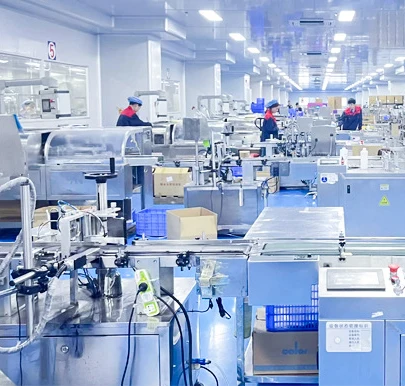
Guangzhou Junchen Biotechnology Co., Ltd.
- Manufacturer, Trading Company, Distributor/Wholesaler
- Guangdong, China
- Lead time15 days
- Avg. response≤ 3h
Main productshair care,skin care,man's care,hair styling,body care
Main marketsMid East(40.00%), South Asia(15.00%), North America(10.00%), Central America(10.00%), Northern Europe(5.00%), Southeast Asia(5.00%), South America(3.00%), Southern Europe(2.00%), Oceania(2.00%), Western Europe(2.00%), Eastern Asia(2.00%), Eastern Europe(2.00%), Domestic Market(1.00%), Africa(1.00%)

Guangzhou Beaver Cosmetic Co., Ltd.
- Verified by BV
- Combined
- China Guangdong
- Lead time30 days
- Avg. response≤ 4h
Main productsHair Care, Hair Styling, Hair Building Fiber, Hair Smoothing Treatment, Body Care, Hand Care, Pet Care
Main marketsAfrica,Others(foreignTradeCapacity.exportBusinessCapacityMarketOther),Southeast Asia/ Mideast,East Asia(Japan/ South Korea),Europe,Australia,North America

Suzhou Darpool Import and Export Co., Ltd.
- Verified by BV
- Trading Company
- China Jiangsu
- Lead time15 days
- Avg. response≤ 2h
Main productsShampoo, Body Lotion
Main marketsSoutheast Asia/ Mideast

Zhaoqing Kaijoe Technology Co., Ltd.
- Verified by TUVRHEINLAND
- Combined
- China Guangdong
- Lead time23 days
- Avg. response≤ 6h
Main productsHair Shampoo, Hair Conditioner, Hair Gel, Hair Color, Bleaching Powder, Hair Dye, Bleching Powder, Hair Treatment, Hair Serum
Main marketsSoutheast Asia/ Mideast

- Verified by BV
- Trading Company
- China Guangdong
- Lead time15 days
- Avg. response≤ 7h
Main productsShampoo, Hair Care, Hair Styling, Hair Dry Product, Conditioner, Body Product, Skin Product
Main marketsDomestic,North America
Guangzhou Daipro Cosmetic Co., Ltd.
- Manufacturer
- Guangdong, China
- Lead time20 days
- Avg. response≤ 3h
Main productsShampoo,Hair Conditioner,Hair Styling,Hair Mask,Hair Oil
Main marketsNorth America(20.00%), Southeast Asia(10.00%), South America(10.00%), Oceania(10.00%), Domestic Market(5.00%), Eastern Europe(5.00%), South Asia(5.00%), Southern Europe(5.00%), Northern Europe(5.00%), Central America(5.00%), Western Europe(5.00%), Eastern Asia(5.00%), Mid East(5.00%), Africa(5.00%)
Guangzhou Chinchy Cosmetics Co., Ltd.
- Verified by SGS Group
- Trading Company
- Lead time15 days
- Avg. response≤ 3h
Main productsShampoo, Conditioner, Hair Mask, Essential Hair Oil, Brazilian Keratin Treatment
Main marketsSoutheast Asia(30%), Oceania(20%), Mid East(15%)
Guangzhou Chaoba Hair Care Goods Co., Ltd.
- Verified by TüVRheinland
- Manufacturer, Trading Company
- Lead time15 days
- Avg. response≤ 2h
Main productsHair Dryer, Hair Clippers, Hair Steamers, Curling Irons, Salon Furniture
Main marketsDomestic Market(41%), Southeast Asia(15%), Mid East(10%)

Guangdong Boda Cosmetics Co, . Ltd.
- Verified by CTI
- Combined
- China Guangdong
- Lead time23 days
- Avg. response≤ 6h
Main productsHair Bleach Powder, Hair Color, Hair Bleach Cream, Hair Color Conditioner, Semi-Permanent Hair Color, Hair Shampoo, Hair Conditioner, Hair Mask, Hair Treatment
Main marketsSouth America,Africa,Southeast Asia/ Mideast,East Asia(Japan/ South Korea),Domestic,Europe,Australia,North America

Professional Repairing Hair Mask for Damaged Hair Intense Keratin & Argan Oil Therapy
$1.46 - $1.52
MOQ: 24 pieces

Hair Mask Super Quality Private Label Hair Mask Treatments Wholesale Softening and Nourishing
$2.61 - $3.55
MOQ: 2 pieces


Guangdong Cangty International Cosmetics Co., Ltd.
- Verified by SGS
- Combined
- China Guangdong
- Lead time15 days
- Avg. response≤ 6h
Main productsShampoo, Hair Wax, Hair Conditioner, Hair Serum, Hair Essence, Hair Mousse, Hair Spray, Hair Styling Cream, Hair Shampoo, Wax Sticker
Main marketsOthers(foreignTradeCapacity.exportBusinessCapacityMarketOther),Domestic
Guangzhou Nongcai Cosmetics Co., Ltd.
- Verified by SGS Group
- Manufacturer, Trading Company
- Lead time25 days
- Avg. response≤ 2h
Main productsHair Color Cream, Hair Color Shampoo, Hair Shampoo, Hair Wax, Hair Mask
Main marketsNorth America(30%), Southeast Asia(20%), Mid East(20%)

Fully Cosmetic (GZ) Co., Limited
- Verified by TUVRHEINLAND
- Trading Company
- China Guangdong
- Lead time30 days
- Avg. response≤ 6h
Main productsHair Building Fibers, Hair Dye Fast Color Mousse, Hairline Powder, Hair Dye, Hair Shampoo, Spray Applicator, 360 Degree Mirror, Fastcolor Comb, Hair Conditioner, Hairline Optimizer
Main marketsOthers(foreignTradeCapacity.exportBusinessCapacityMarketOther)

Professional Custom Logo Hair Mask Damaged Hair Treatment Nourishing Hair Conditioner
$1.98 - $2.36
MOQ: 10000 Pieces

High Quality Supplier Private Label Deep Nourishing Repairing Treatment Hair Mask Conditioner
$1.88 - $2.36
MOQ: 10000 Pieces
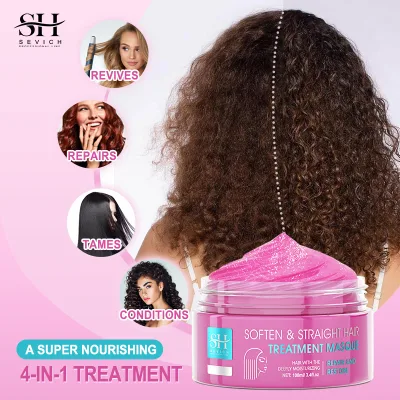
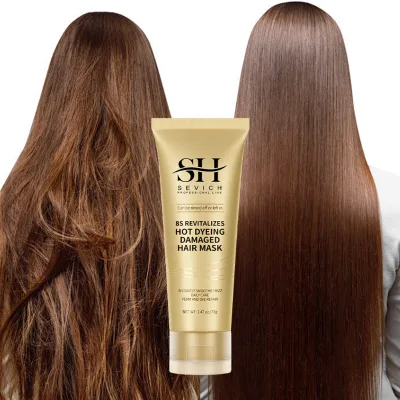
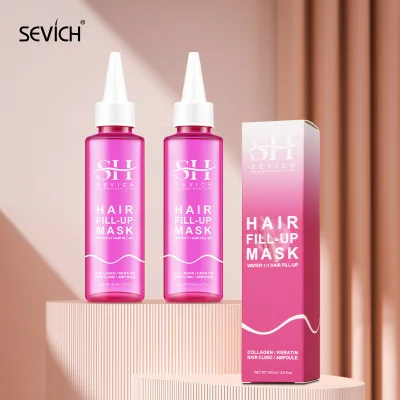
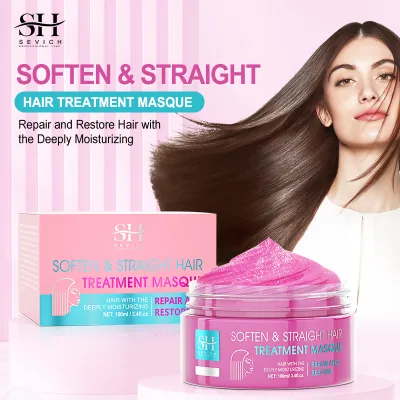
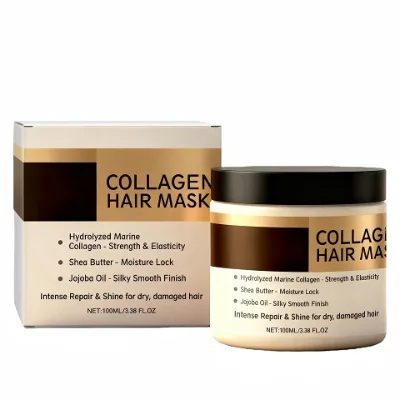
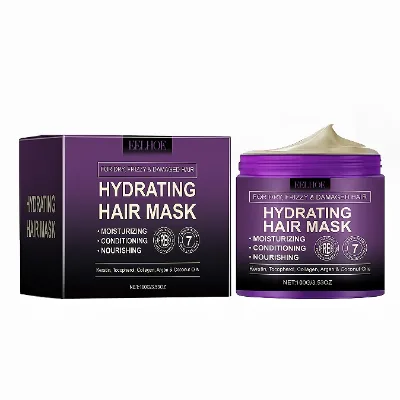
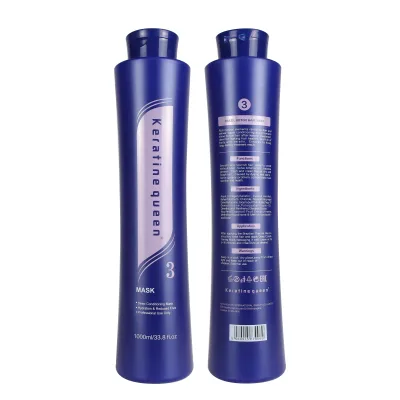






Comprehensive Sourcing Guide
Nourishing Repairing Hair Mask Supplier Concentration and Factory Types
The current supplier landscape for nourishing repairing hair masks reveals a distinct concentration of manufacturing capabilities within China, specifically in the Guangdong region. This area serves as a primary hub where factories and combined entities operate to produce a wide array of personal care items, including face serums, sunscreens, and extensive hair care series. The data indicates that many suppliers in this cluster function as manufacturers or factories, possessing the direct capacity to handle OEM and ODM requests for hair masks. These facilities often specialize in specific product formulations, such as vegan hair treatments, keratin-based masks, and natural plant essence options designed for thin or damaged hair.
Beyond pure manufacturing, the market also includes trading companies and combined entities that bridge the gap between production and global distribution. These combined suppliers often offer a broader range of main products, such as hair fibers, vitamin capsules, and beard care items, alongside their core hair mask offerings. While some entities focus strictly on the production of cream-type masks with customizable packaging, others provide sample processing and graphic design services to support brand customization. Buyers must distinguish between these entity types, as manufacturers typically offer deeper production control, whereas trading companies may provide a wider variety of complementary products and faster logistical coordination for smaller orders.
How to Verify Nourishing Repairing Hair Mask Suppliers
Verification of potential partners requires a rigorous check of their official credentials and third-party audit results to ensure operational legitimacy. Several suppliers in the current results have undergone verification by recognized bodies such as TÜV Rheinland and Bureau Veritas (BV), which serves as a critical indicator of their compliance with international standards. Additionally, system certifications like GMP (Good Manufacturing Practice) and GMPC are frequently cited, confirming that the production environment adheres to strict hygiene and quality control protocols essential for cosmetic and personal care products. Buyers should prioritize suppliers displaying these specific verification badges and certification documents before proceeding with any commercial engagement.
Response time and service availability are also vital metrics for verifying supplier reliability and operational readiness. The data shows varying response speeds, with some suppliers demonstrating a rapid response time of approximately 1.70 hours, while others may take closer to 4.75 hours. A fast response time often correlates with a dedicated sales team and efficient internal communication channels, which is crucial for resolving technical queries regarding product customization or formulation changes. Furthermore, buyers should look for explicit statements regarding service availability, such as "24 Hours Online Reply," to ensure that support is accessible when needed. Confirming these operational metrics helps mitigate the risk of working with unresponsive or disorganized vendors who might delay critical project timelines.
What to Compare Across Nourishing Repairing Hair Mask Suppliers
When evaluating multiple sources, buyers must systematically compare key operational dimensions including lead times, minimum order quantities (MOQ), and pricing structures to find the best fit for their specific business model. Lead times in the current market vary significantly, with some suppliers offering a quick turnaround of 5 days, while others require up to 15 days for production and delivery. Similarly, MOQs range from 1,000 pieces for certain hair mask products to 3,000 pieces for others, directly impacting the initial capital investment required. Pricing also fluctuates based on product specifications, with unit costs ranging from as low as $0.01 to over $5.00 depending on the volume, packaging, and specific ingredients like keratin or argan oil.
Capacity for customization and the range of main products offered are equally important comparison factors for strategic sourcing decisions. Many suppliers explicitly state that customization is available, allowing for tailored packaging, specific product models, and unique formulations such as anti-dry or moisturizing features. Some entities offer comprehensive ODM and OEM services, enabling buyers to create private label products with custom branding and specific ingredient profiles. In contrast, other suppliers may focus on standard products with limited customization options. Buyers should also assess the breadth of the supplier's catalog, noting whether they specialize solely in hair masks or offer a diverse portfolio including hair care oils, styling products, and other personal care items that could streamline future procurement efforts.
Common Nourishing Repairing Hair Mask Sourcing Risks
One of the primary risks in sourcing hair masks involves the potential mismatch between product claims and actual formulation capabilities, particularly regarding ingredient authenticity and safety standards. While many suppliers list features like "anti-dry," "nourishing," and "repairing," the specific ingredients used, such as keratin, coconut oil, or herbal extracts, must be verified against the buyer's quality requirements. There is a risk that some products may not meet the stated standards for specific hair types, such as thin hair, if the formulation is not rigorously tested. Buyers must ensure that the supplier can provide detailed ingredient lists and proof of efficacy to avoid receiving products that fail to deliver on their promised benefits.
Another significant risk relates to logistical delays and the reliability of the supply chain, especially when dealing with international shipping from manufacturing hubs. Although some suppliers boast short lead times of 5 days, external factors such as raw material shortages or production bottlenecks can extend these timelines, potentially disrupting inventory planning. Additionally, the variability in packaging standards, ranging from customized boxes to standard carton boxes, introduces risks regarding product damage during transit if the packaging is not robust enough. Buyers must carefully review the packaging specifications and ensure that the supplier has a proven track record of maintaining product integrity throughout the shipping process to prevent financial losses and customer dissatisfaction.
Nourishing Repairing Hair Mask Regional Sourcing and Logistics
The regional concentration of suppliers in Guangdong, China, offers distinct logistical advantages for sourcing nourishing repairing hair masks, including proximity to major ports and established shipping infrastructure. This location facilitates efficient export processes, allowing for faster transit times to global markets compared to sourcing from more remote regions. The presence of a dense network of manufacturers and trading companies in this area also means that buyers can easily access a wide variety of product samples and negotiate favorable shipping terms due to the high volume of trade activity. However, buyers should remain aware that specific locations within the region, such as Guangzhou, may have different logistical capabilities compared to other cities in Guangdong.
Logistics planning must also account for the specific packaging requirements and shipping units provided by each supplier to optimize freight costs and minimize damage. Some suppliers offer packaging in standard units like "1600 pieces in a box," while others provide fully customized packaging solutions that may require different handling procedures. Buyers need to calculate the total landed cost, including freight, insurance, and customs duties, based on the specific product dimensions and weight provided in the supplier's data. Understanding these logistical nuances is essential for accurate budgeting and ensuring that the supply chain remains resilient against potential disruptions in the global shipping network.
Nourishing Repairing Hair Mask Commercial Terms and Order Planning
Commercial terms for nourishing repairing hair masks often include flexible payment structures and clear definitions of customization rights, which are critical for successful order planning. Many suppliers indicate that OEM and ODM services are acceptable, allowing buyers to secure exclusive rights to specific product models and branding. It is essential to clarify the terms regarding sample processing and graphic design services, as these can significantly impact the time and cost required to bring a new product to market. Buyers should also verify the specific production standards, such as the 30g, 250ml, or 350ml sizes, to ensure they align with their retail requirements and regulatory compliance in their target markets.
Order planning must be grounded in a realistic assessment of the supplier's capacity and the buyer's inventory needs to avoid stockouts or overstock situations. With lead times ranging from 5 to 15 days and MOQs varying between 1,000 and 3,000 pieces, buyers need to forecast demand accurately to determine the optimal order quantity. Additionally, the availability of customization options, such as specific scents like fruity odour or specific features like anti-breakage, should be factored into the production schedule. By aligning commercial terms with precise order planning, buyers can ensure a smooth procurement process that meets their business goals while maintaining flexibility to adapt to market changes.
FAQs
What is the typical lead time for hair mask orders?
The typical lead time for hair mask orders is 15 days based on available manufacturer data. Some suppliers offer faster turnaround with a 5-day lead time for specific items. Buyers should confirm exact delivery schedules with the supplier before placing an order to ensure timely receipt.
Do suppliers offer OEM and ODM services for hair masks?
Yes, multiple suppliers provide both OEM and ODM services for hair masks. Customization is available for packaging, formulas, and product models. Buyers can request specific features like anti-dry properties or thin hair solutions while maintaining their own brand identity through these flexible manufacturing options.
What is the minimum order quantity for hair masks?
The minimum order quantity varies by supplier and product model. Some listings require 3000 units, while others accept orders starting at 1000 units. Buyers must check the specific MOQ for each product variant to ensure it aligns with their inventory needs and budget constraints before proceeding.
Are the hair masks certified with GMP or GMPC standards?
Yes, suppliers hold GMP and GMPC certifications for their manufacturing processes. Additional verification includes TÜV Rheinland and BV checks for quality assurance. These certifications ensure that the hair masks meet international safety and quality standards required for export and commercial distribution in various global markets.
What is the price range for nourishing repairing hair masks?
Prices for nourishing repairing hair masks range from 0.01 to 5.00 per unit depending on size and formulation. Smaller 30g units start around 0.78, while larger 350ml options can reach 5.00. Buyers should compare specific product models to find the best value for their target market segment.
Where are the manufacturers of these hair masks located?
Manufacturers are primarily located in Guangdong, China, with some specific facilities in Guangzhou. This region is known for its robust supply chain and efficient logistics for personal care products. Buyers can expect reliable shipping options from these established industrial hubs in southern China.
How quickly do suppliers respond to inquiries about hair masks?
Supplier response times vary, with some averaging 1.70 hours and others around 4.75 hours. A few suppliers offer 24-hour online reply services for urgent inquiries. Buyers should prioritize suppliers with faster response times to ensure efficient communication during the sourcing and negotiation process.