Nourishing Keratin Hair Treatment Suppliers and Manufacturers
Source 28 verified suppliers for Nourishing Keratin Hair Treatment. Compare grounded dimensions including ISO 9001 certification, Guangdong location, and 25-day lead times. Review product specs and request samples to evaluate quality; review the available evidence before requesting comparable quotations from suitable candidates.
Suppliers List
Guangzhou Nongcai Cosmetics Co., Ltd.
- Verified by SGS Group
- Manufacturer, Trading Company
- Lead time25 days
- Avg. response≤ 2h
Main productsHair Color Cream, Hair Color Shampoo, Hair Shampoo, Hair Wax, Hair Mask
Main marketsNorth America(30%), Southeast Asia(20%), Mid East(20%)
Guangzhou Dfine Trading Company Ltd.
- Trading Company
- Guangdong, China
- Lead time15 days
- Avg. response≤ 2h
Main productshair color cream,shampoo,keratin treatment,hair styling,hair care
Main marketsSoutheast Asia(60.00%), Mid East(10.00%), Southern Europe(5.00%), Northern Europe(5.00%), Central America(5.00%), Western Europe(5.00%), South America(5.00%), Africa(5.00%)
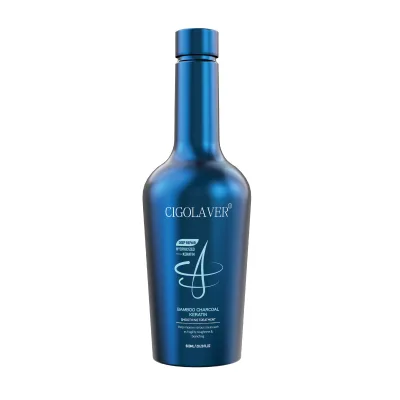
Professional Organic Keratin Hair Treatment Smoothing Out Frizz Damaged Keratin Hair Treatment
$4.41 - $5.52
MOQ: 120 pieces

Zhaoqing Kaijoe Technology Co., Ltd.
- Verified by TUVRHEINLAND
- Combined
- China Guangdong
- Lead time23 days
- Avg. response≤ 6h
Main productsHair Shampoo, Hair Conditioner, Hair Gel, Hair Color, Bleaching Powder, Hair Dye, Bleching Powder, Hair Treatment, Hair Serum
Main marketsSoutheast Asia/ Mideast

Guangzhou Bolan Cosmetic Co., Ltd.
- Manufacturer
- Guangdong, China
- Lead time15 days
- Avg. response≤ 3h
Main productsShampoo,Hair Mask,Perm Lotion,Hair Spray,Pomade
Main marketsWestern Europe(26.00%), Northern Europe(25.00%), North America(20.00%), Central America(11.00%), Eastern Europe(5.00%), Oceania(5.00%), Domestic Market(1.00%), South Asia(1.00%), Southern Europe(1.00%), South America(1.00%), Southeast Asia(1.00%), Eastern Asia(1.00%), Africa(1.00%), Mid East(1.00%)

Guangdong Boda Cosmetics Co,.Ltd.
- Verified by BV
- Manufacturer/Factory
- China Guangdong
- Lead time23 days
- Avg. response≤ 6h
Main productsHair Bleaching Powder, Hair Dye, Hair Care, Shampoo, Hair Conditioner, Hair Bleach Cream, Silver Shampoo, Olaplex, Hair Perm, Hair Mask
Main marketsSouth America,Eastern Europe,Mid East,North America,Southeast Asia,Eastern Asia,Oceania,Western Europe,Africa

New Hair Care Product Hair Treatment Keratin Smoothing Treatment for Damaged Hair
$2.55 - $2.80
MOQ: 100 Pieces

$7.96 - $9.63
MOQ: 12 Pieces


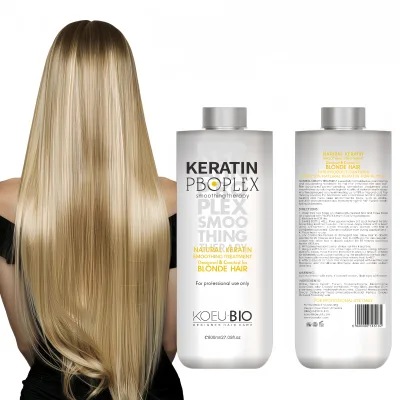
Professional Hair Repairing Treatment Hot Sale Keratin Hair Treatment Keratin Smooth for Blonde Hair
$7.96 - $9.63
MOQ: 12 Pieces


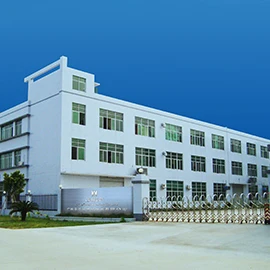
Guangzhou Hi-Tech Cosmetic Company Ltd.
- Manufacturer, Trading Company
- Guangdong, China
- Lead time20 days
- Avg. response≤ 5h
Main productshair Conditioner,hair Shampoo,hair mask,Keratin Hair Treatment/Keratin Treatment,hair serum
Main marketsDomestic Market(32.00%), Southeast Asia(30.00%), Mid East(10.00%), Western Europe(5.00%), North America(5.00%), Eastern Europe(5.00%), Africa(5.00%), Eastern Asia(2.00%), Southern Europe(2.00%), Northern Europe(2.00%), Central America(2.00%)
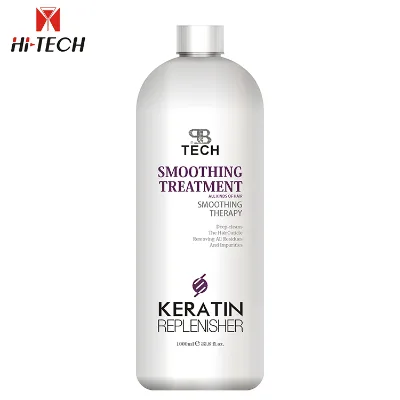
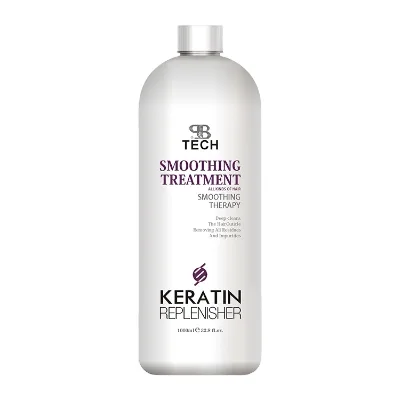
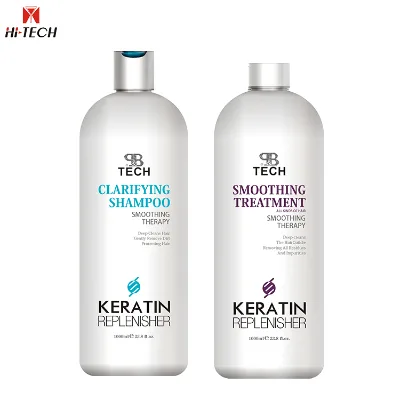
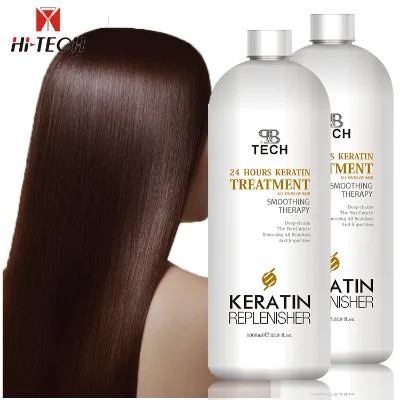
Keratin Hair Treatment Deep Conditioner Biotin Collagen Protein Treated Hair Conditioning Treatment
$5.67 - $7.21
MOQ: 500 pieces
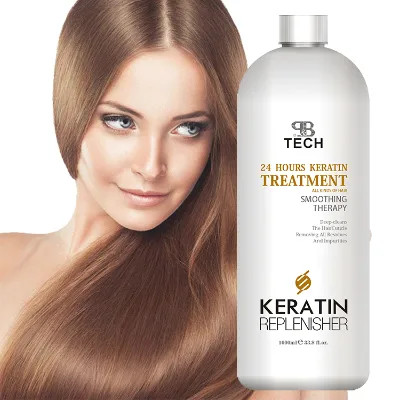
Guangzhou Hodm Professionals Cosmetics Co., Ltd.
- Manufacturer, Trading Company
- Lead time旺季: "1 - 1000":7,"> 1000":"To be negotiated", 淡季: "1 - 1000":7,"> 1000":"To be negotiated"
- Avg. response≤ 2h
Main productsShampoo & Conditioner, Hair Oil, Hair Mask, Hair Styling Products, Hair Care Spray

Fully Cosmetic (GZ) Co., Limited
- Verified by TUVRHEINLAND
- Trading Company
- China Guangdong
- Lead time30 days
- Avg. response≤ 6h
Main productsHair Building Fibers, Hair Dye Fast Color Mousse, Hairline Powder, Hair Dye, Hair Shampoo, Spray Applicator, 360 Degree Mirror, Fastcolor Comb, Hair Conditioner, Hairline Optimizer
Main marketsOthers(foreignTradeCapacity.exportBusinessCapacityMarketOther)


Organic Hair Powder Styling Loss Hair Treatment OEM Fully Keratin Hair Fiber
$1.98 - $2.98
MOQ: 240 Pieces

OEM Your Brands Product Natural Keratin Hair Treatment Hair Building Fibers for Hair Loss Treatment
$0.98 - $2.98
MOQ: 240 Pieces


Suzhou Darpool Import and Export Co., Ltd.
- Verified by BV
- Trading Company
- China Jiangsu
- Lead time15 days
- Avg. response≤ 3h
Main productsShampoo, Body Lotion
Main marketsSoutheast Asia/ Mideast
- Verified by SGS Group
- Manufacturer, Trading Company
- Lead time30 days
- Avg. response≤ 2h
Main productsHair Shampoo Conditioner, Hair Treatment, Hair Mask, Hair Styling Lotion, Hair Dye
Main marketsNorth America(10%), South America(10%), Eastern Europe(10%)
Guangzhou Junchen Biotechnology Co., Ltd.
- Manufacturer, Trading Company, Distributor/Wholesaler
- Guangdong, China
- Lead time15 days
- Avg. response≤ 4h
Main productshair care,skin care,man's care,hair styling,body care
Main marketsMid East(40.00%), South Asia(15.00%), North America(10.00%), Central America(10.00%), Northern Europe(5.00%), Southeast Asia(5.00%), South America(3.00%), Southern Europe(2.00%), Oceania(2.00%), Western Europe(2.00%), Eastern Asia(2.00%), Eastern Europe(2.00%), Domestic Market(1.00%), Africa(1.00%)

Guangzhou Kanglixin Medical Biotechnology Co, Ltd.
- Verified by TUVRHEINLAND
- Manufacturer/Factory
- China Guangdong
- Lead time23 days
- Avg. response≤ 9h
Main productsSkin Care Products, Body Care, Hair Care Products, Makeup, Men's Care Products, Ferminine Care Products, Serum, Facial Mask, Face Cream, Scrub
Main marketsSouth America,Eastern Europe,Mid East,North America,Southeast Asia,Eastern Asia,Oceania,Western Europe,Africa

Natural Protein Keratin Hair Mask Treatment Smoothing and Repairing Hair Care Mask
$2.00 - $2.80
MOQ: 1000 Pieces

Custom Logo Hair Care Keratin with Collagen Sulfate Free Hair Mask Treatment
$2.50 - $3.00
MOQ: 3000 Pieces


Immense Care (Suzhou) Biotechnology Co., Ltd.
- Verified by TUVRHEINLAND
- Trading Company
- China Jiangsu
- Lead time30 days
- Avg. response≤ 23h
Main productsHand Sanitizer
Main marketsEurope
Guangzhou Chinchy Cosmetic Co., Ltd.
- Trading Company
- Lead time旺季: "1 - 1000":7,"1001 - 10000":10,"10001 - 100000":30,"> 100000":"To be negotiated", 淡季: "1 - 1000":7,"1001 - 10000":10,"10001 - 100000":30,"> 100000":"To be negotiated"
- Avg. response≤ 5h
Main productsShampoo, Conditioner, Hair Mask, Essential Hair Oil, Brazilian Keratin Treatment

Guangzhou Mebamy Cosmetics Co., Ltd.
- Verified by TUVRHEINLAND
- Manufacturer/Factory
- China Guangdong
- Lead time15 days
- Avg. response≤ 5h
Main productsFace Serum, Soap, Face Cream, Sunscreen, Eyelash Growth Serum, Teeth Whitening, Face Mask, Facial Cleanser, Essential Oil, Hair Care Series
Main marketsNorth America,Western Europe


Premium Keratin Hair Mask Professional Treatment Hair Repair Nourishing Mask
$2.08 - $2.65
MOQ: 3000 Pieces


Guangzhou Erios Cosmetics Co., Ltd.
- Verified by Intertek
- Trading Company
- Lead time0 days
- Avg. response≤ 3h
Main productsHair Growth Serum, Shampoo And Condtioner, Keratin Treatment, Shower Gel, Hair Mask
Main marketsNorth America(30%), Southeast Asia(30%), Western Europe(10%)
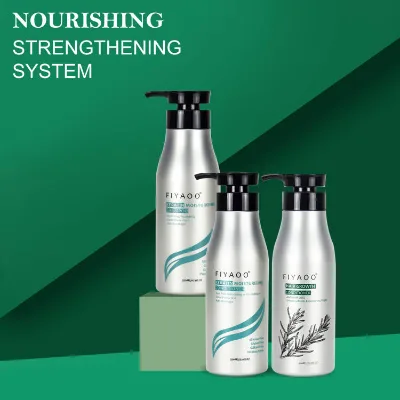
Keratin Hair Treatment Protein Keratin Fix Hair Treatment Shampoo Conditioner
$1.38 - $1.68
MOQ: 1 pieces

Guangzhou Sevich Biology Technology Co., Ltd.
- Verified by SGS
- Trading Company
- China Guangdong
- Lead time15 days
- Avg. response≤ 5h
Main productsHair Building Fibers, Hair Fiberes, Keratin Hair Fibers, Keratin Fiber Powder, Hair Fibers Building, Hair Loss Treatment, Hair Loss Concealer, Hair Loss Men, Hair Loss Women
Main marketsSouth America,Southeast Asia/ Mideast,East Asia(Japan/ South Korea),Europe,Australia,North America

Smooths Frizzy Repairs Damage Anti Hair Loss Keratin Biotin Hair Treatments Mask
$1.95 - $2.65
MOQ: 500 Pieces

Wholesale Other Hair Styling Products Natural Keratin Hair Building Fiber for Baldness Treatment
$1.29 - $1.72
MOQ: 50 Pieces

Hair Loss Treatment Fiber Full Hair Instantly Keratin Hair Building Fibers Powder
$1.06 - $2.31
MOQ: 10 Pieces


Nourish Scalp Hair Regrowth Argan Oil Shampoo Keratin Hair Growth Shampoo Dry Hair Shampoo
$1.42 - $1.99
MOQ: 100 Pieces


Guangzhou Tinsun Biotechnology Company Limited
- Combined
- China Guangdong
- Lead time15 days
- Avg. response≤ 8h
Main productsSkin Care
Main marketsEast Asia(Japan/ South Korea),Australia,North America

Private Label Hyaluronic Acid Hair Treatment with Protein and Keratin Nourishing Smoothing Hair Mask
$1.26 - $2.29
MOQ: 100 Pieces

Wholesale Hyaluronic Acid Hair Treatment with Protein and Keratin Nourishing Smoothing Hair Mask
$1.26 - $2.29
MOQ: 100 Pieces
Guangzhou Erios Cosmetics Co., Ltd.
- Manufacturer, Trading Company
- Lead time旺季: "1 - 1000":15,"> 1000":"To be negotiated", 淡季: "1 - 1000":15,"> 1000":"To be negotiated"
- Avg. response≤ 2h
Main productsHair Oil,Shampoo And Conditioner,Shower Gel,Keratin Treatment,Hair Spray
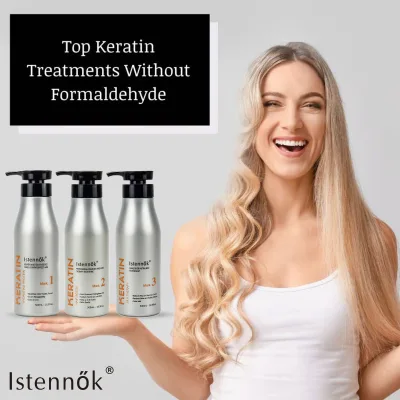
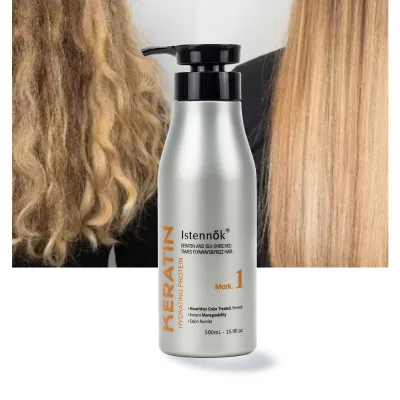
$3.00 - $15.00
MOQ: 100 Minimum
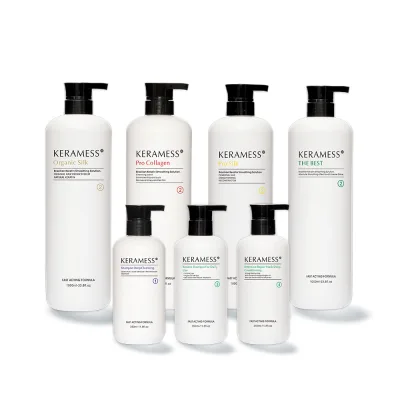
Keratin Hair Care Treatment Vitamins Keratin Clarifying Shampoo With Biotin and Collagen Protein
$2.28 - $2.97
MOQ: 2 pieces
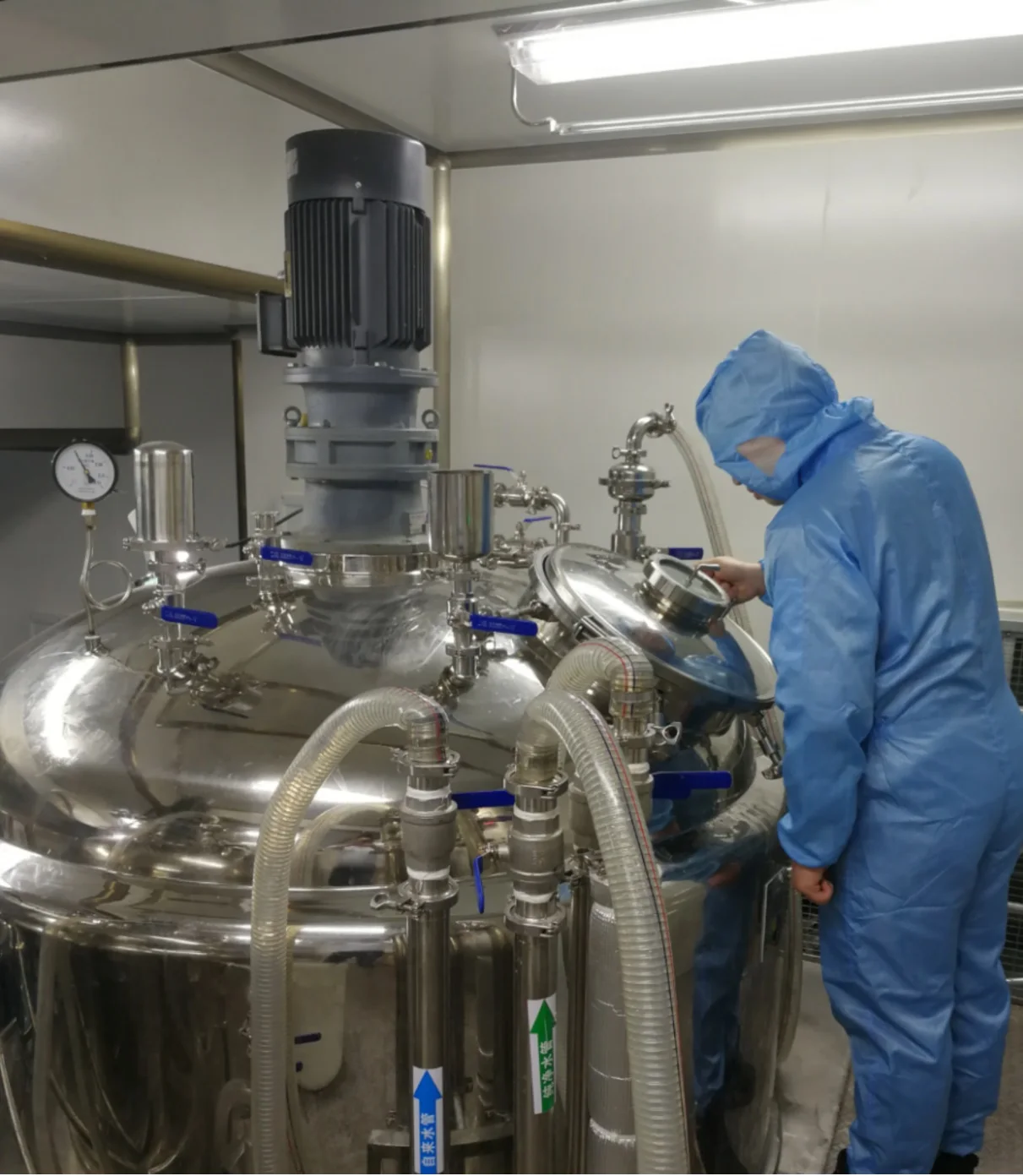
- Manufacturer
- Guangdong, China
- Lead time15 days
- Avg. response≤ 4h
Main productsPersonal Care Beauty,Hair Shampoo,Hair Conditioner,Hair Treatment,Hair Serum Oil
Main marketsDomestic Market(62.00%), Southeast Asia(9.00%), North America(6.00%), Central America(4.00%), Mid East(4.00%), Eastern Europe(4.00%), Africa(4.00%), South America(4.00%), Oceania(3.00%)
Heshan Bangli Fine Chemical Co., Ltd.
- Verified by SGS Group
- Manufacturer, Trading Company
- Lead time30 days
- Avg. response≤ 2h
Main productsShampoo & Conditioner, Color Cream, Perm Cream, Developer Cream
Main marketsDomestic Market(50%), Southeast Asia(15%), North America(5%)

Yangzhou Nano Aviation Technology Co., Ltd.
- Verified by SGS
- Combined
- China Jiangsu
- Lead time15 days
- Avg. response≤ 2h
Main marketsSoutheast Asia/ Mideast,Domestic
Guangzhou Gaoyou Cosmetics Co., Ltd.
- Verified by TüVRheinland
- Manufacturer, Trading Company
- Lead time7 days
- Avg. response≤ 6h
Main productsHair Dye Cream, Perm Water, Shampoo, Hair Conditioner, Shower Gel
Main marketsDomestic Market(35%), North America(10%), South America(10%)

Reina Cosmetics (Guangzhou) Co., Ltd.
- Manufacturer/Factory
- China Guangdong
- Lead time30 days
- Avg. response≤ 25h
Main productsSkin Care Products, Hair Care Products, Personal Care Products, Hair Color and Perm Products, Sunscreen Products, Minoxidil, Suncare Products, Body Care Products, OTC Personal Care, Aerosol Personal Care
Main marketsSouth America,Eastern Europe,Mid East,North America,Southeast Asia,Eastern Asia,Oceania,Western Europe

Baoding Faithful Industry Co., Ltd.
- Verified by TUVRHEINLAND
- Trading Company
- China Hebei
- Lead time15 days
- Avg. response≤ 5h
Main productsCollagen Powder, Pullulan Powder, Hyaluronic Acid Powder, Erythritol, Pepsin, Olive Leaf Extract, Plant Extract, Food Additives
Main marketsSoutheast Asia/ Mideast,East Asia(Japan/ South Korea),Europe,North America

Guangzhou Gaoyou Cosmetics Co., Ltd.
- Verified by BV
- Combined
- China Guangdong
- Lead time15 days
- Avg. response≤ 2h
Main marketsAfrica,Southeast Asia/ Mideast,East Asia(Japan/ South Korea),Australia,North America
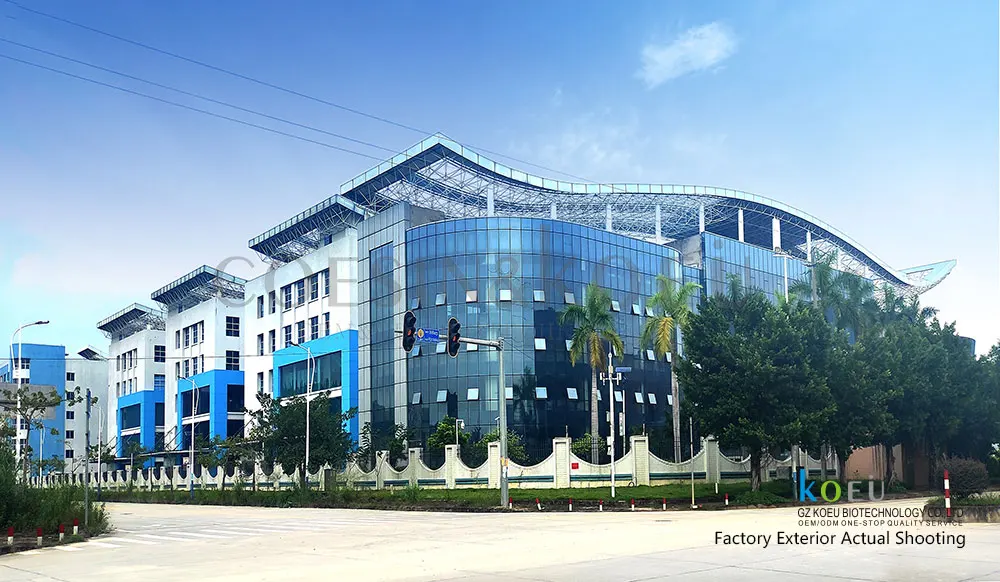
Guangzhou Koeu Biotechnology Limited
- Manufacturer, Trading Company
- Guangdong, China
- Lead time3 days
- Avg. response≤ 8h
Main productsSalon Hair Care Products,Skin Care Products
Main marketsNorth America(30.00%), Domestic Market(10.00%), Southeast Asia(10.00%), Oceania(10.00%), South America(10.00%), Africa(5.00%), Central America(5.00%), Mid East(5.00%), Eastern Europe(5.00%), Western Europe(2.00%), South Asia(2.00%), Southern Europe(2.00%), Northern Europe(2.00%), Eastern Asia(2.00%)
Guangzhou Enpir Cosmetics Co., Ltd.
- Manufacturer
- Guangdong, China
- Lead time10 days
- Avg. response≤ 9h
Main productshair care products,argan oil products,keratin treatment,shampoo,hair conditioner
Main marketsDomestic Market(50.00%), Mid East(10.00%), Southeast Asia(10.00%), Eastern Europe(10.00%), South Asia(10.00%), North America(5.00%), South America(5.00%)
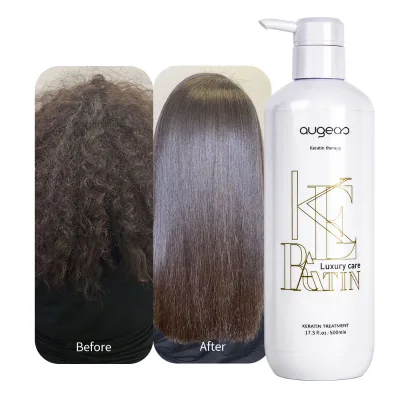
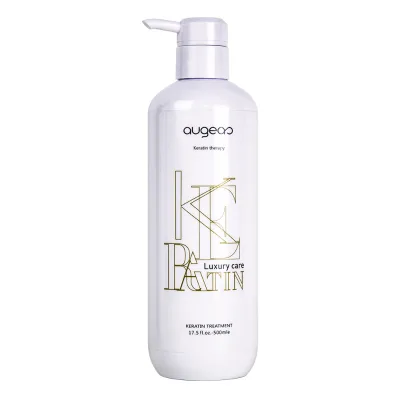
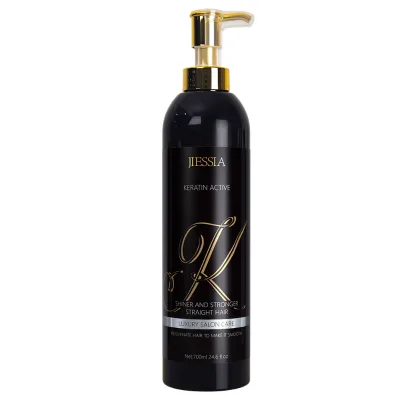


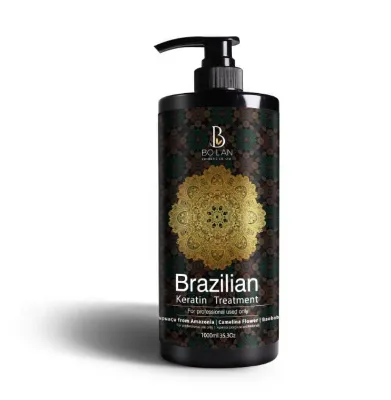
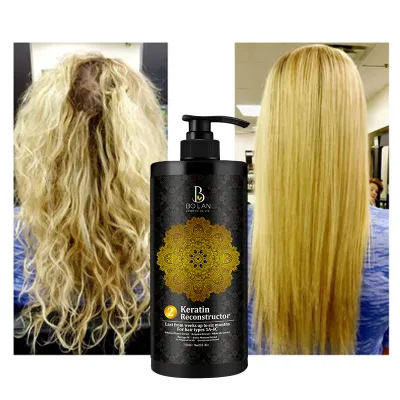
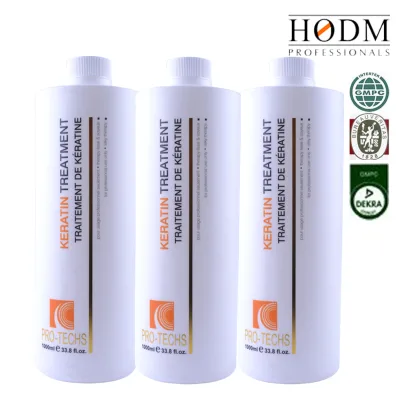
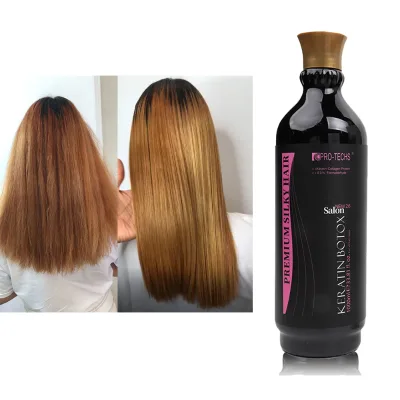








Comprehensive Sourcing Guide
Nourishing Keratin Hair Treatment Supplier Concentration and Factory Types
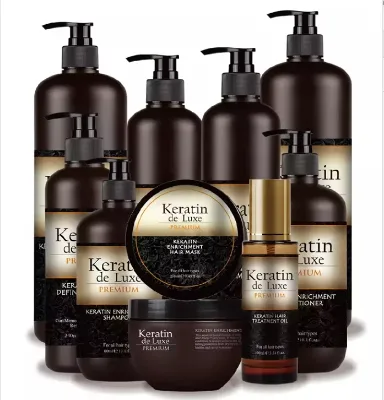
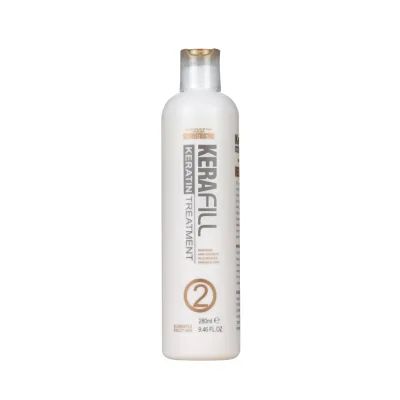
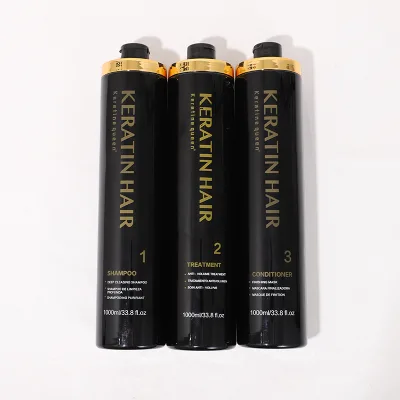
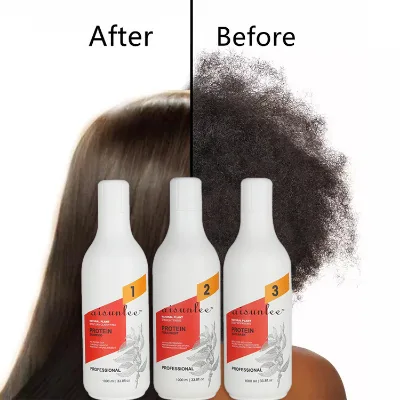
Buyers sourcing a Nourishing Keratin Hair Treatment will find the supplier landscape concentrated in personal care manufacturing regions, and the supplier results on this page point to Guangdong, China as the place of origin for several keratin treatment products. This province is a well-established cluster for hair care formulation and filling, which matters practically: nearby suppliers of bottles, pumps, cartons, and keratin raw material shorten component sourcing and make smaller custom runs feasible. When a listing states a place of origin, treat it as a clustering signal and shortlist multiple suppliers within that region so factory audits, sample shipments, and consolidation into one container remain practical.
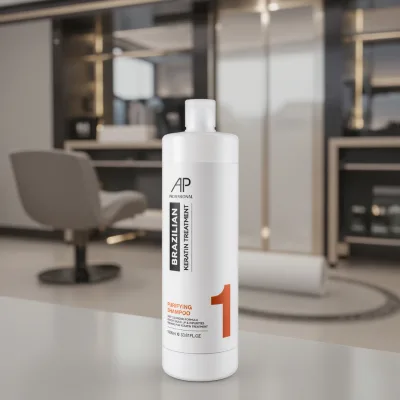
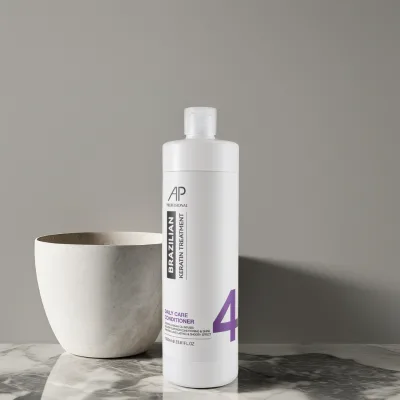
The factory types visible in these results fall into two broad groups. Some companies identify as manufacturers, listing main products such as hair color cream, hair shampoo, hair wax, hair mask, and keratin treatment, which suggests in-house formulation and production lines. Others identify as trading companies, listing similar product categories but relying on partner factories for production. Neither type is inherently better: manufacturers usually offer deeper formula control and factory pricing, while trading companies may aggregate multiple product lines and handle export paperwork more smoothly. Many suppliers on B2B platforms operate as hybrid Manufacturer and Trading Company entities, so the label alone does not settle the question. Ask each candidate directly which products they produce themselves and which they source from partner factories before comparing quotations.
How to Verify Nourishing Keratin Hair Treatment Suppliers
Verification should start with the platform-displayed credentials, then move to independently confirmed evidence. In these results, some suppliers carry third-party verification by SGS Group, which indicates an on-site or documentary check of the business identity rather than a self-declared claim. System certifications displayed include ISO 9001, IEC 62321, SDS, CE, and CPNP. ISO 9001 relates to quality management systems, SDS matters for chemical safety documentation of keratin and other cosmetic ingredients, and CPNP is relevant for placing cosmetics on the European market. Confirm with each supplier which certificates apply to the specific keratin treatment product, request certificate copies, and check issuing bodies rather than trusting listing badges alone.
Beyond documents, test responsiveness and product knowledge. One supplier in these results shows a response time of about two hours, which is a useful benchmark when comparing candidates; slow responses during the inquiry stage usually worsen after a deposit is paid. Ask technical questions that only a real formulator or knowledgeable trader can answer: formaldehyde-free status of the keratin formula, hydrolyzed keratin concentration, whether argan oil or bamboo charcoal variants exist, and stability testing for a 500ml or 700ml cream. Request free samples where offered, as one listing advertises, and check batch consistency. Finally, verify the stated manufacturing experience claims, such as fifteen years in the industry, against business licenses and export records instead of accepting listing text at face value.
What to Compare Across Nourishing Keratin Hair Treatment Suppliers
Build a comparison table using the attributes suppliers actually display, without assuming every supplier shows the same fields. Useful dimensions include company type (manufacturer versus trading company), verified status, system certifications, location, response time, lead time, and main products. Lead times in these results range from about fifteen days to about twenty-five days, a spread that materially affects replenishment planning for salon or retail channels. Response time differences of even a few hours compound across a sourcing cycle, so record the time to first substantive reply, not just a chat acknowledgment. Main product ranges such as keratin treatment, hair color cream, shampoo, and hair styling tell you whether keratin is a core line or a side offering.
Compare product-level economics next. Listed unit prices for keratin treatments in these results cluster roughly between the mid-two-dollar and low-four-dollar range, but treat listed prices as negotiation anchors rather than final costs, since formulation, volume (500ml versus 700ml), and packaging change the number. MOQ also varies sharply by product and service type: one listing shows a minimum order as low as two units for stock goods, while custom OEM or ODM production at one supplier starts around five thousand pieces. Put these figures side by side with in-stock versus made-to-order status, private label availability, and free-sample policies. A supplier with higher unit pricing but low MOQ and in-stock goods may beat a cheaper OEM quote when you need speed.
Common Nourishing Keratin Hair Treatment Sourcing Risks
The most serious risk in this category is formula misrepresentation. Keratin treatments are chemical products, and claims such as "formaldehyde-free" appear in supplier listings but must be validated through third-party testing of actual production batches, not catalog text. Another common failure is substituting ingredients after the sample stage, for example reducing keratin content or swapping argan oil for a cheaper silicone, which is hard to detect without a retained reference sample and periodic lab checks. Confirm compliance documentation for your destination market early, because cosmetic import rules differ by region and a supplier whose paperwork satisfies one market may fail another.
Operational risks follow the same pattern. Suppliers listing both manufacturer and trading company status may outsource your order to an unknown factory, so require written disclosure of the actual production site. Long lead times, such as the twenty-five-day figure shown in one result, can slip during peak season, so build buffer stock or penalty clauses into agreements. Quality consistency across production runs is a chronic issue in creams and treatments; specify pH range, viscosity, fragrance, and packaging tolerances in a signed specification sheet. Finally, beware of unusually low quoted prices compared with the displayed ranges on this page, which sit in the two-to-four-dollar band for comparable products. Prices far below that typically signal diluted formulas, near-expiry stock, or bait pricing followed by upsells.
Nourishing Keratin Hair Treatment Regional Sourcing and Logistics
The clearest regional signal in these supplier results is Guangdong, China, listed as the place of origin for multiple keratin treatment products. Sourcing within a single established cluster offers logistics advantages: shorter domestic legs from factory to port, more freight forwarder options familiar with cosmetics export, and the possibility of combining orders from several suppliers in one consolidated shipment. If your search returns suppliers from other regions, evaluate each location on its own merits rather than assuming equivalence, and ask about proximity to the nearest seaport and typical export lanes to your market.
Logistics planning should account for the physical profile of the products. Keratin treatments in these listings ship as creams in 500ml and 700ml bottles, with single gross weights ranging from under one kilogram to around twenty-two kilograms for bulk packaging, which affects carton configuration and freight cost calculations. Chemical-based cosmetics can be subject to shipping restrictions on certain carriers, so confirm documentation such as SDS availability before booking. Standard quoted lead times of fifteen to twenty-five days cover production but not ocean transit, customs clearance, or destination testing, so map the full timeline from deposit to shelf. For urgent replenishment, ask which items are genuinely in stock, since in-stock goods at factory price are explicitly advertised for some products and can compress the cycle substantially compared with made-to-order OEM runs.
Nourishing Keratin Hair Treatment Commercial Terms and Order Planning
Commercial terms decide whether a good quotation becomes a good order. Start by matching MOQ structure to your channel: listings here show minimums as low as two units for stock products, suitable for market testing, while OEM or ODM custom production at one supplier requires around five thousand pieces, suitable for established private label programs. Negotiate unit prices within or below the displayed bands, roughly 2.38 to 4.43 US dollars across these keratin listings, by bundling volumes, simplifying packaging, or committing to repeat orders. Clarify what free sample offers include, since sample shipping cost is often charged even when the sample itself is free.
Order planning should then lock down the details that generate disputes. Put the agreed formula, volume (for example 500ml or 700ml), brand, model number, and packaging dimensions into a written specification with a golden sample retained by both parties. Align payment milestones with production stages, and consider trade assurance or escrow-style arrangements where the platform offers them, since one supplier type in these results supports such protection while others may require direct negotiation. Reconfirm the lead time in the contract rather than relying on the listing figure of fifteen or twenty-five days. Finally, plan reorder cadence around the supplier's real production calendar: for a Nourishing Keratin Hair Treatment sold into salons and spas, seasonal demand peaks will collide with factory capacity unless orders are placed well ahead.
FAQs
What is the price range for keratin hair treatments?
Prices for keratin hair treatments typically range from $2.38 to $4.43 per unit. This range depends on specific product features, volume, and supplier pricing strategies. Buyers should check individual listings for exact costs based on order quantity and customization needs.
What is the minimum order quantity for these products?
The minimum order quantity can be as low as 2 units for some items. Other products may require higher volumes, such as 5000 pieces for OEM or ODM services. Buyers should verify the specific MOQ for each product listing before placing an order.
How long does production take for keratin treatments?
Lead times for keratin hair treatments vary, with some suppliers offering production within 15 days. Other listings indicate a lead time of up to 25 days. Buyers should confirm the specific production schedule with the supplier to ensure timely delivery for their projects.
Are these keratin treatments formaldehyde-free?
Yes, many keratin hair treatments listed are explicitly described as formaldehyde-free. These products often highlight safety features like being suitable for damaged hair and providing smoothing effects without harmful chemicals. Buyers should review product details to confirm the absence of formaldehyde.
What certifications do these suppliers hold?
Suppliers often hold certifications such as ISO 9001, CE, and CPNP. Some products also comply with IEC 62321 standards and include SDS documentation. These certifications indicate adherence to quality and safety regulations, ensuring the products meet international standards for personal care items.
Can suppliers provide custom branding or OEM services?
Yes, many suppliers offer OEM and ODM services for keratin hair treatments. Buyers can request custom branding, private labeling, and specific formulations. Some suppliers have a minimum order quantity of 5000 pieces for these customized services, allowing for tailored product development.
Where are these keratin treatment manufacturers located?
Most keratin treatment manufacturers are located in Guangdong, China. This region is known for its robust manufacturing capabilities in personal care products. Buyers can source products directly from these suppliers, benefiting from established supply chains and competitive pricing in the area.