Nourishing Hair Regrowth Oil Suppliers and Manufacturers
Source 17 verified suppliers for Nourishing Hair Regrowth Oil. Compare OEM/ODM capabilities, certifications like GMP and CE, lead times, and MOQs. Contact suppliers directly to request samples and pricing; review the available evidence before requesting comparable quotations from suitable candidates.
Suppliers List

Guangzhou Chingo Cosmetic Co., Ltd.
- Verified by TUVRHEINLAND
- Combined
- China Guangdong
- Lead time15 days
- Avg. response≤ 9h
Main productsHair Regrowth Oil, Hair Regrowth Shampoo, Hair Regrowth Spray, Hair Regrowth Powder, Face Mask, Face Cream, Face Serum, Hand Lotion, Body Lotion, Face Cleanser
Main marketsDomestic,North America


Multi Nourishing Refreshing Deep Absorption Non Rough Smoothing Beard Growth Oil
$1.65 - $2.15
MOQ: 1000 Pieces


Guangzhou Mebamy Cosmetics Co., Ltd.
- Verified by TUVRHEINLAND
- Manufacturer/Factory
- China Guangdong
- Lead time15 days
- Avg. response≤ 5h
Main productsFace Serum, Soap, Face Cream, Sunscreen, Eyelash Growth Serum, Teeth Whitening, Face Mask, Facial Cleanser, Essential Oil, Hair Care Series
Main marketsNorth America,Western Europe


Repair Hair Smooth and Improve Dry and Frizzy Hair Care Hair Growth Oil
$2.50 - $2.69
MOQ: 1000 Pieces

Guangzhou Caiwei Biotechnology Co., Ltd.
- Manufacturer
- Guangdong, China
- Lead time25 days
- Avg. response≤ 3h
Main productsFace Serum & Cream & Oil and Mask,Eye Serum & Cream & Mask,Hair Care,Body Care,Beauty Salon Products
Main marketsNorth America(70.00%), Western Europe(20.00%), South Asia(3.00%), Southern Europe(3.00%), Northern Europe(2.00%), Central America(2.00%)

Suzhou Darpool Import and Export Co., Ltd.
- Verified by BV
- Trading Company
- China Jiangsu
- Lead time15 days
- Avg. response≤ 2h
Main productsShampoo, Body Lotion
Main marketsSoutheast Asia/ Mideast

- Verified by BV
- Trading Company
- China Guangdong
- Lead time15 days
- Avg. response≤ 8h
Main productsShampoo, Hair Care, Hair Styling, Hair Dry Product, Conditioner, Body Product, Skin Product
Main marketsDomestic,North America

Guangzhou Sevich Biology Technology Co., Ltd.
- Verified by SGS
- Trading Company
- China Guangdong
- Lead time15 days
- Avg. response≤ 5h
Main productsHair Building Fibers, Hair Fiberes, Keratin Hair Fibers, Keratin Fiber Powder, Hair Fibers Building, Hair Loss Treatment, Hair Loss Concealer, Hair Loss Men, Hair Loss Women
Main marketsSouth America,Southeast Asia/ Mideast,East Asia(Japan/ South Korea),Europe,Australia,North America

New Arrival Regrowth Serum Treatment Conditioners Hair Oils for Hair Growth
$1.34 - $1.89
MOQ: 500 Pieces


Factory Wholesale Smoothing Repairing Hair Regrowth Serum Ginger Hair Growth Oil
$1.34 - $1.89
MOQ: 500 Pieces


Guangzhou Olehana Biotechnology Co., Ltd
- Verified by BV
- Manufacturer/Factory
- China Guangdong
- Lead time45 days
- Avg. response≤ 17h
Main productsFace Serum, Face Cream, Skin Care Set, Hair Growth, Beauty Device, Lip Gloss, Lip Stick, Lip Balm, Beard Care, Body Care
Main marketsEastern Europe,North America,Western Europe

$1.80 - $2.50
MOQ: 480 pieces

Private Label 100% Pure Natural Hair Growth Rosemary Essential Hair Growth Oil for Hair Regrowth
$1.80 - $2.50
MOQ: 480 Pieces

Fully Cosmetic (GZ) Co., Limited
- Verified by TUVRHEINLAND
- Trading Company
- China Guangdong
- Lead time30 days
- Avg. response≤ 6h
Main productsHair Building Fibers, Hair Dye Fast Color Mousse, Hairline Powder, Hair Dye, Hair Shampoo, Spray Applicator, 360 Degree Mirror, Fastcolor Comb, Hair Conditioner, Hairline Optimizer
Main marketsOthers(foreignTradeCapacity.exportBusinessCapacityMarketOther)


Factory OEM Custom Logo Natural Nourishes Hair Care Products Hair Growth Oil Hair Serum
$5.70
MOQ: 10000 Pieces


Shandong Shiyi Trading Co., Ltd.
- Verified by CTI
- Trading Company
- China Shandong
- Lead time15 days
- Avg. response≤ 14h
Main productsHealth and Care, Cosmetics
Main marketsAfrica,Europe,North America


5% Unoxidil Hair Nourishing Serum Nourishing Powerful Hair Care Growth Serum
$0.85 - $1.85
MOQ: 48 Pieces


Guangzhou Guocui Biological Technology Co., Ltd.
- Verified by TUVRHEINLAND
- Combined
- China Guangdong
- Lead time15 days
- Avg. response≤ 6h
Main productsSkin Care, Face Care, Body Care, Hair Care, Makeup, Essential Oil, Beard Care, Lipstick, Neck Care, Facial Essence
Main marketsDomestic

Beard Care Hair Loss Control Nourishing Strengthen Repair Hair Growth Essential Oil
$1.39 - $1.99
MOQ: 500 Pieces

Natural Reduce Hair Loss Unchoke Pores Moisturizing Frizz Hair Growth Essential Oil
$1.79 - $2.66
MOQ: 500 Pieces

Guangzhou Aixin Cosmetic Co., Ltd.
- Verified by TUVRHEINLAND
- Trading Company
- China Guangdong
- Lead time15 days
- Avg. response≤ 5h
Main productsSkin Care, Cosmetic, Face Mask, Beauty, Body Scrub, Face Care, Body Care, Skin Care Product, Mask, Cream
Main marketsDomestic

Beauty Cosmetics Skin Care Hair Growth Oil Prevent Hair Loss Argan Oil Hair Oil
$1.85 - $2.85
MOQ: 100 Pieces


Beauty Cosmetics Skin Care Baldness Herbal Anti-Hair Loss Hair Growth Oil
$2.20 - $3.00
MOQ: 100 Pieces


Beauty Cosmetics Hair Care Loss Repairing Nourishing Hair Treatment Onion Hair Growth Oil
$2.00 - $2.80
MOQ: 100 Pieces

Reina Cosmetics (Guangzhou) Co., Ltd.
- Manufacturer/Factory
- China Guangdong
- Lead time30 days
- Avg. response≤ 25h
Main productsSkin Care Products, Hair Care Products, Personal Care Products, Hair Color and Perm Products, Sunscreen Products, Minoxidil, Suncare Products, Body Care Products, OTC Personal Care, Aerosol Personal Care
Main marketsSouth America,Eastern Europe,Mid East,North America,Southeast Asia,Eastern Asia,Oceania,Western Europe

Discount Biotechnology (Chengdu) Co., Ltd.
- Verified by SGS
- Trading Company
- China Sichuan
- Lead time23 days
- Avg. response≤ 6h
Main productsHealth Supplement, Energy Supplement, Honey Supplement, Functional Gummy, Energy Drink, Sports Supplement, Energy Pouches Customization, Diabetic Supplement, Feminine Health, OEM Oral Strips
Main marketsSouth America,Eastern Europe,Mid East,North America,Southeast Asia,Western Europe,Africa


Hot Sale 100% Organic Herbal Anti-Hair Loss Oil Strengthening Nourishing Hair Growth Oil
$1.50 - $2.50
MOQ: 100 Pieces

Guangzhou Tinsun Biotechnology Company Limited
- Combined
- China Guangdong
- Lead time15 days
- Avg. response≤ 8h
Main productsSkin Care
Main marketsEast Asia(Japan/ South Korea),Australia,North America

Wholesale Biotin Hair Repairing Prevent Hair Loss Hair Treatment Regrowth Essential Oil
$2.65 - $2.85
MOQ: 100 Pieces

$2.65 - $2.85
MOQ: 100 Pieces

Rhine International Biotechnology (Guangdong) Co., Ltd.
- Verified by CTI
- Manufacturer/Factory
- China Guangdong
- Lead time23 days
- Avg. response≤ 6h
Main productsSkin Care, Face Serum, Face Cream, Eye Cream, Body Lotion, Cosmetics, Makeup, Lipstick, Lip Gloss, Lip Balm
Main marketsSouth America,Eastern Europe,Mid East,North America,Southeast Asia,Eastern Asia,Oceania,Western Europe,Africa

Private Label Natural Hair Treatment Regrowth Thickening Anti Loss Hair Growth Oil
$1.40 - $1.50
MOQ: 200 Pieces


Guangzhou Jimei Biology Technology Co., Ltd.
- Trading Company
- Guangdong, China
- Lead time0 days
- Avg. response≤ 1h
Main productsAnti-spot serum/Eyelash Growth Serum,whitening/Bleaching cream,Hair Growth Oil/shampoo,Slimming Cream,Body lotion
Main marketsNorth America(30.00%), South America(20.00%), Africa(13.00%), Domestic Market(7.00%), Eastern Europe(5.50%), Western Europe(5.00%), Southern Europe(5.00%), Oceania(5.00%), Northern Europe(3.00%), Southeast Asia(2.00%), Eastern Asia(2.00%), South Asia(1.00%), Mid East(1.00%), Central America(0.50%)
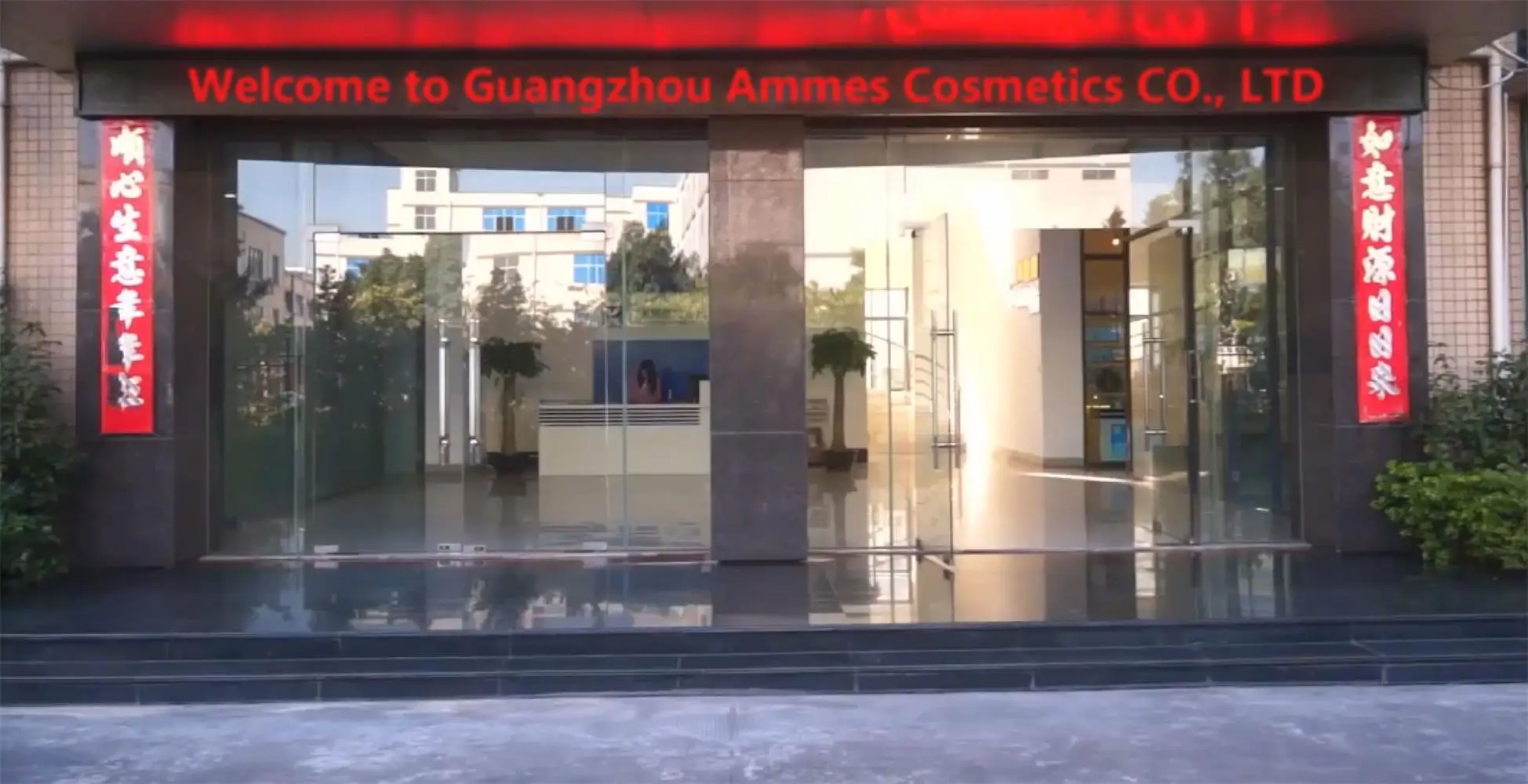
Guangzhou Ammes Cosmetics Co., Ltd.
- Manufacturer, Trading Company
- Guangdong, China
- Lead time15 days
- Avg. response≤ 3h
Main productsFace Serum,Face Cream,Beauty /Nail Salon Spa,Manicure Pedicure Preparation,Body Scrub/ Lotion
Main marketsNorth America(24.00%), Domestic Market(10.00%), Western Europe(10.00%), Mid East(9.00%), South Asia(8.00%), Southeast Asia(8.00%), Eastern Europe(5.00%), Central America(5.00%), South America(5.00%), Oceania(5.00%), Africa(5.00%), Northern Europe(2.00%), Eastern Asia(2.00%), Southern Europe(2.00%)


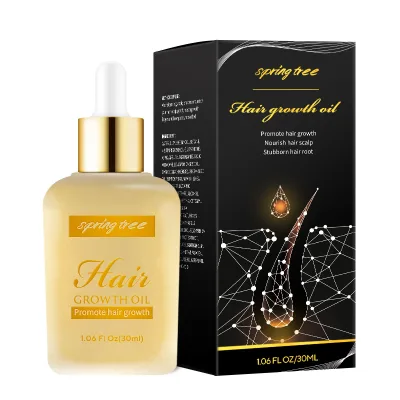
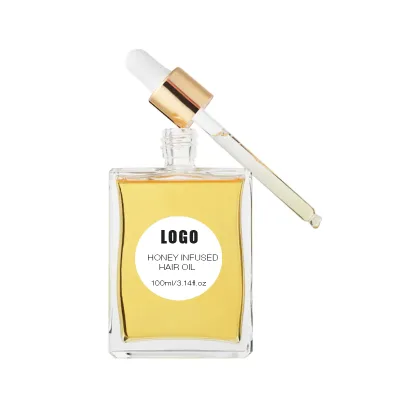
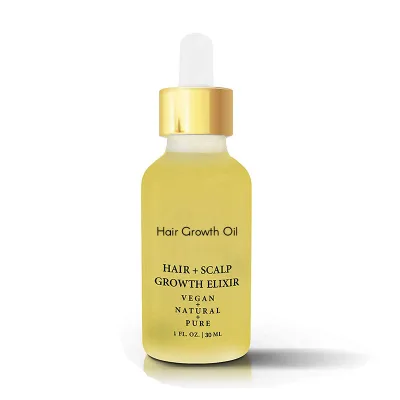
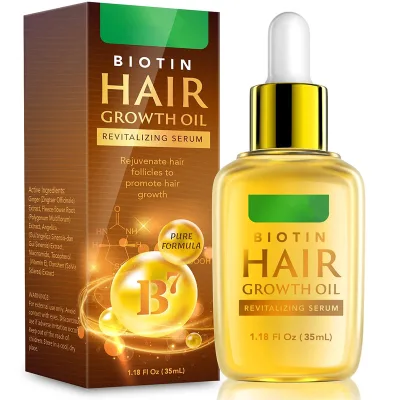
Comprehensive Sourcing Guide
Nourishing Hair Regrowth Oil Supplier Concentration and Factory Types
When you begin sourcing Nourishing Hair Regrowth Oil, the first structural question is where the manufacturing base actually sits. Supplier listings in this category frequently show locations in Guangdong, China, which signals a genuine personal-care manufacturing cluster rather than a scattering of isolated traders. Guangdong's concentration matters because it supports adjacent supply chains: packaging component makers, printing houses for private-label boxes, and contract laboratories accustomed to blending botanical and essential-oil-based formulas. When a location is confirmed in supplier data, you can weigh it against your import route and freight assumptions; when it is not, you should never assume a cluster exists and must instead verify origin through business licenses, product-origin declarations such as a listed prod_origin field, and third-party inspection reports before committing to samples or tooling.
Factory type is equally decisive. The supplier results show at least two distinct models: a combined company handling both manufacturing and trading functions, and a dedicated manufacturer/factory operation. Combined companies can be useful when you want one point of contact for multiple product lines—these particular listings span hair oils, shampoos, sprays, face masks, creams, serums, and lotions. A pure factory may offer tighter process control but a narrower range. Check the company_type field and the declared research-and-development capacity: listings here show OEM, ODM, and own-brand capabilities in various combinations. An ODM-capable partner can formulate for you; an OEM-only partner executes your formula. Matching that capability to your brief prevents wasted sampling cycles.
How to Verify Nourishing Hair Regrowth Oil Suppliers
Verification for Nourishing Hair Regrowth Oil should start with platform-level verification status and then move to evidence you control. Some listings carry independent verification, such as TÜV Rheinland status, which indicates an on-site or document audit by an external body; others show no system certification at all, which is not automatically disqualifying but shifts more of the burden onto you. For factory-type suppliers, look for GMP-related claims in product attributes—several listings in this category cite CE, GMP, and MSDS on individual products—but treat product-attribute claims as claims, not certificates, and request the underlying certificate documents directly. Always confirm that any certificate number, scope, and validity period match the legal entity you are contracting with.
Beyond paperwork, verify operational substance. Response-time data gives one signal: listings in this category show average response figures ranging from roughly four and a half to eight hours, and a slow responder during sourcing usually gets slower after the deposit. Request a live video walkthrough of the filling, blending, and packaging lines for the specific oil SKU, and ask which machines would run your order. Order a sample from the same batch line intended for production, retain a sealed reference sample, and consider a third-party pre-shipment inspection. For a topical product applied to skin and scalp, ask for ingredient documentation and safety data sheets for the finished formula. Never rely on marketing keywords alone—several product listings in this category use nearly identical descriptive language, so differentiation must come from verifiable documents.
What to Compare Across Nourishing Hair Regrowth Oil Suppliers
Build a comparison matrix before contacting anyone, and populate it only from attributes actually displayed. Relevant dimensions in this category include lead time, minimum order quantity, response speed, location, company type, verification status, main product lines, and customization services. The spread is real: one product listing shows a 15-day lead time and an MOQ of 1,000 units at a unit price range of roughly USD 1.65 to 2.15 for a 30ml beard-regrowth oil, while another factory's hair-growth oil lists an MOQ of 3,000 units at USD 1.45 to 2.25 for 50ml. A third listing shows prices from USD 0.88 to 1.68 for a 30ml pure essential-oil format, and a larger 150ml format reaches USD 7.50 at the top of its range. These are listing figures, not negotiated quotes, but they tell you where each supplier positions itself.
Compare breadth too. One combined-type supplier's catalog spans hair oils, shampoos, sprays, powders, and a full facial and body-care range, which suits buyers consolidating SKUs. A factory-type supplier lists serums, soaps, sunscreens, eyelash serums, whitening products, and hair-care lines, with OEM/ODM explicitly declared. Also compare declared services: one listing advertises custom formula, design, packing, and photography support with a three-year warranty statement, while others simply mark customization as available. Note what is missing as well—not every supplier displays establishment year, escrow terms, or certification data, and absence of a displayed attribute is not evidence of a problem, only of a gap you must close through direct questions and document requests before shortlisting.
Common Nourishing Hair Regrowth Oil Sourcing Risks
The most common risk in this category is conflating listing claims with audited fact. Multiple product listings use overlapping keyword sets—nourishing, smoothing, anti-hair-loss, follicle-nourishing, natural formula—sometimes with near-identical phrasing across supposedly different products. This suggests reseller duplication or template marketing, which increases the risk that two "different" suppliers quote the same underlying factory. Counter it by asking each candidate for photos of their own production environment, batch codes, and the legal entity on invoices, then cross-checking those details. A related risk is certification ambiguity: one supplier shows no system certification while others attach CE, GMP, or MSDS claims to individual products only. A product-level claim does not certify the whole factory, so clarify scope before assuming compliance.
Formula and consistency risks follow. Regrowth and anti-loss claims are function claims; some jurisdictions restrict what a cosmetic product may assert, so marketing copy copied from a supplier listing can create regulatory exposure in your market. Require the full ingredient list, stability information, and confirm whether any efficacy claim is substantiated. Another risk is capacity mismatch: a supplier whose listing spans ten product categories may prioritize larger accounts during peak season, delaying your 1,000-unit order behind bigger runs. Lead-time figures—14 to 21 days on one listing, 15 days on another—typically exclude raw-material shortages and peak-season congestion. Finally, beware payment risk: one listing names T/T, Western Union, and Money Gram as terms. Wire-transfer-based channels without platform protection offer little recourse, so structure payments against milestones and inspection acceptance.
Nourishing Hair Regrowth Oil Regional Sourcing and Logistics
The confirmed regional signal in this category is Guangdong, China, appearing both as supplier location and as product origin on individual listings. Sourcing from a Guangdong cluster affects logistics concretely: proximity to major South China ports supports consolidated sea freight and reasonably frequent sailings to most markets, and regional airfreight hubs suit launch quantities and sample shipments. Liquids complicate packing—regrowth oils are typically flammable-classified or restricted for air transport depending on formulation, so ask each supplier for the product's transport classification and MSDS before booking air freight. One listing's origin field simply states "China" without province, which is common; when regional detail is absent, confirm the actual dispatch point because inland origins add domestic trucking cost and days to your schedule.
Plan logistics around the lead-time figures shown: 15 days and a 14-to-21-day window appear on listings here, but these cover production only. Add sample courier time, formula confirmation, packaging printing—customized boxes are the declared packing format on one listing—and QC, then add ocean transit and customs clearance to reach a realistic landed calendar. Liquids also drive freight cost by weight and volume rather than value, so the 30ml, 50ml, 60ml, 120ml, and 150ml formats seen in this category have very different freight economics per unit. Confirm carton dimensions, gross weight, and whether cartons are palletizable, and verify export documentation experience with cosmetics for your destination market before choosing the supplier who only offered the lowest unit price.
Nourishing Hair Regrowth Oil Commercial Terms and Order Planning
Commercial terms in this category are negotiable but display a usable baseline. One combined-type supplier's listing states payment terms of T/T, Western Union, and Money Gram, an MOQ of 1,000 units, a 14-to-21-day lead time, private-label availability, and customization across formula, design, packing, and product photography. A factory-type competitor lists MOQs of 3,000 units on a hair-growth oil. Use displayed figures as anchors, not as final terms: ask what the MOQ buys—a stock formula with your label costs less than a custom ODM formula, which may carry separate formulation or plate charges. Where MOQs block a first order, propose a paid pilot batch or a higher unit price for a reduced first run, then tier pricing as volumes grow.
Plan orders in stages. Stage one: sample and reference-sample approval, with the three-year warranty statement on one listing noted as product shelf-life support rather than a contractual guarantee. Stage two: a pilot production run inspected against a written specification covering fill volume, viscosity, fragrance, color, cap torque, and carton print. Stage three: repeat orders under a frame agreement fixing price bands—listed ranges like USD 0.88–1.68 or 1.45–2.25 will move with raw-material costs—and delivery windows. Tie deposits to milestone deliverables and final balances to passed inspection. Keep regulatory and claim language owned by you, since suppliers' keyword-heavy listings are marketing, not compliance. Document every agreed term in writing before any funds move, and revisit terms annually as your volumes justify better pricing.
Word count check: each section 225–235; total approximately 1380.
FAQs
What MOQ should I expect when sourcing Nourishing Hair Regrowth Oil?
MOQs for Nourishing Hair Regrowth Oil typically start around 1000 units per SKU, though some manufacturers list minimums of 3000 units. The MOQ depends on whether you choose an existing formula or a custom one, since custom formulations require higher production runs. Always confirm the per-SKU minimum before requesting samples.
How long does production take for hair regrowth oil orders?
Lead times generally run 14 to 21 days for beard and hair regrowth oils once the order is confirmed, with some suppliers quoting around 15 days average. Custom packaging, private labeling, and new formulas can extend the timeline. Confirm the exact lead time in writing before placing a deposit.
Can I order private label hair regrowth oil with my own branding?
Yes, many manufacturers offer private label services on Nourishing Hair Regrowth Oil, including custom formulas, packaging design, and logo printing. Some also provide product photography as part of the customization package. Expect customization-friendly terms such as OEM/ODM models, and verify which services are included in the quoted unit price.
What certifications should a hair regrowth oil manufacturer have?
Look for GMP system certification as a baseline for cosmetics manufacturing, and check whether individual products carry MSDS and CE documentation. Third-party verification of the company profile is also useful. Certification requirements vary by destination market, so confirm which documents your customs authority requires before finalizing the supplier.
How quickly do suppliers typically respond to inquiries?
Response times vary widely between suppliers of Nourishing Hair Regrowth Oil, ranging from under 5 hours to around 8 hours on average. Faster responders are often better for urgent sampling and production coordination. Test responsiveness with a detailed first inquiry covering MOQ, lead time, and customization before committing to a supplier.
What bottle sizes are common for hair and beard regrowth oils?
Common sizes include 30ml dropper bottles for beard oils, 50ml and 60ml bottles for scalp treatments, and larger 120ml to 150ml formats for nourishing scalp oils. Size choice affects unit cost and shipping volume. Confirm that your preferred size supports private label packaging before requesting quotes.
What price range should I budget per unit for regrowth oil?
Wholesale unit prices commonly range from under one dollar to several dollars depending on bottle size, formula type, and order volume. Smaller 30ml beard oils tend toward the lower end, while larger organic formulas cost more. Request tiered pricing based on your target MOQ to compare true landed cost.
Which regions are the main manufacturing hubs for hair regrowth oil?
Guangdong province in China is a major hub, with many verified manufacturers and combined trading-manufacturing companies producing hair regrowth oils, beard oils, and complementary personal care products. Clustering there supports access to packaging, raw materials, and OEM/ODM services. Verify each supplier's exact location and factory status independently before ordering.