Oil Return Pipe Suppliers and Manufacturers in China
Compare 13 verified suppliers of Oil Return Pipe based on location, certifications, lead times, and response rates. Review product specifications and pricing to select the right partner for your needs; review the available evidence before requesting comparable quotations from suitable candidates.
Suppliers List
Jinjiang Sidebo Technology Industrial Co., Ltd.
- Verified by CTI
- Trading Company,Manufacturer/Factory
- China Fujian
- Lead time23 days
- Avg. response≤ 4h
Main productsEngine Cylinder Block, Oil Pan Sump, Timing Cover, Oil Pickup Screen Connection Suction Strainer, Oil Dipstick and Lead Tube, Aluminum Oil Pan, Engine Oil Pump, Oil Pan and Cylinder Head Gasket, Expansion Freeze Plugs, Cylinder Head
Main marketsSouth America,North America,Western Europe

Shijiazhuang Standards Rubber Products Trading Co., Ltd.
- Verified by SGS
- Trading Company,Manufacturer/Factory
- China Hebei
- Lead time23 days
- Avg. response≤ 16h
Main productsFuel Line, Fuel Return Line, Fuel Line Connectors, Silicone Hose, Rubber Hose, PVC Hose, Hydraulic Hose, Pneumatic Coupling, Crankcase Breather Hose, Hydraulic Fittings
Main marketsSouth America,Eastern Europe,Mid East,North America,Southeast Asia,Eastern Asia,Oceania,Western Europe,Africa

HaiYan OuYaTe Automobile Fittings Co., Ltd.
- Verified by TUVRHEINLAND
- Combined
- China Zhejiang
- Lead time23 days
- Avg. response≤ 21h
Main productsRubber Hose /Silicon Hose/Intake Hose, Brake Lining, Rubber Parts for Auto, High Strength Wheel Bolt, Oil Seal, Fan Belt, Engine Mounting, Steel Bumper Block, Extrusion Hose, Brake Friction Material
Main marketsDomestic
HEBEI JINXING TECHNOLOGY CO LTD
- Combined
- China Hebei
- Lead time15 days
- Avg. response≤ 2h
Main productsBrake Hose, Rubber Hose, Steel Braided Hose, Braided Brake Hose, SAE J1401 Brake Hose, PTFE Brake Hose, DOT OEM Brake Hose, Brake Oil Pipe
Main marketsSouth America,Southeast Asia/ Mideast,East Asia(Japan/ South Korea),Europe,North America

Zhejiang Hang Heavy Technology Co., Ltd.
- Manufacturer
- China Zhejiang
- Lead time0 days
- Avg. response≤ 25h
Main productsSteel Pipe, Steel Tube, ERW Steel Pipe, LSAW Steel Pipe, SSAW Steel Pipe, Steel Hollow Section, Welded Steel Pipe, Carbon Steel Pipe, Black Steel Pipe, Oil Pipe
Tianjin Dongfanglong Petroleum Equipment Manufacture Co., Ltd.
- Manufacturer/Factory
- China Tianjin
- Lead time15 days
- Avg. response≤ 14h
Main productsAPI 5CT Tubing and Casing Pipe, API 5CT Tubing and Casing Pup Joint, API 5CT Tubing and Casing Coupling, Down Hole Tools Cementing Tools
Main marketsSouth America,Eastern Europe,Mid East,North America,Southeast Asia,Eastern Asia,Oceania,Western Europe,Africa
Qingdao Restart New Material Technology Co., Ltd
- Verified by SGS
- Combined
- China Shandong
- Lead time15 days
- Avg. response≤ 5h
Main productsCentralized Lubrication Hose, Lubrication Accessories, Test Hose and Fittings, R7/R8 Hose, TPU Hose
Main marketsAfrica,Southeast Asia/ Mideast,East Asia(Japan/ South Korea),Europe,North America

- Verified by SGS
- Trading Company,Manufacturer/Factory
- China Sichuan
- Lead time23 days
- Avg. response≤ 1h
Main productsSteel Pipe, Stainless Steel, Steel Plate, Fitting, Flange
Main marketsSouth America,Eastern Europe,Mid East,North America,Southeast Asia,Eastern Asia,Oceania,Western Europe,Africa
- Verified by SGS
- Trading Company,Manufacturer/Factory
- China Jiangsu
- Lead time23 days
- Avg. response≤ 3h
Main productsStainless Steel Sheet, Steel Plate, Stainless Steel Coil, Stainless Steel Pipe, Steel Pipe, Alloy Steel, Stainless Steel Bar, Steel Strip, Cold Rolled Coil, Seamless Steel Pipe
Main marketsSouth America,Eastern Europe,Mid East,North America,Southeast Asia,Eastern Asia,Oceania,Western Europe,Africa
Inner Mongolia Firmaco Import & Export Co., Ltd.
- Verified by SGS Group
- Manufacturer, Trading Company
- Lead time0 days
Main productsCasting Parts, Railway Wagon, Engineering Machinery, Heavy Duty Truck, Special Vehicle
Main marketsSoutheast Asia(40%), Africa(20%), North America(10%)

Qingdao Yuanding Group Co., Ltd.
- Verified by BV
- Combined
- China Shandong
- Lead time90 days
- Avg. response≤ 7h
Main productsRadiant Tube, Hearth Roll, Annealing Lehr Roller, Alloy Castings, Pattern Roller, Heat Resistant Fiber, Heat Resistant Composite Material
Main marketsSouth America,Southeast Asia/ Mideast,East Asia(Japan/ South Korea),Europe

Rizhao Fenghua Scaffoldings Co., Ltd.
- Verified by BV
- Combined
- China Shandong
- Lead time45 days
- Avg. response≤ 16h
Main productsScaffolding, Scaffold, Forging, Formwork, Scaffold Couplers, Swivel Coupler, Frame System, Hand Tools, Scaffold Plank
Main marketsSouth America,East Asia(Japan/ South Korea),Europe,North America
- Manufacturer/Factory
- China Jiangsu
- Lead time0 days
- Avg. response≤ 25h
Main productsForged Rings, Forging Parts, Forging Rings, Forged Shafts, Forging Flanges, Seamless Rolled Rings, Forged Parts, Forged Flanges, Forging Pipes, Forged Pipe


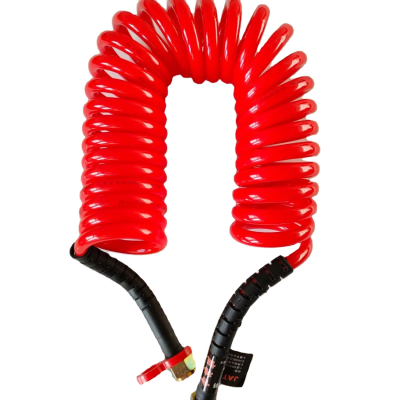
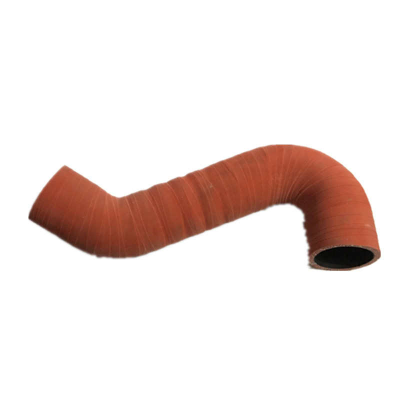


Comprehensive Sourcing Guide
Oil Return Pipe Supplier Concentration and Factory Types
The current supplier landscape for oil return pipes reveals a distinct geographic concentration in China, with active manufacturing and trading entities located in Fujian, Hebei, and Zhejiang provinces. These regions serve as primary hubs for automotive component production, offering buyers access to established industrial clusters that specialize in engine systems and fluid management parts. In Fujian, suppliers often operate as both trading companies and manufacturers, providing a hybrid model that can streamline communication while maintaining direct control over production processes. This dual capability is particularly relevant for complex components like engine cylinder blocks and oil pans, which may require integrated supply chain solutions. Buyers evaluating suppliers in this region should note that the presence of both factory and trading capabilities can influence pricing structures and flexibility in order fulfillment. The concentration of these entities suggests a mature ecosystem where specialized knowledge in metalworking and assembly is readily available, potentially reducing the time required to source high-quality components.
In Hebei and Zhejiang, the supplier types vary slightly, with some entities focusing heavily on specific material types such as plastic or rubber assemblies, while others provide broader automotive parts including fuel lines and hydraulic hoses. Zhejiang suppliers, for instance, may emphasize rubber and silicone hose capabilities alongside metal pipes, indicating a versatility in material handling that can be advantageous for diverse engine requirements. Hebei-based suppliers often highlight their expertise in fuel line assemblies and connectors, suggesting a strong foundation in fluid transfer systems that can be adapted for oil return applications. The diversity in company types, ranging from pure manufacturers to combined entities, allows buyers to select partners based on their specific needs for customization, volume, and technical support. Understanding these structural differences is crucial for aligning supplier capabilities with project requirements, ensuring that the chosen partner can meet both technical specifications and logistical demands.
How to Verify Oil Return Pipe Suppliers
Verification of Oil Return Pipe suppliers requires a multi-layered approach that examines certifications, third-party audits, and response metrics to ensure reliability and quality. Buyers should prioritize suppliers who hold recognized system certifications such as ISO 9001, ISO 14001, and TS 16949, as these indicate adherence to international quality and environmental management standards. The presence of TS 16949 is particularly significant for automotive components, as it demonstrates compliance with the rigorous quality management requirements specific to the automotive industry. Additionally, verification badges from reputable agencies like CTI, SGS, and TÜV Rheinland provide an extra layer of confidence, confirming that the supplier has undergone independent assessment of their facilities and processes. These verifications are critical for mitigating risk, as they offer objective evidence of the supplier’s operational maturity and commitment to consistent product quality. Buyers should actively seek out these credentials during the initial screening phase to filter out entities that may lack the necessary infrastructure for reliable production.
Beyond certifications, assessing the supplier’s response time and verification status can provide insights into their operational efficiency and transparency. Suppliers with faster response times, such as those averaging under four hours, often demonstrate a more agile and customer-centric approach, which can be beneficial for resolving technical queries or addressing production issues promptly. Conversely, slower response times may indicate a higher volume of inquiries or less dedicated customer service resources, which could impact project timelines. Buyers should also consider the supplier’s capacity for customization, as many Oil Return Pipe applications require specific dimensions, materials, or fittings that differ from standard off-the-shelf components. Suppliers that explicitly state support for OEM and ODM services are better positioned to handle bespoke requirements, ensuring that the final product meets exact engineering specifications. By combining certification checks with operational metrics, buyers can build a comprehensive profile of each supplier’s reliability and suitability for their specific sourcing needs.
What to Compare Across Oil Return Pipe Suppliers
When comparing suppliers, buyers must evaluate a range of commercial and operational dimensions to identify the most suitable partner for their specific requirements. Key factors include lead time, minimum order quantity (MOQ), price range, and the scope of main products offered. Lead times can vary significantly, with some suppliers offering turnaround times around twenty-three days, while others may have different production cycles depending on order volume and complexity. MOQs are another critical consideration, as they can range from small batches of one hundred units to larger orders of one thousand or more, impacting inventory management and cash flow. Price comparisons should be conducted carefully, noting that costs can fluctuate based on material choices, such as iron versus plastic, and the level of customization required. Buyers should also examine the supplier’s main product portfolio to ensure they have relevant experience in producing oil return pipes or closely related components like fuel lines and oil pickup tubes.
In addition to basic commercial terms, buyers should assess the technical capabilities and product attributes that differentiate one supplier from another. This includes reviewing the materials used, such as seamless tubes, steel sheet plates, or EPDM rubber, and the production processes employed, such as bending, brazing, or stamping. Suppliers that offer a wide range of certifications, including IATF and various ISO standards, may provide greater assurance of quality consistency. The availability of customization options, such as specific coatings like zinc or unique connection types, can also be a deciding factor for projects with stringent technical requirements. Furthermore, the supplier’s ability to provide detailed product specifications, including dimensions, weights, and packaging standards, is essential for accurate logistics planning and integration into existing supply chains. By systematically comparing these attributes, buyers can make informed decisions that balance cost, quality, and delivery performance, ensuring that the selected supplier aligns with their overall procurement strategy.
Common Oil Return Pipe Sourcing Risks
Sourcing oil return pipes involves several inherent risks that buyers must proactively manage to avoid disruptions and quality issues. One significant risk is the variability in material quality, as components may be manufactured from different grades of iron, steel, or plastic, each with distinct performance characteristics. Without clear specifications and rigorous quality control, buyers may receive parts that do not meet the required durability or temperature resistance standards, leading to premature failure in engine applications. Another risk is the potential for miscommunication regarding customization requirements, especially when dealing with suppliers who offer extensive OEM and ODM services. If technical drawings or specifications are not clearly defined and verified, there is a high likelihood of receiving products that do not fit correctly or function as intended. This can result in costly rework, delays, and additional shipping expenses, impacting the overall project timeline and budget.
Logistical and compliance risks also pose challenges in the sourcing process, particularly when dealing with international suppliers. Differences in packaging standards, such as carton versus bag packaging, can affect the protection of goods during transit, increasing the risk of damage. Additionally, suppliers may not always adhere to the same international standards or certifications, leading to potential compliance issues in the buyer’s home market. For instance, a supplier claiming TS 16949 certification must be verified to ensure the certificate is current and valid for the specific products being supplied. Failure to verify these credentials can result in receiving non-compliant parts that may not be accepted by automotive manufacturers or regulatory bodies. Furthermore, reliance on a single supplier or a limited geographic region can expose buyers to supply chain vulnerabilities, such as production delays due to local disruptions or capacity constraints. Mitigating these risks requires thorough due diligence, clear contractual agreements, and continuous monitoring of supplier performance.
Oil Return Pipe Regional Sourcing and Logistics
Regional sourcing strategies for oil return pipes can significantly impact logistics efficiency and cost structures, depending on the supplier’s location and the buyer’s market. Suppliers located in China, particularly in provinces like Fujian, Hebei, and Zhejiang, offer access to a robust manufacturing ecosystem with established export infrastructure. These regions benefit from proximity to major ports and logistics hubs, facilitating faster and more cost-effective shipping to global destinations. Buyers should consider the specific advantages of each region, such as Fujian’s focus on engine components and Zhejiang’s expertise in rubber and metal assemblies, to align their sourcing decisions with their technical needs. Additionally, the concentration of suppliers in these areas can lead to competitive pricing and greater availability of raw materials, reducing lead times and enhancing supply chain resilience. However, buyers must also account for potential logistical complexities, such as customs clearance and international shipping regulations, which can vary by destination.
Logistics planning should also take into account the supplier’s packaging and handling practices, as these directly affect the condition of the goods upon arrival. Suppliers that use standardized packaging, such as cartons or bags with clear labeling, can simplify inventory management and reduce the risk of damage during transit. Buyers should also evaluate the supplier’s ability to handle large volumes efficiently, as this can impact delivery schedules and storage requirements at the destination. For example, suppliers with high production capacities and established export experience are better equipped to manage bulk orders and ensure timely delivery. Additionally, buyers should consider the environmental impact of their sourcing decisions, as suppliers with ISO 14001 certification demonstrate a commitment to sustainable practices that may align with corporate social responsibility goals. By carefully evaluating regional logistics capabilities and packaging standards, buyers can optimize their supply chain for efficiency, cost-effectiveness, and reliability.
Oil Return Pipe Commercial Terms and Order Planning
Effective order planning for oil return pipes requires a thorough understanding of commercial terms, including pricing structures, payment conditions, and delivery schedules. Buyers should negotiate clear agreements on price ranges, which can vary based on material type, customization level, and order volume. For instance, prices may range from low single digits for basic components to higher amounts for specialized or high-volume orders. It is essential to clarify whether prices include packaging, shipping, and any applicable taxes or duties, as these factors can significantly impact the total cost of ownership. Additionally, buyers should establish clear minimum order quantities (MOQs) and lead times to ensure that production schedules align with project requirements. Suppliers with flexible MOQs and shorter lead times can offer greater agility, allowing buyers to adjust orders based on demand fluctuations or production needs.
Payment terms and escrow services are also critical components of commercial planning, as they provide security for both parties involved in the transaction. Buyers should prioritize suppliers that offer secure payment options, such as escrow services, which hold funds until the goods are received and verified. This reduces the risk of fraud and ensures that payment is only released upon satisfactory delivery. Furthermore, buyers should consider the supplier’s responsiveness and communication practices, as these can influence the smooth execution of orders and the resolution of any issues that may arise. Suppliers with fast response times and dedicated customer service teams are better positioned to address queries and resolve problems promptly, minimizing disruptions to the supply chain. By carefully planning commercial terms and leveraging secure payment methods, buyers can establish a stable and efficient sourcing relationship that supports long-term business success.
FAQs
What is the typical lead time for oil return pipes?
The typical lead time for these components is 23 days. This duration allows for manufacturing and quality checks. Buyers should confirm exact schedules with suppliers before placing orders to ensure timely delivery for their production needs.
What certifications do Oil Return Pipe suppliers hold?
Suppliers commonly hold ISO 9001, TS 16949, and ISO 14001 certifications. These standards ensure quality management and environmental compliance. Some products also meet specific IATF requirements. Buyers should verify current certificates to match their industry standards.
What is the minimum order quantity for these parts?
The minimum order quantity is typically 1000 units for standard items. Some specialized fuel line assemblies may require only 100 units. Buyers should check specific product listings for exact MOQs, as requirements vary by material and customization needs.
Where are these oil return pipes manufactured?
Manufacturing locations include China Fujian, China Hebei, and China Zhejiang. These regions offer diverse supply chains for automotive parts. Buyers can filter results by location to align with logistics preferences or regional sourcing strategies for their specific projects.
What materials are used for oil return pipes?
Common materials include iron, seamless steel tubes, and plastic. Some components use EPDM rubber for heat resistance. Buyers should select materials based on engine type and operating conditions. Customization is available for specific raw material requirements.
What is the price range for oil return pipes?
Prices range from $1.00 to $2.00 for basic steel pipes. Fuel line assemblies may cost between $5.00 and $20.00. Costs depend on material, size, and certification. Buyers should request quotes for accurate pricing based on their volume and specifications.