OBD2 GPS Head Up Display Suppliers and Manufacturers
Compare 28 verified suppliers offering OBD2 GPS Head Up Display units with varying lead times, minimum order quantities, and response speeds. Review product specifications like screen resolution and warranty terms before contacting vendors directly; review the available evidence before requesting comparable quotations from suitable candidates.
Suppliers List
Shenzhen Yarui Technology Co., Ltd.
- Trading Company
- Guangdong, China
- Lead time15 days
- Avg. response≤ 3h
Main productsDiving Hard Boot,Diving Boots,Diving Upstream Boots,Neoprene Wader,Fishing Wader
Main marketsMid East(20.0%), North America(20.0%), Northern Europe(10.0%), Western Europe(10.0%), South America(10.0%), Southeast Asia(10.0%)
Shenzhen Wins Novelty Co., Ltd.
- Manufacturer
- Lead time旺季: "1 - 50":7,"51 - 1000":12,"1001 - 3000":15,"> 3000":"To be negotiated", 淡季: "1 - 50":7,"51 - 1000":12,"1001 - 3000":15,"> 3000":"To be negotiated"
- Avg. response≤ 7h
Main productsCar HUD Head up display,Car OBD2 Gauge,GPS Speedometer,Car OBD2 Scanner,Throttle Controller
Shenzhen Zhiqian Technology Co., Ltd.
- Manufacturer
- Guangdong, China
- Lead time3 days
- Avg. response≤ 5h
Main productscar head up display,Speedometer for car,throttle controller,Tesla hud,OBD2 diagnostic tools
Main marketsNorth America(30.0%), Southeast Asia(25.0%), Eastern Asia(15.0%), Mid East(10.0%), South America(5.0%), Domestic Market(2.0%), Northern Europe(2.0%), Western Europe(2.0%), Southern Europe(2.0%), Eastern Europe(2.0%), Oceania(2.0%), Africa(1.0%), Central America(1.0%), South Asia(1.0%)
Guangzhou Carform Electronice Technology Co., Ltd.
- Trading Company
- Guangdong, China
- Lead time25 days
- Avg. response≤ 6h
Main productsCar Alarm System, Power Window Kit, Car Reverse Camer, Central Locking System, Car Parking Sensor
Main marketsSouth America(30.0%), Eastern Europe(30.0%), Mid East(20.0%), North America(10.0%), Southeast Asia(5.0%), Oceania(3.0%), Western Europe(2.0%)
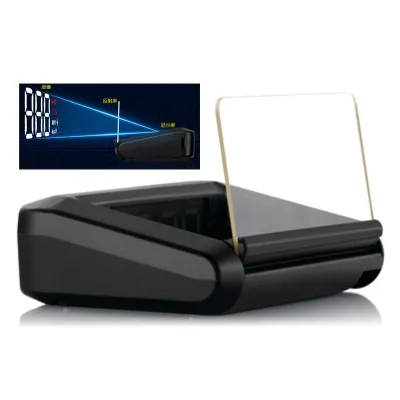
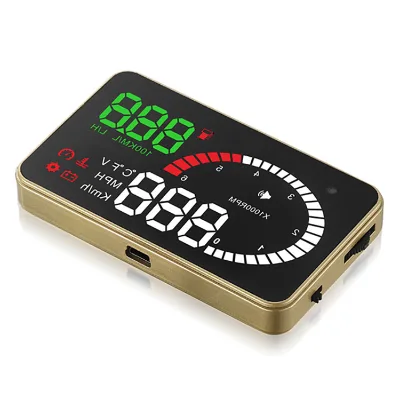
New Car HUD Head up Display Universal OBD GPS Heads up Display Speedometer for All Cars
$11.81 - $13.25
Moq: 10
Aoedi Technology (Huizhou) Co., Ltd.
- Verified by SGS Group
- Manufacturer, Trading Company
- Lead time30 days
- Avg. response≤ 2h
Main productsDashcam, Rearview Mirror Camera, Universal Carplay, Portable Video Recorder
Main marketsNorth America(30%), Western Europe(20%), Southeast Asia(15%)
Shenzhen Leadinway Technology Co., Ltd.
- Verified by TüVRheinland
- Manufacturer, Trading Company
- Lead time0 days
- Avg. response≤ 5h
Main productsCar Bluetooth FM Transmitter, Car Vacuum Cleaner, Bluetooth Adapter, Car Head Up Display
Main marketsNorth America(30%), Oceania(20%), Eastern Asia(20%)
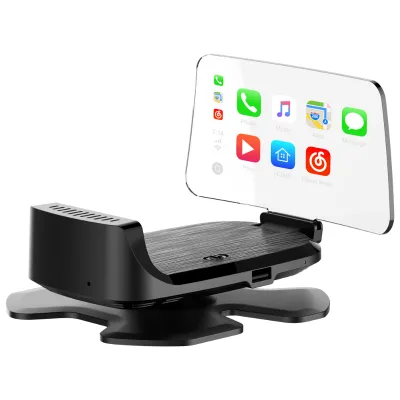
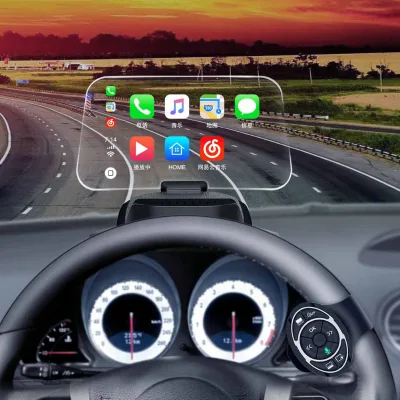
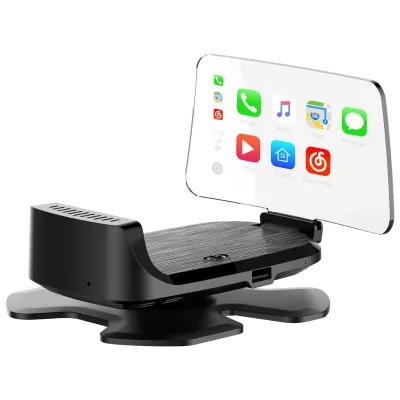
TOP Selling Head up Display for Car Hands Free Car HUD and Remote Control LED Display
$72.10 - $73.00
Moq: 1000

Shenzhen Yilida Technology Co., Ltd.
- Verified by CTI
- Manufacturer/Factory
- China Shandong
- Lead time0 days
- Avg. response≤ 23h
Main productsAutomotive Maitenance Equipment, Car Repair Tool, Automobile Collision Repair Equipment, Car Workshop Equipment, Chassis Straigntener

Topten Electronics Technology Limited
- Verified by TUVRHEINLAND
- Trading Company
- China Guangdong
- Lead time0 days
- Avg. response≤ 12h
Main productsMini GPS Tracker, GPS Tracker, GSM Car Alarm, Car Alarm System, Personal Tracker, Motorcycle Tracker, Car Security, Vehicle Tracker, GPS GPRS Tracker, Watch Tracker


Vehicle OBD2 GPS Tracker with Extended Cable 4G LTE & M1 GPS Tracking (TK428-DI)
$41.00 - $50.00
Moq: 1


Autoline International Trading Co., Ltd.
- Verified by TüVRheinland
- Manufacturer, Trading Company
- Lead time30 days
- Avg. response≤ 8h
Main productsTrailer Connector, Auto USB Socket, Auto Electric Appliance, Auto Plastic Accessories, Trailer Accessories
Main marketsNorth America(40%), Western Europe(20%), Eastern Europe(10%)
Shenzhen Autool Technology Co., Ltd.
- Verified by Intertek
- Manufacturer, Trading Company
- Lead time15 days
- Avg. response≤ 5h
Main productsAuto Injector Cleaner And Tester, Car Smoke Leak Detector, Auto Carbon Cleaner, Auto Battery Tester, Auto Brake Fluid Bleeder
Main marketsNorth America(16%), South America(10%), Mid East(10%)
Changzhou Bangcan Electronic Technology Co., Ltd.
- Manufacturer, Trading Company
- Jiangsu Province, China
- Lead time15 days
- Avg. response≤ 4h
Main productsElectrical equipment and supplies, Instruments and meters, Silicone Wire, Aviation plug, Test Instruments
Main marketsDomestic Market(70.0%), North America(20.0%), Western Europe(5.0%), Southern Europe(5.0%)

Shenzhen Eelink Communication Technology Co., Ltd.
- Trading Company
- China Guangdong
- Lead time15 days
- Avg. response≤ 18h
Main productsGPS Tracking, GPS, GPS Tracker, Vehicle GPS Tracker, Personal/Pets GPS Position, GPS Wattch, Portable GPS Tracker, Car GPS Tracker, GPS Phone, GPS Module
Main marketsSouth America,Europe,North America

Competitive Price and Easy Installation GPS Tracker with OBD Interface (GOT08)
$26.00 - $30.00
Moq: 10


- Trading Company,Manufacturer/Factory
- China Guangdong
- Lead time15 days
- Avg. response≤ 8h
Main productsGPS Tracker, GPS Tracking Device, Car GPS Tracker, Offender GPS Tracker, Vehicle GPS Tracker, Motorcycle GPS Tracker, GPS Tracking System
Main marketsSouth America,Eastern Europe,Mid East,North America,Southeast Asia,Eastern Asia,Western Europe,Africa

- Verified by SGS
- Trading Company
- China Guangdong
- Lead time15 days
- Avg. response≤ 8h
Main productsConsumer Electronics, Car Accessories, Mini Thermal Printers, Garden Lights, Lawn Mower Accessories, Portable Speakers, Digital Camera, Mini Projectors
Main marketsOthers(foreignTradeCapacity.exportBusinessCapacityMarketOther),Europe


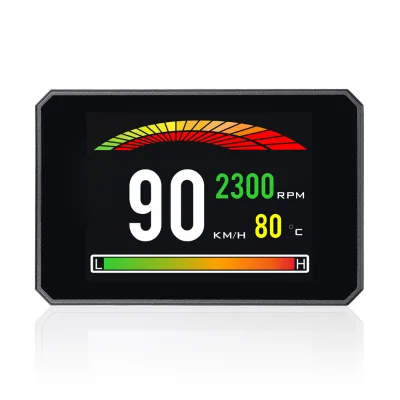
Car Speedometer Thermometer Driving Computer Temperature Gauge Hud Head up Display
$18.00 - $19.74
Moq: 2

Shenzhen Qianfeng Communication Equipment Co., Limited
- Verified by BV
- Trading Company,Manufacturer/Factory
- China Guangdong
- Lead time0 days
- Avg. response≤ 6h
Main productsVehicle GPS Tracker, Fleet Management, Asset GPS Tracker, Pet GPS Tracker, GPS Tracker

Nanjing Jinshuo Technology Co., Ltd.
- Verified by TUVRHEINLAND
- Trading Company,Manufacturer/Factory
- China Jiangsu
- Lead time15 days
- Avg. response≤ 3h
Main productsLED Whips, LED Light Bar, LED Work Light, LED Headlight, LED Neon Rope, LED Strip Light, LED Module, Auto Parts
Main marketsSouth America,Eastern Europe,Mid East,North America,Southeast Asia,Oceania,Western Europe,Africa

Shenzhen Yituo Wulian System Co.,Ltd
- Verified by TUVRHEINLAND
- Trading Company
- China Guangdong
- Lead time15 days
- Avg. response≤ 4h
Main productsGPS Tracker, Vehicle GPS Tracker, Personal GPS Tracker, Truck GPS Tracker, Motorbike GPS Tracker, Car GPS Tracker, Car Tracking Device, Automobile GPS Tracker, Motorcycle GPS Tracker, GPS Tracking
Main marketsEurope

Dongguan Bibuke Electronic Technology CO.,LTD
- Verified by SGS
- Trading Company,Manufacturer/Factory,Group Corporation
- China Guangdong
- Lead time23 days
- Avg. response≤ 2h
Main productsLCD Display, TFT LCD Display, LCD Module Display, OLED Display, COB LCD Display, Cog LCD Display, Buzzer, Other Electronic Materials
Main marketsSouth America,Eastern Europe,Mid East,North America,Southeast Asia,Eastern Asia,Oceania,Western Europe,Africa

Xiamen Aisite Technology Co., Ltd
- Verified by SGS
- Combined
- China Fujian
- Lead time15 days
- Avg. response≤ 2h
Main marketsDomestic

Xuzhou Dragon Guard Industrial Co., Ltd.
- Verified by SGS
- Combined
- China Jiangsu
- Lead time15 days
- Avg. response≤ 6h
Main productssecurity products and solutions
Main marketsAfrica,Southeast Asia/ Mideast,Domestic,Europe,North America
Shenzhen Casdony Technology Co., Ltd.
- Manufacturer, Trading Company
- Guangdong, China
- Lead time0 days
- Avg. response≤ 11h
Main productsVideo & Audio,iPhone Accessories,Computer Peripherals,Cameras & Photo Accessories,Smart Device & Safety
Main marketsNorth America(40.0%), Domestic Market(15.0%), Eastern Europe(10.0%), Northern Europe(5.0%), Western Europe(5.0%), Southeast Asia(5.0%), Oceania(3.0%), Central America(3.0%), South Asia(3.0%), Eastern Asia(3.0%), Mid East(3.0%), South America(2.0%), Southern Europe(2.0%), Africa(1.0%)
Shenzhen Chaotaixiang Trading Co., Ltd.
- Manufacturer, Trading Company, Distributor/Wholesaler
- Guangdong Province, China
- Lead time10 days
- Avg. response≤ 6h
Main productsGauge meter,Spoiler,Steering Wheel,Air Intake Filter,seat belt
Main marketsNorth America(30.0%), Domestic Market(20.0%), Southeast Asia(7.000000000000001%), Oceania(6.0%), Africa(6.0%), South America(6.0%), Eastern Europe(5.0%), Mid East(4.0%), Eastern Asia(4.0%), Western Europe(3.0%), Central America(3.0%), Northern Europe(2.0%), South Asia(2.0%), Southern Europe(2.0%)
Guangzhou Bazit Auto Accessories Co., Ltd.
- Manufacturer, Trading Company, Distributor/Wholesaler
- Guangdong, China
- Lead time15 days
- Avg. response≤ 6h
Main productsfront splitter,rear diffuser,side extensions,front grille,mirror cover
Main marketsWestern Europe(20.0%), Eastern Europe(15.0%), North America(15.0%), Northern Europe(8.0%), Mid East(6.0%), Southern Europe(5.0%), South America(5.0%), Eastern Asia(5.0%), Domestic Market(5.0%), Southeast Asia(5.0%), South Asia(3.0%), Central America(3.0%), Oceania(3.0%), Africa(2.0%)
Shenzhen Boyna Technology Co., Ltd.
- Verified by SGS Group
- Trading Company
- Lead time30 days
- Avg. response≤ 4h
Main productsCar Diagnostic Tool, Automotive Code Reader, OBD Cables and Connector, Battery Tester and Charger, Car ECU Programming Tool
Main marketsEastern Europe(30%), North America(15%), Southern Europe(15%)
Guangzhou Autolion Electronic Technology Co., Ltd.
- Manufacturer, Trading Company
- Lead time旺季: "1 - 10":3,"> 10":"To be negotiated", 淡季: "1 - 10":3,"> 10":"To be negotiated"
- Avg. response≤ 4h
Main productsCar Security System,Jump starter,Car Rearview Monitor System

Guangzhou T-Mark Technology Co., Ltd
- Verified by BV
- Trading Company
- China Guangdong
- Lead time15 days
- Avg. response≤ 4h
Main productsGPS Tracker, Car Tracker, GPS Vehicle Locator, E-Bike Positioning Device, Anti-Theft GPS Tracker
Main marketsSouth America,Africa,Southeast Asia/ Mideast,Europe,Australia,North America

ZHENGZHOU LEHENG ELECTRONIC TECHNOLOGY CO., LIMITED
- Verified by TUVRHEINLAND
- Trading Company,Manufacturer/Factory
- China Henan
- Lead time30 days
- Avg. response≤ 5h
Main productsGpsgnss Antenna, 5g Antenna, High Precision GPS Antenna, 3G Antenna, LTE Antenna, Lora Antenna, WiFi and WLAN Antenna, Assembly Parts, Coxial Connector, GSM Antenna
Main marketsSouth America,Eastern Europe,Mid East,North America,Southeast Asia,Oceania,Western Europe
Shenzhen Hyf Industrial Co., Ltd.
- Verified by Intertek
- Manufacturer, Trading Company
- Lead time5 days
- Avg. response≤ 2h
Main productsM Series Connector, M Series Cable, Push-pull Connector, Aviation Cable, Ethernet Cable
Main marketsSoutheast Asia(20%), South Asia(14%), South America(12%)






Comprehensive Sourcing Guide
OBD2 GPS Head Up Display Supplier Concentration and Factory Types
When sourcing an OBD2 GPS Head Up Display, the first structural question is where suppliers are actually concentrated and what kind of company you are dealing with. In current supplier results, the location evidence points to Guangdong, China, which is consistent with the broader reality that automotive electronics of this type are produced and traded through Guangdong's established electronics ecosystem. That said, concentration should always be confirmed against the data shown on each supplier profile rather than assumed. Because search pages can change, buyers should treat listed locations as a filterable attribute: sort or shortlist by location, then check whether the cluster claim matches the shipment origins and factory addresses disclosed during quotation and sampling.
The second structural dimension is company type. The observed results include at least one supplier labeled as a Trading Company, which tells you that this category mixes manufacturers with intermediaries. Neither model is automatically better: trading companies often consolidate multiple HUD models, handle small mixed orders, and communicate more fluently, while direct factories may offer deeper engineering support on OBD protocol compatibility and firmware customization. What matters is alignment with your order profile. A buyer testing several OBD2 GPS Head Up Display variants at low quantity may prefer a trader with a broad catalog, whereas a volume buyer should insist on knowing who assembles the units. Ask each candidate directly whether they manufacture in-house, and request evidence such as production photos or a video walkthrough before committing.
How to Verify OBD2 GPS Head Up Display Suppliers
Verification for an OBD2 GPS Head Up Display supplier starts with the attributes the platform actually displays, then moves to claims only the supplier can prove. Use the listed data as your baseline: check the stated location against the address on business documents, note the company type, and record the response time shown on the profile. In the observed results, a response time of around 3 hours appears, which is a useful benchmark, but you should not assume every supplier publishes this figure. Where a profile is silent on response speed or establishment year, ask for the founding date and a business license copy, then cross-check the license number through official registry channels available in the supplier's jurisdiction.
The second layer is technical verification, because HUD units depend on OBD2 protocol coverage and GPS reception quality. Ask each candidate which vehicle protocols their units support, request sample units for the specific car models in your market, and test speed accuracy, voltage readout, water temperature display, and alarm behavior against a known-good reference device. Verify warranty terms in writing; some listings in this category state a 3-month warranty, which is short by automotive standards and should be negotiated upward if you resell. Finally, confirm who controls firmware updates and whether the supplier will provide test reports. Any claim a supplier makes verbally about certifications or standards should be backed by a document you can validate, not by listing text alone.
What to Compare Across OBD2 GPS Head Up Display Suppliers
Build a comparison sheet using the dimensions that appear as supplier-label attributes in this category: location, company type, response time, lead time, MOQ, main products, and, where shown, establishment year and escrow availability. Lead time is a concrete differentiator; observed listings in this space show a lead time around 15 days, which gives you a reference point when other suppliers quote longer or shorter windows. MOQ matters even more for a testing-driven product: some OBD2 GPS Head Up Display listings show an MOQ of 2 pieces, which is favorable for sampling, but confirm whether that MOQ survives at negotiated pricing or rises for customized units. Never assume every supplier displays all of these attributes; missing data is itself a comparison signal worth resolving by direct question.
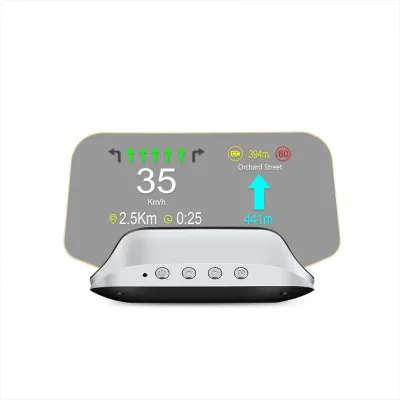
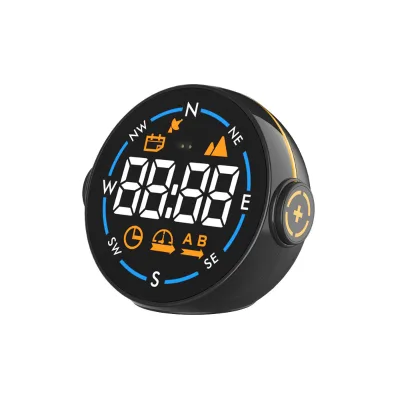
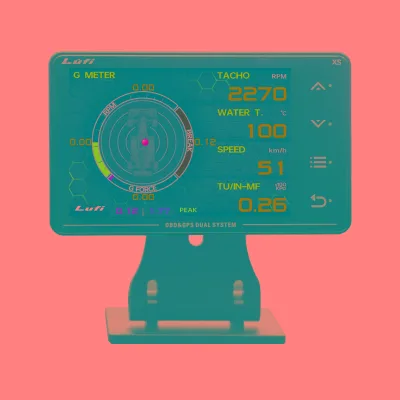
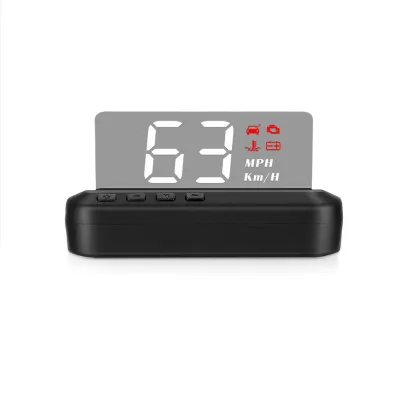
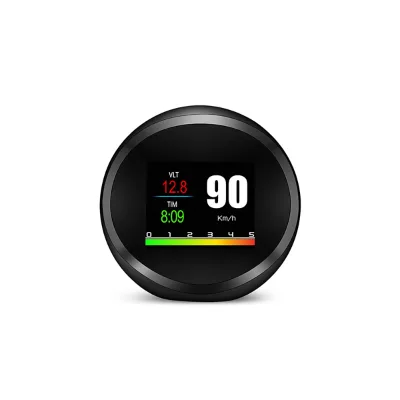
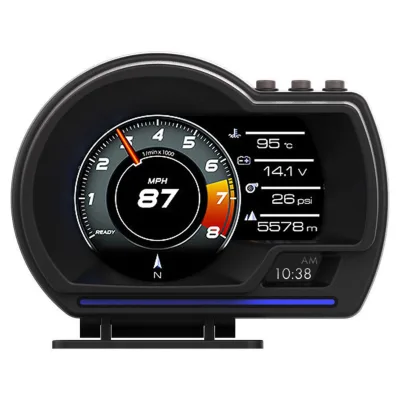
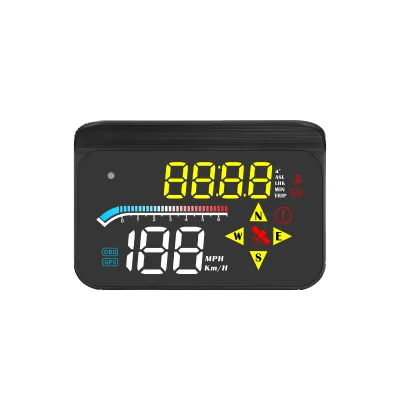
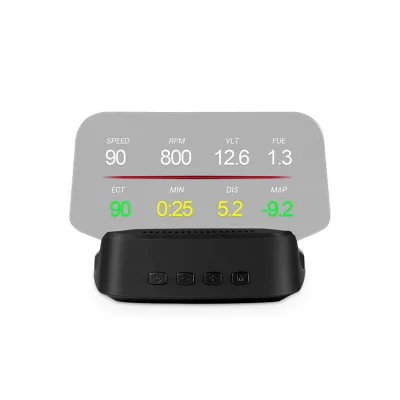
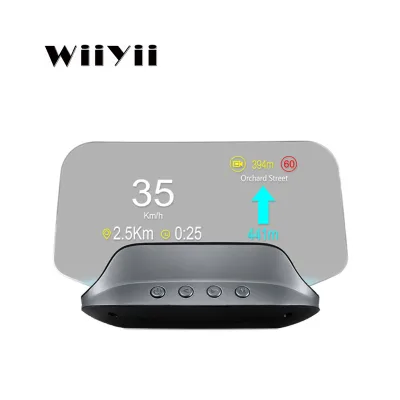
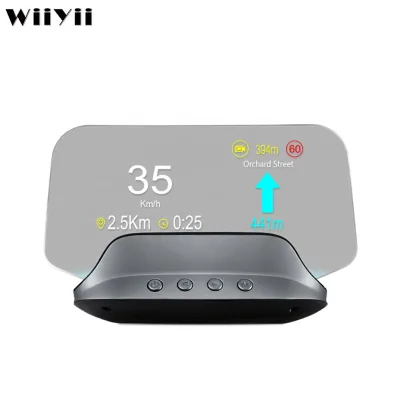
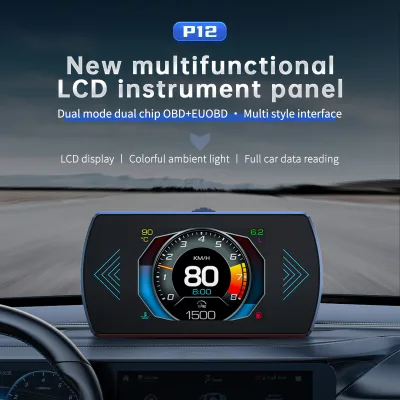
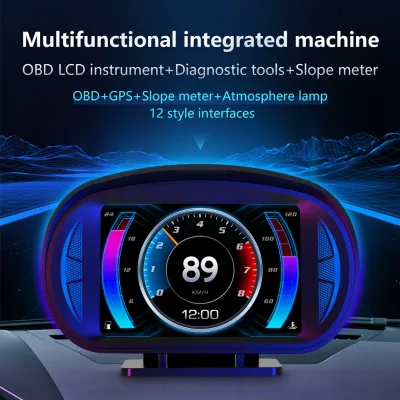
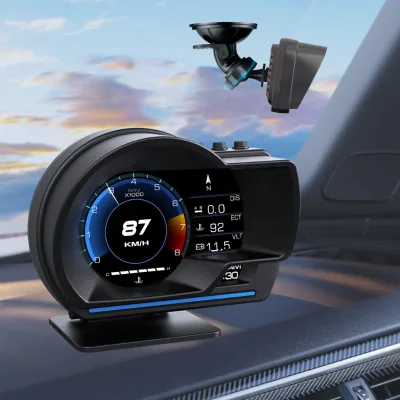
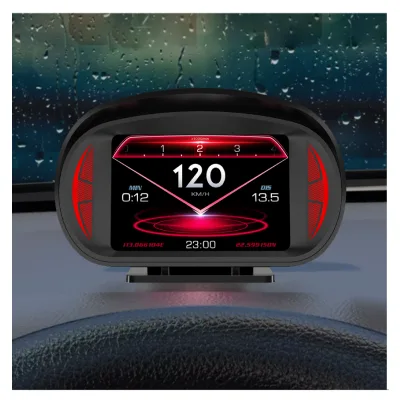
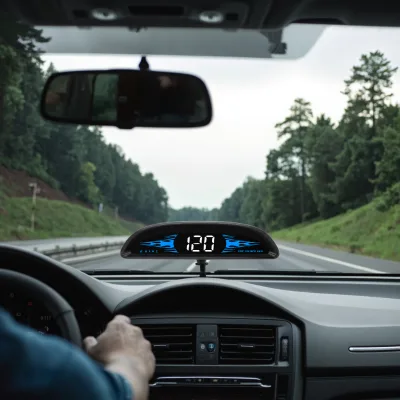
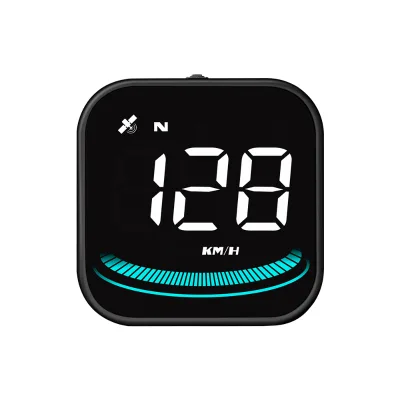
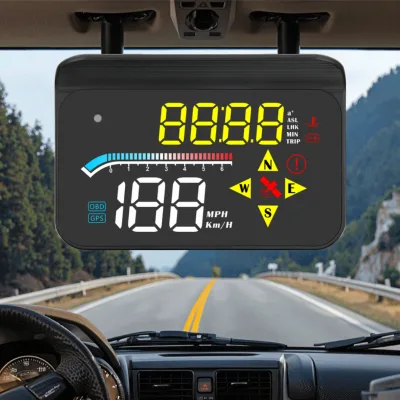
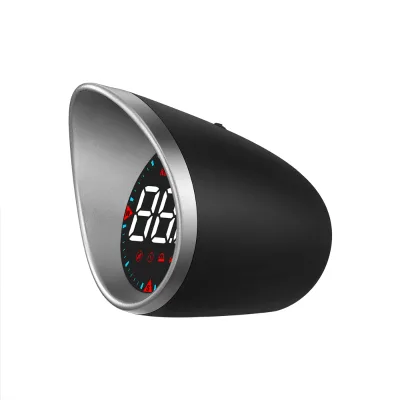
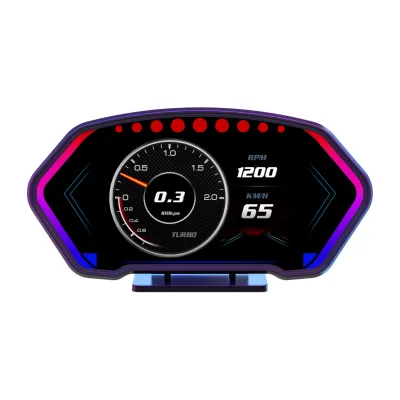
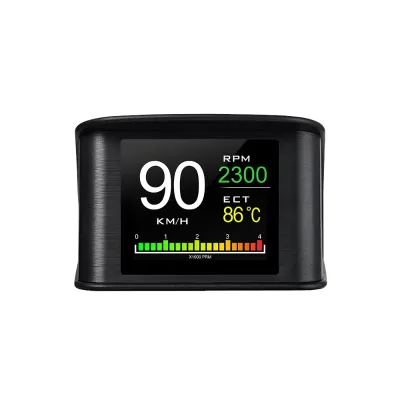
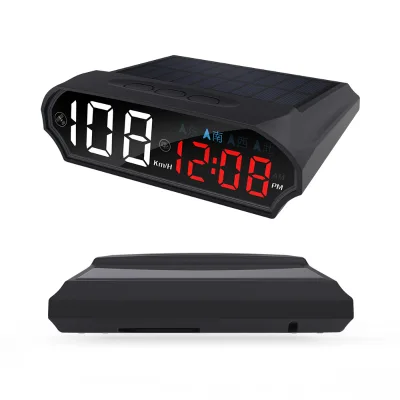
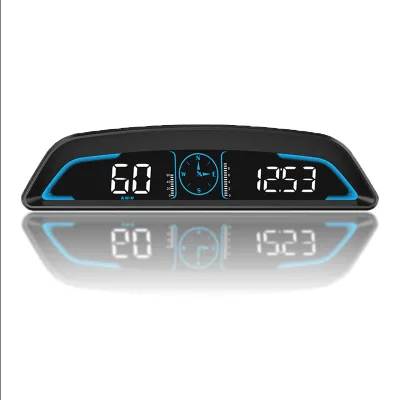
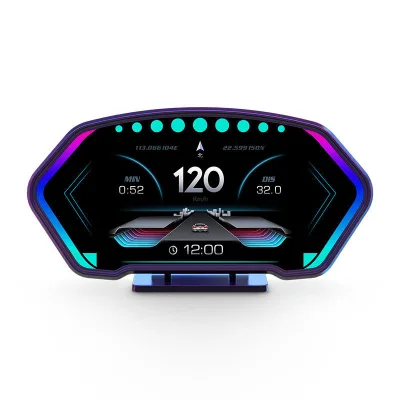
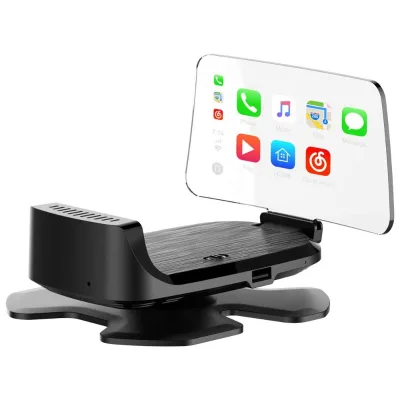
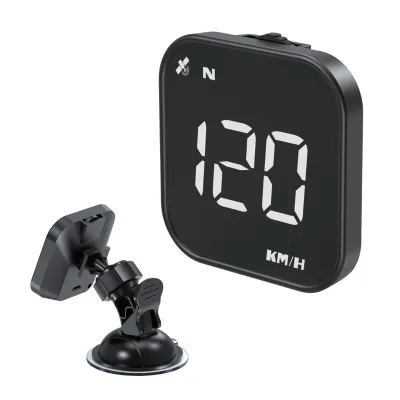
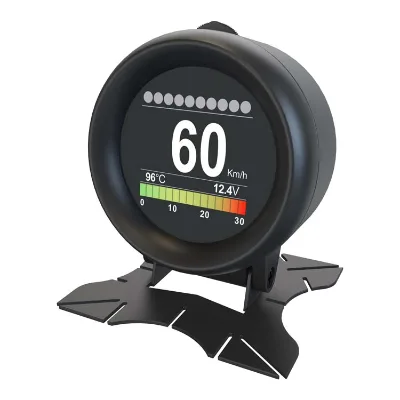
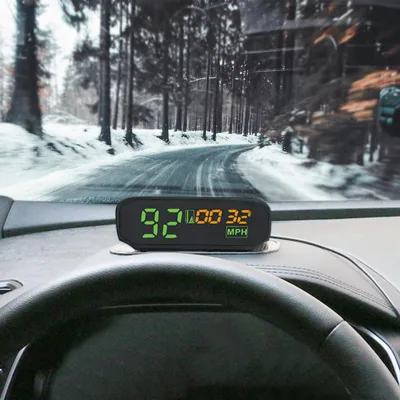
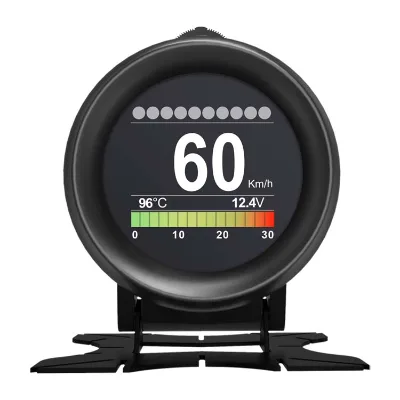
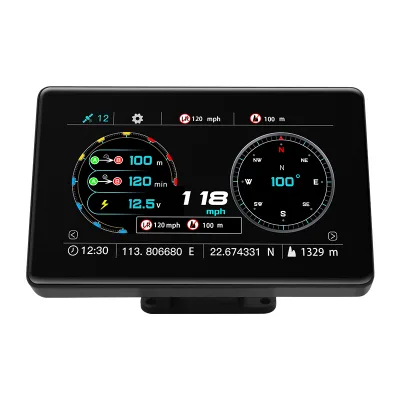
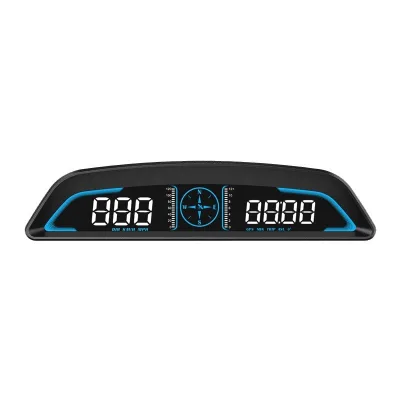
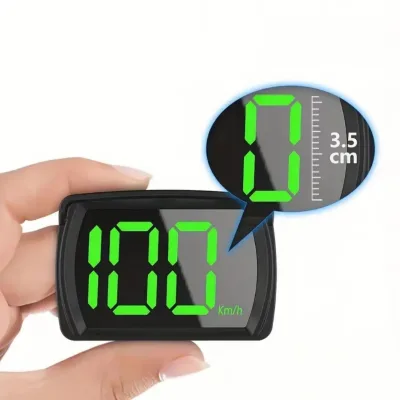
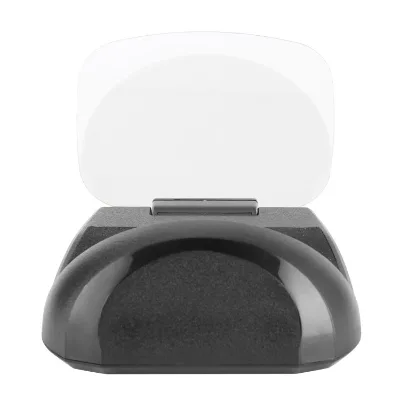
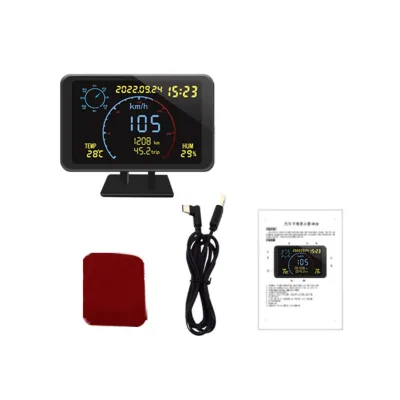
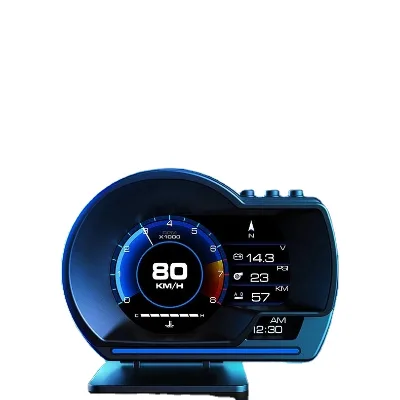
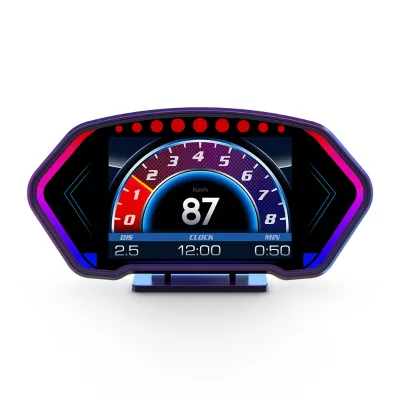
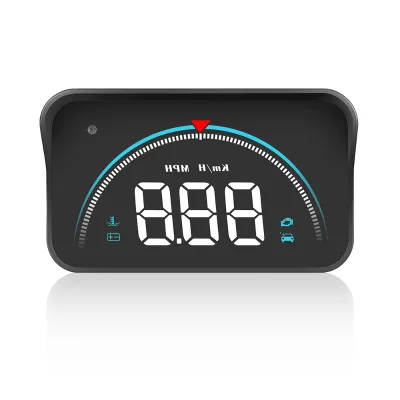
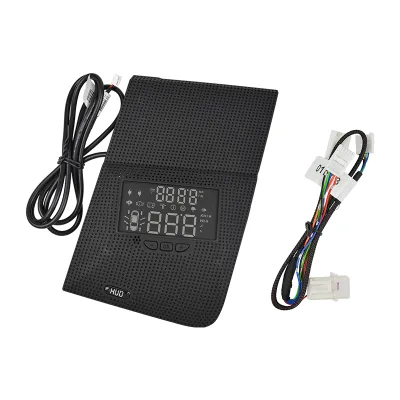
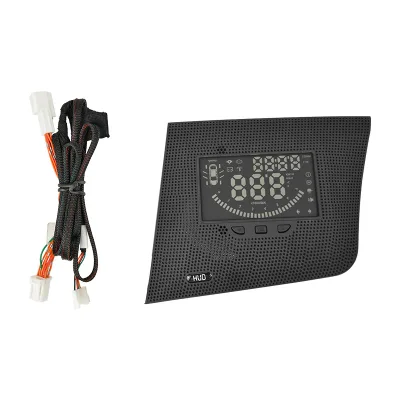
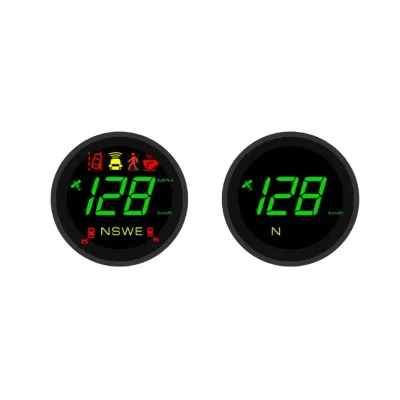
Beyond labels, compare product-level evidence across the catalog. Current listings span entry-level OBD2-only speedometer HUDs, dual OBD+GPS units with slope meter and compass functions, and multi-function gauges monitoring water and oil temperature plus turbocharged oil pressure. Display technology also varies, with LCD and widescreen LED screen types, different resolutions, and different package sizes and weights affecting freight cost. Compare stated warranty periods, listed price ranges, and the consistency of model numbers and specifications across a supplier's catalog. A supplier whose listings are complete, internally consistent, and updated recently is generally safer than one with sparse or contradictory data, but always validate the winning claims through samples rather than listing text.
Common OBD2 GPS Head Up Display Sourcing Risks
The most common risk in this category is OBD2 protocol mismatch. HUD units read vehicle data through the OBD2 port, and protocol support differs across vehicle makes, model years, and markets. A unit that works perfectly on one sedan may display blank or erroneous data on another. Mitigate this by testing samples on the actual vehicle population you sell to, and by getting written confirmation of supported protocols. A second risk is GPS-versus-OBD data conflict: dual-system units that blend OBD speed with GPS speed can show inconsistent readings in tunnels or near tall buildings, so evaluate behavior in both conditions before approving a design.
Other risks cluster around commercial and quality exposure. Warranty periods in observed listings are as short as 3 months, which transfers early-life failure risk to you unless you negotiate longer coverage and a defect allowance. Listed prices vary widely across models, from roughly the low teens to over a hundred dollars per unit, so confirm what specification level a quoted price actually covers. Brand labeling is another trap: several listings show "no brand" as the brand name, which is workable for white-label programs but requires explicit agreement on packaging, markings, and any trademark compliance for your destination market. Finally, verify that the supplier's main products genuinely include automotive electronics; unrelated catalog breadth can indicate a generalist trader with limited after-sales technical support for HUD firmware issues.
OBD2 GPS Head Up Display Regional Sourcing and Logistics
Regional sourcing for the OBD2 GPS Head Up Display category currently centers on Guangdong, China, per the location data attached to observed supplier listings and product origin attributes. Guangdong's electronics supply chain means components such as LCD modules, OBD connector cables, and GPS receivers are locally available, which supports the shorter lead times seen in this category. Still, treat region as a hypothesis to confirm, not a guarantee: ask each shortlisted supplier for the exact production and dispatch address, since a Guangdong-registered trading company may source from factories elsewhere. Keep your shortlist geographically tagged so you can evaluate freight consolidation if you also source related car electronics from the same region.
On logistics, the category is small and light. Observed listings show single gross weights around 0.19 to 0.42 kg and compact package sizes, which makes air freight and express courier economical for samples and small pilot orders, while consolidated sea or rail freight becomes relevant only at larger volumes. The observed lead time of around 15 days covers production, but you must add carrier transit, customs clearance, and destination testing before promising stock to your own customers. Confirm packaging durability, since HUD units contain displays that can crack in transit; request drop-test details or reinforced carton options. If your supplier offers escrow or platform-backed payment protection, factor that into which supplier handles your first shipment, and always verify declared values against invoice documents to avoid customs valuation disputes.
OBD2 GPS Head Up Display Commercial Terms and Order Planning
Commercial terms for an OBD2 GPS Head Up Display order should be negotiated in a fixed sequence. Start by confirming the MOQ at your target specification: observed listings show MOQs as low as 2 pieces, ideal for sampling, but customization such as logo printing, packaging changes, or firmware adjustment typically raises the minimum. Then lock the price band against a written specification sheet, since listed price ranges in this category span roughly thirteen to a hundred and twenty dollars depending on model complexity. Confirm incoterms, payment method, and whether platform escrow protection is available; where displayed, escrow should be preferred for first orders with an unverified supplier. Agree on the 3-month baseline warranty shown in some listings and push for extended terms with a defined defect replacement ratio.
Order planning should follow a staged ladder: sample order, pilot batch, then repeat volume orders once return rates are known. Build your calendar from the supplier's stated lead time, around 15 days in observed data, plus sample transit and your own testing window before mass production is released. For repeat orders, negotiate a rolling forecast so the supplier can pre-position displays and OBD cables, which shortens effective lead time. Keep response-time expectations contractual too; a profile showing roughly 3-hour response is a baseline, and slower replies during production are an early warning. Document every agreed attribute, including model numbers, screen type, resolution, and package details, so later shipments can be checked line by line.
FAQs
What is the minimum order quantity for OBD2 GPS HUDs?
The minimum order quantity is 2 pieces for most available models. This low threshold allows buyers to test product quality and functionality before committing to larger bulk orders. It is ideal for small retailers or individual resellers looking to verify performance without significant upfront inventory costs.
Where are these head-up displays manufactured?
These devices are manufactured in Guangdong, China. This region is a major hub for automotive electronics and accessories. Buyers should verify specific factory details and supply chain transparency during direct negotiations to ensure consistent quality control and reliable logistics for international shipments.
What is the typical lead time for production?
The typical lead time is 15 days. This duration covers production and preparation for shipment. Buyers should confirm exact delivery schedules with suppliers, as peak seasons or custom requirements may extend this timeframe. Early communication helps align production plans with your inventory needs.
How quickly do suppliers respond to inquiries?
Suppliers typically respond within 3 hours. This rapid response time facilitates efficient communication regarding pricing, customization, and shipping details. Buyers can expect prompt answers to technical questions or order modifications, ensuring smoother transaction processes and quicker decision-making for time-sensitive procurement needs.
What is the price range for these units?
Prices range from approximately $13.03 to $119.87 per unit. The variation depends on features like screen size, material quality, and additional functions such as oil temperature monitoring. Buyers should compare specific model specifications against their budget to find the most cost-effective solution for their market.
What warranty is provided for these displays?
A 3-month warranty is standard for these head-up displays. This coverage typically protects against manufacturing defects and initial functional failures. Buyers should clarify the warranty claim process and return shipping responsibilities with suppliers to ensure adequate support and minimize potential losses from defective units.