Heavy Truck Engine Fan Blade Suppliers and Manufacturers
Compare 32 suppliers of Heavy Truck Engine Fan Blade products by location, verification, lead time, response time, OEM and ODM capability, and certifications such as ISO 9001. Review listed specifications including materials, blade diameters, and price ranges, then contact matching suppliers to request quotes and mechanical test reports.
Updated
Suppliers List

Jinan Zhanze Automotive Parts Co., Ltd.
- Verified by SGS
- Trading Company
- China Shandong
- Lead time15 days
- Avg. response≤ 18h
Main productsTruck Part
Main marketsAfrica

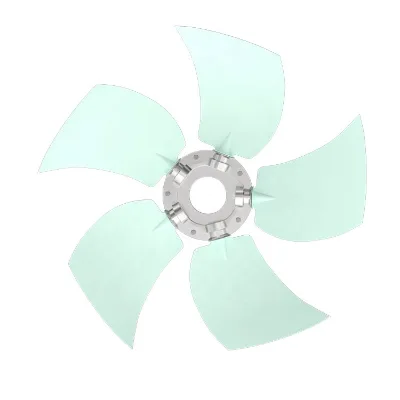
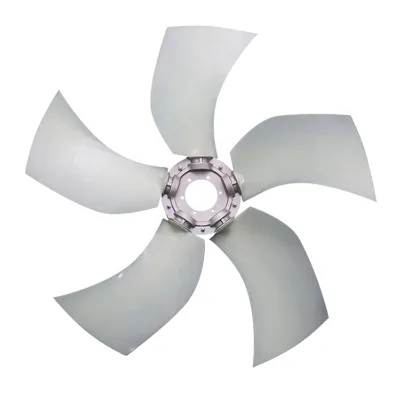
Heavy Duty Truck Engine Cooling Fan Blade Assembly with High Airflow Efficiency
$1.00 - $4999.00
MOQ: 10 Pieces

Heavy Truck Radiator Fan Blade for Enhanced Engine Cooling Air Circulation
$1.00 - $4999.00
MOQ: 10 Pieces
Changzhou Keyleader Fan Technology Company Ltd.
- Manufacturer
- Jiangsu, China
- Lead time15 days
- Avg. response≤ 3h
Main productsFan,Wind leaf,impeller,Fan blade,fan impeller
Main marketsNorth America(1.00%)

Ningbo Xurong International Trading Co., Ltd.
- Trading Company,Manufacturer/Factory
- China Zhejiang
- Lead time45 days
- Avg. response≤ 10h
Main productsAuto Part, Auto Filter, Engine Part, Filter, Gasket, Oil Filter, Spare Part, Fan Blade, Glow Plug, Gasket Kit
Main marketsSouth America,Eastern Europe,Mid East,North America,Southeast Asia,Eastern Asia,Oceania,Western Europe,Africa
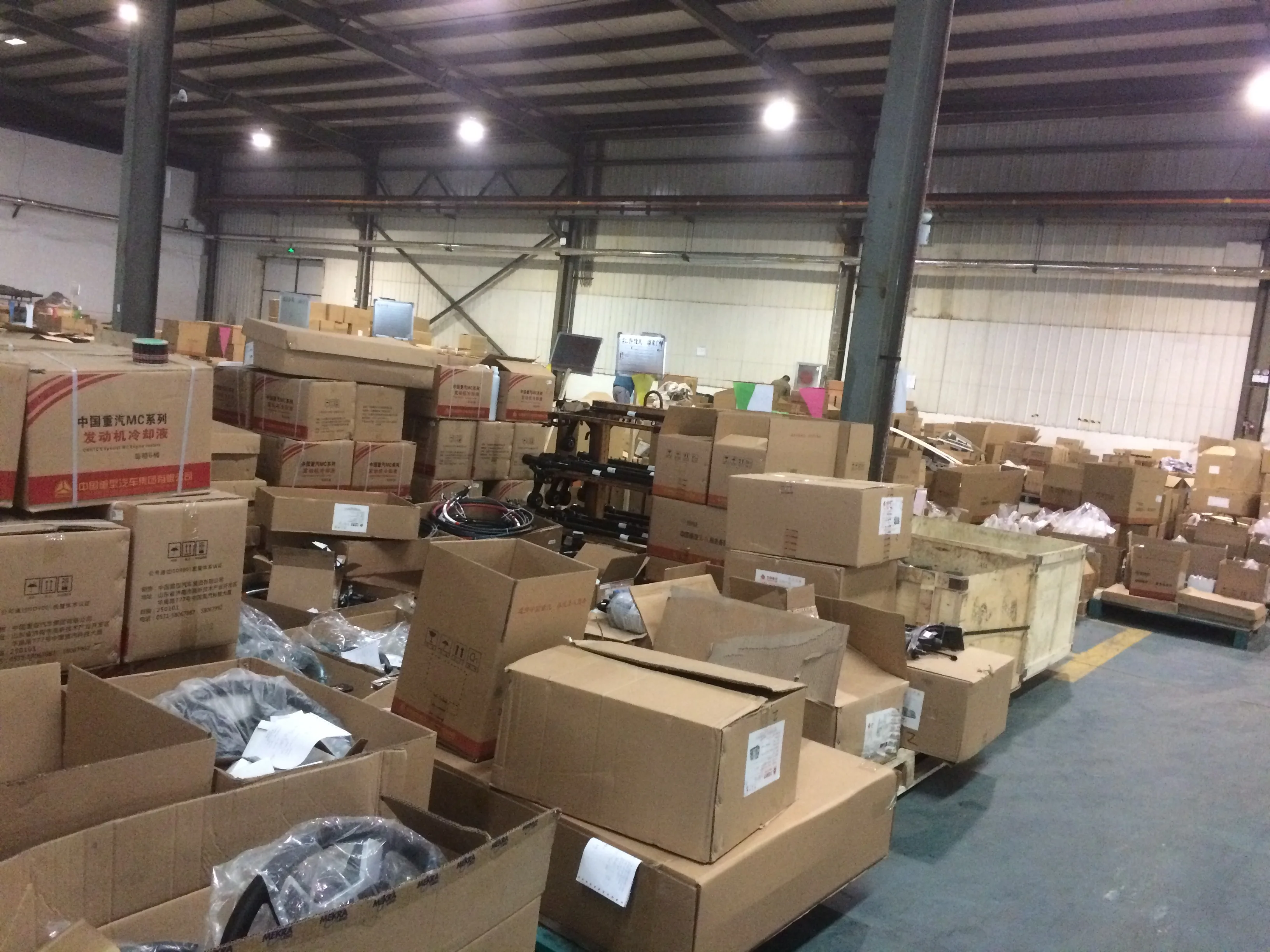
- Manufacturer, Trading Company
- Shandong, China
- Lead time3 days
- Avg. response≤ 3h
Main productsTruck Parts,Bus Parts,Trailer Parts,Engine Parts,Auto Parts
Main marketsAfrica(25.00%), Southeast Asia(20.00%), South America(15.00%), Eastern Asia(10.00%), Mid East(10.00%), South Asia(10.00%), Eastern Europe(5.00%), Central America(5.00%)

Jinan Belt-Way International Trading Co., Ltd.
- Verified by SGS
- Manufacturer/Factory
- China Shandong
- Lead time15 days
- Avg. response≤ 4h
Main productsTruck Parts, Truck Spare Parts, Crankshaft, Turbo, HOWO Spares Parts, Truck Engine, Bus Parts, HOWO 371HP, Weichai Engine, Sinotruk Spare Parts
Main marketsSouth America,Eastern Europe,Mid East,North America,Southeast Asia,Eastern Asia,Oceania,Western Europe,Africa


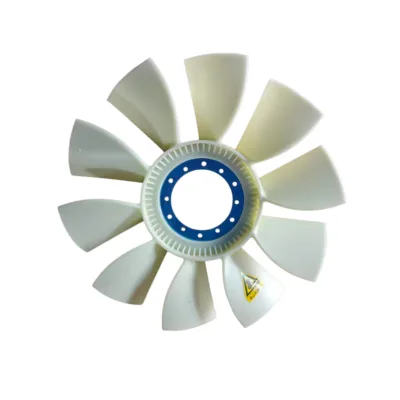
Wholesale Factory Price Heavy Duty Truck Parts Car D10 Fan Blade Vg1540060260
$11.29 - $35.98
MOQ: 1 Pieces

Ningbo Eastiger Products Co., Limited
- Verified by BV
- Trading Company
- China Zhejiang
- Lead time30 days
- Avg. response≤ 18h
Main productsTruck Parts, Truck Spare Parts, Trailer Parts, Auto Parts, Engine Parts, Loader Parts, Car Parts, Bus Parts
Main marketsSouth America,Southeast Asia/ Mideast,Australia,North America


Truck Fan Blade with Quality Warranty for Man Truck Tgx Tgs Tgl Tgm Tga F2000
$30.00 - $100.00
MOQ: 10 Pieces


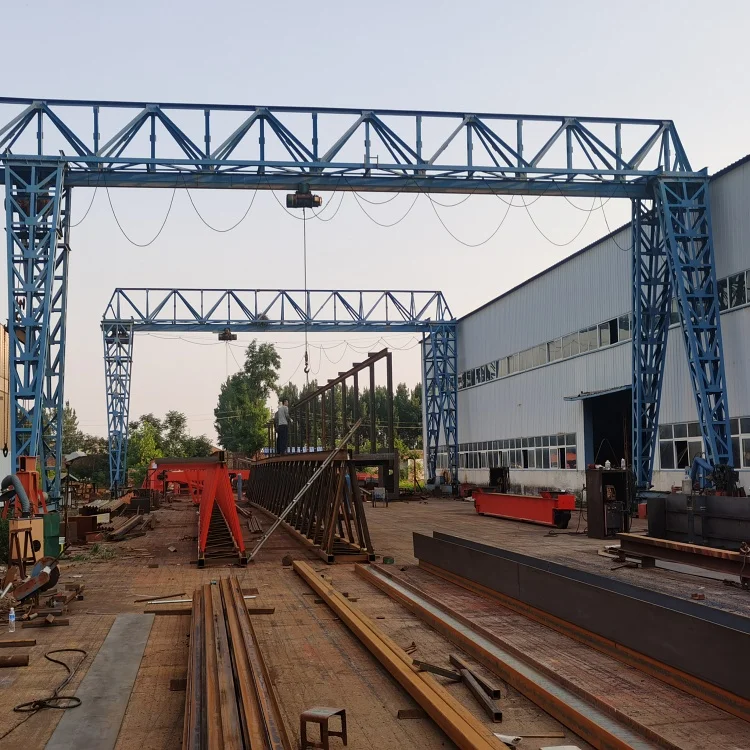
Zhengzhou Longbo Machinery Equipment Co., Ltd.
- Trading Company
- Henan, China
- Lead time15 days
- Avg. response≤ 5h
Main productsAmusement rides,Bumper cars,tourist sightseeing cars,electric car,electric minibus
Main marketsSouth America(60.00%), North America(15.00%), Central America(10.00%), Africa(5.00%), South Asia(2.00%), Southeast Asia(2.00%), Oceania(1.00%), Northern Europe(1.00%), Eastern Asia(1.00%), Mid East(1.00%), Eastern Europe(0.50%), Southern Europe(0.50%), Western Europe(0.50%)

Shandong Lianwo Heavy Truck Components Co., Ltd.
- Trading Company
- China Shandong
- Lead time15 days
- Avg. response≤ 4h
Main productsTruck Part, Truck Spare Part, Sinotruk HOWO, Gear Box, Mining Truck, Axle Part
Main marketsAfrica,Southeast Asia/ Mideast,Europe

- Trading Company
- Taiwan, China
- Lead time40 days
- Avg. response≤ 8h
Main productsEngine Parts,Transmission Parts,Differential Assay & Parts,Suspension Parts,Chassis Parts
Main marketsEastern Europe(20.00%), North America(20.00%), Southeast Asia(15.00%), Africa(15.00%), South America(10.00%), Mid East(7.00%), South Asia(5.00%), Oceania(5.00%), Eastern Asia(3.00%)
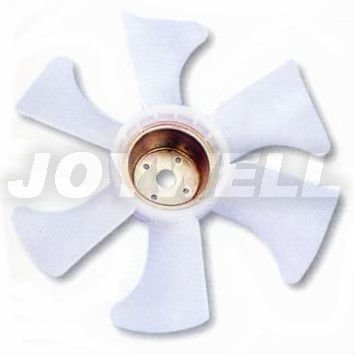
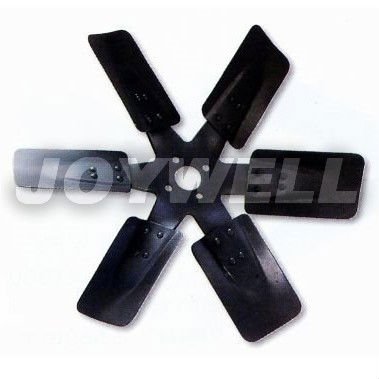
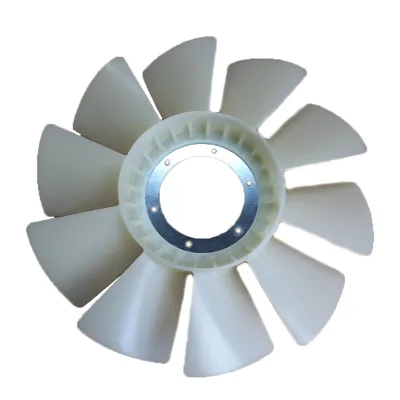
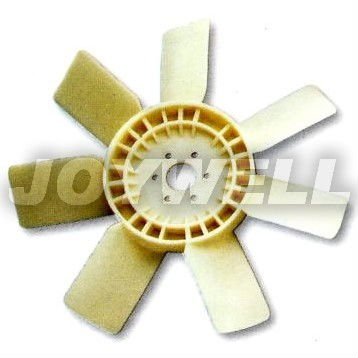
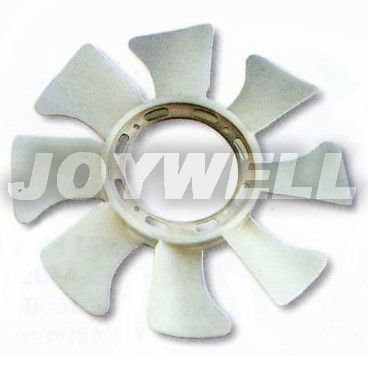
For Truck Engine Fan Blade 410mm OE TF01-15-141A for T3500/T4000 Cooling Parts
$41.0148 - $153.8018
MOQ: 10 Minimum
Quanzhou Deyuan Engineering Machinery Co., Ltd.
- Trading Company
- Fujian, China
- Lead time15 days
- Avg. response≤ 8h
Main productsHino Truck Auto Parts/Isuzu Truck Auto Parts/Benz Truck Auto Parts/Sany Truck Auto Parts/Nissan Truck Auto Parts,Isuzu Truck spare parts,brake chamber,tie rod end,body parts
Main marketsDomestic Market(50.00%), Southeast Asia(30.00%), Africa(15.00%), Eastern Europe(5.00%)

EIton (Jinan) Trading Co., Ltd.
- Verified by TUVRHEINLAND
- Trading Company
- China Shandong
- Lead time15 days
- Avg. response≤ 6h
Main productsWheel Loader Parts, Excavator Parts, Road Roller Parts, Grader Parts, Bulldozer Parts, Heavy Truck Parts, Diesel Engine Parts, Filter, Skid Steer Loader Parts, Crane Parts
Main marketsNorth America

Construction Machinery Truck C Ummins Engine Parts C4931795 C4931807 Cooling Fan Blade
$25.00 - $27.00
MOQ: 1 Pieces

Heilongjiang Langci Technology Development Co., Ltd.
- Verified by SGS Group
- Trading Company
- Heilongjiang, China
- Lead time15 days
- Avg. response≤ 1h
Main productsPiston, Piston Ring, Clutch Plate, Crankshaft, Starter
Main marketsEastern Europe(81%), Mid East(19%)
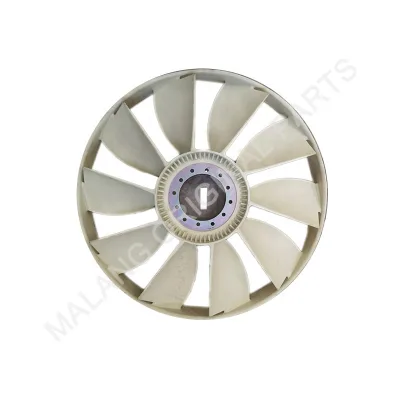
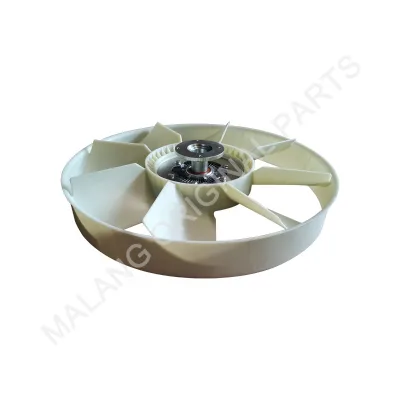
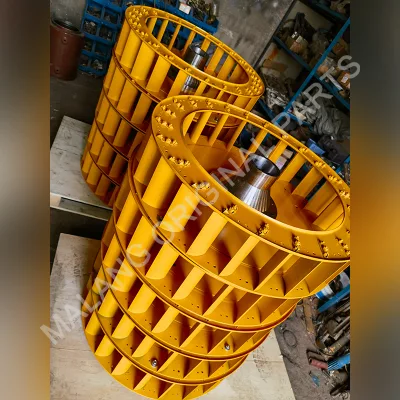
Malangparts Oem Free Samples High Quality Belaz Fan Blade Truck Belaz Fan Blade Assembly
$500.00 - $550.00
MOQ: 2
Xiamen Thaicool Oriental Industry Co., Ltd.
- Manufacturer, Trading Company
- Fujian, China
- Lead time20 days
- Avg. response≤ 6h
Main productsAutomotive Fans & Blowers, DC Motors, Air Conditioners, A/C Pats, Automotive Accessories
Main marketsDomestic Market(25.00%), Mid East(15.00%), South Asia(10.00%), North America(10.00%), Western Europe(10.00%), Africa(10.00%), Eastern Europe(10.00%), Southeast Asia(10.00%)

Shandong Heavy Truck And Machinery Co., Ltd.
- Trading Company,Manufacturer/Factory
- China Shandong
- Lead time30 days
- Avg. response≤ 13h
Main productsDump Truck, Tractor Truck, Mixer Truck, Light Truck, Semi Trailer, Spare Parts, Wheel Loader, Bulldozer, Truck Crane, Used Trucks
Main marketsSouth America,Mid East,Southeast Asia,Eastern Asia,Africa

Hangzhou Huajida Auto Parts Co., Ltd.
- Trading Company
- Zhejiang, China
- Lead time20 days
- Avg. response≤ 6h
Main productsJac Parts, ISF2.8 Engie Parts, Foton Parts, Yuejin Parts, ISF3.8 Engie Parts
Main marketsDomestic Market(82.00%), Africa(8.00%), South America(4.00%), South Asia(2.00%), Southern Europe(2.00%), Mid East(2.00%)
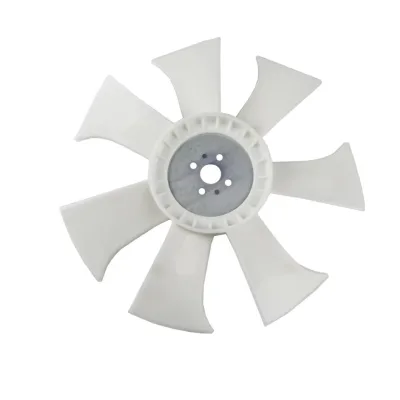
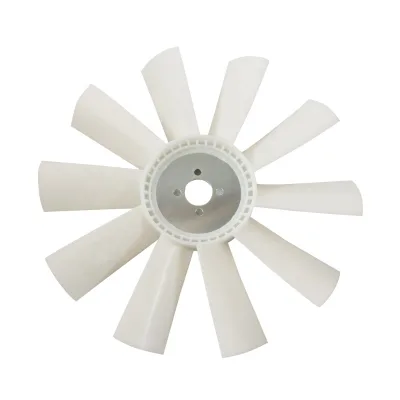
Chinese Truck Diesel Engine Part 4102BZL-A2.25.00 Fan Blade for CY4102
$50.00 - $300.00
MOQ: 1 Minimum
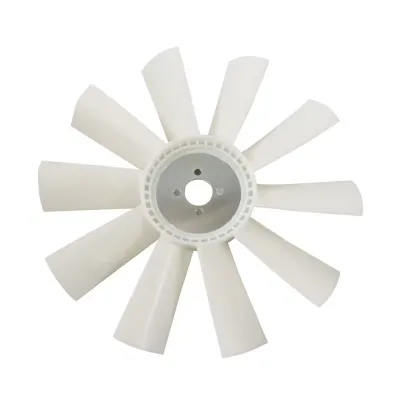
4102BZL-A2.25.00 Engine Cooling Chinese Truck Diesel Engine Part Fan Blade for CHAOCHAI CY4102
$3.0748 - $5.1242
MOQ: 2 pieces

Suzhou Aowo Auto Parts Co., Ltd.
- Manufacturer
- Jiangsu, China
- Lead time30 days
- Avg. response≤ 10h
Main productsfan clutch,fan clutch assembly,clutch fan assembly,fan blade,electric fan clutch
Main marketsDomestic Market(30.00%), Western Europe(30.00%), South America(15.00%), North America(5.00%), Mid East(5.00%), Southern Europe(5.00%), South Asia(4.00%), Eastern Europe(3.00%), Africa(3.00%)

Hangzhou Huajida Auto Parts Co., Ltd.
- Trading Company
- China Zhejiang
- Lead time15 days
- Avg. response≤ 20h
Main productsJAC Truck Spare Part
Main marketsSouth America,Africa,Southeast Asia/ Mideast,Europe
Guangzhou Anto Trading Co., Ltd.
- Trading Company
- Guangdong, China
- Lead time0 days
- Avg. response≤ 2h
Main productsPump valve,Cover components,Brake components,Engine parts,Chassis components
Main marketsSoutheast Asia(40.00%), Africa(20.00%), South Asia(20.00%), Mid East(10.00%), Western Europe(5.00%), Eastern Asia(5.00%), South America(5.00%)
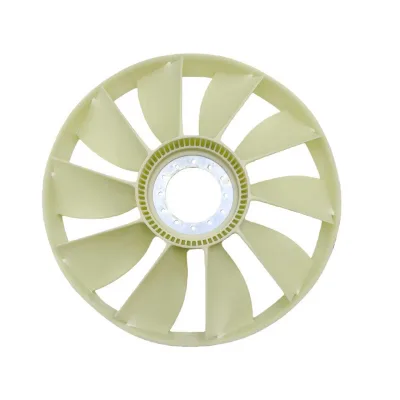
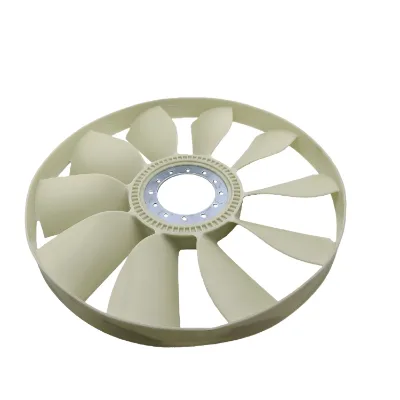
High Quality Truck Cooling System VG2600060446 Truck Engine Fan Blade for Howo Truck
$11.1766 - $13.3308
MOQ: 5 pieces

Guangzhou Sheri Auto Parts Co., Ltd.
- Manufacturer, Trading Company, Distributor/Wholesaler
- Guangdong, China
- Lead time10 days
- Avg. response≤ 9h
Main productsSCANIA TRUCK PARTS,VOLVO TRUCK PARTS,TRUCK PARTS,BENZ TRUCK PARTS,DAF TRUCK PARTS
Main marketsAfrica(50.00%), South America(10.00%), South Asia(7.00%), Southeast Asia(7.00%), Eastern Asia(7.00%), Domestic Market(5.00%), Central America(5.00%), Mid East(2.00%), Northern Europe(2.00%), Western Europe(1.00%), North America(1.00%), Southern Europe(1.00%), Eastern Europe(1.00%), Oceania(1.00%)

Jingjiang Fuji Technology Co., Ltd
- Verified by BV
- Trading Company
- China Guangdong
- Lead time30 days
- Avg. response≤ 5h
Main productsWeichai Spare Part, Loctite Glue
Main marketsAfrica
Taizhou Faman Import & Export Co., Ltd.
- Trading Company
- Zhejiang, China
- Lead time30 days
- Avg. response≤ 3h
Main productsEngine Cooling Parts,Chassis,Suspensions,Brake Parts,Steering Parts
Main marketsSouth America(30.00%), North America(30.00%), Western Europe(10.00%), Oceania(10.00%), Southeast Asia(10.00%), Eastern Europe(10.00%)
Fengdong New City Hongxin Automotive Parts Business Department.
- Trading Company
- Shaanxi Province, China
- Lead time5 days
- Avg. response≤ 2h
Main productsPower Systems,Transmission system,Brake system,Walking system,The engine
Main marketsAfrica(80.00%), South Asia(10.00%), Southeast Asia(10.00%)

Shandong Reliable Trading Co., Ltd.
- Verified by SGS
- Trading Company
- China Shandong
- Lead time23 days
- Avg. response≤ 6h
Main productsTruck Parts, Truck Belts, Truck Tensioner Pulley, Truck Water Pump
Main marketsEastern Asia,Western Europe,Africa

Shandong Welle Vehicle & Parts Co., Ltd.
- Verified by TUVRHEINLAND
- Combined
- China Shandong
- Lead time15 days
- Avg. response≤ 3h
Main productsTruck Parts, Chinese Truck Parts, Sinotruk Parts, HOWO Parts
Main marketsSouth America

Manufacturer Truck Parts Cooling Ring Engine Fan Blade Vg2600060446 for Sinotruk
$6.67 - $6.92
MOQ: 20 Pieces

HOWO Truck Parts Cooling Ring Engine Fan Blade Vg1246060030 for Sinotruk
$10.00 - $12.00
MOQ: 10 Pieces


Manufacturer Truck Parts Cooling Ring Engine Fan Blade Vg1246060030 for Sinotruk HOWO
$12.42 - $12.89
MOQ: 50 Pieces

JINAN GUYUE AUTO PARTS CO., LTD.
- Verified by SGS
- Trading Company
- China Shandong
- Lead time15 days
- Avg. response≤ 8h
Main productsFAW Sinotruck Shacman Beiben Truck Spare Part, Bus Spare Parts, Light Truck Spare Parts, Tyre, Construction Machinery, Fuwa Ror BPW Trailer Spare Parts
Main marketsAfrica,Southeast Asia/ Mideast,North America

Guangzhou FDong Auto Parts Co., Ltd.
- Verified by SGS
- Trading Company
- China Guangdong
- Lead time15 days
- Avg. response≤ 8h
Main productsTrailer Part
Main marketsSouth America,Southeast Asia/ Mideast,East Asia(Japan/ South Korea),Europe,Australia
Ningbo Komins Auto Spare Parts Co., Ltd.
- Trading Company
- Zhejiang, China
- Lead time45 days
- Avg. response≤ 11h
Main productsCrown wheel Pinion,King Pin kit,truck parts & accessories,auto transmission systems,auto engine systems
Main marketsSouth America(70.00%), Central America(10.00%), Western Europe(10.00%), North America(10.00%)
Guangzhou Grand Auto Parts Co., Ltd.
- Trading Company
- Lead time旺季: "1 - 100":7,"> 100":"To be negotiated", 淡季: "1 - 100":7,"> 100":"To be negotiated"
- Avg. response≤ 11h
Main productstruck parts,benz truck parts,scania truck parts,volvo truck parts,man truck parts

Shandong Steel Voyager International Trading Co., Ltd.
- Verified by CTI
- Trading Company
- China Shandong
- Lead time30 days
- Avg. response≤ 4h
Main productsTruck Axle, Truck Engine, Truck Chassis, Truck Parts, Truck Cabin Parts, Truck Transmission Parts, Truck Gearbox Parts, Truck Brake System Parts, Fuel Filter, Oil Filter
Main marketsDomestic
Izumi International Supply Chain Management (guangzhou) Co., Ltd.
- Verified by SGS Group
- Trading Company
- Lead time30 days
- Avg. response≤ 2h
Main productsTruck Auto Parts, Engine Parts, Chassis Parts, Body Parts, Excavator Parts
Main marketsSouth America(25%), Africa(15%), North America(10%)
Chongqing Wancum Mechanical & Electrical Equipment Co., Ltd.
- Trading Company
- Chongqing, China
- Lead time7 days
- Avg. response≤ 3h
Main productsengine parts,generator parts,marine parts,mining truck parts,auto parts
Main marketsDomestic Market(28.00%), Northern Europe(14.10%), Mid East(12.50%), Southeast Asia(12.50%), Eastern Asia(11.50%), Africa(10.00%), Western Europe(9.90%), South America(1.00%), South Asia(0.50%)

Wuhan Visbull Machinery Co., Ltd.
- Verified by SGS
- Trading Company
- China Hubei
- Lead time15 days
- Avg. response≤ 8h
Main marketsSouth America,North America



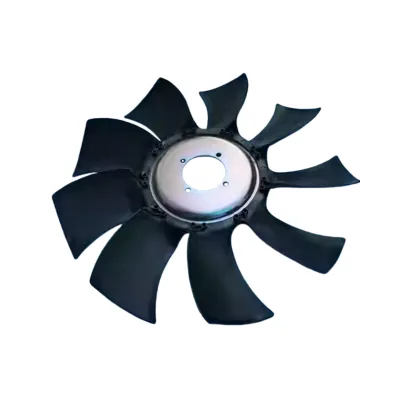
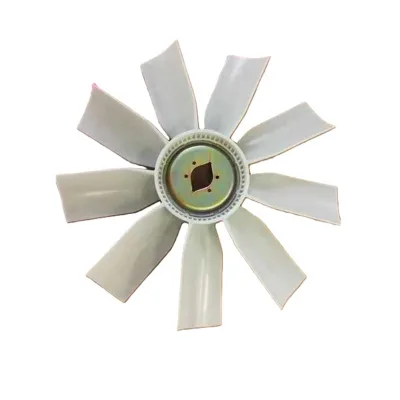
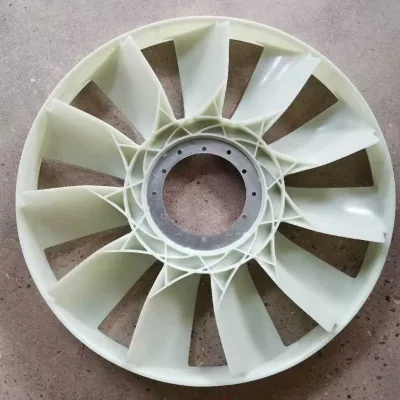
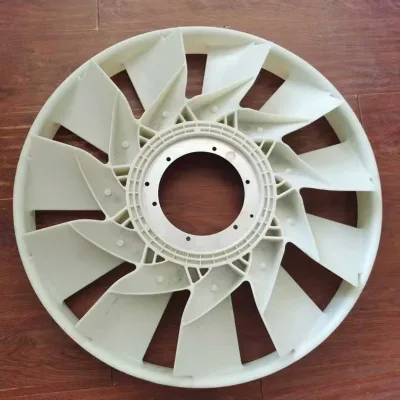


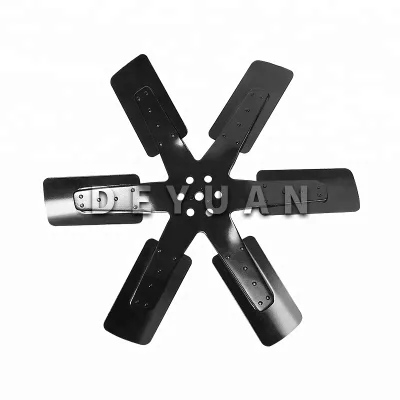
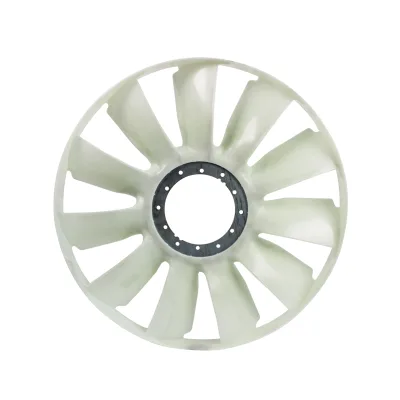
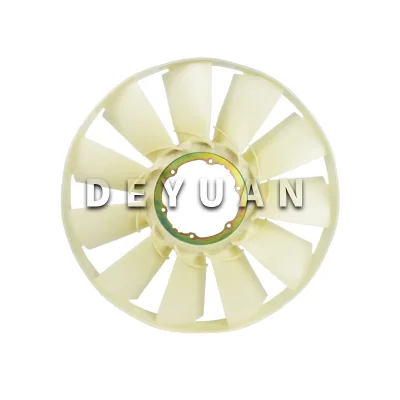
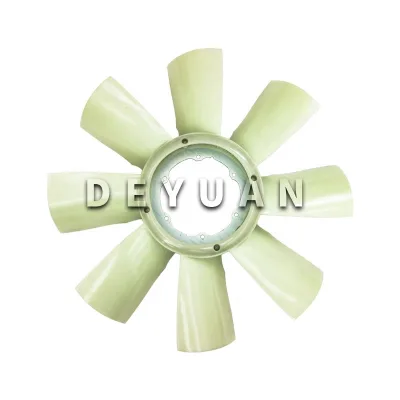
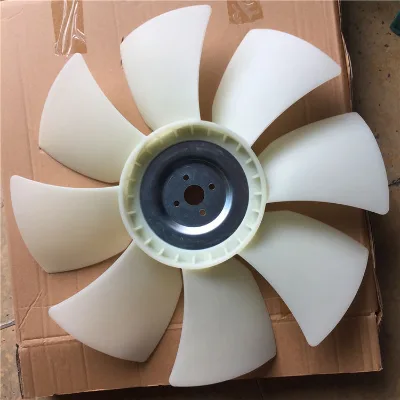
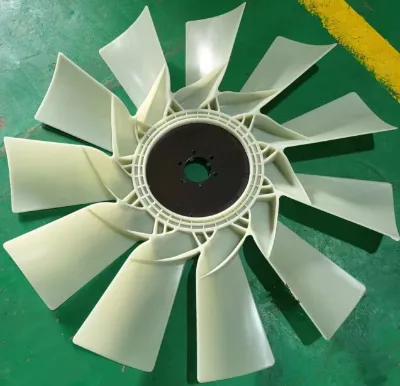
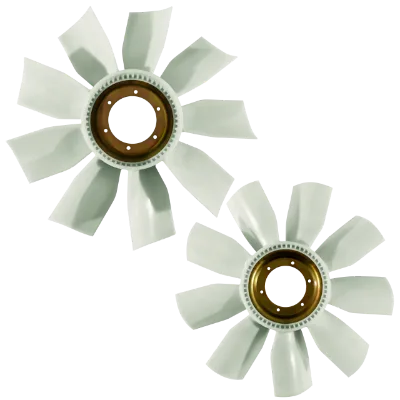
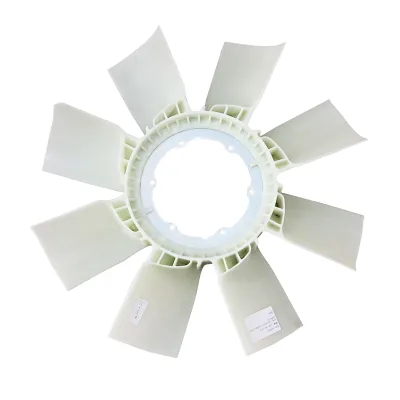


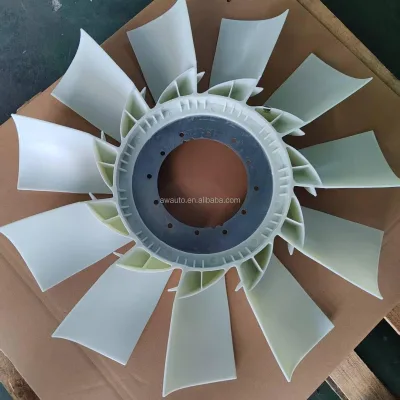
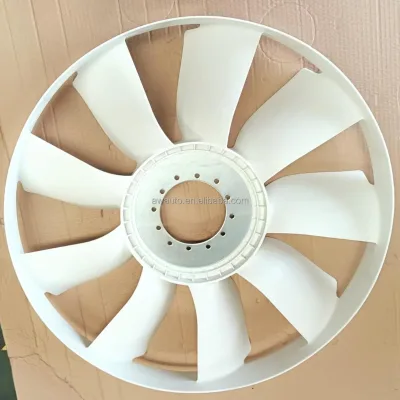
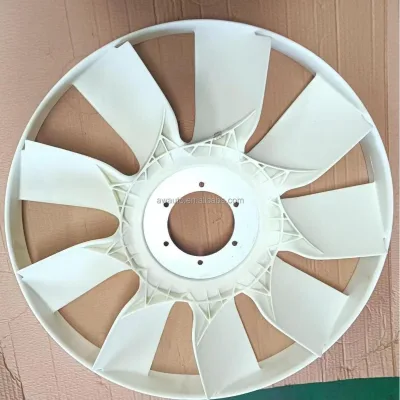


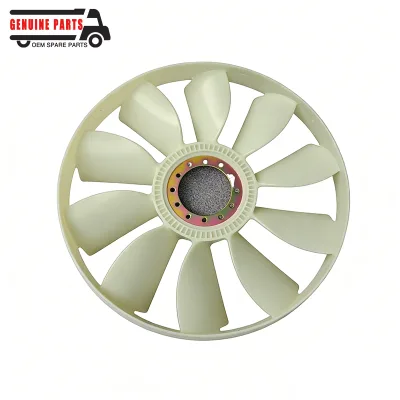
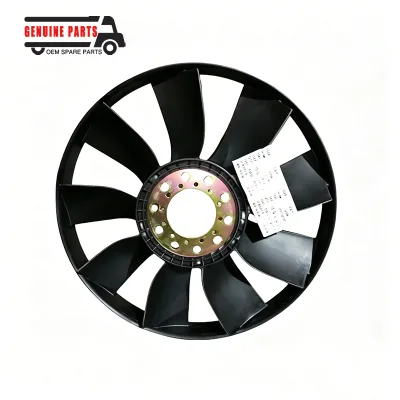


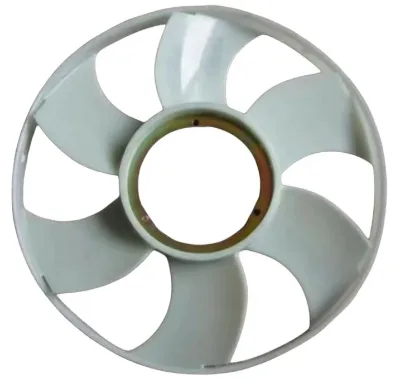
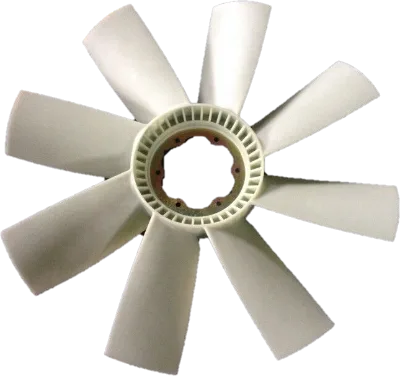
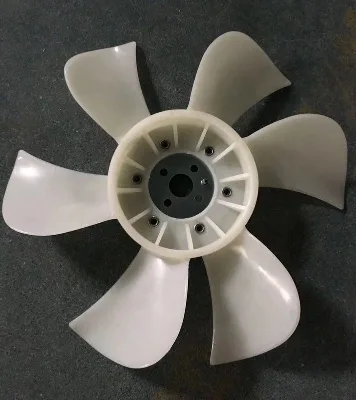
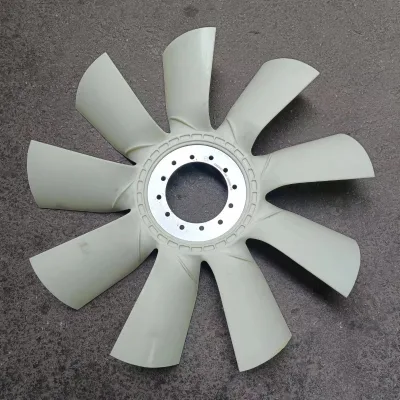
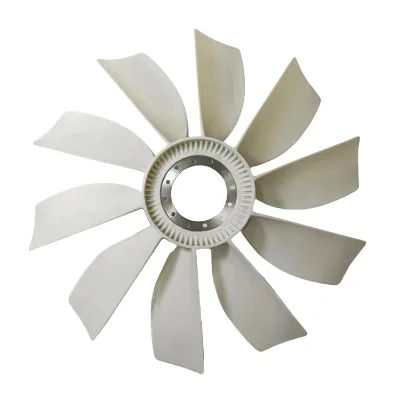


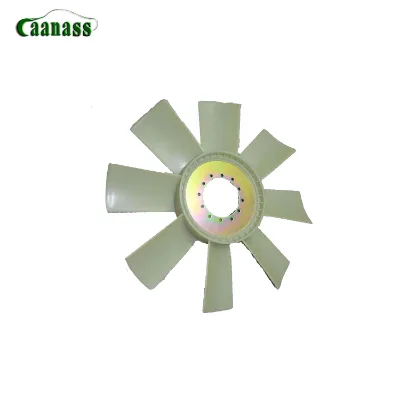
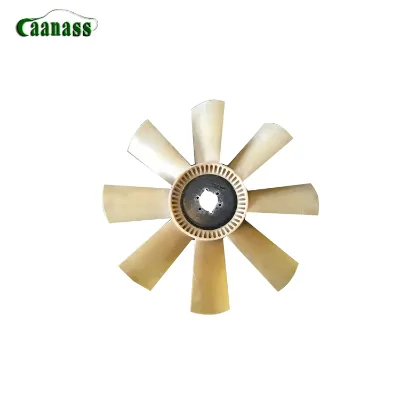
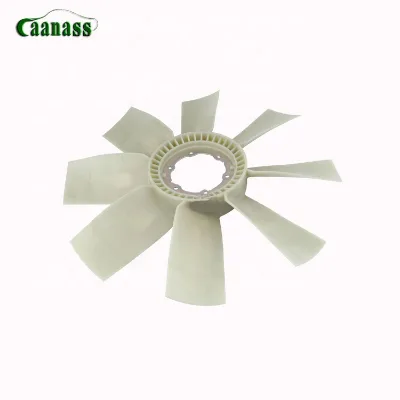


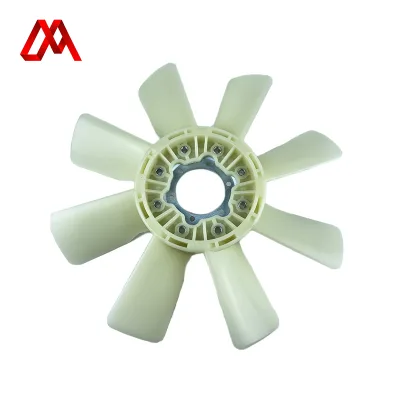


Comprehensive Sourcing Guide
Heavy Truck Engine Fan Blade Supplier Concentration and Factory Types
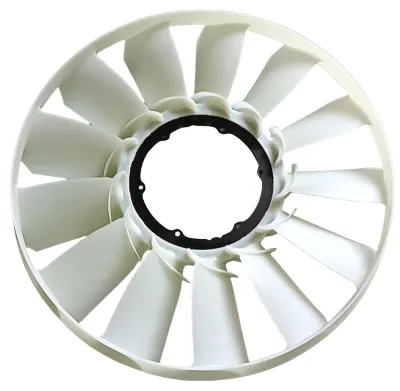
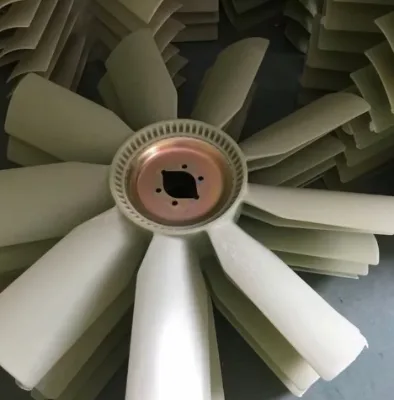
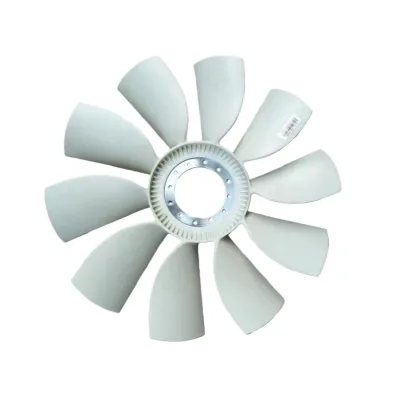
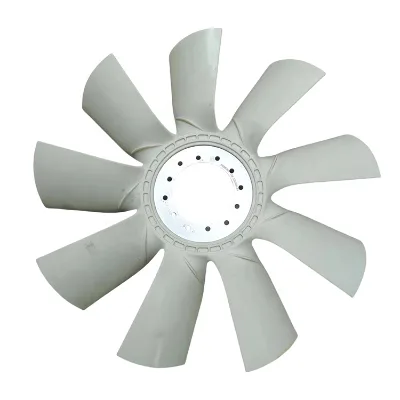
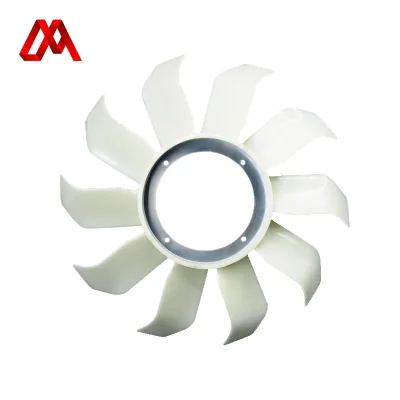
Buyers searching for Heavy Truck Engine Fan Blade suppliers will encounter listings concentrated in a handful of Chinese provinces. Shandong-based companies in this category are typically classified as trading companies, with truck parts as their declared main products, and several carry SGS verification with OEM and ODM capability. Jiangsu suppliers tend to be manufacturers whose core lines are fans, wind leaves, impellers, and fan blades, serving heavy duty truck cooling as well as industrial ventilation. Zhejiang combines trading companies and manufacturer-factories under one listing, covering auto parts, engine parts, filters, gaskets, glow plugs, and fan blades together. Understanding these differences matters because a trading company may source blades from multiple factories, while a manufacturer will usually control tooling and material formulation directly.
When cluster information is not displayed for a given search result, buyers should identify concentrations themselves by filtering by province, checking the declared main products and company type, and looking at whether the product photographs suggest factory-scale production or catalogue reselling. For this category, the practical distinction is between suppliers whose primary catalogue is cooling-system components and generalist auto-parts traders that list fan blades among hundreds of unrelated items. A fan-focused manufacturer in Jiangsu will likely handle nylon blade molding in-house, whereas a Shandong truck-parts trader may broker the same part from a third factory. Neither model is automatically better; the buyer's choice depends on whether customization, volume, or catalogue breadth drives the order.
How to Verify Heavy Truck Engine Fan Blade Suppliers
Verification should start with the platform-displayed credentials rather than assumptions. In current results, some suppliers show SGS verification while others show ISO 9001 system certification; these are different signals, and a buyer should never treat one as covering the other. SGS verification indicates a third-party audit of the company's status, while an ISO 9001 listing addresses the quality management system. Some suppliers display neither, which does not disqualify them but shifts the burden onto the buyer to request certificates directly and confirm validity with the issuing body. Response time is another verifiable signal already shown in results: figures in this category range from roughly three hours to around seventeen hours on average, which meaningfully affects how quickly a technical query about blade pitch, hub bore, or material grade gets resolved.
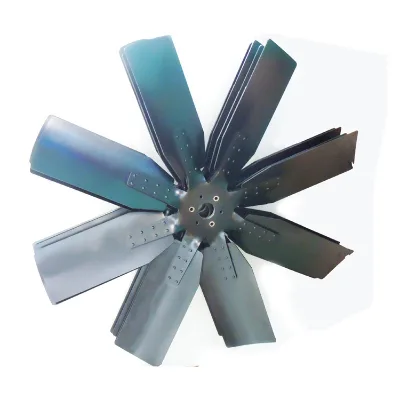
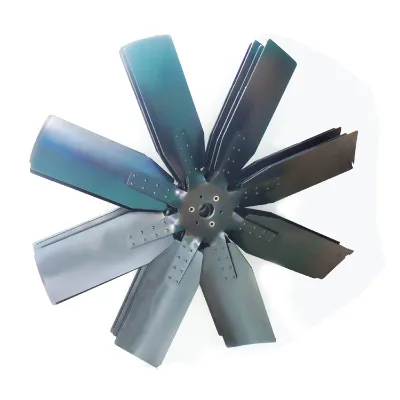
Beyond certificates, request documentation tied to the specific product. At least one supplier in this category states that a mechanical test report can be provided for its steel, bolt-on, primed fan blade assemblies, and that the standard is customizable; ask for that report before sampling rather than after. Confirm the declared product attributes match your requirement: steel versus plastic or nylon construction, OEM-style versus adjustable-angle blades, and stated diameters such as the 335–1070 mm range or 435 mm blade length shown for certain nylon models. Also verify the warranty terms; some Jiangsu fan manufacturers list a one-year warranty on cooling tower and truck fan blades. Any supplier unable to produce test reports, material specifications, or written warranty terms should be treated as unverified regardless of platform badges.
What to Compare Across Heavy Truck Engine Fan Blade Suppliers
Build a comparison sheet using the attributes that are actually displayed, and mark blanks as "to confirm" rather than assuming all suppliers carry the same fields. Useful columns include company type (trading company versus manufacturer), province, main products, response time, lead time, verification status, and R&D capacity such as ODM, OEM, or own-brand capability. In current listings, lead times vary sharply: one Shandong trading company shows 15 days while a Zhejiang trading-and-manufacturing hybrid shows 45 days, a threefold difference that changes reorder planning. Response times of 3 hours, 9.18 hours, and 17.21 hours across these suppliers similarly separate urgent-sourcing candidates from slower correspondence partners.
Product-level comparison matters as much as company-level data. Prices in this category span from 1–4999 USD for steel truck spare-part assemblies down to narrow bands like 44–126 USD, 70 USD, and 72 USD for specific nylon blade models, so compare identical specifications rather than headline prices. MOQ is displayed as 10 units for one steel assembly listing but is not shown for every supplier, so request it explicitly where absent. Also compare customization depth: OEM, ODM, and OBM support appear on some Jiangsu nylon blade listings, while other suppliers state customization simply as "available." Weight the relevance of main products too—a supplier whose catalogue is filters, gaskets, and glow plugs may handle a fan blade as a side line, while impeller-focused manufacturers treat it as core business.
Common Heavy Truck Engine Fan Blade Sourcing Risks
The most frequent risk in this category is specification mismatch. A Heavy Truck Engine Fan Blade must match hub mounting, blade count, pitch angle, and rotation direction to the engine's cooling package, and listings often show attribute sets that differ: one steel assembly is described as bolt-on with a non-bearing body and primed finish, while nylon equivalents offer adjustable angles of 20–50 degrees. Ordering from a photograph or a model number alone invites returns and downtime. A second risk is conflating categories: Jiangsu manufacturers here supply cooling tower fans and wheel loader fans alongside truck blades, so a supplier strong in industrial ventilation may not hold tooling for your specific truck application.
Compliance and traceability risks also recur. Certification strings such as "ISOCE,TS" attached to a product attribute should be checked carefully, because a supplier-level ISO 9001 certificate does not guarantee product-level certification, and no emission or safety approval should be assumed from a marketplace listing. Origin claims deserve scrutiny too: multiple listings state place of origin as China or specific provinces, but buyers should confirm the actual production site when a trading company is involved, since the factory location may differ from the registered address. Finally, price-band risks: a 1 USD minimum in a wide 1–4999 USD range is usually a placeholder for custom quotation, not a real unit price. Treat displayed figures as negotiation starting points and validate every attribute in writing before payment.
Heavy Truck Engine Fan Blade Regional Sourcing and Logistics
Regional sourcing in this category currently points to three provinces with distinct profiles. Shandong suppliers operate as trading companies focused on truck parts, which suits buyers consolidating multiple truck components into one shipment, since fan blades can ship alongside other parts from the same northern logistics base. Jiangsu manufacturers concentrate on fans, wind leaves, and impellers, offering P5 and 5Z/7Z nylon blade series with documented air volumes from 675 up to 119,369 m³/h, relevant for buyers needing engineering data for airflow matching. Zhejiang combines trading and factory operations with a broad auto-parts catalogue, useful for mixed parts orders but requiring confirmation that fan blades are produced rather than traded. Lead times also vary regionally, with the displayed Shandong listing at 15 days versus 45 days for the Zhejiang counterpart.
Logistically, plan around the physical characteristics of the parts shown in listings: fan blades are bulky, low-density items, with nylon examples weighing 436 g each but shipping at diameters up to 1070 mm, which drives dimensional-weight freight costs and carton sizing. Primed steel assemblies need corrosion protection in transit, so confirm packaging descriptions such as the "packaging" attribute shown for one listing, and specify export cartons with edge protection for blades. Bolt-on installation simplifies destination handling, but adjustable-angle blades should be shipped with pitch locked to prevent deformation. Confirm whether the quoted lead time includes production only or also customs clearance, and align the supplier's response-time habits with your shipping-window discipline before committing.
Heavy Truck Engine Fan Blade Commercial Terms and Order Planning
Order planning should anchor on the numbers actually displayed. With MOQs like 10 units shown for a steel fan blade assembly, pilot orders are feasible, but where no MOQ is shown, request it in the first inquiry along with tiered pricing, since the 1–4999 USD range on that listing indicates quotation-based pricing rather than fixed rates. For nylon models with set prices of 44–126, 70, or 72 USD, confirm what configuration those prices assume—diameter, blade count, and hub type all sit within ranges like 400–725 mm or 500–810 mm, so a single listed price rarely covers all variants. Use secure payment or escrow arrangements where the platform offers them; some supplier profiles reference escrow, and buyers should confirm protection status per order rather than assuming it.
Lead-time planning should buffer around the displayed 15-day and 45-day figures, treating the longer end as realistic for customized or first-article production. Build an approval sequence: drawing or sample confirmation, mechanical test report review (offered by at least one supplier), pilot MOQ run, then scale-up. Agree warranty terms in writing; one-year warranties appear on several Jiangsu fan blade listings and represent a reasonable baseline to request elsewhere. Confirm customization scope early—OEM, ODM, and OBM support, or the "customizable standard" language shown on steel assemblies—and document agreed dimensions, materials, and finish (primed steel versus nylon) in the proforma invoice so that quality claims later have a contractual reference point.
FAQs
What is the price range for heavy truck engine fan blades?
Prices for heavy truck engine fan blades typically range from $1.00 to $4,999.00 depending on material and specifications. Steel blades often start at the lower end, while specialized nylon or plastic variants may cost between $44.00 and $126.00. Buyers should verify exact pricing based on order quantity and customization needs.
What is the minimum order quantity for these parts?
The minimum order quantity is generally set at 10 units for standard heavy truck fan blades. This low MOQ allows buyers to test quality before committing to larger volumes. Some suppliers may offer flexible terms for OEM or ODM projects, but the baseline requirement remains ten pieces per order.
How long does production take for custom fan blades?
Production lead times vary by supplier, with some offering 15 days and others requiring up to 45 days. Manufacturers in Jiangsu and Zhejiang typically provide these estimates for standard orders. Buyers seeking faster turnaround should confirm specific timelines during negotiation, as OEM customization may extend the delivery schedule.
Are heavy truck fan blades available with ISO certification?
Yes, many suppliers offer fan blades certified under ISO9001 standards. This certification ensures quality management systems are in place for manufacturing. Buyers can verify this credential directly with the supplier, as it is a common requirement for heavy-duty truck parts and industrial ventilation components in global markets.
What materials are used for heavy truck cooling fan blades?
Fan blades are commonly made from steel, plastic, or nylon. Steel blades are often primed and bolt-on for durability, while nylon variants offer adjustable angles and high airflow efficiency. Buyers should select materials based on their specific engine cooling requirements and compatibility with heavy-duty truck models.
Can suppliers provide mechanical test reports for fan blades?
Some suppliers can provide mechanical test reports for their fan blades upon request. This documentation verifies the structural integrity and performance of the product. Buyers should explicitly ask for these reports during the inquiry phase to ensure the parts meet their specific engineering and safety standards.