Organic Shrink-Resistant Cotton Dress Fabric Suppliers and Manufacturers
Source Organic Shrink-Resistant Cotton Dress Fabric from 29 suppliers. Compare verified status, location, main products, customization, sample policy, response time, and lead time, then send inquiries to shortlisted factories with your width, weight, and certification requirements; review the available evidence before requesting comparable quotations from suitable candidates.
Suppliers List

Shaoxing Keqiao Yigao Textile Co., Ltd.
- Verified by BV
- Trading Company,Manufacturer/Factory
- China Zhejiang
- Lead time23 days
- Avg. response≤ 7h
Main productsKnitting Fabric, Printed Fabric, Single Jersey Jabric, Ponti Roma Fabric, Jacquard Fabric, Rib Fabric, Sports Wear Fabric, Suiting Fabric, Velvet Fabric, Yummy Fabric
Main marketsSouth America,Eastern Europe,Mid East,North America,Southeast Asia,Eastern Asia,Oceania,Western Europe,Africa
Foshan Dihong Textile Co., Ltd.
- Verified by CTI
- Trading Company
- China Guangdong
- Lead time23 days
- Avg. response≤ 3h
Main productsKnitted Fabrics, Knitted Jacquard Fabrics, Jacquard Fabrics, Polyester Jacquard Fabrics, Mesh Fabrics, Cotton Double-Sided Fabrics, Cotton Fabric, Pique Fabrics, Double-Sided Fabrics, Single-Sided Fabrics
Main marketsSouth America,Southeast Asia/ Mideast,Domestic,Europe,Australia,North America

95% Cotton 5% Spandex Garment Dress Clothing Printed Wholesale Ribbing Organic Fabric Factory
$5.60 - $5.90
MOQ: 300 kg


Hebei Changjin Textile Co., Ltd.
- Verified by BV
- Trading Company
- China Hebei
- Lead time30 days
- Avg. response≤ 2h
Main productsUniform Fabric, Flannel Fabric, Pocketing Fabric, Yarn Dyed Fabric, Shirting Fabric, Cotton Spandex Fabric, Poly Rayon Fabric
Main marketsSouth America

Factory Custom Floral Print Cotton Fabric for Clothing Roll Fabrics for Clothing Cotton Kids
$0.70 - $0.90
MOQ: 3000 Meters


$1.05 - $1.15
MOQ: 3000 Meters


Organic Linen Cotton Blended Fabric for Women Dress Gingham Linen Shirt Fabric
$0.80 - $1.50
MOQ: 3000 Meters

Hebei Wangbei Textile Trading Co., Ltd.
- Verified by SGS
- Trading Company,Manufacturer/Factory
- China Hebei
- Lead time15 days
- Avg. response≤ 3h
Main productsGreige Fabric, Polyester Viscose Uniform Fabric, Shirt Fabric, Muslin Fabric, Linen Fabric, Sheet Fabric, 100% Cotton Fabric, Tr Suit Fabric, Thobe Fabric, Tc Poplin Fabric
Main marketsSouth America,Eastern Europe,Mid East,North America,Southeast Asia,Eastern Asia,Oceania,Western Europe,Africa


Printing 100% Cotton Crepe Printed Floral Poplin Fabric for Dresses Shirt Fabric
$0.70 - $0.90
MOQ: 5000 Meters

Factory Bulk Produce Printed 100% Double Layer Cotton Muslin Fabric for Dress
$0.90 - $1.20
MOQ: 4800 Meters

Poplin Fabric 100 Cotton Cloth Plain Cloth Printed Floral Poplin Fabric for Dresses Shirt Fabric
$0.70 - $0.90
MOQ: 5000 Meters


High Quality Soft Polyester Cotton Spandex Elastic Fabric From China for Women Under Shirt Dresses
$0.90 - $1.10
MOQ: 4000 Meters
Dongguan Xinlang Textile Technology Co., Ltd.
- Verified by BV
- Combined
- China Guangdong
- Lead time15 days
- Avg. response≤ 5h
Main marketsSoutheast Asia/ Mideast,Domestic,Europe,Australia,North America
Hebei Xingye Import And Export Co., Ltd.
- Verified by SGS Group
- Manufacturer, Trading Company
- Lead time30 days
Main productsTC Workwear Fabric, TC Shirting Fabric, TR Suiting Fabric, TR Shirting Fabric, Cotton Flannel Fabric
Main marketsSouth America(30%), Africa(30%), Southeast Asia(10%)
Shaoxing Zhongzhe Textile Import & Export Co., Ltd.
- Verified by SGS
- Trading Company
- China Zhejiang
- Lead time30 days
- Avg. response≤ 12h
Main productsPolyester Fabric, Satin Silk, cotton Voile, Pajama Satin, Acetate Satin, Crepe Chiffon, Tr Yard Dyed, Milk DTY, Super Soft, French Terry
Main marketsSouth America,Southeast Asia/ Mideast,Europe,Australia,North America

Suzhou Sunchan Textile Co., Ltd.
- Trading Company,Manufacturer/Factory
- China Jiangsu
- Lead time15 days
- Avg. response≤ 4h
Main productsOutdoor Sports Fabric, Functional Outdoor Fabric, Cotton Fabric, Polyester Fabric, Nylon Fabric, Coated Fabric, Compound Fabric, Print Fabric
Main marketsSouth America,Eastern Europe,Mid East,North America,Southeast Asia,Eastern Asia,Oceania,Western Europe,Africa

Suzhou Jinghua Textile Technology Co., Ltd.
- Verified by TUVRHEINLAND
- Trading Company
- China Jiangsu
- Lead time15 days
- Avg. response≤ 11h
Main productsChiffon, Georgette, Koshibo, Satin, Bonding, Taffeta Pongee Micro PNP Moss Nylon, Nylon Cotton Poly Cotton, Oxford 150d 200d 300d 400d 500d 600d 1680d, PVC Silver Coated, Metallic
Main marketsSoutheast Asia/ Mideast

Shaoxing Yewang Textile Co., Ltd.
- Trading Company
- China Zhejiang
- Lead time15 days
- Avg. response≤ 13h
Main productsRayon Print&Dye Fabric, Cotton Print&Dyed Fabric, Polyester Print and Dyed Fabric, Digital Printing Fabric, Nida Fabric and Abaya Fabric, Garment Fabric and Knitted Fabric, Linen Fabric and Hawaii Design Fabric, Velvet Fabric and Cey Fabric, Flano Fabric and Denim Fabric, Woven Fabric
Main marketsOthers(foreignTradeCapacity.exportBusinessCapacityMarketOther),Southeast Asia/ Mideast,East Asia(Japan/ South Korea)


Customized Printing 100% Cotton Fabric for Clothing 100% Twill Cotton Print Fabric
$1.58 - $1.78
MOQ: 1000 Yards


DEZHOU JUNXIANG TEXTILES CO., LTD.
- Trading Company
- China Shandong
- Lead time15 days
- Avg. response≤ 5h
Main productsUniform Fabric, Pocketing Fabric, Shirt Fabric, Greige Fabric, Polyester Cotton Fabric, Polyester Viscose Fabric, Spandex Fabric, Cotton Fabric, Garment Fabric, Functional Textiles
Main marketsSouth America,Africa,Southeast Asia/ Mideast,East Asia(Japan/ South Korea),Domestic,Europe,Australia,North America


Tc 65% Polyester 35% Cotton Printing Soft and Comfortable Shirt Dress Fabric
$1.03 - $1.20
MOQ: 5000 Meters


Shaoxing Fang's Imp & Exp Co., Ltd.
- Trading Company
- Zhejiang, China
- Lead time0 days
- Avg. response≤ 1h
Main productsjet black/formal black fabric,ladies fabric(100%polyester),abaya fabric,dyed fabric,printed fabric
Main marketsMid East(50.00%), South Asia(10.00%), North America(10.00%), Africa(10.00%), Southeast Asia(10.00%), Eastern Europe(10.00%)
Shao Xing Jingqing Textile Co., Ltd.
- Trading Company
- Zhejiang, China
- Lead time10 days
- Avg. response≤ 1h
Main productsCotton Fabric,Polyester Fabric,Rayon/Viscose Fabric,Spandex Fabric,Fashion fabric
Main marketsSouth America(30.00%), North America(30.00%), Western Europe(20.00%), Eastern Europe(10.00%), Southeast Asia(10.00%)
Shaoxing Ecou Textile Co., Ltd.
- Verified by SGS Group
- Manufacturer, Trading Company
- Lead time15 days
Main productsOrganic Cotton Dyed & Printed Fabrics, Bamboo Blended Fabrics, Modal fabrics, Lyocel/Tencel Fabrics, Recycled Polyester/Cotton/Nylon Fabrics
Main marketsNorth America(35%), Western Europe(23%), South America(5%)
Shaoxing Huichao Textile Co., Ltd.
- Trading Company,Manufacturer/Factory
- China Zhejiang
- Lead time15 days
- Avg. response≤ 11h
Main productsFabric, Jacquard Fabric, Stretch Crepe Fabric, Twill Fabric, Polyester Cotton Like Fabric, Slub Fabric, Memory-Like Fabric, DTY Fabric, Cey 4-Way Stretch Fabric, Skirts Fabric
Main marketsSouth America,Eastern Europe,Mid East,North America,Southeast Asia,Eastern Asia,Oceania,Western Europe,Africa

$0.85 - $1.95
MOQ: 1000 Meters

Multi-Purpose Wrinkle-Free Elastic Polyester Cotton-Like Crepe Fabric for Dresses Pants Suits Coats
$0.85 - $1.95
MOQ: 1000 Meters
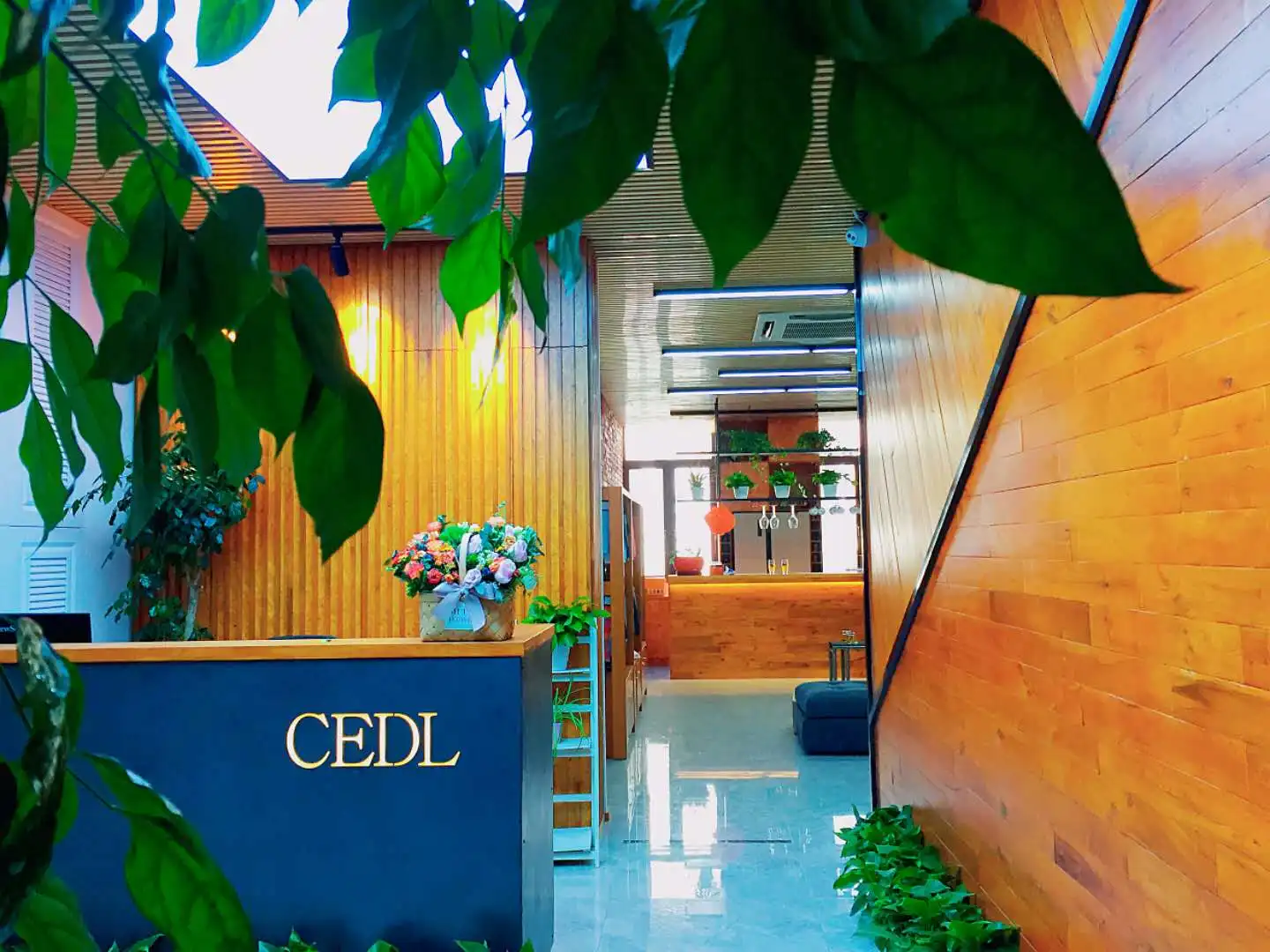
Shanghai Cedl (IM/EX) Co., Ltd.
- Manufacturer, Trading Company
- Shanghai, China
- Lead time7 days
- Avg. response≤ 9h
Main productsLinen Fabric,Linen Rayon,Denim Fabric,Wool Linen,Textured Fabric
Main marketsWestern Europe(30.00%), North America(30.00%), Southeast Asia(16.00%), Eastern Asia(5.00%), Domestic Market(5.00%), Eastern Europe(5.00%), Mid East(3.00%), Northern Europe(3.00%), South America(3.00%)

Suzhou Zhengkai Textile Co., Ltd.
- Verified by BV
- Trading Company,Manufacturer/Factory
- China Jiangsu
- Lead time15 days
- Avg. response≤ 15h
Main productsPolyester Fabric, Oxford Fabrics, Coated Fabric, Nylon Fabric, Lining Fabric, Satin Fabric, Microfiber Peach Skin, Chiffon Fabric, Anti-Static Fabric, Pongee Fabric
Main marketsEastern Europe,North America,Southeast Asia,Eastern Asia,Oceania,Western Europe,Africa
Shenzhen Hongshunfa Textile Co., Ltd.
- Trading Company
- Guangdong, China
- Lead time0 days
- Avg. response≤ 15h
Main productsReusable Bag,Fabric,Food Bag,Beeswax Food Wrap,Canvas Fabric
Main marketsNorthern Europe(30.00%), North America(30.00%), South America(25.00%), Southern Europe(5.00%), Eastern Europe(5.00%), Western Europe(5.00%)
Guangzhou Yifan Textile Co., Ltd.
- Manufacturer, Trading Company, Distributor/Wholesaler
- Guangdong, China
- Lead time0 days
- Avg. response≤ 4h
Main productsFashion fabric,Printed fabric,cloth fabric
Main marketsMid East(25.00%), North America(15.00%), South America(10.00%), Africa(10.00%), Southeast Asia(10.00%), Eastern Europe(5.00%), South Asia(5.00%), Northern Europe(5.00%), Central America(5.00%), Western Europe(2.00%), Domestic Market(2.00%), Southern Europe(2.00%), Eastern Asia(2.00%), Oceania(2.00%)

Shanghai Hansun Textile Printing Co., Ltd.
- Manufacturer, Trading Company
- Shanghai, China
- Lead time30 days
- Avg. response≤ 14h
Main productsSilk Scarf,Silk Digital Print Fabric,Rayon Digital Print Fabric,Cotton Digital Print Fabric,Linen Digital Print Fabric
Main marketsDomestic Market(50.00%), Mid East(10.00%), Southeast Asia(10.00%), Western Europe(5.00%), Eastern Asia(5.00%), North America(5.00%), Northern Europe(5.00%), Central America(5.00%), South America(3.00%), Eastern Europe(1.00%), Africa(1.00%)

Hebei Shuolan Industrial Co., Ltd.
- Verified by BV
- Combined
- China Hebei
- Lead time15 days
- Avg. response≤ 6h
Main productsCotton Tc CVC Fabric & Greige, Shirt Fabric, Pocketing/Lining Fabric, Uniform Fabric, Medical Fabric, Mask, Home Textile, Towel
Main marketsOthers(foreignTradeCapacity.exportBusinessCapacityMarketOther),Domestic

High Quality Printed Fabric for Clothing Print Workwear Polyester Cotton Fabric
$1.00 - $1.80
MOQ: 3000 Yards

Shaoxing Keqiao Feiyou Textile Co., Ltd.
- Verified by Intertek
- Trading Company
- Lead time10 days
Main productsSingle Jersey, HACCI, Double Jersey, Fleece, Rib
Main marketsNorth America(50%), Western Europe(22%), Northern Europe(20%)
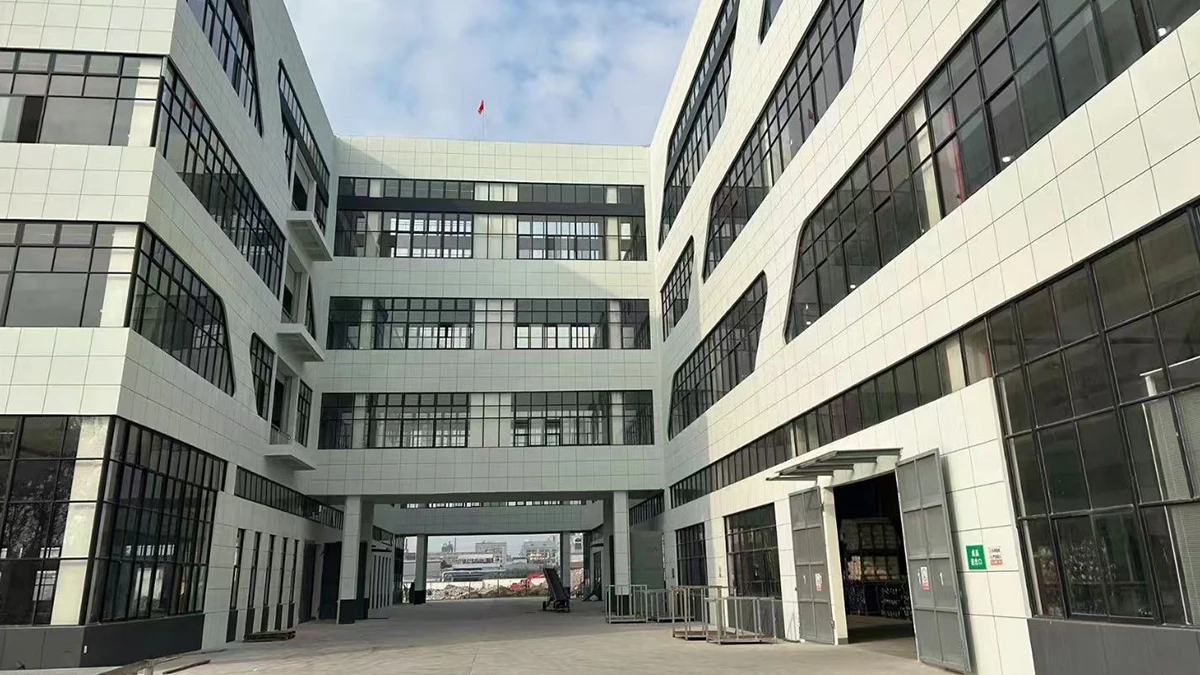
Guangzhou Caizhi Textile Materials Co., Ltd.
- Manufacturer
- Guangdong, China
- Lead time0 days
- Avg. response≤ 2h
Main productsfabric,velvet,women velvet
Main marketsMid East(40.00%), South America(40.00%), South Asia(10.00%), Southeast Asia(10.00%)

- Trading Company,Manufacturer/Factory
- China Shandong
- Lead time45 days
- Avg. response≤ 25h
Main productsHemp Fabric, Hemp Twine/Cord/Rope, Hemp Clothing, Hemp Yarn, Linen Fabric, Organic Cotton Fabric, Baby Cloth Diaper, Bamboo Fabric, Bamboo Towel /Scarf, T/R/Sp Fabrics
Main marketsSouth America,Eastern Europe,Mid East,North America,Southeast Asia,Eastern Asia,Oceania,Western Europe,Africa


100%Organic Cotton Canvas Fabric (QDFAB-8642)
MOQ: 1000 Meters

100%Organic Cotton Twill Fabric (QDFAB-8643)
MOQ: 1000 Meters

100%Organic Cotton Twill Solid Fabric (QDFAB-8646)
MOQ: 1000 Meters

Organice Cotton/Linen Twill Fabric for Clothing (QF16-2674)
MOQ: 1000 Meters

14 Wales 100%Organic Cotton Fabric for Garments (QF16-2673)
MOQ: 1000 Meters

Suzhou Welljoy Textile Co., Ltd.
- Manufacturer/Factory
- China Jiangsu
- Lead time23 days
- Avg. response≤ 19h
Main productsHigh Visibility Fabric, Functional Fabric, Uniform Fabrics, Textile Fabric, Oxford Fabric, Conductive Fabric, Fluorescent Fabrics, Stripe Fabric, Coated Fabric, Woven Fabric
Main marketsSouth America,Eastern Europe,Mid East,North America,Southeast Asia,Eastern Asia,Oceania,Western Europe,Africa

Pearl Chiffon Fabric Plain Dyed Polyester Chiffon Fabric Custom Design Dress Fabric
$1.20 - $5.80
MOQ: 1000 Pieces


Shaoxing City Beita Trade Co., Ltd.
- Verified by BV
- Manufacturer/Factory
- China Zhejiang
- Lead time15 days
- Avg. response≤ 14h
Main productsStock Textiles, Stock Fabrics, Lycra Printed, Stock Polo, Chiffon, Fresh Order
Main marketsEastern Europe,Mid East,North America,Southeast Asia,Western Europe,Africa

MOQ: 2000 Meters

MOQ: 2000 Meters

Wujiang Benmore Textile Imp and Exp Co., Ltd.
- Verified by TUVRHEINLAND
- Trading Company,Manufacturer/Factory
- China Jiangsu
- Lead time15 days
- Avg. response≤ 10h
Main productsFabric, Polyester Fabric, Coated Fabric, Bonded Fabric, Functional Fabric, Nylon Fabric, Oxford Fabric, Waterproof and Breathable Fabric, Fluorescent Fabric, Flame Retardant Fabric
Main marketsSouth America,Eastern Europe,Mid East,North America,Southeast Asia,Eastern Asia,Oceania,Western Europe,Africa

- Verified by BV
- Trading Company,Manufacturer/Factory
- China Jiangsu
- Lead time23 days
- Avg. response≤ 24h
Main productsNylon Fabric, Polyester Fabric, Cotton Fabric, Stretch Fabric, Jacket Fabric, Dress Fabric, Down Proof Fabric, Cold Protection Fabric, Bag&Tent Fabric, Raincoat Fabric
Main marketsSouth America,Eastern Europe,Mid East,North America,Southeast Asia,Eastern Asia,Oceania,Western Europe,Africa
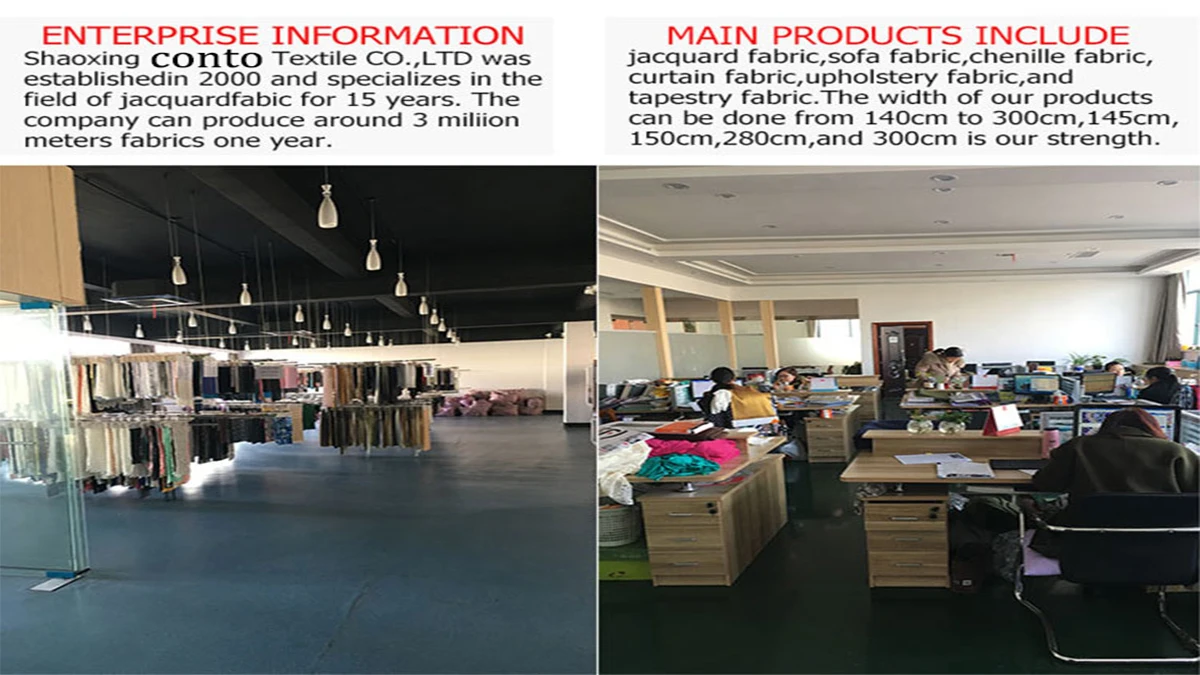
Shaoxing Keqiao Conto Textile Co., Ltd.
- Trading Company
- Zhejiang, China
- Lead time60 days
- Avg. response≤ 7h
Main productssofa fabric,garment fabric,flannel blanket,pu/pvc fabric,curtain
Main marketsSouth Asia(15.00%), Southern Europe(10.00%), North America(10.00%), Eastern Europe(10.00%), Northern Europe(10.00%), Domestic Market(5.00%), Africa(5.00%), Southeast Asia(5.00%), South America(5.00%), Central America(5.00%), Western Europe(5.00%), Eastern Asia(5.00%), Mid East(5.00%), Oceania(5.00%)






Comprehensive Sourcing Guide
Organic Shrink-Resistant Cotton Dress Fabric Supplier Concentration and Factory Types
When sourcing Organic Shrink-Resistant Cotton Dress Fabric, buyers should first map the geographic distribution of potential partners. High-confidence data indicates significant supplier presence in Zhejiang, Guangdong, and Hebei provinces within China. These regions host distinct industrial clusters that specialize in different textile processing stages. Zhejiang is known for a wide variety of knitting and woven fabrics, including specific dress materials. Guangdong often focuses on knitted and jacquard fabrics, while Hebei tends to handle uniform and shirting fabrics. Understanding these regional specializations helps buyers target factories that already possess the necessary machinery and expertise for their specific fabric requirements, reducing the risk of misaligned capabilities.
Supplier types vary significantly between manufacturers and trading companies. A manufacturer or factory typically offers direct control over production quality and customization, which is crucial for organic standards and shrink resistance treatments. Trading companies, however, may provide broader product ranges and faster initial responses, as seen in some Guangdong-based entities. Buyers must distinguish between these types early in the sourcing process. A factory might offer OEM or ODM services with own-brand capabilities, whereas a trader might aggregate products from multiple sources. This distinction impacts negotiation leverage, quality control oversight, and the ability to implement specific technical specifications for shrink-resistant properties. Identifying the correct supplier type ensures that the buyer’s operational needs align with the supplier’s core competencies and resource allocation.
How to Verify Organic Shrink-Resistant Cotton Dress Fabric Suppliers
Verification is critical when dealing with organic and functional fabrics like shrink resistant cotton dress fabric. Buyers should prioritize suppliers who hold third-party verification badges, such as BV or CTI, which indicate that the company’s identity and operational capabilities have been audited by independent agencies. These verifications provide a baseline level of trust but do not guarantee product quality. Therefore, buyers must request specific documentation related to organic certifications and shrink resistance test results. For organic claims, look for recognized global standards documentation. For shrink resistance, request lab reports that detail the testing methodology and results, ensuring the fabric meets the required dimensional stability standards after washing.
Beyond digital badges, physical verification is essential. Buyers should request samples to test the fabric’s hand feel, weight, and actual shrinkage performance under controlled conditions. If the supplier offers free samples, use this opportunity to evaluate the material’s consistency. Additionally, verify the supplier’s production capacity and lead times by asking for recent production schedules. Check if the supplier’s main products align with your specific needs; for instance, a supplier specializing in jacquard or ribbing fabrics may have different strengths than one focused on plain woven cotton. Cross-reference the supplier’s claimed capabilities with their actual product listings to ensure consistency. This multi-layered verification approach minimizes the risk of receiving non-compliant materials and ensures that the supplier can deliver the specific technical attributes required for high-quality dress fabric.
What to Compare Across Organic Shrink-Resistant Cotton Dress Fabric Suppliers
When comparing suppliers for Organic Shrink-Resistant Cotton Dress Fabric, focus on key operational metrics that directly impact your supply chain efficiency. Lead time is a primary differentiator; some suppliers may offer lead times as short as 23 days, while others might require 30 days or more. This variance affects your inventory planning and ability to meet market deadlines. Response time is another critical factor, with some suppliers responding within 1.16 hours and others taking up to 6.79 hours. Faster response times often indicate better communication channels and operational agility, which are vital for resolving issues during production. Buyers should not assume all suppliers display these attributes equally, so request specific data points during the inquiry phase to ensure accurate comparison.
Minimum Order Quantity (MOQ) and pricing structures also vary significantly across suppliers. For example, MOQs can range from 300 to 1000 units, depending on the fabric type and customization level. Price ranges for similar fabrics might span from $0.90 to $5.90 per unit, reflecting differences in material quality, processing complexity, and supplier margins. Buyers should analyze the total cost of ownership, including shipping and potential quality control costs, rather than just the unit price. Additionally, compare the suppliers’ main product lists to ensure they have experience with the specific fabric type you need. A supplier specializing in organic cotton or shrink-resistant treatments will likely offer better technical support and quality consistency. By systematically comparing these dimensions, buyers can identify suppliers that offer the best balance of cost, speed, and quality for their specific requirements.
Common Organic Shrink-Resistant Cotton Dress Fabric Sourcing Risks
Sourcing Organic Shrink-Resistant Cotton Dress Fabric carries specific risks related to material authenticity and performance consistency. One major risk is the misrepresentation of organic status. Without rigorous verification, buyers may receive conventional cotton labeled as organic, which can lead to compliance issues and brand damage. To mitigate this, buyers should insist on third-party organic certification documents and conduct independent testing of samples. Another risk is inconsistent shrink resistance performance. Even if a fabric passes initial tests, batch-to-batch variations can occur due to differences in dyeing or finishing processes. Buyers should establish clear quality control protocols, including pre-shipment inspections and agreed-upon tolerance levels for shrinkage, to ensure that every batch meets the specified standards.
Supply chain disruptions and communication gaps are also common risks. Suppliers with longer lead times or slower response times may struggle to adapt to urgent changes in order specifications or delivery schedules. This can result in delayed shipments and increased storage costs. Additionally, relying on a single supplier increases vulnerability to production issues or quality failures. Buyers should consider diversifying their supplier base to mitigate these risks. Regular communication and transparent reporting from the supplier are essential to maintain visibility into the production process. By proactively addressing these risks through rigorous verification, quality control, and supplier diversification, buyers can secure a reliable supply of high-quality Organic Shrink-Resistant Cotton Dress Fabric.
Organic Shrink-Resistant Cotton Dress Fabric Regional Sourcing and Logistics
Regional sourcing for Organic Shrink-Resistant Cotton Dress Fabric involves understanding the logistical implications of different production locations. Suppliers in Zhejiang, Guangdong, and Hebei offer distinct advantages and challenges. Zhejiang suppliers may provide a wide range of fabric types, but logistics to international markets may vary depending on the specific port used. Guangdong suppliers, often located near major ports, may offer more streamlined export processes, potentially reducing shipping times and costs. Hebei suppliers, while potentially offering competitive pricing, may face longer transit times to coastal ports, which could impact overall lead times. Buyers should evaluate the total logistics cost, including inland transportation to ports and international shipping, when selecting a regional supplier.
Customs and compliance requirements also vary by region and destination. Buyers must ensure that the supplier can provide all necessary documentation for customs clearance, including certificates of origin and organic compliance documents. Inconsistent documentation can lead to delays at the border and additional fees. Additionally, regional differences in production capabilities may affect the ability to meet specific technical requirements. For instance, a supplier in one region may have specialized equipment for shrink-resistant treatments, while another may not. Buyers should verify the supplier’s regional capabilities and logistics infrastructure before finalizing the order. By carefully considering regional factors, buyers can optimize their supply chain for efficiency and compliance, ensuring that the fabric arrives on time and meets all regulatory requirements.
Organic Shrink-Resistant Cotton Dress Fabric Commercial Terms and Order Planning
Negotiating commercial terms for Organic Shrink-Resistant Cotton Dress Fabric requires attention to payment structures, delivery terms, and order flexibility. Buyers should clarify the payment terms, such as whether the supplier accepts escrow services or requires upfront payment. Escrow can provide an additional layer of security, ensuring that payment is released only after the goods are verified. However, not all suppliers may offer this option, so buyers should discuss this early in the negotiation process. Delivery terms, such as FOB or CIF, also impact the total cost and risk allocation. Buyers should choose terms that align with their logistics capabilities and risk tolerance, ensuring that they have control over the shipping process and insurance coverage.
Order planning should account for the supplier’s production capacity and lead times. Buyers should establish a clear production schedule and agree on milestones for quality checks and inspections. This helps to identify and address any issues early in the production process, reducing the risk of delays or quality failures. Additionally, buyers should consider the supplier’s ability to handle rush orders or changes in specifications. Flexibility in order planning can be crucial for meeting market demands and adapting to changing consumer preferences. By establishing clear commercial terms and a detailed order plan, buyers can ensure a smooth and efficient sourcing process for Organic Shrink-Resistant Cotton Dress Fabric, minimizing risks and maximizing value.
FAQs
Is Organic Shrink-Resistant Cotton Dress Fabric available with customization?
Yes, several listed suppliers offer customization on this type of fabric, including made-to-order supply and options for width, weight, and pattern. Listings show free samples and SGS certification on some cotton dress fabrics. Before ordering, confirm the organic claim in writing, request test reports for shrink resistance, and ask whether the custom process affects the listed lead time.
What minimum order quantities apply to organic cotton dress fabric?
Minimum order quantities in current listings vary by fabric construction, with examples including 500 meters and 1,000 meters per style, and one ribbing fabric at 300. Custom colors, prints, or compositions often require higher MOQs than stock items. Always confirm the exact MOQ for your chosen model, since quantities are set per product and can change with customization requirements.
How long does production take for cotton dress fabric orders?
Lead times in the supplied listings range from about 23 days to 30 days depending on the supplier and fabric type. Made-to-order production, custom dyeing, or printing typically extends this timeframe, and shipping is additional. Ask each supplier to confirm lead time in writing for your specific quantity and customization level before placing a deposit or confirming production.
What price range should I expect for this fabric category?
Listed prices for relevant dress fabrics range roughly from 0.90 to 5.90 per meter, with cotton embroidered fabrics near 0.90 to 1.75, knitted jacquards around 1.85, and heavier cotton spandex ribbing near 5.90. Price depends on composition, weight, and finish. Request tiered quotes for your target quantity, since per-meter cost usually drops at higher volumes.
Where are the suppliers of Organic Shrink-Resistant Cotton Dress Fabric located?
The suppliers in the current results are based in Zhejiang, Guangdong, and Hebei provinces in China. Zhejiang suppliers cluster around the Keqiao, Shaoxing textile hub, which is convenient for sourcing trims alongside fabric. Guangdong suppliers focus on knitted and jacquard fabrics, while Hebei suppliers specialize in woven cotton and uniform fabrics. Location affects shipping routes and freight cost.
How quickly do these fabric suppliers respond to inquiries?
Response times in the supplied results vary, from under 1.2 hours to nearly 7 hours on average. Faster responders tend to be trading companies with dedicated sales staff, while factories may take slightly longer during production hours. Send detailed inquiries including composition, width, weight, and quantity to get accurate quotes quickly, and note response speed as one sourcing criterion.
Are samples available before placing a bulk order?
Yes, multiple listings state that samples are free, particularly for cotton embroidered, dress, and jacquard fabrics. Even when the sample itself is free, courier charges are typically paid by the buyer, and sample lead time should be confirmed separately. Always approve a physical sample for hand feel, color, and shrink performance before committing to bulk production of a custom fabric.
What certifications should I verify for organic cotton fabric?
Some listings mention SGS certification and third-party verification of the suppliers themselves, but organic status is a specific claim requiring its own documentation. Ask suppliers for recognized organic certification such as GOTS or OCS for the actual fabric batch, plus test reports for shrinkage. Do not rely on general certifications alone, and verify certificate numbers directly with the issuing body before ordering.