Organic Natural Calendula Flower Oil Suppliers and Manufacturers
Source Organic Natural Calendula Flower Oil from 27 verified suppliers in Guangdong and Jiangsu, China. Compare response times, lead times, MOQs, and certifications like ISO and GMPC. Review product attributes and pricing to identify suitable partners for your brand needs.
Suppliers List
Guangzhou Ningzhi Biotechnology Co., Ltd.
- Manufacturer, Trading Company
- Guangdong, China
- Lead time30 days
- Avg. response≤ 2h
Main productsBath Supplies,Hair Care,Feminine Hygiene,Body Care,Skin Care
Main marketsNorth America(25.00%), Eastern Europe(10.00%), Southern Europe(10.00%), Central America(9.00%), Western Europe(8.00%), Northern Europe(7.00%), Eastern Asia(6.00%), Mid East(6.00%), Southeast Asia(5.00%), South Asia(5.00%), Domestic Market(4.00%), South America(3.00%), Oceania(1.00%), Africa(1.00%)
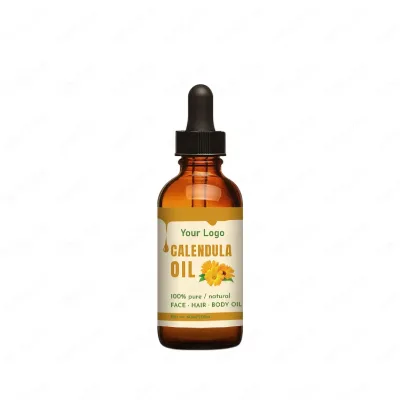
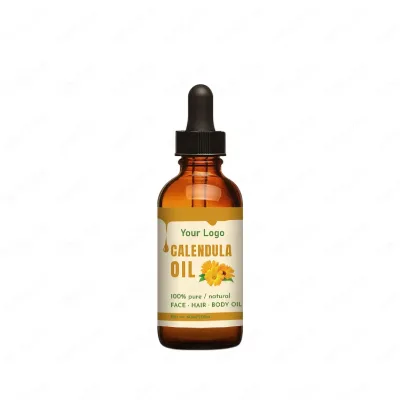
OEM Organic Calendula Oil Plant Natrual Flower Essential Oil for Sensitive Skin
$2.63 - $2.87
MOQ: 1000
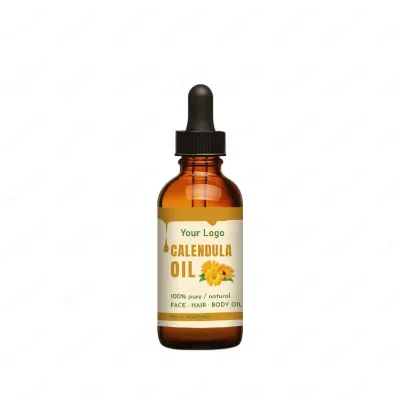
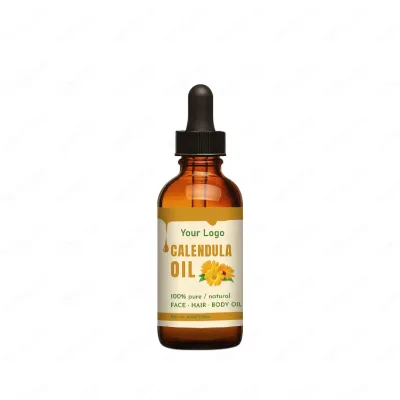
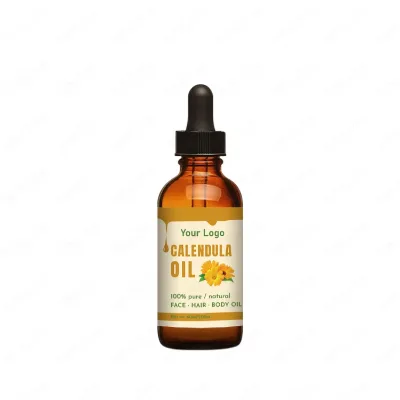

Suzhou Greenway Biotech Co., Ltd.
- Verified by BV
- Trading Company,Manufacturer/Factory
- China Jiangsu
- Lead time15 days
- Avg. response≤ 8h
Main productsGlutathione, Nmn, Pharmaceutical Intermediates, Cosmetic Materials, Nutritional Supplements
Main marketsSouth America,Eastern Europe,Mid East,North America,Southeast Asia,Eastern Asia,Oceania,Western Europe,Africa


Health Product Natural Plant Organic Calendula Flower Extract Calendula Powder
$18.00 - $20.00
MOQ: 1 kg

Low Price Organic 100% Pure Natural Bulk Eucalyptus Oil/Eucalyptus Essential Oil
$18.00 - $50.00
MOQ: 1 kg


Jiangxi Baicao Pharmaceutical Co., Ltd.
- Verified by BV
- Combined
- China Jiangxi
- Lead time15 days
- Avg. response≤ 11h
Main productsEssential Oil, Plant Extract, Fragrance Oil, Flavor Oil, Tea Tree Oil, Eucalyptus Oil, Peppermint Oil, Citronella Oil, Pine Oil, Cassia Oil /Cinnamon Oil
Main marketsSoutheast Asia/ Mideast,East Asia(Japan/ South Korea),Europe

Guangzhou Aixin Cosmetic Co., Ltd.
- Verified by TUVRHEINLAND
- Trading Company
- China Guangdong
- Lead time15 days
- Avg. response≤ 5h
Main productsSkin Care, Cosmetic, Face Mask, Beauty, Body Scrub, Face Care, Body Care, Skin Care Product, Mask, Cream
Main marketsDomestic


Beauty Cosmetics Skin Care Mild Powerful - Safe - Effective Wart Removing Oil
$1.85 - $2.50
MOQ: 50 Pieces

- Verified by SGS
- Manufacturer/Factory
- China Liaoning
- Lead time30 days
- Avg. response≤ 7h
Main productsCosmetic Ingredients, Cosmetic Preservatives, Biocides, Molecular Sieve, Color Developer, Glyoxylic Acid, PARA Nitrobenzoic Acid, Benzoic Acid, 6-Methyluracil, Methyl Salicylate
Main marketsSouth America,Eastern Europe,Mid East,North America,Southeast Asia,Eastern Asia,Oceania,Western Europe,Africa
Jiangxi Global Natural Spice Co., Ltd.
- Manufacturer, Trading Company
- Lead time旺季: "1 - 100":2,"> 100":"To be negotiated", 淡季: "1 - 100":2,"> 100":"To be negotiated"
- Avg. response≤ 3h
Main productsessential oil,plant oil,spice oil,terpene,herbs oil

Guangzhou Aifujia Biotechnology Co., Ltd.
- Trading Company
- China Guangdong
- Lead time15 days
- Avg. response≤ 5h
Main productsFace Cream, Face Serum, 24K Serum, Rose Spray, Vitamin C Serum, Skin Care Set, Essential Oil, Facial Mask, Face Lotion, Anti Aging Whitening Face Cream
Main marketsSoutheast Asia/ Mideast,Europe,North America

Private Label Natural Organic Plant Extract Flower Face Body Essential Oil
$1.98 - $3.20
MOQ: 300 Pieces

Factory Price Natural Essential Oil for 100% Pure Lavender Essential Oil
$0.45 - $0.98
MOQ: 1000 Pieces


Guangzhou Mebamy Cosmetics Co., Ltd.
- Verified by TUVRHEINLAND
- Manufacturer/Factory
- China Guangdong
- Lead time15 days
- Avg. response≤ 5h
Main productsFace Serum, Soap, Face Cream, Sunscreen, Eyelash Growth Serum, Teeth Whitening, Face Mask, Facial Cleanser, Essential Oil, Hair Care Series
Main marketsNorth America,Western Europe


Professional Custom Body Best Natural Massage Oil for Soothing and Relieve
$1.75 - $2.75
MOQ: 3000 Pieces


Jiangxi Xuesong Natural Medicinal Oil Co., Ltd.
- Verified by TüVRheinland
- Manufacturer, Trading Company
- Lead time15 days
- Avg. response≤ 2h
Main productsCosmetic Oil, Medicine Oil, Flavors And Fragrances, Daily Use Oil, Chemical Oil
Main marketsSoutheast Asia(30%), Eastern Europe(15%), North America(10%)

Tianjin Chuangjiaguan Biotechnology Co., Ltd.
- Trading Company
- China Tianjin
- Lead time0 days
- Avg. response≤ 7h
Main productsWhey Protein Powder Monohydrate Creatine, Cocoa Butter, Cocoa Powder, Xanthan Gum, Milk Protein, Hydrolyzed Beef Protein, Creatine Anhydrous, Guar Gum, Limonene, Matcha Powder
Guangzhou Rema Biotechnology Co., Ltd.
- Manufacturer
- Guangdong, China
- Lead time3 days
- Avg. response≤ 1h
Main productsEssential oil,Essential Oil Set,Carrier oil,Compound Essential oil,Fragrance oil
Main marketsNorth America(30.00%), Mid East(20.00%), Northern Europe(20.00%), Africa(15.00%), Eastern Europe(10.00%)
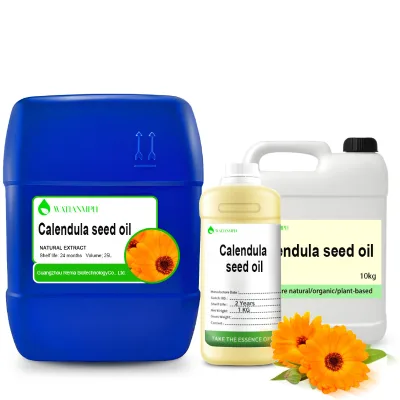
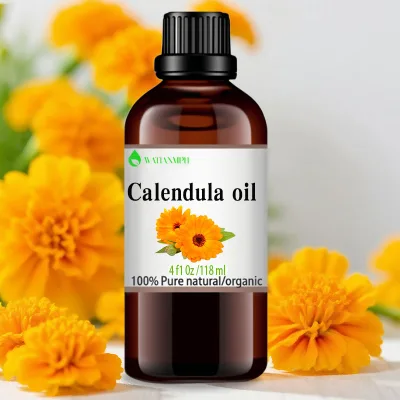
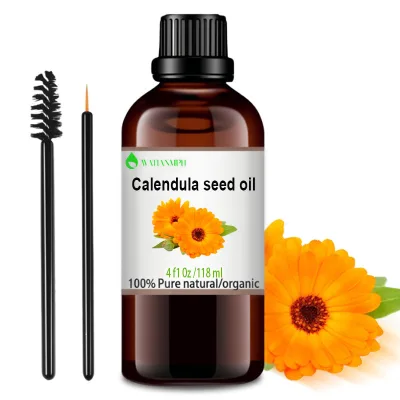
Cold Pressed Pure Organic Natural Calendula Oil Bulk Calendula Oil for Skin Massage
$13.00 - $14.00
MOQ: 2
Ji'an Borui Spice Oil Co., Ltd.
- Verified by SGS Group
- Manufacturer, Trading Company
- Lead time5 days
- Avg. response≤ 2h
Main productsEssential Oil, Carrier Oil, Natural flavors , Fragrance oil, Hydrosol
Main marketsSoutheast Asia(25%), Central America(18%), South America(12%)

Outstanding Design & Manufacture Co., Ltd.
- Verified by BV
- Combined
- China Shanghai
- Lead time30 days
- Avg. response≤ 14h
Main productsScented Candle, Reed Diffuser, Car Air Freshener, Aroma Diffuser, Incense Gift Set, Scented Sachet, Oil Burner, Fragrance Oil, Essential Oil, Fragrance Lamp
Main marketsEurope,Australia,North America

Wholesale Lavender Plant Flower Extract of Pure Aromatic 100% Natural Essential Oil
$1.65 - $2.03
MOQ: 500 Pieces

Zhicui Xiangfeng (guangzhou) Technology Co., Ltd.
- Manufacturer, Trading Company, Distributor/Wholesaler
- Guangdong, China
- Lead time7 days
- Avg. response≤ 3h
Main productspure essential oil,Perfume Fragrance Oil,Carrier oil,blend essential oil,OEM essential oil
Main marketsNorth America(30.00%), South Asia(10.00%), Southern Europe(10.00%), Mid East(10.00%), Central America(10.00%), South America(10.00%), Western Europe(5.00%), Oceania(5.00%), Southeast Asia(5.00%), Domestic Market(1.00%), Eastern Asia(1.00%), Africa(1.00%), Northern Europe(1.00%), Eastern Europe(1.00%)
Jiangxi Hengshuo Spice Co., Ltd.
- Verified by SGS Group
- Manufacturer, Trading Company
- Lead time7 days
- Avg. response≤ 1h
Main productsEssential Oils And Gift Sets, Natural Vegetable Oils, Massage Oils, Hair Oil, Perfume Oil
Main marketsNorth America(20%), Western Europe(20%), Southeast Asia(15%)
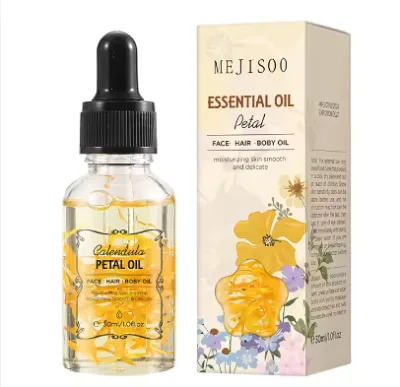
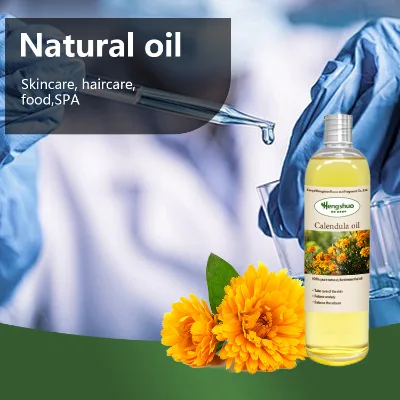
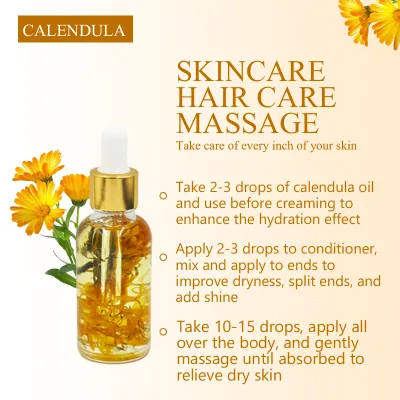
Calendula Oil Wholesale Price Bulk 100% Pure Natural Skin Care Organic Calendula Oil
$0.58 - $0.88
MOQ: 100
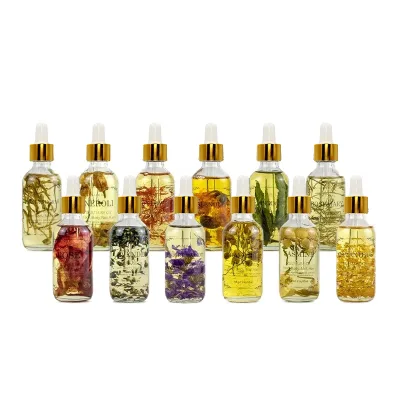
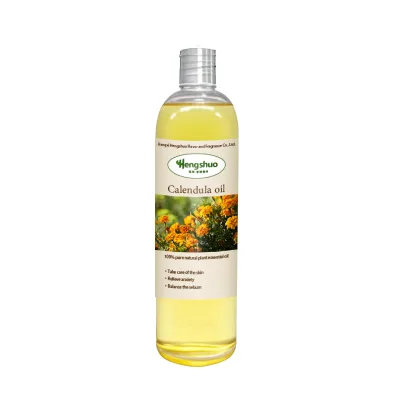
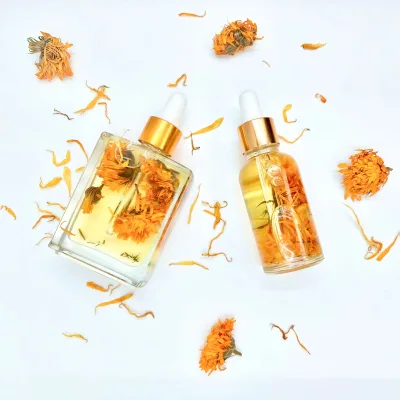
$70.00 - $78.00
MOQ: 1 kilograms

Huizhou Yajiali Industrial Co., Ltd.
- Verified by SGS
- Combined
- China Guangdong
- Lead time30 days
- Avg. response≤ 4h
Main productsBath Bomb, Body Butter, Shower Steamers, Body Scrubs, Soap, Bath Salt, Bath Set
Main marketsEurope,North America

- Verified by TUVRHEINLAND
- Trading Company
- China Hunan
- Lead time15 days
- Avg. response≤ 10h
Main productsBotanical Extract Herbal Extract, Herbal Ingredients Artemisia, Elderberry Extract Cranberry Extract, Resveratrol Polydatin Polygonum Extract, Myricetin Dihydromyricetin Phloridzin, Neohesperidin Dihydrochalcone Carnosic Acid, Sea Buckthorn Seed Oil Reishi Spore Oil, Echinacea Purpurea Extract Isatis Extract, Zerumbone Mangiferin Rosmarinic Acid, Olive Leaf Extract Oleuropein Maslinic Acid
Main marketsEurope
Jiangxi Wanlu Natural Fragrance Co., Ltd.
- Verified by Intertek
- Trading Company
- Lead time0 days
- Avg. response≤ 2h
Main productsPlant Essential Oil , Plant Hydrosol , Vegetable Base Oil, Plant Extract, Flavours And Fragrances
Main marketsMid East(27%), North America(20%), Africa(12%)
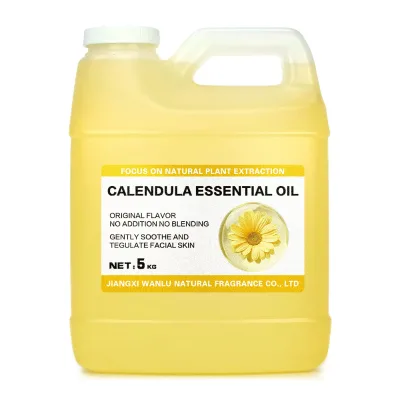
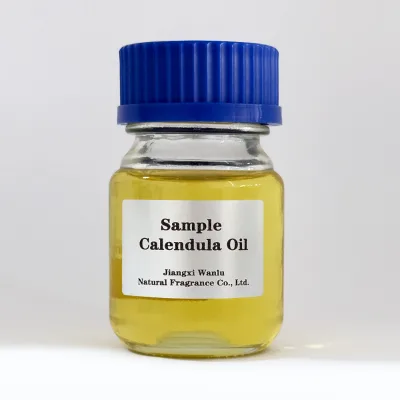
Raw Calendula Oil Wholesale Calendula Oil Cosmetic Grade Good Quality Calendula Oil for Skin Care
$37.97 - $43.10
MOQ: 1 kilograms

Yihai Kerry (Qingdao) Oils & Grains Industries Co., Ltd.
- Verified by SGS
- Combined
- China Shandong
- Lead time30 days
- Avg. response≤ 25h
Main productsSesame Oil, Peanut Oil
Main marketsSoutheast Asia/ Mideast

$3000.00 - $3600.00
MOQ: 2 Tons


$2500.00 - $3000.00
MOQ: 2 Tons

Manufacturer of Natural Peanut Oil, Peanut Oil, Peanut Oil, Crude Peanut Oil
$2500.00 - $3000.00
MOQ: 2 Tons


$2500.00 - $3000.00
MOQ: 2 Tons
Ji'an Badaling Spice Co., Ltd.
- Verified by Intertek
- Trading Company
- Lead time3 days
- Avg. response≤ 1h
Main productsEssential Oils, Carrier Oils, Aromatherapy Oils, Fragrance Oils, Spices
Main marketsNorth America(60%), Africa(15%), Mid East(15%)

Guangzhou Dongxuantang Biotechnology Co., Ltd.
- Manufacturer
- Guangdong, China
- Lead time15 days
- Avg. response≤ 2h
Main productsEssential Oil,Carrier Oil,OEM Essential Oil Set,Compound Essential Oil,Other Essential Oil Products
Main marketsDomestic Market(15.80%), Central America(13.45%), Mid East(12.78%), Southeast Asia(12.40%), Eastern Europe(8.60%), Northern Europe(8.10%), South Asia(6.80%), Oceania(5.60%), Africa(4.02%), Southern Europe(3.65%), South America(3.65%), Eastern Asia(2.50%), Western Europe(1.65%), North America(1.00%)

- Verified by TUVRHEINLAND
- Trading Company
- China Hebei
- Lead time30 days
- Avg. response≤ 8h
Main productsSLES 70%, LABSA 96%, SLS/K12, Soap Noodles, HPMC, Titanium Dioxide, Soy Wax, Aos 35% 92%, Monohydrous/Anhydrous Citric Acid, Petroleum Jelly
Main marketsSoutheast Asia/ Mideast


Lavender Oil Pure Natural Plant Extract Essential Oil for Cosmetics Whole Sale
$1.00 - $50.00
MOQ: 1 kg


- Trading Company,Manufacturer/Factory
- China Zhejiang
- Lead time60 days
- Avg. response≤ 10h
Main productsPigment, Dye, Cellulose Ether, Ultramarine Blue, Titanium Dioxide, Iron Oxide, Plant Extract, Ingredient, Life Science Ingredient, Food Additive
Main marketsSouth America,Eastern Europe,Mid East,North America,Southeast Asia,Eastern Asia,Oceania,Western Europe,Africa

100% Pure Natural Lavender Essential Oil for Aromatherapy and Relaxation - Factory Price
$25.00 - $45.00
MOQ: 1 kg

Jiangxi Planty Manor Health Industry Co., Ltd.
- Verified by SGS Group
- Manufacturer, Trading Company
- Lead time10 days
- Avg. response≤ 3h
Main productsCarrier Oil, Flavors and Fragrances Oil, Cosmetic Oil, Daily Chemical Use Oil, Eucalyptus Oil
Main marketsSoutheast Asia(30%), Eastern Europe(15%), North America(10%)
Jiangxi Hairui Natural Plant Co., Ltd.
- Verified by SGS Group
- Manufacturer, Trading Company
- Lead time7 days
- Avg. response≤ 3h
Main productsNatural Plant Oil, Medicinal Spice Oil, Hair Essential Oil, Other Beauty & Personal Care Products, Carrier Oil
Main marketsNorth America(15%), Eastern Europe(11%), Oceania(11%)
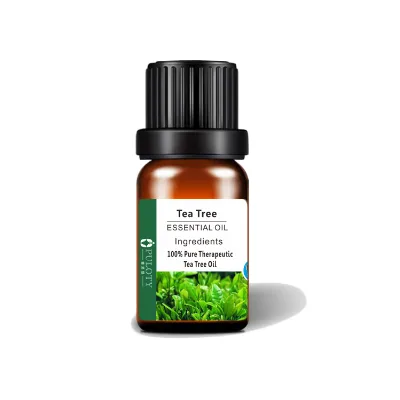
Tea Tree Oil for Additive 100% Natural Plant Extract
$0.89 - $1.05

Zhongshan Kwangna Import & Export Co., Ltd.
- Verified by TUVRHEINLAND
- Trading Company,Manufacturer/Factory
- China Guangdong
- Lead time23 days
- Avg. response≤ 5h
Main productsSmiki Soy Sauce, Smiki Seasoning, Noodle, Detergent, Washing Powder, Mushroom, Can, Msg, Rice Stick, Dry Food
Main marketsSouth America,Eastern Europe,Mid East,North America,Southeast Asia,Eastern Asia,Oceania,Western Europe,Africa

Guangzhou Danjia Cosmetics Co., Ltd.
- Verified by BV
- Manufacturer/Factory
- China Guangdong
- Lead time0 days
- Avg. response≤ 18h
Main productsDizao Facial Masks, Breast Enlarging Cream Slimming Cream, Dizao Foot Mask, Bb Cream, Breast Enlarging/ Hip up /Slimming Cream, Facial Cleanser, Body Lotion, Razor Shaving Cream, Facial Cream, Hand Cream
Main marketsSouth America,Eastern Europe,Mid East,North America,Southeast Asia,Eastern Asia,Oceania,Western Europe,Africa


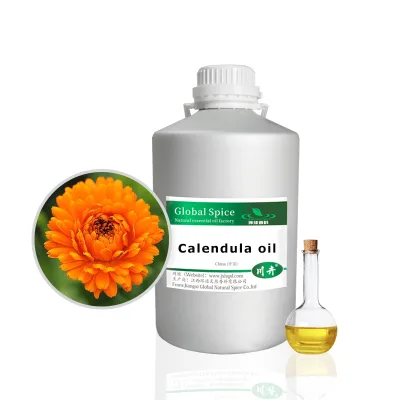


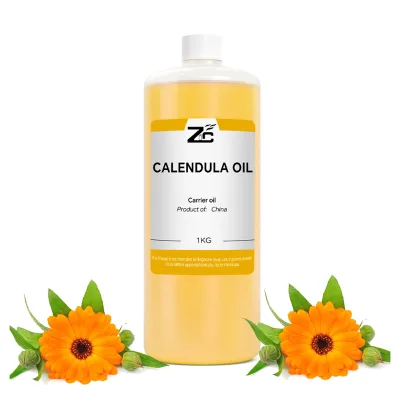
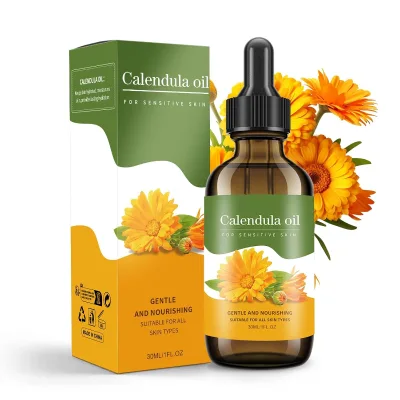
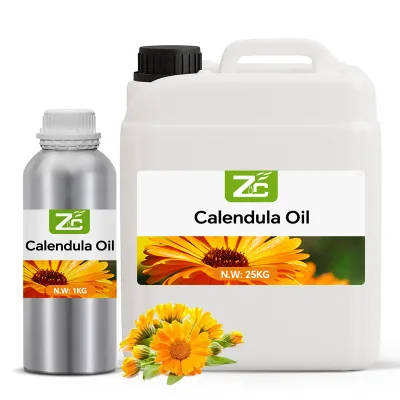


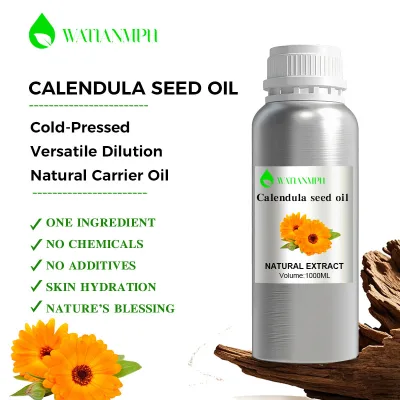
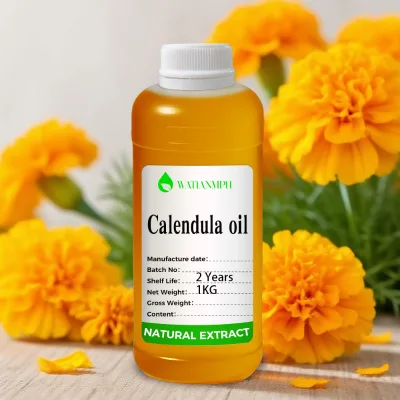
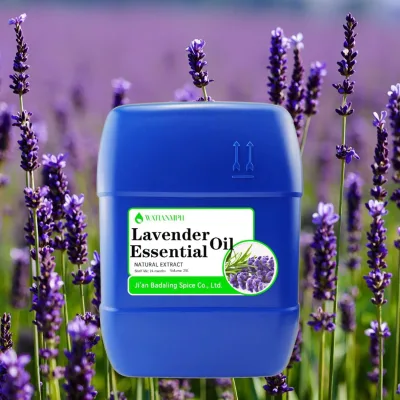
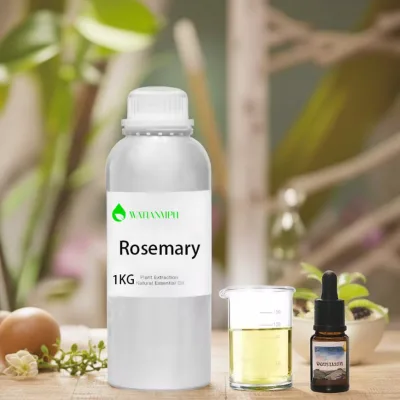
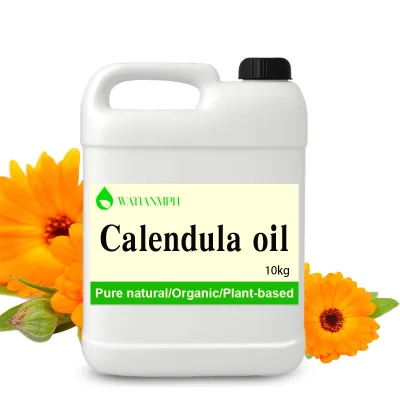
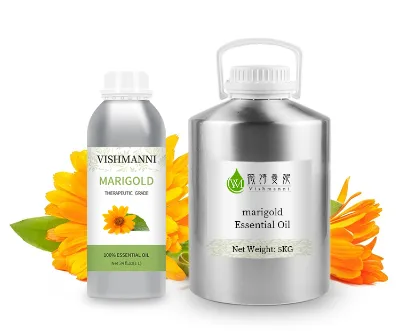
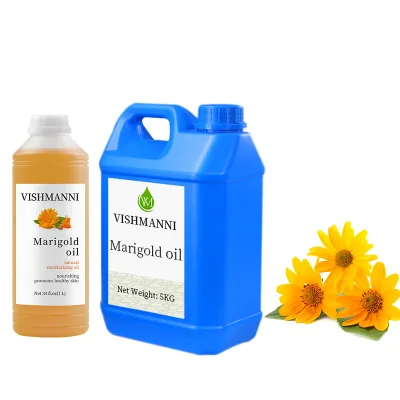
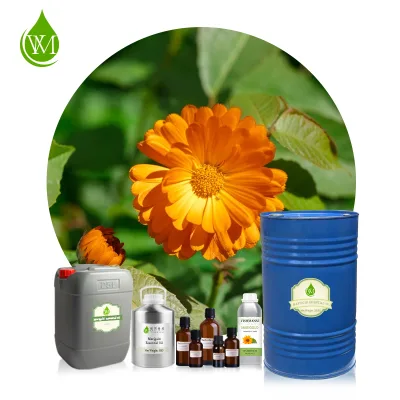
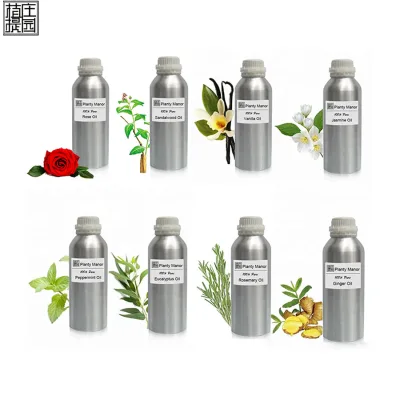


Comprehensive Sourcing Guide
Organic Natural Calendula Flower Oil Supplier Concentration and Factory Types
Buyers searching this category will notice that listed suppliers cluster in specific Chinese provinces. In the current results, one supplier group is based in Guangdong, China, listing main products across bath supplies, hair care, feminine hygiene, body care and skin care, and identifying as both a manufacturer and a trading company. Another group operates from Jiangsu, China, with main products in glutathione, NMN, pharmaceutical intermediates, cosmetic materials and nutritional supplements, also labeled as a trading company combined with a factory. This mix matters: a calendula oil listing may come from a formulator producing finished essential oils, or from a raw-material trader supplying carrier and botanical oils in drums rather than retail-format bottles.
When your search results show no location data, do not assume a cluster exists. Instead, filter or sort by the location field where the platform provides one, then confirm geography directly in correspondence by asking where production, filling and quality control actually occur. A Jiangsu-based chemical and cosmetic-materials supplier, for example, may be positioned differently in the supply chain than a Guangdong skin-care manufacturer, even when both list botanical oils. Ask whether the calendula extract is grown, pressed, infused and bottled at one site or sourced from partner facilities. Understanding which supplier type you are contacting—finished-goods manufacturer, oil specialist, or general trading company—determines what documentation you should request and which questions will reveal gaps early.
How to Verify Organic Natural Calendula Flower Oil Suppliers
Verification starts with the attributes a platform actually displays, not with assumptions. In these results, the Jiangsu supplier carries an ISO 9001 and ISO 14001 system certification and a third-party verification mark, while the Guangdong supplier's calendula oil listings cite MSDS, GMPC and ISO as product certificates. Treat displayed credentials as a starting checklist: confirm certificate numbers, issuing bodies and validity periods directly with the supplier, and ask for documents covering the specific product, not just the company. One supplier also shows a verified-business flag and an own brand name, which can indicate an established operation, though neither replaces your own document review.
Because this is a botanical ingredient category, verification should go further than paperwork. Ask how the oil is produced—infusion of calendula flowers into a carrier such as jojoba, or cold pressing—since the Guangdong listings describe both infusion-style products and a cold-pressed seed oil. Request ingredient disclosures, purity statements and batch test reports from an independent laboratory, and check whether "organic" claims are backed by a recognized certification applicable to your destination market. Review shelf-life declarations, one supplier states three years, and ask how batches are dated. Finally, verify production capacity by asking about equipment, monthly output and whether OEM or private-label filling is done in-house. A supplier claiming "your brand" on the label should be able to show filling lines, artwork support and previous brand work without hesitation.
What to Compare Across Organic Natural Calendula Flower Oil Suppliers
Build a comparison table using only attributes actually shown, since no supplier displays every field. In the current results, the Guangdong supplier lists a response time of about two hours and a lead time of 30 days, while the Jiangsu supplier lists roughly 7.3 hours and 15 days. That contrast is instructive: faster communication does not always mean faster production, so weigh both numbers against your launch calendar. Note which suppliers show no response or lead-time figure at all; absence is information, and you should request a written confirmation rather than inferring a value.
Compare product-level dimensions as well. Minimum order quantities in these listings are stated at 1,000 pieces or units, with some products marked as customizable, so record whether the MOQ applies to stock formulas or to private-label runs. Recorded price ranges differ by product format—one group of listings spans roughly 2.38 to 2.87 per unit—so compare like formats, volumes and packaging before judging cost. Other useful fields include main product categories, supplier type, company location, verification status, certification claims and whether OEM or ODM is explicitly accepted. Also compare formulation details: volumes offered such as 30, 60 or 100 milliliters, fragrance customization, skin-type positioning, and extraction method. Rank suppliers on the attributes that matter to your order size and market, and follow up on blank fields during quoting so every column of your table is eventually filled with supplier-confirmed data.
Common Organic Natural Calendula Flower Oil Sourcing Risks
The most common risk in this category is ingredient substitution. Listings describe oils built on jojoba with calendula extract, plus additional ingredients such as rosemary, eucalyptus, lavender and grapefruit in some blends, and one product lists plant extract and calendula broadly. If you contract for pure calendula-infused oil and receive a heavily diluted or multi-ingredient blend, the product may still match the listing's wording while failing your intent. Counter this by specifying the exact ingredient list, carrier ratio and extraction method in a signed specification sheet before production.
Other risks follow from label claims and quality drift. Terms like "organic," "100% natural herbs" or "100% pure" appear in marketing copy; without certificates matching your destination market's requirements, these claims can expose you to regulatory or marketplace action. Shelf-life statements, such as the three-year figure shown in several listings, should be validated with stability data, especially for oils prone to oxidation. Pricing shown in results can reflect stock configurations and may change with custom fragrance, color, volume or packaging, so budget for customization surcharges rather than quoting from a listing. Communication gaps create a further risk: a two-hour response time at inquiry stage may degrade once an order is placed, so agree on response expectations and a named contact. Finally, verify that the certified entity you contacted is the entity producing the goods, since trading-company structures can obscure who controls quality.
Organic Natural Calendula Flower Oil Regional Sourcing and Logistics
The only locations evidenced in these results are Guangdong and Jiangsu in China, so regional guidance should center on those realities rather than on invented clusters. Guangdong is a major base for skin-care and personal-care manufacturing, and the listed supplier there positions itself around body care, essential oils and full private-label service, with product origin declared as Guangdong, China. Jiangsu, by contrast, appears tied to cosmetic materials and nutritional-supplement supply chains, listing carrier and plant oils in bulk formats such as 1 kg bags and 25 kg drums. Your logistics plan differs sharply between the two: finished retail bottles require carton-level packing, labeling and potentially retail-ready cartons, while bulk drummed oil requires drum handling, compatibility checks and decanting at your side.
The listings also give lead times of 30 days for the Guangdong supplier and 15 days for the Jiangsu supplier; confirm current production queues before committing dates, and ask whether lead time varies between stock formulas and customized orders. Logistics questions to raise include export documentation, whether MSDS accompanies shipments—relevant given the certificate claims shown—and suitable packing for oil products in warm seasons. Single-item dimensions and gross weights appear in some listings, such as a 3 by 3 by 6 cm package at 0.26 kg, which helps you estimate freight volume. Compare port proximity, consolidation options and whether the supplier supports your freight forwarder or requires their own arrangement.
Organic Natural Calendula Flower Oil Commercial Terms and Order Planning
Commercial planning should begin with the numbers suppliers actually publish. In these results, minimum orders are stated at 1,000 pieces, several products are marked customizable, and one listing states OEM and ODM are highly accepted, with brand name shown as "your brand." Unit prices in the results range roughly from 2.38 to 2.87 depending on the product, so treat any figure as indicative until you obtain a written quotation tied to your exact volume, fragrance, color, bottle size and packaging. Ask whether quoted prices include labels, artwork setup, samples and export packaging, since private-label programs often add per-item decoration costs.
Structure your first order to test a supplier before scaling. A 1,000-piece pilot at a 30 or 60 ml volume lets you evaluate filling consistency, leakage, fragrance accuracy and label quality before committing to larger runs. Negotiate payment terms that protect the buyer, such as a deposit balance against shipment or inspection, and confirm what recourse exists if goods fail your specification. Plan timing around the lead times shown, 15 to 30 days in the current listings, plus sampling, revision and shipping, which together can extend a calendar significantly for a customized oil. Document everything: agreed ingredient list, shelf life, model number, certificate copies, volume tolerances and packaging specs. Reorder terms, price validity windows and capacity guarantees should be captured in writing, because oil categories see seasonal flower-supply variability that can affect both cost and lead time.
FAQs
What is the minimum order quantity for organic calendula oil?
The minimum order quantity is typically 1000 pieces per customized order. This standard applies across multiple listings for essential oils and herbal extracts. Buyers should confirm specific packaging requirements with the supplier before placing an order to ensure the MOQ aligns with their production needs.
What certifications are available for these essential oils?
Suppliers offer MSDS, GMPC, and ISO certifications for their organic calendula oil products. These credentials ensure compliance with safety and quality standards for personal care items. Buyers should request copies of these certificates to verify that the manufacturing processes meet international regulatory requirements for cosmetic ingredients.
How long does production take for custom orders?
Production lead times vary between 15 and 30 days depending on the supplier and order volume. Some manufacturers in Guangdong complete orders in 30 days, while others in Jiangsu may finish in 15 days. Buyers should clarify the exact timeline during negotiation to plan their inventory effectively.
What is the price range for bulk calendula oil?
Prices for organic calendula oil range from approximately 2.38 to 2.87 USD per unit. The cost depends on the volume, packaging customization, and specific ingredient blends like jojoba or rosemary. Buyers should request a detailed quote based on their desired quantity and packaging specifications to get an accurate price.
Can I customize the brand and fragrance of the oil?
Yes, OEM and ODM services are highly accepted for these products. Buyers can customize the brand name, fragrance (such as calendula or aloe), and volume. The suppliers support private labeling, allowing businesses to create unique products that align with their specific market positioning and customer preferences.
Where are these organic essential oil suppliers located?
Suppliers are primarily located in Guangdong and Jiangsu provinces in China. These regions are known for their manufacturing capabilities in personal care and cosmetic materials. Buyers can filter results by these locations to find suppliers with specific logistical advantages or regional expertise in essential oil production.
What is the shelf life of the calendula oil?
The shelf life for these organic calendula oils is typically three years. This duration ensures the product remains effective for skin revitalization and moisturizing. Buyers should store the oil in a cool, dry place to maintain its quality and ensure it meets the specified shelf life upon delivery.