Outdoor Trailer Mounted Bumper Car Suppliers and Manufacturers
Explore 26 verified options for Outdoor Trailer Mounted Bumper Car suppliers and manufacturers. Compare dimensions, lead times, certifications, and response times to find the right partner. Contact suppliers directly to request quotes and verify product specifications; review the available evidence before requesting comparable quotations from suitable candidates.
Suppliers List

Henan Baolu Amusement Equipment Co., Ltd.
- Verified by BV
- Combined
- China Henan
- Lead time15 days
- Avg. response≤ 8h
Main productsBumper Car, Selfcontrol Plane, Flying Chair, Amusement Park Rides, Carousel, Pirate Ship, Disco Tagada, Swing Pendulum, Ferris Wheel, Shark Sliding Train
Main marketsSouth America

Shenzhen SJF Technology Co., Ltd.
- Verified by BV
- Manufacturer/Factory
- China Guangdong
- Lead time23 days
- Avg. response≤ 11h
Main productsElectric Scooter, Electric Bike, Electric Motorcycle, Electric Dirt Bike, Kid Scooter, Balance Bike
Main marketsSouth America,Mid East,North America
Zhengzhou Limeiqi Amusement Equipment Co., Ltd.
- Verified by SGS Group
- Manufacturer, Trading Company
- Henan, China
- Lead time30 days
- Avg. response≤ 2h
Main productsFerris Wheel Series, Track Train Series, Self Control Plane Series, Flying Tower Series, Carousel Series
Main marketsDomestic Market(40%), South Asia(18%), Africa(10%)
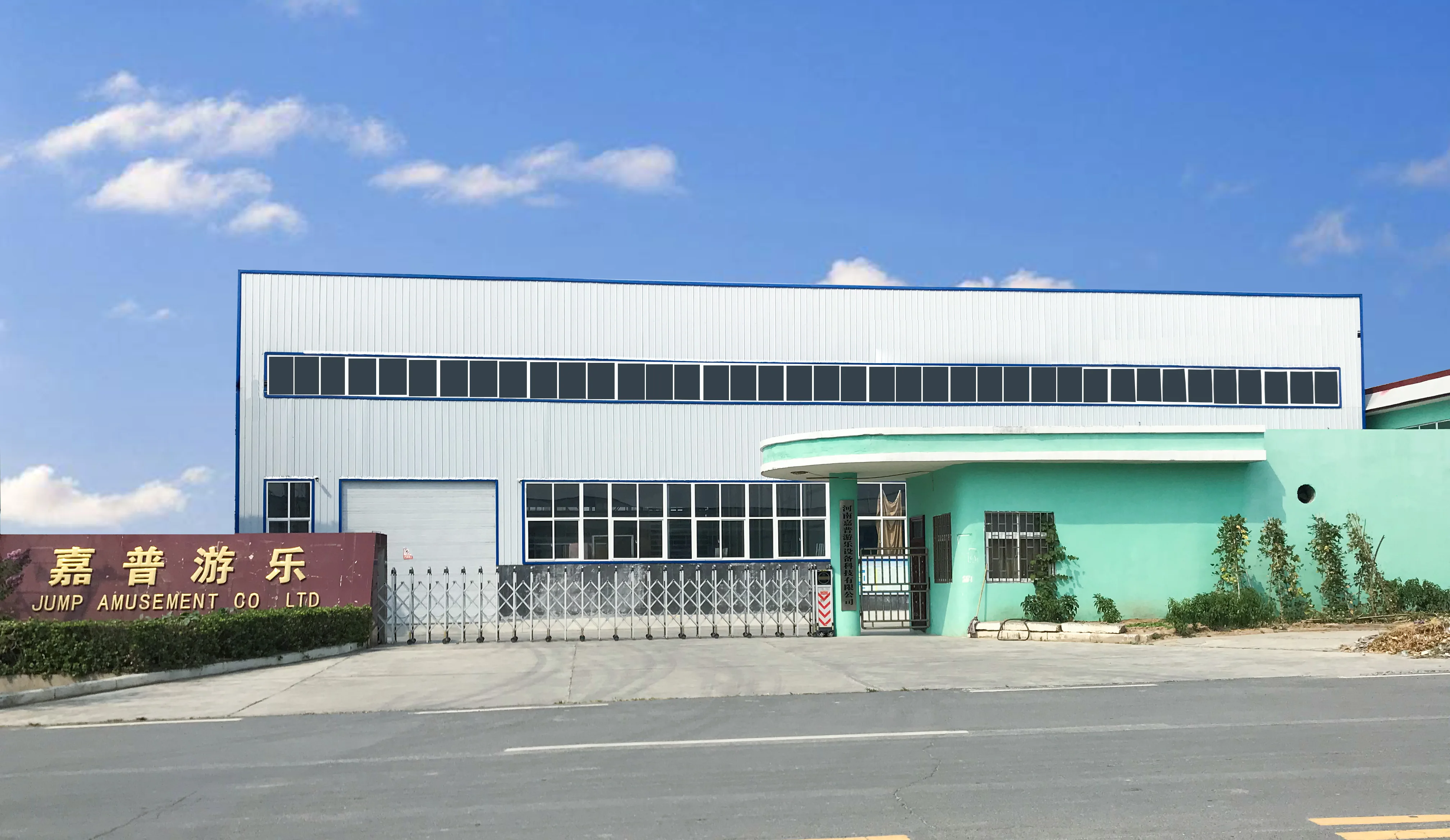
Zhengzhou Bigjoys Amusement Co.,Ltd
- Manufacturer, Trading Company
- Henan, China
- Lead time10 days
- Avg. response≤ 3h
Main productsTrampoline park/Indoor Playground,Mechanical rides(Carousel/Flying Chair/Electric Train),Inflatable products,Thrill rides,Naughty Castle
Main marketsDomestic Market(20.0%), North America(20.0%), South America(10.0%), Eastern Europe(10.0%), Oceania(6.0%), Western Europe(6.0%), Africa(5.0%), Southeast Asia(5.0%), Northern Europe(5.0%), Mid East(4.0%), Southern Europe(3.0%), Eastern Asia(2.0%), South Asia(2.0%), Central America(2.0%)
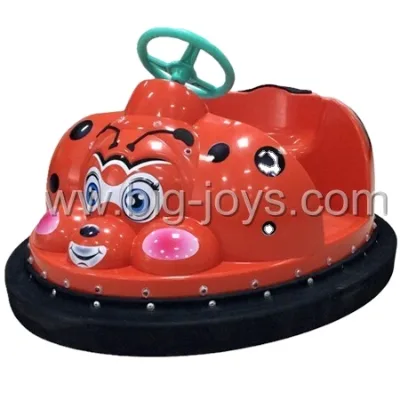
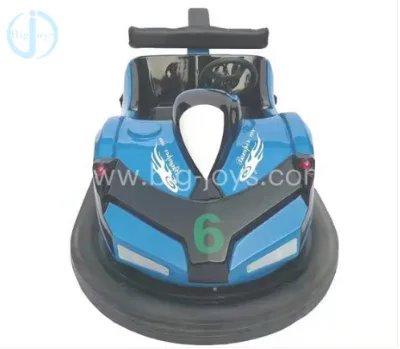
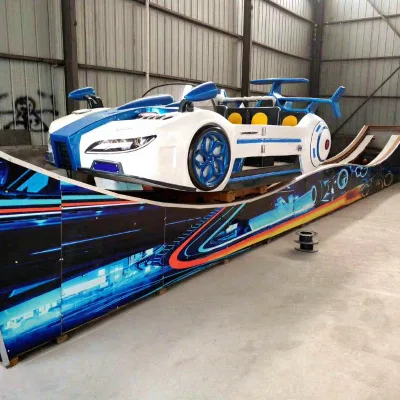
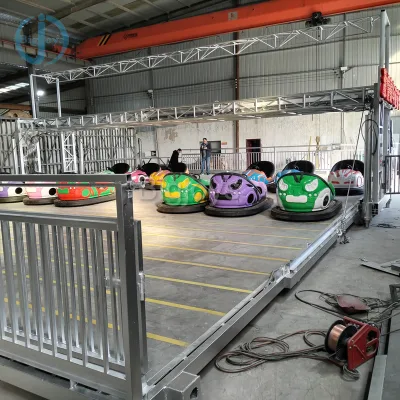
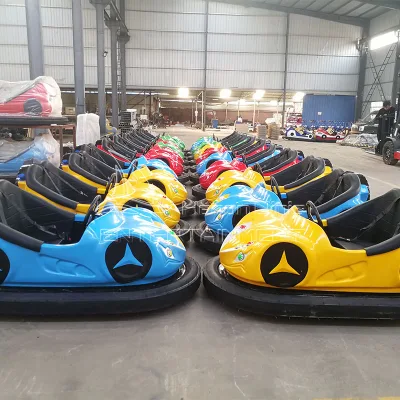
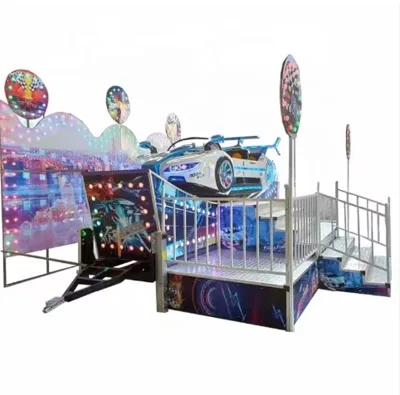
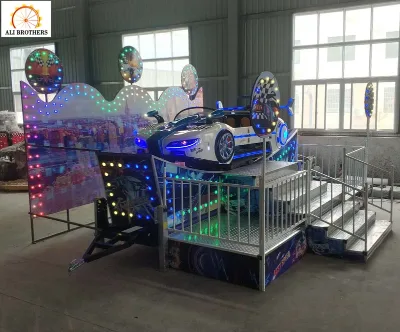
Trailer Mounted Foldable Ground Grid Electric Bumper Car
Contact supplier

Guangzhou EPARK Electronic Technology Co., Ltd.
- Verified by SGS
- Combined
- China Guangdong
- Lead time15 days
- Avg. response≤ 3h
Main products9d Vr, Racing Game Machines, Boxing Machine, Kids Game Machine, Claw Machine, Arcade Game Machine, Vr Simulator Series, Kiddie Ride, Basketball Game Machine, Amusement Game Machine
Main marketsSouth America,Africa,Southeast Asia/ Mideast


Battery Operated Bumper Car Amusement Entertainment Product Electronic Drift Car
$800.00 - $1100.00
MOQ: 1 set


Amusement Electric Cars Rides Outdoor Bumper Car for Sale Amusement Cars
$4000.00 - $4800.00
MOQ: 1 set


Zhengzhou Bigjoys Amusement Equipment Co., Ltd.
- Trading Company,Manufacturer/Factory
- China Henan
- Lead time23 days
- Avg. response≤ 8h
Main productsTrampoline Park/Indoor Playground, Inflatable Bouncy Castle, Inflatable Water Park, Inflatable Slide, Park Rides/Carousel, Thrill Park Rides, Family Rides, Roller Coaster, Bungee Trampoline, Ferris Wheel
Main marketsSouth America,Eastern Europe,Mid East,North America,Southeast Asia,Eastern Asia,Oceania,Western Europe,Africa

Outdoor UFO Inflatable Bumper Car, Kid Inflatable Battery Bumper Car
$1000.00 - $2000.00
MOQ: 1 Pieces


Guangzhou Xiao Tong Yao Amusement Equipment Co., Ltd.
- Verified by TUVRHEINLAND
- Combined
- China Guangdong
- Lead time15 days
- Avg. response≤ 3h
Main productsAmusement Equipment, Game Machine, Arcade Machine, Outdoor Amusement, Indoor Playground, Amusement Car, Kiddie Rides, Rolling Car, Happy Car, Le Bar Car
Main marketsSoutheast Asia/ Mideast,Domestic,North America
Guangzhou Anchi Amusement Equipment Co., Ltd.
- Verified by Intertek
- Manufacturer, Trading Company
- Lead time15 days
- Avg. response≤ 2h
Main productsGo Karts, Bumper Cars
Main marketsNorth America(25%), Western Europe(15%), Oceania(15%)
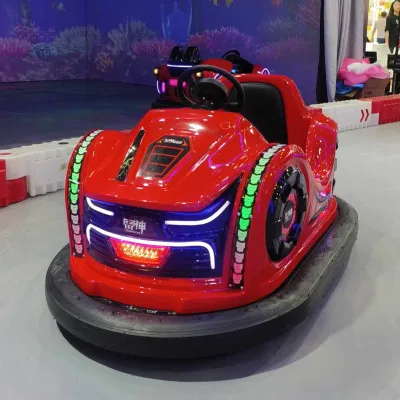
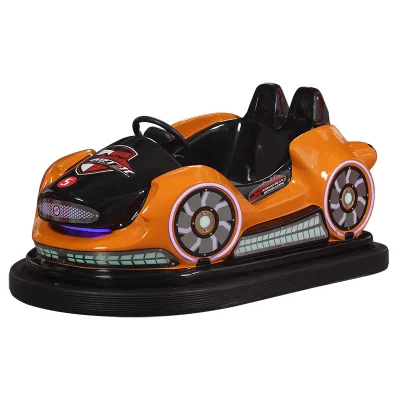
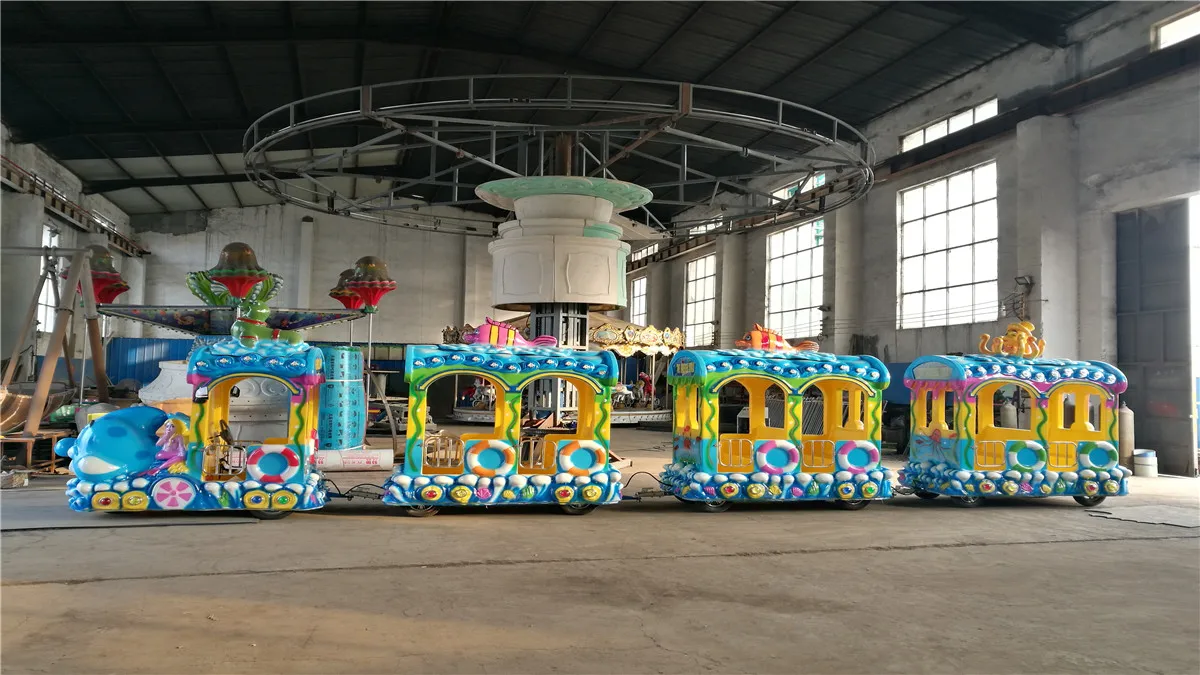
Electric Bumper Cars Light up with Track for Indoor/Outdoor Amusement Centers-48V 650W
$817.53 - $1737.26
MOQ: 2 pieces
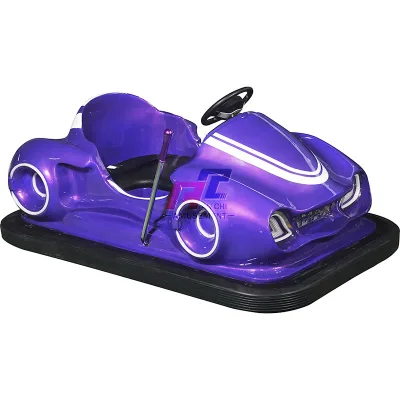
$1322.55 - $1963.16
MOQ: 2 pieces
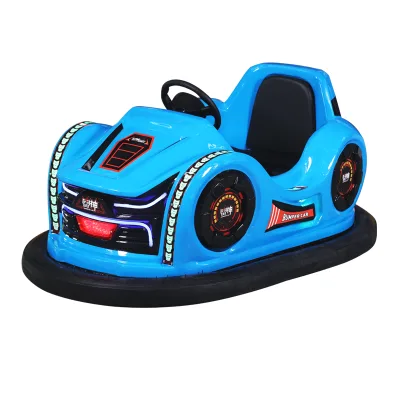
Henan Weiyuan Machinery Co., Ltd.
- Manufacturer, Trading Company
- Henan, China
- Lead time15 days
- Avg. response≤ 2h
Main productscarousel horse,bumper car,flying chairs,disco tagada,self-control plane
Main marketsAfrica(28.000000000000004%), Mid East(24.0%), North America(12.0%), Southeast Asia(8.0%), South America(5.0%), Central America(4.0%), Northern Europe(4.0%), Eastern Europe(3.0%), South Asia(3.0%), Southern Europe(3.0%), Western Europe(2.0%), Eastern Asia(2.0%), Oceania(2.0%)
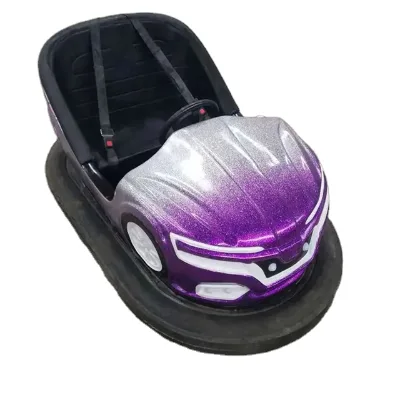
$1004.93 - $1076.71
MOQ: 2 sets
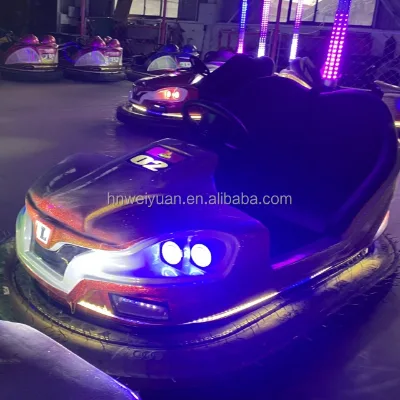
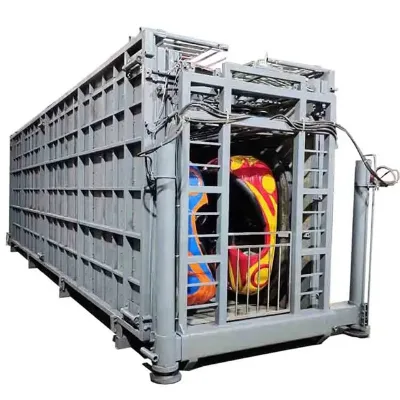
Amusement Park Products Bumper Car for Sale Mobile Bumper Cars for Funfair Park
$49000.00 - $55000.00
MOQ: 2 sets
Shanghai Blue Dreamland Amusement Equipment Co., Ltd.
- Trading Company
- Shanghai, China
- Lead time10 days
- Avg. response≤ 4h
Main productsBumper cars,Inflatable Bouncers,Amusement park rides,Intex,Bestway
Main marketsDomestic Market(30.0%), Western Europe(21.0%), North America(14.000000000000002%), South America(7.000000000000001%), Eastern Asia(7.000000000000001%), Mid East(7.000000000000001%), Central America(7.000000000000001%), Eastern Europe(3.5000000000000004%), Southeast Asia(3.5000000000000004%)
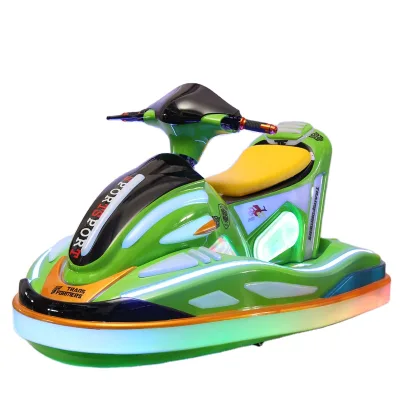
new design amusement ride bumper car for sale
$700.00 - $750.00
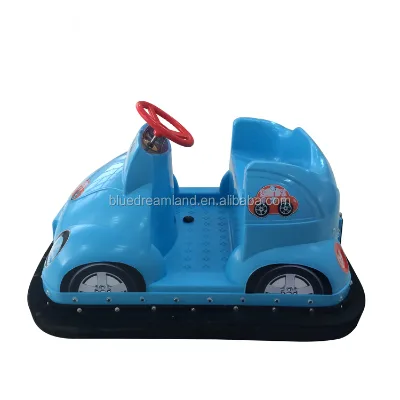
Hot Seller Kids Battery Powered Bumper Car Manufacturer
$520.00 - $580.00
Guangzhou Dinibao Animation Technology Co., Ltd.
- Verified by SGS
- Combined
- China Guangdong
- Lead time15 days
- Avg. response≤ 2h
Main productsRacing Arcade Machine, Motorcycle Arcade Machine, Shooting Arcade Machine, Arcade Ticket Machine, Arcade Prize Machine, Gashapon/Vending Machine, Kids Arcade Machine, Arcade Air Hockey Table, Carousel/Kiddie Ride/Kid Train, Basketball Arcade Machine
Main marketsSouth America,Southeast Asia/ Mideast,Europe,Australia,North America
Henan Dinis Entertainment Equipment Co., Ltd.
- Verified by Intertek
- Manufacturer, Trading Company
- Lead time18 days
- Avg. response≤ 3h
Main productsCarousel, Flying Chair, Bumper Car, Trackless Train, Pirate Ship

Guangdong Ecocampor Vehicle Co., Ltd.
- Verified by BV
- Combined
- China Guangdong
- Lead time60 days
- Avg. response≤ 19h
Main productsCaravan, Travel Trailer, Car Trailer, Truck Trailer, Camping Trailer, Toy Hauler, Pop Top Caravan, Hybrid Caravan
Main marketsEurope,Australia


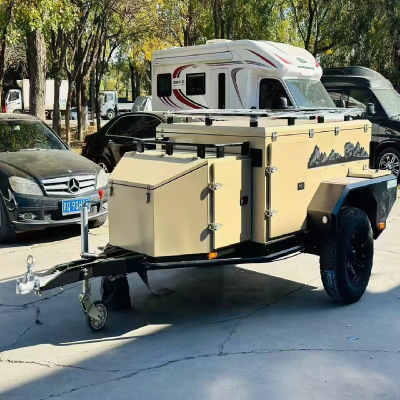
2022 New Sale Trailer-Mounted Camping Car Factory with Shower and Toilet Direct Sales
$16800.00 - $25000.00
MOQ: 1 Pieces

Jinhua Better Trailer Manufacturing Co., Ltd
- Verified by SGS
- Combined
- China Zhejiang
- Lead time30 days
- Avg. response≤ 4h
Main productsTipping Trailer, Box Trailer, Trailer House, Camper Trailer, Cage Trailer, Mobile Cabin, Car Trailer, Plant Trailer
Main marketsDomestic,Australia
Henan Dinisi Entertainment Technology Co., Ltd.
- Verified by Intertek
- Manufacturer, Trading Company
- Lead time30 days
- Avg. response≤ 2h
Main productsTrackless Train, Carousel, Flying Chair, Pirate Ship, Bumper Cars
Main marketsDomestic Market(72%), Africa(9%), North America(3%)

Jwm Hi-Tech Development Co., Ltd.
- Verified by TUVRHEINLAND
- Combined
- China Liaoning
- Lead time15 days
- Avg. response≤ 4h
Main productsSmart Electronic Lock, Passive Electronic Lock, Smart Lock Management System, Smart Electronic Padlock, Smart Electronic Cabinet Lock, Smart Cam Lock
Main marketsSouth America,Africa,Southeast Asia/ Mideast,Domestic,Europe,Australia


Heavy Duty Utility Trailer Car Transporter Cars Transporter Semi Trailer
$2800.00 - $3200.00
MOQ: 1 Pieces
Ningbo Zhongsheng Ruida International Trade Limited Company
- Verified by TUVRHEINLAND
- Trading Company,Manufacturer/Factory
- China Zhejiang
- Lead time23 days
- Avg. response≤ 1h
Main productsLowbed Semi Trailer, Dump Semi Trailer, Skeleton Semi Trailer, Flatbed Semi Trailer, Car Carrier Semi Trailer, Cargo Semi Trailer, Oil Tank Semi Trailer, Group II Base Oil 60n, Group II Base Oil 150n, Group II Base Oil 500n
Main marketsSouth America,Eastern Europe,Mid East,Southeast Asia,Eastern Asia,Africa

Economic Price 8 Car Fully Enclosed Vehicle Trailer Sturdy and Durable
$12000.00 - $20000.00
MOQ: 1 Pieces


Shandong Anton Automobile Technology Co., Ltd.
- Verified by SGS
- Trading Company
- China Shandong
- Lead time30 days
- Avg. response≤ 9h
Main productsDump Semi-Trailer, Car Trailer, Car Carrier Trailer, Low-Bed Trailer, Flatbed Trailer, Skeleton Trailers, Fence Trailer, Dump Trailer, Curtain Trailer, Tank Trailer
Main marketsSouth America,Africa,Southeast Asia/ Mideast

3 Axle Trailer Car Small Car Trailer Car Carrier Trailer in Hot Sale
$12000.00 - $17000.00
MOQ: 1 Pieces

Cars Carrying Vehicle Car Transporter Trailer Car Carrier Semi Trailer
$11000.00 - $26000.00
MOQ: 1 Pieces


Zhenjiang SWT Metal Product Co., Ltd.
- Verified by TUVRHEINLAND
- Combined
- China Jiangsu
- Lead time30 days
- Avg. response≤ 4h
Main productsTrailers, Tandem Axle Trailers, Single Axle Trailers, ATV Trailers, Box Trailers, Cage Trailers, Tipping Trailers, Hydraulic Tipping Trailer, Car Trailer, Aluminium Trailer
Main marketsAustralia
Shandong Ceres Import And Export Trading Co., Ltd.
- Trading Company
- Shandong, China
- Lead time35 days
- Avg. response≤ 4h
Main productscremator,funeral supplies,mortuary supplies,environmental equipment,incinerator
Main marketsEastern Europe(30.0%), Mid East(20.0%), Eastern Asia(20.0%), Southeast Asia(20.0%), Oceania(10.0%)
Zhengzhou Ali Brothers Import & Export Co., Ltd
- Trading Company
- henan, China
- Lead time30 days
- Avg. response≤ 3h
Main productsAmusement Equipment,big pendulum,flying chair,pirate ship,carousel horse
Main marketsMid East(40.0%), South America(20.0%), Africa(20.0%), South Asia(10.0%), Southeast Asia(10.0%)

Qingdao Haylite Machinery Co., Ltd.
- Verified by BV
- Combined
- China Shandong
- Lead time30 days
- Avg. response≤ 23h
Main productsTool Cabinet, Exhibition Tent, Tire Changer, Camper Trailer, Auto Lift, Livestock Product, Trailer, Container Loading Ramp, Iron Gate, Tire
Main marketsAustralia,North America

Shandong Yuntai Machinery Co., Ltd.
- Verified by BV
- Combined
- China Shandong
- Lead time30 days
- Avg. response≤ 18h
Main productsDisc Plough, Disc Harrow, Disc Blade, Trailer, Cultivator, Agricultural Spare Parts, Plough Disc, Harrow Disc, Tractor Trailer, Ox Plough
Main marketsSouth America,Africa,Southeast Asia/ Mideast,Europe,Australia,North America

Yucheng Dadi Machinery Co., Ltd.
- Verified by TUVRHEINLAND
- Combined
- China Shandong
- Lead time15 days
- Avg. response≤ 14h
Main productsDisc Harrow, Disc Plough, Offsets Disc Harrow, Seeder, Disc Plow, Disc Blade
Main marketsOthers(foreignTradeCapacity.exportBusinessCapacityMarketOther),Domestic


Contact supplier

Taizhou Nexus Import and Export Co., Ltd.
- Verified by SGS
- Manufacturer/Factory,Group Corporation
- China Jiangsu
- Lead time23 days
- Avg. response≤ 5h
Main productsConstruction Temporary Edge Protection Systems, Construction Site Hoarding Systems, Fence Systems, Steel Post Stillages, Storage Cage, Scaffolding Right Angle Couplers, Scaffolding Swivel Couplers, Screw Base Jacks, Welding Accessories
Main marketsEastern Europe,North America,Western Europe

Jinhua Yongqiang Vehicles Factory
- Verified by BV
- Combined
- China Zhejiang
- Lead time30 days
- Avg. response≤ 14h
Main productsTrailer, Box Trailer, Cage Trailer, ATV Trailer, Utility Trailer, Car Trailer, Tandem Trailer, Boat Trailer, Jet Ski Trailer, Hydraulic Trailer
Main marketsSouth America,Southeast Asia/ Mideast,Europe,Australia,North America










Comprehensive Sourcing Guide
Outdoor Trailer Mounted Bumper Car Supplier Concentration and Factory Types
Current data indicates that suppliers for outdoor trailer mounted bumper cars are concentrated in specific Chinese provinces, with Henan emerging as a primary manufacturing hub for large amusement equipment. Fact sheets show multiple entities in Henan offering combined company types that blend manufacturing and trading capabilities, alongside dedicated manufacturers and factories in Guangdong. These regions host suppliers capable of producing complex rides like Ferris wheels and bumper cars, suggesting a localized ecosystem for heavy amusement machinery. Buyers should prioritize regions where the specific product category of large outdoor amusement equipment is a documented main product rather than a secondary offering.
When evaluating factory types, the distinction between pure manufacturers and combined entities is critical for understanding production control. Some suppliers in the results are listed as manufacturers or factories, while others operate as combined entities offering both production and trading services. This structural difference impacts the ability to customize designs and manage quality directly on the factory floor. Buyers must verify if the supplier's primary business model aligns with their need for deep customization or rapid standard order fulfillment. The presence of ODM and OEM capabilities in the data suggests that many suppliers in these clusters can adapt existing models, but the specific capacity for light customization or graphic processing varies by entity.
How to Verify Outdoor Trailer Mounted Bumper Car Suppliers
Verification of supplier credibility relies heavily on third-party audit reports and specific certification markers found in the product data. Several suppliers in the current results display BV verification status, while others hold SGS Group verification, indicating that independent inspections have been conducted on their business operations. Additionally, system certifications such as ISO 9001 are present for some manufacturers, and specific product certifications like CE, SNI ISO 8124, and CPC are listed for certain amusement rides. Buyers should treat these verification badges as essential proof of operational legitimacy rather than optional credentials, ensuring the supplier has passed rigorous external audits before proceeding.
Beyond general business verification, product-specific evidence must be scrutinized to confirm the supplier's ability to deliver compliant outdoor equipment. The data shows attributes like "Allowable Passenger" linked to CE certification and specific material compositions such as steel and fiberglass for trailer-mounted units. Buyers need to confirm that the listed certifications match the intended market regulations, as some suppliers may only hold certifications for domestic use or specific regions. It is vital to request the actual certification documents for the specific model being sourced, as the presence of a general company certification does not guarantee that every individual product variant meets the required safety standards for outdoor amusement parks.
What to Compare Across Outdoor Trailer Mounted Bumper Car Suppliers
Comparing suppliers requires a detailed analysis of lead times, minimum order quantities, and response speeds to determine operational fit. The observed data reveals significant variance in lead times, ranging from 15 days to 30 days depending on the supplier and their current production load. Minimum order quantities also differ substantially, with some suppliers accepting orders as low as one set for large commercial units, while others require a minimum of 50 units for smaller, child-focused variants. Response times further distinguish suppliers, with some entities showing a response time of 2 hours, whereas others take over 10 hours to reply to inquiries. These metrics directly influence project timelines and inventory planning for buyers.
Capacity and customization capabilities form another critical comparison dimension for sourcing outdoor trailer mounted bumper cars. Suppliers in the results demonstrate varying levels of research and development capacity, with some offering full ODM and OEM services while others focus on light customization or sample processing. The ability to customize color, size, and branding is explicitly listed as available for many units, but the extent of this customization must be verified against the buyer's specific design requirements. Additionally, the main products listed for each supplier help identify those with deep expertise in amusement rides versus those with a broader, less specialized inventory. Buyers should prioritize suppliers whose primary product lines align closely with the specific technical demands of trailer-mounted amusement equipment.
Common Outdoor Trailer Mounted Bumper Car Sourcing Risks
One significant risk in sourcing this category involves the discrepancy between advertised product attributes and actual manufacturing capabilities. While data indicates that customization is available, the specific parameters for weight, capacity, and power consumption vary widely between models, with some units rated for 100-500kg and others for significantly lower loads. Buyers face the risk of ordering a unit that does not meet the physical requirements of their intended venue if they do not meticulously cross-reference the product specifications with their site constraints. The variation in power ratings, such as 560W versus 260W, further complicates the selection process, as the electrical infrastructure at the destination must support the specific power draw of the chosen model.
Another critical risk pertains to the reliability of shipping and packaging for large, heavy amusement equipment. The product evidence lists diverse packing methods, ranging from plastic bubble cloths and steel frames to wooden cases and carton boxes, depending on the supplier and product type. Inadequate packaging can lead to severe damage during transit, particularly for trailer-mounted units that require robust protection for their structural components. Buyers must verify that the supplier's packing standard matches the fragility of the equipment and the distance of the shipment. Failure to confirm the packing specifications can result in unexpected costs for repairs or replacements, undermining the initial savings achieved through competitive pricing.
Outdoor Trailer Mounted Bumper Car Regional Sourcing and Logistics
Sourcing from China, specifically from provinces like Henan and Guangdong, offers access to a dense network of amusement ride manufacturers but introduces specific logistical challenges. The data confirms that the origin of these products is China, with specific manufacturing hubs identified in Henan for large outdoor equipment and Guangdong for electric vehicles and related toys. Buyers must account for the distance and transport complexity involved in moving large trailer-mounted units from these inland or coastal factories to international destinations. The size of the units, with dimensions often exceeding standard container limits, requires specialized shipping arrangements that differ from standard cargo transport.
Logistics planning must also consider the specific dimensions and weight of the units to ensure they fit within standard shipping containers or require flat rack solutions. Product attributes indicate sizes such as 1925mm by 1080mm by 850mm, which must be carefully calculated against container capacity to optimize freight costs. Some suppliers list a 40HQ container capacity of 414 pieces for smaller units, but this metric is irrelevant for large trailer-mounted cars that may occupy an entire container or require multiple units per shipment. Buyers should verify the exact packing dimensions and weight with the supplier to calculate accurate freight charges and ensure that the destination port has the necessary infrastructure to handle oversized cargo without incurring demurrage fees.
Outdoor Trailer Mounted Bumper Car Commercial Terms and Order Planning
Commercial terms for outdoor trailer mounted bumper cars vary significantly regarding payment methods and warranty periods, requiring careful negotiation to protect buyer interests. The data shows that payment terms like T/T are standard, but the specific deposit and balance structure must be confirmed before order placement. Warranty periods are also a key differentiator, with some suppliers offering a 12-month quality warranty period while others may provide different terms. Buyers should ensure that the warranty covers critical components like motors, batteries, and structural frames, as these are high-failure points in amusement rides. Understanding the scope of the warranty is essential for long-term operational planning and budgeting for maintenance.
Order planning must align with the supplier's production capacity and lead time to avoid delays in project launch. With lead times ranging from 15 to 30 days, buyers need to factor in this production window plus shipping duration when scheduling the installation of the bumper cars. The minimum order quantity of one set for large units allows for flexible testing, but buyers should consider the cost implications of ordering small batches versus larger volumes. Additionally, the availability of customization services means that design approval and modification cycles must be included in the overall timeline. Buyers should create a detailed schedule that accounts for all these variables to ensure the equipment arrives and is installed on time for the intended opening date.
FAQs
What is the price range for outdoor bumper cars?
Outdoor bumper cars are priced between $930 and $980 per set for standard amusement park models. Smaller electric ride-on versions for children start at approximately $33 to $35 per unit. Prices vary based on capacity, power, and customization options available from suppliers.
What is the minimum order quantity for these cars?
The minimum order quantity is one set for large outdoor amusement bumper cars. For smaller electric kids' bumper cars, the minimum order is fifty units. Buyers should verify specific MOQ requirements with suppliers as customization and model types may affect these baseline thresholds.
How long does production take for these rides?
Production lead times typically range from fifteen to thirty days depending on the supplier and model complexity. Standard amusement park units often have a fifteen-day lead time, while larger or customized trailer-mounted systems may require up to thirty days for manufacturing and preparation.
Are these bumper cars suitable for outdoor use?
Yes, many models are explicitly designed for outdoor use with weather-resistant and waterproof features. They are suitable for both indoor and outdoor amusement parks. Buyers should check specific product attributes like waterproofing and material composition to ensure durability against outdoor environmental conditions.
What certifications do these amusement rides have?
Certifications vary by supplier and product type. Some large amusement park rides list CE certification for allowable passengers. Other suppliers for children's electric cars hold ISO 9001, SNI ISO 8124, CPC, and CE certifications. Buyers must verify specific certificates for their target market.
Where are these bumper car manufacturers located?
Manufacturers are primarily located in Henan and Guangdong provinces in China. Henan suppliers specialize in large amusement park rides and trailer-mounted systems. Guangdong suppliers often focus on smaller electric kids' cars and scooters. Location impacts shipping logistics and lead times for international buyers.