Oval Cut Zircon Tennis Bracelet Suppliers and Manufacturers
Find 30 verified suppliers offering oval cut zircon tennis bracelets with varying lead times, response speeds, and customization options. Compare MOQs, pricing, and certifications like SGS or TUV before requesting samples to finalize your order; review the available evidence before requesting comparable quotations from suitable candidates.
Suppliers List
Dobay Commerce And Trade (shanghai) Co., Ltd.
- Verified by SGS Group
- Manufacturer, Trading Company
- Lead time7 days
- Avg. response≤ 6h
Main productsGold Vermeil Jewelry, 925 Sterling Silver Jewelry, Gold Filled Jewelry, Gold Plated Jewelry, Solid K Gold Diamond Jewelry
Main marketsWestern Europe(30%), Northern Europe(30%), North America(20%)
Yiwu Renqing Ornament Co., Ltd.
- Manufacturer, Trading Company
- Lead time旺季: "1 - 20":12,"> 20":"To be negotiated", 淡季: "1 - 20":12,"> 20":"To be negotiated"
- Avg. response≤ 2h
Main productsHip Hop Jewelry , Cuban Chain, Grillz, Hip Hop Pendant, Hip Hop Necklace
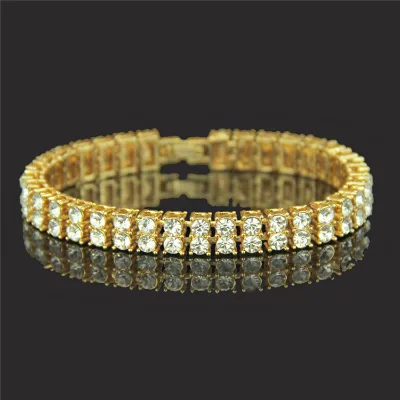
$2.89 - $3.19
MOQ: 2 pieces
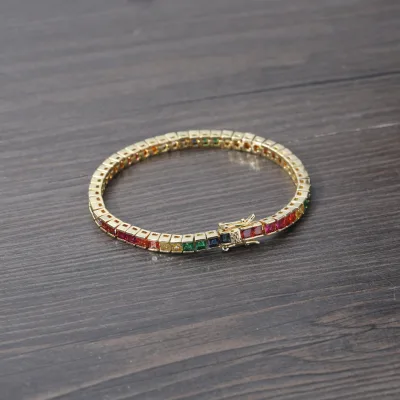
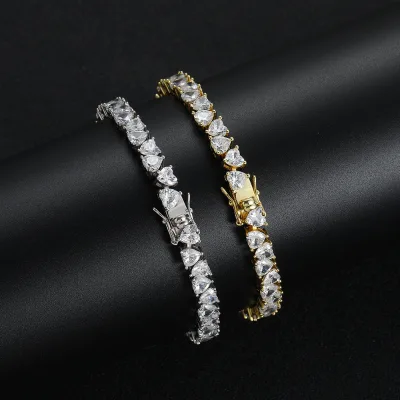
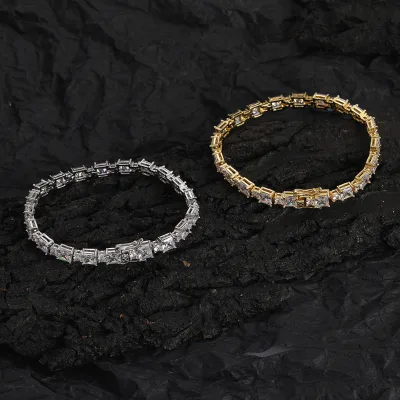
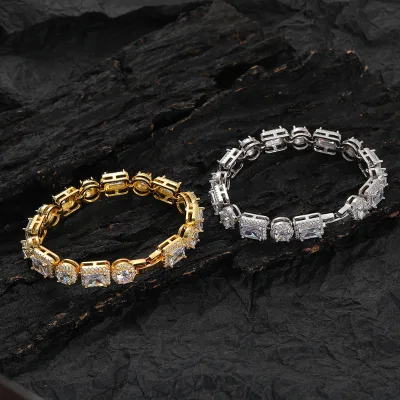
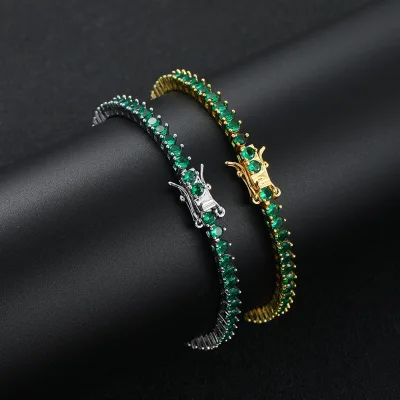
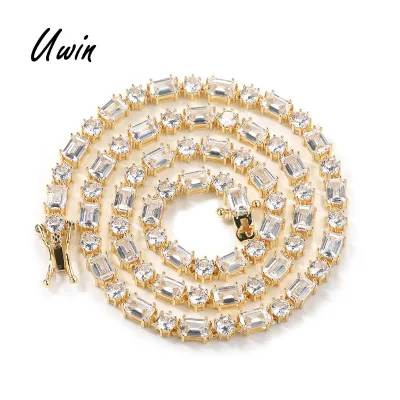
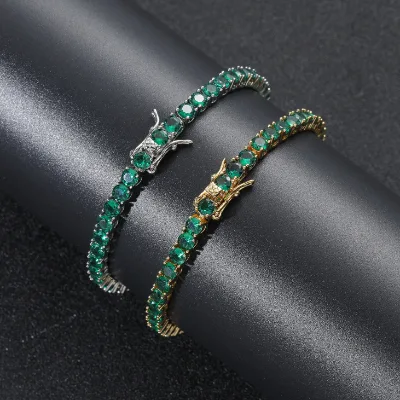
3Mm three-claw emerald zircon tennis bracelet, brass with zircon
Contact supplier

Guangzhou Joacii Jewelry Co., Ltd.
- Verified by TUVRHEINLAND
- Combined
- China Guangdong
- Lead time15 days
- Avg. response≤ 20h
Main products925 Sterling Silver Fine Jewelry etc
Main marketsOthers(foreignTradeCapacity.exportBusinessCapacityMarketOther),Southeast Asia/ Mideast,Domestic,Europe,North America

Green Fashion Personalized Design Bracelet Cubic Zircon Tennis Chain Bracelet
$34.13 - $36.00
MOQ: 10 Pieces

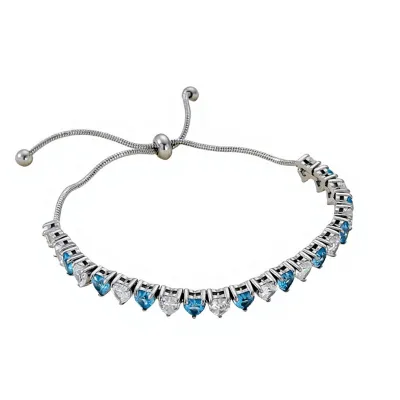
Eternelle Adjustable Bracelet Brilliant Zircons Features Blue Silver Tennis Bracelet
$35.76 - $37.71
MOQ: 10 Pieces

925 Sterling Silver Jewelry Green Zircon 2mm Adjustable Tennis Chain Bracelet
$9.30 - $10.44
MOQ: 1 Pieces

$30.48 - $32.14
MOQ: 10 Pieces
Yiwu Hip Hop Boy Jewelry Factory
- Verified by SGS Group
- Manufacturer, Trading Company
- Lead time7 days
- Avg. response≤ 4h
Main productsNecklace and Pendant, Earring, Bracelet, Ring, Anklet

GOODLINESS JEWELLERY CO., LIMITED
- Verified by SGS
- Manufacturer
- China Guangdong
- Lead time23 days
- Avg. response≤ 6h
Main products925 Silver Ring, Brass Jewelry, 925 Silver Earring, 925 Silver Necklace, 925 Silver Set, 925 Silver Bangle, Customer's Design, 925 Silver Bracelet, Silver Accessory, Brass Accessory
Main marketsSoutheast Asia/ Mideast,Europe,North America

Guangzhou Anfook & Dakerden Jewelry Co., Ltd
- Trading Company
- China Guangdong
- Lead time0 days
- Avg. response≤ 10h
- Trading Company
- Zhejiang, China
- Lead time10 days
- Avg. response≤ 1h
Main productsEarrings,stainless steel Necklace,stainless steel Bracelet,zircon ring,necklace bracelet earrings jewelry sets
Main marketsEastern Europe(20.0%), South America(20.0%), North America(20.0%), Africa(10.0%), Southeast Asia(10.0%), Eastern Asia(5.0%), Mid East(5.0%), Oceania(5.0%), Domestic Market(1.0%), South Asia(1.0%), Northern Europe(1.0%), Central America(1.0%), Western Europe(1.0%)

Shenzhen Right Grand Jewelry Co., Ltd.
- Verified by SGS
- Manufacturer
- China Guangdong
- Lead time15 days
- Avg. response≤ 7h
Main productsNecklace, Bracelet, Earring, Ring, Nose Ring, Ear Piercing, Belly Ring, Nipple Ring
Main marketsSouth America,Europe,North America

Hip Hop Stainless Steel 18K Gold Plated Diamond Zircon Stone Tennis Bracelet
$3.20 - $3.72
MOQ: 6 Pieces

Trendy Iced out Zircon Diamond Tennis Bracelet Fashion Jewelry Adjustable Bracelets
$2.21 - $2.71
MOQ: 12 Pieces


New Stainless Steel Layered Zirconia Tennis Freshwater Pearls 18K Gold Bracelets
$2.00 - $5.00
MOQ: 50 Pieces
- Trading Company
- Zhejiang, China
- Lead time10 days
- Avg. response≤ 3h
Main productsfashion jewelry,loose gemstone,jewelry components,925 silver jewelry,hair accessory
Main marketsNorth America(30.0%), Southern Europe(10.0%), Northern Europe(10.0%), Western Europe(10.0%), Mid East(10.0%), Eastern Europe(10.0%), South America(10.0%), Domestic Market(5.0%), South Asia(5.0%)
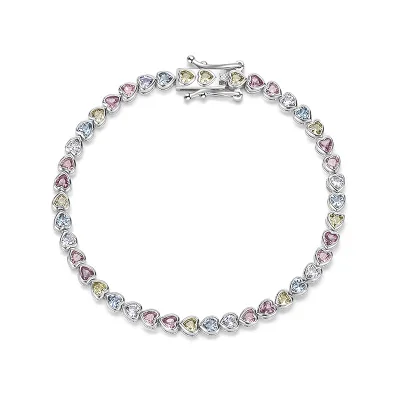
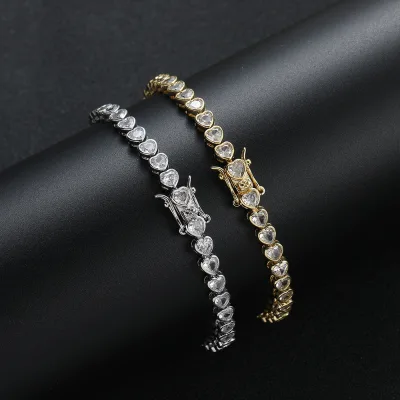
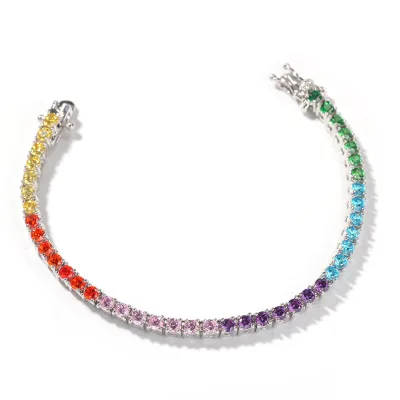
Luxury Rainbow Color Heart Cubic Zirconia 925 Sterling Silver Tennis Bracelet
$37.06 - $39.39
MOQ: 2 pieces
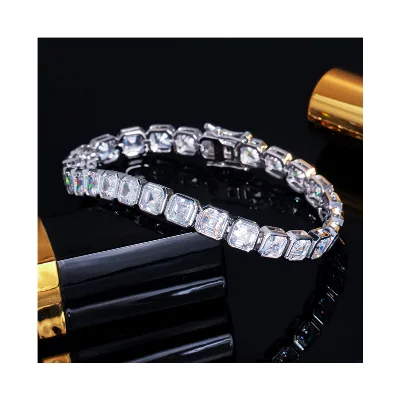
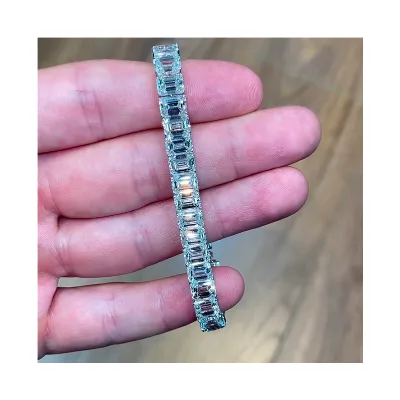
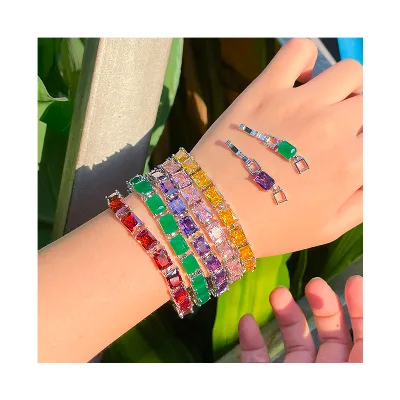
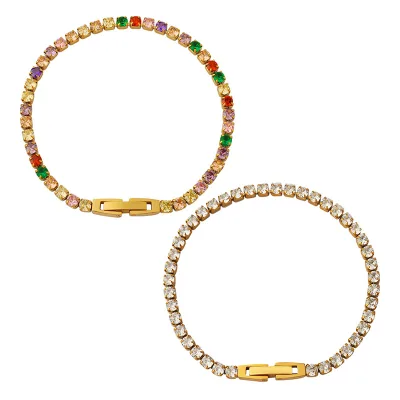

Zhuhai Kirin Jewelry Co., Ltd.
- Combined
- China Guangdong
- Lead time15 days
- Avg. response≤ 10h
Main productsFashion Jewelry
Main marketsSoutheast Asia/ Mideast,Europe,North America


Elegant Sterling Silver Jewelry Tennis Bracelet Women's 4mm Cubic Zirconia Round Rainbow
$26.79 - $30.94
MOQ: 6 Pieces


Hot Selling 925 Silver Multi Color CZ Zircon Diamond Tennis Bracelet Rainbow
$33.95 - $39.24
MOQ: 6 pc
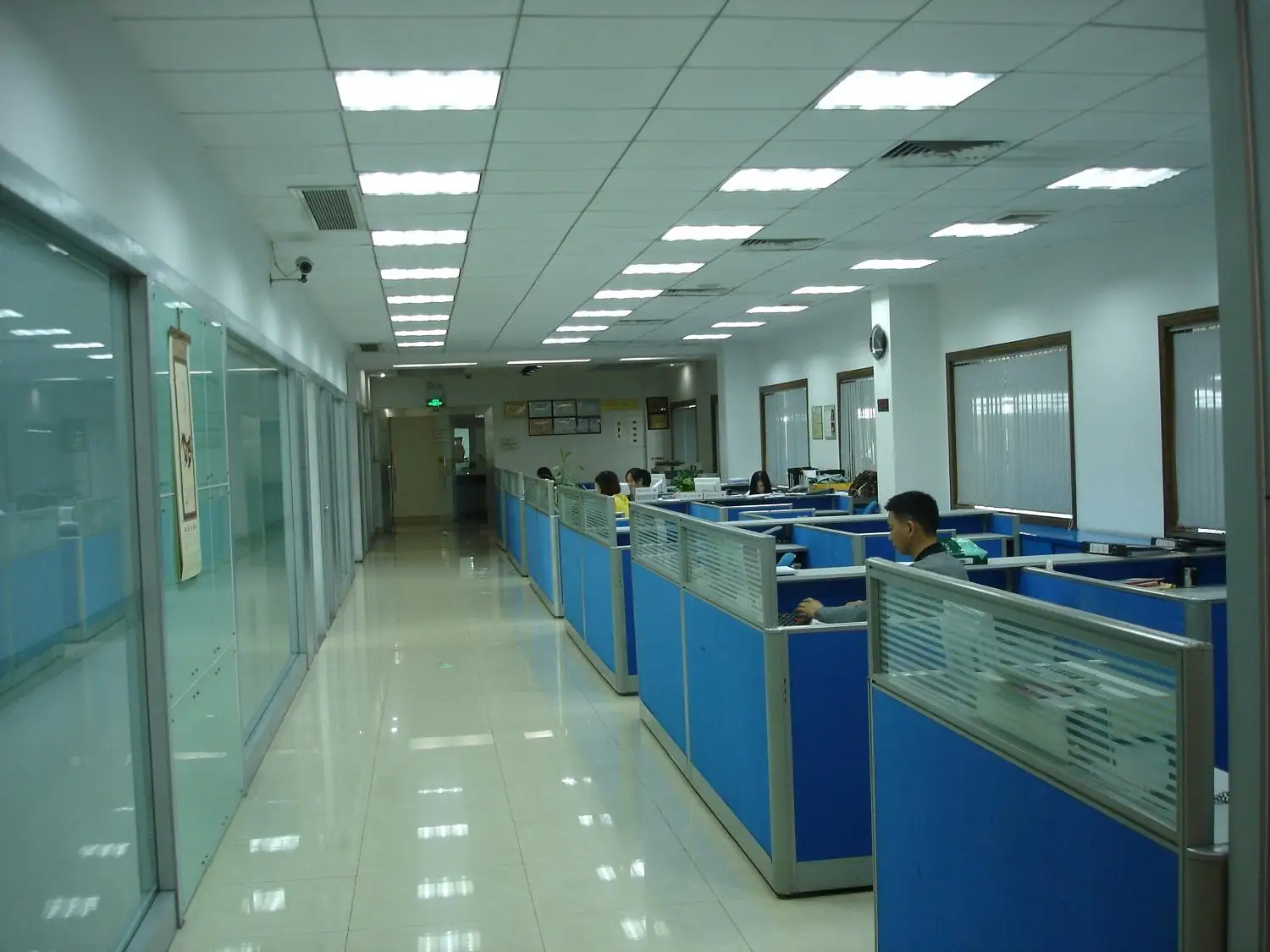
Yiwu Tuoqian Jewelry Co., Ltd.
- Trading Company
- Zhejiang, China
- Lead time15 days
- Avg. response≤ 7h
Main productsjewelry,necklace,earring,ring,bracelet
Main marketsSouth America(30.0%), North America(30.0%), Southern Europe(10.0%), Western Europe(10.0%), Eastern Europe(10.0%)
Guangzhou Aifanxi Crafts Co., Ltd.
- Verified by SGS Group
- Manufacturer, Trading Company
- Lead time20 days
- Avg. response≤ 2h
Main productsEarrings, Rings, Pendants, Necklaces, Bracelets
Main marketsNorth America(40%), Mid East(20%), Western Europe(15%)

Yiwu Ba Yuan Jewelry Co., Ltd.
- Verified by TUVRHEINLAND
- Trading Company,Manufacturer/Factory,Other
- China Zhejiang
- Lead time45 days
- Avg. response≤ 13h
Main productsBridal Jewelry and Hair Accessories, Wedding Jewelry, Tiara and Headpieces, CZ Jewelry, Tiara Crown, Zirconia Jewelry, CZ Necklace, Stretch Bracelet, Hip Hop Jewelry, Fashion Pendant
Main marketsSouth America,Eastern Europe,Mid East,North America,Southeast Asia,Eastern Asia,Oceania,Western Europe,Africa
Dong Guan Hao Sen Metal Jewelry Limited
- Verified by SGS Group
- Manufacturer, Trading Company
- Lead time45 days
- Avg. response≤ 8h
Main productsNecklace, Bracelet, Earrings, Ring, Cufflinks
Main marketsNorth America(40%), Southeast Asia(10%), Western Europe(10%)
- Trading Company
- Zhejiang Province, China
- Lead time0 days
- Avg. response≤ 2h
Main productsNecklace,Bracelet,Earring,Ring,Watchband
Main marketsNorth America(30.0%), Eastern Europe(20.0%), Mid East(10.0%), Oceania(10.0%), Africa(10.0%), Southeast Asia(10.0%), South America(10.0%)
Yiwu Uwin Import And Export Limited
- Verified by Intertek
- Manufacturer, Trading Company
- Lead time20 days
- Avg. response≤ 7h
Main productsNecklace, Bracelet, Ring, Pendant, Hip Hop Jewelry
Main marketsNorth America(90%), Domestic Market(7%), Western Europe(3%)

Zhongshan Veiya Jewelry Co., Ltd.
- Trading Company,Manufacturer/Factory
- China Guangdong
- Lead time0 days
- Avg. response≤ 3h
Main productsRings, Earrings, Pendants, Bracelets, Necklaces, Bangles
Main marketsSouth America,Eastern Europe,Mid East,North America,Western Europe,Africa
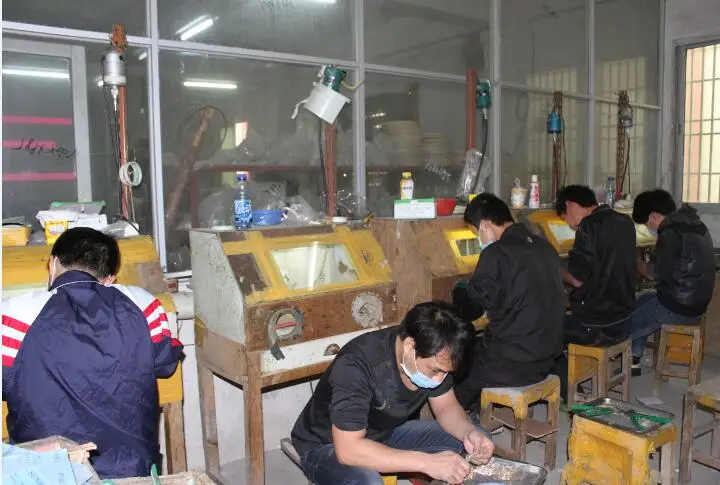
Shenzhen Charm Fish Net Co, Ltd.
- Manufacturer, Distributor/Wholesaler
- Guangdong, China
- Lead time0 days
- Avg. response≤ 6h
Main products18K gold plated jewelry,Sterling silver jewelry,Watch,925 silver plated jewelry,Steel jewelry
Main marketsNorthern Europe(15.0%), Eastern Europe(15.0%), Southern Europe(12.0%), Domestic Market(10.0%), Western Europe(10.0%), South America(5.0%), Eastern Asia(5.0%), Southeast Asia(5.0%), Mid East(5.0%), North America(5.0%), Oceania(5.0%), Africa(4.0%), Central America(2.0%), South Asia(2.0%)

Putian Chengqiu Hui Trading Co., Ltd.
- Verified by TUVRHEINLAND
- Trading Company
- China Fujian
- Lead time15 days
- Avg. response≤ 4h
Main productsSports Shoes, Watch, Slippers, Bags, Training Clothes, Clothing Design, Hat, Jewel, Sunglasses, Belt
Main marketsDomestic
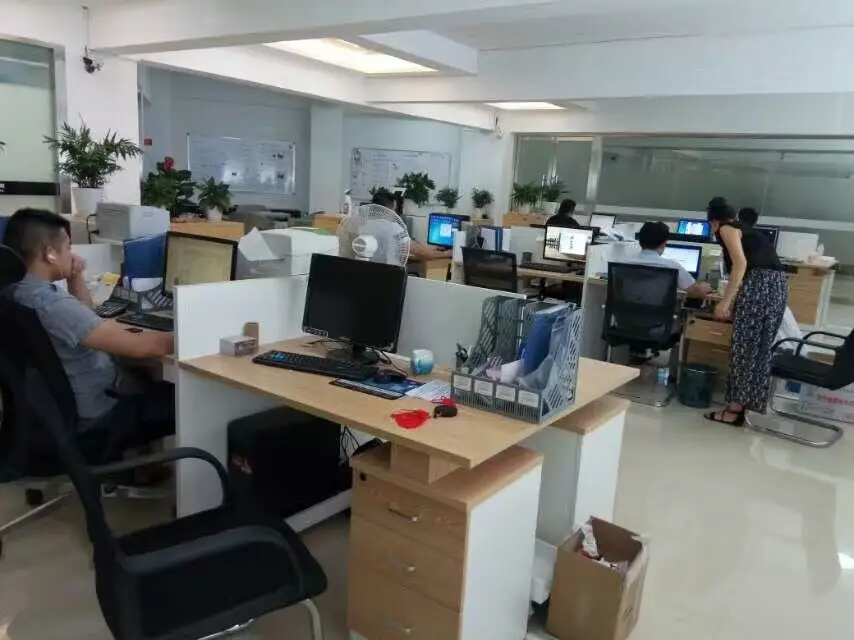
Yiwu Feiling Jewelry Co., Ltd.
- Trading Company
- Zhejiang, China
- Lead time15 days
- Avg. response≤ 3h
Main productsbracelet,necklace,earring,rings,sunglasses
Main marketsNorth America(30.0%), South America(15.0%), Central America(10.0%), Western Europe(8.0%), Eastern Europe(7.000000000000001%), Southern Europe(6.0%), Northern Europe(5.0%), Africa(5.0%), Southeast Asia(5.0%), Mid East(5.0%), South Asia(2.0%), Eastern Asia(2.0%)

- Combined
- China Guangdong
- Lead time15 days
- Avg. response≤ 4h
Main productsOpal
Main marketsDomestic,Europe,North America

- Verified by SGS
- Trading Company
- China Zhejiang
- Lead time15 days
- Avg. response≤ 15h
Main productsMop, Kitchen Knife, Chopping Board, Blanket, Mosquito Net, Cushion, Slipper, Broom, Luggage, Educational Toy
Main marketsEurope,Australia

Fashion Accessory Gift Plated Cubic Zirconia Bangle Classic Tennis Bracelet
$0.90 - $0.92
MOQ: 1000 Pieces

Fashion Accessories Sterling Gift Silver Blue Sapphire and White Diamond Tennis Bracelet
$1.20 - $1.50
MOQ: 660 Pieces

Qingdao Gemopia Jewelry Co., Ltd.
- Combined
- China Shandong
- Lead time30 days
- Avg. response≤ 3h
Main productsGold Jewelry, Silver Ring
Main marketsSouth America,Africa,Southeast Asia/ Mideast,East Asia(Japan/ South Korea),Domestic,Europe,Australia,North America

Guangzhou Peishang Jewelry Co., Ltd.
- Verified by BV
- Combined
- China Guangdong
- Lead time30 days
- Avg. response≤ 4h
Main productsEarring, Ring, Necklace, Bracelet, Anklet, Jewelry Set, Silver Jewelry, Brass Jewelry, CZ Jewelry, Natural Stone Jewelry
Main marketsSoutheast Asia/ Mideast,Europe,Australia,North America

Guangzhou Panyu Longlong Jewelry Factory
- Verified by CTI
- Combined
- China Guangdong
- Lead time15 days
- Avg. response≤ 8h
Main productsPendants Necklaces Earrings Rings Bracelets
Main marketsAfrica,Southeast Asia/ Mideast,Domestic,Europe,North America


$14.95 - $15.65
MOQ: 30 Pieces
Foshan Craftwolf Jewelry Factory
- Manufacturer, Trading Company
- Guangdong, China
- Lead time1 days
- Avg. response≤ 1h
Main productsNecklaces,pendants,bracelets,earrings,RING
Main marketsDomestic Market(50.0%), Western Europe(20.0%), North America(15.0%), South America(5.0%), Southeast Asia(5.0%), Mid East(5.0%)
Shenzhen ICE Jewelry Co., Ltd.
- Manufacturer
- Guangdong, China
- Lead time15 days
- Avg. response≤ 7h
Main productship hop jewelry,CZ micro pave jewelry,brass jewelry,925 silver jewelry,Custom jewelry
Main marketsNorth America(75.0%), Central America(5.0%), Western Europe(5.0%), Eastern Europe(5.0%), South America(5.0%), Africa(2.0%), Northern Europe(2.0%), Southeast Asia(1.0%)

Guangxi Wuzhou Xingyuegems Co., Ltd
- Combined
- China Guangxi
- Lead time15 days
- Avg. response≤ 5h
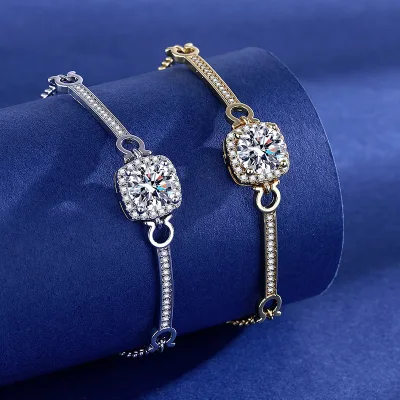
Main productsMoissanite, Moissanite Jewelry, Jewelry, Necklace, Lab Grwon Gems, Cuban Link Chain, 925 Silver Jewelry, Tennis Necklace, Tennis Bracelet, Hip Hop Jewelry
Main marketsSoutheast Asia/ Mideast,Europe,North America
Guangzhou Tianyi Jewelry Co., Ltd.
- Manufacturer, Trading Company, Distributor/Wholesaler
- Guangdong, China
- Lead time15 days
- Avg. response≤ 4h
Main productsBracelet,Necklace,Earring,Ring,Pendant
Main marketsWestern Europe(40.0%), Northern Europe(20.0%), Central America(10.0%), North America(10.0%), South America(10.0%), Southern Europe(5.0%), Eastern Europe(5.0%)
- Verified by TüVRheinland
- Trading Company
- Lead time10 days
- Avg. response≤ 8h
Main productsFashion Accessories, Beauty Products, Party & Festival Supplies, Jewelry, Office & Stationery Products
Main marketsWestern Europe(33%), North America(30%), Eastern Europe(15%)
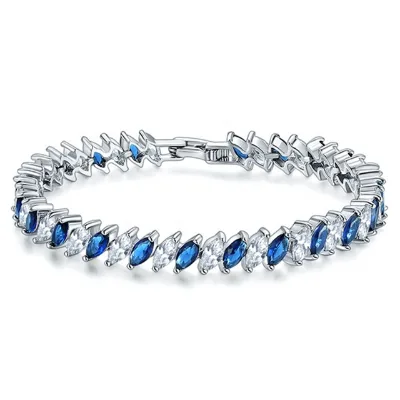
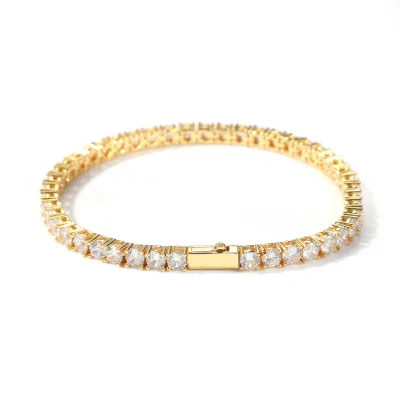
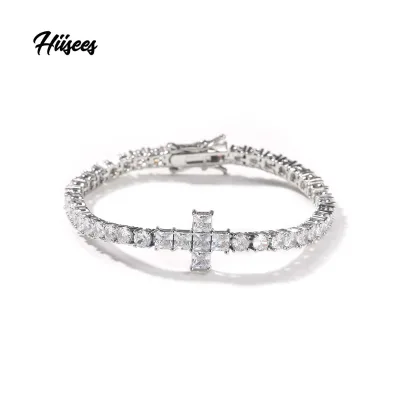
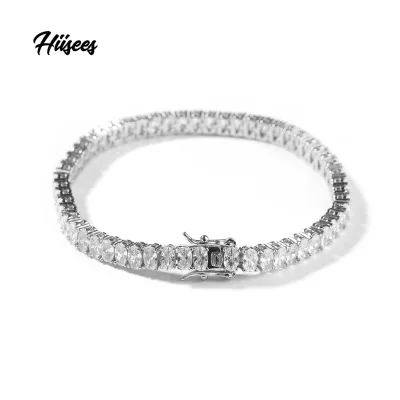
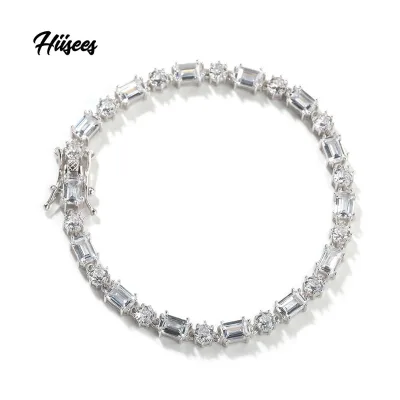
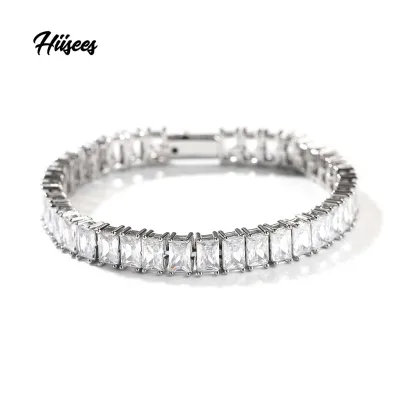


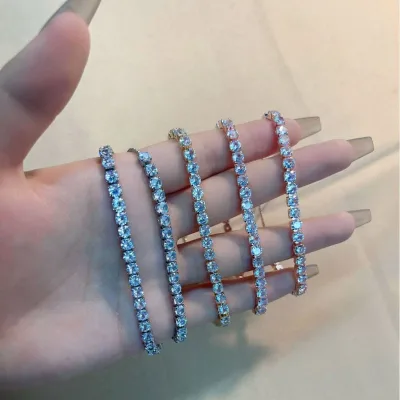
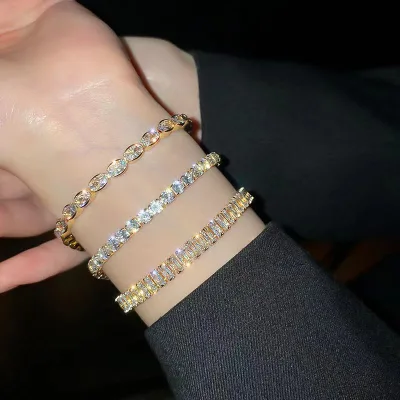
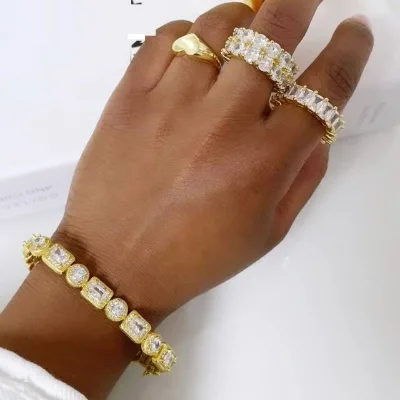
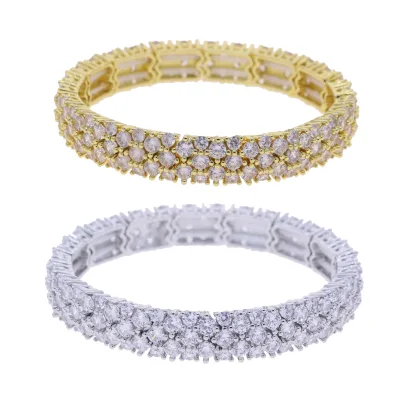
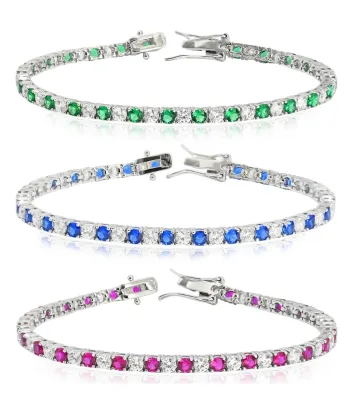
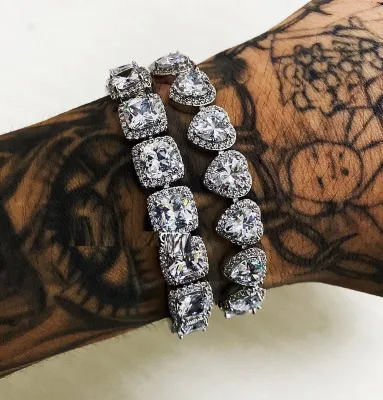
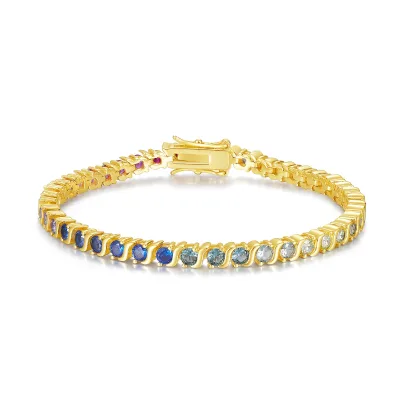
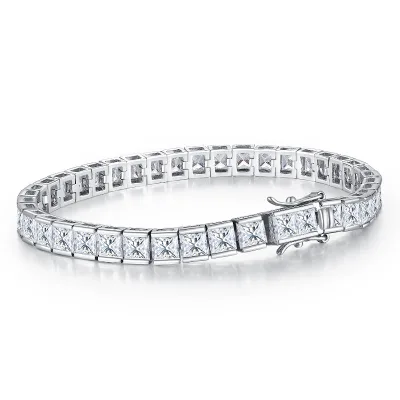


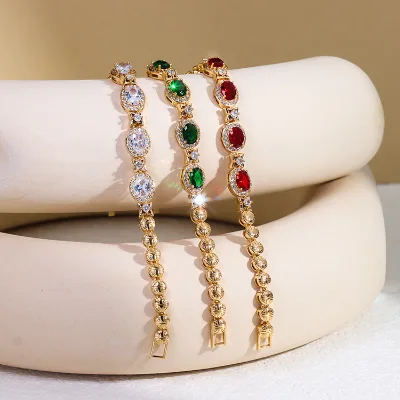
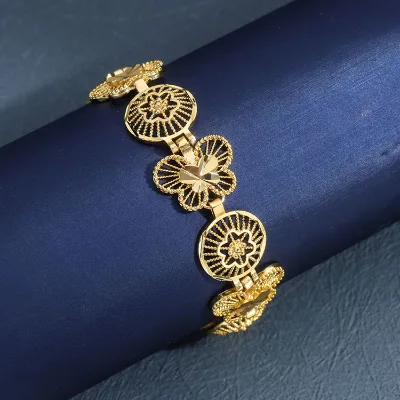
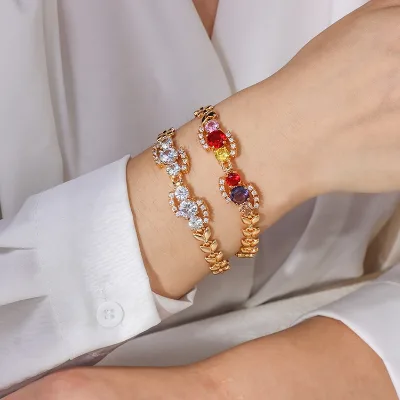
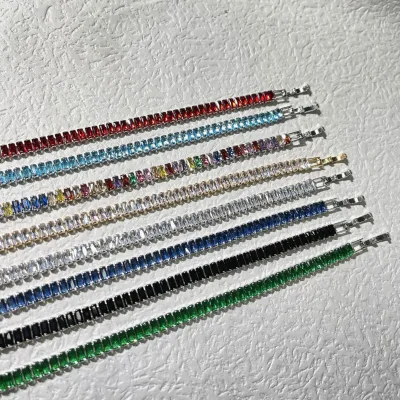
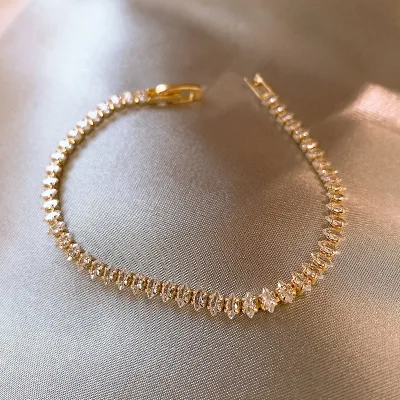
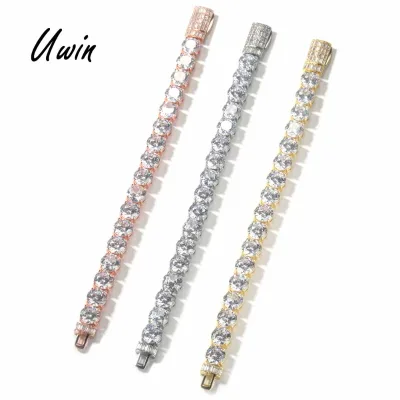




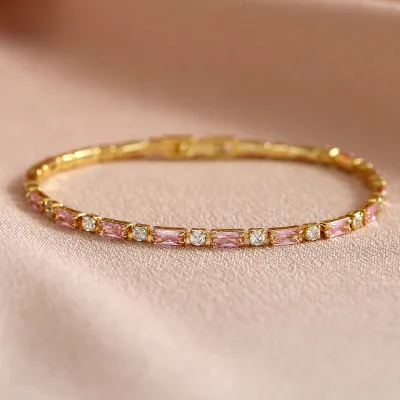
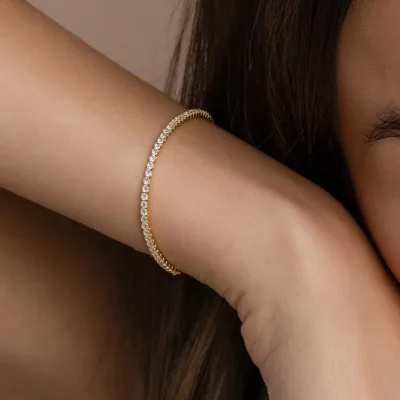


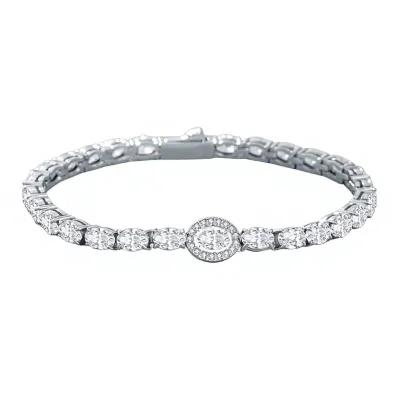
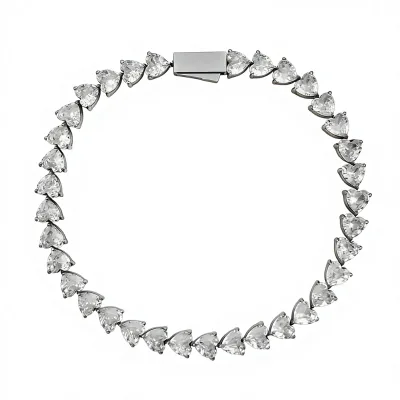


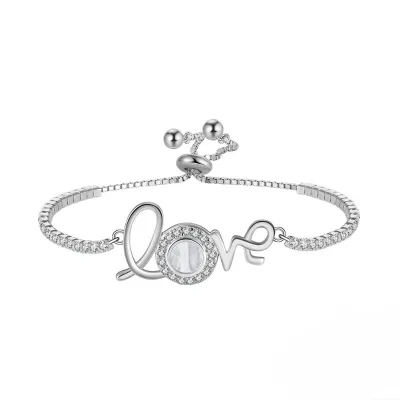
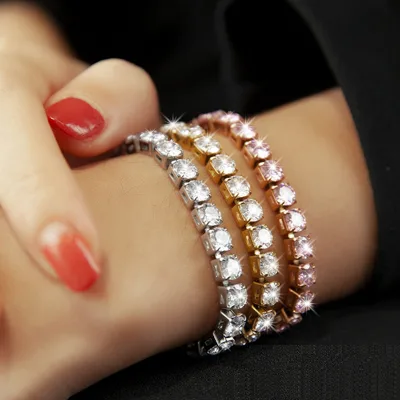
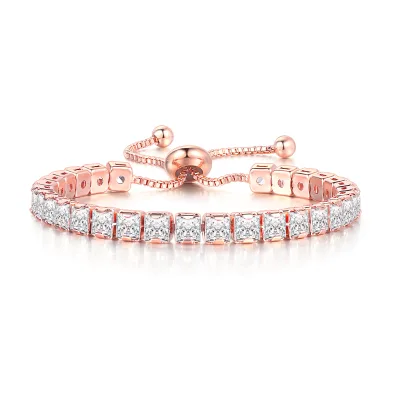
Comprehensive Sourcing Guide
Oval Cut Zircon Tennis Bracelet Supplier Concentration and Factory Types
The supplier base for this category divides clearly between manufacturers and hybrid manufacturer-trading companies, and understanding that split shapes everything downstream. Listed company types in current results include "Manufacturer, Trading Company," "Combined," and pure manufacturing labels, meaning some factories sell directly while others route output through export intermediaries. Main product lines also overlap heavily: gold vermeil, 925 sterling silver, gold filled, gold plated, and solid K gold diamond jewelry sit alongside hip hop categories such as Cuban chains, grillz, pendants, and iced-out bracelets. A supplier whose catalog centers on hip hop chains will often be the same one listing rhinestone tennis chain bracelets, so category adjacency matters when screening.
Product evidence points to Zhejiang, China as a stated place of origin for several zircon and rhinestone tennis bracelet listings, with Guangdong also appearing as a supplier location. That gives buyers two plausible cluster regions to investigate without assuming every listing follows the pattern. Material bases in actual listings include copper, brass, and 925 sterling silver, with zircon or rhinestone as the main stone. Where location evidence is absent, buyers should reverse-map clusters by checking the place-of-origin attribute on individual listings, asking for the nearest factory city, and confirming whether the trading company owns production or subcontracts. This step determines whether you can request factory audits, whether light customization versus full OEM applies, and how plating and stone-setting work is actually performed.
How to Verify Oval Cut Zircon Tennis Bracelet Suppliers
Verification in this category starts with third-party inspection status displayed on the platform. Current results show two distinct verification bodies attached to different supplier profiles: one listing SGS Group as the verifying organization and another showing TUV Rheinland. These are not certifications of a specific product; they indicate the supplier's business license and operational status were audited by an external body. Buyers should confirm which entity performed the verification, when it occurred, and what scope it covered, because a verified badge alone does not confirm plating quality or stone grading on an oval cut zircon bracelet.
Beyond the badge, request the certificate type stated in product attributes. At least one listing names "Third Party Appraisal" as its certificate type, which is distinct from platform verification and should be backed by documentation you can read. Verification should also probe manufacturing claims: a supplier advertising ODM and OEM capacity, or light customization, sample processing, graphic processing, and customized-on-demand services, should demonstrate that capability with a sample rather than a catalog image. Ask which claims apply to your specific design, since hand-made processing and customized sizing appear as attributes on some 925 sterling silver listings but not on alloy-based hip hop styles. Confirm material purity documentation where 92.5% purity is claimed, and verify plating thickness in writing for gold-plated or 18K gold-plated variants. Cross-check the stated company type against business registration records, and reconcile the supplier's main product list with what a factory of that type could realistically produce in-house.
What to Compare Across Oval Cut Zircon Tennis Bracelet Suppliers
Build a comparison table around the attributes actually displayed on supplier profiles, without assuming every supplier shows the same fields. Response time is one of the most reliable differentiators: current results show suppliers ranging from roughly 2 hours and 6 hours on the fast end to about 19.5 hours on the slow end. For a category where sample iterations and stone-setting clarifications are common, that spread translates into days of project delay over a typical sampling cycle. Lead time is the second axis, and displayed values vary widely: one supplier shows 7 days, another shows 15 days, and a third lists 12 days for orders of 1–20 units with negotiation required above 20, with peak and off-season periods noted.
MOQ comparison follows product, not company: observed listings show a minimum of 2 pieces on an alloy rhinestone tennis chain bracelet, 3 pieces on a gold-plated brass zircon bracelet, and 30 pieces on a 925 sterling silver sapphire style. Price bands differ accordingly, from roughly USD 2.89–3.19 on the alloy item, USD 6.82–8.17 on the plated zircon bracelet, and USD 22–28 on the sterling silver piece. Compare main products to check category fit, company type to predict who answers technical questions, location for logistics, and rd_capacity labels such as ODM, OEM, or light customization. Escrow availability, establishment year, and any displayed credential should be recorded per supplier, leaving blanks where evidence is missing rather than assuming uniform values.
Common Oval Cut Zircon Tennis Bracelet Sourcing Risks
The most common risk is material substitution across visually similar listings. Current product evidence shows the same bracelet silhouette built on alloy, copper, brass, and 925 sterling silver, at prices from under three dollars to nearly thirty dollars per piece. A buyer comparing images alone can confuse a rhinestone alloy bracelet with a genuine zircon brass or silver one. Related risks include plating ambiguity: listings describe 18K gold plated, silver plated, gold plated over brass, and white plated finishes, and plating thickness, base metal, and tarnish behavior are rarely stated in the visible attributes. Purity claims such as 92.5% must be verified through assay documentation, not listing copy.
Stone quality is a second risk cluster. Listings reference 4A grade zircon, cubic zircon, blue zirconia, sapphire, crystal, and rhinestone interchangeably, and "Asscher cut" appears alongside oval and emerald-cut descriptions. Grade labels have no universal standard in this segment, so require written definitions and reference samples. Delivery risk ties to the MOQ and lead-time structure: the 30-piece sterling silver MOQ with a 15-day lead time behaves differently from a 2-piece alloy MOQ, and one supplier explicitly negotiates lead times above a unit threshold and distinguishes peak season. Sample risk follows the same pattern: a supplier offering only sample processing may not scale. Finally, verify that customization claims, such as hand-made processing or on-demand customization, apply to oval-cut settings specifically, not just to round or square stone alternatives shown in the catalog.
Oval Cut Zircon Tennis Bracelet Regional Sourcing and Logistics
The strongest regional evidence in this category comes from listing attributes rather than company profiles. Multiple zircon and rhinestone tennis bracelet products state Zhejiang, China as the place of origin, and a supplier location of Guangdong also appears in the results. These two provinces anchor the practical sourcing map: Zhejiang for the stated zircon bracelet production shown in the listings, and Guangdong as a jewelry manufacturing and export location on at least one supplier profile. Buyers should not extend these observations to every supplier, since company-level location data is incomplete across results, but they provide starting points for cluster outreach and audit trip planning.
Logistics planning should start from the confirmed origin point of each order, not from an assumed cluster. Confirm with each supplier which factory ships the goods, because a trading company profile may list one province while subcontracted production sits elsewhere. Package dimensions visible in the listings matter for freight math: single package sizes such as 10x3x1 cm and 13x9x8 cm, with single gross weights of roughly 0.05 kg and 0.3 kg, indicate small-parcel-friendly shipments for sample and low-MOQ orders, while 30-piece sterling silver orders may justify consolidated freight. Bracelet lengths of 17 cm, 7-inch (18 cm), and 8-inch (20 cm) variants are common in the listings, so confirm size mix before packing plans are finalized. Ask each supplier to state its standard shipping methods, export documentation experience, and which incoterms it supports, since none of these details appear in the current evidence and must be established directly.
Oval Cut Zircon Tennis Bracelet Commercial Terms and Order Planning
Order planning in this category should be built around the MOQ and price structure observed in the results, because the spread is unusually wide. A 2-piece MOQ on an alloy iced-out tennis chain at roughly USD 2.89–3.19 allows near-sample-scale test orders, while a 3-piece MOQ on a gold-plated over brass zircon bracelet at USD 6.82–8.17 still permits low-risk trial purchasing. The 925 sterling silver blue zirconia sapphire bracelet, at a 30-piece MOQ and USD 22–28 per piece, commits roughly USD 660–840 per order and warrants a written quality agreement before payment. Match your first order tier to the cheapest listing that still meets your material requirement, then scale.
Commercial terms to negotiate in writing include the relationship between quoted price and order quantity, plating specification, stone grade definition, packaging format matching the stated package sizes, and inspection rights before shipment. Lead time planning must account for the structures shown: a flat 7-day lead time from one supplier, a 15-day figure from another, and a 12-day figure that applies only to 1–20 unit orders with negotiation required above that threshold and peak-season variation noted. Response time commitments, observed between roughly 2 and 19.5 hours, should be converted into an agreed communication SLA for sampling. Where escrow or payment protection is displayed, use it for first orders; where establishment year or credential data is missing from a profile, request the information directly rather than assuming it. Finally, confirm whether the supplier accepts OEM/ODM terms in the contract, as displayed on some 925 silver listings, since customization rights affect reorder exclusivity.
Word count: approximately 1,395 words across six sections, each within the 225–235 word range.
FAQs
What is an Oval Cut Zircon Tennis Bracelet and how is it made?
An Oval Cut Zircon Tennis Bracelet is a line bracelet set with a continuous row of oval-shaped zircon stones in individual prong or bezel settings. Manufacturers typically set the stones into brass, copper, or 925 sterling silver bases, then apply gold, silver, or rhodium plating. Styles range from classic single rows to multi-row designs in various stone sizes.
What is the typical MOQ for oval cut zircon tennis bracelets?
MOQs vary widely by supplier and design, with listed examples ranging from as low as 3 pieces to 30 pieces per style. Higher-priced sterling silver designs usually carry larger minimums than plated alloy versions. Always confirm the MOQ for your specific stone size, plating color, and length before requesting a quotation.
How long does production take for custom tennis bracelets?
Lead times differ by supplier and order size. Some verified manufacturers list around 7 days for standard orders, while others quote roughly 12 to 15 days, with larger quantities subject to negotiation. Sample processing and light customization may affect timelines, so ask each supplier to confirm a production schedule in writing before placing your deposit.
Which base materials are common for oval cut zircon tennis bracelets?
Common bases include brass, copper, alloy, and 925 sterling silver, often finished with 18K gold plating, silver plating, or white plating. Sterling silver options emphasize 92.5% purity and hand-made processing, while fashion versions favor affordable plated metals. Check plating thickness and metal content with each supplier, since durability and price depend heavily on these choices.
What stone sizes and bracelet lengths are available?
Listed products feature stone widths from about 3mm to 5mm, including single rows and combined square plus round zircon layouts. Bracelet lengths typically come in 7-inch (18cm) and 8-inch (20cm) options, and some suppliers offer fully customized sizing. Confirm available lengths, stone grades, and color options such as yellow gold or white gold finishes.
Can suppliers customize Oval Cut Zircon Tennis Bracelet designs?
Yes, many suppliers support customization. Listed capabilities include light customization, sample processing, graphic processing, customization on demand, and full ODM and OEM services. Sterling silver specialists note that customization is available with hand-made processing and custom sizes. Provide your design drawings, stone specifications, and plating requirements early so suppliers can quote accurately.
How should I verify a tennis bracelet supplier before ordering?
Check third-party verification status, since some listings show verification by SGS Group or TUV Rheinland. Request product certificates such as third-party appraisals for stone quality, ask for samples before bulk production, and confirm response times, which range from a few hours to several days among listed suppliers. Compare several manufacturers before committing to an order.
What price range should I expect for these bracelets?
Listed prices span roughly $2.89 to $3.19 for rhinestone hip-hop style chain bracelets, $6.82 to $8.17 for gold-plated zircon tennis bracelets, and $22 to $28 for 925 sterling silver designs. Base metal, stone type, and plating drive the differences. Request itemized quotes covering plating, stone grade, and packaging costs for accurate comparison.