Oven Safe White Ceramic Ramekin Suppliers and Manufacturers
Compare 33 verified suppliers offering Oven Safe White Ceramic Ramekin with varying lead times, MOQs, and response speeds. Review product features like eco-friendly status and custom sizing options to select the right partner for your needs; review the available evidence before requesting comparable quotations from suitable candidates.
Suppliers List
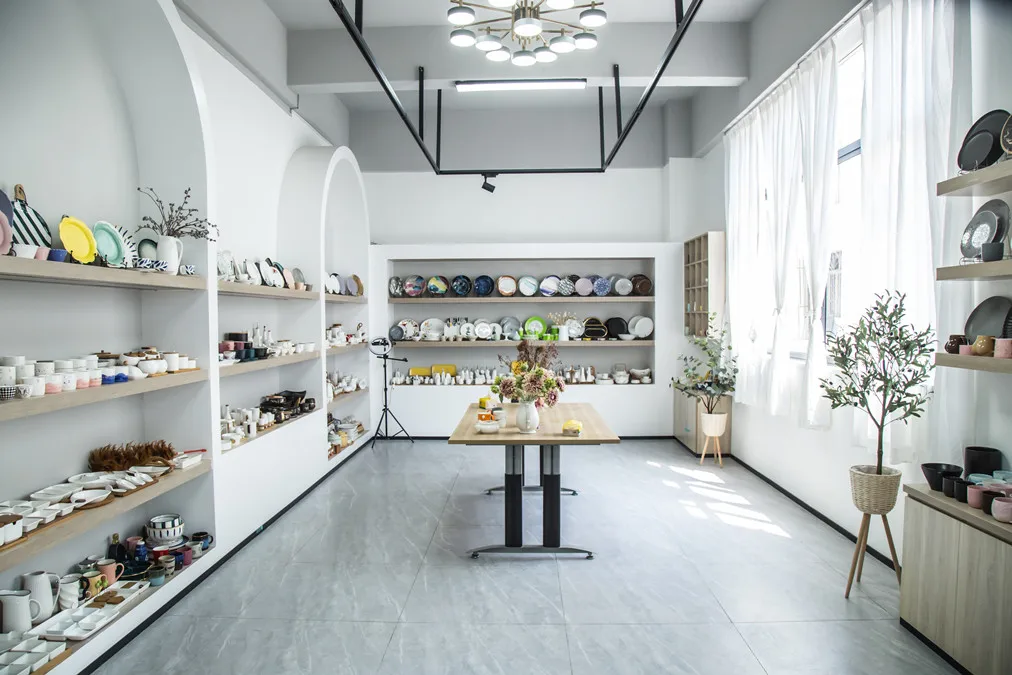
Chaozhou Fengxi Garder Porcelain Factory
- Manufacturer
- Guangdong, China
- Lead time45 days
- Avg. response≤ 3h
Main productsPorcelain Tableware,Porcelain Plate,Porcelain Bowl,Porcelain Mug,Cup & Saucer
Main marketsEastern Asia(30.00%), Western Europe(29.80%), Mid East(18.00%), Northern Europe(12.00%), North America(3.00%), Southern Europe(2.00%), Eastern Europe(2.00%), South America(1.00%), South Asia(1.00%), Central America(1.00%), Oceania(0.20%)
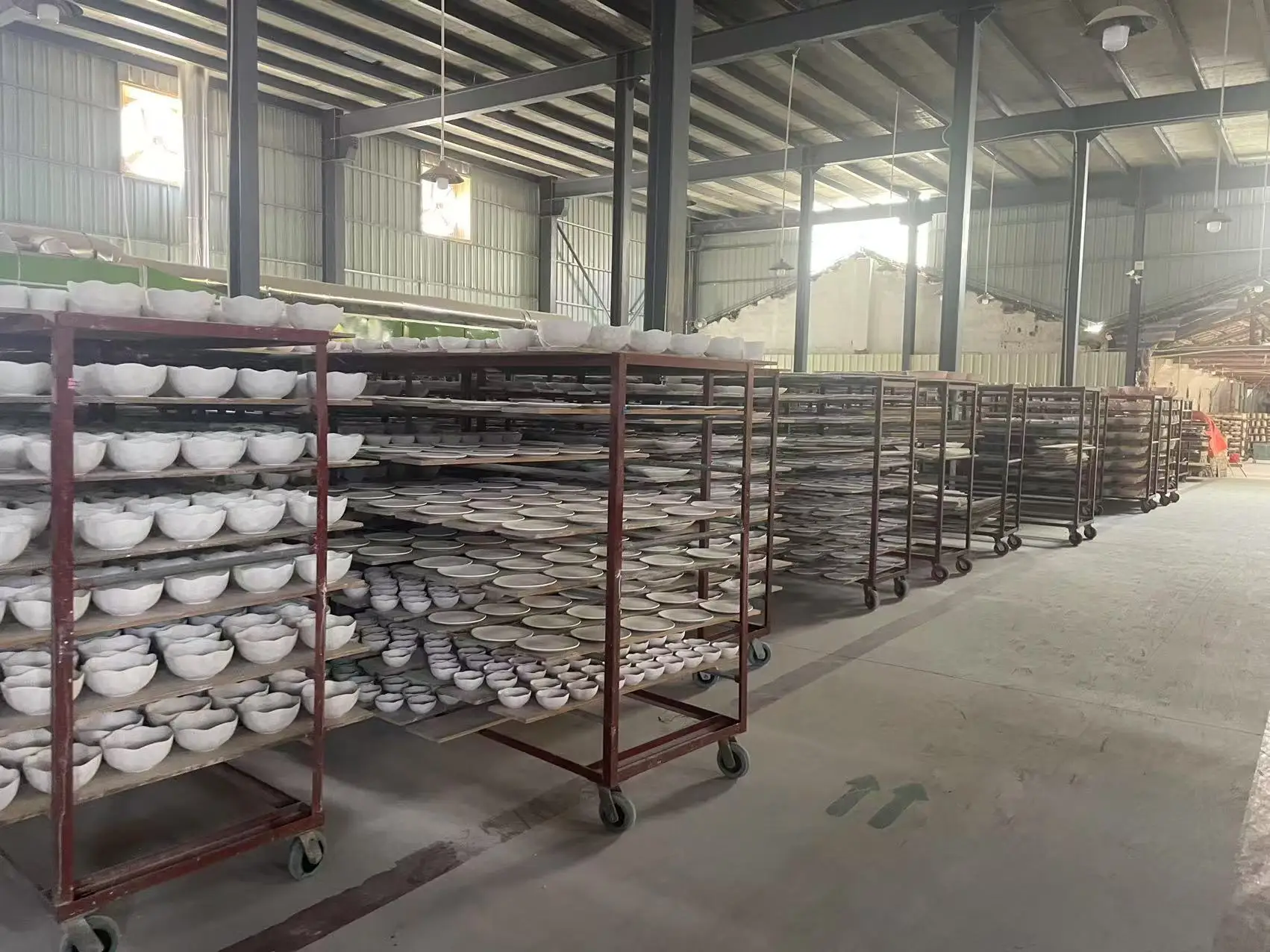
Xiamen Design In Source Trading Co., Ltd.
- Manufacturer, Trading Company, Distributor/Wholesaler
- Fujian, China
- Lead time45 days
- Avg. response≤ 2h
Main productsvase,ceramic mugs,piggy bank,coffee cup,candle jar
Main marketsNorth America(48.00%), Western Europe(21.00%), Oceania(10.00%), Eastern Asia(5.00%), Southeast Asia(4.00%), South America(3.00%), Eastern Europe(2.00%), Northern Europe(2.00%), Southern Europe(2.00%), Mid East(1.00%), Central America(1.00%), South Asia(1.00%)
Xiamen Jozing Industrial Co., Ltd.
- Verified by Intertek
- Trading Company
- Lead time15 days
- Avg. response≤ 2h
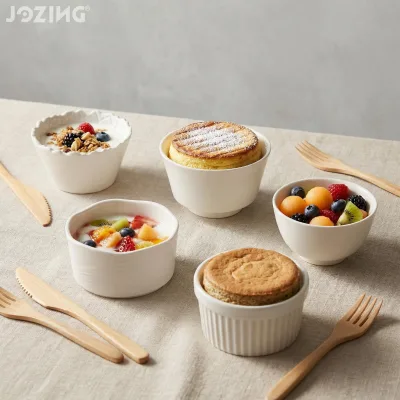
Main productsCeramic Dinnerware, Ceramic Mug & Cup, Ceramic Cup & Saucers, Ceramic Decoration & Vase, Ceramic Bakeware
Zibo Joystyle Light Industrial Products Co., Ltd.
- Manufacturer, Trading Company
- Shandong, China
- Lead time30 days
- Avg. response≤ 3h
Main productsceramic coffee mug,ceramic dinner set,ceramic plate,ceramic bowl,porcelain dinnerware set
Main marketsNorth America(35.00%), South America(16.00%), Eastern Europe(12.00%), Western Europe(10.00%), Southeast Asia(9.00%), Africa(8.00%), Eastern Asia(6.00%), Northern Europe(4.00%)
- Verified by CTI
- Combined
- China Guangdong
- Lead time45 days
- Avg. response≤ 4h
Main productsCasserole, Dish, Bowl, Mug
Main marketsEast Asia(Japan/ South Korea),Domestic,Europe,North America

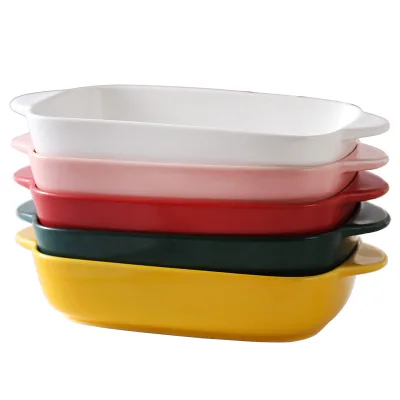
Nordic Colored Food Safe Ceramic Rectangular Oven Baking Tray for Restaurants
$1.58 - $4.10
MOQ: 500 Pieces


Guangdong Qunfa Ceramics Co., Ltd.
- Manufacturer, Trading Company
- Guangdong Province, China
- Lead time55 days
- Avg. response≤ 2h
Main productsMug,Pet Bowls,Bakeware,Tableware,Flower Pot
Main marketsSouth America(42.50%), North America(42.50%), Southeast Asia(5.00%), Central America(5.00%), Northern Europe(2.50%), Eastern Europe(2.50%)
- Manufacturer, Trading Company
- Guangdong, China
- Lead time45 days
- Avg. response≤ 1h
Main productsFondue Set,Cup & Saucer,Dinnerware,Kitchenware,Bathroom Set
Main marketsWestern Europe(36.00%), Oceania(10.00%), Southern Europe(8.00%), North America(8.00%), Eastern Europe(6.25%), Mid East(5.00%), Central America(5.00%), Northern Europe(4.52%), South Asia(4.50%), South America(3.65%), Southeast Asia(3.48%), Domestic Market(2.43%), Africa(1.82%), Eastern Asia(1.35%)
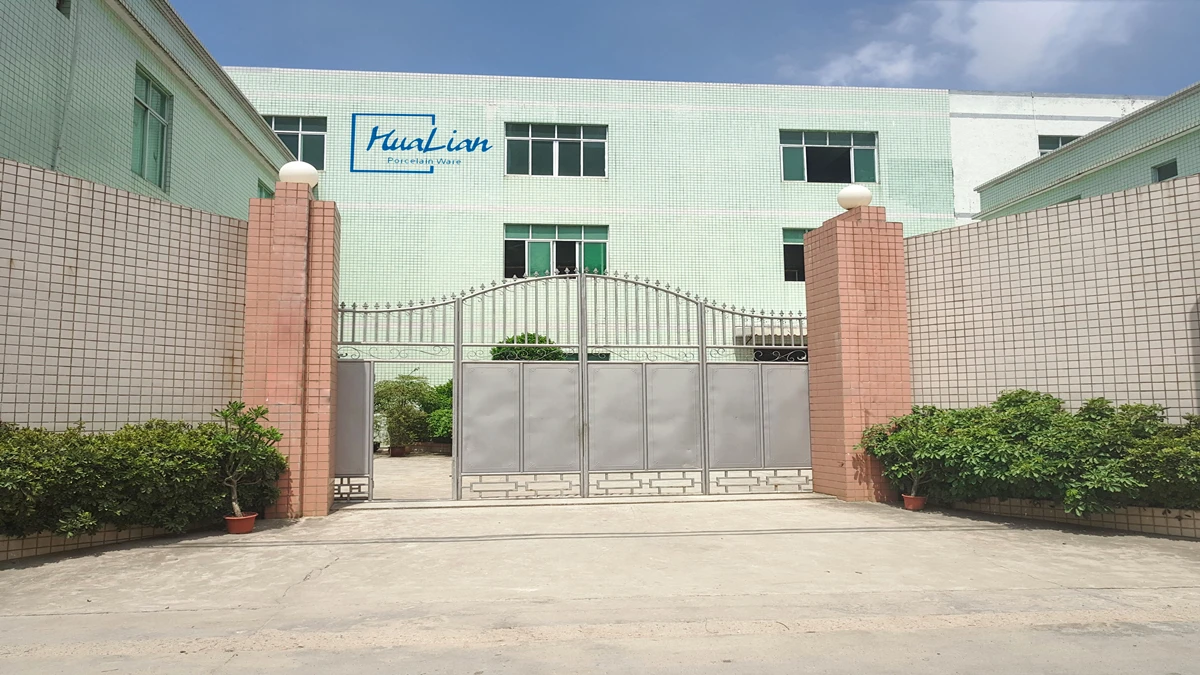
Chaozhou Hualian Porcelain Making Co., Ltd.
- Manufacturer, Trading Company
- Guangdong, China
- Lead time45 days
- Avg. response≤ 6h
Main productsplate,bowl,bakeware,serving set,cake stand
Main marketsNorth America(60.00%), Eastern Europe(15.00%), Southeast Asia(10.00%), South America(10.00%), Mid East(5.00%)
Chaozhou Jiayuehui Tableware Co., Ltd.
- Verified by SGS
- Manufacturer
- China Guangdong
- Lead time45 days
- Avg. response≤ 25h
Chaozhou Fengxi Baita Ceramics No. 5 Manufactory
- Manufacturer, Trading Company
- Guangdong, China
- Lead time50 days
- Avg. response≤ 9h
Main productsCeramic Bakeware/Dinnerware/Pet Ware/Other Tableware/Drinkware
Main marketsNorth America(45.00%), Domestic Market(21.00%), Western Europe(10.00%), Northern Europe(3.00%), South America(3.00%), Eastern Europe(3.00%), Africa(3.00%), Mid East(2.00%), Oceania(2.00%), South Asia(2.00%), Central America(1.00%), Southeast Asia(1.00%), Southern Europe(1.00%)
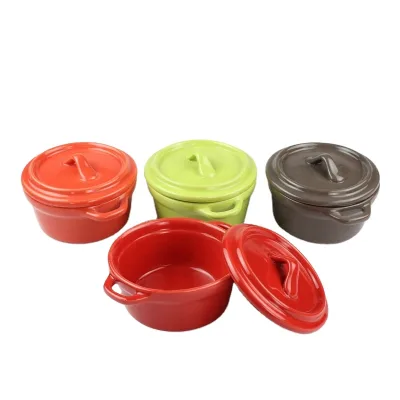
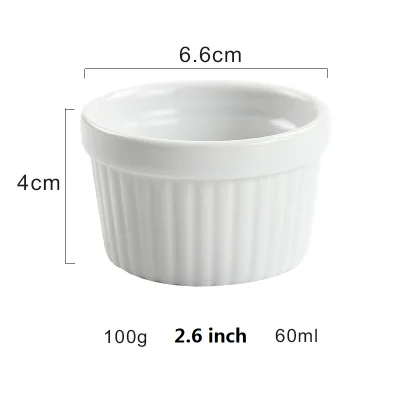
$1.25 - $1.53
MOQ: 1000 sets
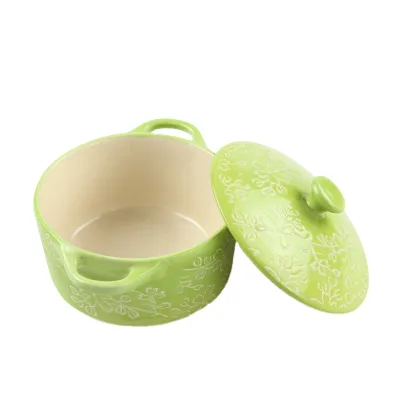
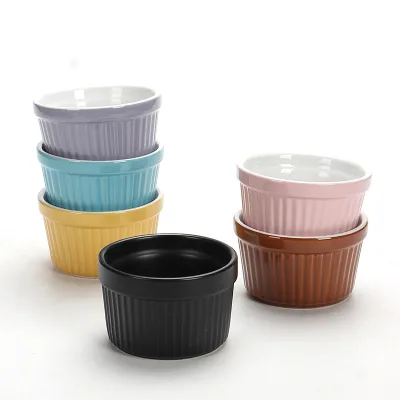
Fujian Dehua Dome Arts&crafts Co., Ltd.
- Verified by TüVRheinland
- Trading Company
- Lead time60 days
- Avg. response≤ 6h
Main productsCeramic Crafts, Resin Crafts
Main marketsWestern Europe(45%), North America(35%), Mid East(10%)
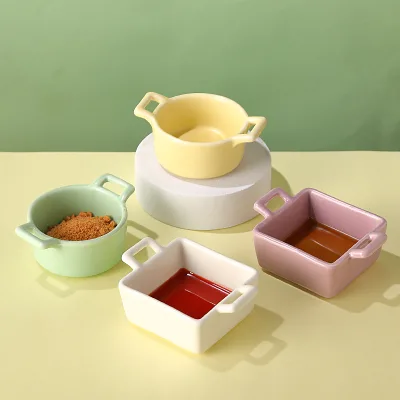
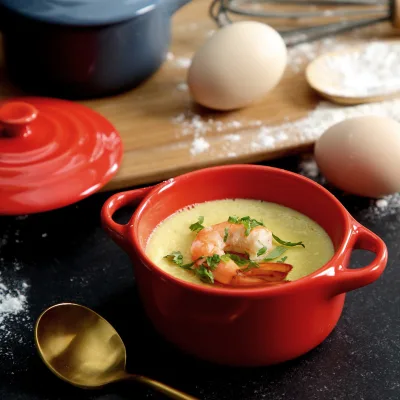
Colorful Round Small Ramekin Bowl Cheap Porcelain Ceramic Ramekins with Ears and Lid
$0.95 - $1.56
MOQ: 100
Chaozhou Qianyue Ceramics Co., Ltd.
- Verified by TüVRheinland
- Manufacturer, Trading Company
- Lead time30 days
- Avg. response≤ 2h
Main productsCeramic Tableware
Main marketsNorth America(30%), Western Europe(16%), Oceania(13%)

Dongguan ShunTa Melamine Products Co., Ltd.
- Verified by CTI
- Combined
- China Guangdong
- Lead time15 days
- Avg. response≤ 11h
Main productsMelamine, Table Ware, Tableware, Household, Kitchen Ware, Pets Accessories, Chopsticks, Ashtray, Cushions, Bowls
Main marketsSoutheast Asia/ Mideast,East Asia(Japan/ South Korea),Domestic,Europe,Australia,North America


Melamine Sauce Bowl White Ramekin Sauce Bowl
MOQ: 192 Pieces

High Quality Melamine Ramekins Sauce Bowl
MOQ: 192 Pieces

Jiangsu Cera Thermal Technology Co., Ltd.
- Combined
- China Jiangsu
- Lead time15 days
- Avg. response≤ 6h
Main productsCeramic Fiber Bulk, Ceramic Fiber Blanket, Ceramic Fiber Module, Ceramic Fiber Board, Ceramic Fiber Vacuum Formed Shape, Ceramic Fiber Paper, Ceramic Fiber Textile, Refractory Castable, Refractory Mortar, Insulating Firebrick
Main marketsSouth America,Africa,Others(foreignTradeCapacity.exportBusinessCapacityMarketOther),Southeast Asia/ Mideast,East Asia(Japan/ South Korea),Domestic,Europe,Australia,North America
- Manufacturer, Trading Company
- Guangdong, China
- Lead time60 days
- Avg. response≤ 5h
Main productsCasserole,Dish,Bowl,Mug,Jar
Main marketsNorth America(30.00%), Western Europe(25.00%), Northern Europe(12.00%), Eastern Asia(10.00%), Oceania(8.00%), Southeast Asia(5.00%), Domestic Market(2.00%), Southern Europe(2.00%), Eastern Europe(2.00%), South America(2.00%), Mid East(2.00%)

Rollin Porcelain Industrial Co., Ltd.
- Verified by BV
- Manufacturer/Factory
- China Guangdong
- Lead time45 days
- Avg. response≤ 6h
Main productsPorcelain Dinnerware, Tableware, Dinner Set, Dinner Plate, Hotel and Restaurant Tableware, Bone China, Cutlery, Glassware, Ceramic Plate, Porcelain
Main marketsEastern Europe,Mid East,North America,Southeast Asia,Eastern Asia,Oceania,Western Europe
Zhejiang Celilon New Material Technology Co., Ltd.
- Verified by BV
- Combined
- China Zhejiang
- Lead time30 days
- Avg. response≤ 2h
Main productsPTFE Nonstick Coating, Ceramic Nonstick Coating, Matte Coating, Rough Coating, Peek Coating, Innner Coating, Outer Coating, High Abrasion Coating, High Temperture Coating, Pearly Coating
Main marketsDomestic

Qingdao Sunrise New Int'l Imp/Exp. Co., Ltd.
- Verified by BV
- Trading Company
- China Shandong
- Lead time30 days
- Avg. response≤ 6h
Main productsUdon Noodle, Ramen Noodles, Fresh Noodles, Quick Cooking Noodles, Instant Noodles, Longkou Vermicelli, Glass Noodles, Sweet Potato Noodles, Noodle, Chow Mein
Main marketsSouth America,Africa,Southeast Asia/ Mideast,Europe,Australia,North America


OEM Wholesale Fresh Ramen Noodles Non Fried Instant Soup Noodles Vegan Ramen
$0.23 - $0.28
MOQ: 15000 bag


Ifs Brc Best Delicious Vermicelli Recipes Chinese Longkou Bean Vermicelli Glass Noodles
$0.40 - $0.50
MOQ: 22000 bag


Liling Huarui Ceramic Co., Ltd.
- Verified by Intertek
- Manufacturer, Trading Company
- Lead time40 days
- Avg. response≤ 3h
Main productsCeramic Mug, Ceramic Bowl, Ceramic Cup and Saucer, Ceramic Plate, Ceramic Tableware
Main marketsDomestic Market(50%), North America(20%), South America(20%)
- Trading Company
- China Fujian
- Lead time0 days
- Avg. response≤ 4h
Main productsTomato Sauce, Chilli Sauce, Tomato Ketchup, Soy Sauce, Tomato Paste, Oyster Sauce, Canned Food, Empty Tin Can, Instant Noodles, Quick Cooking Noodles
FUJIAN NAN ' AN JINYUAN FOOD CO ., LTD
- Verified by TUVRHEINLAND
- Combined
- China Fujian
- Lead time15 days
- Avg. response≤ 1h
Main productsNoodle, Ramen Noodle, Instant Noodle
Main marketsDomestic

Uniform Thickness Excellent Cooking Stability Thin Whole Wheat Vermicelli for Restaurant Kitchens
$0.34 - $0.44
MOQ: 1000 Bags

Guangdong Hongdahuang Ceramics Co. Ltd
- Verified by SGS
- Combined
- China Guangdong
- Lead time45 days
- Avg. response≤ 15h
Main marketsDomestic,North America

GONGYI HONGDA FURNACE CHARGE CO., LTD.
- Combined
- China Henan
- Lead time23 days
- Avg. response≤ 7h
Main productsRefractory, Ramming Mass, Refractory Castable, Thermal Insulation Material, Refractory Brick, Plastic Refractory
Main marketsSoutheast Asia/ Mideast,Domestic,North America


Outdoor Portable Brick Oven Ceramic Dome Clay Charcoal Pizza Oven Wood Fired
$666.00 - $1400.00
MOQ: 1 Sets

Commercial Big Woodfire Professional Pizza Kiln Oven Wood Fire Round Pizza Oven
$666.00 - $1400.00
MOQ: 1 Sets

Portable Caly Pizza Interior Oven Dome Brick Commercial Pizza Cooking Oven Outdoor
$666.00 - $1400.00
MOQ: 1 Pieces


Cportable Stone Eramic Wood Fire Outdoor Oven High Quality Domestic Pizza Oven
$666.00 - $1400.00
MOQ: 1 Pieces

- Trading Company,Manufacturer/Factory
- China Guangdong
- Lead time45 days
- Avg. response≤ 5h
Main productsStainless Steel Trolley, Mobile Trolley, Flatform Trolley, Bakery Trolley, Trash Bag Holder, Insulated Container, Stock Pot, Worktable, Kitchen Sink, Buffet
Main marketsSouth America,Eastern Europe,Mid East,North America,Southeast Asia,Eastern Asia,Oceania,Western Europe,Africa
Tianjin ASO Organic Foods Co., Ltd.
- Verified by TüVRheinland
- Trading Company
- Lead time15 days
- Avg. response≤ 2h
Main productsLegume And Pulse Pasta, Steamed Quick Noodle, Gluten Free Ramen Noodle, Rice Noodle And Pad Thai, Cooked Ramen Noodle
Main marketsWestern Europe(70%), Domestic Market(10%), North America(8%)

MAOMING SPECIAL NEW MATERIAL CO., LTD.
- Verified by SGS
- Manufacturer/Factory
- China Guangdong
- Lead time23 days
- Avg. response≤ 4h
Main productsWashed Kaolin Clay, Ball Clay, Ready Clay for Porcelain, Bone China Clay, Porcelain Clay, Kaolin Clay, Kaolin, China Clay, Clay, Ceramic Clay
Main marketsSouth America,Eastern Europe,Mid East,North America,Southeast Asia,Eastern Asia,Oceania,Western Europe,Africa

High Whiteness High Transparancy Stable Kaolin Clay for Ceramic Tableware
$320.00 - $325.00
MOQ: 20 Pieces


Lanzhou Longshang Rural Agriculture Co., Ltd.
- Trading Company
- Gansu, China
- Lead time15 days
- Avg. response≤ 11h
Main productsIce Cream,Snacks/Instant Noodles/Instant Rice/Chocolate Candy/Health Tea/Chili Shreds,Candy & Chocolate,Drinks & Coffee,Functional tea
Main marketsMid East(40.00%), Southeast Asia(25.00%), Oceania(10.00%), North America(10.00%), Northern Europe(10.00%), Central America(5.00%)
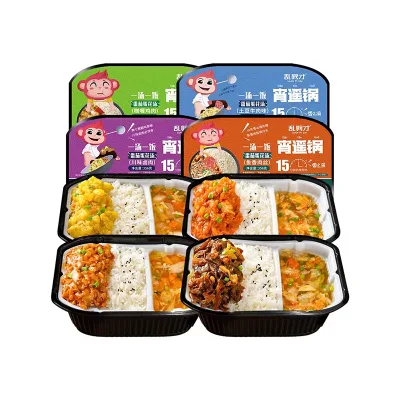
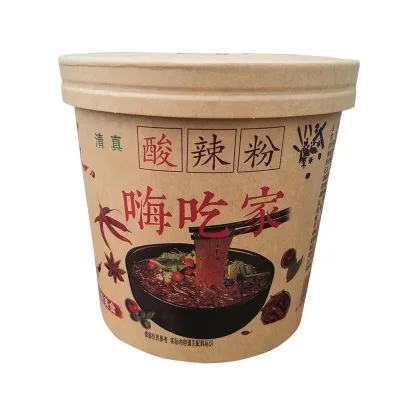
Speed Food Tomato Egg Flower Soup Dinner Dinner Night Bibimbap Is Convenient to Heat the Rice
$1.02 - $1.28
MOQ: 20 bags
DB Tomato (Xiamen) Industry Co., Ltd.
- Verified by SGS
- Manufacturer/Factory
- China Fujian
- Lead time23 days
- Avg. response≤ 2h
Main productsTomato Paste Products&Canned Food, Drum/ Canned /Sachet Tomato Paste, Plastic Bottle Tomato Ketchup, Canned Fish& Canned Fruits&Vegetables, Canned Sardine/Mackerel/Tuna, Canned Sweet Corn/Baby Corn/Corn Cream, Canned Mushroom Whole/Slice, Canned Peach/Pineapple/Fruits
Main marketsSouth America,Eastern Europe,Mid East,North America,Southeast Asia,Eastern Asia,Oceania,Western Europe,Africa

Wholesale Halal Korean Style Hot Spicy Chicken Instant Noodles OEM Ramen for Supermarket
$3.50 - $4.00
MOQ: 6600 Boxes

Wholesale Halal Chinese Fried Instant Ramen Noodles OEM for Supermarket Factory Price
$3.50 - $4.00
MOQ: 6600 Pieces
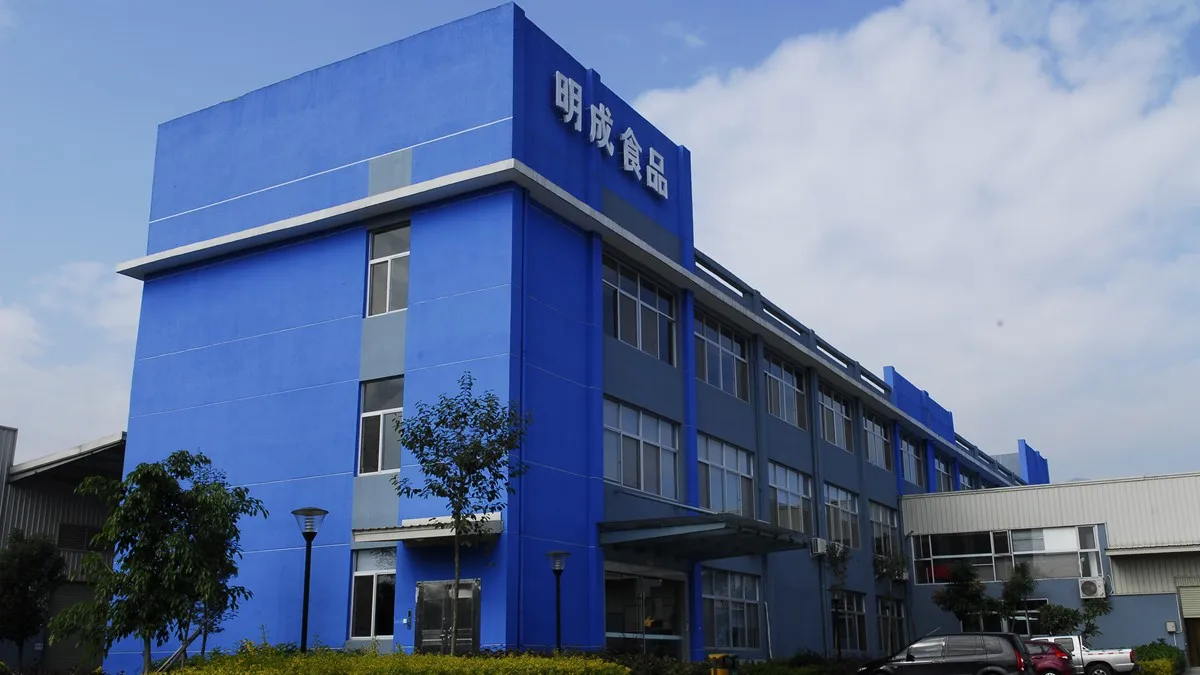
Zhangzhou Meisei Foods Co., Ltd.
- Manufacturer, Trading Company
- Fujian, China
- Lead time10 days
- Avg. response≤ 7h
Main productsFresh Bamboo Shoots, Canned Bamboo Shoots, Dried Bamboo Shoots, Pickled Bamboo Shoots, Organic Bamboo Shoots
Main marketsDomestic Market(60.00%), Eastern Asia(28.00%), Northern Europe(4.00%), Southeast Asia(3.00%), North America(2.00%), Oceania(2.00%), Western Europe(1.00%)
- Manufacturer
- Guangdong, China
- Lead time0 days
- Avg. response≤ 3h
Main productsbamboo steamer basket,proofing basket,straw handbag,home decor,coconut bowl
Main marketsNorth America(35.00%), Western Europe(21.00%), Eastern Europe(11.00%), Northern Europe(7.50%), Africa(7.00%), Southeast Asia(6.00%), South America(6.00%), Central America(4.40%), Southern Europe(2.10%)

Shandong Teconway Intelligent Equipment Co., LTD
- Verified by SGS
- Combined
- China Shandong
- Lead time15 days
- Avg. response≤ 7h
Main productsNoodle Cutter, Noodle Slitter, Rice Noodle Cutter, Vermicelli Cutter, Noodle Cutting Knife, Noodle Comb, Noodle Divider, Noodle Separator, Wire Mesh Belt, Instant Noodle Fryer Box
Main marketsSoutheast Asia/ Mideast,Europe,North America
- Verified by SGS Group
- Manufacturer, Trading Company
- Lead time20 days
- Avg. response≤ 2h
Main productsSeaweed Salad, Tobiko, Masago
Main marketsWestern Europe(20%), North America(17%), Eastern Europe(17%)
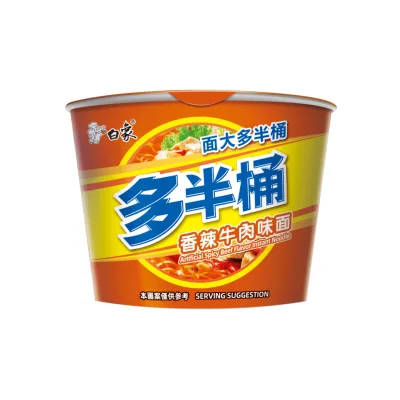
$3.00 - $4.00
MOQ: 1000 Minimum
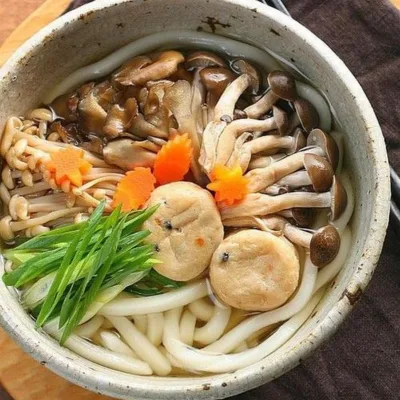
Factory Wholesale High Quality Yam Chinese Quick Cooking Organic Instant Dry Noodle Wholesale Brand
$1.00 - $2.00
MOQ: 1000 Minimum

Weifang MayShine Imp & Exp Co., Ltd.
- Verified by SGS
- Trading Company,Manufacturer/Factory
- China Shandong
- Lead time23 days
- Avg. response≤ 9h
Main productsTissue Paper, Printed Paper, Baking Paper, Paper Bag & Box, Shred Paper, Confetti, Pinata, Paper Garland, EVA Foam, Water Treatment Chemicals
Main marketsSouth America,Eastern Europe,Mid East,North America,Southeast Asia,Eastern Asia,Oceania,Western Europe,Africa

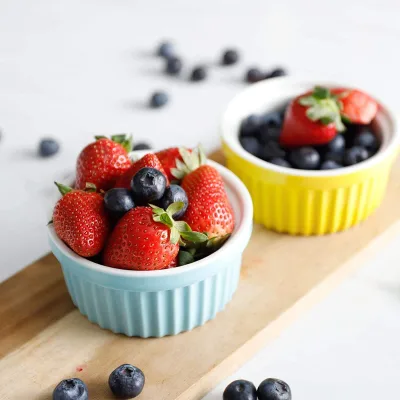
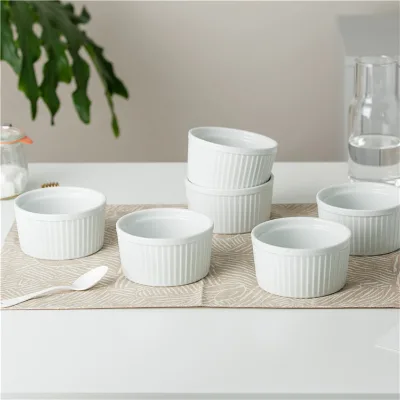
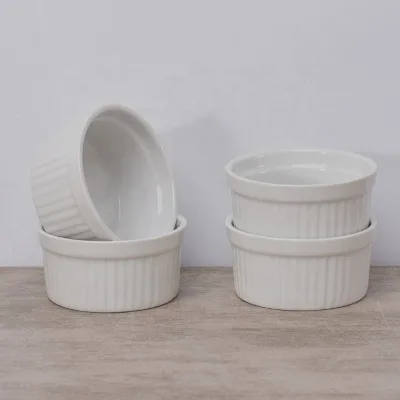
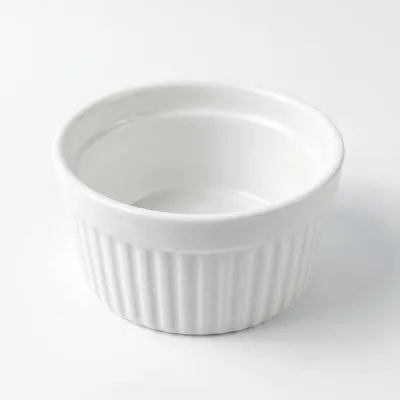


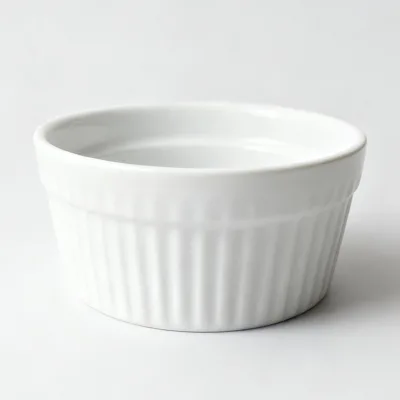
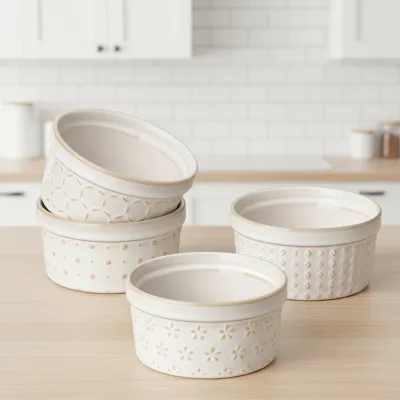


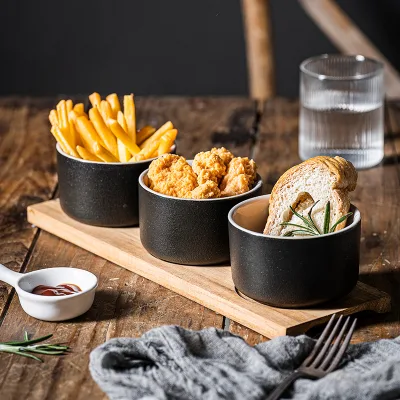
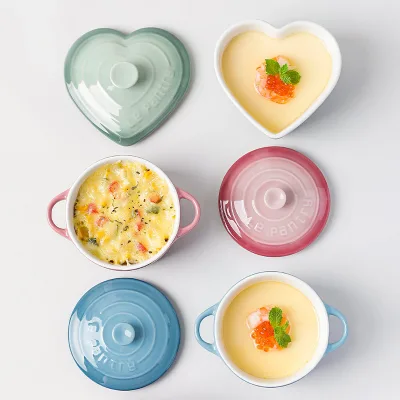






Comprehensive Sourcing Guide
Oven Safe White Ceramic Ramekin Supplier Concentration and Factory Types
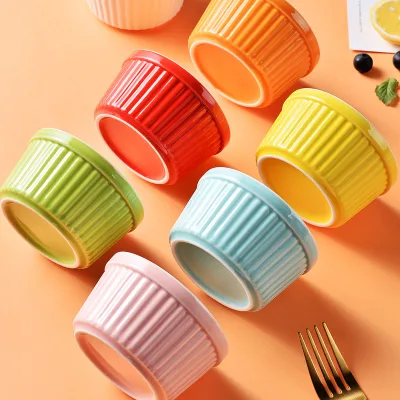
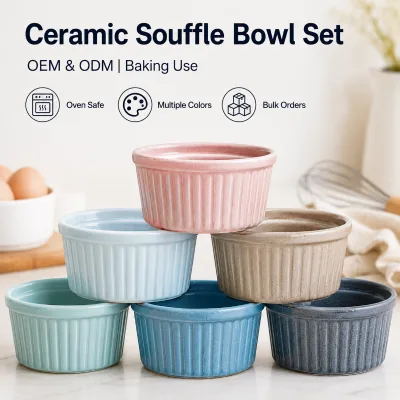
The available data indicates a concentration of manufacturing activity in Guangdong, China, where specific suppliers list porcelain tableware and ceramic bakeware as their primary output. These entities are identified as manufacturers, suggesting they control the production process for items like oven-safe ramekins and baking dishes. Another cluster is observed in Fujian, China, where suppliers operate as manufacturers, trading companies, or distributors, offering a broader range of ceramic goods including mugs and vases alongside baking trays. This geographic distribution implies that buyers should prioritize regions with documented ceramic production capabilities when seeking direct factory engagement.
When evaluating factory types, the distinction between pure manufacturers and mixed-operation entities is critical for supply chain stability. The observed supplier profiles include companies that function solely as manufacturers, which often allows for tighter control over material thickness and glazing processes essential for oven-safe ceramics. Conversely, suppliers listing themselves as trading companies or distributors may offer more variety in product styles but might rely on third-party factories for the actual production of ramekins. Buyers must verify the specific company type listed in the supplier profile to ensure the entity can directly manage quality control and customization requests for white ceramic products.
How to Verify Oven Safe White Ceramic Ramekin Suppliers
Verification begins with scrutinizing the product attributes listed in the supplier catalog, specifically looking for explicit mentions of oven safety and food contact safety. The data shows products labeled with features such as "Eco-Friendly," "Stocked," and "Food Contact Safe," which are essential indicators for kitchenware intended for high-temperature use. Buyers should cross-reference these claims against the product description to ensure the ceramic material is explicitly stated as suitable for baking applications. It is vital to confirm that the "Oven Safe" designation is not merely a marketing term but is supported by specific product attributes like thickness ranges or coating details.
Response time and communication speed serve as practical proxies for supplier reliability and operational efficiency. The observed response times in the dataset range from two to three days, which provides a baseline for expected communication latency. A supplier with a faster response time, such as two days, may indicate a more active sales team capable of addressing technical queries about ceramic firing temperatures or glaze durability. Buyers should test this responsiveness by requesting specific documentation regarding the oven-safe certification or material composition before placing any order. This initial interaction helps gauge whether the supplier can provide the necessary technical support required for custom ceramic orders.
What to Compare Across Oven Safe White Ceramic Ramekin Suppliers
Comparing suppliers requires a detailed analysis of Minimum Order Quantities (MOQ) and pricing structures, as these vary significantly even within the same product category. The data reveals MOQs ranging from 800 pieces to 2000 pieces, with unit prices fluctuating between approximately $0.43 and $0.68 depending on the specific product configuration. Buyers must calculate the total cost of ownership by factoring in these MOQs, as a lower unit price might be offset by a higher minimum order requirement that ties up capital. It is essential to compare the price per unit against the specific size and customization options offered, such as embossed surfaces or custom logos, to determine the true value proposition.
Lead times and production capacity are equally critical dimensions for comparison, especially for time-sensitive orders. The observed lead time in the dataset is recorded as 45 days, which sets a benchmark for production scheduling. Buyers should compare this against the supplier's stated capacity to ensure they can meet delivery deadlines without compromising quality. Additionally, the availability of stock items versus custom production runs should be evaluated, as stocked items may offer faster turnaround times compared to fully customized orders. A supplier offering both stocked and custom options provides greater flexibility for managing inventory levels and responding to market demand fluctuations.
Common Oven Safe White Ceramic Ramekin Sourcing Risks
One significant risk involves discrepancies in the stated place of origin versus the actual manufacturing location. The data contains conflicting information where some products list "American Samoa" as the place of origin while others correctly identify "Guangdong, China." Such inconsistencies can lead to confusion regarding shipping logistics, tariff classifications, and the actual quality standards applied during production. Buyers must verify the origin claim through direct communication or by requesting factory audit reports to ensure the product is manufactured in a region with established ceramic industry standards. Relying on unverified origin data can result in unexpected delays or compliance issues at customs.
Another risk pertains to the accuracy of product specifications, particularly regarding dimensions and material thickness. The dataset shows varying thickness options ranging from 0.8mm to 2.0mm, which directly impacts the durability and heat retention of the ramekin. If a supplier provides inconsistent thickness data or fails to specify the exact dimensions for custom orders, the final product may not meet the buyer's functional requirements. Buyers should request physical samples to verify the actual thickness and weight of the ceramic material before committing to a large order. This step ensures that the product meets the necessary structural integrity for oven use and prevents potential failures during the baking process.
Oven Safe White Ceramic Ramekin Regional Sourcing and Logistics
Sourcing from Guangdong, China, offers access to a dense network of ceramic manufacturers with established export infrastructure. The concentration of suppliers in this region suggests a mature supply chain capable of handling large volumes of porcelain tableware and bakeware. Buyers should consider the proximity of these factories to major ports, which can reduce inland transportation costs and expedite shipping times. However, the specific logistics capabilities of each supplier must be confirmed, as not all manufacturers may have direct relationships with freight forwarders or experience in handling fragile ceramic goods internationally.
In contrast, sourcing from Fujian, China, presents a different logistical profile where suppliers may operate as trading companies or distributors. This structure can sometimes complicate logistics coordination, as the trading entity may not have direct control over the shipping process from the factory to the port. Buyers should clarify who is responsible for packaging and freight arrangements, as improper packaging can lead to breakage during transit. The single package sizes observed, such as 10x5x10 cm or 40x30x15 cm, indicate varying packing efficiencies that will impact container loading and overall shipping costs. Understanding these regional differences is crucial for optimizing the total landed cost of the ceramic ramekins.
Oven Safe White Ceramic Ramekin Commercial Terms and Order Planning
Commercial terms regarding payment and escrow services are fundamental to securing a safe transaction. While specific escrow details are not explicitly detailed in the provided data, buyers should verify if the supplier offers secure payment methods that protect both parties until the goods are shipped. The presence of "Customized Logo" and "OEM/ODM" options suggests that suppliers are open to tailored agreements, which often require clear terms regarding intellectual property and design ownership. Buyers must ensure that the commercial contract explicitly defines the responsibilities for quality assurance and the process for handling defects or non-conforming products.
Order planning must account for the specific packaging and weight constraints observed in the product data. The single gross weight of items varies, with some ramekins weighing as little as 0.005 kg while others are heavier, affecting the total weight per container. Buyers should calculate the optimal order quantity based on these weight metrics to maximize container utilization and minimize shipping costs. Additionally, the availability of samples, as noted in some product attributes, should be factored into the timeline for order placement. Securing samples early allows for quality verification and design adjustments before the full production run begins, ensuring the final order meets all specifications.
FAQs
What is the typical lead time for custom ramekins?
Manufacturers in Guangdong, China, generally require 45 days to produce custom orders. This timeline applies to standard porcelain and ceramic ramekins. Buyers should confirm specific production schedules with suppliers before placing bulk orders to ensure timely delivery for their projects.
What is the minimum order quantity for ceramic ramekins?
Minimum order quantities vary by supplier and product specifications. Some manufacturers require 2000 pieces for certain custom ramekin models, while others accept orders as low as 800 pieces. Buyers must check the specific MOQ listed for each product to plan their procurement effectively.
Are these ramekins safe for oven use?
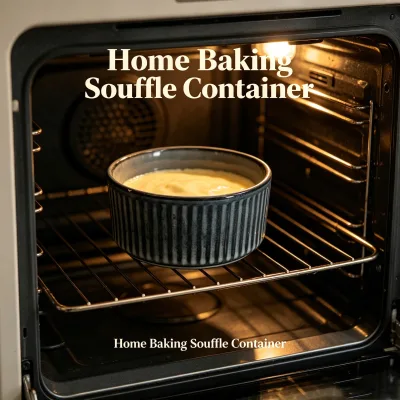
Yes, many listed products are explicitly described as oven safe. Features include ceramic coating and food contact safe materials. These items are designed for baking food production and souffles. Buyers should verify the care instructions on individual product pages to confirm oven safety ratings.
What is the price range for wholesale ramekins?
Prices for wholesale ramekins typically range from $0.43 to $1.48 per unit. Specific models may have fixed prices, such as $0.57 or $0.68. Costs depend on size, customization, and order volume. Buyers should request quotes for their specific quantity to get accurate pricing.
How quickly do suppliers respond to inquiries?
Suppliers on this page demonstrate fast response times, often within 2 to 3 hours. This rapid communication helps buyers clarify product details and negotiate terms efficiently. Quick responses indicate active supplier engagement and readiness to support international B2B transactions for ceramic tableware.
Can I customize the logo on ceramic ramekins?
Yes, many suppliers offer customized logo options for their ramekin products. Buyers can request personalized branding to match their business identity. This service is widely available for wholesale orders. Contact suppliers directly to discuss logo placement, colors, and any additional customization requirements.
Where are these ceramic ramekin manufacturers located?
Manufacturers are primarily located in Guangdong and Fujian, China. These regions are known for producing high-quality porcelain and ceramic tableware. Buyers can filter suppliers by location to find manufacturers in specific provinces. Proximity to ports may also influence shipping logistics and costs.