Korean Style Vintage Hobo Bag Suppliers and Manufacturers
Explore 35 verified options for Korean Style Vintage Hobo Bag from Guangdong and Zhejiang factories. Compare lead times, response rates, and customization capabilities to source efficiently. Contact suppliers directly to request samples; review the available evidence before requesting comparable quotations from suitable candidates.
Suppliers List

Guangzhou Victory Leather Factory
- Verified by SGS
- Manufacturer/Factory
- China Guangdong
- Lead time45 days
- Avg. response≤ 6h
Main productsFashion Handbag, Lady Handbag, Hobo, Tote, Satchel, Wallet, Backpack, Shoulder Bag, Canvas Bag, Nylon Bag
Main marketsSouth America,Eastern Europe,Mid East,North America,Eastern Asia,Oceania,Western Europe


Vintage Crocodile Pattern Hobo Shoulder Bag Women Retro Metal Buckle Underarm Bag
$5.90 - $8.70
MOQ: 300 Pieces

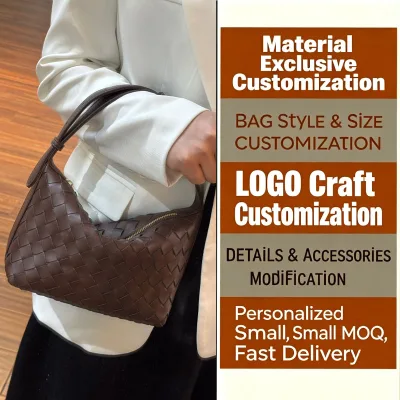
Woven Leather Crescent Shoulder Bag Vintage Underarm Hobo Purse Removable Crossbody Strap
$8.50 - $9.50
MOQ: 300 Pieces
Guangzhou Baiyun District Jiejing Leather Factory
- Verified by SGS Group
- Manufacturer, Trading Company
- Lead time20 days
- Avg. response≤ 4h
Main productsFashion Women Bag, Tote Bag, Wallet, Backpack, Handbag
Main marketsDomestic Market(50%), North America(12%), Western Europe(10%)
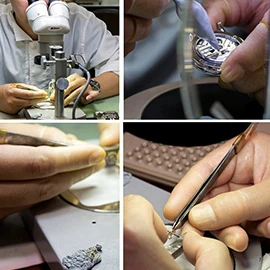
Yiwu Jinhong Arts & Craft Co., Ltd.
- Trading Company
- Zhejiang, China
- Lead time20 days
- Avg. response≤ 5h
Main productsJewelry, Hair Accessories, Bags
Main marketsNorth America(50.00%), Africa(20.00%), South America(10.00%), Southeast Asia(10.00%), Western Europe(5.00%), Northern Europe(5.00%)

Guangzhou Qinglange E-commerce Co., Ltd.
- Trading Company,Manufacturer/Factory
- China Guangdong
- Lead time45 days
- Avg. response≤ 3h
Main productsHandbag, Genuine Leather Handbag, PU Leather Handbag, Leather Tote Bag, Custom Logo Bag, Backpack, Men Backpack, Laptop Backpack, Business Backpack, Custom Logo Backpack
Main marketsSouth America,Eastern Europe,Mid East,North America,Southeast Asia,Eastern Asia,Oceania,Western Europe,Africa
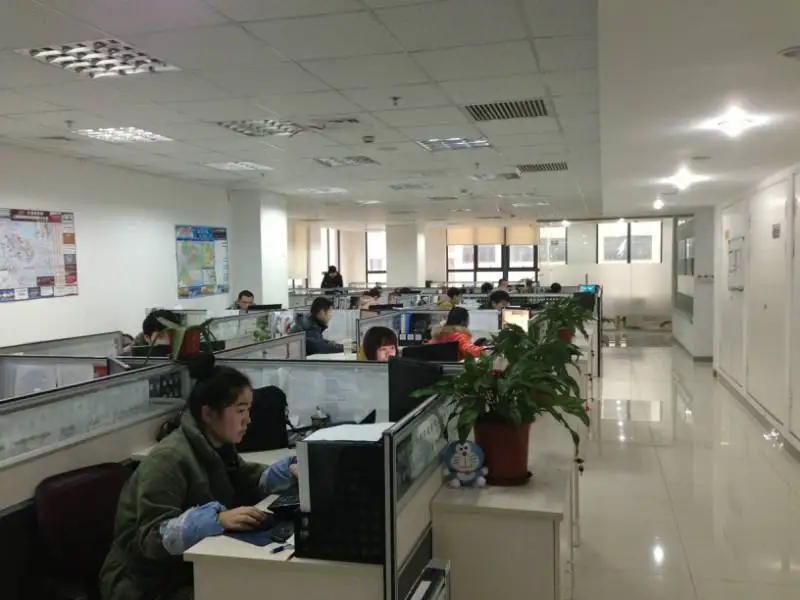
- Trading Company
- Zhejiang, China
- Lead time0 days
- Avg. response≤ 4h
Main productsBag,Clothing,Accessory,Festival Product,OEM servise
Main marketsNorth America(60.00%), South America(10.00%), Eastern Europe(10.00%), Southeast Asia(10.00%), South Asia(10.00%)
Yiwu Zhengshang International Trade Co., Ltd.
- Trading Company
- China Zhejiang
- Lead time0 days
- Avg. response≤ 16h

Korean Fashion Retro Style PU Crossbody Bag with Linen Texture, Daily Outdoor Shoulder Bag
$4.61 - $5.40
MOQ: 2 Pieces

$6.24 - $7.12
MOQ: 2 Pieces


Classic Korean Style Soft Canvas Crossbody Bag, Zipper Closure, Daily Casual, Shoulder Bag
$6.18 - $7.12
MOQ: 1 Pieces
Yangzhou Bozhiyue Import and Export Trading Co., Ltd.
- Verified by SGS
- Trading Company
- China Jiangsu
- Lead time15 days
- Avg. response≤ 8h
Main productsLuxury Handbag, Sling Bag, Tote Bag, Shopping Bag, Canvas Bag, Garment Bag
Main marketsEurope
Guangzhou Jinxiangyue International Trade Co., Ltd.
- Verified by SGS
- Trading Company
- China Guangdong
- Lead time30 days
- Avg. response≤ 3h
Main productsLadies Handbags Women Tote Bag, Designer Handbag Bags for Women, Gmt Watch Luxury Men's Watch, Luxury Handbag Bags for Women, Wrist Watch Automaticmechanical Watches, Replica AAA Distributors Vsf Watch, Luxury Shoes, Luxury Clothing, Luxury Sunglasses, Luxury Belts Luxurious Jewelry
Main marketsSoutheast Asia/ Mideast,Europe,North America

Guangzhou Zexin Leather Co., Ltd.
- Verified by SGS
- Combined
- China Guangdong
- Lead time30 days
- Avg. response≤ 16h
Main productsLadies Handbag, Handbag, Fashion Handbag, PU Handbag, Leather Handbag, Women Handbag, Fashion Bag, Designer Handbag, Lady Bag, Leather Bag
Main marketsDomestic,Europe,North America


Simple Design Shoulder Bag Women Hobo Bag Ladies Handbag Women Purse Soft
$8.82 - $10.40
MOQ: 300 Pieces


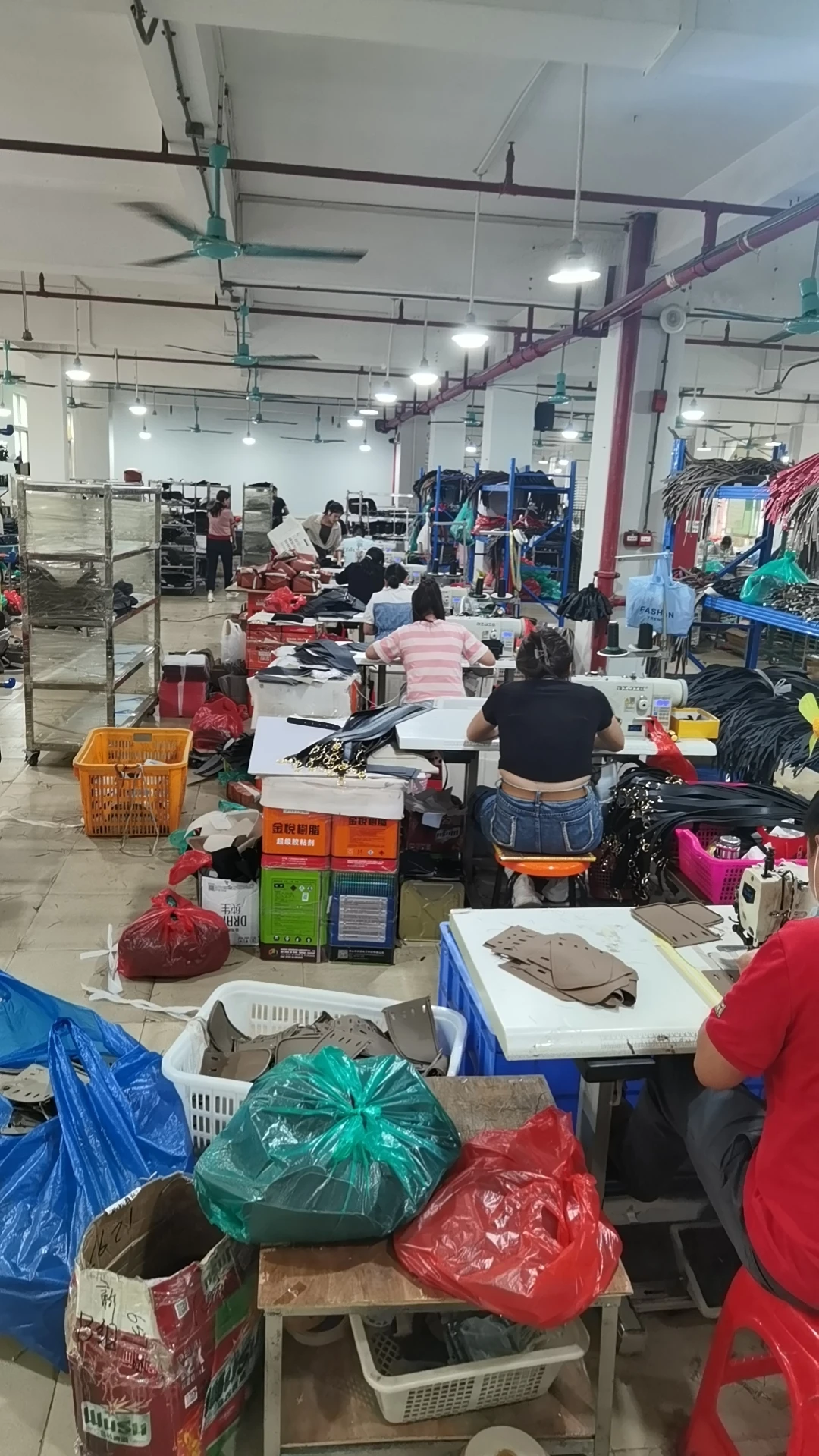
Guangzhou Caihong Leather Goods Co., Ltd.
- Manufacturer, Trading Company
- Guangdong, China
- Lead time0 days
- Avg. response≤ 4h
Main productsWoven bag,Handmade bag,wallet,fashio bag,messenger bag
Main marketsSouth Asia(10.00%), Western Europe(10.00%), Eastern Asia(10.00%), Mid East(10.00%), Eastern Europe(10.00%), North America(10.00%)

Guangzhou Belys Leather Co., Ltd.
- Verified by TUVRHEINLAND
- Trading Company
- China Guangdong
- Lead time30 days
- Avg. response≤ 2h
Main productsHandbags, Wallets, Cosmetic Bags, Backpacks, Computer Bags, Shoes, Travel Bags, Packing Cubes, School Bags, Phone Purses
Main marketsSouth America

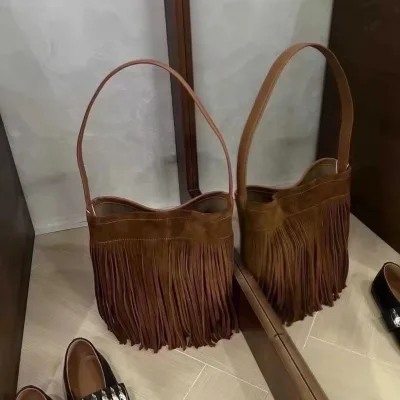
Tassel Shoulder Bag Tote Bags with Fringes Vintage Women Western Fringe Shoulder Bag Hobo Handbag
$9.00 - $9.90
MOQ: 300 Pieces


Women Bucket Bag Fashion Shoulder Crossbody PU Leather Hobo Bag Fashion 2 Way Bucket Shoulder Bag
$9.30 - $9.90
MOQ: 300 Pieces


Guangzhou Wangjia Leatherware Co., Ltd.
- Manufacturer/Factory
- China Guangdong
- Lead time30 days
- Avg. response≤ 4h
Main productsWestern Cowboy & Cowgirl Belts, Western Buckles, Buckle Sets, Conchos, Dog Collars & Hat Belts, PU Belts, Leather Belts, PU Handbags, Straw Beach Bags, Wallets
Main marketsSouth America,Eastern Europe,Mid East,North America,Southeast Asia,Eastern Asia,Oceania,Western Europe,Africa

Ladies Shoulder Bags Vintage PU Purse Korea Hand Bag Women Leather Handbags
$8.80 - $9.30
MOQ: 100 Pieces

Hobo Bag for Women Handbags Crossbody Leather Purse Ladies Chic Shoulder Bag
$7.80 - $8.40
MOQ: 100 Pieces

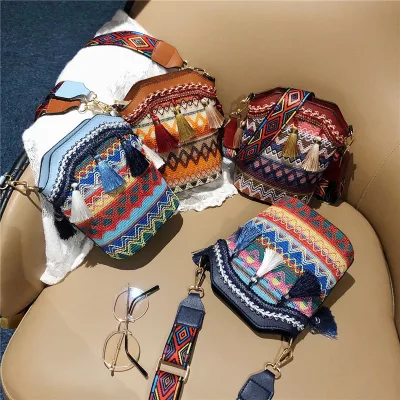
Retro Cotton and Printed Western Women's One Shoulder Bohemian Handheld Crossbody Bag
$13.00 - $14.50
MOQ: 100 Pieces


Changsha Tianji International Trade Co., Ltd.
- Trading Company
- Hunan, China
- Lead time10 days
- Avg. response≤ 2h
Main productslunch box,water bottle,watch,gift set,Glasses
Main marketsNorth America(60.00%), Western Europe(20.00%), South America(10.00%), Southeast Asia(10.00%)
Guangzhou Honghao Leather Co., Ltd.
- Manufacturer, Trading Company
- Guangdong, China
- Lead time45 days
- Avg. response≤ 6h
Main productsShoulder Bag, Messenger Bag, Wallet, Dinner Bag, Handbag
Main marketsNorth America(20.00%), South America(20.00%), Eastern Europe(18.00%), Oceania(10.00%), Africa(10.00%), Southeast Asia(10.00%), Eastern Asia(2.00%), Western Europe(2.00%), Central America(2.00%), Mid East(2.00%), South Asia(1.00%), Southern Europe(1.00%), Northern Europe(1.00%), Domestic Market(1.00%)

Qingdao Sanliang Yipin Network Technology Co., Ltd
- Verified by SGS
- Manufacturer/Factory
- China Shandong
- Lead time30 days
- Avg. response≤ 11h
Main productsBag, Plush Toys, Clothes, Pet Accessories, Jewellery
Main marketsSouth America,Eastern Europe,Mid East,North America,Southeast Asia,Eastern Asia,Oceania,Western Europe,Africa
Herong (guangzhou) Trading Co., Ltd.
- Trading Company
- Guangdong, China
- Lead time0 days
- Avg. response≤ 5h
Main productsFemale bag,Genuine Leather Women's Handbag,Genuine Leather Women's Tote bag,Women's Shoulder Bag,Handbags
Main marketsSouth America(40.00%), Eastern Europe(30.00%), North America(30.00%)
Yiwu Hengxin Imp&exp Co., Ltd.
- Verified by Intertek
- Manufacturer, Trading Company
- Lead time30 days
- Avg. response≤ 5h
Main productsCase and Bag
Main marketsNorth America(30%), Western Europe(30%), South America(10%)
Foshan Yunmaotong International Trade Co., Ltd.
- Trading Company
- China Guangdong
- Lead time0 days
- Avg. response≤ 3h
Main productsWatch, Bag, Shoe, Belt, Perfume, Jewelry
Yiwu Jiandie Trading Co., Ltd.
- Trading Company
- Zhejiang, China
- Lead time25 days
- Avg. response≤ 2h
Main productsHandbags,Backpacks,Travel Bags,Shoulder Bags,Evening Bags
Main marketsOceania(20.00%), Africa(20.00%), North America(20.00%), Mid East(10.00%), Western Europe(10.00%), Southeast Asia(10.00%), Domestic Market(2.00%), Southern Europe(2.00%), Eastern Asia(1.00%), South Asia(1.00%), Eastern Europe(1.00%), Northern Europe(1.00%), Central America(1.00%), South America(1.00%)
Quanzhou Bo Ming Trading Co., Ltd
- Manufacturer/Factory
- China Fujian
- Lead time0 days
- Avg. response≤ 3h
Main productsShoes, Bags, Briefcase, Shoulder Bags, Clothing, Watches, Belts, Hats, Sunglasses, Scarves

Classic Print Canvas Hobo Bag for Women Adjustable Leather Strap Crossbody Purse
$19.90 - $33.90
MOQ: 1 Pieces

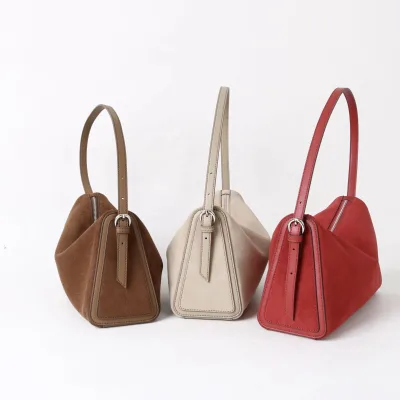
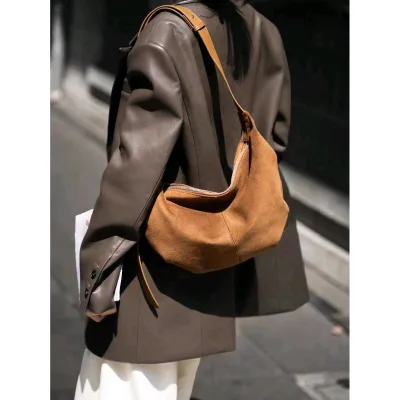
Vintage Suede Hobo Shoulder Bag Retro Gold Buckle Adjustable Strap Women Underarm Handbag
$41.90 - $49.90
MOQ: 1 Pieces

Guangzhou Haoen Leather Co., Ltd.
- Trading Company,Manufacturer/Factory,Other
- China Guangdong
- Lead time45 days
- Avg. response≤ 3h
Main productsHandbag, Bags, Backpack, Tote, Wallet, Cosmetic Bag, Travel Bag, Leather Bag
Main marketsSouth America,Eastern Europe,Mid East,North America,Southeast Asia,Eastern Asia,Oceania,Western Europe,Africa


Hot Selling Lady Handbag Cool Fashion PU Leather Handbag Women's Hobo Bags Elegant PU Handbag
$5.00 - $10.00
MOQ: 1 Pieces
Jiaxing Layo Imp. & Exp. Group Co., Ltd.
- Verified by TUVRHEINLAND
- Trading Company
- China Zhejiang
- Lead time30 days
- Avg. response≤ 3h
Main productsSuits/Blazer/Suits Set, Wool Coat, Down Jacket, Cashmere, Accessories, Jacket, Dress, Scarf, Trench Coat, Jumpsuit
Main marketsEast Asia(Japan/ South Korea),Europe

Yantai Xinkai Trading Co., Ltd
- Trading Company
- Shandong, China
- Lead time20 days
- Avg. response≤ 1h
Main productsStraw Bag
Main marketsNorth America(40.00%), Western Europe(10.00%), Central America(5.00%), South Asia(5.00%), Eastern Asia(5.00%), Mid East(5.00%), Oceania(5.00%), Southern Europe(5.00%), Southeast Asia(5.00%), Eastern Europe(5.00%), South America(4.00%), Domestic Market(2.00%), Northern Europe(2.00%), Africa(2.00%)

Sichuan Fennidi Trading Co., Ltd
- Verified by BV
- Trading Company
- China Sichuan
- Lead time30 days
- Avg. response≤ 2h
Main productsCanvas Bag, Tote Bag, Shopping Bag, Customized Bag, Sports Bag, Non Woven Bag, Cosmetic Bag, Womens Shoes, Fashion Shoes
Main marketsSouth America,Africa,Others(foreignTradeCapacity.exportBusinessCapacityMarketOther),Southeast Asia/ Mideast,East Asia(Japan/ South Korea),Europe,North America

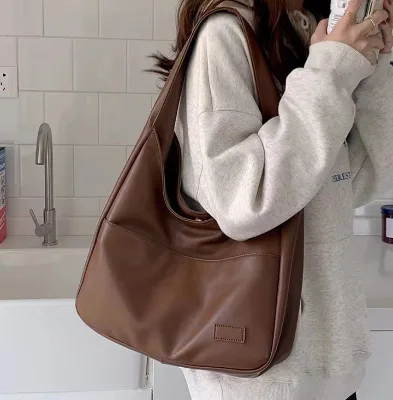
Large Capacity Korean Large Bag High Quality PU Handbag Retro Solid Color Fashion Ladies Bag
$8.78 - $12.67
MOQ: 100 pieces

Cross-Border Three-Dimensional Printed Vintage Bucket Bag Hand-Held Cross-Body Bag
$4.48 - $5.52
MOQ: 100 pieces

Vintage Fashion Women Bag Urban Women Luxury Bags Edgy Luxury Leather Bag Wholesale
$4.53 - $4.87
MOQ: 100 pieces

Solid Color Shoulder Bag Tote Bucket Bag Commuter Vintage Underarm Bag Female
$4.39 - $8.62
MOQ: 100 pieces
Ningbo East Packaging Technology Co., Ltd.
- Verified by BV
- Trading Company
- China Zhejiang
- Lead time23 days
- Avg. response≤ 3h
Main productsDisposable Gloves, Nitrile Gloves, Vinyl Gloves, Latex Gloves, Food Packaging, Disposable Tableware, PPE Products, Packaging & Labels, Flashlights, General Consumer Products
Main marketsDomestic

Crossbody Bag for Women Top Grade Leather Hobo Sling Croissant Half Moon Shoulder Bag
$6.00 - $10.00
MOQ: 10 Pieces

Guangzhou Hecda Fashion Leather Co., Ltd.
- Verified by Intertek
- Manufacturer, Trading Company
- Lead time0 days
- Avg. response≤ 4h
Main productsHandbag, Shoulder Bag, Wallet, Crossbody Bag, Backpack
Main marketsWestern Europe(50%), South America(40%), Eastern Europe(10%)

- Verified by CTI
- Manufacturer/Factory
- China Fujian
- Lead time45 days
- Avg. response≤ 7h
Main productsBackpack, Duffle Bag, Cooler Bag, Medical Bag, Canvas Bag, Pet Carrier, Tote Bag, Tool Bag, Makeup Bag, Drawstring Bag
Main marketsSouth America,Eastern Europe,Mid East,North America,Southeast Asia,Eastern Asia,Oceania,Western Europe,Africa
Zhang Fan's Garments Store, Quanzhou Fengze District Quanxiu Street
- Trading Company
- China Fujian
- Lead time0 days
- Avg. response≤ 1h
Main productsShoe, Bag, Watch, Clothing, T-Shirt, Belt, Jewelry, Perfume, Down Jacket
Guangzhou Mingkou Leather Co., Ltd.
- Verified by TüVRheinland
- Manufacturer, Trading Company
- Lead time30 days
- Avg. response≤ 3h
Main productsTote Bag, Handbag, Backpack, Shoulder Bag, Crossbody Bag
Main marketsNorth America(50%), Western Europe(25%), Northern Europe(25%)
- Trading Company
- Zhejiang, China
- Lead time25 days
- Avg. response≤ 5h
Main productsLadies handbag,Briefcase,Ladies shoulder bag,Ladies cross body bag,Ladies tote bag
Main marketsNorth America(30.00%), Mid East(20.00%), Western Europe(20.00%), Eastern Europe(20.00%), Africa(10.00%)

Guangzhou Molinca Leather Bags Co., Ltd.
- Verified by SGS
- Combined
- China Guangdong
- Lead time23 days
- Avg. response≤ 1h
Main productsGenuine Leather Bag, Lady Bag, Custom Genuine Leather Bag, Women Bag, Shoulder Bag, Lady Handbag, Leather Handbag, Crossbody Bag, Bucket Bag, Handwoven Bag
Main marketsDomestic


Frosted Leather Soft Hobo Shoulder Bag with Braided Rope Strap Front Accent
$28.10 - $32.10
MOQ: 3 Pieces

Vintage Split Cow Leather Shoulder Bag Soft Slouchy Design Factory Wholesale
$24.60 - $28.30
MOQ: 30 Pieces

Guangzhou Jingyi Trading Co., Ltd.
- Trading Company, Distributor/Wholesaler
- Guangdong, China
- Lead time7 days
- Avg. response≤ 1h
Main productsLadies handbags,Girls cross bags,Women shoulder bags,women wallets,Men bags
Main marketsNorth America(60.00%), Southern Europe(10.00%), Eastern Europe(10.00%), South America(10.00%), Domestic Market(5.00%), Western Europe(5.00%)

Jinjiang Jiaxing Supply Management Co., Ltd.
- Verified by TUVRHEINLAND
- Trading Company
- China Fujian
- Lead time30 days
- Avg. response≤ 1h
Main productsEVA Clogs, Flip Flop, Shoe Charms, Shopping Bags, Wristbands, Gifts, Promotional Gifts, Slipper, Sport Cap, Ball
Main marketsNorth America
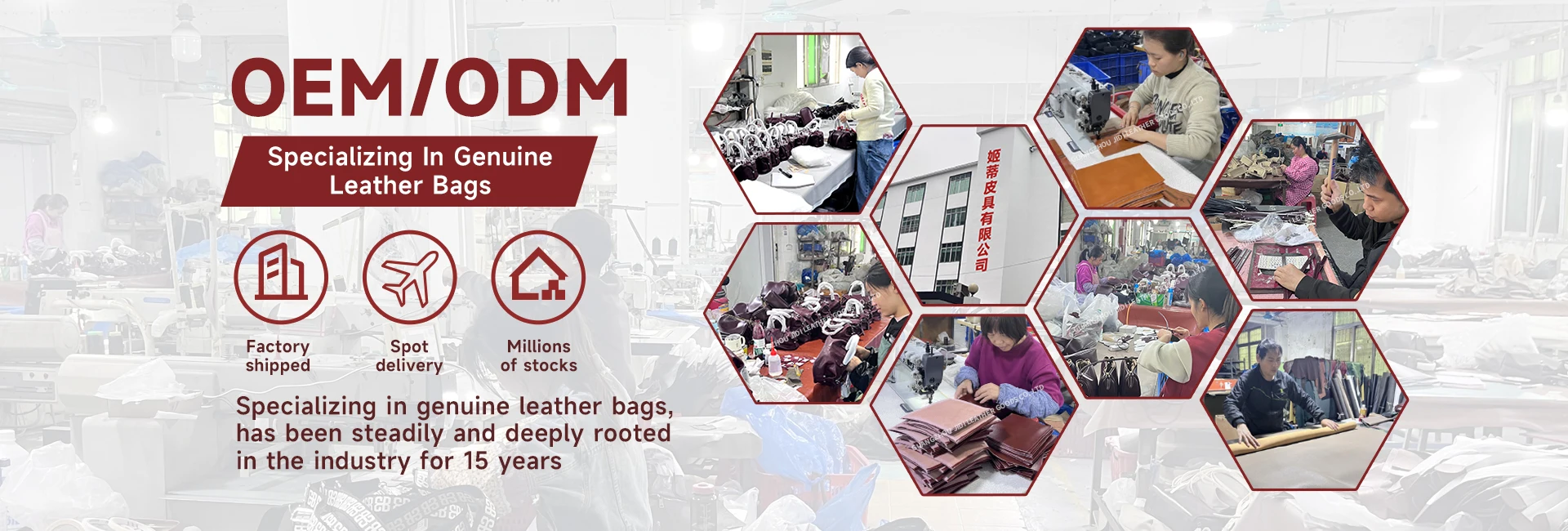
Guangzhou Jidi Leather Goods Co., Ltd.
- Manufacturer, Distributor/Wholesaler
- Guangdong, China
- Lead time3 days
- Avg. response≤ 6h
Main productsLeather bag,Leather Men's bag,coin purse,Key case,Card bag
Main marketsCentral America(20.00%), Southern Europe(10.00%), Domestic Market(8.00%), South Asia(8.00%), Eastern Europe(8.00%), South America(7.00%), Africa(6.00%), Oceania(6.00%), Northern Europe(5.00%), North America(5.00%), Western Europe(5.00%), Eastern Asia(4.00%), Southeast Asia(4.00%), Mid East(4.00%)
Foshan Jinling International Trade Co., Ltd.
- Verified by CTI
- Trading Company
- China Guangdong
- Lead time15 days
- Avg. response≤ 5h
Main productsLuxury Watches, Ladies Handbag, Luxury Handbag, Fashion Shoes
Main marketsSouth America,Europe,North America
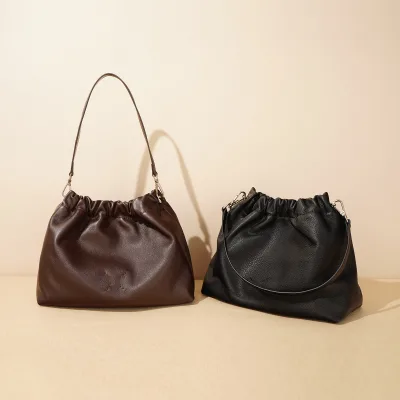
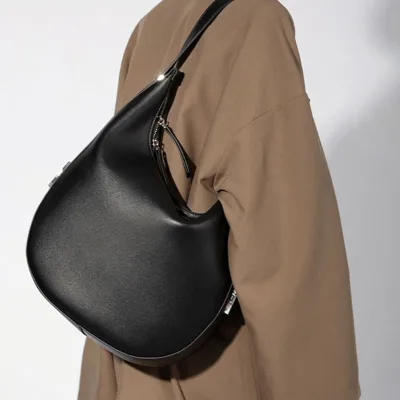
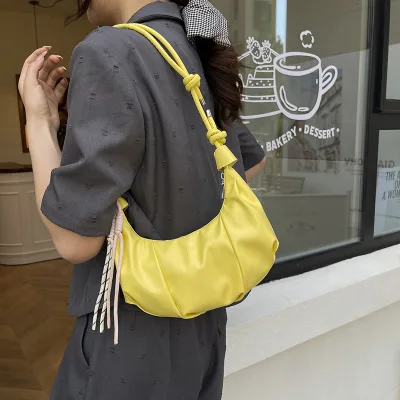
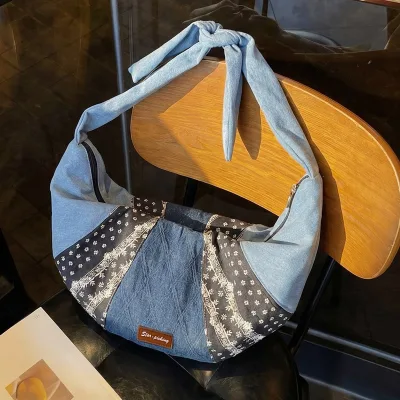


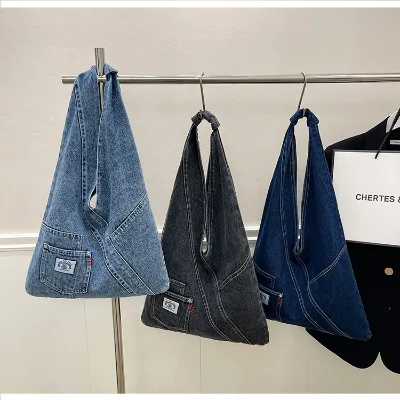
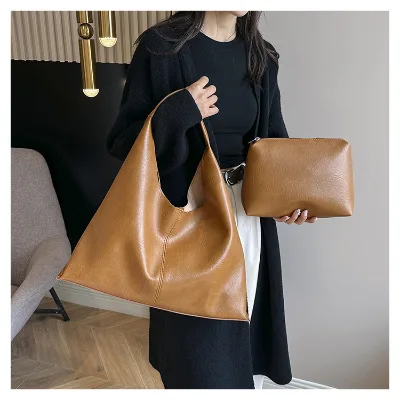
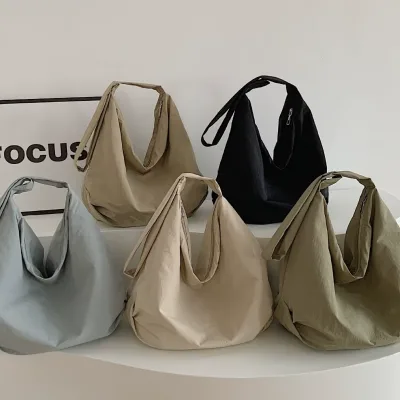
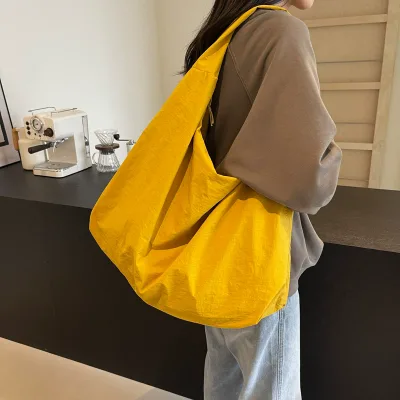






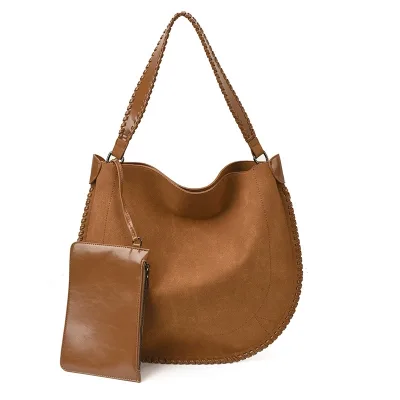
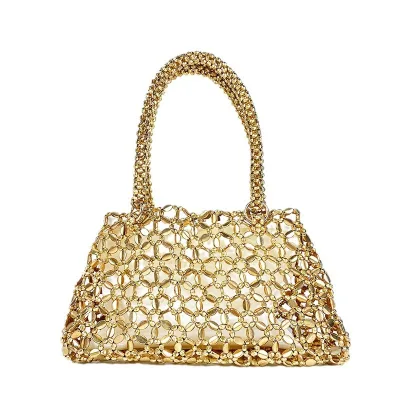
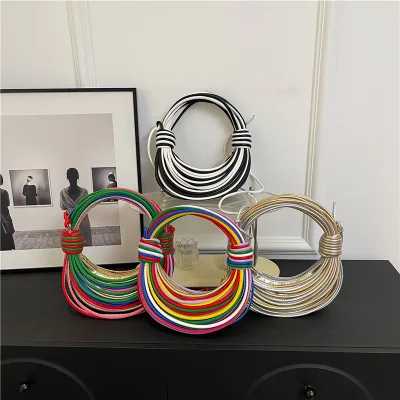


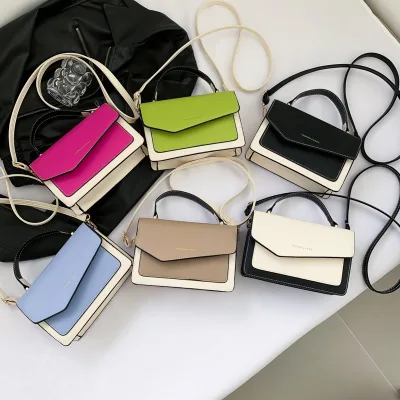
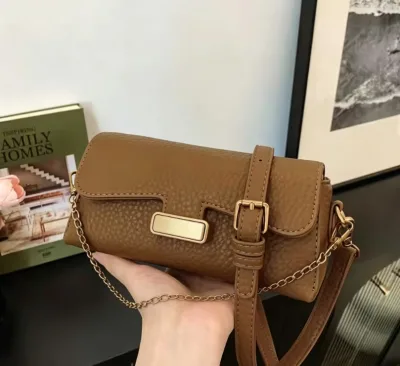
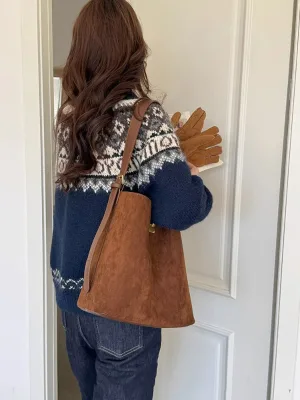
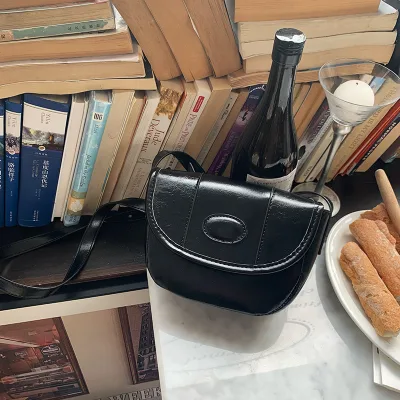


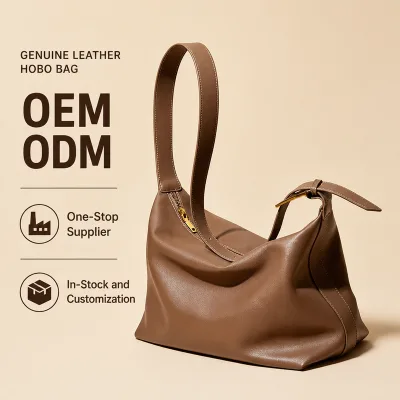
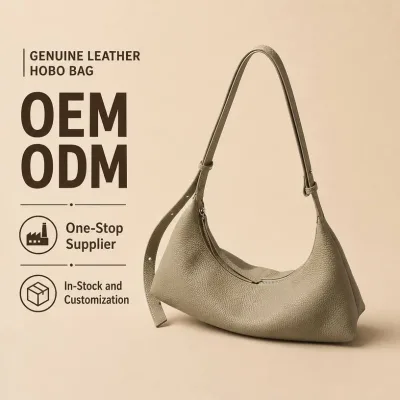
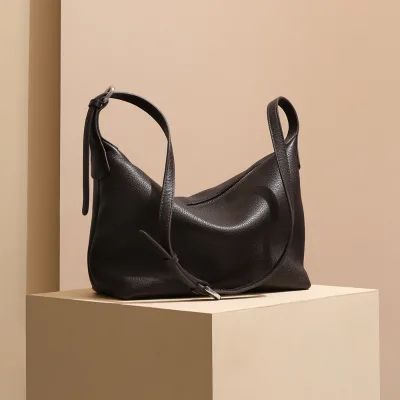
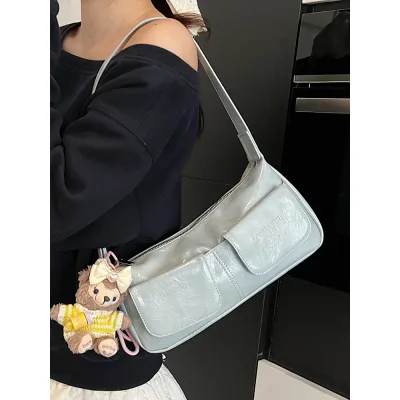
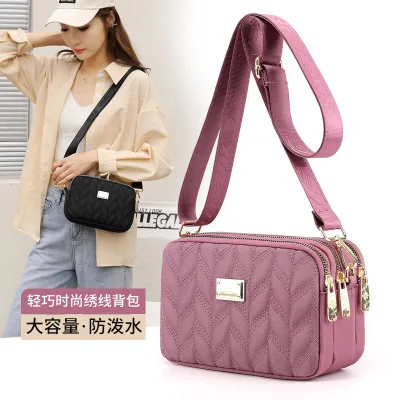




Comprehensive Sourcing Guide
Korean Style Vintage Hobo Bag Supplier Concentration and Factory Types
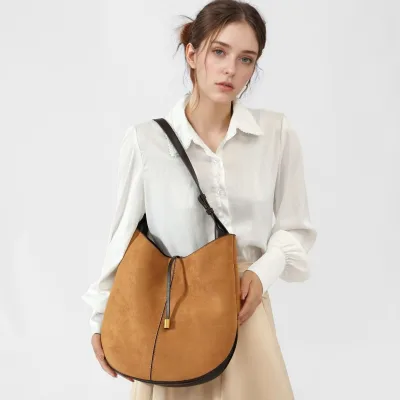
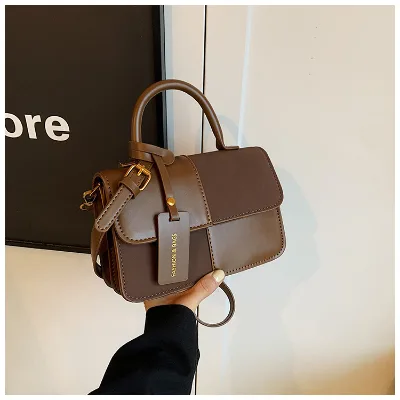
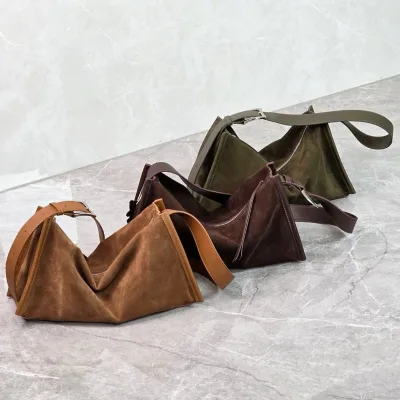
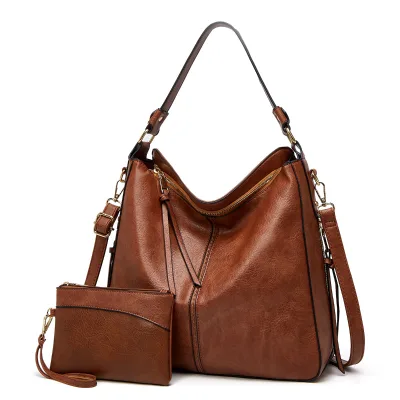
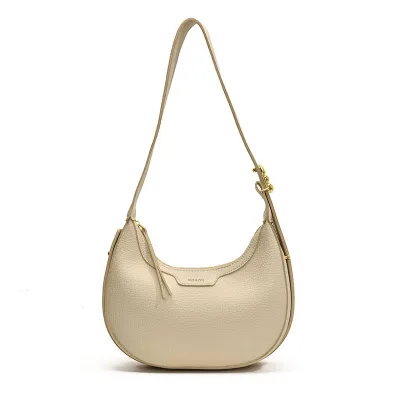
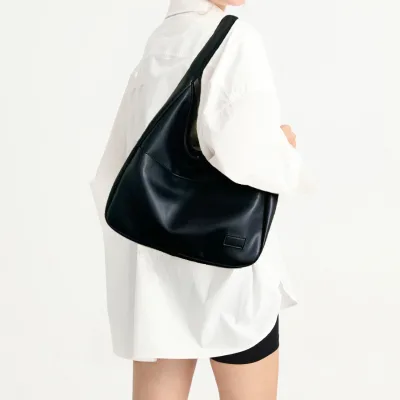
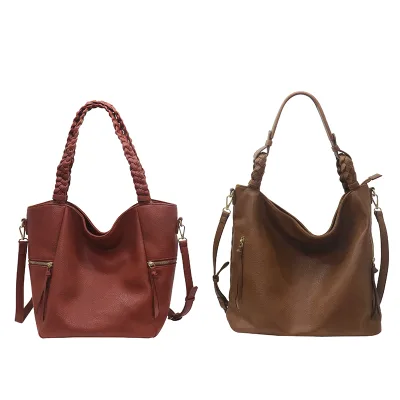
Current data indicates a concentration of manufacturing activity in China, specifically within the Guangdong province, where suppliers list their location as a primary fact. These entities are identified as Manufacturers or Factories, often holding SGS verification status, which suggests a baseline of operational legitimacy for those specific entries. The product evidence confirms that these facilities produce items such as vintage patchwork leather hobo bags and woven leather crescent shoulder bags, with materials ranging from genuine leather to PU and nylon linings. This geographic clustering in Guangdong aligns with established textile and leather goods production hubs, though buyers must verify if other regions like Zhejiang also host active suppliers for this specific style.
In contrast to pure manufacturing entities, some suppliers in the results are classified as Trading Companies or a hybrid of Manufacturer and Trading Company. These entities may offer a broader range of main products, including jewelry and hair accessories alongside fashion women bags, which can indicate a diversified sourcing capability. The presence of both factory and trading company types means buyers must distinguish between direct production sources and intermediaries. While factories in Guangdong focus on specific leather goods with OEM and ODM capabilities, trading companies might aggregate products from various origins, including Zhejiang, to offer a wider selection of Korean style vintage hobo bags.
How to Verify Korean Style Vintage Hobo Bag Suppliers
Verification is a critical step when evaluating potential partners, as the provided data shows specific suppliers holding SGS or SGS Group verification status. Buyers should prioritize suppliers with this explicit verification badge, as it serves as a concrete indicator of third-party assessment rather than a self-declared claim. It is essential to confirm that the verification applies to the specific entity offering the Korean Style Vintage Hobo Bag, ensuring that the factory or trading company has undergone the necessary audits for quality and compliance. This verification status is a tangible asset that differentiates established suppliers from those without external validation.
Beyond verification badges, buyers must scrutinize the response time metrics provided in supplier profiles to gauge operational efficiency. The observed data includes response times ranging from 4 to 5.53, which serves as a proxy for communication reliability and customer service speed. A supplier with a lower response time number generally indicates a more responsive team capable of addressing inquiries about customization, material sourcing, or production schedules promptly. When assessing a supplier, buyers should request proof of these metrics and confirm that the response time reflects current operational capacity rather than historical data, ensuring the partner can maintain the necessary communication flow for complex orders.
What to Compare Across Korean Style Vintage Hobo Bag Suppliers
When comparing suppliers, lead time is a primary dimension that varies significantly across the available data, with observed times ranging from 20 to 45 days. This variance directly impacts inventory planning and delivery schedules, making it a crucial factor for buyers managing tight deadlines. A supplier offering a 20-day lead time may be better suited for urgent restocking needs, while a 45-day lead time might require earlier order placement and potentially lower pricing due to extended production windows. Buyers should explicitly request current lead time estimates for their specific order volume and customization requirements, as these figures can fluctuate based on raw material availability and factory workload.
Minimum Order Quantity (MOQ) and pricing structures also require careful comparison to ensure alignment with budget and volume constraints. The data reveals MOQs as low as 300 units for some leather products and 50 units for others, indicating a wide range of entry barriers for different suppliers. Price points similarly vary, with observed ranges from approximately $5.90 to $29.45 depending on material quality, such as PU versus genuine leather, and design complexity. Buyers must compare these figures against their target margins and order volumes, noting that lower MOQs often come with higher unit costs, while larger orders may unlock better pricing tiers.
Common Korean Style Vintage Hobo Bag Sourcing Risks
One significant risk involves the discrepancy between material claims and actual product specifications, particularly regarding leather authenticity. The product evidence shows items labeled as "Genuine Leather" alongside others specified as "PU" or "Nylon," creating a potential for confusion if not meticulously verified. Buyers must ensure that the material attributes listed in the product proposal match the physical samples received, as mislabeling can lead to quality disputes and brand reputation damage. It is vital to request detailed material certificates or third-party test reports to confirm that the "Genuine Leather" claims are accurate and not merely marketing terminology.
Another risk pertains to the consistency of customization capabilities and the reliability of the supply chain for specific design elements. While some suppliers list "Own Brand, OEM, ODM" capabilities, others offer only "light customization" or "sample processing," which may limit the ability to create unique Korean style vintage hobo bags. Buyers should verify the extent of customization available, including the ability to modify patterns, hardware, and packaging, before committing to an order. Inconsistent customization support can lead to delays or the delivery of products that do not meet the specific aesthetic or functional requirements of the target market.
Korean Style Vintage Hobo Bag Regional Sourcing and Logistics
Geographic location plays a pivotal role in logistics planning, with current data highlighting suppliers located in Guangdong and Zhejiang provinces within China. These regions are known for their robust infrastructure and proximity to major ports, which can facilitate efficient shipping and reduce transit times for international orders. Buyers should consider the specific location of the supplier when calculating total landed costs, as shipping from Guangdong may differ in cost and duration compared to shipments originating from Zhejiang. Understanding the regional logistics network helps in selecting a supplier that aligns with the buyer's distribution strategy and delivery timelines.
Logistics efficiency is further influenced by the supplier's packing standards and packaging materials, which are documented in the product attributes. The data indicates that products are typically packed in cartons, with specific dimensions provided for certain models, such as 42x35x17 cm for a single package. Buyers must verify that the packaging is robust enough to protect the vintage hobo bags during transit, especially for leather goods that may be susceptible to damage. Ensuring that the supplier adheres to standard packing protocols and provides clear packaging specifications is essential for minimizing loss and damage during the shipping process.
Korean Style Vintage Hobo Bag Commercial Terms and Order Planning
Commercial terms regarding payment and order planning must be clearly defined to mitigate financial risks and ensure smooth transaction execution. While specific payment terms are not detailed in the provided facts, buyers should negotiate clear agreements on deposit percentages, balance payment triggers, and the use of escrow services to protect funds. The presence of verification badges like SGS can sometimes correlate with more structured commercial practices, but buyers must explicitly confirm these terms before placing any order. Establishing a clear payment schedule helps in managing cash flow and aligns the financial expectations of both the buyer and the supplier.
Order planning should also account for the specific product attributes and customization requirements that affect production timelines. The data shows various product models with distinct attributes, such as buckle closures, zip closures, and specific strap lengths, which may require different production setups. Buyers must ensure that the supplier has the capacity to handle these specific design elements without compromising quality or delivery dates. By aligning the order plan with the supplier's stated capabilities and lead times, buyers can avoid bottlenecks and ensure that the Korean style vintage hobo bags are delivered according to the planned schedule.
FAQs
What is the typical lead time for vintage hobo bags?
Lead times vary by supplier, with observed ranges from 20 to 45 days. Some manufacturers in Guangdong offer faster 20-day turnaround, while others require up to 45 days for production. Buyers should confirm specific timelines based on order volume and customization needs before placing an order.
What are the minimum order quantities for these bags?
Minimum order quantities differ significantly across suppliers. Some listings require 300 units, while others accept orders as low as 50 pieces. Buyers must check individual product pages to verify the specific MOQ applicable to their chosen style, material, and customization requirements before committing to a purchase.
Are these bags available in genuine leather materials?
Yes, genuine leather options are available alongside PU leather variants. Specific listings feature cowhide or genuine leather with polyester or cotton linings. Buyers should review product attributes to confirm the exact material composition, as many items are made from PU or mixed materials rather than full leather.
Do suppliers offer customization services for these bags?
Customization is widely available across the supplier base. Many manufacturers support OEM, ODM, and light customization including graphic processing. Buyers can request specific designs or branding, but must verify the exact scope of customization and any associated costs directly with the supplier before finalizing the order details.
What is the price range for vintage hobo bags?
Prices vary based on material and supplier, ranging from approximately 5.90 to 29.45 per unit. Lower-priced items often use PU leather, while genuine leather options command higher prices. Buyers should compare specific product listings to understand the cost structure relative to material quality and order quantity.
Where are the main manufacturing locations for these bags?
Manufacturing is concentrated in China, specifically in Guangdong and Zhejiang provinces. Most suppliers listed are located in these regions, offering access to established supply chains. Buyers should verify the specific city or province for each supplier to assess logistics and shipping implications for their international orders.
How quickly do suppliers typically respond to inquiries?
Response times vary, with observed averages ranging from 4 to 5.53 hours. Some suppliers demonstrate faster engagement, while others may take slightly longer. Buyers should expect prompt communication but should verify current response rates directly with the supplier to ensure timely coordination for urgent sourcing needs.