Pneumatic Air Operated Diaphragm Pump Suppliers and Manufacturers
Explore 17 verified options for Pneumatic Air Operated Diaphragm Pump from Zhejiang and Shanghai. Compare ISO certifications, lead times, response speeds, and material specs like PTFE or aluminum. Contact suppliers directly to request quotes for your specific flow requirements; review the available evidence before requesting comparable quotations from suitable candidates.
Updated
Suppliers List

Zhejiang Yonjou Technology Co., Ltd.
- Verified by BV
- Trading Company,Manufacturer/Factory
- China Zhejiang
- Lead time23 days
- Avg. response≤ 7h
Main productsGear Pump, Diaphragm Pump, Screw Pump, Hot Oil Pump, Lobe Pump, Water Pump, Vacuum Pump, Dewatering Pump, Self Priming Pump, Chemical Pump
Main marketsSouth America,Eastern Europe,Mid East,North America,Southeast Asia,Eastern Asia,Oceania,Western Europe,Africa

Shanghai Suoto Pump Industrial Co., Ltd.
- Verified by BV
- Trading Company
- China Shanghai
- Lead time15 days
- Avg. response≤ 21h
Main productsDiesel Engine Pump, Vacuum Pump, Centrifugal Pump, Water Pump, Oil Pump, Submersible Pump, Sewage Pump, Chemical Pump, Self-Priming Pump, Gear Pump
Main marketsSouth America,Africa,Southeast Asia/ Mideast,East Asia(Japan/ South Korea),Domestic,Europe,Australia,North America
Anhui Hengnai Pump Industry Co., Ltd.
- Manufacturer
- Anhui, China
- Lead time5 days
- Avg. response≤ 2h
Main productsDiaphragm pumps,multistage pump,centrifugal pump,magnetic pump,chemical pump
Main marketsDomestic Market(50.00%), Southeast Asia(20.00%), North America(10.00%), South Asia(5.00%), Northern Europe(3.00%), Africa(3.00%), Eastern Europe(2.00%), South America(2.00%), Western Europe(2.00%), Eastern Asia(2.00%), Oceania(1.00%)
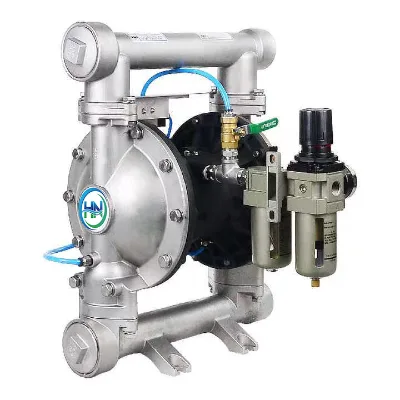
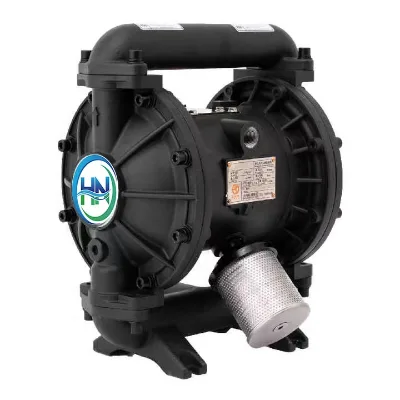
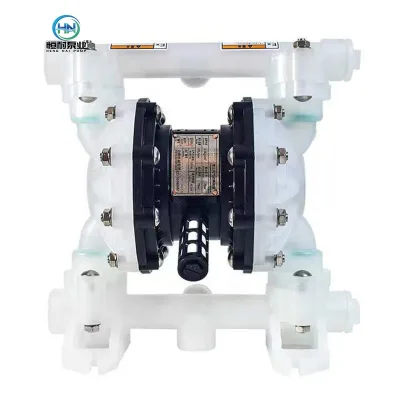
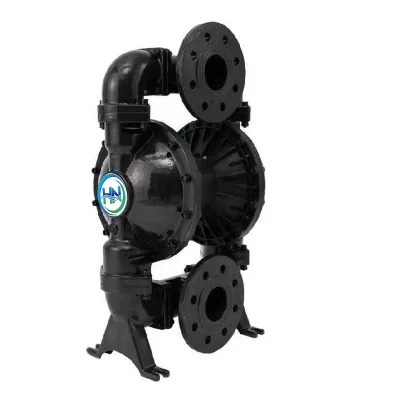
Pneumatic Diaphragm Pump air Operated Full Plastic PP Polypropylene Diaphragm Pumps
$85.00 - $90.00
MOQ: 1 units
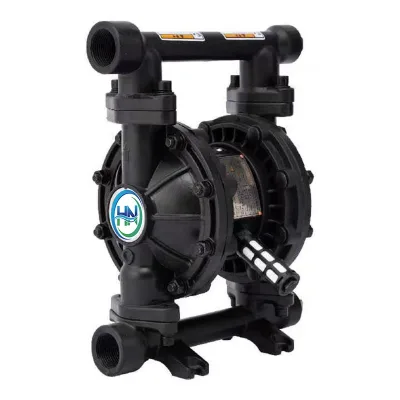
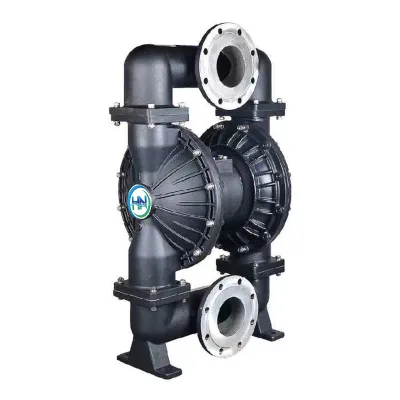
Pneumatic Diaphragm Pumps Price Pneumatic Mud Diaphragm Pump, Press Feed Pump
$187.6475 - $208.4962
MOQ: 1 units
Hangzhou Chayo Environmental & Technology Co., Ltd.
- Trading Company
- Zhejiang, China
- Lead time30 days
- Avg. response≤ 3h
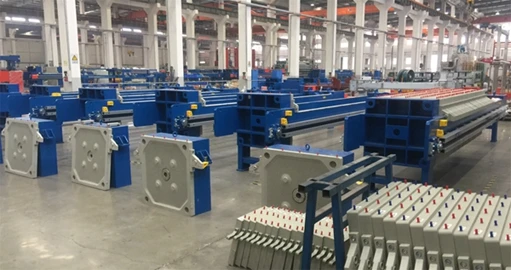
Main productsfilter press,filter plate,pipe fitting,pumps,valves
Main marketsDomestic Market(15.00%), North America(10.00%), Western Europe(10.00%), Mid East(10.00%), South Asia(10.00%), Southern Europe(10.00%), Eastern Europe(10.00%), South America(10.00%), Central America(5.00%), Africa(5.00%), Southeast Asia(5.00%)
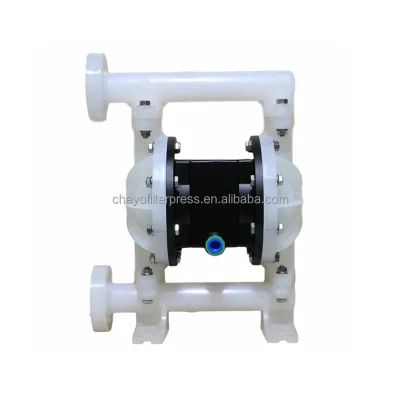
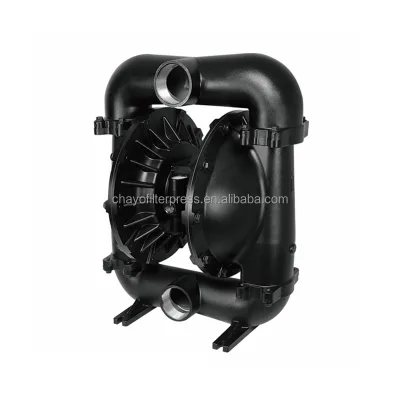
Hot Sale 3" Aluminum Alloy Pneumatic Diaphragm Pump with Flow Range of 903L/min
$816.00 - $930.00
MOQ: 1 sets
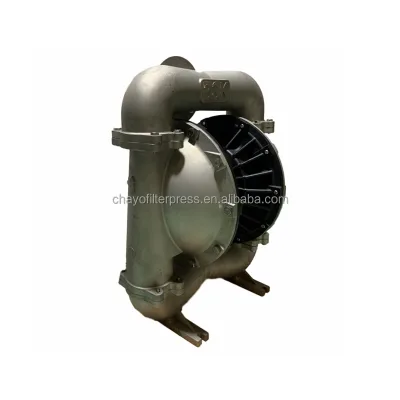
Stainless Steel Chemical Industry Acid 98% air Driven Diaphragm AODD Pump
$3076.00 - $4410.00
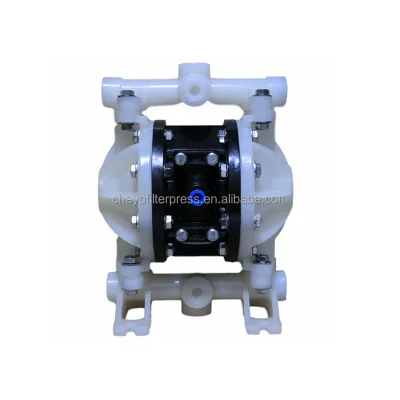
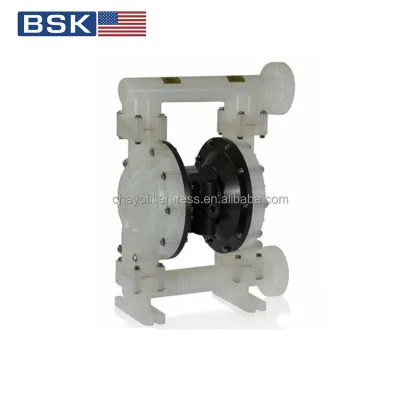
Food Grade Continuous Diaphragm Pump
$845.00 - $935.00

JIANGYIN HETAI INDUSTRIES COMPANY LTD.
- Trading Company,Manufacturer/Factory,Group Corporation
- China Jiangsu
- Lead time15 days
- Avg. response≤ 10h
Main productsAir Operated Diaphragm Pump, Magnetic Pumps, Pump Parts, Pulsation Dampener, Pneumatic Components, Aodd Pump, Jet Aerator, Diaphragm Pump, Pneumatic Pump, Magnetic Driven Pump
Main marketsSouth America,Eastern Europe,Mid East,Southeast Asia,Eastern Asia,Africa

Shanghai Haoyang Pump Valve Manufacturing Co., Ltd.
- Verified by BV
- Combined
- China Shanghai
- Lead time15 days
- Avg. response≤ 4h
Main productsDiaphragm Pump, Air Powered Diaphragm Pump, Pneumatic Diaphragm Pump, Air Operated Double Diaphragm Pump, Diaphragm Dosing Pump, Stainless Steel Pump, Stainless Steel Diaphragm Pump, Electric Double Diaphragm Pump, Aluminum Alloy Pump, Air Diaphragm Pump
Main marketsSouth America,Africa,Southeast Asia/ Mideast,East Asia(Japan/ South Korea),Domestic,Europe,Australia,North America

Nanjing Chutuo Shipbuilding Equipment Co., Ltd.
- Trading Company
- China Jiangsu
- Lead time23 days
- Avg. response≤ 10h
Main productsImpa, Pneumatic Angle Grinder, Pneumatic Diaphragm Pumps, Deck Scaling Chain, Oil Gauging Tape, Anti Splashing Tape, Working Boiler Suit, Ventialtion Tube, Deck Scaler Machine, Boiler Suit
Main marketsSouth America,Eastern Europe,Mid East,North America,Southeast Asia,Eastern Asia,Oceania,Western Europe,Africa


Pneumatic Diaphragm Pumps Aluminium / Plastic Air Operated Diaphragm Pump
$100.00 - $340.00
MOQ: 20 Pieces
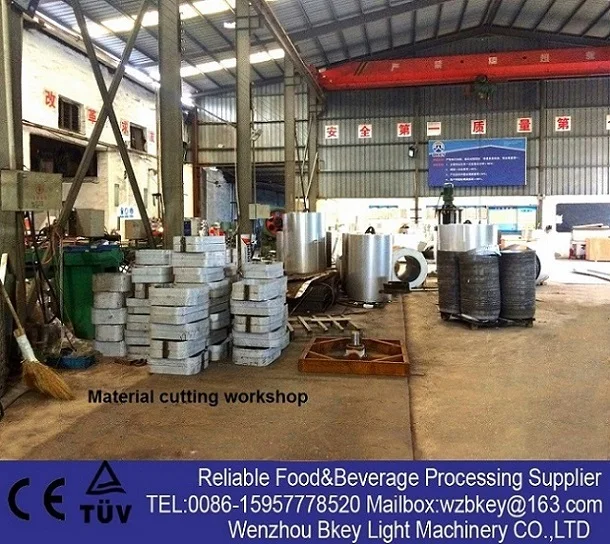
Wenzhou Bkey Light Machinery Co., Ltd.
- Manufacturer, Trading Company
- Zhejiang, China
- Lead time30 days
- Avg. response≤ 5h
Main productsFluid Processing Equipment,milk processing machine,Pasteurization machine,CIP cleaning system,food processing machine
Main marketsDomestic Market(78.00%), Southern Europe(3.00%), Northern Europe(3.00%), Eastern Europe(3.00%), Western Europe(3.00%), Africa(2.00%), North America(1.00%), South Asia(1.00%), Oceania(1.00%), Southeast Asia(1.00%), Central America(1.00%), South America(1.00%), Eastern Asia(1.00%), Mid East(1.00%)
Chongqing Weiyun Technology Development Co., Ltd.
- Manufacturer, Trading Company
- Chongqing, China
- Lead time20 days
- Avg. response≤ 4h
Main productsgas booster,gas booster pump,air driven liquid pump,hydraulic pressure test machine,hydraulic/hydro/hydrostatic pressure test bench
Main marketsMid East(30.00%), Southeast Asia(20.00%), North America(12.00%), South America(10.00%), South Asia(10.00%), Africa(5.00%), Northern Europe(5.00%), Western Europe(3.00%), Eastern Asia(3.00%), Southern Europe(2.00%)
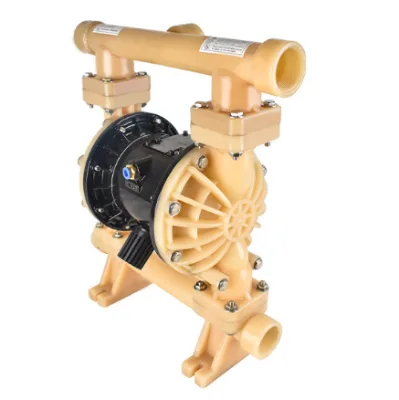
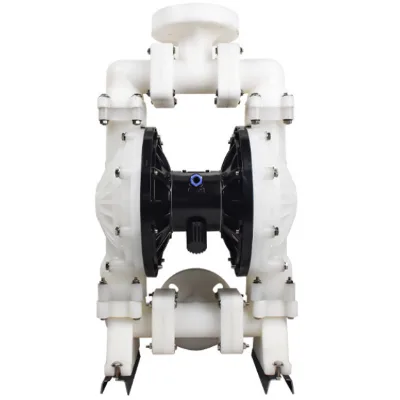
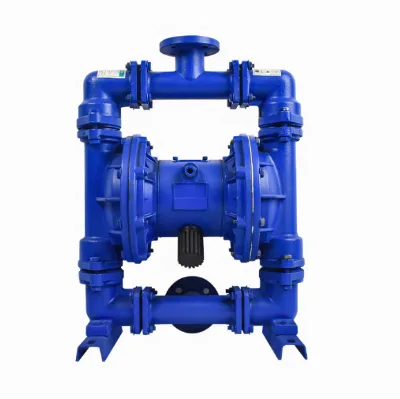
PVDF Hot Sale PP Pneumatic Air Operated Double Diaphragm Pump
$470.00 - $550.00

Qingdao Zhenlilai I/E Co., Ltd
- Verified by SGS
- Trading Company
- China Shandong
- Lead time30 days
- Avg. response≤ 2h
Main productsDie Casting, Exhaust Flex Pipe, Excavator & Accessories, Building Accessories, Auto Accessories, Construction Buidling, Metal Hose & Expansion Joint, Industry Machine Parts, Scaffolding Accessories, Pump
Main marketsEurope

Depamu (Hangzhou) Pumps Technology Co., Ltd.
- Verified by TUVRHEINLAND
- Combined
- China Zhejiang
- Lead time30 days
- Avg. response≤ 8h
Main productsPump, Metering Pump, Dosing Device, Chemical Injection Skid
Main marketsSoutheast Asia/ Mideast
Jinan H-Level Industrial Facility Co., Ltd.
- Trading Company
- Shandong, China
- Lead time10 days
- Avg. response≤ 5h
Main productslab spray dryer,catalyst pelleting equipment,industrial pump,diaphragm pumps,calcining kiln
Main marketsSouth Asia(20.00%), Southeast Asia(20.00%), Eastern Asia(20.00%), Domestic Market(10.00%), Mid East(10.00%), Western Europe(10.00%), Eastern Europe(10.00%)
Wenzhou Defu Machinery Co., Ltd.
- Verified by TüVRheinland
- Manufacturer, Trading Company
- Lead time7 days
- Avg. response≤ 6h
Main productsDiesel Engine Pump, Centrifugal Pump, Irrigation Pump, Flood Pump, Air Diaphragm Pump
Main marketsDomestic Market(30%), Eastern Europe(12%), Mid East(12%)
- Verified by TüVRheinland
- Manufacturer, Trading Company
- Lead time7 days
- Avg. response≤ 1h
Main productsDiaphragm Pump, Electrical Diaphragm Pump, Air Operated Diaphragm Pump
Main marketsDomestic Market(50%), Southeast Asia(12%), North America(10%)
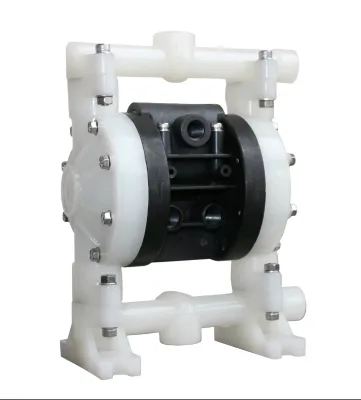
PVDF (Kynar) Chemical Resistance Transfer Air Operated Pneumatic Double Membrane Diaphragm Pump
$550.00 - $600.00
MOQ: 1 sets
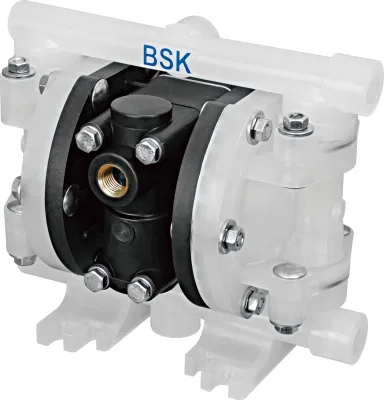
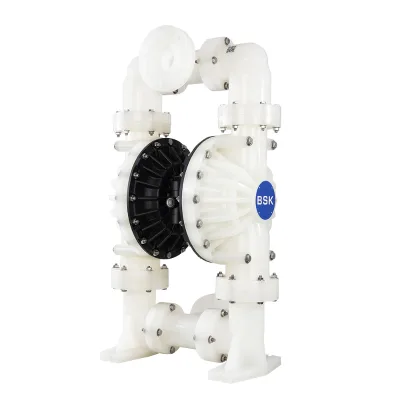
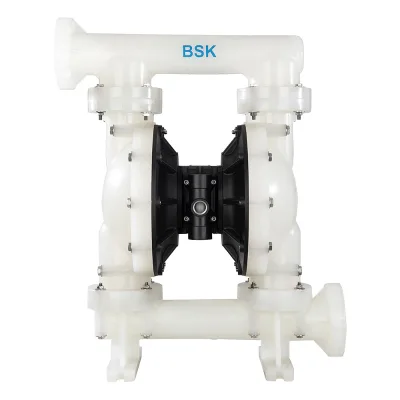
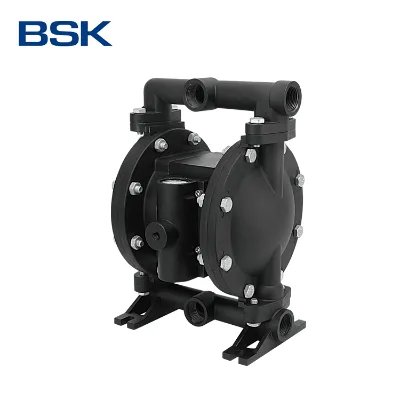
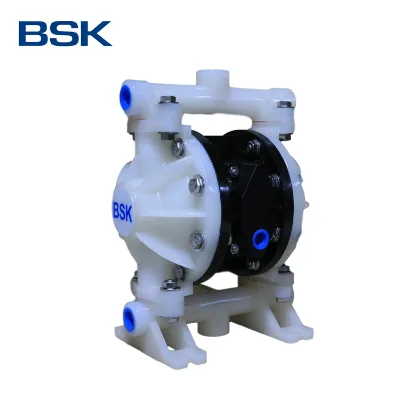
Bsk (guangdong) Fluid Technology Co., Ltd.
- Manufacturer, Trading Company
- guangdong, China
- Lead time15 days
- Avg. response≤ 2h
Main productsAODD pump,Pneumatic Diaphragm Pump,Air operated pump,Liquid diaphragm pump,Chemical pump
Main marketsDomestic Market(20.00%), Southeast Asia(10.00%), North America(10.00%), South America(10.00%), Eastern Europe(5.00%), South Asia(5.00%), Southern Europe(5.00%), Northern Europe(5.00%), Central America(5.00%), Western Europe(5.00%), Eastern Asia(5.00%), Mid East(5.00%), Oceania(5.00%), Africa(5.00%)
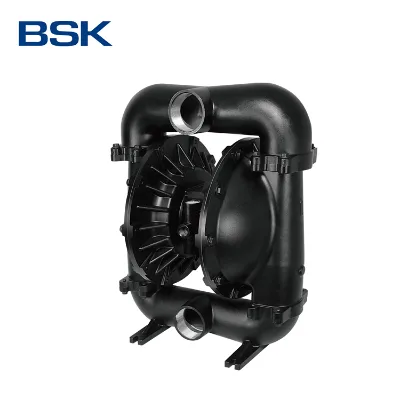
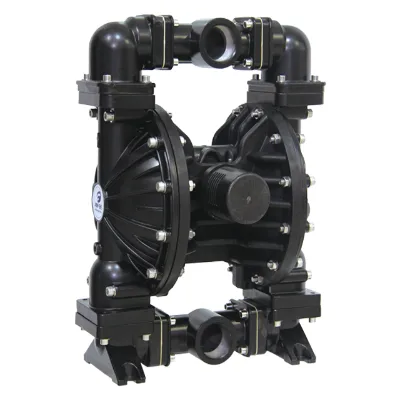
High Quality air Compressor Pneumatic Double Diaphragm Pump for Laminating Machine
$830.00 - $923.00
MOQ: 1 pieces
$4750.00 - $5077.00
MOQ: 1 pieces
$3600.00 - $3692.00
MOQ: 1 pieces

Shanghai GL Environmental Technology Co., Ltd.
- Trading Company,Manufacturer/Factory
- China Shanghai
- Lead time23 days
- Avg. response≤ 10h
Main productsDiaphragm Pump, Dosing Pump, pH Meter, Conductivity Meter, Flow Meter, Level Meter, Pressure Transmitter, Liquid Mixer, Chemical Pump, Dosing System
Main marketsMid East,Southeast Asia,Eastern Asia,Oceania,Africa

Shanghai Kuosi Electronic Co., Ltd.
- Trading Company,Manufacturer/Factory
- China Shanghai
- Lead time15 days
- Avg. response≤ 16h
Main productsDosing Pump, Diaphragm Pump, Water Quality Analyzer, Dosing System, Flow Meter, Liquid Mixer, Water Pump, Chemical Pump, Filter Press, Solenoid Valve
Main marketsSouth America,Eastern Europe,Mid East,North America,Southeast Asia,Eastern Asia,Oceania,Western Europe,Africa


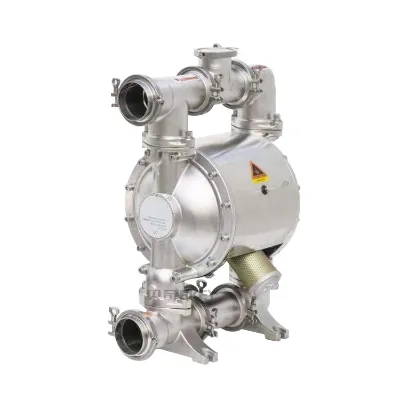
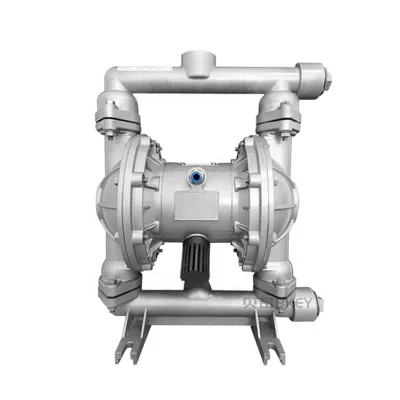
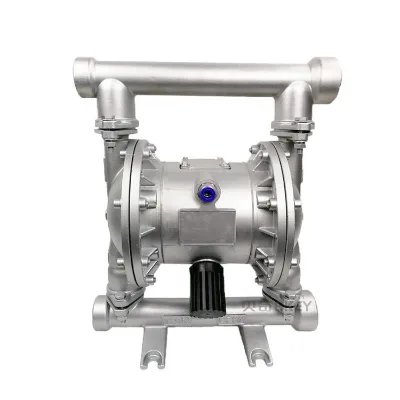


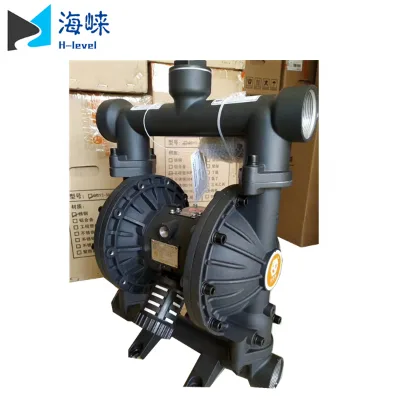


Comprehensive Sourcing Guide
Pneumatic Air Operated Diaphragm Pump Supplier Concentration and Factory Types
The current supplier landscape for pneumatic air operated diaphragm pumps shows a distinct concentration of manufacturing and trading entities within China, specifically in the Zhejiang and Shanghai regions. Evidence indicates that suppliers in Zhejiang, such as those associated with the Yonjou brand, operate as both manufacturers and trading companies, offering a mix of OEM and own-brand capabilities. These facilities are often located in industrial hubs like Wenzhou, which is noted as a specific origin point for various pump models including the QBY series. This clustering suggests a mature supply chain where raw materials, casting, and assembly are geographically proximate, potentially reducing logistical friction for buyers sourcing from this specific area.
In contrast, suppliers located in Shanghai present a different operational profile, with some identified strictly as trading companies rather than direct manufacturers. These Shanghai-based entities often list a broader range of main products, including diesel engine pumps, vacuum pumps, and sewage pumps, alongside the core pneumatic diaphragm pumps. The distinction between a factory and a trading company is critical for buyers, as factories typically control the production process and customization options, while trading companies may aggregate products from multiple sources. Buyers must verify the actual company type listed in the supplier profile to understand whether they are dealing with the production source or an intermediary, as this impacts lead times, communication channels, and the ability to request specific engineering modifications for the pump units.
How to Verify Pneumatic Air Operated Diaphragm Pump Suppliers
Verification of suppliers in this category relies heavily on third-party audit reports and specific system certifications that validate their operational standards. Several suppliers in the current results display BV verification status, which serves as a concrete indicator of a verified business entity. Furthermore, the presence of ISO 9001 and ISO 14001 certifications is a common attribute among these manufacturers, signaling adherence to quality management and environmental standards. Buyers should explicitly check for these certification codes in the supplier profile rather than relying on general claims, as the absence of such data, marked as NIL in some profiles, requires immediate follow-up to confirm the supplier's compliance status before proceeding with any order.
Beyond certifications, buyers must scrutinize the specific product attributes and performance claims to ensure they match the supplier's verified capabilities. For instance, product evidence confirms that certain models carry CE certification and are designed for specific performance traits like corrosion resistance or explosion-proof capabilities. The material composition, such as Aluminum Alloy, Stainless Steel, or PTFE, is also a verifiable fact that should be cross-referenced with the supplier's stated specifications. If a supplier claims a specific material or performance standard that is not reflected in the detailed product attributes or certification lists, the buyer should treat this as a red flag. Direct verification of these technical details ensures that the supplier can deliver a pump that meets the rigorous demands of chemical, food, or industrial applications without compromising safety or durability.
What to Compare Across Pneumatic Air Operated Diaphragm Pump Suppliers
When evaluating multiple suppliers, the response time is a critical metric that indicates the efficiency of the communication channel and the readiness of the sales team. Data shows significant variance in response speeds, with some suppliers averaging around 6.56 hours while others take nearly 21 hours to reply. This difference can drastically affect the speed of the procurement cycle, especially when urgent technical clarifications or custom design requests are needed. Buyers should prioritize suppliers with faster response times to ensure that project timelines are not delayed by administrative bottlenecks, and they should use this metric as a primary filter when shortlisting potential partners for immediate engagement.
Lead time and minimum order quantity (MOQ) are equally essential factors for comparing supplier flexibility and production capacity. The observed lead times range from 15 to 23 days, which reflects the current production scheduling and inventory status of the factories. Additionally, the MOQ for these pumps is often as low as one unit, allowing for small-scale testing or initial orders without significant capital commitment. However, buyers must also consider the price range, which varies from approximately 120 to 3000 units depending on the model and material specifications. Comparing these commercial terms side-by-side helps buyers identify suppliers who offer the best balance between cost, speed, and order flexibility, ensuring that the selected partner aligns with the specific budget and timeline constraints of the project.
Common Pneumatic Air Operated Diaphragm Pump Sourcing Risks
One significant risk in sourcing pneumatic air operated diaphragm pumps is the potential mismatch between the claimed product capabilities and the actual material or performance specifications. While some suppliers list certifications like CE and ISO 9001, others may have incomplete or missing certification data, creating uncertainty about the product's compliance with international safety standards. Buyers must be vigilant about verifying that the specific pump model they intend to purchase actually possesses the required certifications for their intended application, such as explosion-proof ratings for hazardous environments or specific material grades for corrosive chemicals. Relying on general product descriptions without confirming the detailed attribute list can lead to receiving equipment that fails to meet regulatory or operational requirements.
Another critical risk involves the ambiguity of the supplier type, particularly when a trading company is presented as a manufacturer. If a supplier is listed as a trading company, they may not have direct control over the manufacturing process, which can lead to inconsistencies in quality control and longer lead times if they need to source from third-party factories. The presence of ODM and OEM capabilities varies across the supplier base, and buyers must confirm whether the supplier can truly support custom branding or engineering changes. Without clear evidence of in-house manufacturing capacity or verified OEM/ODM partnerships, buyers risk facing delays or quality issues that are difficult to resolve through an intermediary, making it essential to validate the supply chain structure before finalizing any agreements.
Pneumatic Air Operated Diaphragm Pump Regional Sourcing and Logistics
The geographic location of the supplier plays a pivotal role in determining logistics costs and delivery timelines for pneumatic air operated diaphragm pumps. The current data highlights two primary sourcing hubs: Zhejiang and Shanghai, both located in China. Suppliers in Zhejiang, particularly those in Wenzhou, are noted for their specific production of diaphragm pumps, while Shanghai-based suppliers often offer a broader portfolio of pump types. Buyers should consider the proximity of these manufacturing clusters to major shipping ports, as this can influence the efficiency of export procedures and the overall cost of freight. Understanding the specific origin of the product, such as Zhengjiang Wenzhou or Shanghai, allows buyers to better estimate transit times and select the most cost-effective shipping routes for their destination.
Logistics planning must also account for the specific packaging standards employed by different suppliers to ensure the pumps arrive without damage. Evidence indicates that some suppliers use foam with carton packaging, while others utilize standard export plywood cases or polywood cases for larger or more sensitive units. The choice of packaging can impact the weight and volume of the shipment, directly affecting freight charges and handling requirements. Buyers should verify the packing details for their specific order to ensure that the chosen method provides adequate protection during transit, especially for pumps made from materials like aluminum alloy or plastic that may be susceptible to impact. Coordinating with the supplier on packaging specifications early in the process can prevent costly damages and ensure a smooth delivery experience.
Pneumatic Air Operated Diaphragm Pump Commercial Terms and Order Planning
Commercial terms for pneumatic air operated diaphragm pumps vary significantly based on the supplier's pricing structure and the specific model selected. The price range observed spans from a minimum of 120 to a maximum of 3000, reflecting differences in material quality, size, and performance features. Buyers must carefully analyze the price-to-specification ratio to ensure they are not overpaying for standard models or underestimating the cost of high-performance variants. Additionally, the minimum order quantity is often set at one unit, providing flexibility for small orders, but buyers should be aware that larger quantities may trigger different pricing tiers or shipping discounts. Understanding these commercial nuances is essential for accurate budgeting and financial planning throughout the procurement process.
Order planning should also incorporate the specific production and delivery timelines provided by the supplier to avoid delays in project execution. With lead times ranging from 15 to 23 days, buyers need to factor in these durations when scheduling production or installation. The availability of customization options, such as specific valve body types or material choices, can further extend the lead time, requiring careful coordination with the supplier to manage expectations. Buyers should confirm the exact delivery schedule and any potential bottlenecks before placing an order, ensuring that the timeline aligns with their operational needs. By integrating these commercial and logistical details into their planning, buyers can mitigate risks and ensure a seamless procurement experience for their Pneumatic Air Operated Diaphragm Pump requirements.
FAQs
What certifications do pneumatic diaphragm pumps hold?
These pumps typically hold CE and ISO 9001 certifications. Some models also meet ISO 14001 standards for environmental management. Buyers should verify specific product documentation to confirm compliance with international safety and quality requirements before placing orders.
What is the minimum order quantity for these pumps?
The minimum order quantity is generally one unit. This low threshold allows buyers to test performance or order small batches. It supports flexible procurement strategies for industrial applications without requiring large initial inventory commitments or bulk purchasing agreements.
What materials are used for pump bodies?
Pump bodies are commonly made from aluminum, cast iron, stainless steel, PP, or PVDF. PTFE materials are also available for specific corrosion-resistant applications. Material selection depends on the chemical compatibility required for the specific fluid being pumped.
What is the typical lead time for delivery?
Lead times vary between fifteen and twenty-three days depending on the supplier. Manufacturers in China Zhejiang and Shanghai offer different production schedules. Buyers should confirm exact delivery windows with the supplier to align with project timelines and avoid delays.
What is the price range for these pumps?
Prices range from approximately one hundred twenty to three thousand dollars per unit. Some listings show variable pricing structures. Costs depend on material specifications, size, and customization options. Buyers should request detailed quotes for accurate budgeting based on specific model requirements.
Are customization options available for these pumps?
Customization is available for most pneumatic diaphragm pumps. Buyers can specify materials, sizes, and performance features. OEM and ODM services are offered by many manufacturers. This flexibility ensures the pump meets specific industrial application requirements and operational constraints.
What is the response time for supplier inquiries?
Supplier response times vary, with some averaging around six hours and others taking up to twenty hours. Faster response times indicate active sales teams. Buyers should expect varying reply speeds and plan their communication strategy accordingly for efficient procurement.