Pneumatic Chamfering Tool with 45 Degree Angle Suppliers and Manufacturers
Explore 20 verified options for the Pneumatic Chamfering Tool with 45 Degree Angle from Guangdong and Shandong factories. Compare response times, lead times, certifications, and product specifications to identify suitable partners. Contact suppliers directly to request quotes and samples; review the available evidence before requesting comparable quotations from suitable candidates.
Updated
Suppliers List

Dongguan Thor Machinery Co., Ltd
- Verified by TUVRHEINLAND
- Trading Company
- China Guangdong
- Lead time15 days
- Avg. response≤ 3h
Main productsTapping Machine, Chamfering Machine, Mini Lathe Machine, Machine Vise, Rotary Table, Dividing Head, Cutter Grinder, Chuck
Main marketsSoutheast Asia/ Mideast
Kunshan Xinborui Hardware Mechanical And Electrical Co., Ltd.
- Verified by TüVRheinland
- Trading Company
- Lead time0 days
- Avg. response≤ 1h
Main productsSandpaper, Sanding Discs, Cutting Discs, Pneumatic Grinders, Pneumatic Screw Drivers
Main marketsDomestic Market(40%), North America(15%), Africa(5%)

Qingdao Tarboya Tools Co., Ltd.
- Trading Company
- Shandong, China
- Lead time10 days
- Avg. response≤ 7h
Main productsPneumatic Tools,Air Tools,Air Beveler,Air Impact Wrench,Die Grinders
Main marketsNorth America(57.00%), Western Europe(37.00%), South America(2.00%), Eastern Europe(2.00%), Southeast Asia(1.00%), Oceania(1.00%)

- Verified by SGS
- Trading Company
- China Shanghai
- Lead time15 days
- Avg. response≤ 1h
Main productsPower-Tool, Flexible Shaft, Extension Spindle, Grinder, Sander, Grinding Machine, Abrasive, Polishing Pad, Carbide Burrs, Power Tool
Main marketsSoutheast Asia/ Mideast


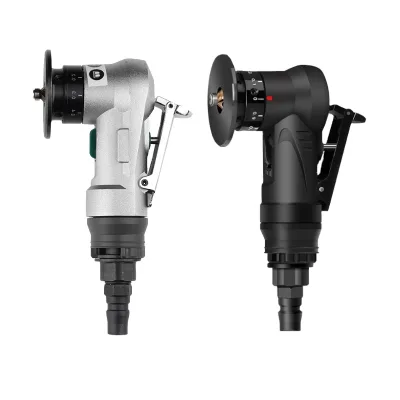
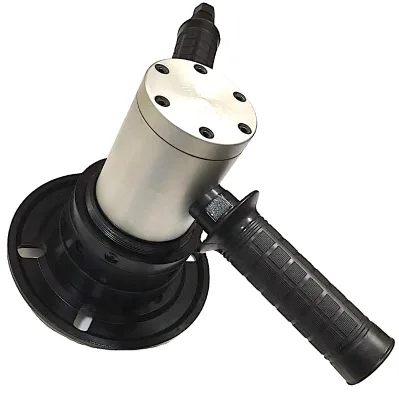
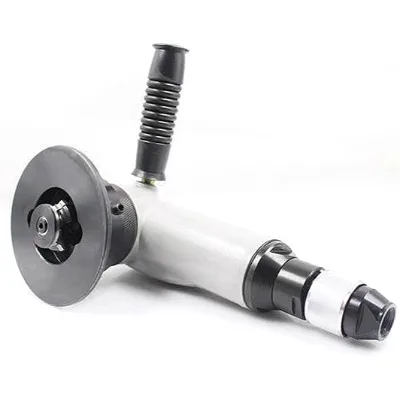
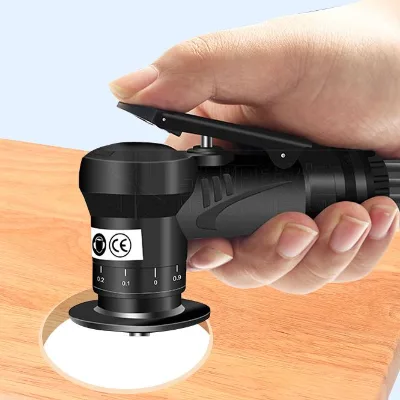
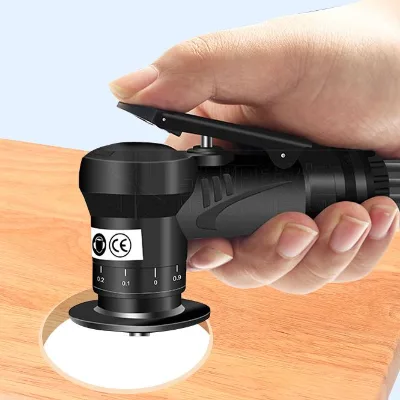
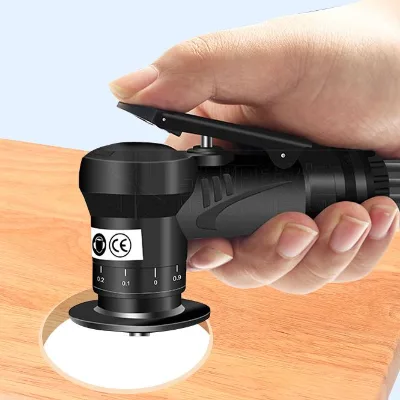
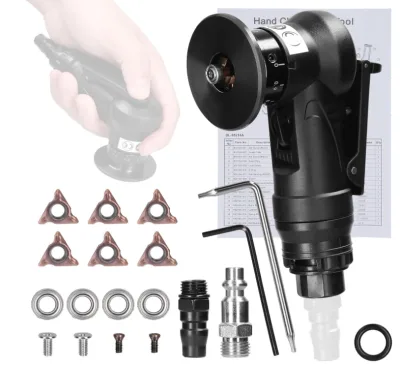
Durable Mini Hand Tool Precision Metal Trimming Pneumatic Chamfering Tools
$44.00 - $49.00
MOQ: 1 Pieces

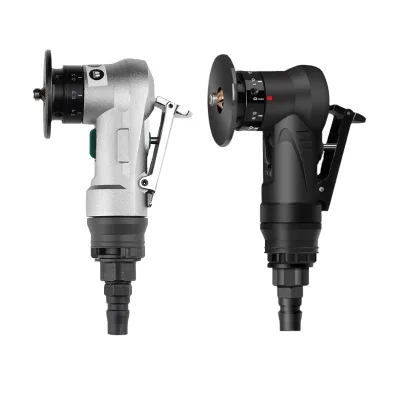
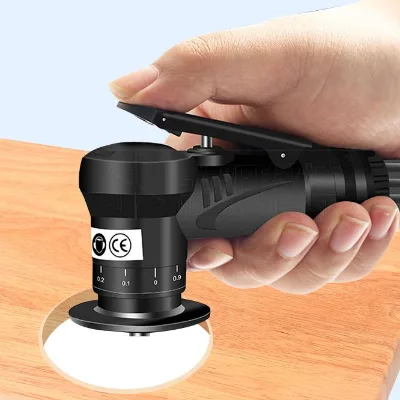
Pneumatic Inner Hole Beveling Tool Mini Chamfering Machine Air Metal Chamfer Tools
$44.00 - $49.00
MOQ: 1 Pieces

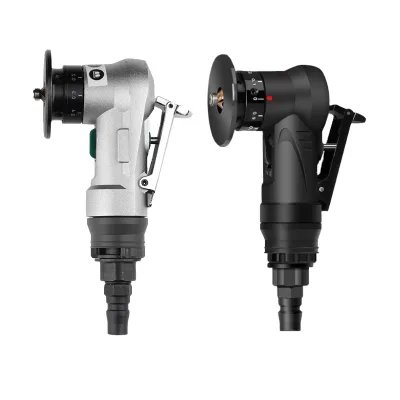
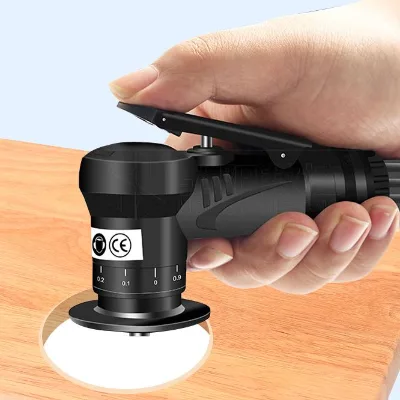
Versatile Metal Steel Cutting Tool Pneumatic Angle Grinder Air Cutter Chamfering Machine
$44.00 - $49.00
MOQ: 1 Pieces

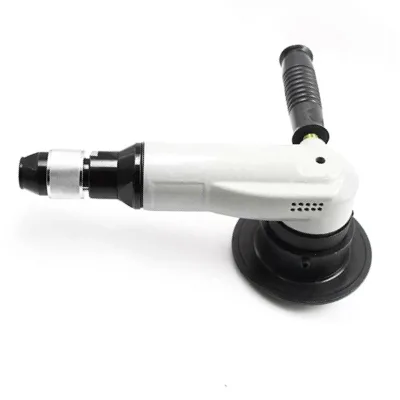
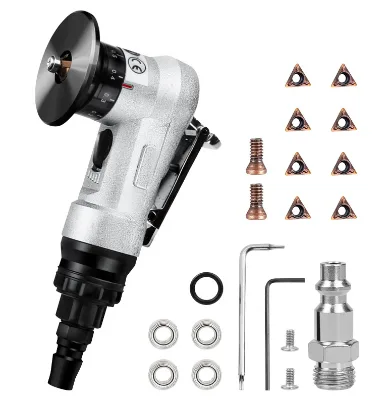
Compact Air Power Chamfering Tool for Precision Metal Finishing and DIY Use
$44.00 - $49.00
MOQ: 1 Pieces
Jinan Hongyang Cnc Machinery Co., Ltd.
- Manufacturer, Trading Company
- Lead time旺季: "1 - 1":14,"> 1":"To be negotiated", 淡季: "1 - 1":14,"> 1":"To be negotiated"
- Avg. response≤ 2h
Main productsCNC router parts,CO2 laser parts,fiber laser parts,CNC Router Drive,Linear Rail & Slider

Shanxi Jingwei Chemical Fiber Machinery Co.,Ltd
- Verified by BV
- Combined
- China Shanxi
- Lead time15 days
- Avg. response≤ 16h
Main productsgear pump
Main marketsOthers(foreignTradeCapacity.exportBusinessCapacityMarketOther),Domestic


High-Performance Chamfering Pneumatic Machine for Precision Edge Finishing
$20.00 - $100.00
MOQ: 1 Pieces
Zhengzhou Pioneer Machinery Co., Ltd.
- Trading Company
- Henan, China
- Lead time10 days
- Avg. response≤ 3h
Main productsConcrete Mixer,Concrete Mixing Plant,concrete pump,machine tools,Road Roller
Main marketsSouth Asia(12.00%), Eastern Asia(12.00%), Mid East(12.00%), Oceania(12.00%), Africa(12.00%), Southeast Asia(12.00%), Eastern Europe(12.00%), South America(12.00%), Domestic Market(4.00%)
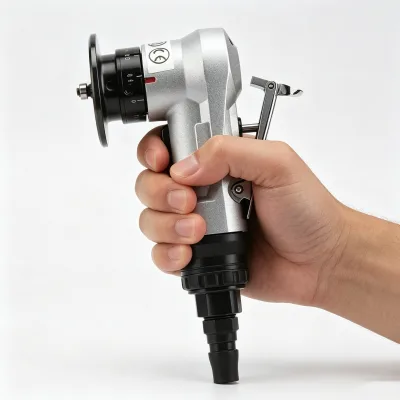
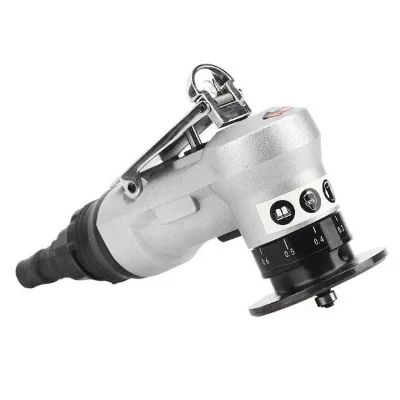
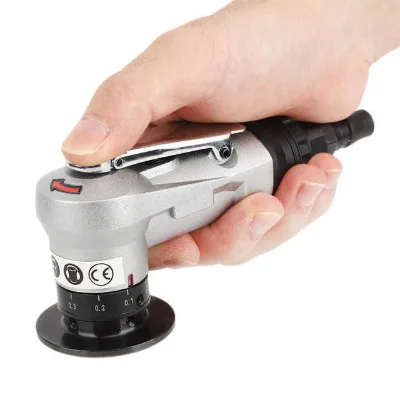
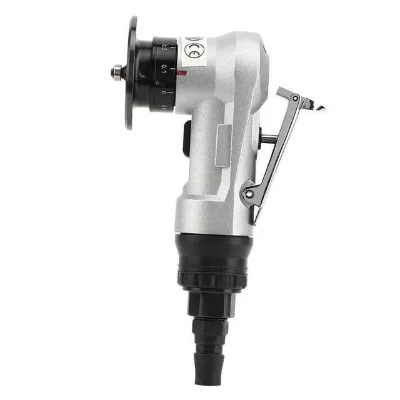
$45.00 - $55.00
MOQ: 1 cartons
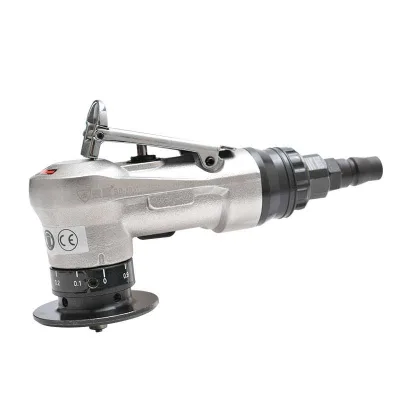

Shijiazhuang Rich Technology Co., Ltd.
- Manufacturer, Trading Company
- Hebei, China
- Lead time15 days
- Avg. response≤ 6h
Main productsPCD Saw Blade, TCT Saw Blade, Diamond Tools, CNC Cutter, Spiral Cutter Head
Main marketsDomestic Market(20.00%), North America(15.00%), Oceania(10.00%), South America(8.00%), Southern Europe(8.00%), Northern Europe(8.00%), Eastern Europe(8.00%), Eastern Asia(7.00%), Southeast Asia(6.00%), South Asia(5.00%), Western Europe(3.00%), Africa(2.00%)
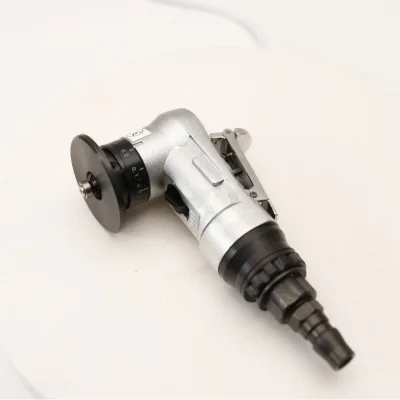
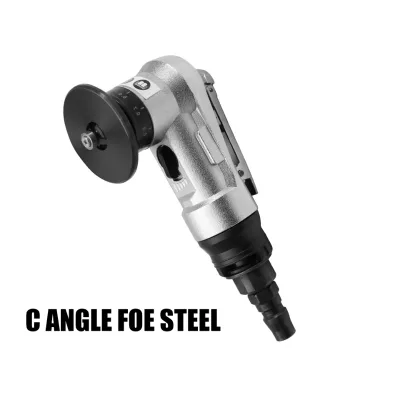
Hot Sale Silver Chamfering Machine Insert for 45 Angle Pneumatic Chamfering Machine
$25.00 - $30.00
MOQ: 1 sets
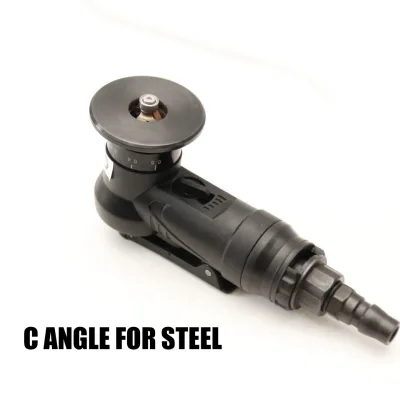
Factory Directly Supply Mini Pneumatic Chamfering Machine C Angle for Steel
$25.00 - $30.00
MOQ: 1 sets
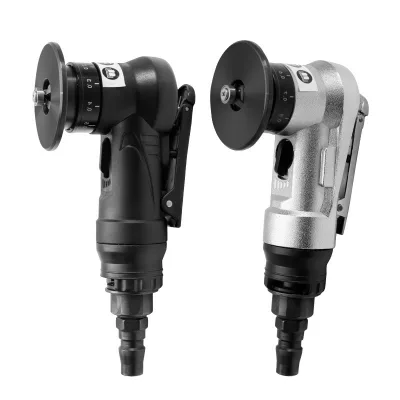
Wood Repair Grinder C Angle for ALUMINUM Deburring Beveling Trimming Pneumatic Chamfering Machine
$25.00 - $30.00
MOQ: 1 sets
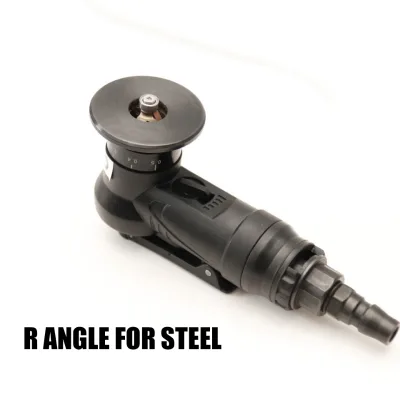
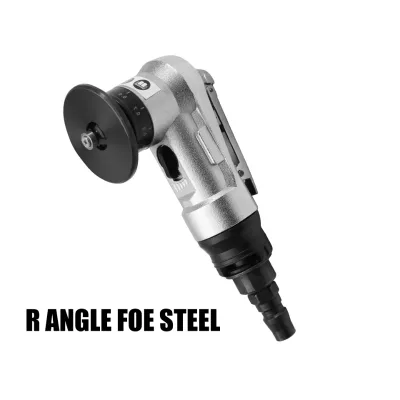
Handheld Chamfering Machine Tool R Angle for Steel Efficient Chamfering Process
$25.00 - $30.00
MOQ: 1 sets

Nanjing Dyyrent Machine Technology Co., LTD
- Verified by SGS
- Combined
- China Jiangsu
- Lead time23 days
- Avg. response≤ 2h
Main productsSanding Machine, Deburring Machine, Grinding Machine, Polishing Machine, Automatic Deburring Machine, Oxide Removal, Edgers Rounded, Deslagging
Main marketsSoutheast Asia/ Mideast,Domestic,Europe,North America

Zhangjiagang Baorui Machinery Co., Ltd.
- Verified by BV
- Trading Company,Manufacturer/Factory
- China Jiangsu
- Lead time23 days
- Avg. response≤ 9h
Main productsPipe Cutting Machine, Pipe Bending Machine, Chamfering Machine, Saw Blade Sharpening Machine, Laser Cutting Machine, Tube Bending Machine, Tube Cutting Machine, CNC Bending Machine, Wire Bending Machine, Rolling Machine
Main marketsSouth America,Eastern Europe,Mid East,North America,Southeast Asia,Eastern Asia,Oceania,Western Europe,Africa

Zhengzhou Brave Machinery Co., Ltd.
- Verified by TUVRHEINLAND
- Trading Company
- China Henan
- Lead time15 days
- Avg. response≤ 10h
Main productsWater Welll Drilling Machine, Water Well Drilling Rigs, Crayon Making Machine, Ice Making Machine, Ice Block Machine, Block Ice Machine, Popsicle Machine, Steel Pipe Straightening Machine, Ice Cube Machine, Polishing Machine
Main marketsSouth America,Eastern Europe,Mid East,North America,Southeast Asia,Eastern Asia,Oceania,Western Europe,Africa

SUZHOU SLS MACHINERY CO., LTD.
- Combined
- China Jiangsu
- Lead time45 days
- Avg. response≤ 2h
Main productsPipe Bending Machine, CNC Tube Bender, Pipe Cutting Machine, Tube Cutting Cold Saw, Tube Swaging Machine, Pipe Tapering Machine, Pipe Shrinking Machine, Pipe Chamfering Machine, Pipe End Forming Machine, Other Pipe Processing Machines
Main marketsSouth America,Southeast Asia/ Mideast,Europe,Australia,North America


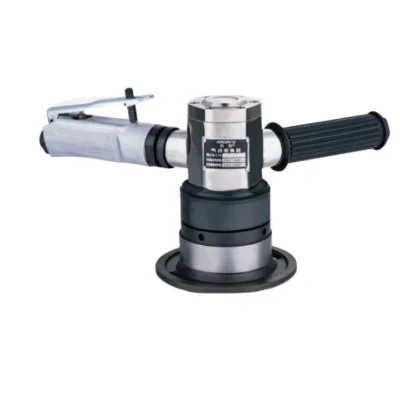
Length Can Be Set Maximum Diameter to 120mm Pipe Chamfering Machine Pneumatic
$3999.00 - $4999.00
MOQ: 1 set/sets

SLS Machinery Sale Twin Head Metal Bar End Chamfering Tool - Pneumatic Chamfer Machine
$3599.00 - $4599.00
MOQ: 1 set/sets

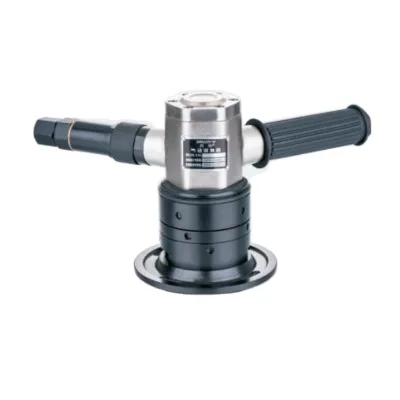
Double Head Pneumatic Chamfering Machine for Pipe Both End Deburring
$3999.00 - $4999.00
MOQ: 1 set/sets

Easy Operation Pneumatic or Hydraulic Drived Bolt Nut Head Chamfering Machine
$4599.00 - $5999.00
MOQ: 1 set/sets

Metal Iron Pipe Tube End Facing Machine Air Pneumatic Angle Chamfering Machine
$2599.00 - $3999.00
MOQ: 1 set/sets
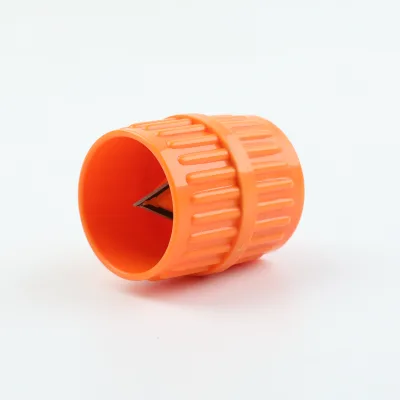
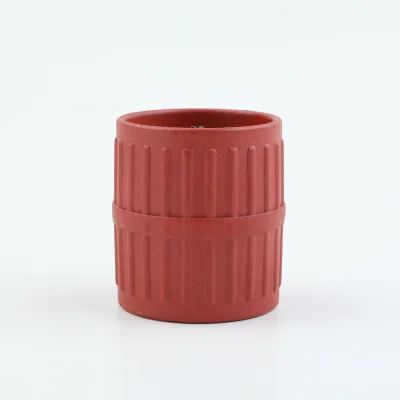
Wujiang Gaokai Hardware Tool Co., Ltd.
- Manufacturer
- Jiangsu, China
- Lead time0 days
- Avg. response≤ 5h
Main productspipe cutter
Main marketsEastern Europe(20.00%), Western Europe(20.00%), Southern Europe(20.00%), Domestic Market(15.00%), Oceania(10.00%), North America(5.00%), Mid East(5.00%), South Asia(5.00%)
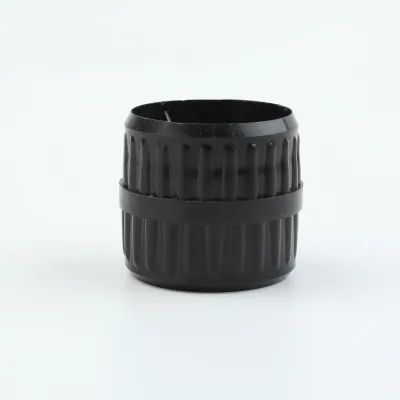
$0.7754 - $2.0689
MOQ: 100 Minimum
Taizhou Kahe Pneumatic Machinery Co., Ltd.
- Manufacturer
- Zhejiang, China
- Lead time0 days
- Avg. response≤ 3h
Main productsPneumatic wrench,air hammer,High-pressure grease pump,Pneumatic grinding machine,Pneumatic Angle grinder
Main marketsSoutheast Asia(100.00%)

Shanghai Hystrong Industrial Co., Ltd.
- Verified by SGS
- Trading Company
- China Shanghai
- Lead time30 days
- Avg. response≤ 4h
Main productsLog Splitter, Trencher, Drill Press, Table Saw, Wood Chipper, Magnetic Drill Press, Band Saw, Miter Saw, Log Saw, Wood Lathe
Main marketsSouth America,Southeast Asia/ Mideast,Europe


Efficient Portable Chamfer Tool for Heavy Duty and Versatile Applications
$250.00 - $320.00
MOQ: 1 Pieces


High-Performance Chamfering Tool with Efficient Brushless Motor System
$280.00 - $330.00
MOQ: 1 Pieces

Zhangjiagang Heshun Machinery Manufacturer Co., Ltd.
- Verified by BV
- Combined
- China Jiangsu
- Lead time30 days
- Avg. response≤ 3h
Main productsPipe Bending Machine, Pipe Cutting Machine, Tube Bender, Tube Bender Machine, Tube Cutting Machine, CNC Tube Bender Machine, Pipe Chamfering Machines, Pipe End Forming Machine, Custom Tube Machine, Automatic Pipe Bending Machine
Main marketsSouth America,Southeast Asia/ Mideast,Domestic,Europe,North America
Ningbo Yinzhou Chengming Air Tools Co., Ltd.
- Manufacturer, Trading Company
- Zhejiang, China
- Lead time0 days
- Avg. response≤ 1h
Main productsPneumatic beveller,Pneumatic angle grinder,Pneumatic die grinder,Air drill,Pneumatic impact wrench
Main marketsEastern Asia(35.00%), Eastern Europe(30.00%), Western Europe(20.00%), South Asia(15.00%)

ZHEJIANG WELLNIT MACHINERY MANUFACTURING CO.,LTD
- Verified by BV
- Combined
- China Zhejiang
- Lead time23 days
- Avg. response≤ 22h
Main productsPipe Cutting and Beveling Machine, Pipe Beveling Machine, Portable Pipe Cold Beveling Machine, ID Mounted Welding Preparation Pipe Chamfering T, Flange Facing Machine, Plate Edge Groove Machine, Pipe Chamfering Machine, Electric Pipe Cutting Machine, Orbital Pipe Cutting Machine, High Speed Pipe Cutting and Beveling Machine
Main marketsSouth America,Africa,Southeast Asia/ Mideast,Domestic,Europe,North America
Chongqing Baiguan Electromechanical Co., Ltd.
- Verified by SGS Group
- Trading Company
- Lead time0 days
- Avg. response≤ 2h
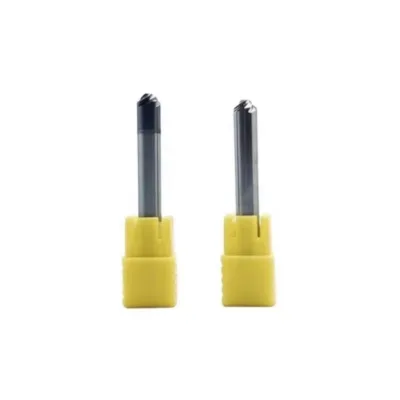
Main productsCarbide Insert , Carbide End Mill, Carbide Drill
Main marketsDomestic Market(30%), Northern Europe(12%), North America(10%)
$6.1736 - $38.5837
MOQ: 1 Minimum

Zhangjiagang Runtai Machinery Co., Ltd.
- Verified by BV
- Combined
- China Jiangsu
- Lead time30 days
- Avg. response≤ 2h
Main productsChamfering Machine, Pipe Bending Machine, Pipe Cutting Machine, Pipe End Forming Machine, Gear Grinding Machine, Aluminum Cutting Machine
Main marketsSouth America,Southeast Asia/ Mideast,Domestic,Europe

$7899.00 - $11899.00
MOQ: 1 Pieces








Comprehensive Sourcing Guide
Pneumatic Chamfering Tool with 45 Degree Angle Supplier Concentration and Factory Types
Current data indicates that suppliers offering pneumatic chamfering tools with a 45-degree angle are concentrated in specific Chinese provinces, with Guangdong and Shandong emerging as primary manufacturing hubs. Fact records show locations in Guangdong and Shandong, suggesting these regions host the relevant industrial clusters for this equipment. In Guangdong, the supplier base includes trading companies and manufacturers producing a wide range of machine tools, including tapping machines, mini lathes, and various chamfering devices. This concentration allows buyers to access a diverse inventory of manual and pneumatic units, such as the TR-02 model, which is explicitly listed as originating from China. The presence of these facilities implies a mature supply chain capable of supporting both standard and customized pneumatic tool orders.
In contrast, suppliers located in Shandong appear to focus heavily on pneumatic tools, air bevelers, and impact wrenches, with specific product evidence pointing to brands like Tarboya. These suppliers often list main products that include air tools and die grinders, indicating a specialized focus on pneumatic machinery rather than general machine tools. The distinction between trading companies and manufacturers is critical here, as some entities are identified as trading companies while others possess their own brands or offer customized processing. Buyers should verify whether a supplier is a direct factory or a trading intermediary by checking their company type and product evidence. Understanding this distinction helps in assessing the depth of technical support and the potential for custom engineering on pneumatic chamfering tools with a 45-degree angle.
How to Verify Pneumatic Chamfering Tool with 45 Degree Angle Suppliers
Verification of suppliers for pneumatic chamfering tools with a 45-degree angle requires a rigorous check of third-party certifications and company status. Several suppliers in the current results hold TUVRHEINLAND or TüVRheinland verification status, which serves as a strong indicator of operational legitimacy. Additionally, specific system certifications such as 2006/42/EC are noted for certain entities, suggesting compliance with European machinery safety standards. Buyers must confirm that these certifications are current and directly applicable to the specific pneumatic tools being sourced, rather than generic company credentials. The presence of CE certification on product attributes further supports the claim that the tools meet specific safety and performance requirements for the European market.
Beyond certifications, buyers should scrutinize the response time and verification status to gauge supplier reliability. Data shows response times varying significantly, with some suppliers responding in under two hours while others take up to seven hours. A faster response time often correlates with better communication channels and more active sales teams. Furthermore, the verification status of the supplier, such as being verified by TüVRheinland, adds a layer of trust regarding their business operations. Buyers should also check for the presence of an escrow service or trade assurance, although specific escrow details are not explicitly listed in the provided facts. It is essential to request proof of these verifications directly from the supplier before proceeding with any financial commitment or large order placement.
What to Compare Across Pneumatic Chamfering Tool with 45 Degree Angle Suppliers
When evaluating suppliers, buyers must compare key operational metrics such as lead time, minimum order quantity, and response speed to ensure alignment with project needs. Lead times in the current dataset range from zero to fifteen days, with some suppliers offering immediate availability while others require a two-week production window. Minimum order quantities also vary, with some suppliers accepting single-item orders while others may have higher thresholds. Response times are another critical differentiator, with some suppliers responding in approximately 2.68 hours and others taking up to seven hours. These metrics directly impact the speed of procurement and the ability to meet tight production schedules for pneumatic chamfering tools with a 45-degree angle.
Product specifications and customization capabilities provide another vital dimension for comparison. Some suppliers offer manual, hand-held models with specific attributes like a 45-degree angle and CE certification, while others provide advanced features such as variable speed settings and specific motor types like rotary vane motors. The ability to support OEM and ODM services is also a key differentiator, with some suppliers explicitly listing customized support options. Buyers should compare the range of main products offered, as some suppliers focus solely on pneumatic tools while others offer a broader range of machine tools. Additionally, the availability of specific product models, such as the TR-02 or Tarboya series, should be verified to ensure the exact specifications required for the application are met.
Common Pneumatic Chamfering Tool with 45 Degree Angle Sourcing Risks
One significant risk in sourcing pneumatic chamfering tools with a 45-degree angle is the potential mismatch between product specifications and actual capabilities. While some product listings claim CE certification and specific attributes like a 45-degree angle, buyers must verify that these claims are accurate and not merely marketing assertions. The presence of generic keywords and broad product categories can sometimes obscure the specific technical details required for a particular application. For instance, a tool listed as a "pneumatic chamfering machine" might have varying air consumption rates or torque specifications that are not immediately apparent without detailed product evidence. Buyers should request detailed technical datasheets to confirm that the tool meets the precise requirements of their workflow.
Another risk involves the reliability of lead times and the consistency of supply. While some suppliers list lead times as zero or very short, others indicate a fifteen-day window, which can disrupt production schedules if not managed correctly. The variation in response times, ranging from under two hours to seven hours, also poses a risk for timely communication and issue resolution. If a supplier has a slow response time, it may indicate a lack of dedicated support staff or poor management practices. Additionally, the distinction between trading companies and manufacturers can lead to misunderstandings regarding warranty terms and after-sales support. Buyers should clarify these details upfront to avoid potential delays or disputes regarding product performance and delivery timelines.
Pneumatic Chamfering Tool with 45 Degree Angle Regional Sourcing and Logistics
Sourcing pneumatic chamfering tools with a 45-degree angle from China involves navigating logistics from specific regional hubs like Guangdong and Shandong. These regions are known for their robust manufacturing infrastructure and efficient export capabilities, making them ideal locations for sourcing industrial machinery. The concentration of suppliers in these areas allows for streamlined logistics and potentially lower shipping costs due to the volume of trade. However, buyers must account for the specific shipping requirements of pneumatic tools, which may include special packaging to prevent damage during transit. The product evidence indicates that items are often packed in cartons, which is standard for protecting delicate mechanical components during international shipping.
Logistics planning should also consider the impact of regional differences on lead times and customs clearance. Suppliers in Guangdong and Shandong may have different relationships with local freight forwarders, affecting the speed and cost of delivery. Buyers should verify the specific shipping terms offered by each supplier, such as FOB or CIF, to understand who is responsible for freight costs and insurance. Additionally, the origin of the product, whether from Jiangsu or Shandong, can influence the availability of specific models and the efficiency of the supply chain. It is crucial to confirm the exact place of origin for each product to ensure that the logistics plan aligns with the supplier's capabilities and the buyer's delivery expectations.
Pneumatic Chamfering Tool with 45 Degree Angle Commercial Terms and Order Planning
Commercial terms for pneumatic chamfering tools with a 45-degree angle vary significantly based on the supplier's pricing structure and order volume. Some suppliers list a minimum price of 50.00 units, while others may have different pricing tiers based on quantity or customization. Buyers should carefully review the price range and minimum order quantity to ensure it fits within their budget and operational requirements. The availability of single-item orders from some suppliers offers flexibility for small-scale testing or initial procurement, while larger orders may benefit from volume discounts. Understanding these commercial terms is essential for effective budget planning and cost management throughout the sourcing process.
Order planning must also account for warranty and after-sales support, which are critical for long-term operational success. Product evidence indicates warranty periods ranging from three months to two years, depending on the supplier and specific model. Buyers should verify the warranty terms and ensure they cover potential defects or performance issues that may arise during use. Additionally, the availability of spare parts and technical support should be confirmed to minimize downtime in case of equipment failure. By carefully reviewing these commercial terms and planning accordingly, buyers can mitigate risks and ensure a smooth procurement experience for pneumatic chamfering tools with a 45-degree angle.
FAQs
What is the price range for a mini pneumatic chamfering tool?
The price for a mini pneumatic chamfering tool is listed at $50.00 per unit. This fixed price point applies to the TR-02 model, which is a manual, hand-held device. Buyers should note that the minimum order quantity is one piece, allowing for low-volume procurement without bulk pricing constraints.
How long does it take to receive an order?
Lead times vary by supplier location and type. Suppliers in Guangdong report a lead time of 15 days, while those in Shandong offer a 10-day turnaround. Some listings indicate a zero-day lead time, though this may require immediate stock availability. Buyers should confirm specific delivery windows before placing orders.
What certifications are available for these pneumatic tools?
Product-level certifications include CE marks for specific models like the TR-02. System-level certifications for some suppliers include compliance with the 2006/42/EC directive. Verification is provided by TÜV Rheinland for certain trading companies. Buyers should request specific certification documents to ensure compliance with regional safety standards.
What is the minimum order quantity for these tools?
The minimum order quantity is one unit for the mini pneumatic chamfering tool. This low MOQ supports trial orders and small-scale procurement needs. Buyers can purchase single items without committing to large batches, making it easier to test product quality and performance before scaling up orders.
Where are these pneumatic chamfering tools manufactured?
These tools are manufactured in China, specifically in Guangdong and Shandong provinces. The Guangdong suppliers are trading companies, while Shandong suppliers may offer different product lines. The origin is clearly stated as China for all listed models, ensuring buyers know the manufacturing source for logistics and compliance purposes.
What is the response time for supplier inquiries?
Response times vary significantly among suppliers. Some suppliers respond within 1 day, while others take up to 7 days. The average response time is approximately 2.68 days. Buyers seeking quick communication should prioritize suppliers with faster response metrics to ensure efficient order processing and support.