Pointy Base Premade Eyelash Fans Suppliers and Manufacturers
Source Pointy Base Premade Eyelash Fans from 24 verified suppliers. Compare dimensions like lead times, MOQs, certifications, and response rates. Contact suppliers directly to request samples and negotiate pricing for your specific volume needs; review the available evidence before requesting comparable quotations from suitable candidates.
Updated
Suppliers List
Qingdao Lymee International Trading Co., Ltd.
- Verified by TüVRheinland
- Trading Company
- Lead time3 days
- Avg. response≤ 2h
Main productsIndividual Lashes, Flat Eyelash Extension, Easy Fan Eyelash Extension, Premade Volume Fans, Eyelash Extension Tools
Main marketsNorth America(35%), Western Europe(15%), Eastern Europe(10%)

Shenyang Waters International Co., Ltd
- Verified by BV
- Trading Company,Manufacturer/Factory
- China Liaoning
- Lead time15 days
- Avg. response≤ 5h
Main productsEyelash Extensions, Eyelash Adhesive, Eyelash Shampoo, Eyelash Tweezers, Eyelash Tools&Accessories, OEM&ODM Services
Main marketsSouth America,Eastern Europe,Mid East,North America,Southeast Asia,Eastern Asia,Oceania,Western Europe,Africa

Private Labels Narrow Pointy Based Loose Fans or Trays Eyelash Premade Fans
$2.12 - $2.60
MOQ: 10 Trays


Handmade Premade Fans Pointy Base Premade Fans Bulk Loose 3D Korean Silk Lashes Eyelashes Suppliers
$2.95 - $3.35
MOQ: 5 Trays

Pointy Base Narrow Fan Premade Volume Fans 6D Black Dark Soft Fan Eyelashes Camellia Lash Extensions
$2.12 - $2.65
MOQ: 10 Trays


Qingdao Zhongqi Hongyuan Trade Co., Ltd
- Trading Company,Manufacturer/Factory
- China Shandong
- Lead time60 days
- Avg. response≤ 3h
Main productsRadiant Tubes, Catalyst Reformer Tube, Heat Treatment Fixtures, Furnace Rolls, Skid Rider Slide Blocks, Cast Steel Spools, Heat Resistant Alloy Castings, Hear Resistant Alloy Retort Muffle, Centrifugal Casting Furnace Tubes, Industrial Furnace Spare Parts
Main marketsEastern Europe,Mid East,North America,Western Europe

$2.35 - $2.80
MOQ: 10 Pieces

8-15mm C Cc D Dd Curl Premade Fan Eyelash Extension Volume Fans Pointy Base Premade Volume Fans
$2.35 - $2.80
MOQ: 10 Pieces

Handmade Premade Fans Short/Long/Pointy Base Lashes Loose Premade Fans Volume Eyelash Extensions
$2.50 - $2.80
MOQ: 10 Pieces


Juancheng Simon Eyelash Co., Ltd.
- Verified by BV
- Trading Company,Manufacturer/Factory
- China Shandong
- Lead time23 days
- Avg. response≤ 25h
Main productsEyelash, Lash, Makeup Brush, Cosmetics, Horse Eyelash, 3D Mink Eyelash, Individual Lashes, Eyelash Package Box, Eyelash Tools, Hair Extension
Main marketsSouth America,Eastern Europe,Mid East,North America,Southeast Asia,Eastern Asia,Oceania,Western Europe,Africa

Premade Volume Fans Pointy Base Loose Premade Fan Lashes Eyelash Extension
$8.00 - $8.20
MOQ: 1 Pieces

6D 0.07 D 1000 Russian Volume Loose Premade Fans Pointy Base Mink Lashes Eyelash Extension
$2.40 - $11.40
MOQ: 10 Pieces


Higher Quality Premade Fan Private Label Lashes Eyelash Extension Volume Fans
$0.44 - $1.99
MOQ: 1 Pieces


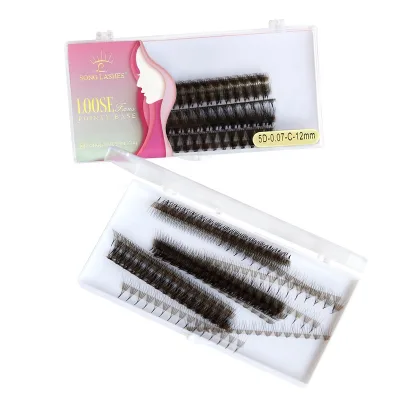
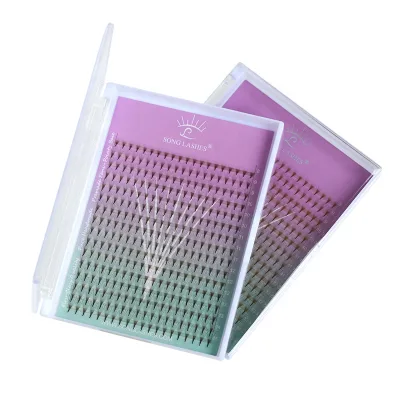
Qingdao Premier Hair & Lash Import And Export Co., Ltd.
- Manufacturer, Trading Company
- Shandong, China
- Lead time2 days
- Avg. response≤ 13h
Main productsEyelash Extensions,Premade Volume Fans,3D Mink Lashes,Individual Lashes,Magnetic Eyeliner and Eyelashes
Main marketsAfrica(25.00%), North America(25.00%), Western Europe(10.00%), Northern Europe(10.00%), Oceania(10.00%), South America(10.00%), Mid East(5.00%), Central America(5.00%)
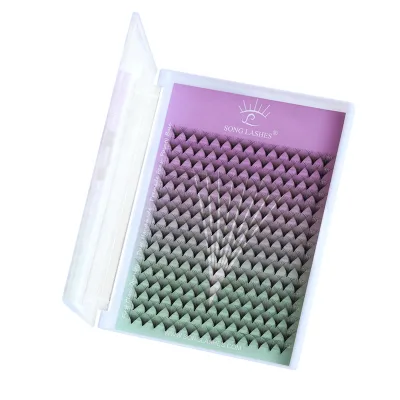
Pointy Base 40D Lash Eyelash Faux Premade Volume Fans with OEM ODM Service
$6.50 - $7.50
MOQ: 1 pieces
Qingdao Baitefulai Trading Co., Ltd.
- Verified by Intertek
- Trading Company
- Lead time40 days
- Avg. response≤ 3h
Main productsEyelash Extensions, Eyelash Extension Glue, Eyelash Tweezers, Other Eyelash Tools
Main marketsNorth America(70%), Western Europe(20%), Oceania(10%)
Qingdao Eastern Beauty International Co., Ltd.
- Manufacturer, Trading Company
- Shandong, China
- Lead time7 days
- Avg. response≤ 7h
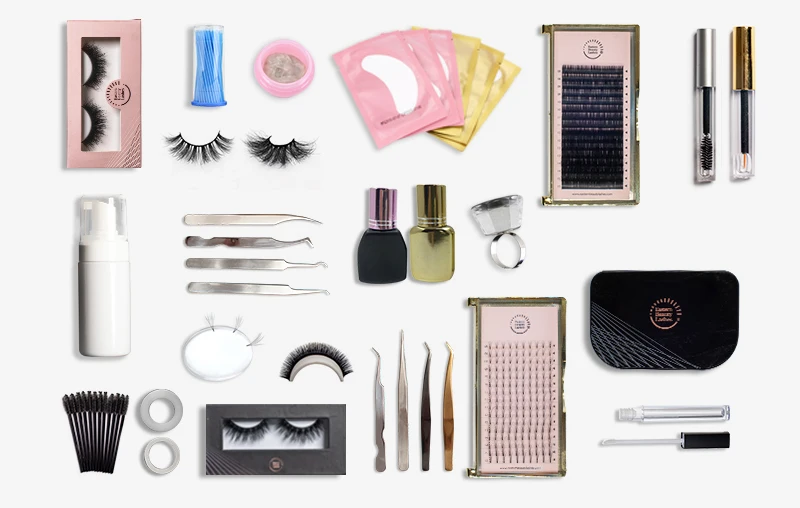
Main productsEyelash Extension Kit, Full Strip Eyelashes, Premade Volume Fan Eyelash, Eyelash Extension, Eyelash Extension Glue
Main marketsNorth America(50.00%), Western Europe(22.00%), Oceania(15.00%), Eastern Europe(5.00%), South America(2.00%), Central America(2.00%), Northern Europe(2.00%), Mid East(2.00%)
Qingdao Bosi E-Commerce Co., Ltd.
- Verified by SGS Group
- Manufacturer, Trading Company
- Lead time9 days
- Avg. response≤ 2h
Main productsLashes Extensions, Premade Volume Fan, Diy Lash Extension
Main marketsNorth America(51%), Oceania(12%), Western Europe(11%)
Qingdao Bameier False Eyelashes Co., Ltd.
- Manufacturer, Trading Company
- Lead time旺季: "1 - 100":10,"101 - 1999":20,"2000 - 10004":30,"> 10004":"To be negotiated", 淡季: "1 - 100":10,"101 - 1999":20,"2000 - 10004":30,"> 10004":"To be negotiated"
- Avg. response≤ 3h
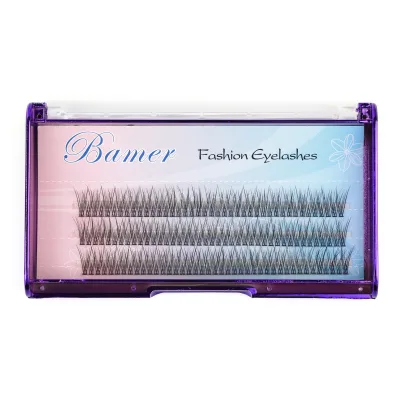
Main productsMink Eyelashes, Synthetic Eyelashes, Magnetic Eyelashes, Eyelash Extensions, Cluster Eyelashes
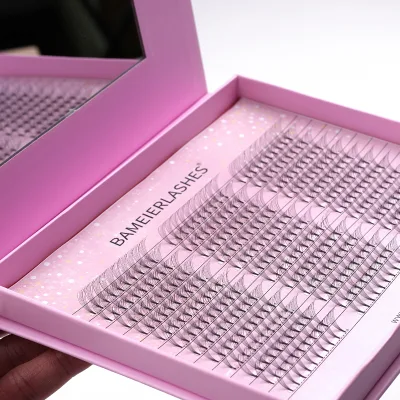
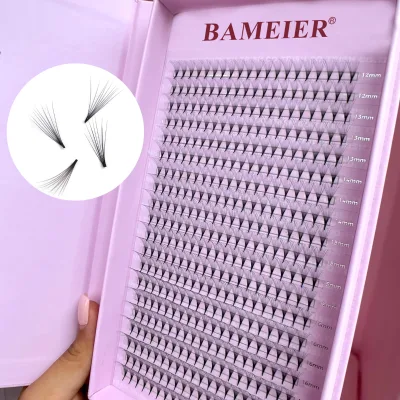
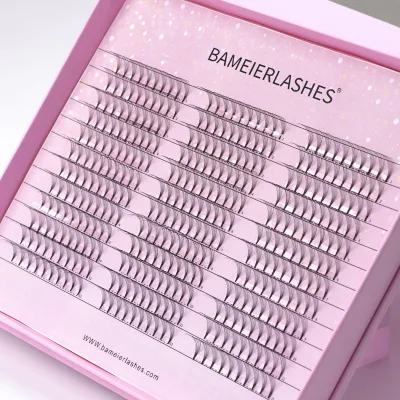
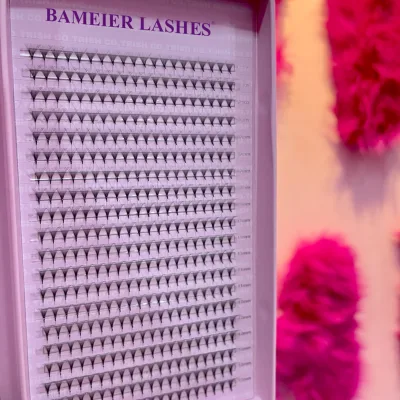
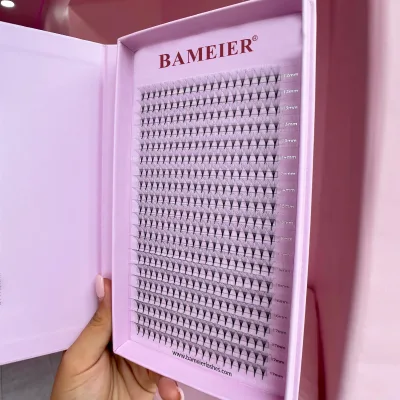
Pre-made Lash Extension Fans 4 d 5p Pre Made Long Base Volume Fans Individual Eyelash Extension
$1.9732 - $3.0219
MOQ: 10 boxes
Qingdao Emeda Arts&crafts Co., Ltd
- Manufacturer, Trading Company
- Shandong, China
- Lead time30 days
- Avg. response≤ 3h
Main productsEyelash Extensions,Premade fan,eyelash glue,Strip eyelash,easy fan lash
Main marketsNorth America(45.00%), Western Europe(15.00%), Mid East(11.00%), Eastern Europe(10.00%), Oceania(8.00%), Eastern Asia(5.00%), Domestic Market(3.00%), Africa(3.00%)
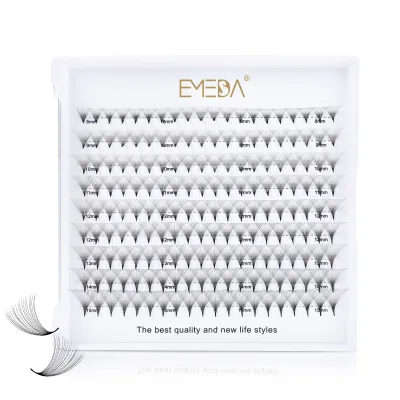
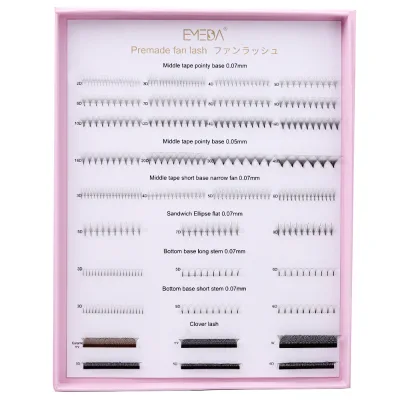
Pointy Base Premade Fan Loose Premade Fans Lashes Eyelash Extension 0.05 10D 14D 20D
$2.20 - $2.40
MOQ: 5 pieces
Foshan Yuli Cosmetic Supplies Co., Ltd.
- Verified by TüVRheinland
- Manufacturer, Trading Company
- Lead time30 days
- Avg. response≤ 3h
Main productsFan Eyelash, Eyelash Extension, Eyelash Tools, Nail Tools, Makeup Tools
Main marketsNorth America(40%), Western Europe(15%), South America(12%)
Qingdao Crownking Beauty Co., Ltd.
- Verified by TüVRheinland
- Manufacturer, Trading Company
- Lead time10 days
- Avg. response≤ 6h
Main productsFalse Eyelash, Eyelash Glue, Eyelash Lift, Eyelash Tools, Nails
Main marketsWestern Europe(30%), North America(20%), Eastern Europe(20%)

Qingdao Jintong Beauty Co., Ltd.
- Verified by BV
- Trading Company,Manufacturer/Factory
- China Shandong
- Lead time23 days
- Avg. response≤ 23h
Main products3D Eyelash, Faux Mink Eyelash, Segmented DIY, Eyelash Extension, Fashion Accessory, Silk Eyelash, Self-Adhesive Eyelash
Main marketsEastern Europe,Mid East,North America,Southeast Asia,Eastern Asia,Oceania,Western Europe,Africa


$1.00 - $1.80
MOQ: 100 Pieces

Premade Lashes Fan Volume Lash DIY Lashes Faux Eyelash with Wholesale Price
$1.00 - $1.80
MOQ: 100 Pieces


Premade Volume Fans Individual Lashes Handmade DIY Eyelash Extensions Natural DIY Eyelash
$1.00 - $1.80
MOQ: 100 Pieces

Qingdao Leenyear International Trade Co., Ltd.
- Verified by SGS Group
- Trading Company
- Lead time7 days
- Avg. response≤ 2h
Main productsEyelash Extensions, Colored Eyelashes, YY lash, Clover Eyelashes, Lash Glue
Main marketsNorth America(40%), Western Europe(20%), South America(10%)
Qingdao Jiadian Beauty Trade Co., Ltd.
- Trading Company
- Shandong, China
- Lead time10 days
- Avg. response≤ 1h
Main productsLash Extension,Beauty Tool,package box,tweezer,Lash Glue
Main marketsNorth America(60.00%), Eastern Europe(15.00%), South America(10.00%), Eastern Asia(8.00%), Africa(3.00%), Western Europe(2.00%), Mid East(2.00%)

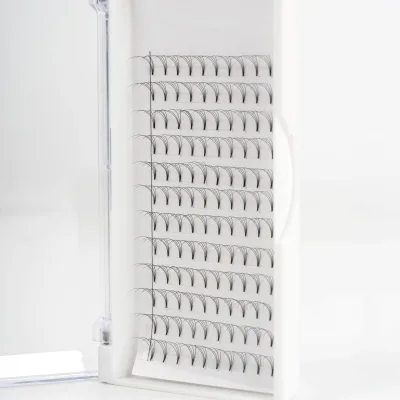
$3.0548 - $3.3825
MOQ: 2 trays
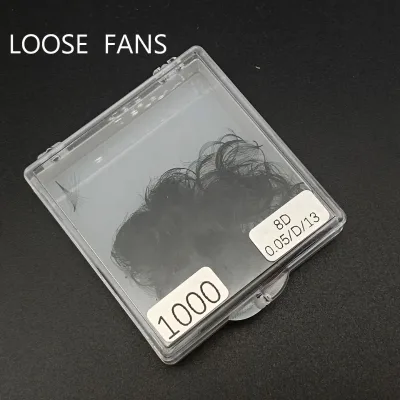
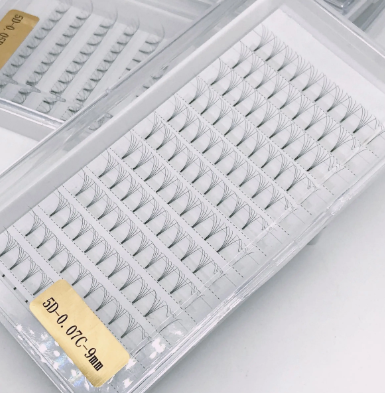
$2.8963 - $3.4124
MOQ: 5 trays
Hebei Runshida Import And Export Trade Co., Ltd.
- Trading Company
- Hebei, China
- Lead time0 days
- Avg. response≤ 4h
Main productseyelash extension,DIY eyelash,cluster eyelash,premade fan eyelash,eyelash tool
Main marketsNorth America(30.00%), Central America(10.00%), South Asia(10.00%), South America(10.00%), Northern Europe(5.00%), Southeast Asia(5.00%), Eastern Europe(5.00%), Eastern Asia(5.00%), Mid East(5.00%), Southern Europe(5.00%), Africa(5.00%), Western Europe(2.00%), Domestic Market(2.00%), Oceania(1.00%)
Qingdao Credit Cosmetic Co., Ltd.
- Verified by SGS Group
- Trading Company
- Lead time0 days
- Avg. response≤ 7h
Main productsFalse Eyelashes
Main marketsNorth America(44%), Western Europe(32%), South Asia(13%)
Qingdao Allison Cosmetics Co., Ltd.
- Verified by TüVRheinland
- Manufacturer, Trading Company
- Lead time8 days
- Avg. response≤ 2h
Main productsEyelash Extensions, Eyelash Liquid, Eyelash Extension Tools, Individual Eyelash Extension, Premade Fan
Main marketsNorth America(50%), South America(10%), Eastern Europe(10%)
Shijiazhuang Fandong Trade Co., Ltd.
- Trading Company
- Hebei, China
- Lead time5 days
- Avg. response≤ 6h
Main products3D mink lashes,false eyelash,eyelash extension,eyelash extension glue,eyelash extension tools
Main marketsNorth America(25.00%), Northern Europe(15.00%), Mid East(15.00%)

Qingdao Betfis Electric Appliances Co., Ltd.
- Verified by SGS
- Trading Company,Manufacturer/Factory
- China Shandong
- Lead time15 days
- Avg. response≤ 3h
Main productsBeverage Refrigerator, Refrigerator Chiller, Chest Freezer, Island Freezer, Cake Display, Meat Display, Multipul Open Chiller
Main marketsSouth America,Eastern Europe,Mid East,North America,Southeast Asia,Western Europe,Africa

$2.80 - $4.30
MOQ: 100 Pieces

3D 4D 5D 10d 14D 16D 20d Loose Pointy Base Pre Made Volume Fan Lash Extension Eyelash Set
$2.80 - $4.30
MOQ: 100 Pieces

3D 4D 5D 10d Loose Pre Made Volume Fans Pointy Base Pre Made Extension Eyelash
$2.80 - $4.30
MOQ: 100 Pieces

$2.80 - $4.30
MOQ: 100 Pieces

Soft Pointy Base Pre Made Lash Fans Narrow Long Stem 5D 6D 8d 10d Lash Extension Eyelash with Glue
$2.80 - $4.30
MOQ: 100 Pieces

5D 6D 8d 10d 14D Extensions Pre-Made Fans Pointy Base Pre-Made Lashes 8mm Volume Fans Eyelash
$2.80 - $4.30
MOQ: 100 Pieces
Weifang Katula Trade Co., Ltd.
- Verified by Intertek
- Manufacturer, Trading Company
- Lead time0 days
- Avg. response≤ 2h
Main productsEyelash Extensions
Main marketsNorth America(60%), Western Europe(20%), Oceania(10%)
Guangzhou Shili Beauty Cosmetics Products Co., Ltd.
- Manufacturer, Trading Company, Distributor/Wholesaler
- Guangdong, China
- Lead time0 days
- Avg. response≤ 3h
Main productsPremade Fan Volume Lashes,Lash Supplies,Classic Flat Lash,DIY Cluster Lash,Easy Fan Lashes
Main marketsOceania(30.00%), North America(30.00%), Eastern Asia(10.00%), Northern Europe(5.00%), Western Europe(5.00%), Eastern Europe(5.00%), Mid East(5.00%), South America(5.00%), Southeast Asia(5.00%)
Qingdao Fadvan Cosmetics Co., Ltd.
- Verified by SGS Group
- Manufacturer, Trading Company
- Lead time3 days
- Avg. response≤ 2h
Main productsIndividual Eyelashes, Easy Fanning Eyelash Extensions, YY Lashes/, Premade Volume Fans, Mink Eyelash
Main marketsNorth America(55%), Western Europe(20%), Eastern Europe(5%)
Qingdao Essi Beauty Products Co., Ltd.
- Verified by TüVRheinland
- Manufacturer, Trading Company
- Lead time10 days
- Avg. response≤ 1h
Main productsEyelash Extension, Eyelash Tools
Main marketsNorth America(60%), Eastern Europe(20%), Oceania(10%)
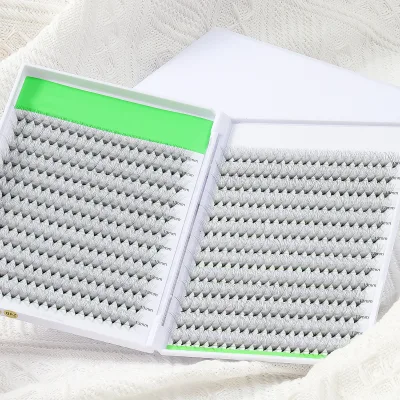
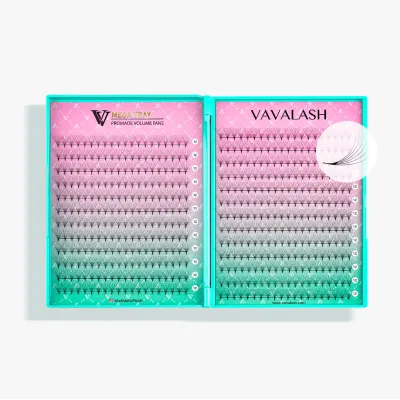
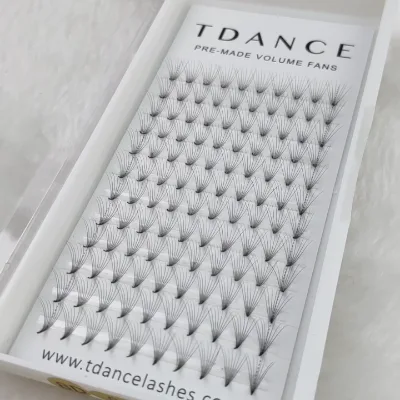
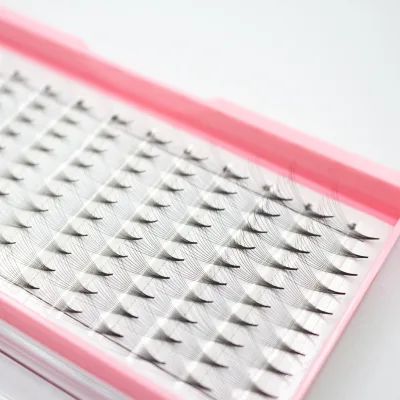
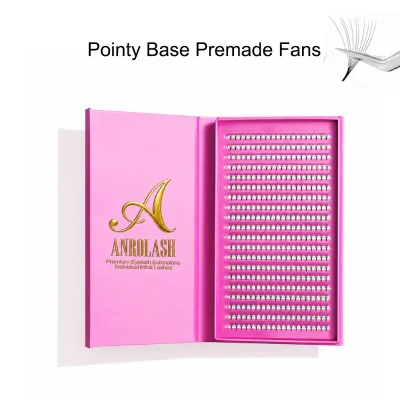
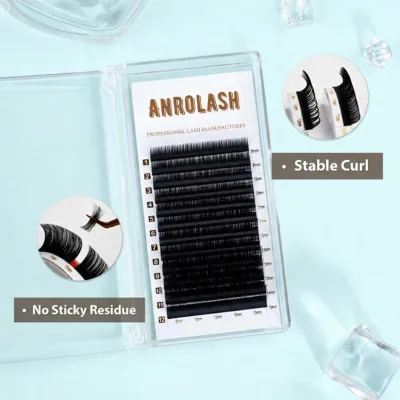
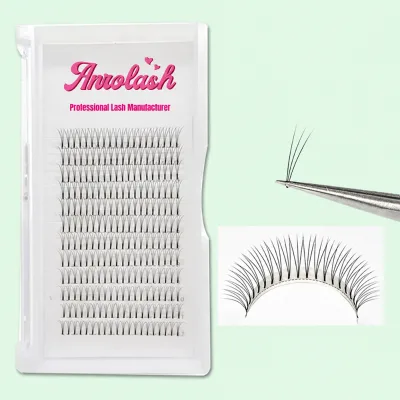
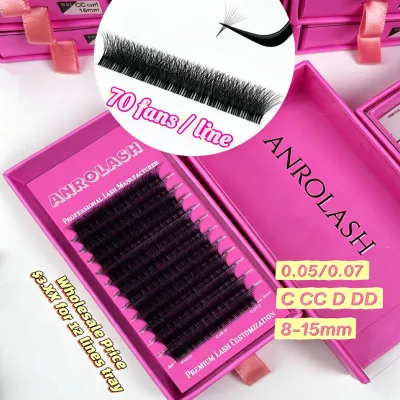
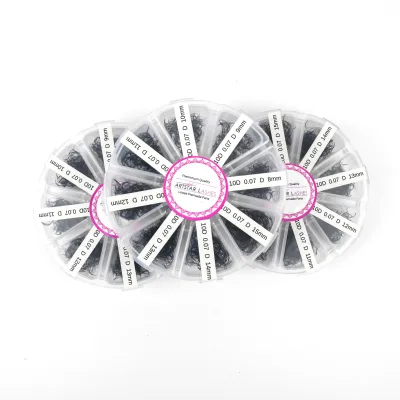
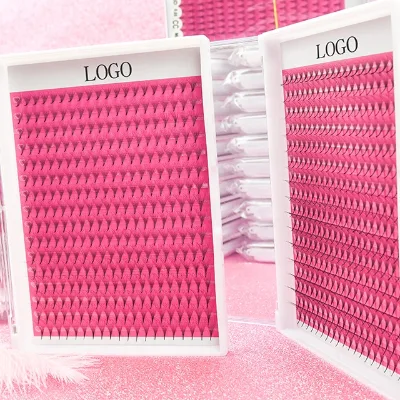
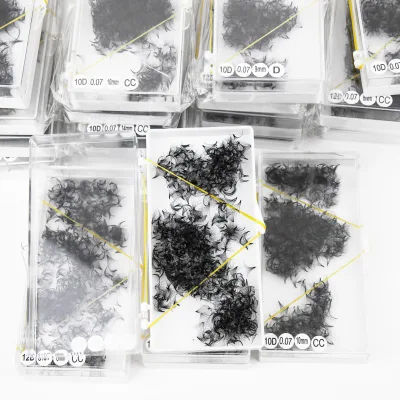
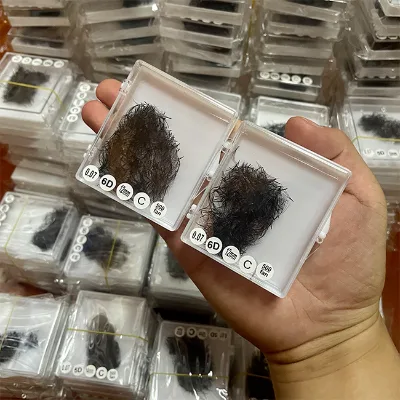

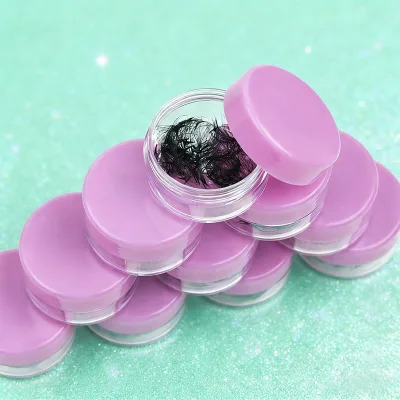
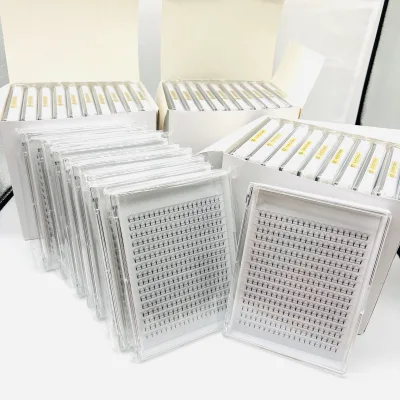
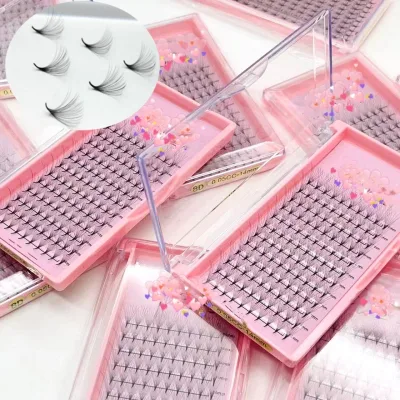
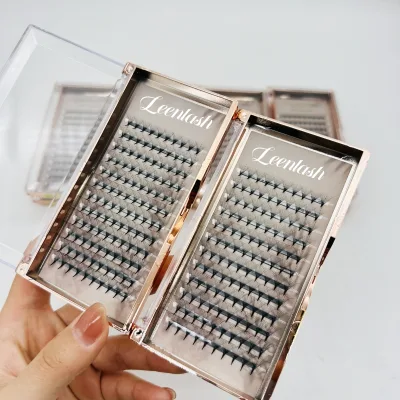
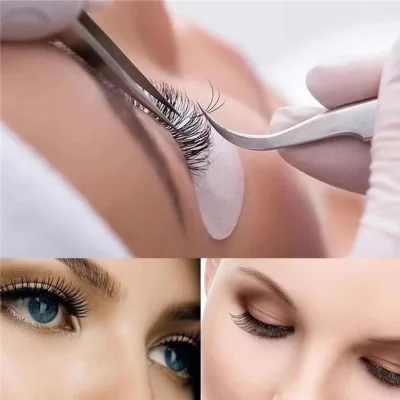
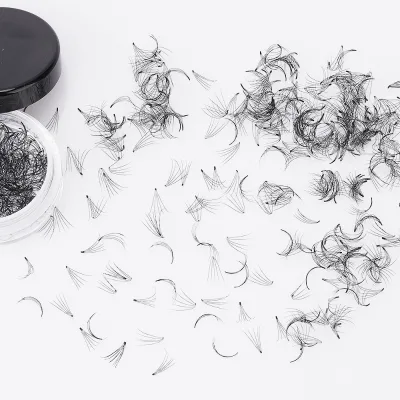
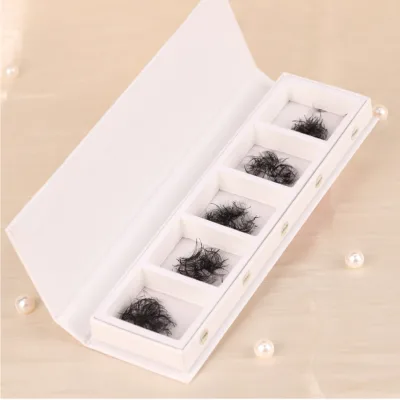
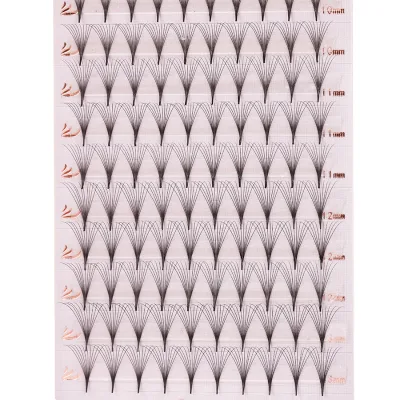
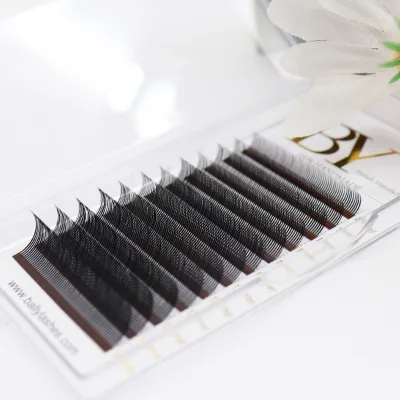
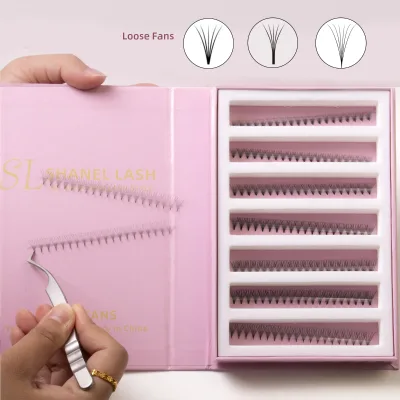
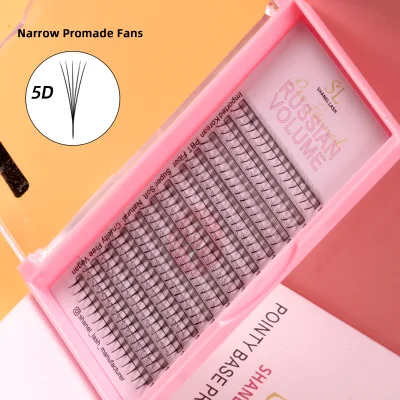
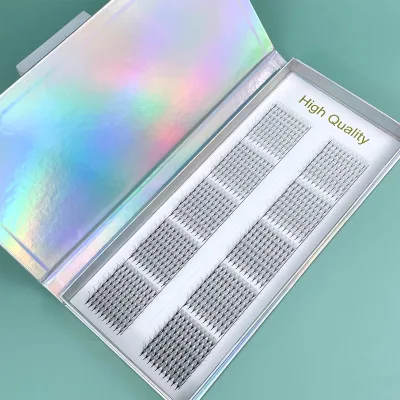
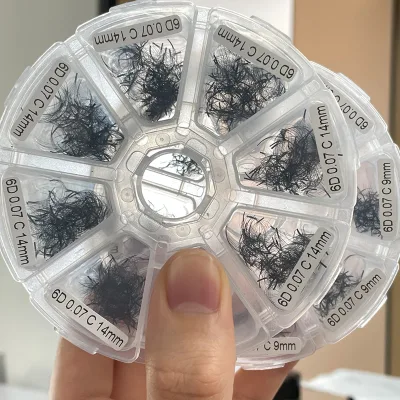
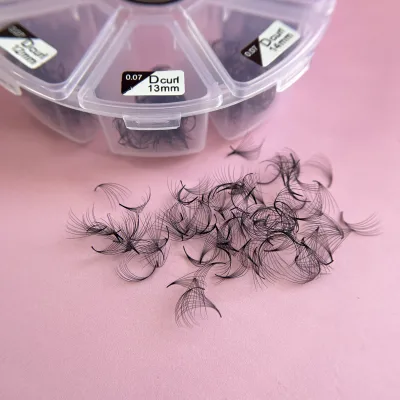
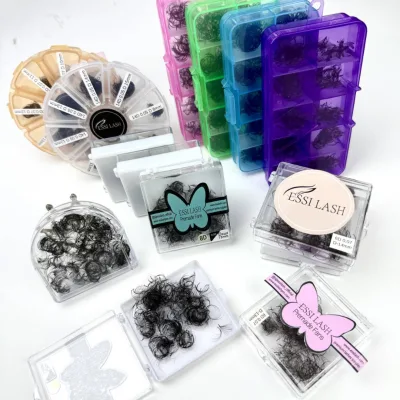
Comprehensive Sourcing Guide
Pointy Base Premade Eyelash Fans Supplier Concentration and Factory Types
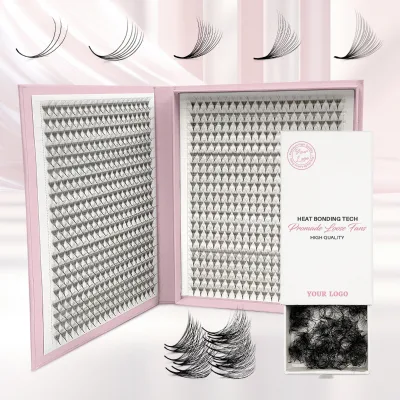
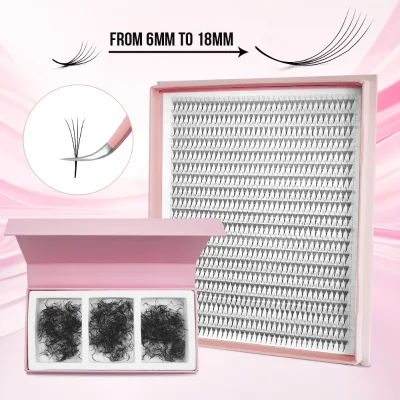
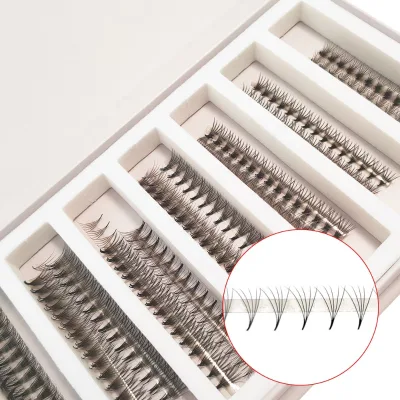
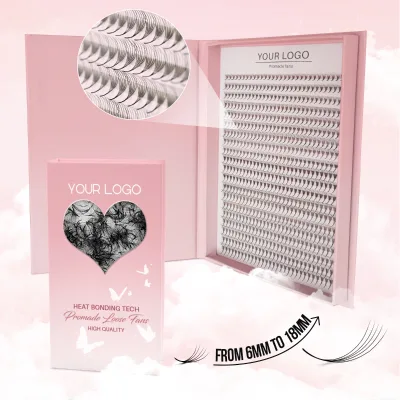
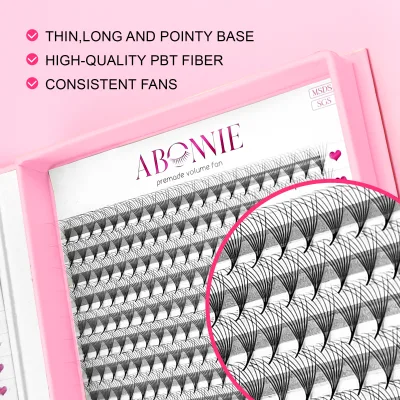
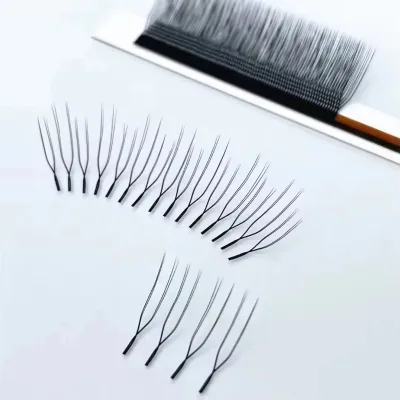
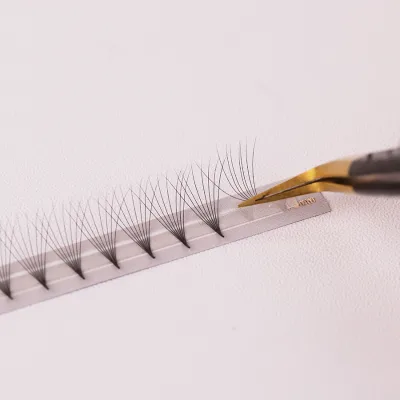
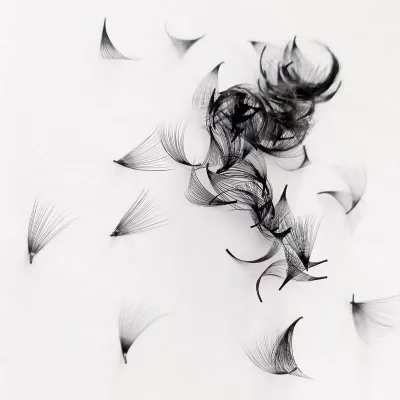
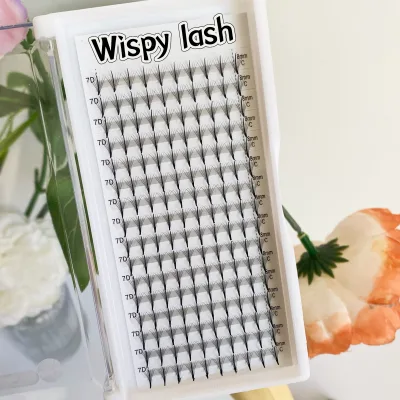
Pointy Base Premade Eyelash Fans are overwhelmingly sourced from China, and the supplier results for this category point to two provinces in particular: Shandong and Liaoning. Shandong appears repeatedly in product-level place-of-origin attributes, which suggests it is a genuine production cluster for handmade lash fans rather than a coincidental listing detail. Liaoning also shows up as a supplier location, giving buyers at least two regional sourcing options within one country. When a results page does not reveal cluster locations, buyers can identify them by reading the "Place of Origin" attribute on individual listings, noting where multiple independent sellers converge, and confirming that convergence through samples rather than trusting a single listing claim.
Supplier types in this category split between trading companies and combined trading-company-plus-manufacturer operations. A pure trading company typically lists broad assortments—individual lashes, flat extensions, easy fans, premade volume fans, and tools—and may outsource production, so its value lies in consolidation and communication rather than factory control. A manufacturer-hybrid usually offers OEM and ODM services directly, which matters for private-label buyers who need custom packaging boxes and logo application. Neither structure is inherently superior; the deciding factor is whether the entity you contract with actually controls the hand-tying, heat-bonding, and quality inspection steps that determine pointy-base consistency.
How to Verify Pointy Base Premade Eyelash Fans Suppliers
Verification starts with the platform's own third-party signals. Some listings in this category display system certifications such as CE and CPNP, while others show BSCI, ISO 9001, and ISO 14001. Independent verification bodies also differ: TÜV Rheinland and BV (Bureau Veritas) have both assessed suppliers in these results. These labels are not interchangeable—CE and CPNP speak to product compliance for certain markets, while BSCI and the ISO standards relate to social compliance and management systems. Confirm which label the supplier actually holds, ask for the certificate number, and check scope and expiry rather than assuming a badge on a profile covers the specific fan product you are buying.
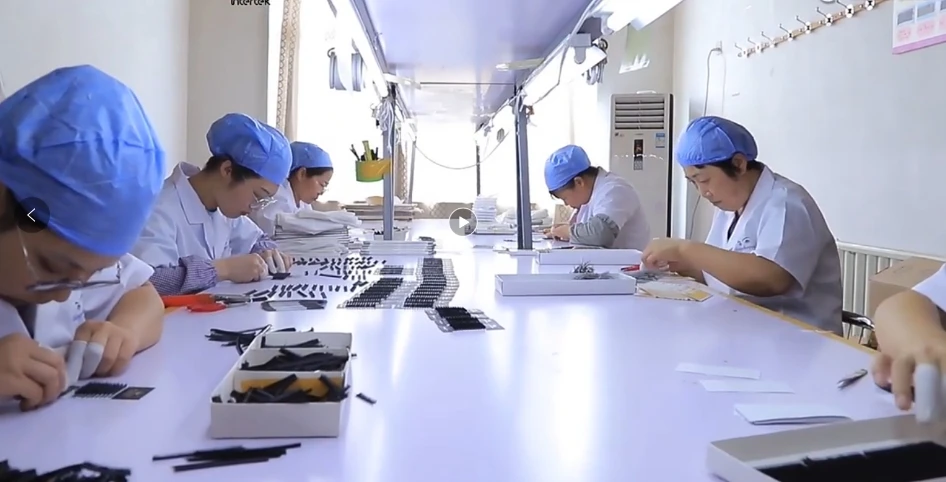
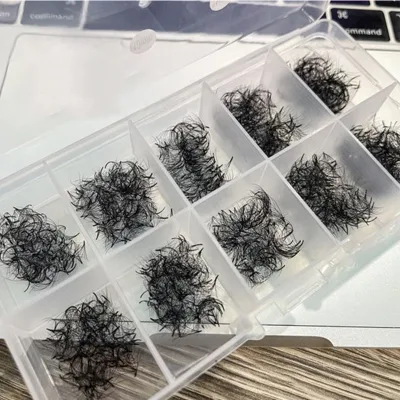
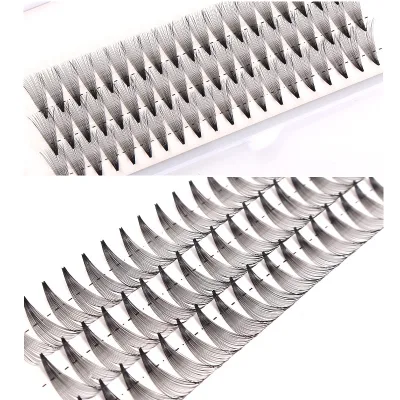
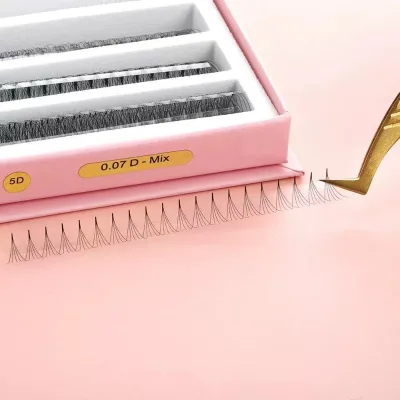
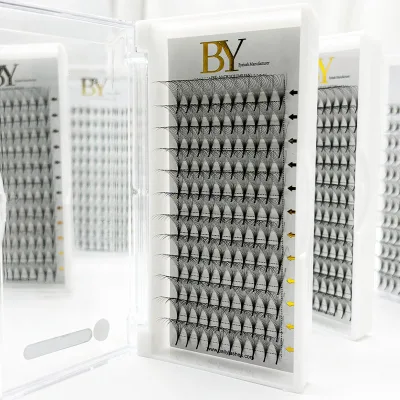
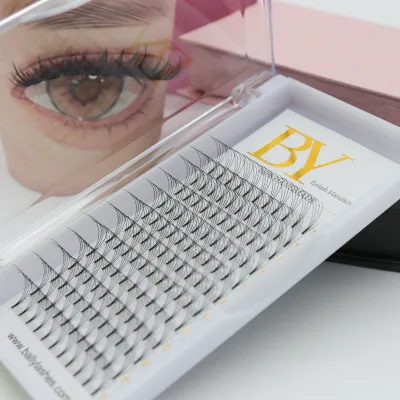
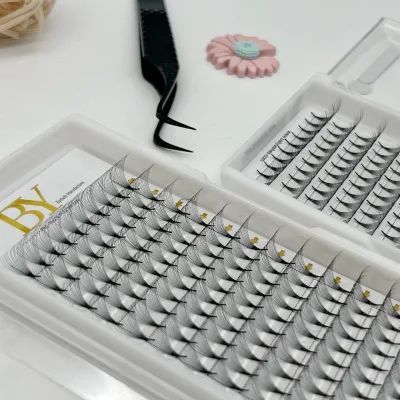
Beyond documents, verification should be physical and process-based. Because these fans are described as handmade and heat-bonded, consistency depends on worker skill, so request samples from the exact tray specification—thickness, curl, and length mix—you intend to order, then inspect base pointiness, fan symmetry, and adhesive smell under magnification. Ask the supplier to describe their in-line inspection for loose or split bases, and whether sample processing and customized-on-demand production are handled in-house. Cross-check the stated place of origin (for example, Shandong in several listings) against business license information, and confirm that the company type—trading company or factory—matches what the certificate holder claims, since a certificate belonging to an unrelated factory offers you little protection.
What to Compare Across Pointy Base Premade Eyelash Fans Suppliers
Build a comparison sheet from the attributes these listings actually display, while remembering that not every supplier shows every field. Quantitative dimensions visible in current results include lead time (one listing states 3 days, another 15 days—a fivefold difference that changes your reorder planning), average response time (figures such as 2 hours versus roughly 4.76 hours appear), and per-tray pricing, where listed ranges span roughly $1.90–$3.20 and $2.20–$3.63 on one end and $4.29–$5.90 for a 320-fan pack on the other. MOQ is displayed on at least one listing as low as 5 units, so a supplier who demands far more without justification deserves scrutiny.
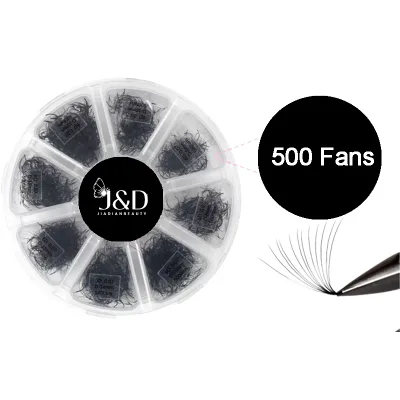
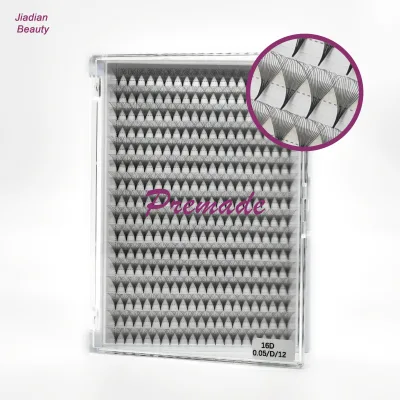
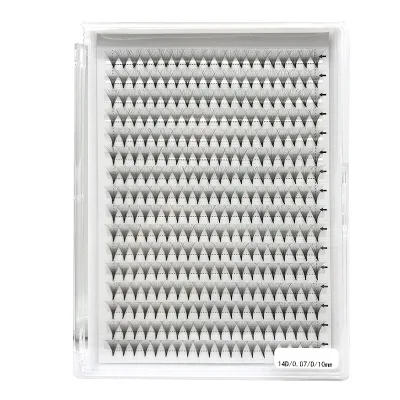
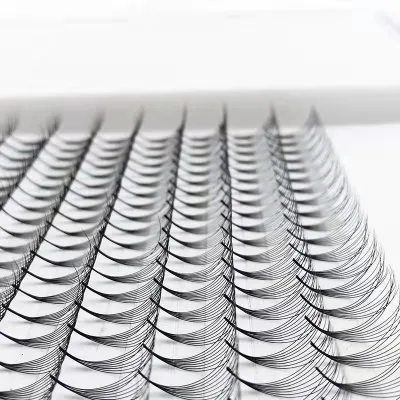
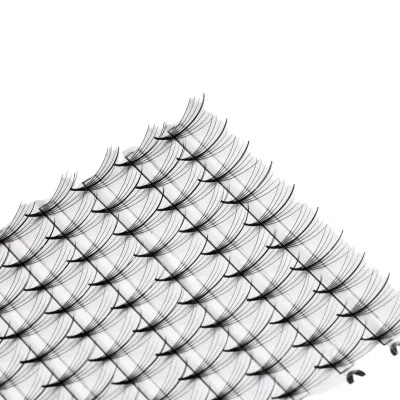
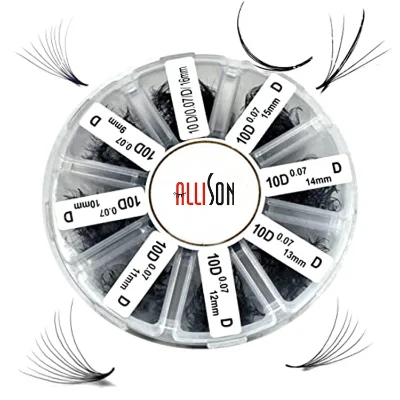
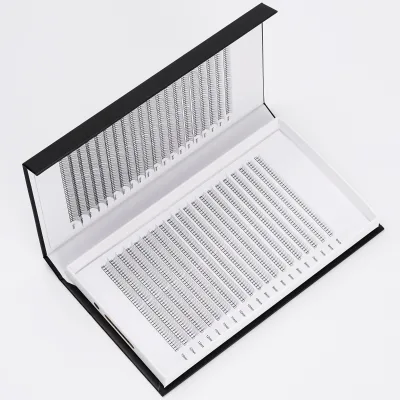
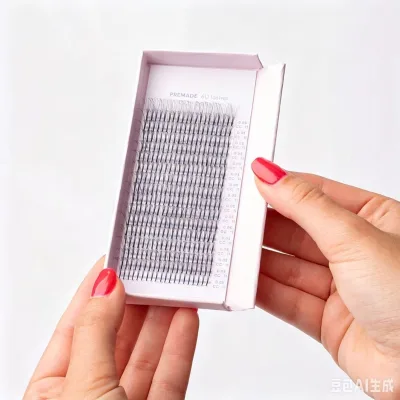
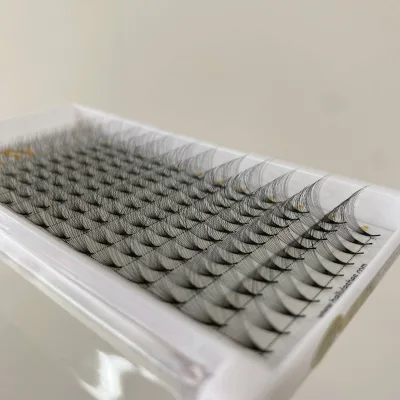
Qualitative dimensions matter just as much. Compare product specifications side by side: material (silk, mink, faux mink, or PBT synthetic fiber), thickness options (listings range from 0.03mm up to 0.25mm), curl options (C, D, plus CC and L in some listings), length coverage (8–15mm standard, with one listing advertising 6–25mm and custom lengths up to 20mm), and row counts (12 rows standard, 320- or 500-fan packs elsewhere). Also compare customization scope—logo lash cards, custom packaging boxes, and stated OEM/ODM service—along with main-product breadth (extensions, adhesives, shampoos, tweezers) that indicates whether one supplier can consolidate your full order.
Common Pointy Base Premade Eyelash Fans Sourcing Risks
The most common quality risk in this category is base inconsistency in a handmade product. Heat-bonded pointy bases can come out thick, split, or crumbly if bonding temperature and worker technique vary, and because fans are tied by hand, tray-to-tray variation is realistic even from the same supplier. Listing attributes also reveal specification ambiguity risks: one product lists thicknesses of 0.03 through 0.25mm and curls including CC and L, while another narrows to 0.03–0.07mm and C/D only. If your purchase order simply says "0.05 premade fans" without confirming curl, stem length, and fan density, you may receive a technically correct but commercially wrong product.
Commercial risks cluster around pricing structures and customization fees. One listing carries an explicit clause that its price applies only to a 320-fan pack, with a different price for the 500-fan version—buyers who skip such clauses routinely experience invoice surprises. Logo and packaging customization may carry separate stated fees (one listing shows numeric figures for customized logos and packaging boxes), and a "random" back-card policy means branded cards are not automatic. Finally, because the supplier mix includes trading companies, there is a transparency risk about who actually manufactures your fans; if a trading intermediary changes factories between orders without disclosure, your approved sample may no longer represent production output.
Pointy Base Premade Eyelash Fans Regional Sourcing and Logistics
Regionally, the evidence supports China as the sourcing base, with Shandong repeatedly named in product place-of-origin attributes and Liaoning appearing as a supplier location. Shandong's repeated appearance across multiple independent listings—each describing handmade fans, 12-row trays, and customizable logo cards—makes it the practical first stop for sample comparison. Buyers who cannot verify a cluster from listing data should triangulate: filter by stated origin, count how many unrelated sellers cite the same province, and weigh that convergence alongside verified status. Regional choice also affects what you can realistically audit; some factories accept visits while some trading companies arrange them on your behalf, so ask early what an on-site inspection would involve.
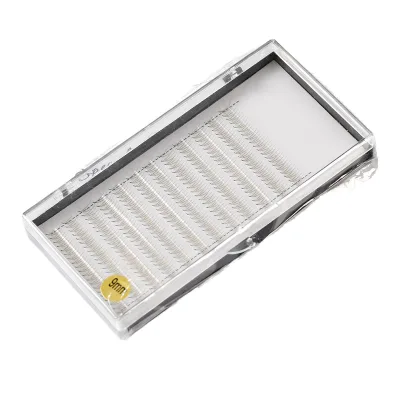
Logistically, these products are lightweight and small-boxed—listed single-package dimensions run around 12×6×2cm to 15×8×2cm with gross weights near 0.04–0.08kg per unit—which favors express air shipment and keeps sample costs low. One listing explicitly names DHL, UPS, and e-packet as transport methods, and lead times displayed range from 3 days to 15 days depending on the supplier, so align the shipping mode with your lead-time requirement rather than assuming express speed from every seller. Confirm whether the quoted lead time covers customization (printed cards, branded boxes) or only stock goods, since printed packaging typically extends production. Also verify export documentation—commercial invoice, packing list, and any market-specific compliance paperwork—before your first shipment rather than at customs.
Pointy Base Premade Eyelash Fans Commercial Terms and Order Planning
Order planning should begin with a two-sample strategy: one sample of the supplier's standard specification and one of your customized version (logo card, branded box), since customization carries its own stated fees and turnaround in several listings. Note how MOQ and price interact—current evidence shows a listing with an MOQ of just 5 units priced per tray, and others pricing per 320-fan or 500-fan pack with explicit clauses about which configuration the quoted price covers. Lock your specification sheet to exact thickness (for example 0.05 or 0.07mm), curl (C, D, CC, or L), length mix, stem type, and fan count per pack before agreeing on price, because these variables drive cost.
On payment terms, displayed options in this category include PayPal, T/T, Western Union, and credit card. Each carries different protection profiles—card and escrow-style payments give stronger recourse than direct wire transfer—so choose the instrument that matches your risk tolerance and order size, and keep first orders small enough that a quality failure is recoverable. Plan reorders against the supplier's stated lead time and response time: a supplier quoting a 3-day lead time can support lean replenishment, while a 15-day lead time requires safety stock, especially if customized packaging adds production days. Finally, retain approved samples from each production batch, dated and labeled, so any dispute about base quality, curl, or density can be resolved against a physical reference rather than memory.
Word count check: sections run approximately 229, 231, 234, 226, 229, and 232 words — total ≈1381 words. All six headings match required forms, two paragraphs each, no supplier or marketplace names, no fixed counts.
FAQs
What is the price range for Pointy Base Premade Eyelash Fans?
Prices typically range from $1.90 to $5.90 per unit depending on the specific product configuration and order volume. Buyers should note that some listings specify pricing for bulk quantities, such as $8.90 for 500 fans. Always verify the exact unit price and minimum order quantity requirements with the supplier before finalizing a purchase agreement.
What materials are used for these eyelash extensions?
Manufacturers commonly use synthetic hair, silk, faux mink, and PBT materials for pointy base premade fans. The specific material choice affects the texture, durability, and finish of the lashes. Buyers can select from options like natural black matte or customized colors based on their client preferences and brand requirements for the final product.
What are the typical lead times for these orders?
Lead times vary significantly among suppliers, ranging from 3 days to 15 days for production. Some trading companies offer faster turnaround times for sample processing or smaller batches. Buyers should confirm the exact production schedule with the supplier, as lead times depend on order volume, customization needs, and current factory capacity.
What is the minimum order quantity for premade fans?
Minimum order quantities generally start at 5 units for some suppliers, while others require higher thresholds for customization services. For example, custom logo packaging may require a minimum of 50 or 100 units. Buyers should check the specific MOQ for the desired product style and whether they want standard or customized packaging options.
Are these suppliers verified for quality and safety?
Many suppliers hold verification from agencies like TÜV Rheinland and Bureau Veritas. Certifications such as CE, CPNP, BSCI, ISO 9001, and ISO 14001 are also common among manufacturers. Buyers should review the specific verification status and certification documents provided by each supplier to ensure compliance with international safety and quality standards.
Can I customize the packaging and branding?
Yes, most suppliers offer OEM and ODM services for packaging boxes and brand logos. Customization options include adding customer logos to lash cards or packaging boxes, with minimum order quantities often applying to these services. Buyers should discuss their specific branding requirements and design files with the supplier to ensure accurate production and delivery.