Pointback Sew On Crystal Beads Suppliers and Manufacturers
Compare 22 verified suppliers offering Pointback Sew On Crystal Beads with details on location, lead times, and MOQ. Review product attributes like material and facets to select the right vendor for your garment or accessory needs; review the available evidence before requesting comparable quotations from suitable candidates.
Suppliers List
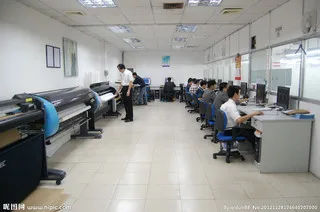
Shenzhen Crystal Magia Garment Accessory Co., Ltd.
- Trading Company
- Guangdong, China
- Lead time4 days
- Avg. response≤ 3h
Main productsrhinestone,acrylic stone,DTF transfer,rhinestone motif,resin stone
Main marketsCentral America(15.00%), Eastern Europe(15.00%), Western Europe(15.00%), North America(15.00%), South America(10.00%), Northern Europe(10.00%), Southeast Asia(5.00%), Oceania(5.00%), Southern Europe(5.00%), Mid East(2.00%), Africa(2.00%)
Guangzhou Rhines Int'l Trade Ltd.
- Manufacturer, Trading Company
- Guangdong, China
- Lead time5 days
- Avg. response≤ 6h
Main productsHot fix Rhinestone,flat back rhinestone,crystal sticker,sew on rhinestone,rhinestone trimming
Main marketsNorth America(22.60%), Domestic Market(15.00%), Western Europe(12.80%), South America(11.60%), Eastern Europe(7.69%), Mid East(7.10%), Northern Europe(5.22%), Eastern Asia(3.60%), Southern Europe(3.49%), Southeast Asia(3.30%), Central America(3.20%), South Asia(2.20%), Oceania(1.28%), Africa(0.92%)
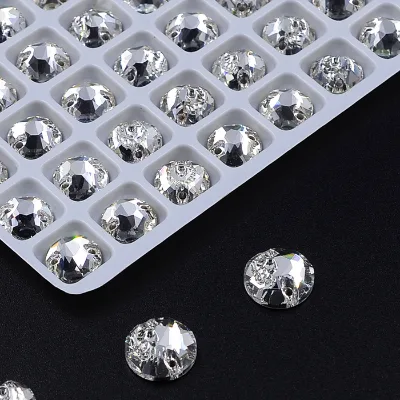
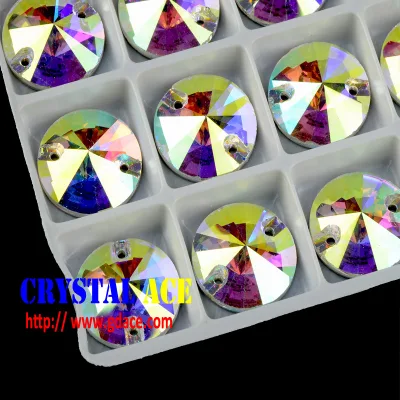
Wholesale CrystalAB Aurora Boreale Crystal AB Sew-on Rhinestone Crystals
$12.48 - $58.70
MOQ: 1 Minimum
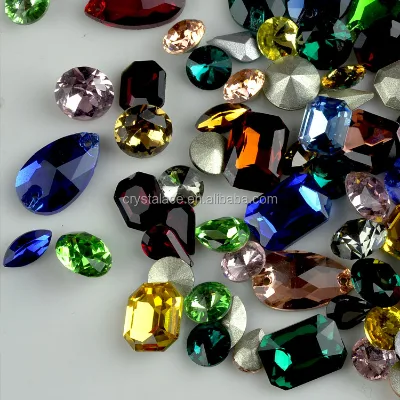
Fancy Glass Stone, Point Back Crystal Colorful Stones, Crystal Rhinestone in China
$0.05 - $0.29
MOQ: 1 Minimum
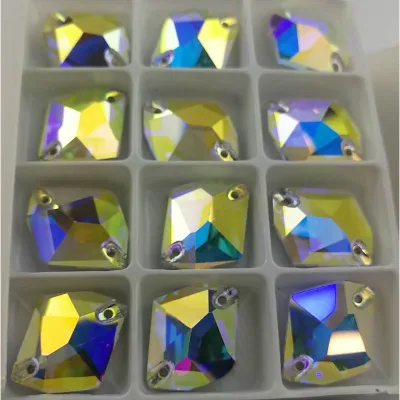
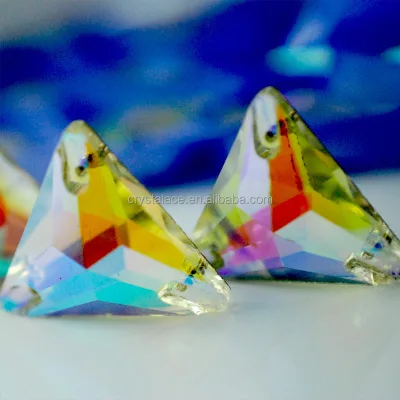
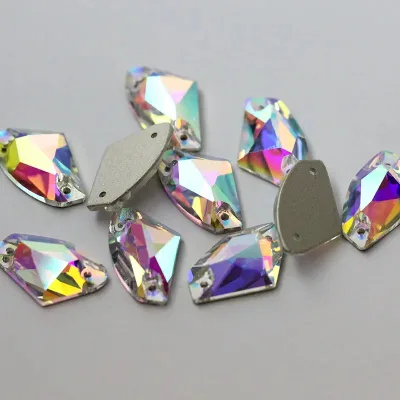
Best Quality 16X21mm Crystal AB Sew on Cosmic Glass Rhinestones for Bags Garments Hats Apparel
$17.38 - $22.52
MOQ: 3 Minimum
Hubei Jingcan Glass Products Co., Ltd.
- Verified by TüVRheinland
- Manufacturer, Trading Company
- Lead time0 days
- Avg. response≤ 5h
Main productsGlass Product, Garment Accessories, Jewelry, Jewelry Accessories
Main marketsCentral America(25%), North America(20%), South America(15%)
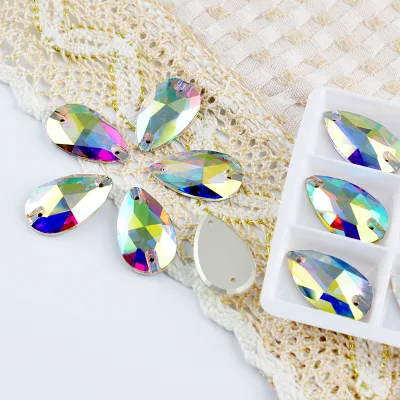
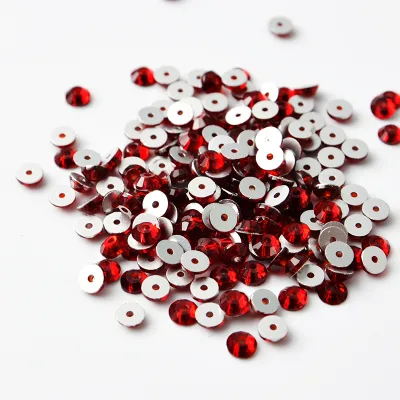
AAA Grade Color Siam Lochrose Crystal Sew on Rhinestone Embroidery Beads
$8.97 - $9.99
MOQ: 20 Minimum
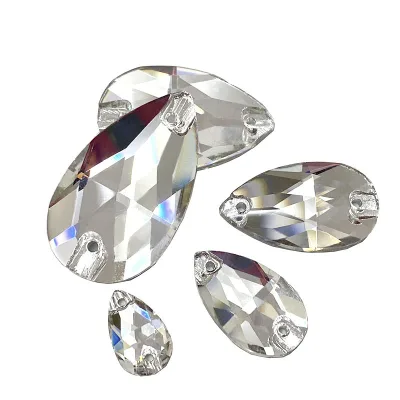
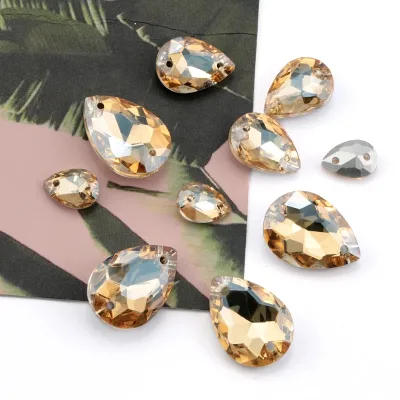
7*12/10.5*18/13*22mm Drop Garment Decoration Flatback Two-hole Beads Crystal Sew on Rhinestones
$0.32 - $0.99
MOQ: 20 Minimum
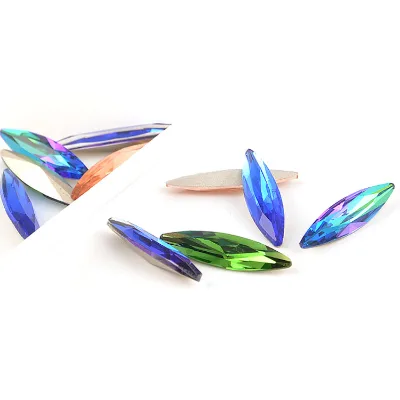
Guangzhou Jingpin Garment Accessory Co., Ltd.
- Verified by SGS Group
- Manufacturer, Trading Company
- Lead time3 days
- Avg. response≤ 1h
Main productsCrystal Rhinestone, Sew On Stone, Rhinestone Trimming, Customized Stone Transfer Design, Rhinestone Applique
Main marketsNorth America(30%), Oceania(15%), Eastern Europe(10%)

Guangzhou JingPin Garment Accessory Co., Ltd.
- Verified by BV
- Trading Company
- China Guangdong
- Lead time15 days
- Avg. response≤ 3h
Main productsHot Fix Rhinestone Iron on Crystal, Hot Fix Rhinestuds Octagon Studs, Heat Transfer Motifs Iron on Motifs, Strass Motifs Heat Transfer Motifs, Iron on Studs Dome Studs Metallic Stud, Cup Chain Rhinestone Mesh Trimming Stone, Point Back Rhinestones DMC Rhinestones, Lead Free Rhinestones, DMC Rhinestone Epoxy Stone Hot Fix Epoxy, Nailheads Hotfix Hot Fix Nailheads
Main marketsSouth America,Africa,Southeast Asia/ Mideast,East Asia(Japan/ South Korea),Europe,Australia,North America

8mm Crystal Ab Rivoli Flatback Rhinestone Sew-on Beads for Garments Accessories
$62.99 - $65.95
MOQ: 5 Box

High Quality Sew on Glass Beads Crystal Rhinestone Beads for Garment and Accessories
$0.08 - $0.17
MOQ: 7560 PCS


Kingswick Technology Group Limited
- Trading Company,Manufacturer/Factory,Group Corporation,Other
- China Guangdong
- Lead time15 days
- Avg. response≤ 17h
Main productsHotfix Rhinestones, Nail Rhinestones, Flat Back Rhinestones, Sew on Rhinestones, Hot Fix Rhinestone Machines, Rhinestone Appliques, Glass Crystal Beads, Rhinestone Ribbons, Jewelry Beads, Pearl Beads
Main marketsSouth America,Eastern Europe,Mid East,North America,Southeast Asia,Eastern Asia,Oceania,Western Europe,Africa


Kingswick Crystals Cosmic Shape Flatback Sew on Rhinestones Wholesale Non Hotfix Crystal Beads
$0.07 - $0.33
MOQ: 1000 Pieces
Guangzhou Bling&bling Trading Co., Ltd.
- Verified by SGS Group
- Manufacturer, Trading Company
- Guangdong, China
- Lead time15 days
- Avg. response≤ 3h
Main productsShoes Hardware Accessories, Garment Hardware Accessories, Bags Hardware Accessories, Fashion Decorative Hardware Accessories
Main marketsNorth America(30%), Western Europe(20%), Southern Europe(15%)
Tongshan Dashun Crystal Crafts Co., Ltd.
- Verified by TüVRheinland
- Manufacturer, Trading Company
- Lead time0 days
- Avg. response≤ 6h
Main productsPlastic Rhinestone Trimming, Fashion Bracelets, Fashion Necklaces
Main marketsCentral America(23%), North America(22%), South America(15%)

Guangzhou fulfill garment accessories ltd
- Trading Company
- Guangdong, China
- Lead time25 days
- Avg. response≤ 2h
Main productsApparel & Garments, Knitted & Woven Fabric, Lace Trim Fabric, Garment Packaging Kit, Embroidered Patch
Main marketsWestern Europe(16.00%), Eastern Asia(16.00%), Mid East(16.00%), South America(16.00%), North America(16.00%), Domestic Market(4.00%), Oceania(2.00%), South Asia(2.00%), Southern Europe(2.00%), Northern Europe(2.00%), Central America(2.00%), Africa(2.00%), Southeast Asia(2.00%), Eastern Europe(2.00%)
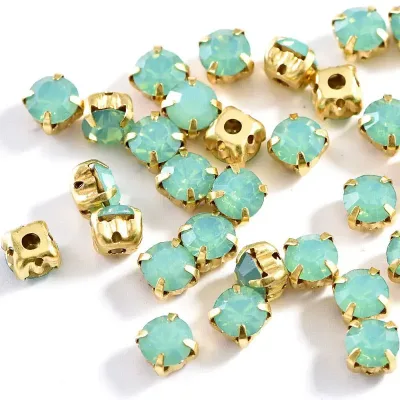
$0.03 - $0.08
MOQ: 500 pieces
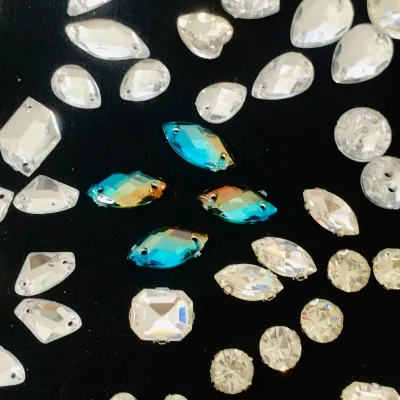
$0.05 - $0.09
MOQ: 500 pieces
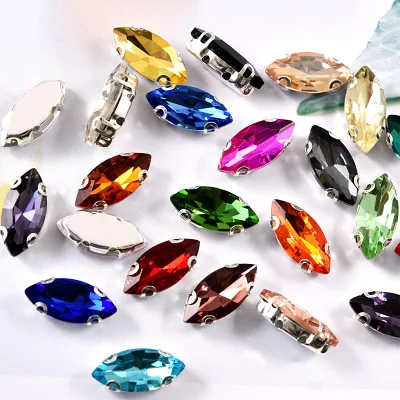
$0.01 - $0.08
MOQ: 500 pieces
Dongguan Topaz Costume Co., Ltd.
- Manufacturer, Trading Company
- Guangdong, China
- Lead time20 days
- Avg. response≤ 6h
Main productsRhinestone Transfer,Iron on Patch,Face Gems Sticker,T Shirts with rhinestone,Sew on Crystal
Main marketsNorth America(72.00%), Western Europe(10.00%), Domestic Market(5.00%), Oceania(4.00%), South America(3.00%), Eastern Europe(3.00%), Mid East(2.00%), Africa(1.00%)
Pujiang Qiaoqiao Crystal Co., Ltd.
- Verified by Intertek
- Manufacturer, Trading Company
- Lead time5 days
- Avg. response≤ 3h
Main productsRhinestone, Nail Art Decoration, Garment Accessories, Jewelry Accessories, Glass Beads
Main marketsNorth America(65%), Western Europe(11%), South Asia(7%)
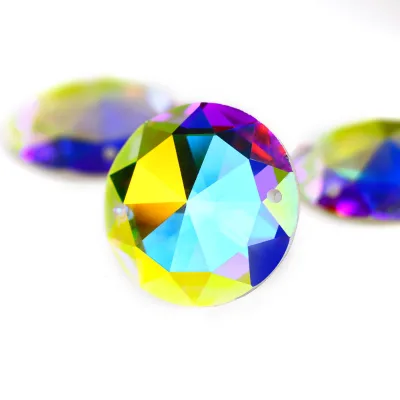
K9 Large Size Crystal Flat Back Round 25mm Sew on Crystal Rhinestones for Clothing Making
$1.67 - $3.44
MOQ: 4 Minimum
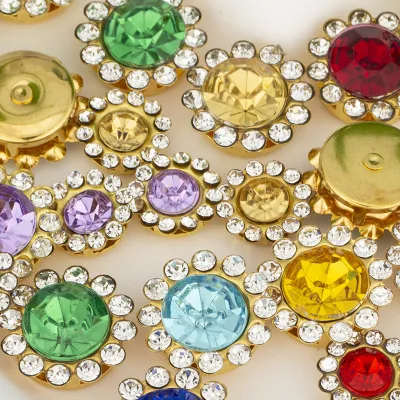
Crystal Rhinestone Sew on Sunflower Bead 10mm 2 Layers Saphire Siam Sew on Rhinestones
$2.85 - $2.91
MOQ: 100 bags
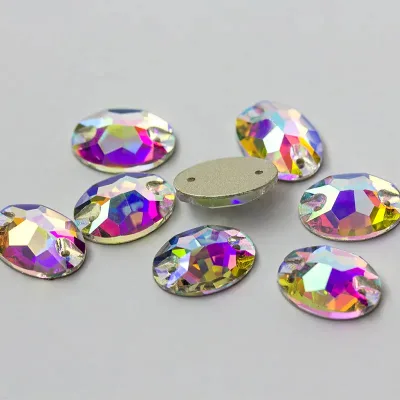
Guangzhou Fucun Garment Accessories Co., Ltd.
- Manufacturer, Trading Company
- Lead time旺季: "1 - 100":80,"> 100":"To be negotiated", 淡季: "1 - 100":80,"> 100":"To be negotiated"
- Avg. response≤ 4h
Main productsGarments Accessories, Festive & Party Supplies
Pujiang County Dongzhou Crystal Co., Ltd.
- Verified by TüVRheinland
- Manufacturer, Trading Company
- Lead time15 days
- Avg. response≤ 9h
Main productsCrystal Fancy Stone, Crystal Sew On Stone, Crystal Flat Back Stone, Crystal Hotfix Rhinestone, Crystal Non-hotfix Rhinestone
Main marketsDomestic Market(25%), South America(20%), Northern Europe(20%)
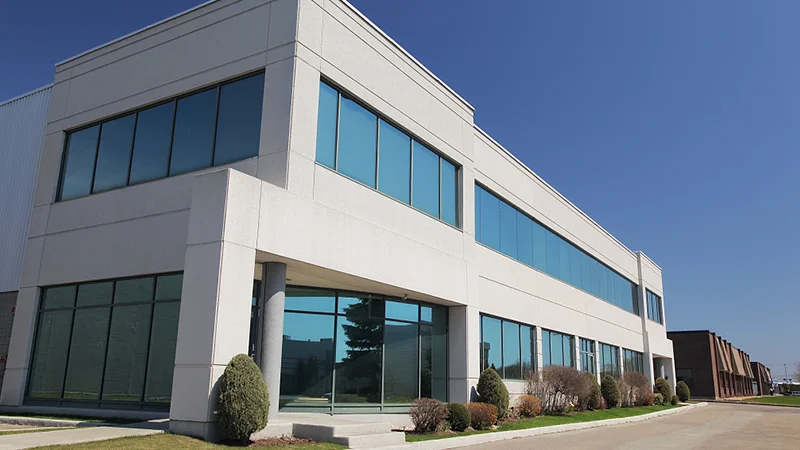
- Trading Company
- Zhejiang, China
- Lead time10 days
- Avg. response≤ 8h
Main productsRhinestones, Rhinestones Chain
Main marketsNorth America(80.00%), Western Europe(10.00%), Oceania(5.00%), Eastern Asia(5.00%)
Harmony Fashion Jewelry Co., Ltd.
- Manufacturer, Trading Company
- Guangdong, China
- Lead time15 days
- Avg. response≤ 6h
Main productsHotfix Stone, Hotfix Transfer, Claw Rhinestone, Crystal Cupchain, Sew On Stone
Main marketsNorth America(15.00%), Western Europe(15.00%), Eastern Asia(10.00%), Southeast Asia(10.00%), South Asia(9.00%), South America(8.00%), Eastern Europe(7.00%), Oceania(6.00%), Southern Europe(5.00%), Central America(5.00%), Northern Europe(4.00%), Mid East(4.00%), Domestic Market(2.00%)
Shenzhen Yawang Trading Co., Ltd.
- Manufacturer, Distributor/Wholesaler
- Guangdong, China
- Lead time3 days
- Avg. response≤ 4h
Main productsrhinestone transfer motif,hot fix rhinestone motif,crystal rhinestone,flat back rhinestone,fancy sew on crystal stone
Main marketsSouth America(20.00%), North America(20.00%), Africa(15.00%), Central America(15.00%), Southeast Asia(10.00%), Eastern Europe(5.00%), Eastern Asia(5.00%), Western Europe(4.00%), South Asia(3.00%), Southern Europe(3.00%)
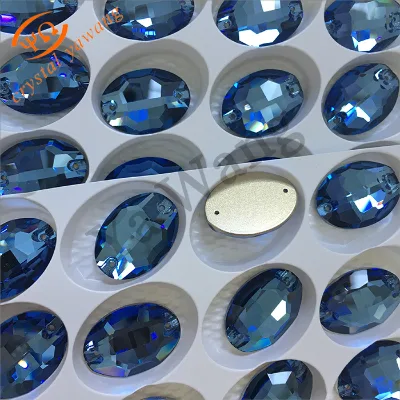
$0.10 - $0.55
MOQ: 1 Minimum
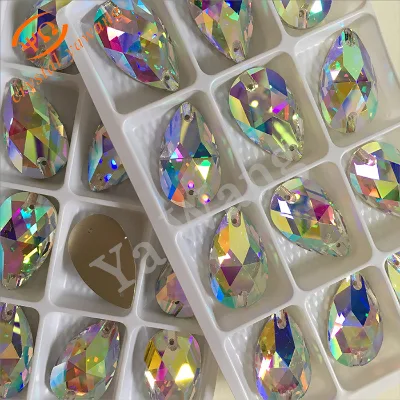
Fancy Water Drop Sew on Rhinestone Crystal AB Sew on Stone for Dance Clothing 17x28mm
$19.85 - $26.36
MOQ: 2 Minimum
Yiwu Jing Can Crystal Co., Ltd.
- Verified by SGS Group
- Manufacturer, Trading Company
- Lead time0 days
- Avg. response≤ 3h
Main productsCrystal Rhinestone, Glass Seed Beads, Clay Beads, Fashion Jewelry, DIY Accessories
Main marketsCentral America(25%), North America(20%), South America(20%)

Brilliant Ocean Trading (Yiwu) Co., Ltd.
- Trading Company
- China Zhejiang
- Lead time30 days
- Avg. response≤ 22h
Main productsCloth Accessories, Glitter Powder, Hand Bag, Jewelry Accessories, Metallic Yarn, Hardware, Party Supplies, Extension Socket, Shopping Bag, Plush Toy
Main marketsSouth America,Southeast Asia/ Mideast
Guangzhou Saijing Glass Products Co., Ltd.
- Verified by TüVRheinland
- Trading Company
- Lead time15 days
- Avg. response≤ 3h
Main productsGlass Beads, Seed Beads, Shells Flower, Seven Chakras, Stone Beads
Main marketsWestern Europe(44%), North America(30%), Southeast Asia(8%)
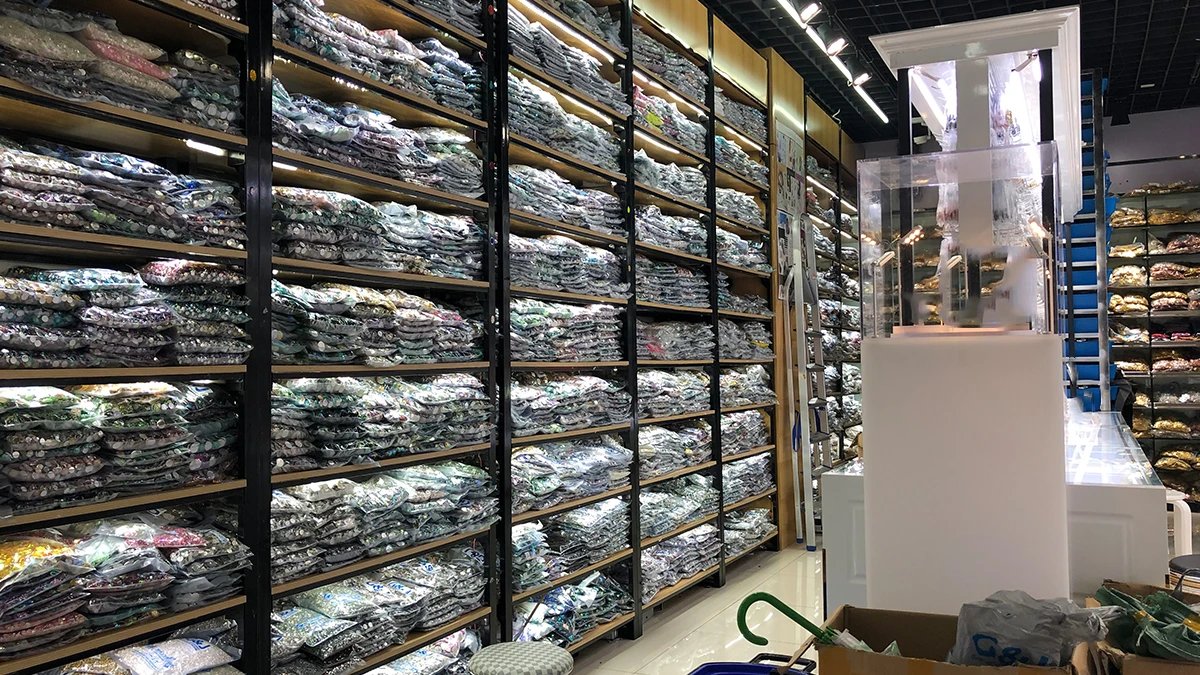
- Trading Company
- Zhejiang, China
- Lead time7 days
- Avg. response≤ 8h
Main productsRhinestones,Clothing Accessories,Jewelry Accessories,Crystals,DIY Accessories
Main marketsNorth America(60.00%), Eastern Europe(30.00%), Eastern Asia(10.00%)
Guangzhou Fuban Garment Accessories Co., Ltd.
- Verified by SGS Group
- Manufacturer, Trading Company
- Lead time7 days
- Avg. response≤ 4h
Main productsGarments Accessories, Festive & Party Supplies
Main marketsNorth America(25%), Western Europe(20%), Oceania(15%)
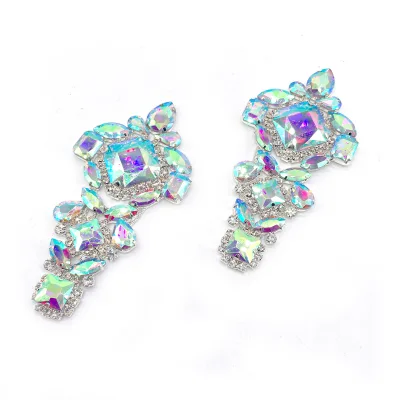
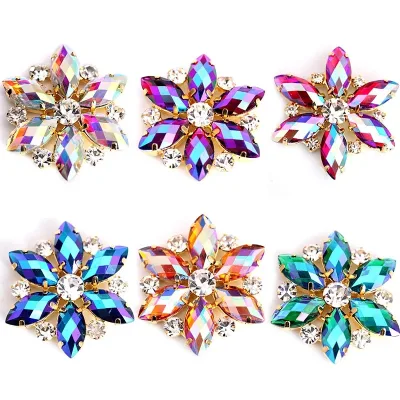
$0.61 - $0.92
MOQ: 100 pieces
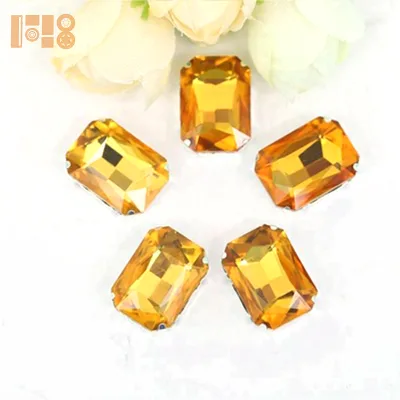
Octangle Clear Crystal Sew on Rhinestones With Claw Glass Stones Sewing for Dresses
$0.06
MOQ: 1500 Minimum
Hangzhou Ever Import And Export Co., Ltd.
- Verified by SGS Group
- Trading Company
- Lead time15 days
- Avg. response≤ 12h
Main productsBling Fashion Products, Bling Car Accessories, Rhinestone Shoes; Rhinestone Mesh; Rhinestone Cup Chain
Main marketsSouth America(34%), North America(30%), Western Europe(15%)
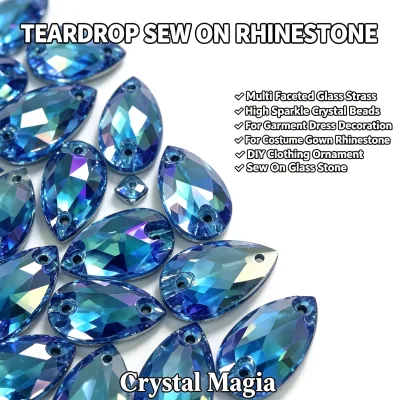
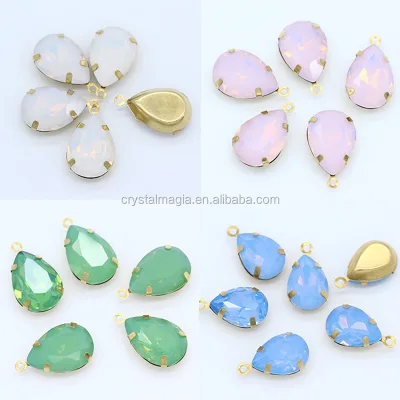
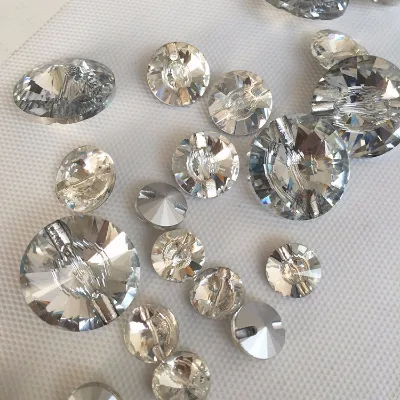
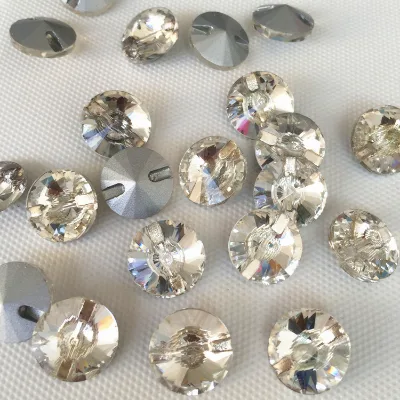
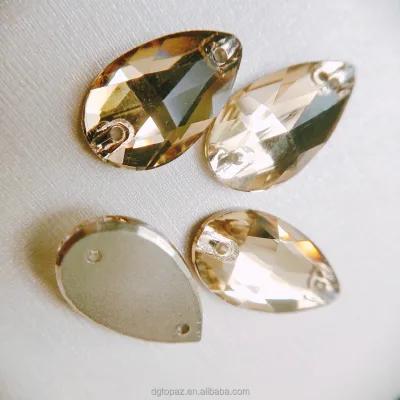
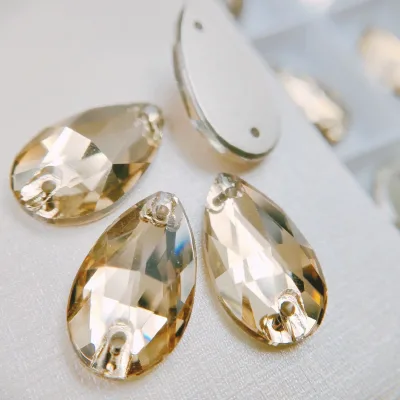
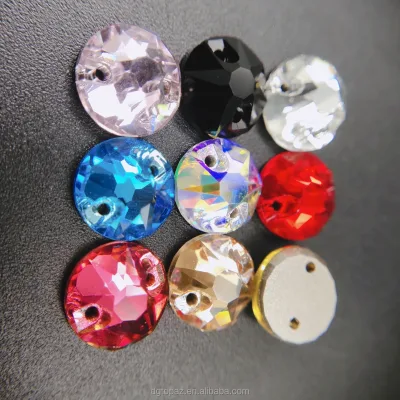
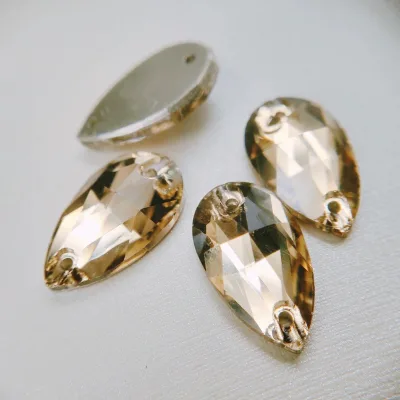
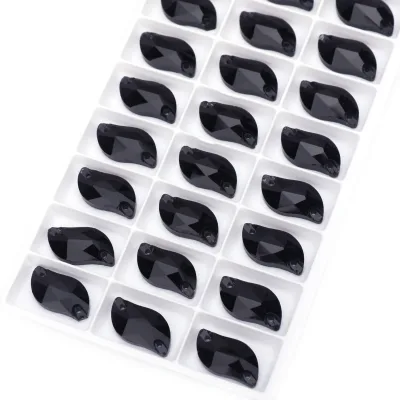
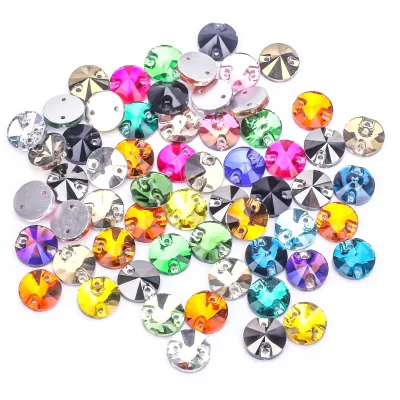
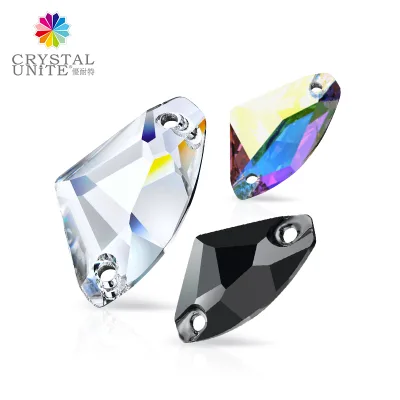
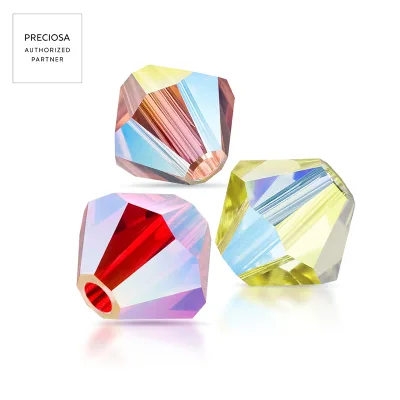


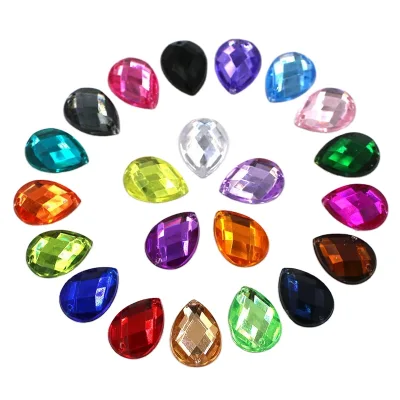
Comprehensive Sourcing Guide
Pointback Sew On Crystal Beads Supplier Concentration and Factory Types
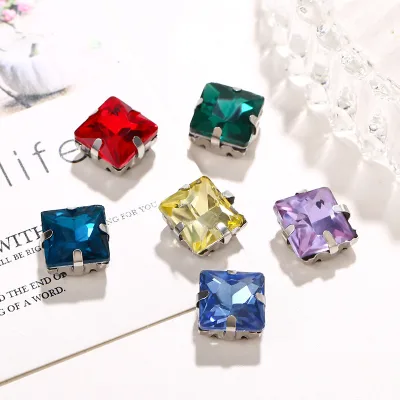
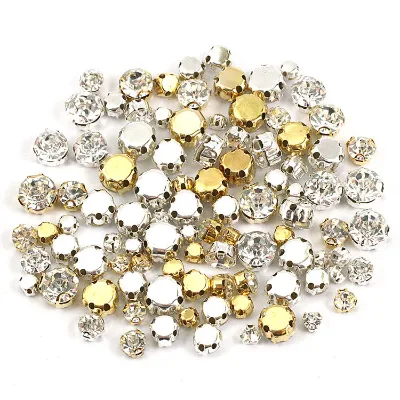
The available data indicates a significant concentration of suppliers operating from Guangdong, China, specifically within the region known for apparel and accessory manufacturing. This location serves as a primary hub for the production of glass-based sewing ornaments, including the specific Pointback Sew On Crystal Beads requested. When evaluating the supplier landscape, it is essential to distinguish between trading companies and manufacturers, as the current results show a mix of both entity types. Trading companies often aggregate products from various factories, while manufacturers may offer direct control over the production process for items like K9 glass rhinestones and acrylic stones.
Buyers should verify the specific company type listed for each potential partner to ensure alignment with their sourcing strategy. Some suppliers in the region are identified as manufacturers, which may imply a direct relationship with the production line for glass sewing beads. Others operate strictly as trading companies, potentially offering a broader range of styles such as DTF transfers or resin stones alongside the core crystal products. Understanding this distinction helps in assessing whether the supplier can provide custom technical specifications or if they are primarily reselling existing inventory from the Guangdong cluster.
How to Verify Pointback Sew On Crystal Beads Suppliers
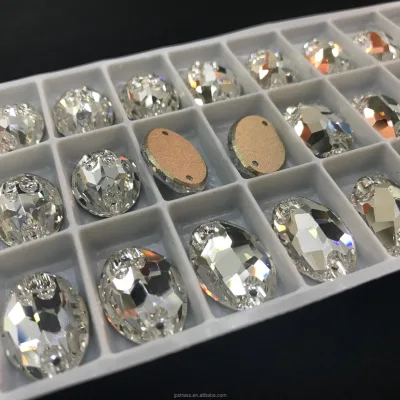
Verification begins with scrutinizing the product attributes provided in the supplier listings, particularly the material composition and technical specifications. The evidence shows that some products are explicitly defined as glass, while others may list acrylic or resin as materials. Buyers must confirm that the specific Pointback Sew On Crystal Beads they require are made from the intended material, such as glass, to ensure the desired clarity and weight. Additionally, checking the "Hot Fix" status is crucial, as some listings specify "non hot fix," indicating a sewing-only application which aligns with the pointback requirement.
Response time and lead time data serve as critical indicators of supplier reliability and operational efficiency. Current observations suggest response times can vary, with some suppliers indicating a three-day window while others may take longer. Lead times for sample orders and bulk production also differ, with some suppliers supporting seven-day sample turnaround and others citing specific working day estimates. Buyers should request proof of these timelines through direct communication before placing an order, ensuring the supplier can meet the required schedule for garment or accessory decoration projects.
What to Compare Across Pointback Sew On Crystal Beads Suppliers
When comparing potential partners, the minimum order quantity (MOQ) is a primary differentiator that affects inventory planning and cash flow. The data reveals a range of MOQs, with some suppliers requiring 100 pieces per color and size, while others may accept orders as low as a single bag per color. This variation allows buyers to select partners that match their volume needs, whether they are testing a new design with a small batch or preparing for large-scale garment production. It is vital to confirm the exact unit definition, such as whether the MOQ applies to individual stones or pre-packaged bags containing 500 pieces.
Pricing structures and supply capabilities also require careful comparison to determine the best value proposition. Price ranges observed in the results vary significantly, with some items listed between 0.20 and 0.35 units of currency, while others range from 1.00 to 10.00 depending on size and complexity. Suppliers with higher supply abilities, such as those capable of delivering 10,000 bags per day, may be better suited for urgent, large-volume orders. Buyers should analyze the price per unit against the stated supply ability and lead time to ensure the commercial terms support their specific production timeline and budget constraints.
Common Pointback Sew On Crystal Beads Sourcing Risks
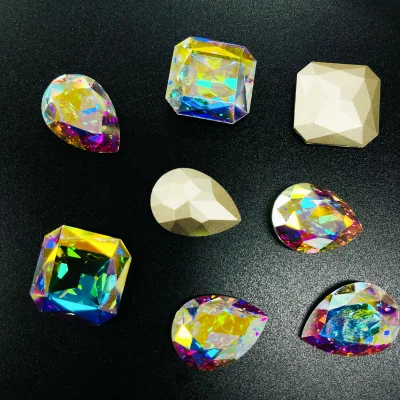
One significant risk involves the inconsistency of material claims across different product listings. While some products are explicitly labeled as glass, others may list acrylic or resin, which can lead to confusion regarding the final product quality and appearance. Buyers must verify the material specification for every order to ensure the beads are truly glass and not a lower-cost alternative that might lack the necessary facets or durability. This verification is essential because the visual impact of Pointback Sew On Crystal Beads relies heavily on the refractive properties of the glass material used.
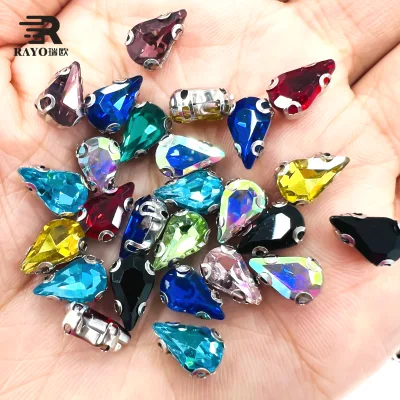
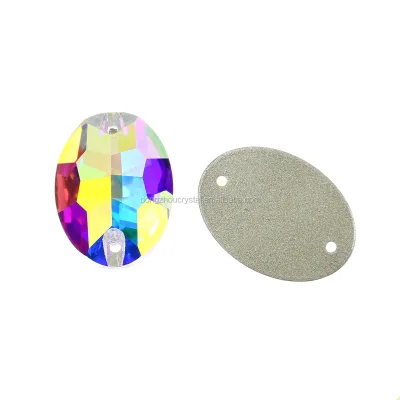
Another risk relates to the variability in technical features such as hole configuration and back-side treatment. Some listings specify two holes for sewing, while others may offer different configurations or silver foiled backs. If a buyer requires a specific sewing method, such as sewing with a claw or using a flatback style, failing to confirm these details can result in products that are incompatible with their manufacturing equipment. Additionally, the lack of standardized certifications in the provided data means buyers must independently verify that the products meet safety standards, such as being non-PVC and lead-free, before integrating them into consumer goods.
Pointback Sew On Crystal Beads Regional Sourcing and Logistics
The concentration of suppliers in Guangdong, China, offers logistical advantages but also requires specific attention to shipping protocols. Most suppliers in this region utilize Shenzhen as the port of dispatch, which is a major hub for international trade. Buyers should confirm the specific port of origin for each supplier to accurately calculate shipping costs and transit times. Understanding the logistics chain from the factory floor in Guangdong to the final destination is critical for managing inventory levels and ensuring timely delivery for seasonal fashion collections or event-based garment production.
Lead time estimates provided by suppliers must be integrated into the overall logistics planning to avoid delays. While some suppliers claim a lead time of three working days for samples, bulk production may take longer, and this duration can vary based on the complexity of the order. Buyers should account for potential customs clearance times and inland transportation from the port of dispatch to their warehouse. Establishing a clear timeline that includes production, shipping, and customs processing is necessary to maintain a smooth supply chain and prevent stockouts during critical production periods.
Pointback Sew On Crystal Beads Commercial Terms and Order Planning
Commercial terms regarding payment and order flexibility are essential for managing risk and ensuring a successful partnership. The data indicates that some suppliers support sample orders with a seven-day lead time, which is beneficial for quality verification before committing to large volumes. Buyers should clarify the payment terms for both samples and bulk orders, ensuring that the supplier offers secure transaction methods that protect their financial interests. Understanding the specific conditions for sample orders, such as whether they are free or paid, helps in budgeting for the initial sourcing phase.
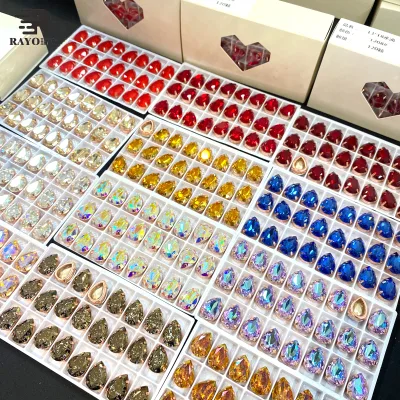
Order planning must also consider the specific product attributes and packaging details provided by the supplier. Packaging details, such as 100 pieces per box or 500 pieces per bag, directly impact how the inventory is stored and managed upon arrival. Buyers should align their internal storage capabilities with the supplier's packaging standards to minimize handling costs and reduce the risk of damage during transit. Furthermore, confirming the available color charts and size options, such as 8mm, 10mm, or 12mm, ensures that the ordered inventory matches the design requirements for the intended application, whether it is for bags, garments, or shoes.
FAQs
What is the minimum order quantity for sew on crystal beads?
The minimum order quantity varies by supplier and product style. Some suppliers require a minimum of 100 pieces per color and size, while others accept orders starting from just one bag per color and size. Buyers should check the specific product listing to confirm the exact MOQ before placing an order.
What materials are used for Pointback Sew On Crystal Beads?
These beads are primarily made from glass, crystal, acrylic, or resin. High-quality options often use K9 glass or clear glass with silver foiling on the back. Some listings specify non-PVC and lead-free materials for safety. Buyers should verify the material composition in the product attributes to ensure it meets their quality standards.
How long does it take to produce sew on rhinestones?
Production lead times typically range from three to five working days for standard orders. Some suppliers offer sample orders with a lead time of seven days. Bulk production may take slightly longer depending on the quantity and customization requirements. Buyers should confirm the exact lead time with the supplier before finalizing the purchase.
Where are these crystal beads manufactured?
Most suppliers manufacturing these beads are located in Guangdong, China. The port of dispatch is often Shenzhen. This region is known for its extensive supply chain for apparel accessories and rhinestones. Buyers can verify the specific place of origin listed in the product details to ensure it aligns with their sourcing preferences.
What shapes are available for sew on crystal beads?
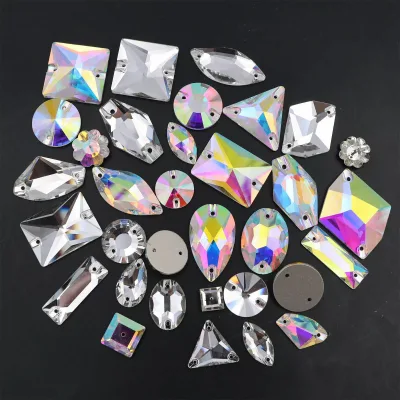
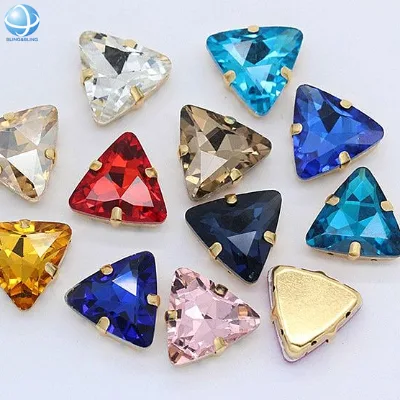
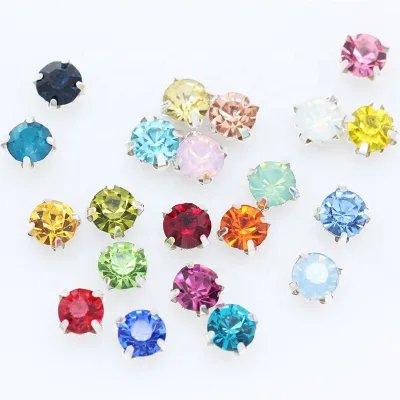
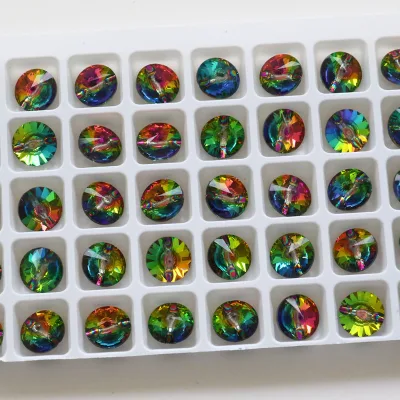
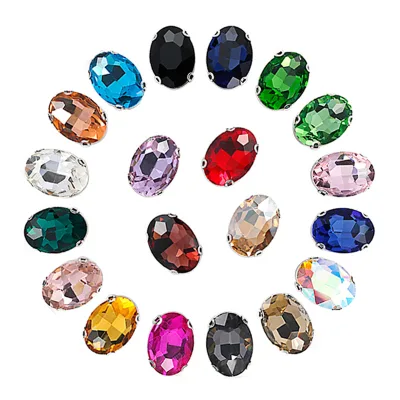
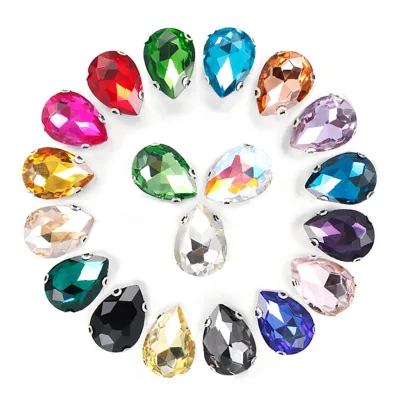
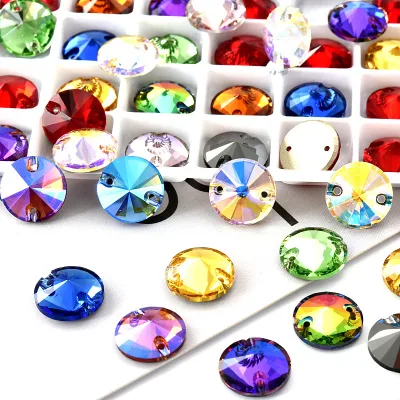
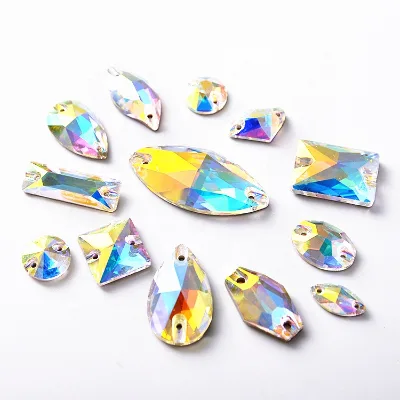
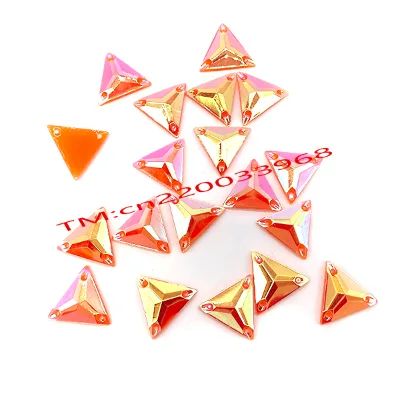
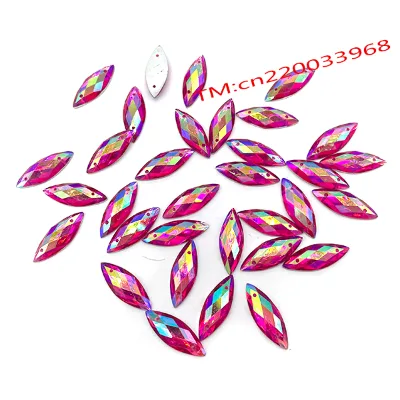
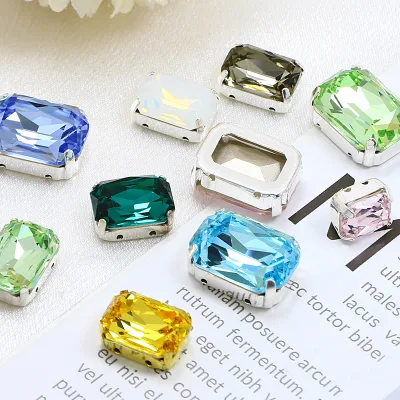
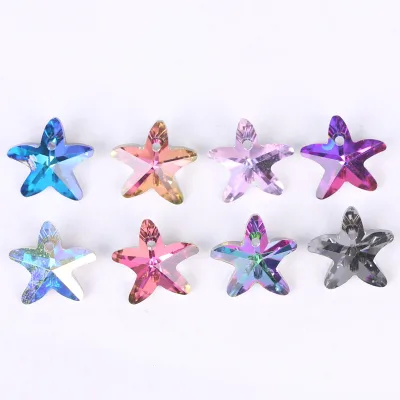
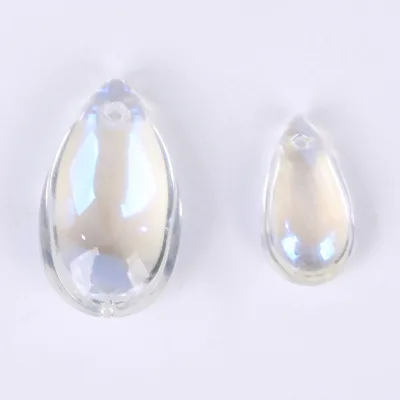
Available shapes include round, drop, teardrop, rectangle, triangle, heart, rivoli, oval, and square. Some suppliers also offer pearl and flower shapes. The facets usually range from twelve to multi-cut designs. Buyers can choose from various sizes, such as 8mm, 10mm, or 12mm, depending on their design needs.
What is the price range for wholesale sew on beads?
Prices vary based on material, size, and quantity. Basic glass sew on beads can range from $0.20 to $0.35 per piece. Premium crystal or larger beads may cost between $1.00 and $10.00 per piece. Buyers should request a quote for their specific quantity and color requirements to get an accurate price.
Can I get samples before placing a bulk order?
Yes, many suppliers support sample orders for quality verification. Some offer samples within seven days, while others may have different sample policies. Buyers should check if the supplier provides free samples or charges a fee. Confirming sample availability and lead time is essential before committing to a large bulk order.