Polarized Photochromic Sunglasses Suppliers and Manufacturers
Explore 19 verified suppliers offering Polarized Photochromic Sunglasses with varying lead times, certifications, and response speeds. Compare dimensions like location, MOQ, and customization options to find the right partner. Contact suppliers directly to request quotes; review the available evidence before requesting comparable quotations from suitable candidates.
Suppliers List

- Verified by TUVRHEINLAND
- Trading Company,Manufacturer/Factory
- China Jiangsu
- Lead time23 days
- Avg. response≤ 5h
Main productsMedal, Coin, Lapel Pin, PVC Patch, Embroidery Patch, Keychain, Button Badge, Silicone Wristband, Lanyards, Gift
Main marketsSouth America,Eastern Europe,Mid East,North America,Oceania,Western Europe

Sky & Sea Optical MFY Co., Ltd.
- Verified by SGS
- Combined
- China Zhejiang
- Lead time60 days
- Avg. response≤ 4h
Main productsOptical Frame, Sunglasses, Reading Glasses, 3D Glasses, Blocking Pad, Eyeglasses, Optical Frames, Glasses Case, Safety Glasses, Lens Cleaner
Main marketsSouth America,Europe,North America


Customized Fashionable Polarized Sunglasses with Small Oval Frames Personalized Protective Eyewear
$7.50 - $10.00
MOQ: 12 Pieces

- Verified by BV
- Trading Company
- China Zhejiang
- Lead time30 days
- Avg. response≤ 6h
Main productsSunglass, Optical Frame, Sports Sunglasses, Kid's Optical Frames, Reading Glasses, Polarized Sunglasses, Eyeglasses Frame, Sun Glasses, Eyewear Frame, Sunglasses Case
Main marketsEurope,North America


Polarized Sports Sunglasses Cycling Glasses Polarized Sport Sunglasses Fashion Sunglasses
$2.13 - $2.47
MOQ: 2 Pieces


High Quality Popular Eyewear Fashion Men Women Sunglass Polarized Sporty Sunglasses
$3.94 - $4.72
MOQ: 2 Pieces


Xiamen Langxue Spectacles Co., Ltd.
- Combined
- China Fujian
- Lead time30 days
- Avg. response≤ 11h
Main productsSunglasses, Eyeglasses, Reading Glasses, Metal Sunglasses, Optical Frames, Safety Glasses, Eyewears, Optical Glass, Spectacles, Sports Sunglasses
Main marketsSouth America,Domestic,Europe,North America


Stylish Large Green Acetate Square Sunglasses with Grey Polarized Lenses - UV Protection
$5.90 - $8.00
MOQ: 600 Pieces


- Verified by TUVRHEINLAND
- Combined
- China Guangdong
- Lead time23 days
- Avg. response≤ 10h
Main productsSunglasses, Ski Goggles, Sports Sunglasses, Tactical Goggles, Cycling Helmet
Main marketsNorth America


Wholesale High Quality Custom Logo UV400 Outdoor Photochromic Sport Sunglasses
$5.25 - $6.84
MOQ: 100 pieces

Yibin Haixun Machinery Technology Co., Ltd.
- Verified by SGS
- Manufacturer/Factory
- China Sichuan
- Lead time23 days
- Avg. response≤ 3h
Main productsSwimming Goggles, Goggles, Ski Goggles, Cycling Goggles, Protective Goggles, Wrist Guard; Knee Pad, Basketball Glasses, Gymnastics Gloves, Sports Shoes, Sportswear
Main marketsSouth America,Eastern Europe,Mid East,North America,Southeast Asia,Eastern Asia,Oceania,Western Europe,Africa

Photochromic Sunglasses for Myopia/Hyperopia, Men's and Women's, Retro, UV400, Anti-Glare
$15.99 - $21.99
MOQ: 100 Pieces

Black and White Polarized Color Changing Sunglasses UV400 Sports Sunglasses
$6.99 - $19.99
MOQ: 500 Pieces

Wenzhou Dilicn Optical Co., Ltd
- Verified by TUVRHEINLAND
- Trading Company
- China Zhejiang
- Lead time15 days
- Avg. response≤ 7h
Main productssports sunglasses, reading glasses, optical frames
Main marketsSouth America,Europe,North America


The New Trendy Polarized Sunglasses with UV Protection Features Are Suitable for Outdoor Use.
$6.60 - $6.87
MOQ: 12 Pieces

Wenzhou Yangming Eyewear Accessories Co., Ltd
- Verified by SGS
- Combined
- China Zhejiang
- Lead time30 days
- Avg. response≤ 3h
Main marketsDomestic

Wenzhou Readsun Optical Co., Ltd.
- Verified by SGS
- Trading Company,Manufacturer/Factory
- China Zhejiang
- Lead time60 days
- Avg. response≤ 7h
Main productsSunglasses, Reading Glasses, Optical Frame, Plastic Sunglasses, Kid's Sunglasses, Metal Sunglasses, Sport Sunglasses, Titanium Optical Frame, LED Reading Glasses, Promotion Sunglasses
Main marketsSouth America,Eastern Europe,Mid East,North America,Southeast Asia,Eastern Asia,Oceania,Western Europe,Africa
Taizhou Shuochun Glasses Technology Co., Ltd.
- Trading Company
- Zhejiang, China
- Lead time25 days
- Avg. response≤ 11h
Main productsSunglasses, Optical Eyewear, Sports Eyewear, Eyeglasses Frames, Eyeglasses Cases
Main marketsNorth America(25.00%), Eastern Europe(10.00%), Southeast Asia(10.00%), Northern Europe(8.00%), Western Europe(7.00%), Domestic Market(7.00%), South Asia(5.00%), Eastern Asia(5.00%), South America(5.00%), Africa(5.00%), Mid East(5.00%), Oceania(3.00%), Southern Europe(3.00%), Central America(2.00%)

- Verified by SGS
- Trading Company
- China Zhejiang
- Lead time30 days
- Avg. response≤ 3h
Main productsOptical Frames, Sunglasses, Reading Glasses, Blue Block Glasses, Glasses Cases, Clean Cloth, Glasses Accessories, Clip on Glasses, Glasses Lenses
Main marketsSouth America,Africa,Southeast Asia/ Mideast,Europe,North America
Taizhou Hannibal E-Commerce Co., Ltd.
- Verified by Intertek
- Trading Company
- Lead time30 days
- Avg. response≤ 2h
Main productsSunglasses
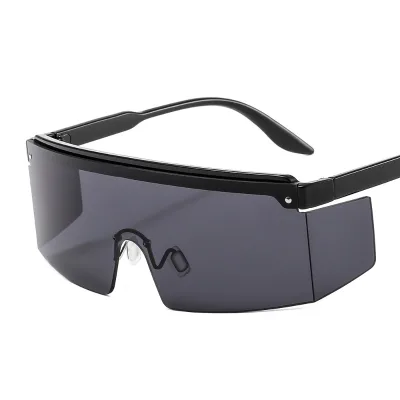
Windproof Integrated UV400 Lens Sunglasses Oversized Fashionable Sunglasses
$2.47 - $2.88
MOQ: 2 pieces

Changzhou Showhum Precision Technology Co., Ltd.
- Verified by SGS
- Manufacturer/Factory
- China Jiangsu
- Lead time45 days
- Avg. response≤ 2h
Main productsCNC Part, CNC Machine Part, Car Parts, CNC Milling Part, Plastic Products, Forged Part, Welding Part, Waterjet Cutting Parts, Motorcycle Parts, Bicycle Parts
Main marketsSouth America,Eastern Europe,Mid East,North America,Eastern Asia,Western Europe

Shanghai Touch Industrial Development Co., Ltd.
- Verified by TUVRHEINLAND
- Combined
- China Shanghai
- Lead time15 days
- Avg. response≤ 6h
Main productsInstant Hot Pack, Hot Cold Pack, Gel Eye Mask, Gel Ice Pack, Gel Bottle Cooler, Instant Ice Pack, Hand Warmer, Heat Pack, Cooling Scarf, Gel Beads
Main marketsSouth America,Others(foreignTradeCapacity.exportBusinessCapacityMarketOther),Southeast Asia/ Mideast,East Asia(Japan/ South Korea),Domestic,Europe,Australia,North America

- Verified by TUVRHEINLAND
- Trading Company
- China Zhejiang
- Lead time15 days
- Avg. response≤ 9h
Main productsSport Wear, Yoga Pants, Sports Bra, Sports Cap, Waist Bag, Sports Sock, Sports Towel, Quick Dry Clothes, Yiwu Buying Agent, Sourcing Agent
Main marketsSouth America,Europe,North America

Guangzhou Mertto Sports Products Co., Ltd.
- Verified by TUVRHEINLAND
- Manufacturer/Factory
- China Guangdong
- Lead time23 days
- Avg. response≤ 1h
Main productsSport Sunglasses, Cycling Sunglasses, Ski Goggles, Motocross Goggles, Fishing Sunglasses, Fashion Sunglasses, Tactical Goggles, Shooting Sunglasses, Cycling Helmet, Ski Helmet
Main marketsSouth America,Eastern Europe,Mid East,North America,Southeast Asia,Western Europe,Africa
- Verified by TüVRheinland
- Manufacturer, Trading Company
- Lead time40 days
- Avg. response≤ 3h
Main productsReading Glasses, Sunglasses, Optical Frame Kid Glasses, Glasses Accessories, Kid Glasses
Main marketsNorth America(37%), South America(20%), Western Europe(20%)
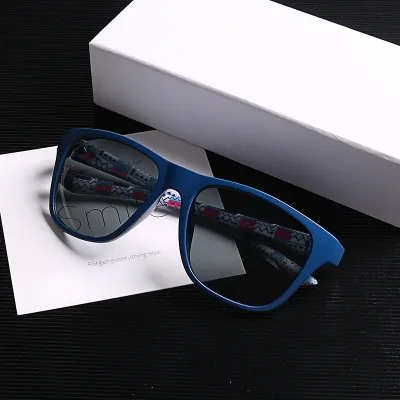
$0.51 - $2.04
MOQ: 300 Minimum
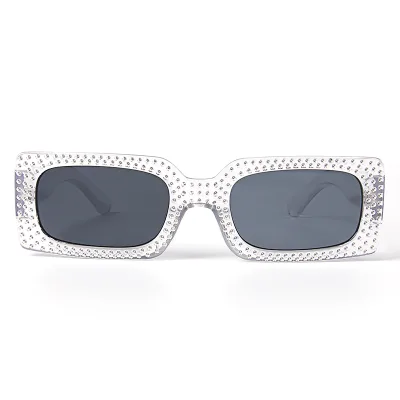
Men's Metal Luxury Sunglasses Men Sun Glasses Man Women Acetate Polarized Sunglasses
$1.21 - $1.52
MOQ: 300 pieces

Jinjiang Jiaxing Supply Management Co., Ltd.
- Verified by TUVRHEINLAND
- Trading Company
- China Fujian
- Lead time30 days
- Avg. response≤ 1h
Main productsEVA Clogs, Flip Flop, Shoe Charms, Shopping Bags, Wristbands, Gifts, Promotional Gifts, Slipper, Sport Cap, Ball
Main marketsNorth America

Shanghai David International Trade Co., Ltd.
- Verified by TUVRHEINLAND
- Combined
- China Shanghai
- Lead time15 days
- Avg. response≤ 8h
Main productsPromotional Gifts, Gift Sets, Tshirts, Hats, Hot Packs, Hot Cold Packs, Ice Packs, Bags, Umbrellas, Water Bottles
Main marketsSouth America,Africa,Southeast Asia/ Mideast,East Asia(Japan/ South Korea),Domestic,Europe,Australia,North America




Comprehensive Sourcing Guide
Polarized Photochromic Sunglasses Supplier Concentration and Factory Types
Current data indicates that suppliers for Polarized Photochromic Sunglasses are concentrated in specific Chinese provinces, with Jiangsu and Zhejiang emerging as primary manufacturing hubs. Factories in these regions often operate as combined entities, functioning as both trading companies and manufacturers to streamline the production of eyewear. These facilities typically list main products that include optical frames, sports sunglasses, and various types of polarized lenses, suggesting a specialized ecosystem for eyewear production. The presence of ODM and OEM capabilities within these clusters allows for flexible customization, ranging from frame materials like PC and acetate to lens technologies such as photochromic and polarized treatments.
When evaluating the factory types in these regions, buyers should look for companies that explicitly state their capacity for both original design manufacturing and original equipment manufacturing. The observed supplier profiles show a mix of trading companies and factories, which can impact the directness of communication and the control over production quality. Some suppliers offer own-brand capabilities alongside custom logo services, indicating a mature supply chain that can handle both private label and branded orders. Understanding whether a supplier is primarily a trader or a factory is crucial, as factories often provide more direct control over the photochromic lens application process, while trading companies may offer a broader range of complementary eyewear accessories.
How to Verify Polarized Photochromic Sunglasses Suppliers
Verification of suppliers for Polarized Photochromic Sunglasses requires checking for recognized third-party audit reports and system certifications that validate their operational standards. Available data shows that some suppliers hold certifications such as BSCI, ISO 9001, and ISO 14001, which indicate adherence to quality management and environmental standards. Additionally, verification badges from entities like TÜV Rheinland and SGS serve as external validation of the supplier's business legitimacy and product safety claims. Buyers should prioritize suppliers who display these specific verification marks, as they provide a layer of assurance regarding the supplier's compliance with international safety and quality protocols.
Beyond certifications, buyers must assess the supplier's response time and verification status to gauge their reliability and communication efficiency. The observed response times vary, with some suppliers demonstrating rapid engagement capabilities while others may have longer intervals. A supplier with a verified status and a quick response time is often better positioned to handle urgent orders or complex customization requests for photochromic lenses. It is essential to confirm that the supplier's claimed capabilities, such as ODM services or specific lens materials, align with their verified profile. Buyers should not rely solely on marketing claims but should cross-reference these claims against the supplier's official verification badges and certification documents to ensure authenticity.
What to Compare Across Polarized Photochromic Sunglasses Suppliers
When comparing suppliers, buyers should focus on key operational metrics such as lead time, minimum order quantity, and response speed to determine the best fit for their specific needs. The data reveals significant variations in lead times, ranging from as low as 23 days to as high as 60 days, which can impact inventory planning and market launch schedules. Similarly, minimum order quantities differ widely, with some suppliers accepting orders as small as 10 pieces while others require a minimum of 200 units. These differences are critical for buyers with varying budget constraints and volume requirements, necessitating a careful evaluation of which supplier aligns with their production scale.
In addition to logistical metrics, buyers should compare the product specifications and customization options offered by different suppliers. The available product evidence highlights diverse options, including frame materials like PC and acetate, lens types such as polarized and photochromic, and various styles suitable for different activities like cycling or driving. Some suppliers offer specific model numbers and detailed packing configurations, which can be vital for branding and logistics planning. Buyers must also consider the price ranges, which vary based on the complexity of the lens technology and the customization level required. A comprehensive comparison should weigh these factors against the supplier's response time and verification status to ensure a balanced decision.
Common Polarized Photochromic Sunglasses Sourcing Risks
One significant risk in sourcing Polarized Photochromic Sunglasses is the potential mismatch between the supplier's claimed capabilities and their actual production capacity. While some suppliers list ODM and OEM services, the actual ability to produce high-quality photochromic lenses consistently may vary. Buyers should be cautious of suppliers who do not provide clear evidence of their manufacturing processes or who lack specific certifications related to eyewear safety. The variation in lead times and minimum order quantities can also signal instability in the supply chain, potentially leading to delays or quality inconsistencies if the supplier is overextended.
Another risk involves the verification of product standards and safety certifications, particularly for lenses that claim UV400 protection or specific optical attributes. Some suppliers may list certifications like CE or FDA, but buyers must ensure these are current and applicable to the specific product model being ordered. There is also the risk of receiving products that do not match the requested specifications, such as incorrect frame materials or lens tints. To mitigate these risks, buyers should request detailed product samples and verify the supplier's track record through third-party audits. It is crucial to confirm that the supplier can consistently meet the required standards for photochromic performance and durability before committing to a large order.
Polarized Photochromic Sunglasses Regional Sourcing and Logistics
Sourcing from regions like Jiangsu and Zhejiang offers logistical advantages due to the concentration of eyewear manufacturers and established supply chains. These regions are known for their expertise in producing optical frames and sunglasses, which can streamline the procurement process for polarized photochromic models. The proximity of suppliers to major shipping ports in these areas often results in more efficient logistics and potentially lower shipping costs. However, buyers should be aware that lead times can vary significantly depending on the specific location and the supplier's current production load, which may affect the overall delivery schedule.
Logistics planning must also account for the specific packaging requirements of Polarized Photochromic Sunglasses, which often involve delicate lenses and specialized frames. The observed packing configurations, such as individual OPP bags or carton boxes, can influence the shipping volume and cost. Buyers should verify the supplier's packing standards to ensure that the products are protected during transit, especially for international shipments. Additionally, the origin of the products, whether from Jiangsu or Zhejiang, may impact customs clearance procedures and import duties. It is advisable to discuss shipping terms and packaging details with the supplier early in the negotiation process to avoid unexpected delays or additional costs.
Polarized Photochromic Sunglasses Commercial Terms and Order Planning
Commercial terms for Polarized Photochromic Sunglasses often include specific pricing structures based on order volume and customization levels. The observed price ranges vary from approximately $1.80 to $10.80 per unit, depending on the model, material, and lens technology. Buyers should carefully review the pricing tiers and minimum order quantities to ensure they align with their budget and sales projections. Some suppliers may offer competitive pricing for larger orders, while others might have higher minimums that could be a barrier for smaller buyers. Understanding these commercial terms is essential for accurate cost estimation and profit margin planning.
Order planning should also consider the supplier's response time and lead time to ensure timely delivery and inventory management. With lead times ranging from 23 to 60 days, buyers need to factor in these durations when planning their production schedules and market launches. A supplier with a faster response time can be more responsive to changes in demand or design requirements, which is crucial in the fast-paced eyewear market. Buyers should also verify the supplier's capacity for handling custom orders, including logo placement and specific frame designs, to ensure that their unique requirements can be met without compromising the timeline. Effective order planning involves balancing these factors to achieve a smooth and efficient procurement process.
FAQs
What is the price range for polarized sunglasses?
Prices for polarized sunglasses typically range from $1.80 to $10.80 per unit. The lowest cost options are available with a minimum order of 100 pieces, while premium photochromic sports models start at $7.50. Buyers should expect higher prices for acetate frames or specialized UV400 protection features.
What are the minimum order quantities for these products?
Minimum order quantities vary significantly by supplier and product type. Some manufacturers accept orders as low as 10 pieces for sports goggles, while others require 12 pieces per color or 200 pieces for standard fashion styles. Buyers must check specific product listings to confirm the exact MOQ before placing an order.
How long does production take for these items?
Lead times for manufacturing polarized sunglasses generally range from 23 to 60 days. Suppliers in Jiangsu often report faster turnaround times around 23 days, whereas Zhejiang-based factories may require up to 60 days for complex orders. Buyers should confirm specific delivery schedules with their chosen supplier to ensure timely receipt.
Are these suppliers verified for quality and safety?
Yes, many suppliers hold third-party verification from TÜV Rheinland and SGS. Additionally, manufacturers often possess ISO 9001, BSCI, and CE FDA certifications for their eyewear products. These credentials help ensure that the sunglasses meet international quality standards and safety requirements for optical attributes and frame materials.
What customization options are available for branding?
Customization is widely available, including OEM logo printing and custom Pantone colors. Suppliers offer ODM and OEM services for frames and lenses, allowing buyers to create unique designs. Most manufacturers accept customer logos and can produce sunglasses in various styles, from sporty polarized models to fashionable square frames.
Where are these sunglasses manufactured?
These products are primarily manufactured in China, specifically in the Jiangsu and Zhejiang provinces. Jiangsu suppliers often focus on metal and plastic accessories, while Zhejiang factories specialize in optical frames and sports eyewear. Buyers can source high-quality polarized sunglasses directly from these established manufacturing hubs in mainland China.