Polished White Marble Tile Suppliers and Manufacturers
Compare 24 verified suppliers offering Polished White Marble Tile with varying lead times, prices, and certifications. Review response times, MOQs, and product specs like size and thickness before contacting vendors for quotes; review the available evidence before requesting comparable quotations from suitable candidates.
Updated
Suppliers List

Shenzhen Chiva Industry Co., Ltd.
- Verified by TUVRHEINLAND
- Trading Company
- China Guangdong
- Lead time15 days
- Avg. response≤ 5h
Main productsGranite, Marble, Cheap White Marble, Cheap Grey Beige Granite, Basalt, Travertine, Paver Tile, Slab, Fireplace, Bluestone
Main marketsAfrica,Southeast Asia/ Mideast,Europe


Natural Stone White Marble Interior Design Polished Wall Floor Tiles
$44.00 - $52.00
MOQ: 500 Square Meters


Foshan Hanse Industrial Co., Ltd.
- Manufacturer/Factory
- China Guangdong
- Lead time23 days
- Avg. response≤ 3h
Main productsCeramic Tile, Floor Tile, Porcelain Tile, Rustic Tile, Wall Tile, Mosaic, Culture Stone, Split Wall Tile/ Terracotta Clay Floor Tile, Wood Tile, Flexible Stone
Main marketsSouth America,Eastern Europe,Mid East,North America,Southeast Asia,Eastern Asia,Oceania,Western Europe,Africa

Xiamen Quan Stone Imp. & Exp. Co., Ltd.
- Trading Company,Manufacturer/Factory
- China Fujian
- Lead time23 days
- Avg. response≤ 14h
Main productsMarble Tile and Slab, Granite Tile and Slab, Granite Vanity Top, Granite Kitchen Countertop, Quartz Countertop, Natural Stone Products, Granite Stair Step and Skirting Tile, Kitchen Cabinet, Vanitiy Cabinet, Spc Flooring
Main marketsSouth America,Eastern Europe,Mid East,North America,Southeast Asia,Eastern Asia,Oceania,Western Europe,Africa

Quanzhou Tianyuan Stone Co., Ltd.
- Verified by BV
- Trading Company
- China Fujian
- Lead time15 days
- Avg. response≤ 3h
Main productsGranite Marble Tile and Slab, Countertop Vanity Table, Slate Sandstone Pebble Travertine, Pillar Column Fountain, Waterjet Medallion Mosaic Tile, Cobblestone Kerbstone Paving, Sculpture Statue, Construction Landscape Stone, Fireplace Bathtub, Floor and Wall Stone
Main marketsSouth America,Southeast Asia/ Mideast,Europe,North America


Premium Milas Marble Tiles in Polished White Finish - OEM Supported
$40.00 - $60.00
MOQ: 100 Square Meters

Xiamen Shun Shun Stone Import & Export Co., Ltd.
- Verified by TUVRHEINLAND
- Trading Company
- China Fujian
- Lead time15 days
- Avg. response≤ 13h
Main productsGranite, Stone, Marble, Countertop, Monument, Slate, Sandstone, Fireplace, Tiles, Slabs
Main marketsSoutheast Asia/ Mideast,Europe,North America

XIAMEN KA UNITED IMP. & EXP. CO., LTD.
- Trading Company,Manufacturer/Factory
- China Fujian
- Lead time30 days
- Avg. response≤ 11h
Main productsCabinets, Counterttop&Vanity, Marble, Quartz, Granite, Quartzite, Tiles, Paving Stone, Mosaic, Carving Stone
Main marketsEastern Europe,North America,Western Europe
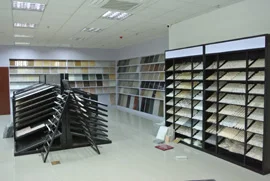
Shenzhen Leeste Building Material Co., Ltd.
- Trading Company, Buying Office, Distributor/Wholesaler
- Guangdong, China
- Lead time0 days
- Avg. response≤ 7h
Main productsMosaic,Marble Mosaic,Marble,Marble Tiles,Marble Slabs
Xiamen Union Century Imp. & Exp. Co., Ltd.
- Verified by TüVRheinland
- Trading Company
- Lead time15 days
- Avg. response≤ 5h
Main productsGranite, Marble, Sintered Stone, Quartz, Limestone
Main marketsNorth America(60%), Southeast Asia(30%), Northern Europe(5%)
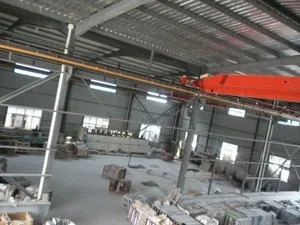
- Manufacturer
- Jiangsu, China
- Lead time10 days
- Avg. response≤ 3h
Main productsMarble,Marble Mosaic,Waterjet marble mosaic,Marble mosaic with shell,Mosaic
Main marketsNorth America(45.00%), South America(25.00%), Eastern Europe(11.00%), Mid East(5.00%), Western Europe(5.00%), Southeast Asia(5.00%), Oceania(2.00%), Domestic Market(1.00%), South Asia(1.00%)
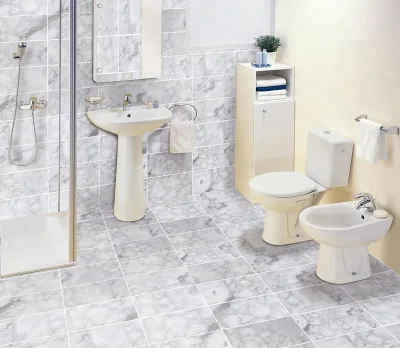
White Marble Tiles, White Marble Price In India, Marble Flooring Design
$3.00 - $3.50
MOQ: 360 Minimum
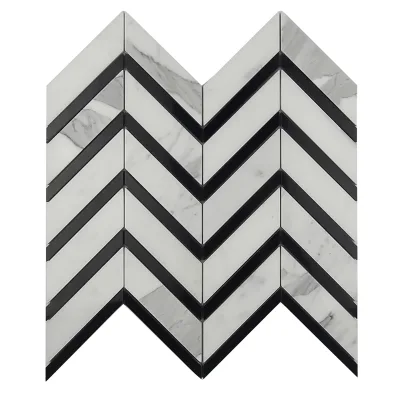
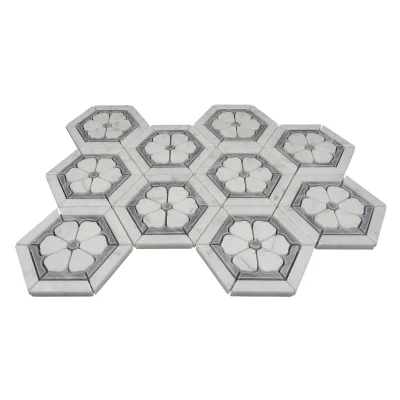
Black and White Mixed Tiles Natural Stone Interior Wall Tiles Marble Mosaic
$29.99 - $49.99
MOQ: 33 Minimum
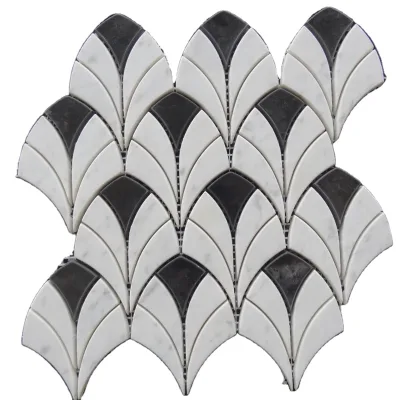
Classical Black White Hot Sale Marble Polish Beautiful Art Mosaic Tile
$112.7131 - $122.9592
MOQ: 33 Minimum
Shenzhen Chiva Industry Co., Ltd.
- Trading Company, Distributor/Wholesaler
- Guangdong, China
- Lead time15 days
- Avg. response≤ 3h
Main productsgranite,marble,natural stone,slate,travertine
Main marketsMid East(25.00%), Africa(25.00%), Eastern Asia(15.00%), North America(10.00%), South Asia(5.00%), Southern Europe(5.00%), Western Europe(5.00%), Eastern Europe(5.00%), South America(5.00%)
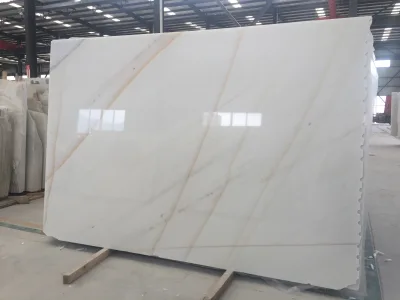
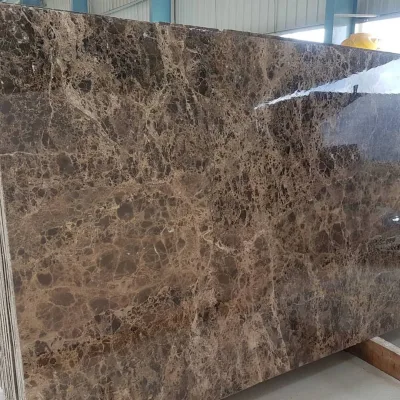
Imported Brown Marble Slabs Marble Floor Tiles
$28.00 - $32.00
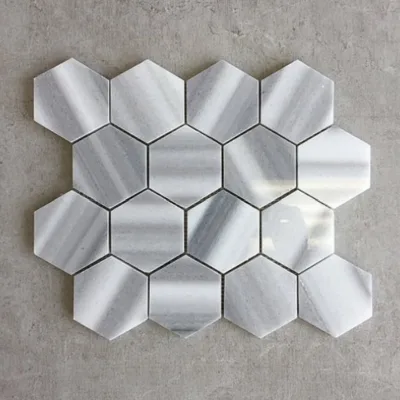
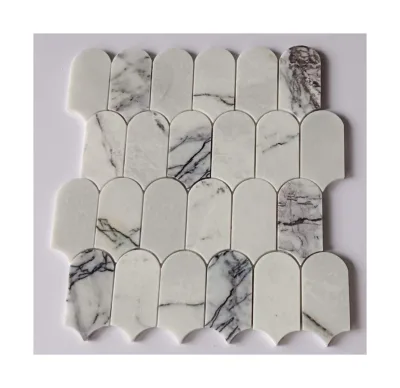

China Arts Building Material Group Co.,Limited
- Trading Company,Manufacturer/Factory
- China Fujian
- Lead time23 days
- Avg. response≤ 6h
Main productsStone/ Granite/ Marble, Kitchen Countertop and Vanity Tops, Slab and Tiles, Quartz and Artificial Stone, Composite Products, Mosaic and Medallion, Sink Basin Sculpture and Tomb, Sand Stone, Crafts and Arts, Paving Stone
Main marketsEastern Europe,Mid East,North America,Southeast Asia,Western Europe


Polished Beige/ Black/ Golden/ White Marble Tile for Wall and Floor Project
$5.00 - $150.00
MOQ: 5 Square Meters


FOSHAN KENT CERAMICS CO., LTD.
- Trading Company,Manufacturer/Factory,Group Corporation
- China Guangdong
- Lead time23 days
- Avg. response≤ 4h
Main productsPorcelain Tile, Ceramic Tile, Floor Tile, Wall Tile, Tiles, Marble Tiles, Porcelain Floor Tile, Ceramic, Glazed Tile, Polished Tile
Main marketsSouth America,Mid East,North America,Southeast Asia,Eastern Asia,Western Europe,Africa

Xiamen Brilliance Import And Export Co., Ltd.
- Manufacturer, Trading Company
- Fujian, China
- Lead time30 days
- Avg. response≤ 7h
Main productsMarble,Granite,Quartz,Stone Furnitures,ONYX
Main marketsSoutheast Asia(20.00%), South America(20.00%), North America(20.00%), Domestic Market(10.00%), Northern Europe(10.00%), Mid East(10.00%), Eastern Europe(10.00%)

Xiamen Yeyang Import & Export Co., Ltd.
- Verified by TUVRHEINLAND
- Trading Company
- China Fujian
- Lead time30 days
- Avg. response≤ 4h
Main productsCountertop, Granite, Marble, Quartz Stone, Tiles, Slabs, Artificial Stone, Slate, Travertine, Basalt
Main marketsSoutheast Asia/ Mideast,North America


Natural Polished White Marble Stone Floor Tiles and Marbles Floors
$43.00 - $48.00
MOQ: 50 Square Meters

- Manufacturer, Trading Company
- Jiangxi, China
- Lead time30 days
- Avg. response≤ 3h
Main productsSlate Paving, Slate Wall Cladding, Slate & Marble Coasters, Slate Roofing Tiles, Marble Tray
Main marketsDomestic Market(50.00%), North America(30.00%), Western Europe(15.00%), Mid East(5.00%)

FOSHAN AI JIA CERAMICS CO., LTD.
- Trading Company
- China Guangdong
- Lead time30 days
- Avg. response≤ 17h
Main productsTile, Polished Tiles, Ceramic Tiles, Floor Tiles, Rustic Tiles, Wall Tiles, Porcelain Tile, Glazed Tile, Marble Tile, Copy Marble
Main marketsAfrica,Southeast Asia/ Mideast,Europe
Xiamen Eastwood Industry Co., Ltd.
- Verified by SGS Group
- Manufacturer, Trading Company
- Lead time30 days
- Avg. response≤ 3h
Main productsGranite Paver, Marble Slab, Slate Stone Veneer, Limestone Tile, Sandstone Tile
Main marketsNorth America(82%), Oceania(5%), Mid East(3%)

Shenzhen Xinyu Stone Industry Co., Ltd
- Verified by SGS
- Trading Company
- China Guangdong
- Lead time15 days
- Avg. response≤ 8h
Main marketsDomestic
- Verified by TüVRheinland
- Manufacturer, Trading Company
- Lead time20 days
- Avg. response≤ 2h
Main productsNatural Marble, Marble Table, Marble Sink, Marble Water Jet, Marble Slab
Main marketsNorthern Europe(11%), South Asia(11%), Central America(10%)

Foshan Genbersin New Materials Co., Ltd.
- Trading Company
- China Guangdong
- Lead time0 days
- Avg. response≤ 6h
Main productsWPC Flooring, Ceramic Tiles, WPC Wall Panel, WPC Wall Cladding, WPC DIY Floor, WPC Decking, WPC Fence, WPC Gate, WPC Squre Tube, Rustic Tiles

Jiangxi WIFi Ceramics Co., Ltd.
- Manufacturer/Factory
- China Guangdong
- Lead time23 days
- Avg. response≤ 5h
Main productsTiles, Porcelain Tiles, Glazed Polished Tiles, Rustic Tiles, Floor Tiles, White Marble Tiles, Mosaic Tiles, Glazed Tiles, Ceramic Tiles, Porcelain Tiles for Floor and Wall
Main marketsSouth America,Eastern Europe,Mid East,North America,Southeast Asia,Eastern Asia,Oceania,Western Europe,Africa


Luxury Stone Tile Floor Luxury Marble Tile Luxury Stone Slab Factory Direct Polished Tiles
$16.50 - $18.50
MOQ: 1000 Square Meters
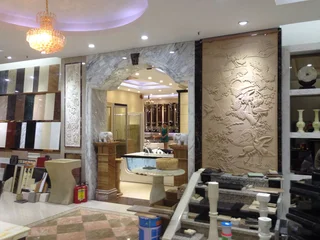
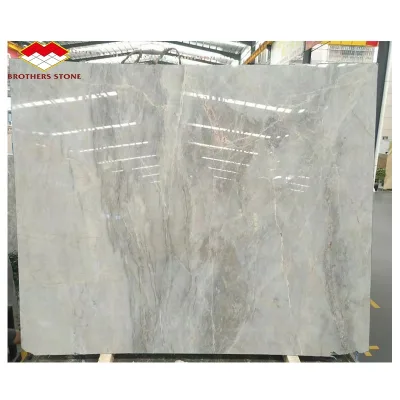
Guangzhou Brothers Stone Co., Ltd.
- Manufacturer, Trading Company
- Guangdong, China
- Lead time7 days
- Avg. response≤ 3h
Main productsMarble,Granite,Quartz,Onyx,Artificial Stone
Main marketsDomestic Market(30.00%), North America(10.00%), Eastern Europe(10.00%), Western Europe(10.00%), South America(10.00%), Mid East(8.00%), Southeast Asia(8.00%), Southern Europe(5.00%), Northern Europe(5.00%), Africa(1.00%), South Asia(1.00%), Central America(1.00%), Oceania(1.00%)

Xiamen Sunlight Stone lmport & Export Co., Ltd.
- Trading Company,Manufacturer/Factory
- China Fujian
- Lead time15 days
- Avg. response≤ 12h
Main productsGranite, Marble, Quartz Stone, Countertop, Paving Stone, Mosaic, Culture Marble, Tombstone, Slabs, Travertine
Main marketsSouth America,Eastern Europe,Mid East,North America,Southeast Asia,Eastern Asia,Oceania,Western Europe,Africa

Foshan Well Supply Chain Management Co.,Ltd.
- Verified by SGS
- Trading Company,Manufacturer/Factory
- China Guangdong
- Lead time23 days
- Avg. response≤ 3h
Main productsCeramics Tile, Porcelain Tile, Quartz Stone, Sintered Stone, Dining Table
Main marketsSouth America,Eastern Europe,Mid East,North America,Southeast Asia,Eastern Asia,Oceania,Western Europe,Africa








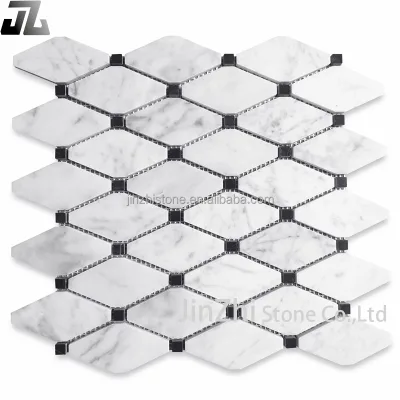
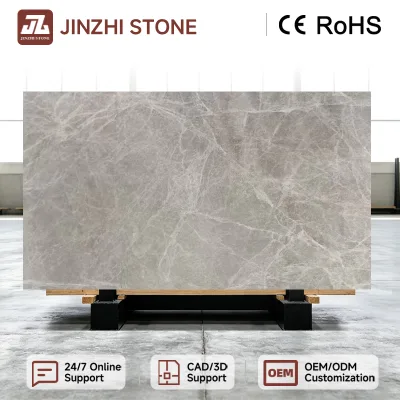


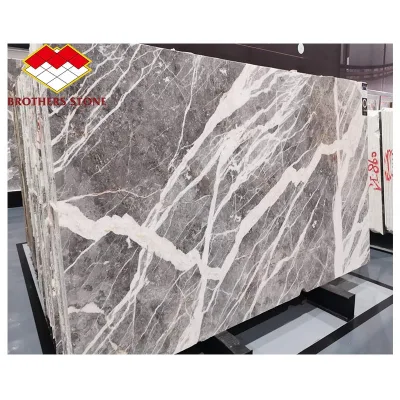
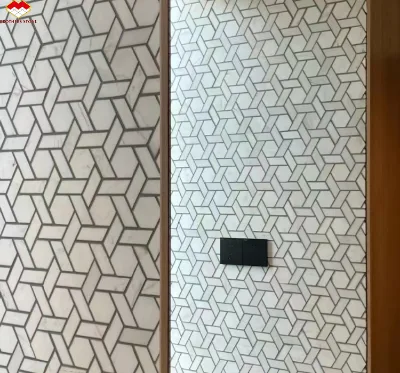


Comprehensive Sourcing Guide
Polished White Marble Tile Supplier Concentration and Factory Types
The current supplier landscape for Polished White Marble Tile reveals a distinct mix of manufacturing capabilities and trading structures, primarily anchored in China’s Guangdong region. Data indicates that the available suppliers operate as either trading companies or direct manufacturers, with some listing themselves as owners of the factory. This structural diversity is critical for buyers to understand, as it directly influences pricing flexibility, communication efficiency, and quality control protocols. Trading companies often provide a broader catalog of stone varieties, including granite, basalt, and travertine, alongside marble, which can simplify sourcing for projects requiring mixed material specifications. However, direct manufacturers may offer more specialized expertise in specific stone forms, such as tiles versus slabs, and potentially tighter control over the extraction and processing stages. The presence of both types suggests that buyers must carefully evaluate the supplier’s primary business model to align with their specific procurement needs, whether they prioritize volume discounts through aggregators or direct factory engagement for customized orders.
Verification status also plays a pivotal role in assessing supplier legitimacy, with some entities holding TUVRHEINLAND verification, signaling a third-party audit of their business operations. This verification adds a layer of trust, particularly for international buyers who may not have the resources to conduct on-site inspections. Additionally, the main products listed by these suppliers range from standard polished tiles to more specialized items like fireplace components and bluestone, indicating a broad capability in natural stone processing. Buyers should note that while some suppliers emphasize their role as factories, others identify as importers, exporters, or wholesalers, which may affect their inventory depth and lead times. Understanding this concentration of factory types and verification statuses allows buyers to filter their search more effectively, focusing on suppliers whose operational structure matches their project’s scale and complexity. This initial assessment helps in narrowing down the pool of potential partners to those who are not only geographically convenient but also structurally aligned with the buyer’s supply chain requirements.
How to Verify Polished White Marble Tile Suppliers
Verifying a Polished White Marble Tile supplier requires a multi-layered approach that goes beyond surface-level product listings. Buyers should prioritize suppliers who have undergone third-party verification, such as those holding TUVRHEINLAND certification, as this indicates a rigorous assessment of their business legitimacy and operational capacity. It is essential to cross-reference these verification badges with the supplier’s declared company type, whether they are a trading company or a manufacturer, to ensure consistency in their claims. For instance, a supplier claiming to be a factory owner should ideally have evidence of production capabilities, such as detailed product attributes like stone form, surface finishing, and edge processing techniques. Buyers can also look for specific product certifications like SGS, CE, and RoHS, which are mentioned in some product listings, to ensure that the materials meet international safety and quality standards. These certifications are particularly important for projects in regulated markets where compliance is mandatory.
In addition to certifications, buyers should scrutinize the supplier’s response time and communication efficiency, as these metrics can reflect their operational maturity and customer service quality. A response time metric, such as the 4.97 or 2.47 values observed, can serve as an indicator of how quickly a supplier can address inquiries and resolve issues. Furthermore, examining the detailed product attributes, such as density, thickness, and water absorption rates, provides insight into the supplier’s technical knowledge and attention to detail. For example, a water absorption rate of ≤0.5% suggests a high-quality, low-porosity stone suitable for various applications. Buyers should also verify the supplier’s ability to provide customized services, as this indicates flexibility in meeting specific project requirements. By combining verification badges, certification checks, and an analysis of technical product data, buyers can build a comprehensive profile of each supplier’s reliability and capability, reducing the risk of engaging with unverified or underqualified partners.
What to Compare Across Polished White Marble Tile Suppliers
When evaluating multiple suppliers for polished white marble tiles, buyers must compare key operational metrics to determine the best fit for their project. Lead time is a critical factor, with observed values ranging from 15 to 23 days, which can significantly impact project scheduling and inventory management. Buyers should also compare the minimum order quantity (MOQ), which varies from 100 to 500 units, to ensure alignment with their order volume and budget constraints. Pricing is another essential dimension, with price ranges spanning from $20 to $80 per unit, depending on the product specifications and customization options. It is important to note that these prices are indicative and may vary based on order size and specific requirements. Additionally, response time metrics, such as 2.47 or 4.97, can help buyers assess the supplier’s responsiveness and potential for smooth communication throughout the procurement process.
Beyond these quantitative metrics, buyers should compare the range of main products and customization services offered by each supplier. Some suppliers specialize in a narrow range of marble products, while others offer a diverse catalog including granite, travertine, and mosaic tiles. This diversity can be advantageous for buyers seeking a single source for multiple material needs. Furthermore, the availability of customization services, such as specific sizes, edge processing, and surface finishes, should be evaluated to ensure the supplier can meet unique project specifications. Buyers should also consider the supplier’s packaging methods, such as wooden crates or pallets, which can affect the safety and integrity of the goods during transit. By systematically comparing these operational and product-related factors, buyers can make informed decisions that balance cost, quality, and logistical efficiency, ultimately selecting a supplier that best supports their procurement objectives.
Common Polished White Marble Tile Sourcing Risks
Sourcing polished white marble tiles involves several inherent risks that buyers must proactively manage to ensure a successful procurement outcome. One significant risk is the variability in product quality, as natural stone is subject to natural variations in color, veining, and texture. Buyers should request detailed product samples and specifications, including density, thickness, and surface finishing, to verify that the material meets their quality standards. Another risk is the potential for delays in lead time, which can disrupt project timelines. Suppliers may cite lead times of 15 to 23 days, but these can be extended due to production bottlenecks or logistical issues. Buyers should establish clear communication channels and request regular updates on production status to mitigate this risk. Additionally, the risk of inadequate packaging can lead to damage during transit, especially for fragile stone products. Buyers should verify that suppliers use robust packaging methods, such as wooden crates or pallets, to protect the goods.
Financial risks are also prevalent, particularly when dealing with international suppliers. Buyers should be cautious of suppliers who do not offer secure payment terms or escrow services, as this can expose them to fraud or non-delivery. It is advisable to use payment methods that provide buyer protection, such as letters of credit or escrow accounts, to safeguard the transaction. Furthermore, the risk of non-compliance with international standards can lead to customs delays or rejection of goods. Buyers should ensure that suppliers provide necessary certifications, such as SGS, CE, and RoHS, to demonstrate compliance with relevant regulations. Finally, the risk of miscommunication regarding customization requirements can result in products that do not meet project specifications. Buyers should provide detailed technical drawings and specifications and confirm that the supplier understands and can execute these requirements. By identifying and addressing these common risks, buyers can enhance the reliability and success of their sourcing efforts.
Polished White Marble Tile Regional Sourcing and Logistics
The regional concentration of Polished White Marble Tile suppliers in China’s Guangdong region offers logistical advantages for international buyers, but it also requires careful planning to manage transportation and customs processes. Guangdong is a major hub for stone processing and export, providing access to a wide range of suppliers and efficient port facilities. Buyers should leverage this regional advantage by selecting suppliers who have experience in exporting to their target market, as this can streamline the logistics process and reduce the risk of delays. It is important to consider the transportation methods available, such as sea shipment, which is commonly used for bulk stone products due to its cost-effectiveness. Buyers should also evaluate the supplier’s packaging standards, as proper packaging is crucial for protecting the tiles during long-distance transit. Suppliers that use wooden crates or pallets can help minimize the risk of damage, ensuring that the goods arrive in good condition.
In addition to transportation, buyers must navigate the complexities of international customs and regulatory requirements. Different countries have varying import duties, taxes, and documentation requirements, which can impact the total cost and delivery time of the goods. Buyers should work with suppliers who are familiar with these requirements and can provide the necessary documentation, such as certificates of origin and inspection reports. It is also advisable to engage a reliable freight forwarder who can handle the logistics, including customs clearance and last-mile delivery. By understanding the regional sourcing dynamics and logistical considerations, buyers can optimize their supply chain and reduce the overall cost of procurement. This includes selecting suppliers with established export experience and ensuring that all regulatory requirements are met, thereby facilitating a smooth and efficient delivery process.
Polished White Marble Tile Commercial Terms and Order Planning
Effective order planning for polished white marble tiles requires a thorough understanding of commercial terms, including payment structures, delivery schedules, and after-sales support. Buyers should negotiate clear payment terms, such as a 30% deposit in advance, to secure the order while maintaining leverage until delivery. It is important to specify the payment method, such as telegraphic transfer or letter of credit, to ensure security and traceability. Delivery terms, such as FOB or CIF, should be clearly defined to allocate responsibility for transportation and insurance costs. Buyers should also establish a realistic delivery schedule, considering the supplier’s lead time of 15 to 23 days, and build in buffer time for potential delays. This proactive planning helps to avoid project disruptions and ensures that the materials arrive when needed.
Furthermore, buyers should clarify the supplier’s after-sales support and warranty policies, as these can provide protection against quality issues or delivery problems. It is advisable to request a detailed product warranty that covers defects in material and workmanship. Buyers should also establish a clear process for handling disputes or claims, including the required documentation and response timeframes. Additionally, buyers should consider the supplier’s capacity for handling large orders, as indicated by their production capabilities and inventory levels. Suppliers with OEM and ODM capabilities may offer more flexibility for customized orders, but this should be balanced against their ability to maintain consistent quality and delivery schedules. By carefully planning the commercial terms and order logistics, buyers can mitigate risks and ensure a smooth procurement process, ultimately achieving their project goals with minimal disruption.
FAQs
What is the price range for polished white marble tiles?
Prices for polished white marble tiles typically range from $20 to $80 per unit. Specific costs depend on the stone form, such as tiles or slabs, and the thickness selected. Buyers should verify exact pricing based on order volume and customization requirements before finalizing procurement decisions.
What is the minimum order quantity for these tiles?
The minimum order quantity varies by product type, generally starting at 100 units for mosaic tiles and up to 500 units for standard polished tiles. Some slab options may require a minimum of 300 units. Buyers must confirm the specific MOQ with the supplier to ensure compliance.
How long does delivery take for marble tile orders?
Lead times for polished white marble tiles typically range from 15 to 23 days after payment confirmation. Some suppliers offer faster delivery windows of 10 to 25 days. Buyers should confirm the exact timeline with the supplier to align with their project schedules and logistics planning.
Are customization options available for white marble tiles?
Yes, customization is available for polished white marble tiles, including size, edge processing, and surface finishing. Suppliers offer various thicknesses and standard sizes like 600x600mm or 1200x600mm. Buyers can request specific dimensions or finishes to meet their unique design requirements and project specifications.
What certifications do these marble tiles have?
Polished white marble tiles often come with certifications such as CE, SGS, and RoHS. Some suppliers also hold ISO 9001 system certification. Buyers should request valid certification documents to ensure the products meet international quality and safety standards for construction and real estate applications.
Where are these marble tiles manufactured?
These polished white marble tiles are manufactured in China, specifically in regions like Guangdong and the South or North of China. Buyers should verify the exact origin to understand shipping logistics and potential tariffs. The location impacts lead times and transportation costs for international orders.