Pool Floating Chlorine Dispenser Suppliers and Manufacturers
Explore 25 verified options for Pool Floating Chlorine Dispenser products from trading companies and manufacturers. Compare dimensions, certifications like RoHS and ISO 9001, and response times to find suitable suppliers. Contact suppliers directly to request samples or custom orders; review the available evidence before requesting comparable quotations from suitable candidates.
Suppliers List
Guangzhou Yuda Gymnasium Equipment Co.,ltd
- Verified by SGS Group
- Trading Company
- Lead time0 days
- Avg. response≤ 5h
Main productsSwimming Pool Equipment, Pool Cleaning Accessories, Sauna Equipment, Sauna Heater, Sauna Steam Generator
Main marketsNorth America(40%), Mid East(20%), Southeast Asia(15%)
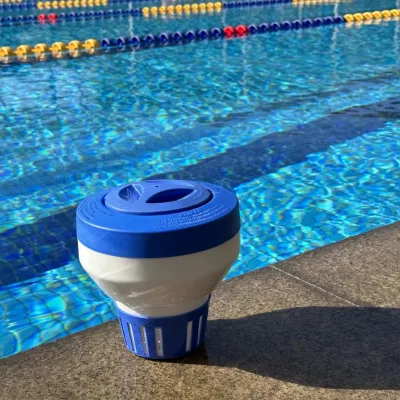
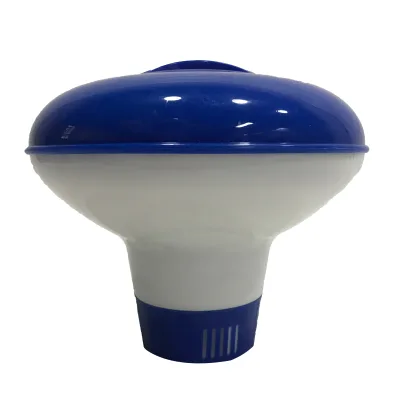
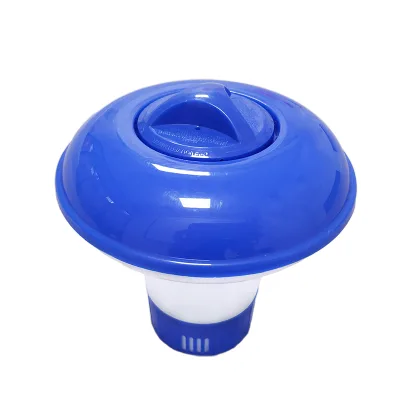
Plastic Floating Chlorine Dispenser for Swimming Pools-Pool Cleaning Accessory
$1.38 - $2.07
MOQ: 100 units
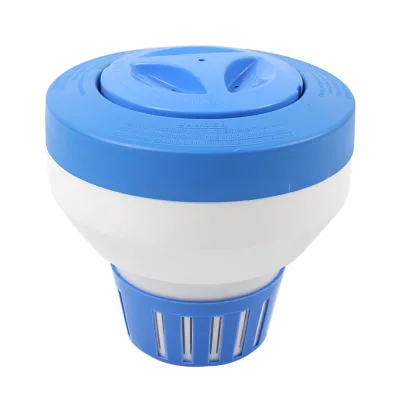
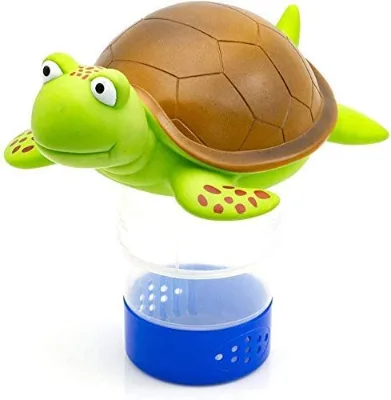
Automatic Floater Chlorine Tablet Floating Chemical Dispenser for Swimming Pool
$2.34 - $2.96
MOQ: 500 units

- Verified by SGS
- Trading Company,Manufacturer/Factory
- China Jiangsu
- Lead time0 days
- Avg. response≤ 10h
Main productsSwimming Pool, Pool Filter, Solar Shower, Solar Heater, Pool Pump, Faucet, Hose Reel, Paint Brush, Paint Roller, Grease Gun
Main marketsSouth America,Eastern Europe,Mid East,North America,Southeast Asia,Eastern Asia,Oceania,Africa
GUANGDONG FENLIN SWIMMING POOL & SAUNA EQUIPMENT CO., LTD.
- Manufacturer, Trading Company
- Lead time旺季: "1 - 100":7,"> 100":"To be negotiated", 淡季: "1 - 100":7,"> 100":"To be negotiated"
- Avg. response≤ 1h
Main productsSwimming Pool Equipment, Water Spa, Fountain, Steam Generator, Sauna Heater
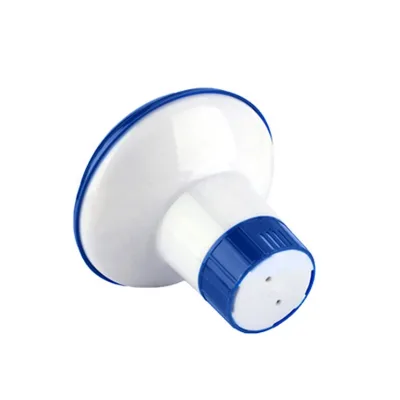
Fenlin Automatic Floater Chlorine Tablet Floating Chemical Dispenser for Swimming Pool
$1.88 - $2.49
MOQ: 50 pieces
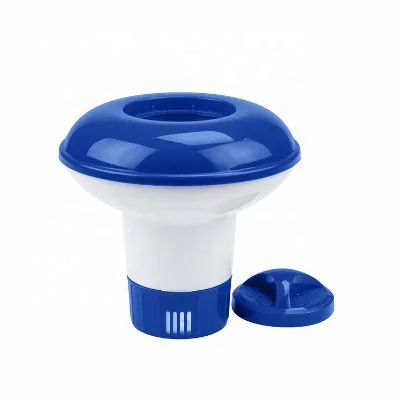
7" Swimming Pool Spa Chlorine Bromine Chemical Tab Chlorine Floater Dispenser for 3" Tablets
$1.88 - $2.49
MOQ: 50 pieces
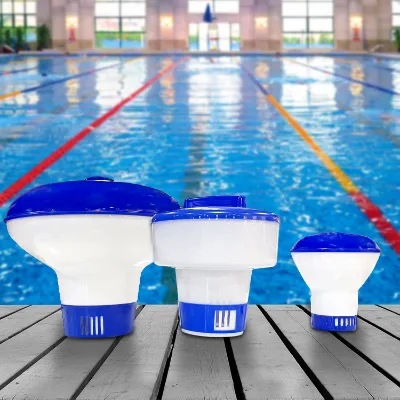
Guangzhou Xincheng Tianyu Swimming Pool Equipment Co., Ltd.
- Trading Company
- Guangdong, China
- Lead time10 days
- Avg. response≤ 3h
Main productsSand Filter, Water Pump, Pool Plastic Accessories, Sauna Equipments, Spa Equipments
Main marketsMid East(17.00%), Southeast Asia(16.00%), South America(12.00%), Eastern Europe(12.00%), Domestic Market(10.00%), South Asia(8.00%), North America(8.00%), Northern Europe(5.00%), Africa(4.00%), Oceania(3.00%), Western Europe(3.00%), Central America(2.00%)
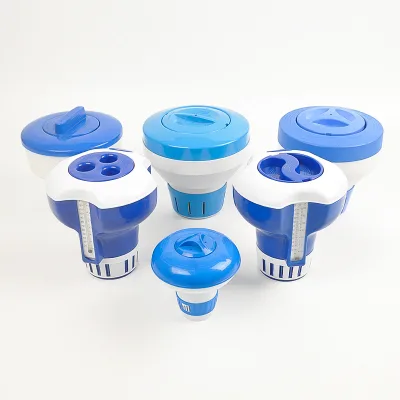
Pool Automatic Floating Sterilizer Dispenser Offers Strong Chlorine Dispenser
$1.81 - $3.22
MOQ: 50 pieces
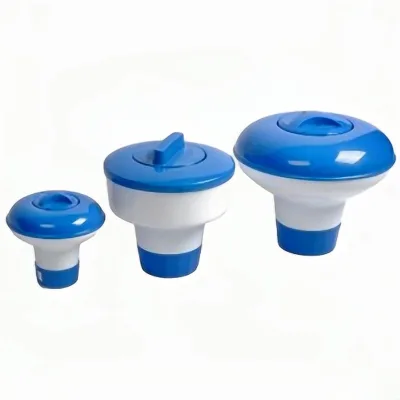
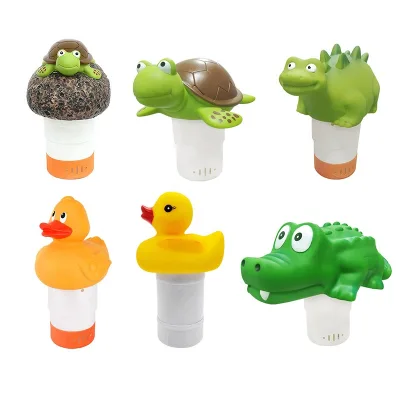
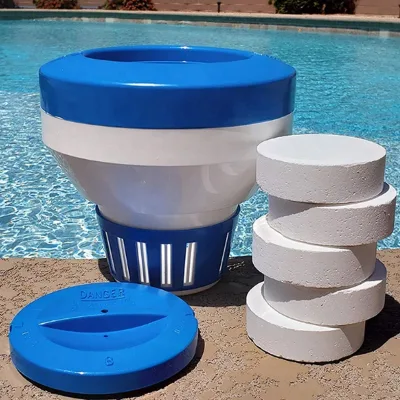
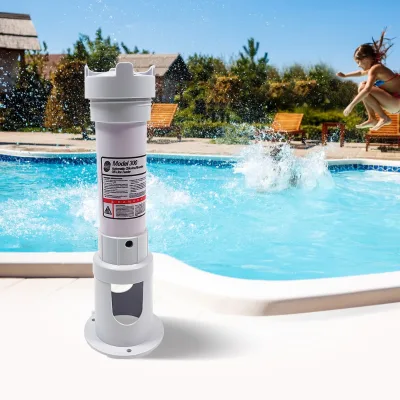
Swimming Pool Float Chlorine Tablets 3 Inch Chemical Floating Chlorine Feeder Dispenser
$3.04 - $3.26
MOQ: 200 pieces

- Verified by SGS
- Trading Company,Manufacturer/Factory
- China Zhejiang
- Lead time45 days
- Avg. response≤ 12h
Main productsSwimming Pool Brush, Swimming Pool Vacuum Head, Swimming Pool Accessories, Pool Skimmer, Pool Light, Swimming Pool Cover, Swimming Pool Equipment, Pool Cleaning Robot, Pool Thermometer, Chlorine Dispenser
Main marketsSouth America,Eastern Europe,Mid East,North America,Southeast Asia,Eastern Asia,Oceania,Western Europe,Africa


Swimming Pool Floating SPA Floater Chlorinator Chemical Chlorine Dispenser with Tablets Clamp
$3.14 - $3.58
MOQ: 100 Pieces


$8.17 - $8.42
MOQ: 100 Pieces


$1.90 - $3.30
MOQ: 100 Pieces
Guangzhou Huidi Swimming Pool&Spa Equipment Co., Ltd.
- Verified by SGS Group
- Trading Company
- Lead time10 days
- Avg. response≤ 2h
Main productsSwimming Pool, Pool Accessories, Swimming Pool Equipment, Sauna Equipment, Spa Equipment
Main marketsMid East(25%), Africa(25%), Eastern Asia(15%)
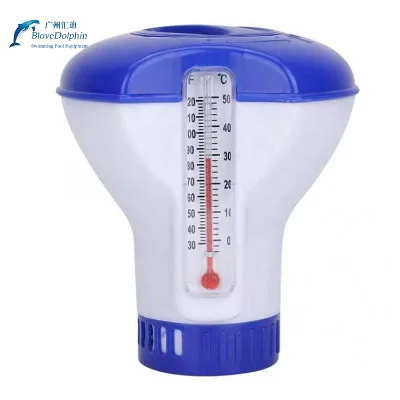
Swimming Pool Chemical Dispenser Floating Pool Chlorine Dispenser Sterilizing Water Thermometer
$2.08 - $4.16
MOQ: 1 pieces
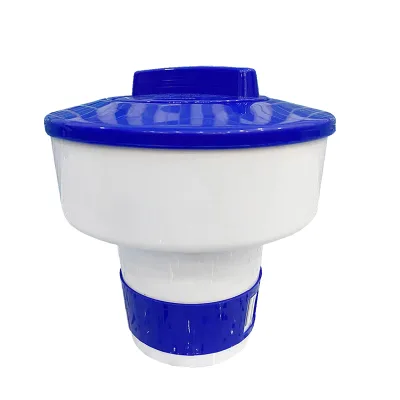
Huidi PVC & ABS Floating Chlorine Dispenser Adjustable Swimming Pool Chemical Dispenser
$1.63 - $2.34
MOQ: 1 pieces
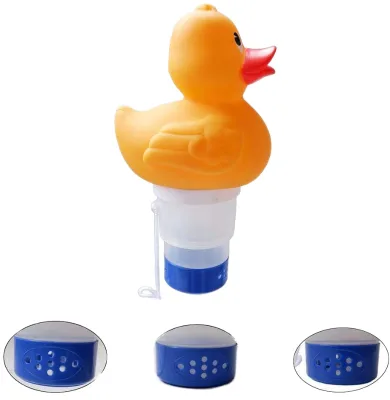

Hangzhou Proway Import & Export Co., Ltd.
- Verified by BV
- Trading Company,Manufacturer/Factory
- China Zhejiang
- Lead time90 days
- Avg. response≤ 11h
Main productsBathtub Components, SPA Components, Shower Room Components, Bathtub Accessories, Shower Accessories, SPA Accessories, Pet Supplies, Aquarium Supplies, Dog Supplies, Cat Supplies
Main marketsEastern Europe,Western Europe

Pool Cleaners Pool Accessories Adjustable Floating Chemical Chlorine Dispenser
$0.90 - $1.20
MOQ: 48 Pieces

Swimming Pool Cleaning Accessories Tablet Floater Dispenser Pool Chlorine Dispenser
$1.00 - $1.30
MOQ: 48 Pieces

Wholesale Automatic Pool Floating Chemical Dispenser Chlorine Floater Chemical Dispenser
$4.50 - $5.00
MOQ: 48 Pieces


Tablets Chemical Dispenser SPA Chemical Chlorine Feeder Floating Chemical Chlorine Dispenser
$1.80 - $2.20
MOQ: 48 Pieces


Foshan Always Swimming Pool Equipment Co., Ltd.
- Manufacturer
- Guangdong, China
- Lead time15 days
- Avg. response≤ 9h
Main productsSwimming Pool Equipment,Water pump,Pool ladder,led pool light,pool accessory
Main marketsMid East(25.00%), South Asia(20.00%), Oceania(10.00%), North America(8.00%), Southern Europe(5.00%), South America(5.00%), Northern Europe(5.00%), Central America(5.00%), Southeast Asia(5.00%), Eastern Asia(5.00%), Africa(5.00%), Eastern Europe(2.00%)

Guangdong Water Crown Environment Technology Co.,Ltd.
- Verified by TUVRHEINLAND
- Combined
- China Guangdong
- Lead time30 days
- Avg. response≤ 1h
Main productsGarden Fountain, Music Fountain, Swimming Pool Heater, Swimming Pool Waterfall, Swimming Pool Pump, Swimming Pool Filter, Swimming Pool Liner, Swimming Pool Light, Swimming Pool Ladder, Bobby Pins
Main marketsOthers(foreignTradeCapacity.exportBusinessCapacityMarketOther)


Swimming Pool Cleaning 5/7/9 Inch Chlorine Tablet Chemical Floating Dispenser
$1.22 - $5.40
MOQ: 50 Pieces


Factory Direct Sales Tablets Chemical Dispenser Chlorine Feeder Floating Pool Accessories
$1.22 - $5.40
MOQ: 50 Pieces

Guangzhou Getsea Pool Spa Equipment Co., Ltd.
- Trading Company,Manufacturer/Factory
- China Guangdong
- Lead time15 days
- Avg. response≤ 2h
Main productsSwimming Pool Equipment, Swimming Pool Filter, Swimming Pool Pump, Swimming Pool Ladder, Swimming Pool Light, Swimming Pool Cleaning Equipment, Swimming Pool White Accessories, Swimming Pool Heater, Sauna Room, Sauna and SPA Equipment
Main marketsSouth America,Eastern Europe,Mid East,North America,Southeast Asia,Eastern Asia,Oceania,Western Europe,Africa

Wholesale Tablets Floating Dispenser Water Pool Chemical Chlorine Dispenser
$3.20 - $3.50
MOQ: 1 Pieces

Tablets Floating Dispenser 9inch Water Pool Chemical Chlorine Pill Floating Bowl
$1.00 - $3.50
MOQ: 1 Pieces
Daremay Swimming Pool Equipment Co., Ltd.
- Trading Company
- Sichuan, China
- Lead time7 days
- Avg. response≤ 2h
Main productsswimming pool filter,swimming pool water pump,swimming pool ladder,swimming pool fitting accessory,pool cleaner
Main marketsNorthern Europe(20.00%), Mid East(20.00%), Southeast Asia(20.00%), South America(20.00%), Oceania(10.00%), Africa(10.00%)
Guangzhou Wayman Health Equipment Co., Ltd.
- Verified by SGS Group
- Trading Company
- Lead time15 days
- Avg. response≤ 4h
Main productsSand Filter, Water Pump, Pool Plastic Accessories, Sauna Equipments, Spa Equipments
Main marketsMid East(17%), Southeast Asia(16%), South America(12%)
Guangzhou Zhongpeng Swimming Pool Equipment Co., Ltd.
- Manufacturer, Trading Company
- Guangdong, China
- Lead time15 days
- Avg. response≤ 1h
Main productsPool Cleaner,Water Pump
Main marketsSoutheast Asia(40.00%), Western Europe(30.00%), North America(30.00%)
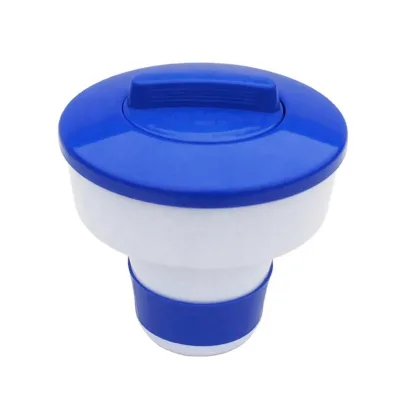
Floating Water Pool Chlorine Blue and White Dispenser for Spa/swimming Pool
$2.03 - $2.54
MOQ: 50 pieces
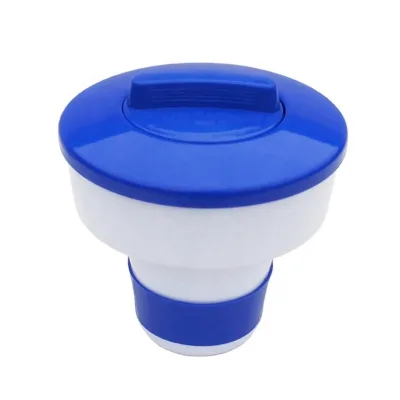
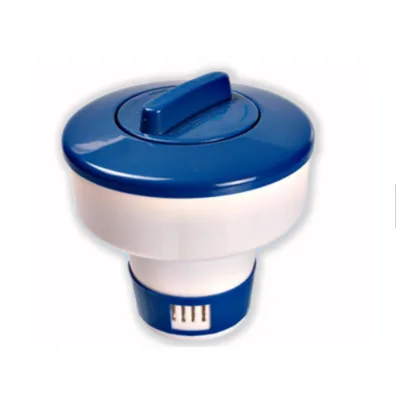
China Factory Floating Chlorine Swimming Pool Dispenser for Tablets 1.3 Inch/3inch
$1.53 - $2.34
MOQ: 1 pieces
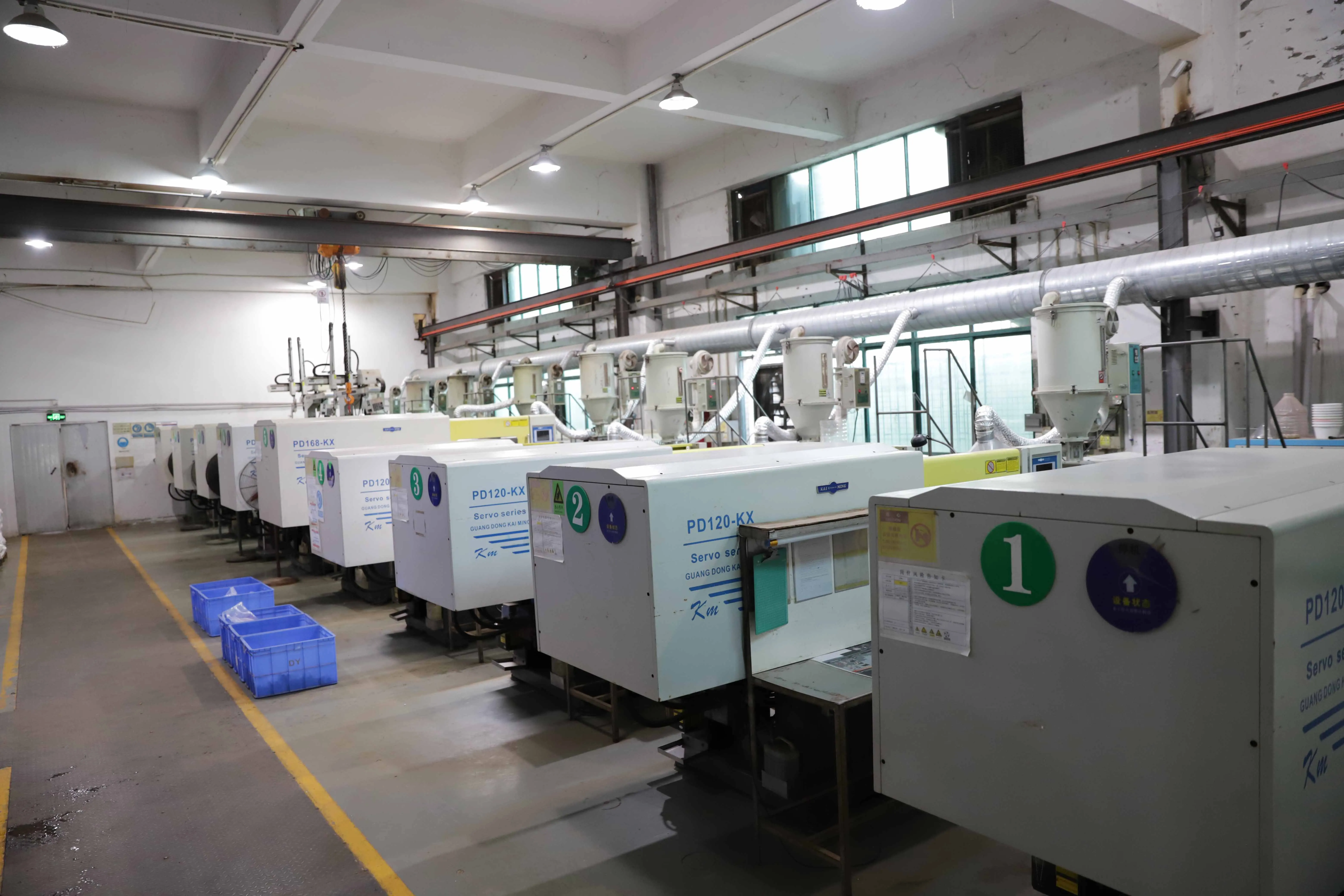
$1.84 - $2.35
MOQ: 1 pieces
Shenzhen Dongchuangyuan Technology Co., Ltd.
- Manufacturer
- Guangdong, China
- Lead time30 days
- Avg. response≤ 3h
Main productsplastic action figure,plastic dolls,plastic keychain,bath toys,bath thermometer
Main marketsNorth America(55.00%), Northern Europe(10.00%), Central America(10.00%), Western Europe(10.00%), Eastern Europe(10.00%), Southern Europe(5.00%)
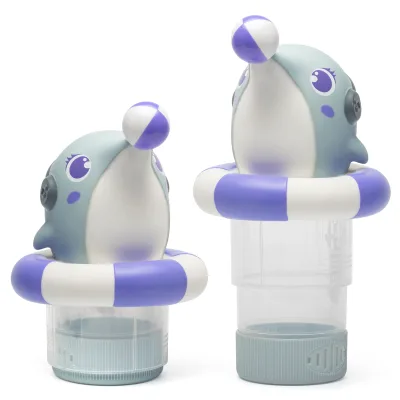
$6.40 - $8.00
MOQ: 10 pieces
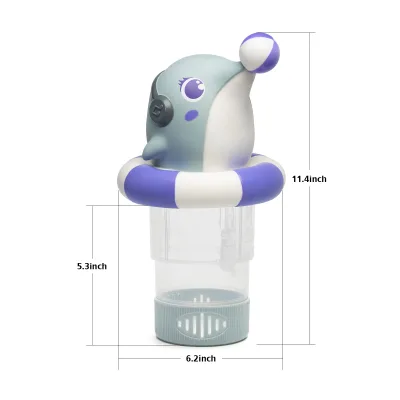
$6.40 - $8.00
MOQ: 10 pieces
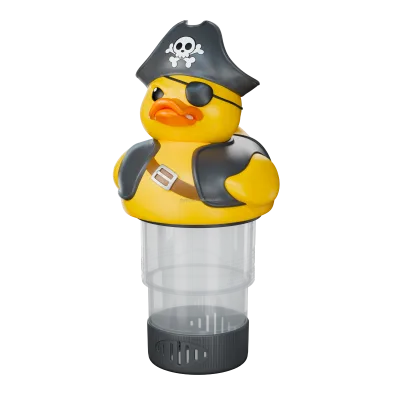
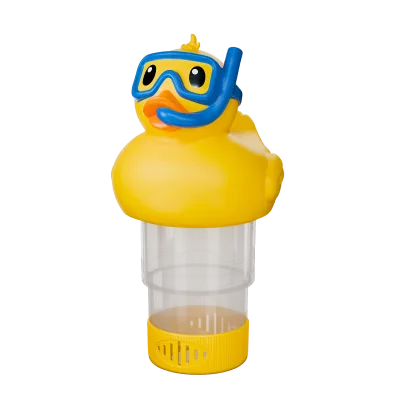
Ningbo Huiyong Pool Products Co., Ltd.
- Manufacturer
- Zhejiang, China
- Lead time45 days
- Avg. response≤ 2h
Main productspool leaf rake,pool vacuum head,pool brushes,pool hose pipe EVA,pool alunimium telescopic pole
Main marketsDomestic Market(34.00%), North America(30.00%), Southeast Asia(5.00%), Mid East(5.00%), Eastern Asia(5.00%), Central America(5.00%), South America(3.00%), Africa(3.00%), Northern Europe(3.00%), South Asia(3.00%), Eastern Europe(1.00%), Oceania(1.00%), Western Europe(1.00%), Southern Europe(1.00%)

Guangzhou Huidi Swimming Pool&Spa Equipment Co., Ltd.
- Verified by CTI
- Trading Company
- China Guangdong
- Lead time30 days
- Avg. response≤ 8h
Main productsSand Filter, Pool Pumps, SPA Series, Pool Equipment
Main marketsEurope,North America

Automatic Dispenser for Sterilizing The Water of Swimming Pool Chlorine Dispenser
$11.00 - $16.00
MOQ: 1 piece

Automatic Chemical Swimming Pool Chlorine Dosing Pump Feeder Chlorine Dispenser
$11.00 - $16.00
MOQ: 1 piece


Automatic Chlorine Feeder Chemical Dosing Pump Wholesale Swimming Pool Chlorine Dosing Pump
$11.00 - $16.00
MOQ: 1 piece
Ningbo Jade Pool Technology Co., Ltd.
- Verified by TüVRheinland
- Manufacturer, Trading Company
- Lead time30 days
- Avg. response≤ 3h
Main productsSwimming Pool Pump, Pump Replacement Motor, Pool Accessories
Main marketsNorth America(36%), Domestic Market(17%), Western Europe(9%)
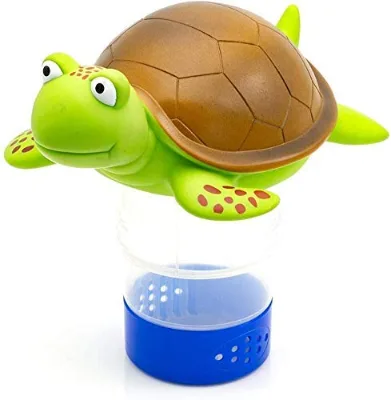
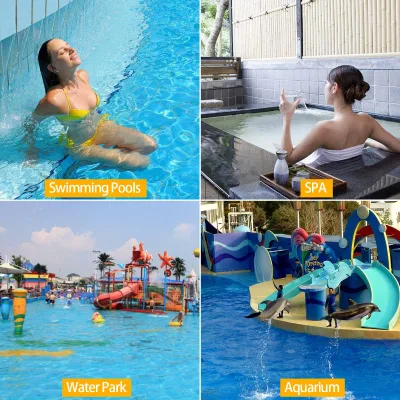
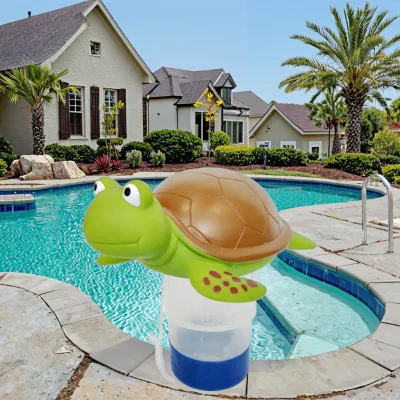
$2.65 - $3.41
MOQ: 500 pieces
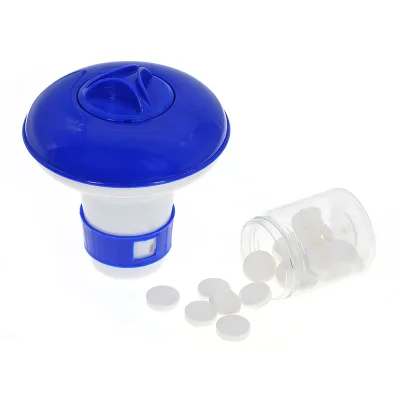
Guangzhou Ximan Environmental Technology Co., Ltd.
- Manufacturer, Trading Company, Other
- Guangdong, China
- Lead time7 days
- Avg. response≤ 4h
Main productsfish pond fiter,sand filter,swimming pool pump,swimming pool equipment,Aquarium products
Main marketsDomestic Market(20.00%), Mid East(10.00%), Western Europe(10.00%), Eastern Asia(10.00%)

SHENZHEN HOTOOK INDUSTRIAL CO LTD
- Combined
- China Guangdong
- Lead time15 days
- Avg. response≤ 5h
Main productsLED Swimming Pool Light, Salt Chlorinator, Sand Filter, Pool Waterfall
Main marketsSoutheast Asia/ Mideast,Europe,North America

Solar Pool Chlorine Floater Hot Tub Pool Chlorine Floater Dispenser Pool Chlorine Floater
$73.90 - $80.90
MOQ: 5 Pieces

High Quality Water Chlorination Equipment Salt Water Chlorinator for Swimming Pool
$152.90 - $158.06
MOQ: 2 Pieces
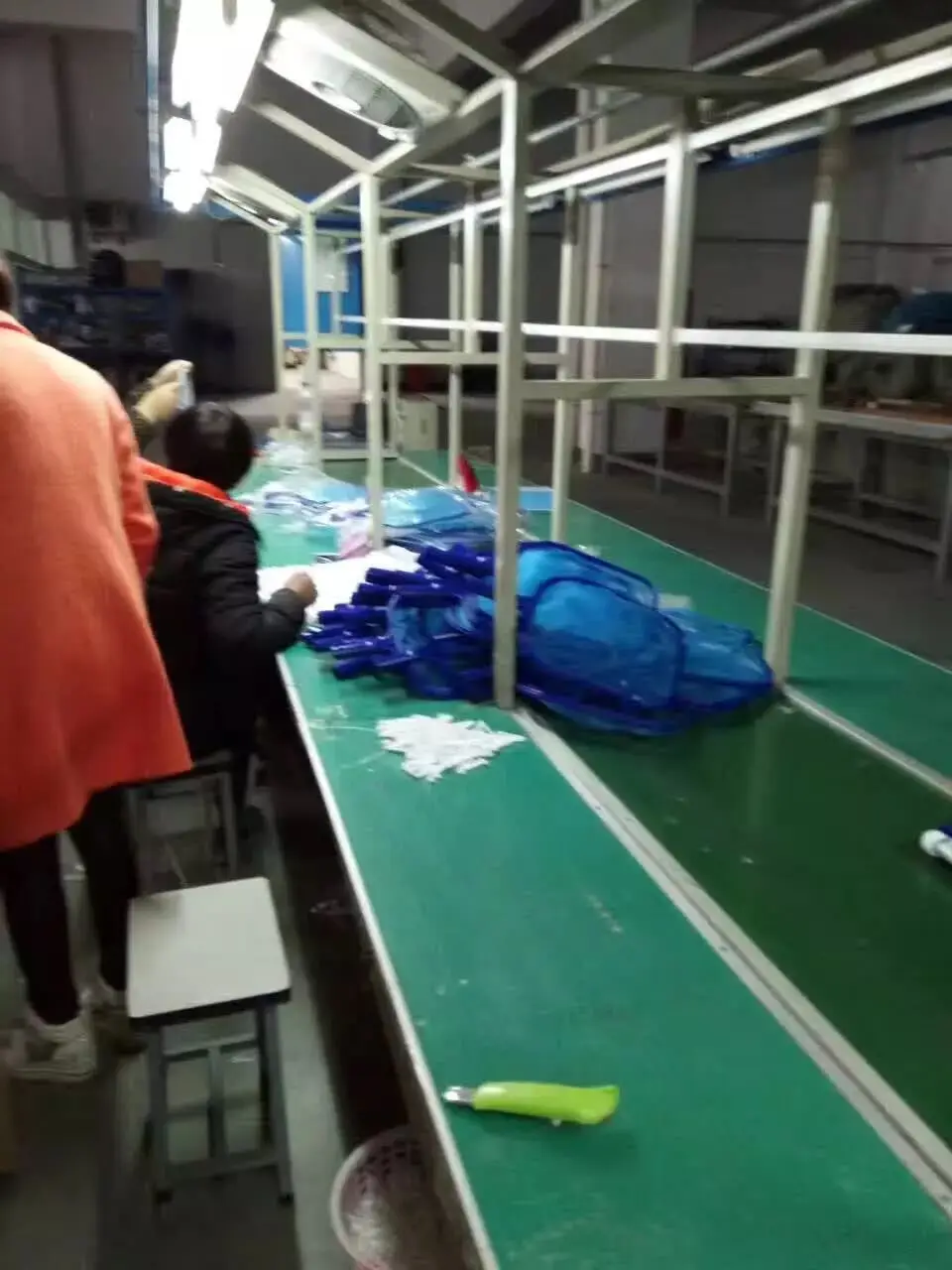
Guangzhou Getsea Pool Spa Equipment Co., Ltd.
- Manufacturer, Trading Company
- Guangdong, China
- Lead time10 days
- Avg. response≤ 7h
Main productsSwimming pool equipment,pool light,pool ladder,pool liner,pool accessories
Main marketsEastern Asia(15.00%), Southeast Asia(15.00%), Africa(15.00%), Oceania(10.00%), Domestic Market(5.00%), South Asia(5.00%), Southern Europe(5.00%), Northern Europe(5.00%), Western Europe(5.00%), Eastern Europe(5.00%), Mid East(5.00%), South America(5.00%), North America(5.00%)
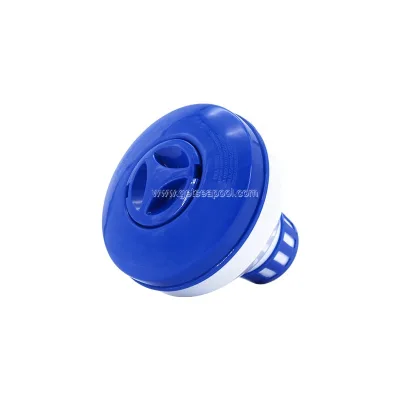
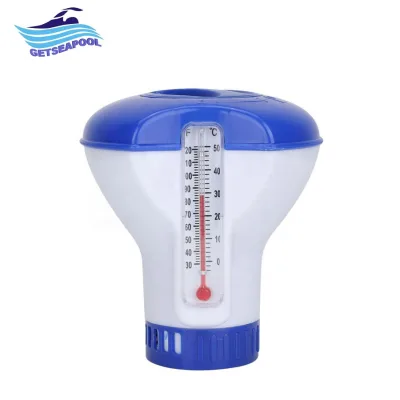
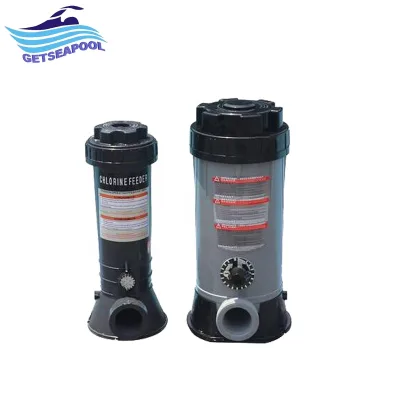
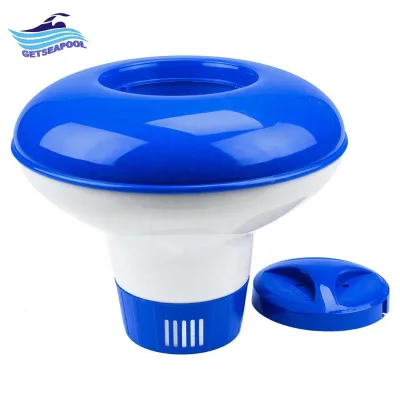
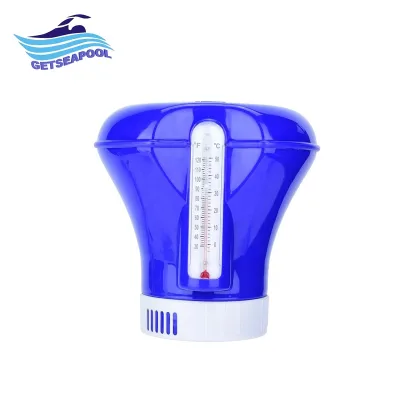
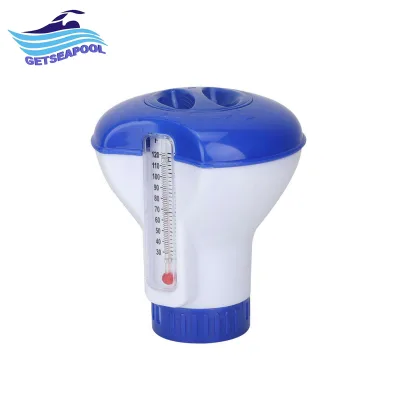
Wholesale Floating Chlorine Dispenser Chemical Chlorine Feeder for Swimming Pool Accessories
$1.22 - $3.85
MOQ: 1 pieces
Henan Lvyuan Water Treatment Technology Co., Ltd.
- Verified by SGS Group
- Manufacturer, Trading Company
- Lead time7 days
- Avg. response≤ 2h
Main productsActivated Carbon, Filter Ball, Pool Chemicals, Water Treatment Chemicals, Filter Media
Main marketsEastern Europe(40%), Africa(38%), Southeast Asia(10%)

GUANGZHOU MIC POOL SPA EQUIPMENT LIMITED
- Trading Company
- China Guangdong
- Lead time30 days
- Avg. response≤ 7h
Main productsSwimming Pool Equipment, Pool Filter, Pool Pump, Pool Ladder, Swimming Pool Waterfall SPA, Pool Light
Main marketsSouth America,Africa,Southeast Asia/ Mideast,Domestic,Europe,Australia


Above Pool Floating Chemical Dispenser for Distributes Chemicals Into The Pool Water
$3.00 - $4.00
MOQ: 1 Pieces

1.9kgs/4kgs Automatic Feeder Kit Above Ground Swimming Pool Chemical Automatic Chlorine Dispenser
$13.00 - $30.00
MOQ: 1 Pieces
Cixi Handsome Pool Appliance Co., Ltd.
- Verified by TüVRheinland
- Manufacturer, Trading Company
- Lead time30 days
- Avg. response≤ 9h
Main productsSwimming Pool Accessories, Pool Cleaner
Main marketsDomestic Market(50%), North America(15%), Western Europe(13%)
$0.47 - $0.54
MOQ: 1 pieces
Guangzhou Huaxi Sauna Swimming Pool Equipment Co., Ltd.
- Manufacturer
- Guangdong, China
- Lead time0 days
- Avg. response≤ 2h
Main productsSwimming Pool Equipment/Sauna Equipment/Pool Ladders/Pool Heater/Pool Waterfalls
Main marketsDomestic Market(80.00%), North America(7.00%), Southeast Asia(6.00%), Central America(3.00%), Mid East(2.00%), Northern Europe(1.00%), Western Europe(1.00%)
Shenzhen Dongyuan Plastic & Metal Products Manufacturer
- Verified by SGS Group
- Manufacturer, Trading Company
- Lead time35 days
- Avg. response≤ 3h
Main productsAction Figure, Bath Toys, Bath Thermometer, Plastic Doll, Plastic Keychain
Main marketsNorth America(25%), Western Europe(15%), Oceania(10%)
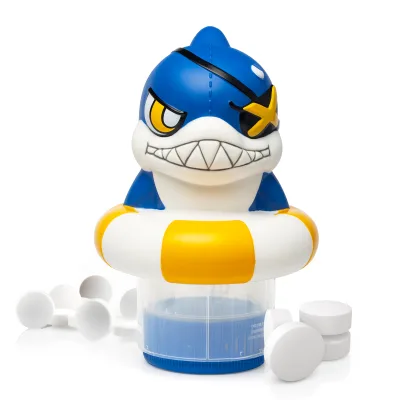
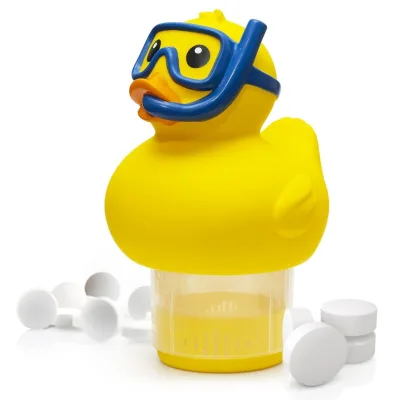
Customized Flow Rate Swimming Pool Chemical Dispenser Chlorine Floater for Spas and Personal Pools
$4.08 - $5.10
MOQ: 3000 pieces


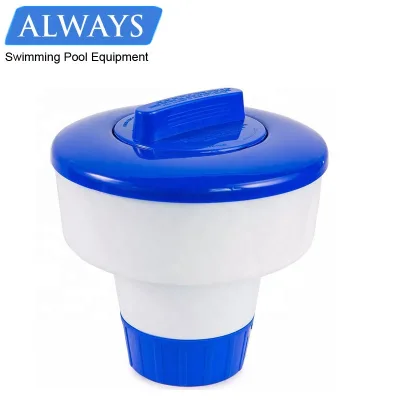
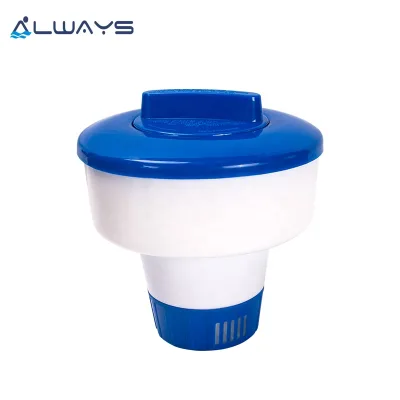
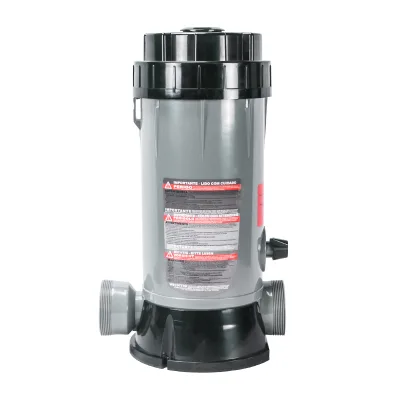
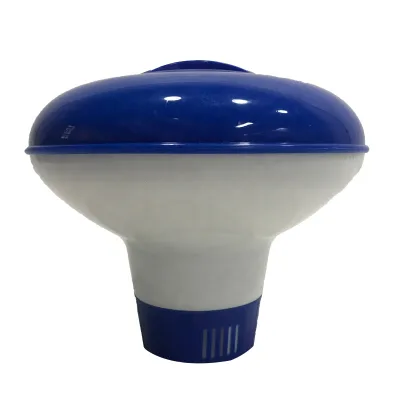
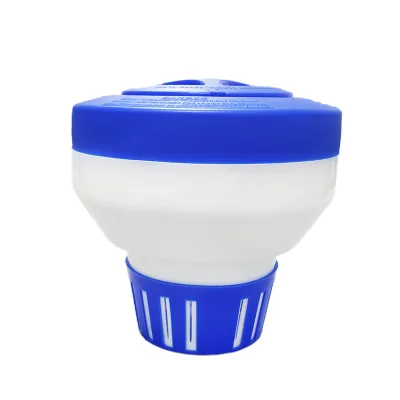
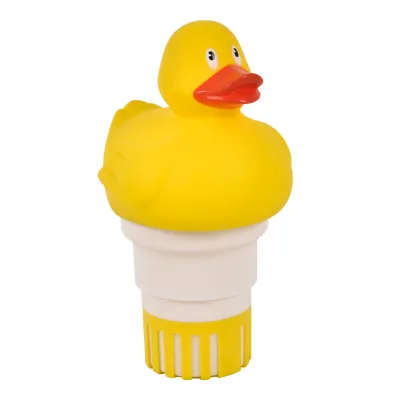
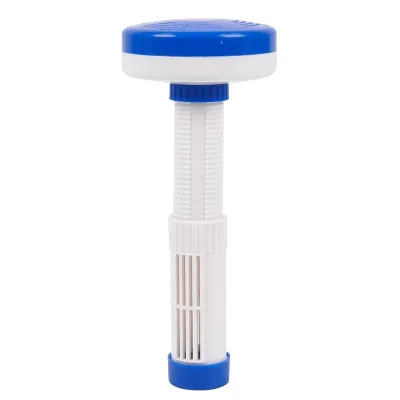
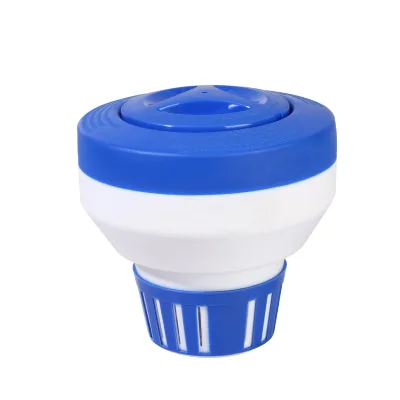
Comprehensive Sourcing Guide
Pool Floating Chlorine Dispenser Supplier Concentration and Factory Types
The current supplier landscape for pool floating chlorine dispensers reveals a distinct mix of trading companies and manufacturing entities, each offering different advantages for procurement teams. Many suppliers in this category identify primarily as trading companies, which often indicates a focus on aggregation, quality control, and streamlined logistics rather than direct factory production. This structure can be beneficial for buyers seeking a single point of contact for multiple SKUs or those who require flexible order sizes that might not align with large factory minimums. However, the presence of suppliers listing themselves as both trading companies and manufacturers suggests a hybrid model where direct production capabilities exist alongside commercial sales operations. Buyers must carefully distinguish between these types to understand who holds the actual production authority and who is acting as an intermediary. The concentration of these entities often correlates with specific industrial clusters, though specific geographic data for this exact product category may vary. Understanding whether a supplier is a pure trader or a factory-backed entity is the first step in determining pricing flexibility and communication efficiency.
When evaluating the factory types, it is crucial to look at the stated main products and company type declarations to gauge their core competency. Some suppliers list a broad range of items such as swimming pool equipment, sauna heaters, and general pool cleaning accessories, which may indicate a diversified manufacturing base or a broad trading portfolio. Others focus more narrowly on specific pool tools and accessories, suggesting a specialized production line. The verification status provided by third-party inspection groups like SGS Group adds a layer of credibility to these claims, helping buyers confirm that the supplier’s declared capabilities match their operational reality. For instance, a supplier verified by SGS Group provides an external validation of their business license and factory audits, which reduces the risk of dealing with a non-existent entity. Buyers should prioritize suppliers who clearly articulate their role in the supply chain, whether they are designing the molds for plastic dispensers or simply sourcing them from a network of factories. This clarity helps in negotiating better terms and setting realistic expectations for production timelines and customization options.
How to Verify Pool Floating Chlorine Dispenser Suppliers
Verification is a critical step in mitigating risk when sourcing pool floating chlorine dispensers, especially given the prevalence of trading companies in the results. Buyers should prioritize suppliers who have undergone third-party verification processes, such as those conducted by SGS Group, which can confirm the legitimacy of the business entity and its operational scope. The presence of a verification badge is a strong indicator that the supplier has passed initial checks regarding their business license and physical existence. However, verification alone is not sufficient; buyers must also examine the specific certifications listed, such as RoHS, EMC, and LVD, which are relevant for electronic or plastic components depending on the dispenser’s design. These certifications ensure that the products meet specific safety and environmental standards, which is particularly important for items that come into direct contact with drinking water or recreational water systems. Buyers should request copies of these certificates and verify their validity with the issuing bodies to ensure they are current and applicable to the specific products being ordered.
In addition to certifications, buyers should assess the supplier’s response time and communication efficiency as a proxy for their operational maturity. A response time of five hours or less suggests a dedicated customer service team that is likely to handle inquiries and issues promptly, which is vital for resolving production discrepancies or shipping delays. Suppliers with longer response times may indicate a lack of dedicated resources or a less organized internal structure. Furthermore, buyers should look for evidence of past performance and product details, such as model numbers, material specifications, and packaging details, which demonstrate a level of transparency and professionalism. The availability of detailed product attributes, including single package sizes and gross weights, indicates that the supplier has a well-defined logistics process in place. Buyers should also inquire about the supplier’s ability to provide samples, as this allows for a physical inspection of the product quality before committing to a larger order. This due diligence helps in building a reliable supplier base and reduces the likelihood of receiving substandard goods.
What to Compare Across Pool Floating Chlorine Dispenser Suppliers
When comparing suppliers, buyers should focus on key operational metrics such as minimum order quantities (MOQ), lead times, and pricing structures to find the best fit for their business needs. The MOQs for pool floating chlorine dispensers can vary significantly, ranging from small batches of twelve pieces to larger orders of five hundred pieces or more. This variation allows buyers to choose suppliers that align with their inventory management strategies, whether they prefer to hold less stock and order more frequently or to bulk purchase for cost savings. Lead times are another critical factor, with some suppliers indicating zero lead time, which may suggest ready-to-ship stock, while others may have longer production cycles. Buyers should clarify whether the zero lead time applies to all models or only specific items, and confirm the actual production time for customized orders. Pricing should also be compared across suppliers, keeping in mind that lower prices may come with higher MOQs or reduced customization options.
Beyond basic metrics, buyers should evaluate the customization capabilities and main product focus of each supplier to ensure alignment with their brand and product strategy. Some suppliers offer OEM/ODM services, allowing for custom logos, packaging, and even design modifications, which is essential for brands looking to differentiate their products in the market. The ability to handle light customization, sample processing, and graphic processing indicates a flexible production line that can accommodate specific buyer requirements. Additionally, the supplier’s main product list can provide insights into their expertise; a supplier specializing in pool cleaning accessories may offer higher quality and more innovative designs than a generalist trading company. Buyers should also consider the supplier’s response speed, as faster communication can lead to quicker problem resolution and a smoother procurement process. By comparing these dimensions, buyers can create a shortlist of suppliers that offer the best combination of cost, quality, and service for their specific sourcing needs.
Common Pool Floating Chlorine Dispenser Sourcing Risks
One of the primary risks in sourcing pool floating chlorine dispensers is the potential discrepancy between the advertised product specifications and the actual goods received. This is particularly relevant for plastic dispensers, where material quality, durability, and chemical resistance are critical factors. Buyers must be vigilant about verifying the material composition, such as whether the plastic is UV-resistant or suitable for long-term submersion in chlorinated water. Without proper verification, buyers may receive products that degrade quickly, leading to customer complaints and returns. Another risk is the inconsistency in packaging and labeling, which can affect shipping efficiency and retail readiness. Suppliers may use different packaging standards, such as PE bags plus cartons or bulk box packaging, which can impact the unit cost and handling requirements. Buyers should clearly specify their packaging preferences in the purchase order and request pre-shipment photos to ensure compliance.
Additionally, buyers face the risk of supply chain disruptions due to unclear lead times or production capacity constraints. Some suppliers may advertise zero lead time but fail to deliver on time during peak seasons, causing delays in inventory replenishment. This risk is exacerbated when dealing with trading companies that rely on multiple factories, as coordination issues can arise. Buyers should establish clear communication channels and regular update schedules with their suppliers to monitor production progress. Furthermore, there is a risk of intellectual property infringement if buyers work with suppliers who produce counterfeit or unauthorized designs. Buyers should ensure that their custom designs are protected and that the supplier agrees to confidentiality and non-infringement clauses. By identifying and mitigating these risks through thorough due diligence and clear contractual terms, buyers can protect their business interests and maintain a stable supply chain.
Pool Floating Chlorine Dispenser Regional Sourcing and Logistics
Regional sourcing plays a significant role in determining the logistics costs and delivery times for pool floating chlorine dispensers. Many suppliers are located in China, with specific mentions of regions like Guangdong and Jiangsu, which are known for their manufacturing clusters. Guangdong, in particular, is a major hub for plastic products and pool equipment, offering a wide range of suppliers with varying capabilities. Buyers sourcing from these regions should consider the proximity to major ports, such as Huangpu, which can facilitate efficient shipping and reduce transit times. Understanding the regional logistics landscape helps buyers estimate freight costs and plan their inventory replenishment cycles more accurately. Buyers should also be aware of any regional trade regulations or tariffs that may impact the final landed cost of the products.
Logistics planning should also account for the packaging dimensions and weight of the products, as these factors directly influence shipping costs. Pool floating chlorine dispensers are often bulky and lightweight, which can lead to high volumetric weight charges if not packed efficiently. Buyers should work with suppliers to optimize packaging designs to minimize space utilization and reduce shipping expenses. Additionally, buyers should consider the supplier’s experience with international shipping and their ability to handle customs clearance and documentation. Suppliers who have a proven track record of exporting to the buyer’s region can provide valuable insights into local regulations and requirements. By leveraging regional sourcing advantages and optimizing logistics strategies, buyers can improve their supply chain efficiency and reduce overall procurement costs.
Pool Floating Chlorine Dispenser Commercial Terms and Order Planning
Commercial terms and order planning are essential components of a successful sourcing strategy for pool floating chlorine dispensers. Buyers should negotiate clear payment terms, such as using escrow services or letters of credit, to protect their financial interests and ensure that payments are only released upon satisfactory delivery of the goods. Escrow services provide an additional layer of security by holding the funds until the buyer confirms receipt and quality of the products. Buyers should also establish clear quality control standards and inspection protocols, including the option for third-party inspections before shipment. This helps in identifying any defects or discrepancies early in the process, allowing for timely corrections and avoiding costly returns.
Order planning should be based on a realistic assessment of demand, lead times, and inventory holding costs. Buyers should work with their suppliers to develop a rolling forecast that accounts for seasonal fluctuations and market trends. This collaborative approach helps in ensuring that production schedules align with demand, reducing the risk of stockouts or excess inventory. Buyers should also consider the supplier’s capacity to handle rush orders or changes in specifications, as flexibility is crucial in a dynamic market. By establishing strong commercial terms and implementing robust order planning processes, buyers can build a resilient supply chain that supports their business growth and customer satisfaction. Regular communication and performance reviews with suppliers are also key to maintaining a productive and mutually beneficial relationship.
FAQs
What is the minimum order quantity for plastic floating chlorine dispensers?
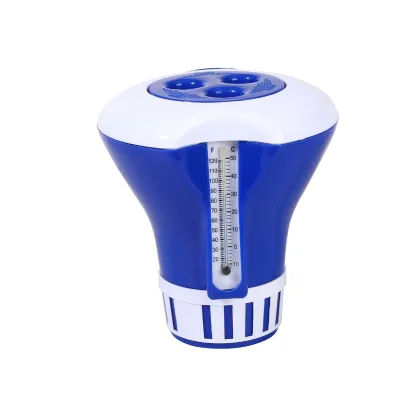
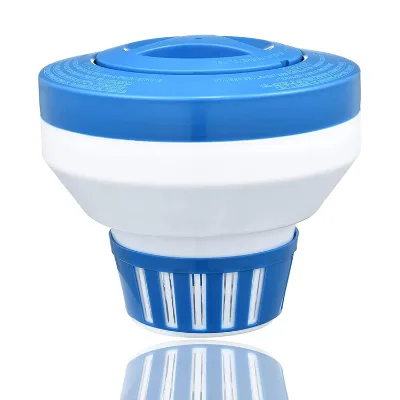
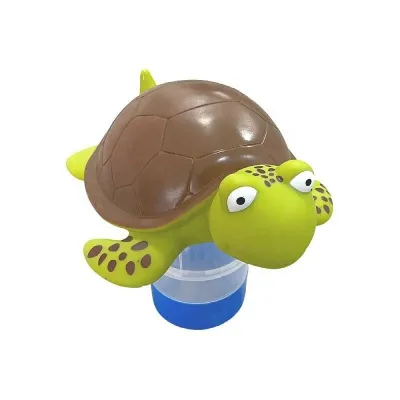
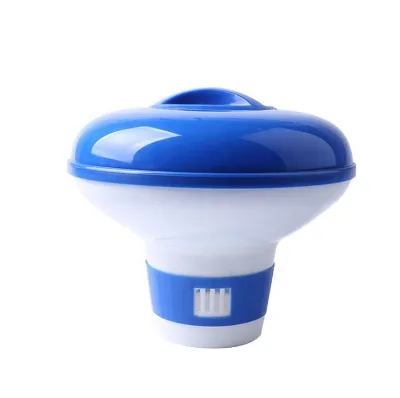
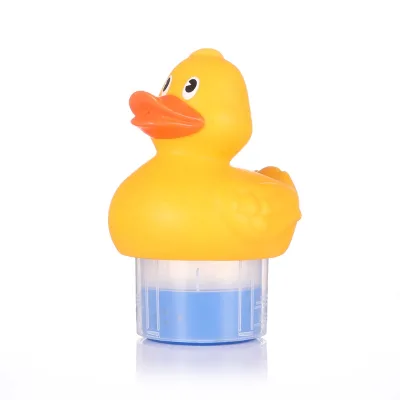
Minimum order quantities vary by model, ranging from 12 pieces to 500 pieces depending on the specific product design. Some standard chemical dispensers require a minimum of 100 units, while specialized turtle or flamingo shapes may need 500 units. Buyers should check individual product listings for exact thresholds before placing orders.
Where are these pool cleaning accessories manufactured?
The majority of these plastic floating chlorine dispensers originate from Guangdong, China. Some supplier records also indicate manufacturing capabilities in Jiangsu, China. All listed products specify their place of origin clearly within the product attributes to ensure transparency regarding the supply chain location for international buyers.
Do suppliers offer customization for brand logos on these dispensers?
Yes, most suppliers accept customer requests for customized logos and OEM services. The product attributes explicitly state that customized logos are available for various models. Buyers can request specific branding details, and suppliers typically accommodate these needs as part of their standard customization capabilities for pool equipment.
What certifications do these pool equipment manufacturers hold?
Suppliers often hold system certifications including RoHS, EMC, and LVD standards. Some manufacturers also possess ISO 9001 certification for quality management. Additionally, certain products are verified by SGS Group, ensuring that the pool cleaning accessories meet specific safety and quality requirements for international markets.
How quickly do suppliers typically respond to inquiries?
Response times for these suppliers vary, with some reporting a response time of 5 hours and others taking up to 9 hours. Buyers should expect a reply within a day for most inquiries. Faster response times are common for verified trading companies and manufacturers specializing in swimming pool equipment and accessories.
What is the price range for a single floating chlorine dispenser?
Prices for these dispensers generally range from approximately 1.35 to 2.96 US dollars per unit. The specific cost depends on the model, size, and order quantity. Bulk orders often secure lower unit prices, while smaller quantities or specialized shapes like turtles may command higher rates within this observed market range.
Are these dispensers suitable for use with 3-inch chlorine tablets?
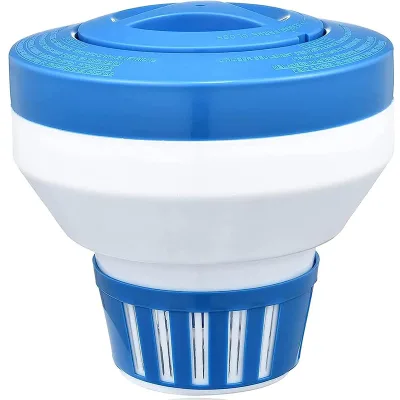
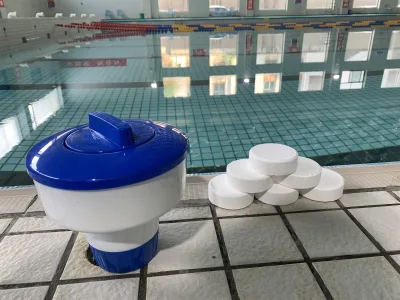
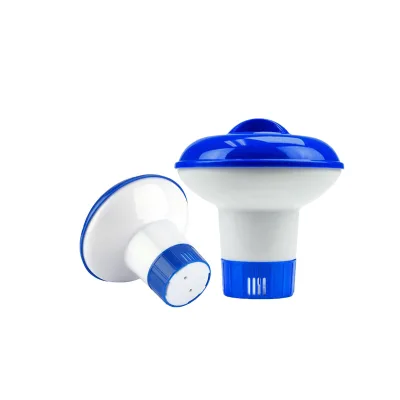
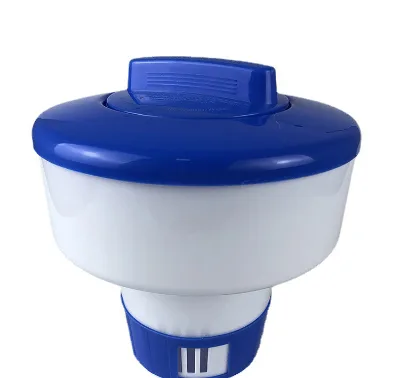
Yes, many models are specifically designed to hold 3-inch chemical tablets. Product descriptions confirm that these dispensers accommodate standard tablet sizes for effective pool maintenance. Buyers should verify the internal dimensions and use specifications in the product details to ensure compatibility with their specific chlorine tablet requirements.