Pomelo Peel Hydrosol Suppliers and Manufacturers
Source Pomelo Peel Hydrosol from 26 verified suppliers in China. Compare key dimensions including ISO certifications, response times, lead times, and pricing to identify suitable partners. Review product specifications and request samples to verify quality before placing orders; review the available evidence before requesting comparable quotations from suitable candidates.
Suppliers List

Suzhou Greenway Biotech Co., Ltd.
- Verified by BV
- Trading Company,Manufacturer/Factory
- China Jiangsu
- Lead time15 days
- Avg. response≤ 8h
Main productsGlutathione, Nmn, Pharmaceutical Intermediates, Cosmetic Materials, Nutritional Supplements
Main marketsSouth America,Eastern Europe,Mid East,North America,Southeast Asia,Eastern Asia,Oceania,Western Europe,Africa

Jiangxi Baicao Pharmaceutical Co., Ltd.
- Verified by BV
- Combined
- China Jiangxi
- Lead time15 days
- Avg. response≤ 11h
Main productsEssential Oil, Plant Extract, Fragrance Oil, Flavor Oil, Tea Tree Oil, Eucalyptus Oil, Peppermint Oil, Citronella Oil, Pine Oil, Cassia Oil /Cinnamon Oil
Main marketsSoutheast Asia/ Mideast,East Asia(Japan/ South Korea),Europe


Manufacturers Supply Natural Plant Extract Orange Peel Oil Plant Essential Oil
Contact supplier
Moq: 1

Shaanxi Yuantai Biological Technology Co., Ltd.
- Verified by CTI
- Manufacturer/Factory
- China Shaanxi
- Lead time15 days
- Avg. response≤ 6h
Main productsAstaxanthin, Nicotinamide Mononucleotide, Arbutin, Sialic Acid, Resveratrol, Creatine Monohydrate, Coenzyme Q10, Retinal, Centella Asiatica Extract, Hesperidin
Main marketsSouth America,Eastern Europe,Mid East,North America,Southeast Asia,Eastern Asia,Oceania,Western Europe,Africa
Ji'an Borui Spice Oil Co., Ltd.
- Verified by SGS Group
- Manufacturer, Trading Company
- Lead time5 days
- Avg. response≤ 2h
Main productsEssential Oil, Carrier Oil, Natural flavors , Fragrance oil, Hydrosol
Main marketsSoutheast Asia(25%), Central America(18%), South America(12%)
- Verified by SGS
- Manufacturer/Factory
- China Shandong
- Lead time0 days
- Avg. response≤ 4h
Main productsTablet Supplement, Hard Capsule, Time Released Capsule, Softgel Capsule, Superfood / Drink / Drop, Gummy / Probiotics, Herbal & Plant Extract, Fruit & Vegetable Powder, Empty Capsule, Premix Solutions / API
Main marketsSouth America,Eastern Europe,Mid East,North America,Southeast Asia,Eastern Asia,Oceania,Western Europe,Africa


Private Label Pomegranate Extract Ellagic Acid Polyphenols Powder GMP Certificate OEM
$10.00 - $25.00
Moq: 25
Xian Changsheng Jiuyuan Biotech Co., Ltd.
- Trading Company
- Shaanxi, China
- Lead time3 days
- Avg. response≤ 1h
Main productsNMN,Capsaicin,Garlic Oil,Fish Oil,5-htp
Main marketsSouth Asia(60.0%)
Shaanxi Dongjiang Kangtai Health Industry Co., Ltd.
- Verified by SGS
- Manufacturer
- China Shaanxi
- Lead time15 days
- Avg. response≤ 5h


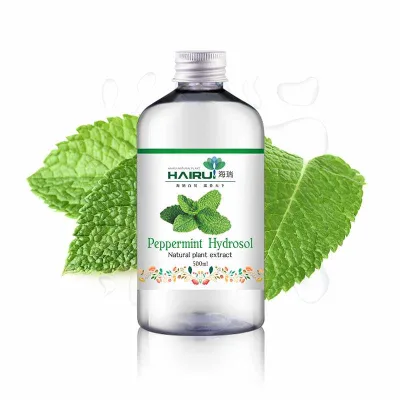
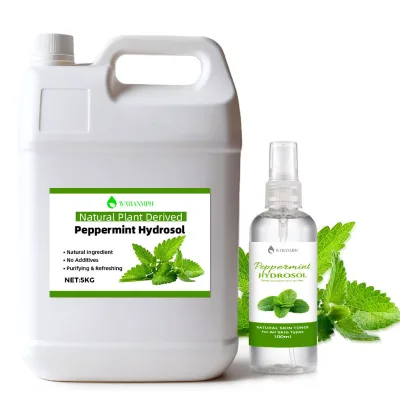
Peppermint Hydrosol Natural Floral Water for Cosmetic and Personal Care Applications
$19.00 - $35.00
Moq: 1
Jiangxi Hairui Natural Plant Co., Ltd.
- Verified by SGS Group
- Manufacturer, Trading Company
- Lead time7 days
Main productsNatural Plant Oil, Medicinal Spice Oil, Hair Essential Oil, Other Beauty & Personal Care Products, Carrier Oil
Main marketsNorth America(15%), Eastern Europe(11%), Oceania(11%)

- Manufacturer
- China Shaanxi
- Lead time15 days
- Avg. response≤ 3h
Main productsReishi Extract, Ginseng Extract, Lutein Powder, Chlorophyll, Quercetin, Phycocyanin, Astaxanthin, Kojic Acid, Beetroot Powder, Cherry Powder
Main marketsSouth America,Africa,Southeast Asia/ Mideast,East Asia(Japan/ South Korea),Domestic,Europe,Australia,North America
Ji'an Qingyuan Wenyuan Spices Co. , Ltd.
- Verified by SGS Group
- Manufacturer, Trading Company
- Lead time5 days
- Avg. response≤ 2h
Main productsAromatherapy essential oil
Main marketsNorth America(40%), Domestic Market(38%), Western Europe(6%)

Fufeng Sinuote Biotechnology Co., Ltd
- Verified by BV
- Combined
- China Shaanxi
- Lead time15 days
- Avg. response≤ 3h
Main productsPlant Extract, Sea Buckthorn Powder, Echinacea Purpurea Extract, Soybean Peptide Powder, Valerian Extract, Chaga Mushroom Extract, Elderberry Extract, Kiwi Fruit Powder, Honey Powder, Sambucus Williamsii Hance Extract Powder
Main marketsOthers(foreignTradeCapacity.exportBusinessCapacityMarketOther)


Pomegranate Peel Extract Pomegranate Peel Polyphenols 10%-60% Ellagic Acid 40%-90%
$18.00 - $25.00
Moq: 1


Shaanxi Lymall Bpanda Tech Co., Ltd.
- Verified by BV
- Trading Company
- China Shaanxi
- Lead time15 days
- Avg. response≤ 2h
Main productsMt2, Tianeptine Sodium, Phenibut, Fenbendazole, Shilajit Resin, Nad+, Adipotide, Organic Powder, Melanotan 2, Mt II
Main marketsSoutheast Asia/ Mideast,East Asia(Japan/ South Korea),Europe,Australia,North America
Shaanxi Saien Biotechnology Co., Ltd.
- Verified by SGS
- Combined
- China Shaanxi
- Lead time15 days
- Avg. response≤ 2h
Main productsHealth Products Health Product Raw Materials, Plant Extracts, Cosmetic Raw Materials, Organic Intermediates, Food Additives
Main marketsDomestic
Jiangxi Fufeng International Trade Co., Ltd.
- Verified by TüVRheinland
- Manufacturer, Trading Company
- Lead time7 days
- Avg. response≤ 2h
Main productsEssential Oil, Body Butters, Fragrance Oil, Carrier Oil
Main marketsNorth America(30%), Southeast Asia(20%), Africa(15%)

Qingdao Twell Sansino Import & Export Co., Ltd.
- Trading Company
- China Shandong
- Lead time15 days
- Avg. response≤ 19h
Main productsFood Additive, Citric Acid, Sodiumalglinate, Malic Acid, Tartaric Acid, Sodium Benzoate, Sodium Saccharin, Aspartame, Carboxymethylcellulose Sodium CMC, Acetic Acid Glacial
Main marketsSouth America,Others(foreignTradeCapacity.exportBusinessCapacityMarketOther),Europe
- Manufacturer, Trading Company
- Sichuan, China
- Lead time3 days
- Avg. response≤ 6h
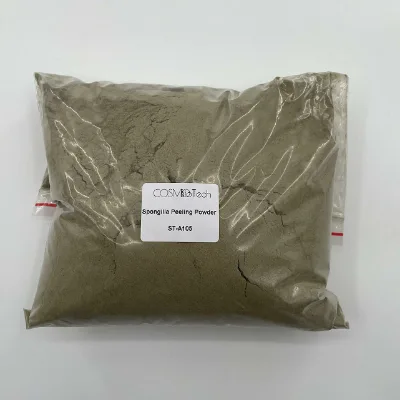
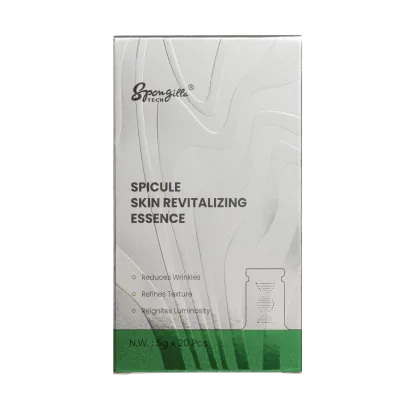
Main productsSpongilla spicules,Hydrolyzed Sponge,Algae Peeling Powder,organic skin peel,biomicroneedling
Main marketsWestern Europe(35.0%), North America(12.0%), South America(10.0%), Eastern Asia(10.0%), Northern Europe(10.0%), Africa(8.0%), Southern Europe(6.0%), Oceania(5.0%), Eastern Europe(2.0%), Mid East(2.0%)

Shaanxi Hongkang Biological Technology Co., Ltd.
- Verified by TUVRHEINLAND
- Trading Company,Manufacturer/Factory
- China Shaanxi
- Lead time15 days
- Avg. response≤ 2h
Main productsCosmetic Raw Materials, High Concentrate Liquid Flavor, Food Additive Matcha Powder, Food Grade Matcha Powder, Shilajit Extract, Menthol Crystals, Flavor for Heating, Moringa Powder, Mushroom Extract, Essential Oil
Main marketsSouth America,Eastern Europe,Mid East,North America,Southeast Asia,Eastern Asia,Oceania,Western Europe,Africa
Ji'an Huaxin Natural Plant Co., Ltd.
- Manufacturer
- Jiangxi, China
- Lead time10 days
- Avg. response≤ 3h
Main productsEucalyptus Oil,Cinnamon Oil,essential oil set,Citronella Oil,Peppermint Oil
Main marketsNorth America(35.0%), Western Europe(20.0%), Domestic Market(20.0%), Eastern Asia(5.0%), Southeast Asia(4.0%), Africa(3.0%), South Asia(2.0%), Southern Europe(2.0%), Eastern Europe(2.0%), Northern Europe(2.0%), Mid East(2.0%), South America(2.0%), Central America(1.0%)
- Verified by SGS
- Manufacturer/Factory
- China Shaanxi
- Lead time120 days
- Avg. response≤ 5h
Main productsNatural Plant Extracts, Nutritional Supplements, Natural Fruit Powder, Viatmin Powder, Amino Acid, Active Pharmaceutical Ingredients, PQQ, Nmn, Hyaluronic Acid, Resveratrol
Main marketsSouth America,Eastern Europe,Mid East,North America,Southeast Asia,Eastern Asia,Oceania,Western Europe,Africa

QINGDAO HILDA-JINGYI TRADING CO., LTD.
- Trading Company,Manufacturer/Factory
- China Shandong
- Lead time23 days
- Avg. response≤ 10h
Main productsSpirulina Chlorella, Seaweed Wakame, Stevia Extract, Seaweed Laminaria, Matcha, Soybean Asparagus, Herbal Tea, Barley Grass Powder, Garlic Oil Softgel, Plant Extract
Main marketsSouth America,Eastern Europe,Mid East,North America,Southeast Asia,Eastern Asia,Oceania,Western Europe,Africa

Shaanxi Shineherb Biotech Co., Ltd.
- Verified by TUVRHEINLAND
- Trading Company,Manufacturer/Factory
- China Shaanxi
- Lead time15 days
- Avg. response≤ 12h
Main productsPlant Extract, Food/Feed/Cosmetics Raw Material, Supplements Material, Amino Acids, Vitamin Raw Material, Plant Essential Oil, Peptide Products, Pharmaceutical Intermediates, Organic Extract, API
Main marketsSouth America,Eastern Europe,Mid East,North America,Southeast Asia,Eastern Asia,Oceania,Western Europe,Africa

- Verified by BV
- Combined
- China Shaanxi
- Lead time15 days
- Avg. response≤ 6h
Main productsBroccli Extract, Yucca Extract, Plant Extract
Main marketsEurope
Ji'an Badaling Spice Co., Ltd.
- Verified by Intertek
- Trading Company
- Lead time3 days
Main productsEssential Oils, Carrier Oils, Aromatherapy Oils, Fragrance Oils, Spices
Main marketsNorth America(60%), Africa(15%), Mid East(15%)

Xi'an Frazer Biotech Co., Ltd.
- Verified by SGS
- Manufacturer/Factory
- China Shaanxi
- Lead time15 days
- Avg. response≤ 7h
Main productsMelanotan, Vitamins, Astaxanthin, Nmn, Veterinary, Food Additives, Collagen, Kojic Acid, Amoxicillin, Minoxidil
Main marketsSouth America,Eastern Europe,Mid East,North America,Southeast Asia,Eastern Asia,Oceania,Western Europe,Africa

- Verified by TUVRHEINLAND
- Trading Company
- China Hunan
- Lead time15 days
- Avg. response≤ 8h
Main productsBotanical Extract Herbal Extract, Herbal Ingredients Artemisia, Elderberry Extract Cranberry Extract, Resveratrol Polydatin Polygonum Extract, Myricetin Dihydromyricetin Phloridzin, Neohesperidin Dihydrochalcone Carnosic Acid, Sea Buckthorn Seed Oil Reishi Spore Oil, Echinacea Purpurea Extract Isatis Extract, Zerumbone Mangiferin Rosmarinic Acid, Olive Leaf Extract Oleuropein Maslinic Acid
Main marketsEurope

- Trading Company
- China Hunan
- Lead time15 days
- Avg. response≤ 12h
Main productsPlant Extract
Main marketsEast Asia(Japan/ South Korea),Europe,North America














Comprehensive Sourcing Guide
Pomelo Peel Hydrosol Supplier Concentration and Factory Types
Current data indicates that suppliers offering hydrosol products are concentrated in specific Chinese provinces, with Jiangsu and Jiangxi appearing as verified locations for manufacturers and trading companies. These regions host facilities that list main products including essential oils, plant extracts, and cosmetic materials, which often encompass hydrosol lines. Some entities operate as combined trading companies and manufacturers, while others function strictly as trading firms or factory units. The presence of an own brand capability, such as greenway, suggests that some suppliers have established their own product lines alongside OEM and ODM services. Buyers should verify if a supplier's primary focus aligns with hydrosol production or if it is a secondary offering within a broader portfolio of essential oils and extracts.
When assessing factory types, it is critical to distinguish between pure manufacturers and trading companies based on the provided company type data. Suppliers in Jiangsu and Jiangxi may offer different levels of control over the production process, with some explicitly stating ODM and OEM capacities. The verification status, such as BV verification, provides a layer of confidence regarding the entity's existence and operational history. However, the specific establishment year is not universally provided in the current dataset, so buyers must request this information directly to gauge the supplier's experience. Understanding whether a supplier is a factory or a trader helps determine the potential for customization and the depth of technical knowledge available regarding the Pomelo Peel Hydrosol production process.
How to Verify Pomelo Peel Hydrosol Suppliers
Verification of suppliers requires checking for specific credentials and system certifications that are explicitly listed in their profiles. Available data shows that some suppliers hold ISO 14001 and ISO 9001 certifications, while others may possess ISO 9001:2015 certificates or additional standards like GMP, FDA, and MSDS. These certifications are vital indicators of quality management systems and environmental compliance, particularly for cosmetic raw materials. Buyers should not assume all suppliers possess these credentials; instead, they must request copies of the certificates to confirm validity and scope. The presence of BV verification is another positive signal, but it should be complemented by product-specific quality standards to ensure the hydrosol meets safety requirements.
Beyond certifications, buyers must evaluate the response time and communication reliability of potential suppliers. The observed response times vary, with some suppliers showing a response time of approximately 7 hours and others around 10 hours. A faster response time often correlates with better operational efficiency and customer service readiness. Additionally, the availability of customization options is a key verification point, as the data indicates that many suppliers offer customization for their hydrosol products. Buyers should confirm if the supplier can provide samples, noting that while some may offer free samples, freight charges might still apply. Verifying the raw material source, such as whether the pomelo peel is sourced locally or imported, is also essential to ensure the authenticity and quality of the final hydrosol product.
What to Compare Across Pomelo Peel Hydrosol Suppliers
Comparing suppliers involves analyzing key operational metrics such as lead time, minimum order quantity, and pricing structures. The current data reveals a lead time of 15 days for some suppliers, which serves as a benchmark for production and delivery scheduling. Minimum order quantities can vary significantly, with some suppliers listing an MOQ of just 1 unit, while others may have higher thresholds depending on the packaging format. Pricing is another critical factor, with observed price ranges for similar hydrosol products spanning from $6 to $20 per unit, though specific pricing for Pomelo Peel Hydrosol must be confirmed directly. Buyers should create a comparison matrix to evaluate these variables side-by-side, ensuring they understand the total cost of ownership including shipping and potential customs duties.
In addition to logistical metrics, buyers should compare the product attributes and specifications provided by different suppliers. The data shows that hydrosol products often share common attributes like a liquid appearance, transparent color, and a refined quality grade. However, the specific standard purity, such as 99%, and the packaging options, ranging from 1kg bags to 25kg drums, can differ between suppliers. Some suppliers may offer unique product models or specific grades like Pure Essential Oil Grade A, which could influence the suitability for different applications. It is also important to compare the supply type, noting whether a supplier offers OEM/ODM services or only standard stock products. This comparison helps buyers identify which supplier best matches their specific formulation and branding requirements.
Common Pomelo Peel Hydrosol Sourcing Risks
One significant risk in sourcing Pomelo Peel Hydrosol is the potential inconsistency in product quality and purity standards. While some suppliers list a standard of 99%, others may not provide clear purity metrics, leading to potential discrepancies in the final product. The raw material source is another area of concern; although some data points to specific origins like Jiangsu, China, the exact botanical source of the pomelo peel may vary. Buyers must verify that the raw materials are genuinely pomelo peel and not a substitute, as this affects the chemical composition and efficacy of the hydrosol. Additionally, the shelf life of the product, which can range from 24 months to three years, must be clearly defined to prevent issues with product expiration upon arrival.
Another risk involves the reliability of the supply chain and the ability to meet demand during peak seasons. The lead time of 15 days is a general estimate, but actual delivery times can be affected by logistics, customs clearance, or production bottlenecks. Suppliers with a combined company type might face challenges in coordinating between trading and manufacturing arms, potentially leading to delays. Furthermore, the availability of customization services may be limited if the supplier lacks the necessary R&D capacity or equipment. Buyers should also be wary of suppliers who do not provide clear information on their production methods, such as distillation or extraction, as these processes significantly impact the quality of the hydrosol. Mitigating these risks requires thorough due diligence and clear contractual agreements regarding quality and delivery timelines.
Pomelo Peel Hydrosol Regional Sourcing and Logistics
Sourcing from China, specifically from provinces like Jiangsu and Jiangxi, offers access to a robust network of manufacturers and trading companies. These regions are known for their expertise in essential oils and plant extracts, making them ideal hubs for hydrosol production. The proximity of these suppliers to major ports facilitates efficient logistics, though buyers must account for the specific shipping requirements of liquid products. The data indicates that some suppliers use liquefied petroleum gas tankers for transport, which suggests specialized handling for certain bulk orders. Buyers should verify the packaging standards, such as the use of drums or bags, to ensure the product remains stable during transit and meets international shipping regulations.
Logistics planning also involves understanding the customs and regulatory requirements of the destination country. Suppliers may provide documentation such as MSDS, GMP, and FDA certificates, which are crucial for clearing customs and ensuring compliance. However, the specific transport machine and storage life of the product must be confirmed to prevent degradation during shipping. For instance, a shelf life of 24 months or three years requires careful inventory management to ensure the product is sold before expiration. Buyers should also consider the environmental impact of their sourcing decisions, as some suppliers hold ISO 14001 certifications, indicating a commitment to environmental management. By selecting suppliers with strong logistical capabilities and compliance records, buyers can minimize the risks associated with international shipping and ensure a smooth supply chain.
Pomelo Peel Hydrosol Commercial Terms and Order Planning
Commercial terms for Pomelo Peel Hydrosol orders often include specific conditions regarding payment, delivery, and customization. The data shows that some suppliers offer free samples, though freight charges may apply, which is a common practice in the industry. Buyers should clarify the payment terms, such as whether they require a deposit or full payment upfront, and negotiate based on the order volume. The minimum order quantity of 1 unit suggests flexibility for small trials, but larger orders may benefit from volume discounts. Additionally, the customization availability allows buyers to tailor the product to their specific needs, but this may incur additional costs or extend the lead time. Understanding these terms is essential for effective budgeting and planning.
Order planning must also account for the production capacity and lead time of the supplier. With a lead time of 15 days, buyers should factor in this duration when scheduling their inventory replenishment to avoid stockouts. The capacity for OEM and ODM services means that suppliers can produce custom formulations, but this requires clear communication of specifications and timelines. Buyers should also consider the packaging options, such as 1kg bags or 25kg drums, and how these impact storage and handling at their facility. By aligning their order planning with the supplier's capabilities and lead times, buyers can ensure a steady supply of high-quality Pomelo Peel Hydrosol. Regular communication and clear documentation of commercial terms will further streamline the procurement process and build a strong partnership with the supplier.
FAQs
What is the price range for Pomelo Peel Hydrosol?
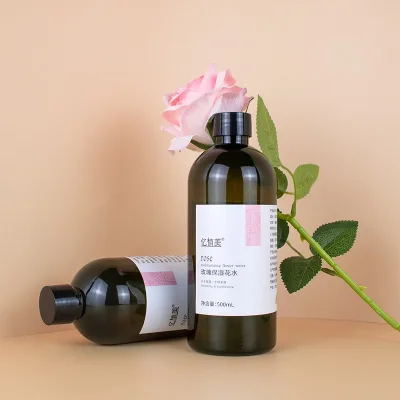
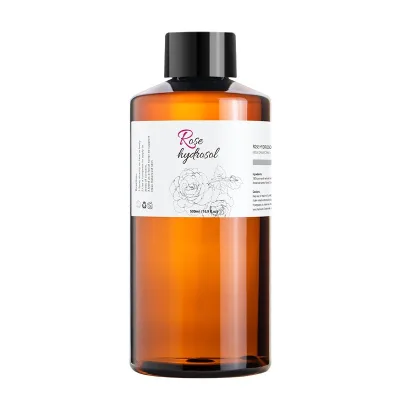
Pricing for hydrosols varies by type. Lemongrass hydrosol ranges from 6 to 8 USD per unit. Rose hydrosol is priced between 10 and 15 USD. Sandalwood hydrosol costs 8 to 20 USD. Buyers should verify specific costs for pomelo peel variants directly with suppliers.
What is the minimum order quantity for hydrosols?
The minimum order quantity is typically 1 unit. This low threshold allows buyers to test product quality before committing to larger volumes. It supports flexible procurement strategies for small businesses. Buyers can order single units for sampling purposes. Confirm exact MOQs with individual suppliers for bulk discounts.
How long does it take to receive orders?
Lead times are approximately 15 days for standard orders. Response times average around 7 to 10 hours. This ensures prompt communication regarding order status. Buyers should confirm exact delivery schedules with suppliers. Expedited shipping options may be available for urgent requirements.
Are these hydrosols customizable for private labels?
Customization is available for most hydrosol products. Suppliers offer OEM and ODM services for branding. Buyers can request specific packaging or formulation adjustments. This supports private label development for cosmetic brands. Verify customization details and minimum requirements with the supplier.
What certifications do the suppliers hold?
Suppliers hold ISO 9001 and ISO 14001 certifications. Some also possess GMP and FDA documentation. BV verification confirms supplier reliability and operational standards. These certifications ensure quality management and environmental compliance. Buyers should request current certificates for due diligence.
Where are the hydrosol suppliers located?
Suppliers are located in Jiangsu and Jiangxi, China. Jiangsu suppliers specialize in cosmetic materials and hydrosols. Jiangxi suppliers focus on essential oils and plant extracts. Both regions offer robust manufacturing infrastructure. Buyers can filter results by specific Chinese provinces.