Wheat Straw Hookah Coals Suppliers and Manufacturers
Compare 15 verified suppliers offering Wheat Straw Hookah Coals with dimensions like burning time, ash content, and diameter. Review response times, lead times, and certifications to select a partner for your bulk needs; review the available evidence before requesting comparable quotations from suitable candidates.
Suppliers List

Hangzhou Radiant Glass Import & Export Co., Ltd.
- Verified by SGS
- Trading Company
- China Zhejiang
- Lead time23 days
- Avg. response≤ 5h
Main productsGlass Water Pipe, Glass Pipe, Oil Burner Pipe/Bowl, Silicone Pipe, Quartz Banger, Downstem, Glass Bowl, Glass Accessories, Ash Catcher, Glass Smoking Pipe
Main marketsSouth America,North America

Shaowu Suiyou Bamboo Products Co., Ltd.
- Verified by SGS
- Trading Company
- China Fujian
- Lead time15 days
- Avg. response≤ 1h
Main productsBamboo Product
Main marketsSoutheast Asia/ Mideast

Fujian Wujun Charcoal Industry Co., Ltd.
- Verified by SGS
- Combined
- China Fujian
- Lead time15 days
- Avg. response≤ 23h
Main productsCharcoal, Activated Carbon, Bamboo Charcoal, Bamboo Activated Carbon, Bamboo Hookah Charcoal, Bamboo Quick-Lighting Charcoal, Bamboo Based Activated Carbon
Main marketsDomestic
- Trading Company
- Hebei, China
- Lead time0 days
- Avg. response≤ 3h
Main productsHookah charcoal,Barbecue charcoal
Main marketsAfrica(10.00%), Southeast Asia(10.00%), Eastern Europe(10.00%)
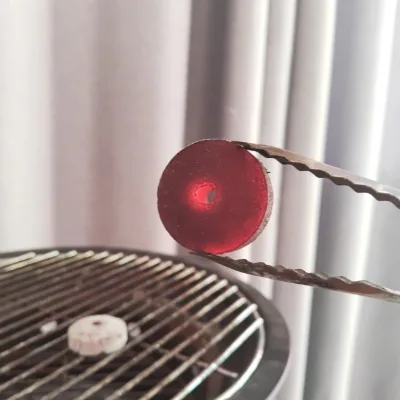
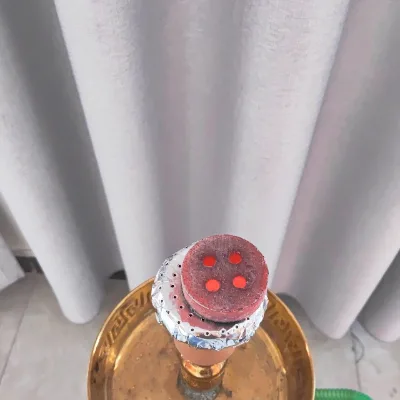
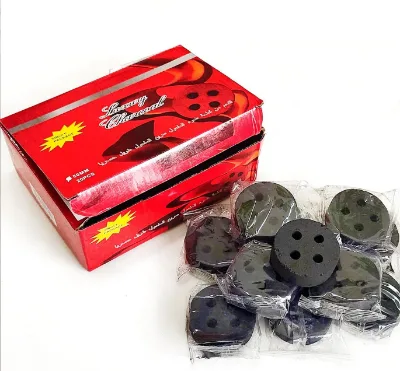
Strength Factory Round 55mm Hookah Charcoal with Holes Incense Tablet Hookah Charcoal
$0.85 - $2.50
MOQ: 1000 boxes
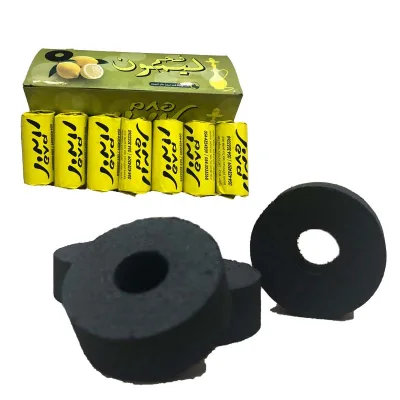
Arab Hookah Carbon Water Pipe Tobacco Carbon High Temperature Burning Coconut Shell Carbon Sheet
$1.68 - $3.56
MOQ: 500 boxes
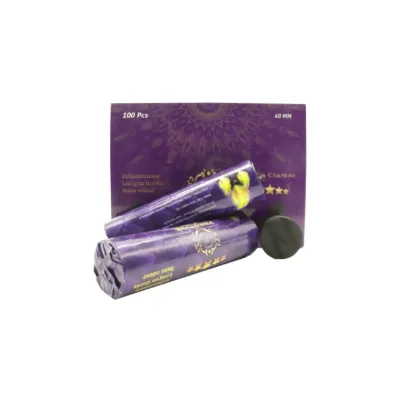
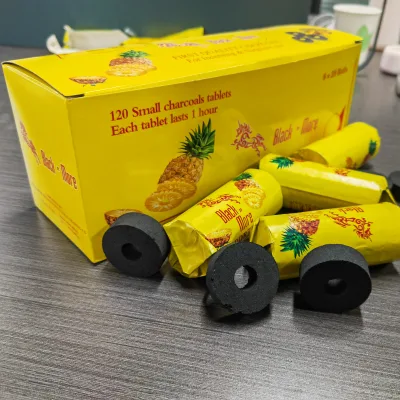
BAISEN Support OEM Size Black High Quality 35mm Round Middle Hole Instant Lit Hookah Charcoal
$1.68 - $3.57
MOQ: 500 boxes
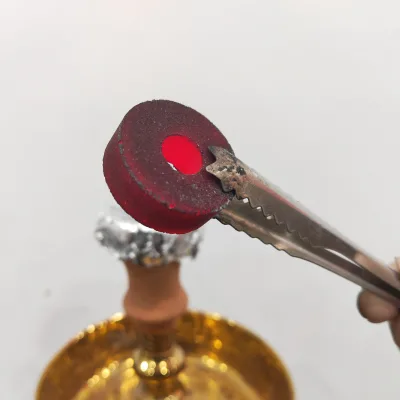
Popular Indian 35mm Black Perforated High Quality Natural Hookah Charcoal, Quick to ignite
$1.65 - $3.50
MOQ: 500 boxes

JIANGXI NEW SILK ROAD INDUSTRY & TRADE COMPANY LIMITED
- Trading Company
- China Jiangxi
- Lead time23 days
- Avg. response≤ 6h
Main productsConstruction Goods, Hand Tool, Stove for Outdoor, Electric Items, and Any Related Items
Main marketsSouth America,Africa,Southeast Asia/ Mideast,East Asia(Japan/ South Korea),Europe,Australia,North America


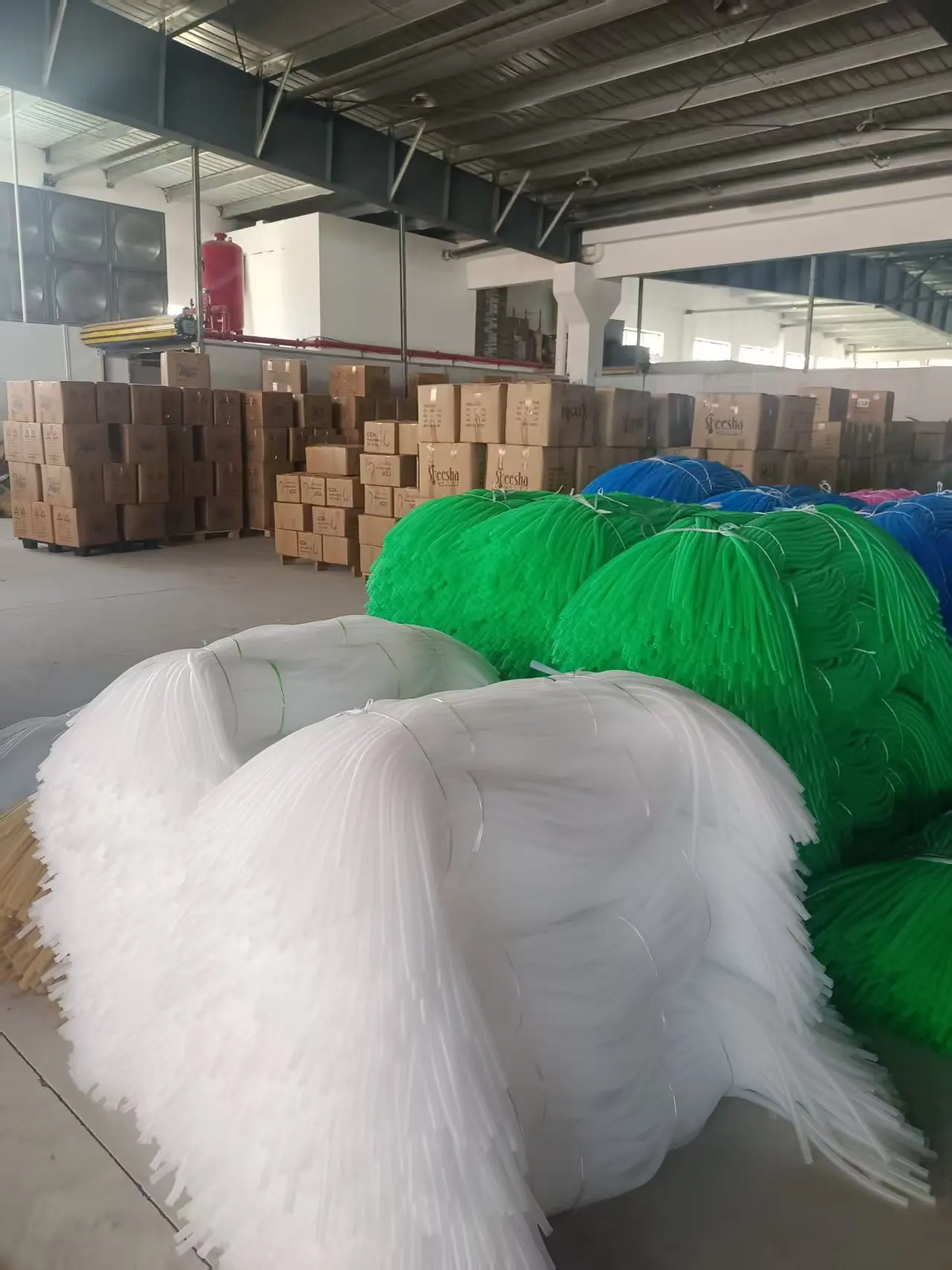
Instant Light Fruit Wood Incense Burner Charcoal Black Round Bamboo Hookah Coal
$1.14 - $1.16
MOQ: 100 Boxes


- Trading Company
- Jilin, China
- Lead time0 days
- Avg. response≤ 6h
Main productsHookak,Hookah Accessories&Charcoal,Candle Supplies,Cups
Main marketsMid East(25.00%), Africa(20.00%), North America(10.00%), Southeast Asia(10.00%), South America(10.00%), Northern Europe(5.00%), Central America(5.00%), Eastern Europe(5.00%), Western Europe(5.00%), Eastern Asia(5.00%)
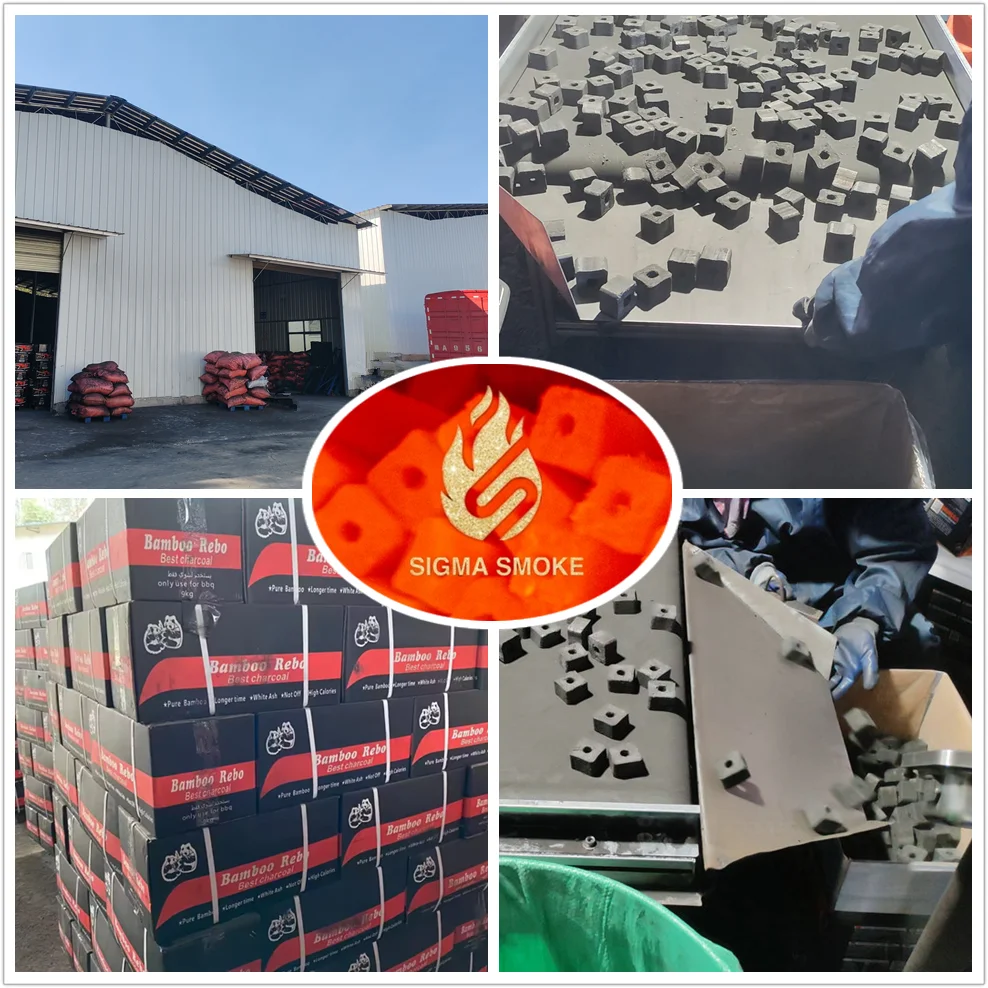
Nanchang Sigma Charcoal Energy Co., Ltd.
- Manufacturer, Trading Company
- Jiangxi, China
- Lead time15 days
- Avg. response≤ 4h
Main productsBamboo Charcoal,Hookah Charcoal,Shisha Charcoal,Natural Charcoal,BBQ Charcoal
Main marketsMid East(24.00%), Western Europe(22.00%), North America(22.00%), Southern Europe(8.00%), Eastern Europe(8.00%), Eastern Asia(8.00%), South America(8.00%)
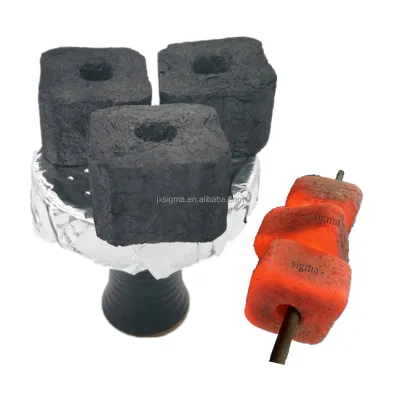
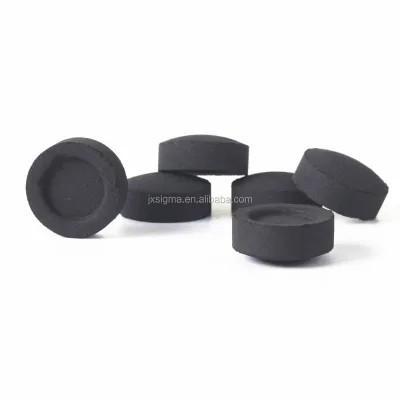
Premium Quality Round Shape 22 mm 33 mm Quick Lighting Self Burning Coal Charcoal for Hookah Incense
$1.10 - $2.90
MOQ: 10000 Minimum
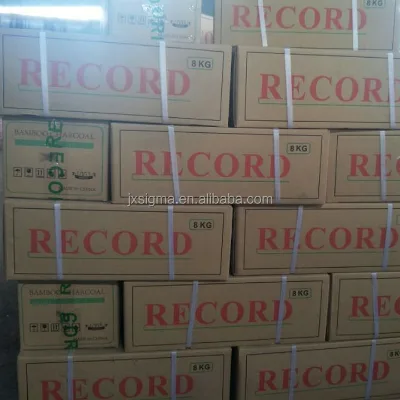
Original Record Bamboo Coal Not off No Smell Low Ash Hookah Briquette Charcoal
$848.23 - $868.67
MOQ: 28 tons
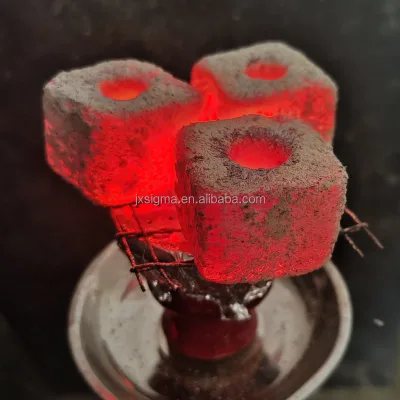
China Professional Charcoal Factory 100% Natural Custom logo square Hookah Charcoal
$1.09 - $1.13
MOQ: 28000 Minimum
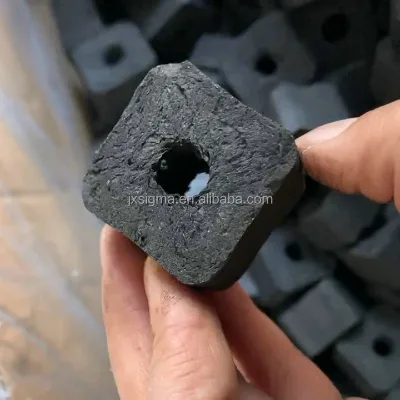
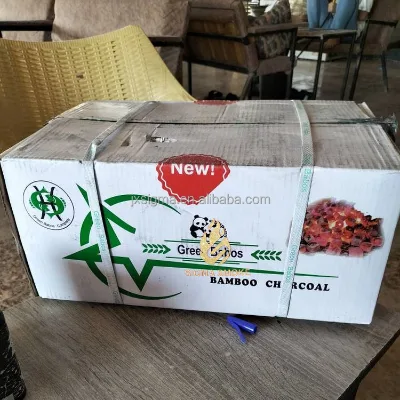
Sigma Hot Sale No Chemical No Gas No Smoke Natural Bamboo Panda Green Babos Bbq Coal
$1074.54 - $1105.25
MOQ: 28 Minimum
Firemax E-Commerce (zhejiang) Co., Ltd.
- Verified by Intertek
- Manufacturer, Trading Company
- Lead time10 days
- Avg. response≤ 2h
Main productsBBQ Charcoal, Hookah Charcoal, Bamboo Charcoal, Coconut Shisha Charcoal, Grilling Charcoal
Main marketsMid East(40%), Africa(15%), Domestic Market(10%)
Shanxi Hongtong Bioenergy Co., Ltd.
- Verified by TüVRheinland
- Manufacturer, Trading Company
- Lead time0 days
- Avg. response≤ 7h
Main productsShisha Charcoal, Bamboo Charcoal, Mechanized Charcoal

Hebei Jietou Chemical Technology Co., Ltd.
- Verified by SGS
- Trading Company
- China Hebei
- Lead time15 days
- Avg. response≤ 5h
Main productsChemical Products
Main marketsSoutheast Asia/ Mideast

Wholesale Coconut Shell Sawdust Coal Shisha Charcoal Hookah Bulk Square Briquette
$5.00 - $6.00
MOQ: 5000 kg


Bamboo Hookah Best Grade High Temperature Smokeless Bamboo Charcoal Shisha
$940.00 - $1100.00
MOQ: 1 Tons
Xiamen Hongqiang Charcoal Import & Export Co., Ltd.
- Manufacturer, Trading Company
- Fujan, China
- Lead time30 days
- Avg. response≤ 4h
Main productsHookah Charcoal,Barbeque Charcoal,Solid Fuel,Flameless Ration Heater Pick,Mosaic Firepit
Main marketsMid East(80.00%), Africa(10.00%), Western Europe(5.00%), North America(5.00%)

Hebei Youxin Glass Products Co., Ltd.
- Verified by TUVRHEINLAND
- Combined
- China Hebei
- Lead time15 days
- Avg. response≤ 12h
Main productsGlass Water Pipes, Glass Hookahs, Water Pipes, Glass Smoking Pipes, Smoking Water Pipes, Glass Bubblers, Glass Pipes, Smoking Accessories
Main marketsDomestic

Glass Beaker Heavy Smoking Hookahs
MOQ: 50 Pieces

Glass Water Pipe Glass Smoke Pipe Hookah
MOQ: 30 Pieces
Shanxi Golden River Trading Co.
- Verified by SGS Group
- Manufacturer, Trading Company
- Lead time0 days
- Avg. response≤ 5h
Main productsHookah Charcoal Tablets, Hookah and Accessory
Main marketsMid East(30%), South America(20%), Northern Europe(20%)
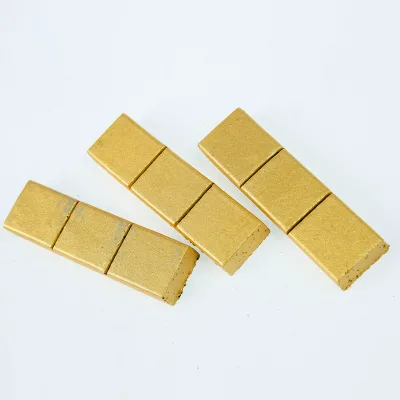
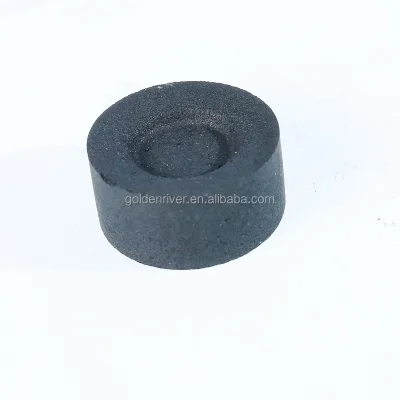
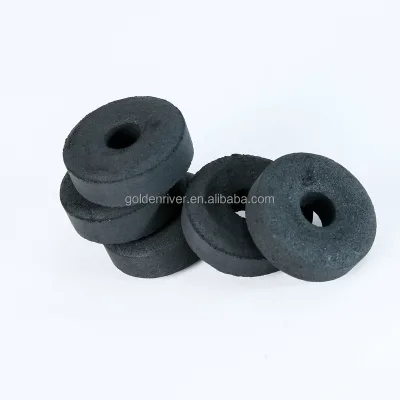
Wholesale 35mm*100 Ring Charcoal for Hookah Excellent Quality Machine-Made Charcoal Low Price
$1.45 - $1.85
MOQ: 2400 Minimum

Difanmax Tech Lianyungang Co., Ltd.
- Verified by BV
- Manufacturer/Factory
- China Jiangsu
- Lead time23 days
- Avg. response≤ 3h
Main productsConsumer Electronics, Kinesiology Tape Adhesive Tapes, Industrial Tools, Home & Garden, Gifts & Crafts, Sport Products Entertainment, Health & Medical, Auto Parts E-Bike Auto Tools & Components, Clothes Apparel, Bicycle Hardware Laboratory Measuring Protective
Main marketsSouth America,North America,Southeast Asia,Oceania,Western Europe

HENAN SHULIY MACHINERY CO., LTD.
- Verified by TUVRHEINLAND
- Trading Company
- China Henan
- Lead time30 days
- Avg. response≤ 5h
Main productsPacking Machinery, Food Processing Machinery, Agriculture Processing Machinery, Wood Processing Machinery, Charcoal Processing Machinery, Plastic Processing Machinery, Waste Recycling Machinery, Metal Processing Machinery, Paper Processing Machinery
Main marketsAfrica,Southeast Asia/ Mideast,Europe,North America

Hot Selling Shisha Charcoal Making Machine Charcoal Machine Making for Hookah
$6000.00 - $10000.00
MOQ: 1 Pieces




Comprehensive Sourcing Guide
Wheat Straw Hookah Coals Supplier Concentration and Factory Types
Current supplier data indicates manufacturing activity concentrated in specific Chinese provinces, with Zhejiang and Fujian appearing as verified locations for related hookah and charcoal products. While the specific keyword "wheat straw" does not appear in the provided product evidence, the observed supply chain for hookah coals and bamboo-based alternatives is anchored in these regions. Buyers should verify if the specific raw material source for wheat straw coals aligns with these established clusters or if the suppliers are trading companies sourcing from other agricultural zones. The data shows a mix of company types, including trading companies and combined entities that handle both manufacturing and trading. This distinction is critical because a trading company may not have direct control over the wheat straw sourcing process, whereas a factory with ODM capabilities might offer more customization on the raw material composition.
The observed supplier profiles reveal that many entities in this space operate as trading companies or combined firms rather than pure manufacturers. Some suppliers list capabilities for ODM and OEM services, suggesting they can adapt products to specific buyer requirements, including potential variations in raw material composition. However, the absence of explicit "wheat straw" product names in the current evidence means buyers must confirm the actual material composition before assuming a supplier can fulfill this specific need. The presence of SGS verification on some suppliers provides a baseline for trust, but it does not guarantee the specific raw material source. Buyers should prioritize suppliers who explicitly state their material sourcing capabilities for wheat straw, as the current data reflects a broader range of hookah coals including bamboo and coconut charcoal.
How to Verify Wheat Straw Hookah Coals Suppliers
Verification of suppliers for Wheat Straw Hookah Coals requires a rigorous check of the provided credentials and product evidence against the specific material requirements. The current data shows that some suppliers hold SGS verification, which is a positive indicator of operational legitimacy, but this does not automatically confirm the authenticity of wheat straw as a raw material. Buyers must request specific test reports or certificates that detail the chemical composition and ash content of the coals to ensure they match the wheat straw profile. The observed product attributes for similar items, such as low sulfur content and high purity, serve as a benchmark for what to expect, but these must be explicitly confirmed for wheat straw variants. Relying solely on general product descriptions without material-specific verification can lead to sourcing errors.
Response time and lead time data provide additional layers of verification regarding supplier reliability and operational capacity. The observed response times vary significantly, ranging from under one hour to over twenty hours, which can indicate the efficiency of the supplier's communication and order processing. A supplier with a rapid response time, such as the 0.91-hour average observed for some entities, may be better equipped to handle urgent inquiries about material specifications. Conversely, longer response times might suggest a larger, less agile operation or a trading company with multiple layers of communication. Buyers should also verify the establishment year and capacity details, such as ODM/OEM capabilities, to ensure the supplier has the infrastructure to produce or source wheat straw coals consistently.
What to Compare Across Wheat Straw Hookah Coals Suppliers
When evaluating potential suppliers, buyers should compare key operational metrics such as lead time, minimum order quantity (MOQ), and response speed to determine the best fit for their business needs. The current data reveals a wide range of lead times, with some suppliers offering 15-day delivery while others require 23 days or more. This variation can significantly impact inventory planning and cash flow, making it essential to align supplier lead times with production schedules. Similarly, MOQs vary from small quantities like 4 pieces for accessories to bulk orders of 3600 units for charcoal products. Buyers must assess whether their order volume aligns with these thresholds to avoid unnecessary costs or stockouts.
Price and customization options are also critical comparison points that vary across the supplier base. The observed price ranges for similar hookah products span from under one dollar to over ten dollars per unit, depending on the product type and specifications. For wheat straw coals, buyers should compare unit prices against the specified material quality and burning characteristics. Additionally, the availability of customization, such as specific shapes, sizes, or packaging, should be verified. Some suppliers offer OEM/ODM services, allowing for tailored solutions, while others may only provide standard wholesale options. Comparing these factors helps buyers identify suppliers that offer the best balance of cost, flexibility, and reliability for their specific sourcing requirements.
Common Wheat Straw Hookah Coals Sourcing Risks
One significant risk in sourcing Wheat Straw Hookah Coals is the potential mismatch between the advertised product and the actual raw material composition. The current data shows a variety of charcoal types, including bamboo and coconut, but does not explicitly confirm the availability of wheat straw variants. Buyers face the risk of receiving products that do not meet their specific material expectations if they do not verify the raw source. This discrepancy can lead to issues with burning time, ash content, and flavor, which are critical for customer satisfaction. To mitigate this, buyers should insist on detailed material specifications and sample testing before placing large orders.
Another risk involves the variability in supplier response times and lead times, which can disrupt supply chain stability. The observed data shows response times ranging from less than an hour to over twenty hours, indicating inconsistent communication capabilities. If a supplier has a slow response time, it may delay critical decisions regarding material sourcing or order adjustments. Furthermore, lead times can vary from 15 to 23 days or more, creating uncertainty in delivery schedules. Buyers should assess the supplier's track record for meeting deadlines and their ability to communicate effectively during the sourcing process. Establishing clear communication channels and setting realistic expectations can help manage these risks and ensure a smoother procurement experience.
Wheat Straw Hookah Coals Regional Sourcing and Logistics
Regional sourcing for Wheat Straw Hookah Coals is heavily influenced by the location of manufacturing clusters, which are currently identified in Zhejiang and Fujian provinces based on the available data. These regions are known for their expertise in producing hookah accessories and charcoal products, making them logical starting points for sourcing. However, buyers must confirm that the specific wheat straw coals are produced within these clusters or if they are sourced from other agricultural areas. The logistics of transporting these products from these regions to international markets should be carefully planned, considering factors such as shipping costs, transit times, and customs regulations. Understanding the regional strengths can help buyers optimize their supply chain and reduce logistical complexities.
Logistics planning also involves evaluating the packaging and shipping standards of the suppliers. The observed product attributes indicate that many suppliers use standard packaging methods, such as bubble sheets, inner boxes, and cartons, to protect the products during transit. For wheat straw coals, which may be more fragile or susceptible to moisture, ensuring robust packaging is essential to prevent damage. Buyers should verify the packaging specifications and request samples to assess the quality of the protective measures. Additionally, the supplier's ability to handle international shipping and provide accurate documentation is crucial for a smooth logistics process. By focusing on these regional and logistical factors, buyers can minimize risks and ensure timely delivery of high-quality Wheat Straw Hookah Coals.
Wheat Straw Hookah Coals Commercial Terms and Order Planning
Commercial terms for Wheat Straw Hookah Coals should be carefully negotiated to align with the buyer's financial and operational goals. The observed data shows varying price ranges and MOQs, which can impact the overall cost structure and order planning. Buyers should compare unit prices against the specified material quality and burning characteristics to ensure they are getting the best value. Additionally, the availability of customization options, such as specific shapes, sizes, or packaging, should be considered when negotiating terms. Some suppliers offer OEM/ODM services, allowing for tailored solutions, while others may only provide standard wholesale options. Understanding these commercial terms helps buyers make informed decisions and optimize their procurement strategy.
Order planning for Wheat Straw Hookah Coals requires a clear understanding of lead times and response times to ensure timely delivery. The observed data shows lead times ranging from 15 to 23 days or more, which can significantly impact inventory management and cash flow. Buyers should align their order schedules with the supplier's lead times to avoid stockouts or overstocking. Furthermore, the response time of the supplier is crucial for addressing any issues that may arise during the order process. A supplier with a rapid response time can help resolve problems quickly and keep the order on track. By planning orders based on these factors, buyers can ensure a smooth and efficient procurement process for Wheat Straw Hookah Coals.
FAQs
Are hookah coals available in bamboo or wheat straw materials?
Suppliers offer hookah coals made from bamboo, with some listings specifying natural coconut or bamboo-based activated carbon. While wheat straw is not explicitly listed, bamboo briquettes provide a similar eco-friendly alternative. Buyers should verify the specific raw material composition in product attributes before ordering to ensure it meets their sustainability requirements.
What is the typical lead time for hookah coal orders?
Lead times for hookah coals generally range from 15 to 23 days depending on the supplier and location. Suppliers in Fujian report a 15-day lead time, while those in Zhejiang may take up to 23 days. These timelines apply to standard production runs and may vary based on order volume and customization needs.
What is the minimum order quantity for hookah coals?
Minimum order quantities vary significantly by product type. Glass hookahs may require as few as 4 units, while bulk charcoal orders often start at 3,600 units. Buyers seeking smaller quantities should look for wholesale options or suppliers with lower MOQs, whereas large-scale operations can benefit from bulk pricing tiers.
Do suppliers offer OEM or ODM services for hookah coals?
Yes, many suppliers provide OEM and ODM customization for hookah coals and accessories. Buyers can request custom branding, packaging, or specific product dimensions. This service allows businesses to create unique offerings tailored to their market, with customization options clearly listed in the product attributes for easy verification.
What certifications do hookah coal suppliers hold?
Some suppliers hold ISO9001:2015 and ISO14001:2015 certifications, indicating adherence to quality and environmental management standards. Additionally, certain suppliers are verified by SGS. Buyers should request these certificates to ensure the products meet international safety and quality benchmarks before finalizing procurement agreements.
What is the price range for bulk hookah coals?
Prices for hookah coals typically range from $0.83 to $5.70 per unit, depending on the material and packaging. Bulk charcoal orders may start at lower price points, while premium or customized options can cost more. Buyers should compare quotes from multiple suppliers to find the best value for their specific volume requirements.