Silk Screen Printing PE Hose Suppliers and Manufacturers
Explore 21 verified suppliers offering Silk Screen Printing PE Hose and related printing materials. Compare dimensions, certifications, response times, and locations to find the right partner. Contact suppliers directly to request quotes and samples; review the available evidence before requesting comparable quotations from suitable candidates.
Suppliers List

Hangzhou Haikuo Rubber and Plastic Products Co., Ltd.
- Trading Company,Manufacturer/Factory
- China Zhejiang
- Lead time0 days
- Avg. response≤ 3h
Main productsRubber Hose, Hydraulic Hose, Air/Water Hose, Oil/Fuel Hose, Suction Hose, Layflat Hose, PVC Hose, PU Hose, Fitting, Hose Guard
Main marketsSouth America,Eastern Europe,Mid East,North America,Southeast Asia,Eastern Asia,Oceania,Western Europe,Africa
- Verified by BV
- Trading Company
- China Hebei
- Lead time15 days
- Avg. response≤ 3h
Main productsPolyester Screen Printing Mesh, Screen Printing Squeegee, Aluminum Screen Printing Frames, Bolting Cloth, Screen Printing, Screen Printing Machine, Filter Mesh, Filter Bag, Bag Filter Housing
Main marketsAfrica,Others(foreignTradeCapacity.exportBusinessCapacityMarketOther),Southeast Asia/ Mideast,Europe,Australia,North America
Hebei Hanze International Trade Co., Ltd.
- Verified by TUVRHEINLAND
- Trading Company
- China Hebei
- Lead time15 days
- Avg. response≤ 8h
Main productsScreen Printing Products, Rotary Screen Printing Products, Tagging & Labeling Products, Spot Cleaning Products, Hat&Caps, Pet &Digital Printing Film, Acrylic &PVC Products, Diamond Tools for Drilling Cutting Grinding
Main marketsSouth America,Southeast Asia/ Mideast,East Asia(Japan/ South Korea),Europe,Australia,North America

Riqi ( Hangzhou ) Filter Technology Co., Ltd.
- Verified by TUVRHEINLAND
- Manufacturer/Factory
- China Zhejiang
- Lead time23 days
- Avg. response≤ 13h
Main productsFilter Bag, Filter Cloth, Filter Cage, Nylon Mesh, Polyester Mesh, Needle Punched Filter Felt, Filter Sock, Polyester Fabric, Filter Fabric, Mesh Filter
Main marketsSouth America,Eastern Europe,Mid East,North America,Southeast Asia,Eastern Asia,Oceania,Western Europe

SINCO FIRE AND SECURITY CO., LIMITED
- Verified by BV
- Trading Company,Manufacturer/Factory,Group Corporation
- China Fujian
- Lead time38 days
- Avg. response≤ 4h
Main productsFire Hose, Fire Hose Pipe, Water Delivery Hose/Agricultural Hose, Fire Sprinkler Head, Alarm Check Valve, Fire Hydrant, Fire Water Monitor/Water Cannon, Fire Fighting Equipment, Fire Fighting Spray Nozzle, Foam Bladder Tank
Main marketsSouth America,Eastern Europe,Mid East,North America,Southeast Asia,Eastern Asia,Oceania,Western Europe,Africa

Qingdao Hyrotech Rubber & Plastic Products Co., Ltd.
- Verified by SGS
- Manufacturer/Factory
- China Shandong
- Lead time23 days
- Avg. response≤ 7h
Main productsHydraulic Hose, Rubber Hose, Welding Hose, Teflon Hose, Oil Hose, PVC Hose, Sand Blast Hose, Chemical Hose, Food Hose, Air Hose
Main marketsSouth America,Eastern Europe,Mid East,North America,Southeast Asia,Eastern Asia,Oceania,Western Europe,Africa


Flexible Clear Braided Plastic PVC Fiber Reinforced Hose for Water Delivery
$0.05 - $0.07
MOQ: 1000 Meters

Shandong Watch New Materials Group Co., Ltd.
- Verified by BV
- Trading Company
- China Shandong
- Lead time30 days
- Avg. response≤ 2h
Main productsPVC Additives, Chlorinated Polyethylene, Lead Stabilizer, Ca-Zn Stabilizer, PVC Processing Aid, PVC Resin, PVC Lubricant, Titanium Dioxide, Nc Foaming Regulator, AC Foaming Regulator
Main marketsSoutheast Asia/ Mideast
Foshan Advanced Flonhose Co., Ltd.
- Verified by SGS
- Combined
- China Guangdong
- Lead time23 days
- Avg. response≤ 1h
Main marketsDomestic

SHANDONG RESPOWER INDUSTRIAL CO., LTD.
- Manufacturer/Factory
- China Shandong
- Lead time23 days
- Avg. response≤ 9h
Main productsConveyor Belt, Rubber & PVC Hose, Conveyor Components, Crusher Spare Parts, Electric Motor & Gear Box, Related Industrial Products, Hardware Tools
Main marketsSouth America,Eastern Europe,Mid East,North America,Southeast Asia,Eastern Asia,Oceania,Western Europe,Africa
Qingdao Smartco Import and Export Co., Ltd
- Verified by TUVRHEINLAND
- Trading Company
- China Shandong
- Lead time30 days
- Avg. response≤ 1h
Main productsLay Flat Hose, PVC Hose, Rubber Hose, Water Hose, Suction Hose, Camlocks, Clamps, Discharge Hose, Steel Wire Hose, Braided Hose
Main marketsNorth America
Hebei Qinglin Rubber and Plastic Products Co., Ltd.
- Verified by SGS
- Combined
- China Hebei
- Lead time15 days
- Avg. response≤ 1h
Main productsHigh Pressure Hose, Pressure Hose, Oil Hose, Hydraulic Hose
Main marketsDomestic
Qinghe County Luotai Auto Parts Co., Ltd.
- Verified by SGS
- Combined
- China Hebei
- Lead time15 days
- Avg. response≤ 1h
Main productsSilicone Tube, Silicone Hose, Silicone Hose Kit, Rubber Hose
Main marketsSoutheast Asia/ Mideast,Europe,Australia

Shijiazhuang Standards Rubber Products Trading Co., Ltd.
- Verified by SGS
- Trading Company,Manufacturer/Factory
- China Hebei
- Lead time23 days
- Avg. response≤ 13h
Main productsFuel Line, Fuel Return Line, Fuel Line Connectors, Silicone Hose, Rubber Hose, PVC Hose, Hydraulic Hose, Pneumatic Coupling, Crankcase Breather Hose, Hydraulic Fittings
Main marketsSouth America,Eastern Europe,Mid East,North America,Southeast Asia,Eastern Asia,Oceania,Western Europe,Africa
Dongying Lixin New Material Co., Ltd.
- Verified by SGS
- Combined
- China Shandong
- Lead time15 days
- Avg. response≤ 1h
Main productsRubber Hose
Main marketsDomestic

Hebei Orient ADMA Tech Group Co., Ltd.
- Verified by SGS
- Trading Company,Manufacturer/Factory
- China Hebei
- Lead time30 days
- Avg. response≤ 8h
Main productsPVC Hose, Rubber Hose, Hydraulic Hose, Silicone Hose, Pneumatic Hose, Oil Field Hose/Dredging Hose, Hose Crimping Machine, Hose Couplings and Clamps, Hose Protection Sleeve, Packaging Film
Main marketsSouth America,Eastern Europe,Mid East,North America,Southeast Asia,Eastern Asia,Oceania,Western Europe,Africa


Universal Flexible Silicone 45mm 57mm Flex Corrugated Silicone Water Hose
$1.89 - $5.00
MOQ: 100 Pieces
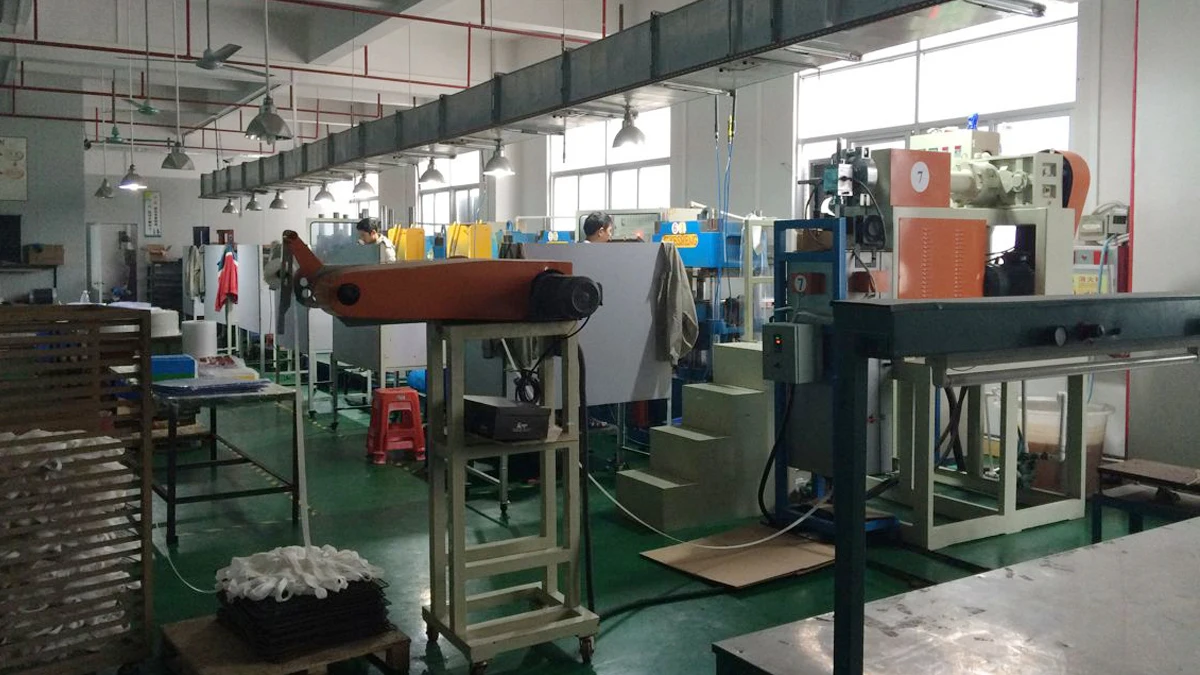
Dongguan Better Silicone Rubber Technology Co., Ltd.
- Trading Company
- Guangdong, China
- Lead time7 days
- Avg. response≤ 3h
Main productspromotional gifts,silicone hoses,baby products,sex products,cigar bands
Main marketsWestern Europe(30.00%), North America(20.00%), South America(10.00%), Eastern Europe(10.00%), Africa(6.00%), Mid East(5.00%), Oceania(4.00%), Southeast Asia(2.00%), Northern Europe(2.00%), Eastern Asia(1.00%)
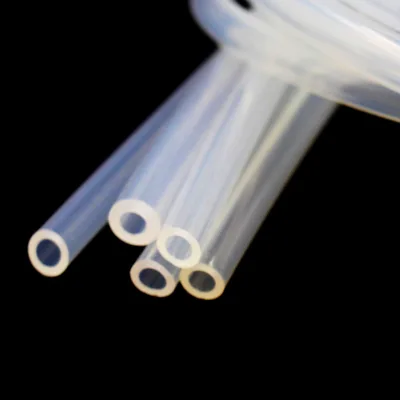
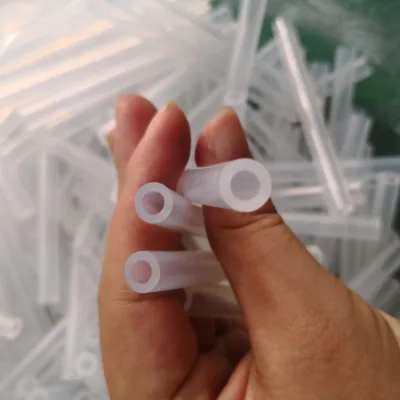
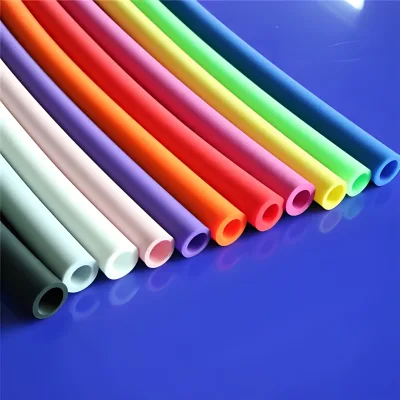
Cheap Customized Colorful Silicone Hose
Contact supplier
He Bei Hong An Automobile & Motorcycle Fittings Co.,Ltd.
- Verified by TUVRHEINLAND
- Combined
- China Hebei
- Lead time15 days
- Avg. response≤ 1h
Main productsrubber seal strip
Main marketsDomestic,North America

- Manufacturer/Factory,Other
- China Jiangsu
- Lead time23 days
- Avg. response≤ 11h
Main productsFire Hose, PVC Hose, Coupling, Branchpipe, Layflat Hose, Irrigation Hose, Fire Equipment, Fire Valve, Fire-Fighting Hose, Rubber Hose
Main marketsSouth America,Eastern Europe,Mid East,North America,Southeast Asia,Eastern Asia,Oceania,Western Europe,Africa

NINGGUO BST THERMAL PRODUCTS CO., LTD.
- Verified by SGS
- Combined
- China Anhui
- Lead time15 days
- Avg. response≤ 3h
Main productsFire Sleeve, Heat Shield, Exhaust Wrap, Turbo Blanket, Heat Barrier, Hose Protection Sleeve, Aluminum Corrugated Tube, Fiberglass Sleeve, Exhaust Pipe Insulation Blanket, Heat Protection Tube
Main marketsSouth America,Africa,Southeast Asia/ Mideast,East Asia(Japan/ South Korea),Europe,Australia,North America
Xiamen Best Seal Imp. and Exp. Co., Ltd.
- Verified by SGS
- Manufacturer
- China Fujian
- Lead time30 days
- Avg. response≤ 5h
Main productsRubber O-Rings, X-Rings, Rubber Gaskets, Rubber Washers, Rubber Molded Parts, Metal/Plastic Bonded to Rubber Parts
Main marketsEurope,North America
Ningbo Langchi New Materials Technology Co Ltd
- Verified by TUVRHEINLAND
- Combined
- China Zhejiang
- Lead time23 days
- Avg. response≤ 2h
Main marketsSouth America,Southeast Asia/ Mideast,Domestic,Europe


Comprehensive Sourcing Guide
Silk Screen Printing PE Hose Supplier Concentration and Factory Types
The current supplier landscape for Silk Screen Printing PE Hose reveals a concentration of manufacturing and trading entities primarily located in China, with specific clusters identified in Zhejiang and Hebei provinces. Fact-based observations indicate that suppliers in Zhejiang often operate as both trading companies and manufacturers, offering a diverse range of products including rubber hoses, hydraulic hoses, and various plastic tubes. In contrast, suppliers based in Hebei are frequently identified as trading companies specializing in screen printing materials, such as squeegee rubbers and mesh frames, rather than the PE hose products themselves. This geographic distinction suggests that buyers seeking actual PE hose manufacturing should prioritize facilities in Zhejiang, while those looking for complementary screen printing consumables might find relevant partners in Hebei.
Factory types vary significantly across the results, with many entities listing themselves as a hybrid of trading company and manufacturer. This dual classification implies that some suppliers may source products from third-party factories while others maintain in-house production capabilities. The presence of OEM capacity in the data confirms that customization is a standard offering for these facilities, allowing buyers to request specific dimensions or material properties. However, the distinction between a pure manufacturer and a trading company remains critical for verifying production control. Buyers must examine the main product lists carefully, as some suppliers focus heavily on screen printing squeegees and frames, which are distinct from the PE hose category, even if they appear in the same search results.
How to Verify Silk Screen Printing PE Hose Suppliers
Verification of suppliers requires a rigorous check of their stated certifications and business credentials against the provided data points. Several suppliers in the dataset display ISO 9000 or ISO 9001 system certifications, which serve as a baseline indicator of quality management processes. Additionally, specific entities are marked with third-party verification badges such as BV or TÜV Rheinland, providing an external layer of trust regarding their business legitimacy. When evaluating a potential partner, buyers should confirm that the displayed certification matches the specific product line, ensuring that the ISO standard applies to the manufacturing of PE hoses rather than just general administrative processes. The absence of these specific badges in the data for certain suppliers does not disqualify them but necessitates a direct request for proof of certification before proceeding.
Beyond certifications, the response time and verification status offer immediate insights into supplier reliability and engagement levels. The observed response times vary, with some suppliers showing a rapid response metric of 2.33, while others exhibit a slower rate of 7.69, which may indicate differences in staffing or operational efficiency. A supplier with a verified status from a recognized body like BV or TÜV Rheinland generally presents a lower risk profile compared to unverified entities. Buyers should prioritize suppliers who have clearly stated their verification status and demonstrate a quick response time, as these factors often correlate with better communication and faster resolution of pre-order inquiries. It is essential to cross-reference these digital metrics with physical factory audits to ensure the claimed capabilities align with actual production capacity.
What to Compare Across Silk Screen Printing PE Hose Suppliers
When comparing suppliers, the primary dimensions to evaluate include lead time, minimum order quantity (MOQ), and pricing structures, all of which vary significantly across the dataset. Some suppliers list a lead time of zero, suggesting immediate availability or a drop-shipping model, while others specify a lead time of 15 days, indicating a production cycle that requires scheduling. The MOQ also presents a wide range, with some suppliers requiring a minimum of 500 units for PE hose products, whereas others in the screen printing accessories category may accept orders as low as one unit. Buyers must align their order volume with these thresholds to avoid unnecessary costs or rejection of small orders. Pricing data further complicates the comparison, with unit costs ranging from 0.40 to 2.60 for PE pipes and significantly higher prices for specialized squeegee rubber products.
Product specifications and customization capabilities form another critical comparison point for buyers assessing supplier fit. The data indicates that customization is widely available, with attributes such as size, thickness, and length listed as "as Request" or customizable to specific dimensions. For PE hoses, specific technical properties like tensile strength, water absorption, and material type (PE or PVC) are provided, allowing buyers to match technical requirements precisely. However, buyers must verify if the supplier can meet specific standards like CE or ISO9001 for the final product, as these are listed as product attributes rather than universal guarantees. Comparing the detailed product attributes, such as the contraction percentage or working pressure ratings, ensures that the selected supplier can deliver a product that meets the exact engineering and application needs of the buyer.
Common Silk Screen Printing PE Hose Sourcing Risks
One significant risk in sourcing involves the potential mismatch between the supplier's primary product focus and the buyer's specific needs. The dataset shows a mix of suppliers offering PE hoses and those specializing in screen printing squeegees and mesh frames. A buyer searching for PE hose might inadvertently engage with a supplier whose main products are screen printing consumables, leading to confusion regarding product availability and technical expertise. This risk is heightened when suppliers list diverse product categories, such as rubber hoses, hydraulic hoses, and screen printing frames, under a single profile. Buyers must carefully scrutinize the main product list and product keywords to ensure the supplier has a dedicated focus on the specific type of hose required, rather than offering it as a minor accessory to their core business.
Another critical risk relates to the variability in lead times and the lack of standardized production timelines across different suppliers. While some entries show a lead time of zero, others indicate a 15-day production window, creating uncertainty in supply chain planning. This inconsistency can lead to delays if a buyer assumes immediate availability based on a zero-lead-time listing that may only apply to stock items rather than custom orders. Furthermore, the absence of a uniform MOQ across the market means that buyers with smaller volume requirements may face higher per-unit costs or be unable to place orders at all. Without clear communication regarding production schedules and capacity, buyers risk facing stockouts or delayed shipments, which can disrupt their own manufacturing or sales cycles.
Silk Screen Printing PE Hose Regional Sourcing and Logistics
Regional sourcing strategies must account for the specific geographic locations of suppliers, which are identified as Zhejiang and Hebei in the provided data. Zhejiang-based suppliers appear to offer a broader range of hose products, including PE and PVC varieties, suggesting a robust manufacturing ecosystem for plastic tubing in this region. In contrast, Hebei-based suppliers are predominantly associated with screen printing materials, indicating a specialized cluster for printing consumables. Buyers should leverage this geographic knowledge to target suppliers in Zhejiang for PE hose procurement, as the local infrastructure likely supports the specific manufacturing processes required for these products. Understanding these regional specializations helps in narrowing down the supplier pool to those with the most relevant expertise and logistical capabilities.
Logistics planning should consider the origin of the goods, which is consistently listed as China, specifically Zhejiang or Hebei. The packaging details provided, such as PP film, woven bags, or pallets, indicate standard export packaging methods that protect the products during transit. Buyers need to verify if the supplier offers specific packing options that align with their shipping requirements, such as palletized loads for container efficiency or custom wrapping for fragile items. The distance between the supplier's location and the destination port will influence freight costs and transit times, making it essential to calculate these variables early in the sourcing process. Additionally, buyers should confirm if the supplier handles export documentation and customs clearance, as these services can vary significantly between trading companies and manufacturers.
Silk Screen Printing PE Hose Commercial Terms and Order Planning
Commercial terms regarding pricing and payment structures are vital for effective order planning, as the data reveals a wide range of unit prices depending on the product type and specifications. For PE hose products, prices range from 0.40 to 2.60 per unit, while specialized screen printing rubber products command higher prices, ranging from 15.00 to 35.00. Buyers must request detailed quotations that break down costs based on volume tiers, as the MOQ of 500 units for some products may result in different pricing structures compared to lower-volume orders. Understanding the price range helps in budgeting and negotiating effectively, ensuring that the final cost aligns with the buyer's financial constraints and market expectations.
Order planning must also incorporate the specific customization requirements and production lead times to ensure timely delivery. The availability of customization for size, thickness, and length allows buyers to tailor products to their exact needs, but this flexibility often extends the lead time beyond standard production cycles. Buyers should confirm the estimated lead time for custom orders, as the data shows variations from zero to 15 days, and plan their inventory accordingly. Additionally, verifying the supplier's capacity for OEM production ensures that they can handle the volume and complexity of the order without compromising quality. By aligning commercial terms with realistic production timelines, buyers can mitigate the risk of delays and ensure a smooth procurement process from order placement to final delivery.
FAQs
What is the price range for PE and PVC hoses?
PE hose prices range from $0.40 to $2.60 per unit, while PVC spray hoses cost between $0.40 and $1.60. These figures represent baseline market rates for standard specifications. Buyers should verify exact pricing based on order volume, custom dimensions, and specific material grades required for their application.
What are the minimum order quantities for these hoses?
The minimum order quantity for PE hoses is 500 units. For PVC spray hoses, the MOQ is also 500 units. These thresholds apply to standard stock items. Custom orders or specialized fittings may have different requirements, so buyers must confirm specific MOQs with suppliers before placing orders.
Where are these hose suppliers located?
Suppliers for PE and PVC hoses are primarily located in Zhejiang, China. This region is a major manufacturing hub for plastic tubes and hoses. Buyers can expect efficient logistics from this location. Additional suppliers for related printing materials are found in Hebei, China, offering diverse sourcing options.
What certifications do these hose manufacturers hold?
Hose manufacturers typically hold ISO 9000 and ISO 9001 certifications. These standards ensure quality management systems are in place. Some products also meet CE standards. Buyers should request valid certification documents to verify compliance with international quality and safety requirements for their specific industry applications.
How quickly do suppliers respond to inquiries?
Response times vary, with some suppliers responding within 2.33 hours and others within 2.80 hours. A few suppliers may take up to 7.69 hours. Faster response times indicate active sales teams. Buyers should prioritize suppliers with quicker response rates for urgent sourcing needs and better communication efficiency.
What is the lead time for hose orders?
Lead times for PE and PVC hoses are generally listed as zero days for stock items, indicating immediate availability. However, production lead times for custom orders can be up to 15 days. Buyers should confirm current stock levels and production schedules to ensure timely delivery for their projects.
What are the key specifications for PE hoses?
PE hoses feature a tensile strength of 3.46MPa and water absorption of less than 0.01%. Sizes range from 1 to 6 inches. They are lightweight and customizable. These properties make them suitable for drainage and industrial applications. Buyers should verify thickness and length requirements with suppliers for precise fit.
What are the pressure ratings for PVC spray hoses?
PVC spray hoses have a working pressure of 400psi and a burst pressure of 1200psi. They are fiber-reinforced for durability. Sizes range from 6 to 51mm. These ratings ensure safe operation under high pressure. Buyers must select the correct size and pressure rating for their specific spraying equipment.