Portable Electric Popcorn Machine Suppliers and Manufacturers
Source 22 verified suppliers for Portable Electric Popcorn Machine units. Compare grounded dimensions including location, lead time, MOQ, response time, and certifications. Contact suppliers directly to request quotes and verify production capabilities; review the available evidence before requesting comparable quotations from suitable candidates.
Suppliers List

Guangzhou Astar Kitchen Equipment Co., Ltd.
- Verified by BV
- Combined
- China Guangdong
- Lead time15 days
- Avg. response≤ 14h
Main productsBakery Equipment, Oven, Kitchen Equipment, Mixer, Baking Oven, Convection Oven, Rotary Oven, Pizza Oven, Refrigerator, Cake Showcase
Main marketsAfrica,Domestic,Europe

Hefei Gonidea International Trade Co., Ltd.
- Trading Company
- China Anhui
- Lead time30 days
- Avg. response≤ 10h
Main productsShowcase, Chest Freezer, Upright Freezer, Refrigerator, Frost Free Refrigerator, Ultra Low Temperature Freezer, Commercial Refrigeration, Island Freezer, Ice Cream Freezer, Washing Machine
Main marketsAfrica,Southeast Asia/ Mideast,Europe


Mini Popcorn Machine Electric Portable Home Mini Popcorn Maker Hpm-3750A
$7.00 - $15.00
MOQ: 1320 Pieces

Kitchen Equipment Appliance Low Price Electric Machinery Popcorn Maker Machine
$48.00 - $55.00
MOQ: 200 Pieces

Home Automatic Popcorn Machine Maker Mini Electric Popcorn Maker Machine Hpm-1848
$5.00 - $12.00
MOQ: 2000 Pieces

Hangzhou Creato Machinery Co., Ltd.
- Verified by BV
- Trading Company
- China Zhejiang
- Lead time30 days
- Avg. response≤ 7h
Main productsFood Mixer, Vegetable Cutter, Drywall Sanders, Chocolate Fountain, Airless Paint Sprayer, Constructions Tool, Ice Cream Machine, Paint Remover, Meat Mincer, Bone Saw Machine
Main marketsSouth America,Africa,Southeast Asia/ Mideast,Europe,Australia,North America


Commercial Stainless Steel Body 8oz 220V 110V Electric Popcorn Machine Popcorn Maker
$68.00 - $78.00
MOQ: 100 Pieces


Sunbird Technology Development Co., Limited
- Manufacturer/Factory
- China Guangdong
- Lead time45 days
- Avg. response≤ 16h
Main productsBBQ Grill, Free Standing Oven, Coffee Maker, Rice Cookers, Induction Cookers, Gas Cookers, Electric Oven, Pizza Oven, Deep Fryer, Bread Maker
Main marketsSouth America,Eastern Europe,Mid East,North America,Southeast Asia,Eastern Asia,Oceania,Western Europe,Africa

Guangzhou ETON Import & Export Co., Ltd.
- Verified by SGS
- Combined
- China Guangdong
- Lead time30 days
- Avg. response≤ 8h
Main productsCandy Floss Machine, Popcorn Machine, Cup Sealing Machine, BBQ Roaster, Electric Fryer, Hot-Dog Roller, Ice Blender, Ice Crusher, Juice Extrctor, Slush Machine
Main marketsSouth America,Europe

- Verified by BV
- Trading Company,Manufacturer/Factory
- China Henan
- Lead time15 days
- Avg. response≤ 4h
Main productsOil Expeller, Oil Press Machine, Oil Refinery, Pellet Machine, Food Processing Machine, Animal Feed Machine, Packing Machine, Filling Machine, Briquette Machine, Brick Machine
Main marketsSouth America,Eastern Europe,Mid East,North America,Southeast Asia,Eastern Asia,Oceania,Western Europe,Africa

Wenzhou KEDI Machinery Co., Ltd.
- Combined
- China Zhejiang
- Lead time15 days
- Avg. response≤ 25h
Main productsMachine, Machinery, Packing Machine, Packaging Machine, Filling Machine, Granular Packing Machine, Powder Packing Machine, Liquid Packing Machine, Pouch Packing Machine, Pouch Packaging Machine
Main marketsSouth America,Southeast Asia/ Mideast,Europe,North America

Guangzhou Umei Technology Co., Ltd
- Verified by SGS
- Manufacturer/Factory
- China Guangdong
- Lead time15 days
- Avg. response≤ 3h
Main productsHair Straightener, Hair Dryer, Hair Curler, Hair Clipper, Photo Booth Vending Machine, Cotton Candy Vending Machine, Popcorn Vending Machine, Vending Machine, Ice Cream Vending Machine, 360 Photo Booth
Main marketsSouth America,Eastern Europe,Mid East,North America,Southeast Asia,Eastern Asia,Western Europe


Electric Automatic Commercial Popcorn Making Machine Popcorn Machine
$5500.00 - $5688.00
MOQ: 1 Pieces


Shanghai Target Industry Co., Ltd.
- Verified by TUVRHEINLAND
- Combined
- China Shanghai
- Lead time30 days
- Avg. response≤ 5h
Main productsCake Production Machine, Biscuit Machine, Chocolate Machine, Candy Machine, Confectionery Machinery, Packing Machine, Marshmallow Machine, Candy&Biscuit&Chocolate Mould, Cookie Machine, Food Machine
Main marketsSoutheast Asia/ Mideast,North America

Zhengzhou Bogen Machinery Equipment Co., Ltd.
- Verified by CTI
- Trading Company
- China Henan
- Lead time30 days
- Avg. response≤ 3h
Main productsPeanut Butter Machine, Spice Grinder, Meat Grinder, Meat Slicer, Meat Chopper, Potato Washing and Peeling Machine, Vegetables and Fruits Cutting Machine, Sausage Stuffer, Sausage Filler, Sausage Making Machine
Main marketsAfrica,Europe,North America

Zhengzhou Honest Machinery Co., Ltd.
- Trading Company,Manufacturer/Factory
- China Henan
- Lead time15 days
- Avg. response≤ 6h
Main productsFood Machinery, Packing Machines, Microwave Equipment, Drying Machines, Grain Product Making Machines, Commodity Making Machines, Texitle Machines, Construction Machinery
Main marketsSouth America,Eastern Europe,Mid East,North America,Southeast Asia,Eastern Asia,Oceania,Western Europe,Africa

Guangzhou ETON Electromechanical Co., Ltd.
- Verified by BV
- Combined
- China Guangdong
- Lead time30 days
- Avg. response≤ 6h
Main productsPopcorn Machine, Candy Floss Machine, Fryer, Soymilk Machine, Sealing Machine, Sealer, Hot Dog Roller, Ice Crusher, Oven, Sugar Cane Presser
Main marketsSouth America,Africa,Southeast Asia/ Mideast,East Asia(Japan/ South Korea),Domestic,Europe,Australia,North America

Shandong Longze Machinery Co., Ltd.
- Combined
- China Shandong
- Lead time30 days
- Avg. response≤ 6h
Main productsPopcorn Machine, Industrial Cooking Mixer, Industrial Cooking Jacketed Kettle, Chili Sauce Cooking and Mixing Machine, Popcorn Production Line, High Pressure Cooker, Horizontal Vacuum Cooking Mixer, Planetary Cooking Mixer Machine, Industrial Cooking Pot, Vacuum Kettle
Main marketsSouth America,Africa,Southeast Asia/ Mideast,East Asia(Japan/ South Korea),Domestic,Europe,Australia,North America

High Quality Popcorn Maker Popcorn Machine Automatic Electric Popcorn Making Machine
$6300.00 - $6500.00
MOQ: 1 Pieces

China Factory Stainless Steel Electric Commercial Industrial Popcorn Machine
$6300.00 - $6500.00
MOQ: 1 Pieces

$5000.00 - $6500.00
MOQ: 1 Pieces

Commercial Electric Popcorn Machine Automatic Popcorn Production Line
$5800.00 - $6000.00
MOQ: 1 Pieces

Factory Supplier Commercial Popcorn Machine Automatic Popcorn Making Machine
$6300.00 - $6500.00
MOQ: 1 Pieces

Industrial Gas/Electric Popcorn Machine Professional Commercial Electric Automatic Popcorn Maker
$1500.00 - $1600.00
MOQ: 7 Meters

Zhucheng Longmai Machinery Co., Ltd.
- Verified by TUVRHEINLAND
- Combined
- China Shandong
- Lead time15 days
- Avg. response≤ 4h
Main productsJacketed Kettle, Planetary Cooking Mixer, High Temperature High Pressure Pot, Boiling Pot, Industrial Popcorn Machine, Industrial Popcorn Machine Line, Planetary Steam Cooking Mixer, Planetary Gas Cooking Mixer, Planetary Electric Cooking Mixer
Main marketsSouth America,Africa,Southeast Asia/ Mideast,Europe,North America

Gas Operated Electric Operated Popcorn Machine Popcorn Machine Supplier
$4500.00 - $5500.00
MOQ: 1 Boxes

New Design Popcorn Machine Automatic Popcorn Machine Gas Popcorn Machine Manufacturer
$4500.00 - $5500.00
MOQ: 1 Boxes

High Quality Electric Pop Corn Machine Popcorn Maker Machine with Overheat Protection
$4500.00 - $5500.00
MOQ: 1 Boxes

Henan Wealth Machinery Co., Ltd
- Verified by SGS
- Trading Company
- China Henan
- Lead time15 days
- Avg. response≤ 4h
Main productsGrain Product Making Machine, Meat Processing Machine, Fruit & Vegetable Processing Machine, Biscuit/ Cookies Machine, Frying Machine, Candy Making Machine, Tortilla Machine, Sausage Production Line, Egg Roll/ Ice Cream Cone Making Machine
Main marketsSouth America,Southeast Asia/ Mideast,Europe


Fully Automatic Commercial Popcorn Machine Popcorn Machine Maker Popcorne Making Machine
$1500.00 - $2000.00
MOQ: 1 Sets

Ball-Shaped Popcorn Machine Popcorn Machine Maker Electric Popcorn Machine
$1500.00 - $2000.00
MOQ: 1 Sets

Commercial Popcorn Machine Corn Popping Machine Automatic Popcorn Machine
$1500.00 - $2000.00
MOQ: 1 Sets

Popcorn Machine Industrial Popcorn Machine Electric Popcorn Machine with Good Quality
$1500.00 - $2000.00
MOQ: 1 Sets

Industrial Popcorn Machine Automatic Popcorn Machine Commercial Popcorn Machine
$1500.00 - $2000.00
MOQ: 1 Sets
Guangzhou Tailang Industrial Co., Ltd.
- Verified by TüVRheinland
- Trading Company
- Lead time20 days
Main productsKitchen Equipments, Snack Machines, Stainless Steel Equipments, Bakery Equipments, Refrigerating Machines
Main marketsSouth America(30%), Mid East(20%), North America(10%)
Henan Kellen Machinery Equipment Co., Ltd.
- Verified by Intertek
- Manufacturer, Trading Company
- Lead time10 days
Main productsJaw Crusher , Hammer Crusher Machine , Sand Washing Machine, Screening Machine, Feeding Belt
Main marketsSouthern Europe(25%), North America(20%), South America(20%)

GGMGASTRO (QINGDAO) INTERNATIONAL CO., LTD.
- Verified by BV
- Trading Company,Manufacturer/Factory
- China Shandong
- Lead time23 days
- Avg. response≤ 3h
Main productsCommercial Refrigerator, Kitchen Equipment, Catering Equipment, Bakery Eqipment, Ice Maker, Stainless Steel Sink, Meat Slicer, Fryer, Induction Cooker, Contact Grill
Main marketsSouth America,Eastern Europe,Mid East,Southeast Asia,Western Europe

ZHENGZHOU MAICHENG MACHINERY CO.,LTD
- Verified by SGS
- Trading Company,Manufacturer/Factory
- China Henan
- Lead time23 days
- Avg. response≤ 6h
Main productsAutomatic Cartoning Machine, Packing Machine, Food Processing Machine, Disposable Wooden/Bamboo Cutlery Processing Mach, Charcoal/Coal Briquette Machine, Agriculture Machine, Waste Recycling Machine
Main marketsSouth America,Eastern Europe,Mid East,North America,Southeast Asia,Eastern Asia,Oceania,Western Europe,Africa


Hot Sale Automatic Electric Popcorn Machine Original Popcorn Making Machine
$1780.00 - $2200.00
MOQ: 1 SET

High Quality Automatic Snack Food Popcorn Maker for Home and Business Use Electricity
$1780.00 - $2200.00
MOQ: 1 SET

- Verified by BV
- Manufacturer/Factory
- China Zhejiang
- Lead time30 days
- Avg. response≤ 9h
Main productsLED Light, Tail Light, Work Light, Ceiling Light, Flash Light, Projector, Cabinet Light, Mirror Light, LED Strip, Festival Light
Main marketsSouth America,Eastern Europe,North America,Western Europe,Africa


Home Use Electric Automatic Popcorn Maker Mini Electric Hot Air Popcorn Machine
$5.80
MOQ: 1000 Pieces


Home Party Electric Automatic Popcorn Maker Mini Electric Hot Air Popcorn Machine
$5.80
MOQ: 1000 Pieces

Guangzhou Prince Western Kitchen Equipment Manufacturing Co., Ltd.
- Manufacturer, Trading Company
- Guangdong, China
- Lead time20 days
- Avg. response≤ 2h
Main productsWestern Kitchen Equipment (Electric Fryer,Ice Cream Machine,Ice Machine,Electric Griddle,Popcorn Machine,Warming Showcase,Waffle Baker,Cotton Candy Machine,Bain Marie,Gas Fryer,Gas Griddle)
Main marketsDomestic Market(77.60%), Southeast Asia(7.73%), South America(4.97%), Western Europe(3.37%), Mid East(3.19%), Africa(1.66%), Southern Europe(0.64%), South Asia(0.46%), Central America(0.38%)
Guangzhou Hongyi Catering Equipment Co., Ltd
- Verified by TUVRHEINLAND
- Combined
- China Guangdong
- Lead time15 days
- Avg. response≤ 7h
Main productsDeep Fryer, Marinating Machine, Grill, Oven, Ice Cream Machine, Commercial Cooking Machine
Main marketsDomestic


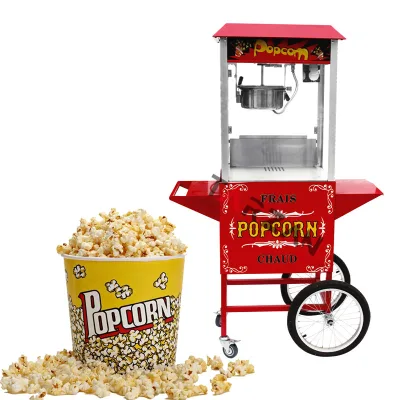
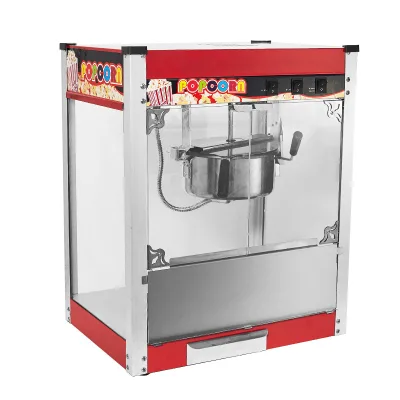
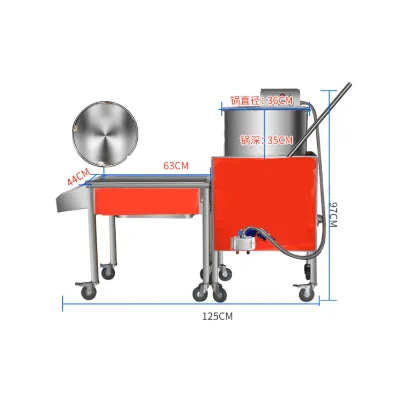
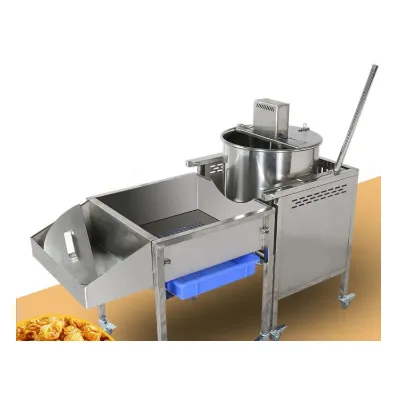
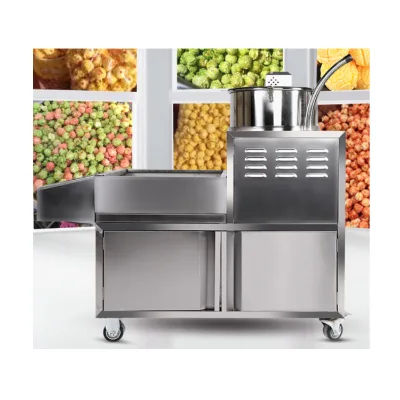


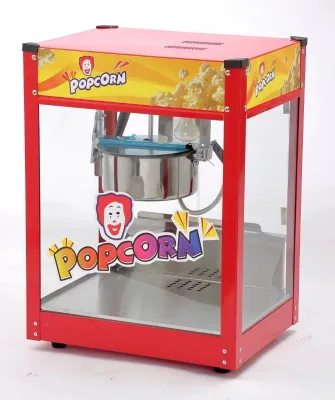


Comprehensive Sourcing Guide
Portable Electric Popcorn Machine Supplier Concentration and Factory Types
The current supplier landscape for portable electric popcorn machines reveals a distinct geographic concentration in China, specifically within the Guangdong and Anhui provinces. These regions serve as primary manufacturing hubs for commercial equipment and small kitchen appliances, offering buyers access to established industrial clusters. Factories in Guangdong often specialize in larger, heavy-duty units with higher power outputs, such as 5760W commercial models, while suppliers in Anhui may focus on smaller, home-use variants with lower wattage requirements. This geographic split allows buyers to target specific production capabilities based on their intended market segment, whether it be high-volume cinema operations or domestic consumer use. The presence of these clusters indicates a mature supply chain with readily available components and specialized labor, which can streamline the sourcing process for buyers seeking reliable production partners.
Supplier types in this category vary significantly, ranging from combined entities that handle both manufacturing and trading to pure trading companies. Combined suppliers often provide greater flexibility in customization, offering OEM and ODM services alongside their own branded products. This structure is particularly beneficial for buyers who require specific voltage configurations, such as 380V for commercial use or 220V for residential markets, as these factories can adjust production lines to meet diverse electrical standards. Trading companies, on the other hand, may offer a broader portfolio of products, including related items like refrigerators and showcases, which can simplify logistics for buyers sourcing multiple equipment types. Understanding the company type is crucial for determining the level of direct control a buyer has over the manufacturing process and the potential for negotiating custom specifications.
How to Verify Portable Electric Popcorn Machine Suppliers
Verification is a critical step in ensuring the reliability of suppliers offering portable electric popcorn machines, particularly when dealing with international transactions. Buyers should prioritize suppliers that have undergone third-party verification processes, such as BV certification, which provides an additional layer of trust regarding the company’s legitimacy and operational capabilities. This verification helps mitigate the risk of engaging with fraudulent entities or unverified trading companies that may not have direct access to manufacturing facilities. Additionally, buyers should examine the supplier’s response time, as a faster response rate often correlates with better customer service and more efficient communication throughout the procurement process. A response time of under ten hours is generally indicative of a responsive and organized team, which is essential for resolving technical queries or negotiating terms promptly.
Beyond basic verification, buyers must scrutinize the product evidence provided by suppliers to ensure it aligns with their specific requirements. This includes checking for relevant certifications such as CB, CE, UL, EMC, GS, LFGB, and RoHS, which are essential for market compliance in various regions. For instance, suppliers offering models with CB, CE, and UL certifications demonstrate adherence to international safety and quality standards, which is crucial for electrical appliances. Buyers should also verify the origin of the products, ensuring they are manufactured in China as indicated, and check for specific product attributes like power-off protection and timing devices. These details are not merely technical specifications but are key indicators of the supplier’s attention to detail and commitment to producing safe, high-quality equipment.
What to Compare Across Portable Electric Popcorn Machine Suppliers
When evaluating multiple suppliers, buyers should compare key operational metrics such as lead time, minimum order quantity (MOQ), and pricing structures to determine the best fit for their business needs. Lead times can vary significantly, with some suppliers offering a 15-day turnaround while others may require up to 30 days for production and shipping. This difference can impact inventory management and order fulfillment strategies, making it essential for buyers to align supplier capabilities with their sales cycles. Similarly, MOQs range widely, from as low as one piece for custom or sample orders to several hundred units for standard production runs. Understanding these thresholds helps buyers assess the financial risk associated with initial orders and plan their inventory levels accordingly, ensuring they do not overstock or understock their products.
Pricing and warranty terms are also critical factors in the comparison process. Prices for portable electric popcorn machines can vary based on features, materials, and certification levels, with some models priced around $480 for commercial-grade units and others as low as $7 for basic home-use versions. Buyers should request detailed quotes that include all costs, such as packaging and shipping, to avoid hidden fees. Additionally, warranty periods, typically ranging from one year, provide a safety net for post-purchase support and should be clearly defined in the contract. Comparing these elements across suppliers allows buyers to identify the best value proposition, balancing cost with quality and service. It is also important to consider the supplier’s main products, as those specializing in popcorn machines may offer better expertise and support than generalist traders.
Common Portable Electric Popcorn Machine Sourcing Risks
One of the primary risks in sourcing portable electric popcorn machines is the potential mismatch between product specifications and buyer expectations, particularly regarding voltage and power requirements. Suppliers may offer models with different voltage standards, such as 220V or 380V, and failing to verify these details can lead to equipment incompatibility in the target market. Additionally, the absence of timing devices or power-off protection in some models may pose safety hazards, especially for commercial applications where continuous operation is common. Buyers must carefully review product attributes to ensure that the selected models meet their operational needs and safety standards, avoiding products that lack essential protective features. This diligence is crucial for preventing product failures and ensuring customer satisfaction.
Another significant risk is the variability in product quality and certification compliance among suppliers. While some suppliers provide comprehensive certifications like CB, CE, and UL, others may only offer basic or no certifications, which can limit market access and increase liability risks. Buyers should be cautious of suppliers with low response times or unclear verification statuses, as these may indicate less reliable operations. Furthermore, the use of non-standard materials or packaging can affect the durability and shipping safety of the machines. Buyers should request samples to physically inspect the build quality, including the exterior size, net weight, and material composition, to ensure they meet their quality benchmarks. This proactive approach helps mitigate the risk of receiving substandard products that could damage the buyer’s reputation.
Portable Electric Popcorn Machine Regional Sourcing and Logistics
Sourcing portable electric popcorn machines from China offers logistical advantages due to the established infrastructure in manufacturing hubs like Guangdong and Anhui. These regions are well-connected to major ports and shipping routes, facilitating efficient export processes for international buyers. Buyers should consider the impact of regional logistics on lead times and shipping costs, as proximity to ports can reduce transit times and associated expenses. Additionally, the concentration of suppliers in these areas allows for easier coordination of multiple orders, potentially enabling consolidated shipping to reduce overall logistics costs. Understanding the regional logistics landscape helps buyers plan their supply chain more effectively, ensuring timely delivery and cost efficiency.
However, buyers must also account for the complexities of international shipping, including customs clearance and import regulations in their home countries. Different regions may have varying requirements for electrical appliances, such as specific certification marks or labeling standards, which must be met before the products can be sold. Buyers should work with suppliers who are experienced in exporting to their target markets to ensure compliance with local regulations. Additionally, packaging standards, such as standard export packing or carton packaging, play a crucial role in protecting the machines during transit. Buyers should verify that the packaging is robust enough to prevent damage, especially for fragile components like glass or plastic parts. Proper logistics planning ensures that the products arrive in good condition and are ready for immediate sale.
Portable Electric Popcorn Machine Commercial Terms and Order Planning
Effective order planning for portable electric popcorn machines requires a clear understanding of commercial terms, including payment methods, warranty policies, and after-sales support. Buyers should negotiate terms that protect their interests, such as using escrow services for secure transactions, which provide a layer of financial protection until the goods are received and verified. Warranty terms, typically lasting one year, should be clearly defined, including the scope of coverage and the process for claiming repairs or replacements. Additionally, buyers should inquire about the supplier’s response to technical issues, ensuring that they have access to timely support for any post-purchase problems. These commercial terms are essential for building a sustainable and reliable supply relationship.
Customization options, such as OEM services and available accessories like paper cups, offer opportunities for buyers to differentiate their products in the market. Buyers should assess the supplier’s flexibility in accommodating custom requests, including branding, color, and specific feature additions. This flexibility can enhance the product’s appeal to end-users and align with the buyer’s brand identity. Furthermore, understanding the production capacity and customization lead times helps buyers plan their inventory and marketing strategies effectively. By carefully evaluating these commercial and operational aspects, buyers can make informed decisions that support their long-term business goals and ensure a smooth sourcing experience.
FAQs
What is the price range for portable electric popcorn machines?
Prices vary significantly based on capacity and features. Commercial units range from $480 to $500, while smaller home models cost between $7 and $75. Buyers should check specific product listings for exact pricing and currency details before placing orders.
What is the minimum order quantity for these machines?
MOQs depend on the supplier and product type. Some manufacturers accept orders for just one piece, ideal for sampling. Others require bulk purchases, such as 200 or 1320 units. Always verify the specific MOQ listed for the chosen model.
Are these machines customizable for branding?
Yes, customization is generally available. Many suppliers offer OEM services and allow buyers to customize the product. This enables businesses to add their logos or specific design elements. Confirm customization options and any associated costs directly with the supplier.
What certifications do these popcorn machines have?
Certifications vary by manufacturer and model. Common standards include CB, CE, UL, RoHS, and LFGB. Some units may lack specific certifications. Buyers should request valid certification documents to ensure compliance with local safety and electrical regulations in their market.
Where are these suppliers located?
Suppliers are primarily located in China, specifically in Guangdong and Anhui provinces. These regions are known for manufacturing kitchen and commercial equipment. Buyers can filter results by location to manage logistics, shipping times, and potential tariffs for their specific import needs.
What is the typical lead time for orders?
Lead times vary by supplier and order volume. Some manufacturers report a lead time of 15 days, while others may take up to 30 days. Buyers should confirm the estimated production and shipping timeline with the supplier before finalizing the purchase agreement.
What voltage options are available for these machines?
Voltage options depend on the specific model and target market. Available voltages include 220V and 380V. Buyers must select the correct voltage compatible with their local electrical infrastructure to ensure safe operation and prevent damage to the machine upon installation.