Portable Electric Heating Lunch Box Suppliers and Manufacturers
Source a Portable Electric Heating Lunch Box from 22 verified suppliers in China. Compare dimensions, certifications like FDA and CE, and MOQs to find the right fit. Contact suppliers directly to request samples and confirm lead times; review the available evidence before requesting comparable quotations from suitable candidates.
Suppliers List

Guigang Weilin Import and Export Trading Co., Ltd.
- Verified by SGS
- Trading Company
- China Guangxi
- Lead time15 days
- Avg. response≤ 6h
Main productsElectric Lunch Box, Food Warmer, Lunch Box, Tiffin Box, Stainless Steel Lunch Box, Food Heater, Food Warming Matt, Bento Box
Main marketsEurope,North America


Versatile Temperature Controllable 80W Electric Food Warmer Lunch Box for Home and Travel
$9.40 - $9.60
MOQ: 160 Pieces

- Verified by SGS
- Trading Company
- China Zhejiang
- Lead time15 days
- Avg. response≤ 18h
Main productsFan, Heater Fan, Air Fryer, Toaster, Rice Cooker, Vacuum Cleaner, Coffee Machine, Hairdressing Appliance, Electric Toothbrush, Steam Iron
Main marketsEurope,Australia

Xiamen Ederbou Industry&Trade Co., Ltd.
- Verified by CTI
- Combined
- China Fujian
- Lead time30 days
- Avg. response≤ 5h
Main productsCooler Insulated Bags, Backpacks, Delivery Bags, Travel Bags, Sports Bags, Picnic Bags
Main marketsSouth America,Southeast Asia/ Mideast,East Asia(Japan/ South Korea),Europe,Australia,North America
Zhongshan Huapo Electric Appliance Co., Ltd.
- Verified by TüVRheinland
- Manufacturer, Trading Company
- Lead time15 days
- Avg. response≤ 4h
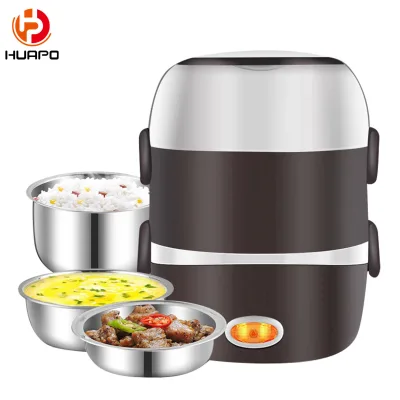
Main productsElectric Lunch Box, Egg Cooker, Cooking Lunch Box, Frying Pan, Electric Stew Pot
Main marketsNorth America(60%), Southeast Asia(20%), Mid East(5%)

Guangdong Youyuan Trading Co., Ltd.
- Verified by BV
- Trading Company
- China Guangdong
- Lead time23 days
- Avg. response≤ 5h
Main marketsSoutheast Asia/ Mideast,Domestic


Portable Fast Heating Food Container Food Warmer Electric Lunch Box for Office, School & Travel Use
$4.35 - $4.95
MOQ: 200 Pieces

$3.89 - $4.59
MOQ: 480 Pieces


Dongguan Oumeng Houseware Products Co., Ltd.
- Manufacturer/Factory
- China Guangdong
- Lead time23 days
- Avg. response≤ 1h
Main productsBento Lunch Box, Kids Tableware Set, Water Bottle, Lunch Bag, Storage Box, Malamin Product, Food Jar, Pick Spoon, Bento
Main marketsSouth America,Eastern Europe,Mid East,North America,Southeast Asia,Eastern Asia,Oceania,Western Europe,Africa
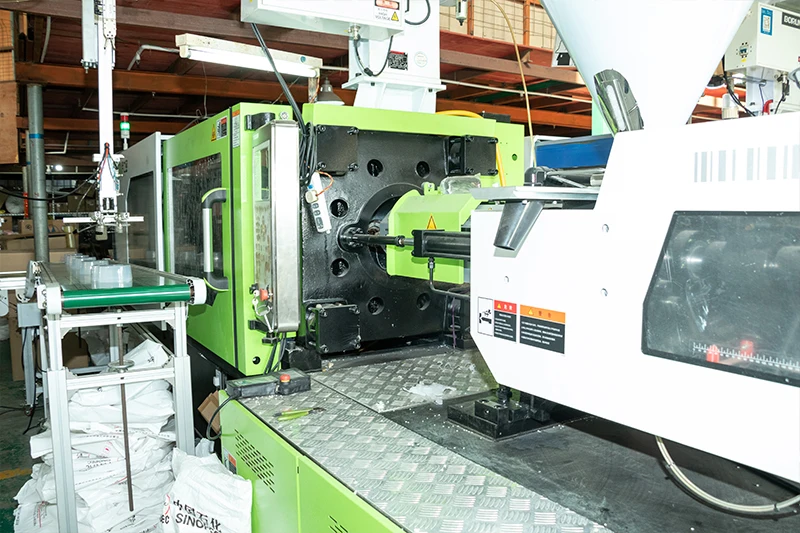
Zhongshan IPS Electric Factory
- Manufacturer, Trading Company
- Guangdong, China
- Lead time25 days
- Avg. response≤ 9h
Main productsElectric Lunch Box,Lunch Box,Electric heating bottle,Mini Rice Cookeer,Electric Cooking Pot
Main marketsNorth America(40.00%), Western Europe(31.00%), Southern Europe(20.00%), South Asia(2.00%), Southeast Asia(1.00%), South America(1.00%), Eastern Europe(1.00%), Northern Europe(1.00%), Mid East(1.00%), Oceania(1.00%), Africa(1.00%)

Wenzhou Shifengxu Technology Co., Ltd.
- Verified by SGS
- Combined
- China Zhejiang
- Lead time15 days
- Avg. response≤ 5h
Main marketsDomestic
Henan Dibangni Industrial Development Co., Ltd.
- Manufacturer, Trading Company
- Henan, China
- Lead time3 days
- Avg. response≤ 7h
Main productsHome Storage & Organization,Kitchen & Tabletop
Main marketsNorth America(30.00%), Southeast Asia(10.00%), Northern Europe(10.00%), Western Europe(10.00%), Eastern Europe(5.00%), Central America(5.00%), South America(5.00%), South Asia(5.00%), Southern Europe(5.00%), Oceania(5.00%), Domestic Market(5.00%), Eastern Asia(2.00%), Mid East(2.00%), Africa(1.00%)
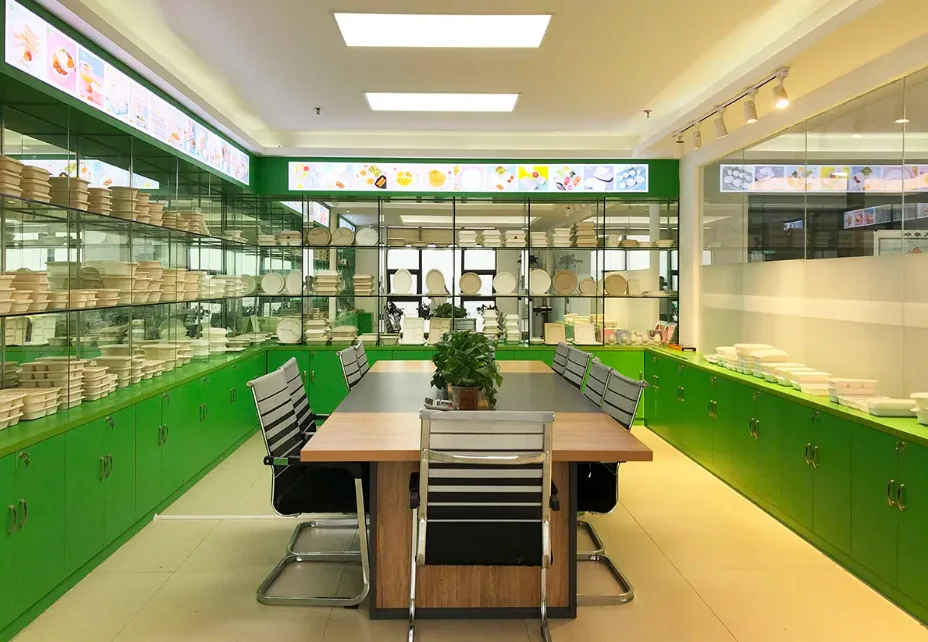
Shenzhen Aohua Packaging Products Co., Ltd.
- Trading Company
- Guangdong, China
- Lead time10 days
- Avg. response≤ 3h
Main productsMultifunctional Lunch Box, PET/PP Lunch Box, Plastic Food Container, Silicone Lunch Box, Stainless Steel Lunch Box/Electric Lunch Box
Main marketsNorth America(30.00%), Western Europe(20.00%), Northern Europe(10.00%), Southeast Asia(10.00%), South Asia(5.00%), Oceania(5.00%), Southern Europe(5.00%), Mid East(5.00%), Eastern Asia(2.00%), South America(2.00%), Central America(2.00%), Africa(2.00%), Eastern Europe(2.00%)

- Verified by SGS
- Trading Company
- China Zhejiang
- Lead time15 days
- Avg. response≤ 15h
Main marketsOthers(foreignTradeCapacity.exportBusinessCapacityMarketOther),North America

Portable Electric Heating Stainless Steel Lunch Box Rechargeable Waterless
$18.14 - $20.28
MOQ: 50 Pieces


Jinjiang Jiaxing Supply Management Co., Ltd.
- Verified by TUVRHEINLAND
- Trading Company
- China Fujian
- Lead time30 days
- Avg. response≤ 1h
Main productsEVA Clogs, Flip Flop, Shoe Charms, Shopping Bags, Wristbands, Gifts, Promotional Gifts, Slipper, Sport Cap, Ball
Main marketsNorth America

- Trading Company
- China Zhejiang
- Lead time30 days
- Avg. response≤ 11h
Main productsHome Appliance, Cookware Set, Thermos, Home Storage, Furniture, Pet Supplies, Garden Tools, Outdoor Supplies, Baby Supplies, Houesehold Items
Main marketsSouth America,Africa,Southeast Asia/ Mideast,East Asia(Japan/ South Korea),Domestic,Europe,Australia,North America

$12.11 - $15.71
MOQ: 3000 Pieces

$4.36 - $4.54
MOQ: 500 Pieces

Jinjiang Jiaxing Import and Export Co., Ltd.
- Verified by CTI
- Manufacturer/Factory
- China Fujian
- Lead time120 days
- Avg. response≤ 1h
Main productsShoes, Slipper, Clothes, Promotion Gifts, Silicone Products, Outdoor Sports Products, Bags, Fashion Accessories, Consumer Electronics
Main marketsSouth America,Eastern Europe,Mid East,North America,Southeast Asia,Eastern Asia,Oceania,Western Europe,Africa

GUANGZHOU UME TECHNOLOGY CO., LTD.
- Verified by TUVRHEINLAND
- Trading Company
- China Guangdong
- Lead time30 days
- Avg. response≤ 4h
Main productsRice Cooker, Electric Kettle, Kettle, Cooker, Electric Rice Cooker, Air Cooker, Mixer
Main marketsOthers(foreignTradeCapacity.exportBusinessCapacityMarketOther)


Multi-Functional Electric Lunchbox, Stainless Steel, Kids School, Heat & Cook, Portable Pot
$5.67 - $6.83
MOQ: 3000 Pieces


Zhongshan Jingyi Trading Limited
- Trading Company,Manufacturer/Factory
- China Guangdong
- Lead time23 days
- Avg. response≤ 10h
Main productsAquarium Pump, Aquarium Heater, Aquarium Filter, Aquarium Lights, Aquarium Air Pump, Aquarium Fish Tank, Aquarium Accessories, AC/DC Pumps, Water Pump, Submersible Pump
Main marketsSouth America,Eastern Europe,Mid East,North America,Southeast Asia,Eastern Asia,Oceania,Western Europe,Africa
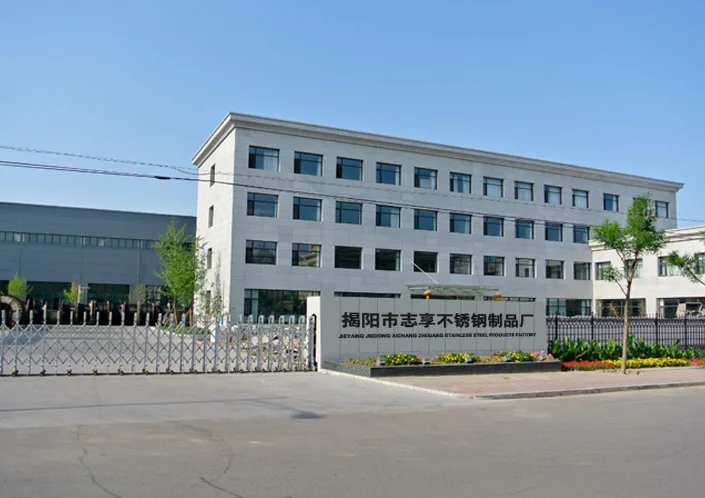
Jieyang Jiedong Xichang Zhixiang Stainless Steel Products Factory
- Manufacturer, Trading Company
- Guangdong, China
- Lead time15 days
- Avg. response≤ 3h
Main productsstainless steel cutlery,Stainless steel kitchenware,Gift tableware,Plastic tableware,wheat straw product
Main marketsSouth America(25.00%), North America(24.00%), Oceania(16.00%), Southeast Asia(15.00%), Eastern Europe(10.00%), Africa(10.00%)

Hangzhou Tonny Electric & Tools Co., Ltd.
- Verified by TUVRHEINLAND
- Combined
- China Zhejiang
- Lead time30 days
- Avg. response≤ 10h
Main productsBattery Charger, Power Inverter, Fan, Work Light, Forklift Lamp, Emergency Beacon Lights, Tail & Trailer Light Kits Roger, Testing Tools, Trailer Connectors, Vacuum Cleaner
Main marketsSouth America,Africa,East Asia(Japan/ South Korea),Europe,Australia,North America


Foldable 12V/AC Dual-Power Heated Lunch Box - Portable Insulated Food Warmer
$7.60 - $7.70
MOQ: 1000 Pieces

Jinhua Hengyang Cross-Border Trade Limited Liability Company
- Verified by SGS
- Trading Company
- China Zhejiang
- Lead time15 days
- Avg. response≤ 7h
Main productsCoffee Maker Air Fryer Storage Box Knife Set, Silicone Baking Mold Robot Vacuum Cleaning Table, Shower Head Non-Slip Shower Curtain Vacuum Stora, Collapsible Laundry Basket Bohemian Wall Tapestr, Fringe Pillow Cover Bedding Set Memory Foam Pill, Bamboo Tissue Biodegradable Trash Bags LED Fair, Smart Plug Fairy Lights Pet Food Bowl, Household Daily Necessities Kitchen Cleaning, Bathroom Storage and Care Fabric Home Decor, Bedding Daily Chemical Paper Products
Main marketsEurope


Stainless Steel Electric Lunch Box Portable Insulated Quick Bento Heated Plug-in Heated
$7.79 - $9.74
MOQ: 35 Pieces

Anhui Xianwei E-Commerce Co., Ltd
- Verified by TUVRHEINLAND
- Manufacturer/Factory
- China Anhui
- Lead time0 days
- Avg. response≤ 4h
Main productsLamp, Cup, Tent
Main marketsSouth America,Eastern Europe,Mid East,North America,Southeast Asia,Eastern Asia,Oceania,Western Europe,Africa

Ningbo Yicheng Technology Co., Ltd.
- Verified by TUVRHEINLAND
- Trading Company
- China Zhejiang
- Lead time30 days
- Avg. response≤ 7h
Main productsElectric Grill, Waffle Maker, Air Fryer, BBQ, Food Processor, Kitchenware, Pizza Maker, Multifunction Cooker, Thermomixer, Coffee Grinder
Main marketsEurope
Chaozhou Binjiang Industrial Investment Co., Ltd.
- Verified by Intertek
- Manufacturer, Trading Company
- Lead time0 days
- Avg. response≤ 4h
Main productsStainless Steel Water Bottle, Lunch Box, Stainless Steel Cup, Stainless Steel Pet Bowl, Chopping Blocks
Main marketsNorth America(40%), Western Europe(15%), Eastern Asia(15%)


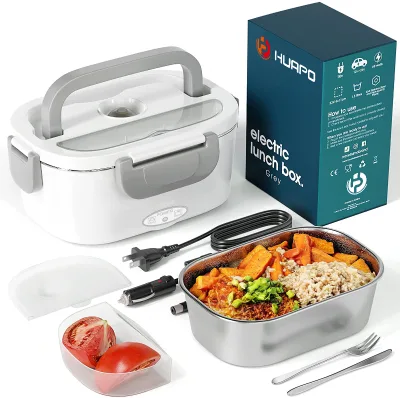


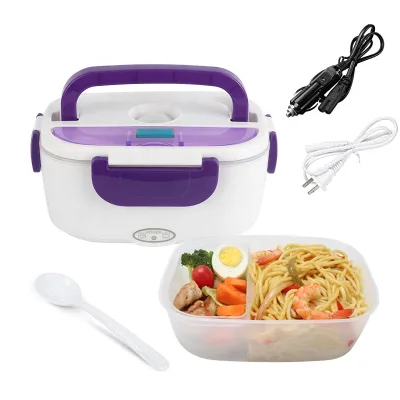
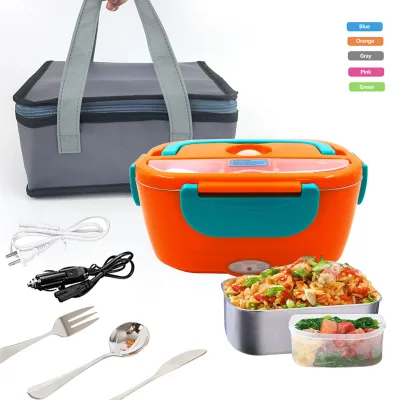
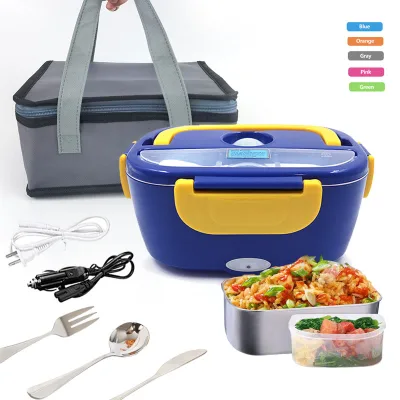


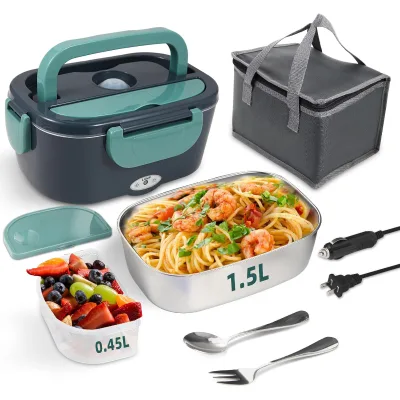
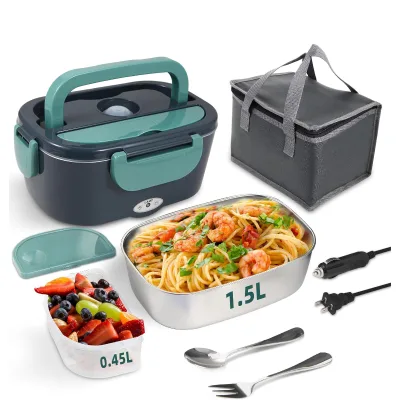
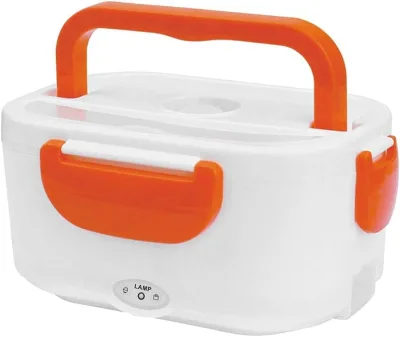
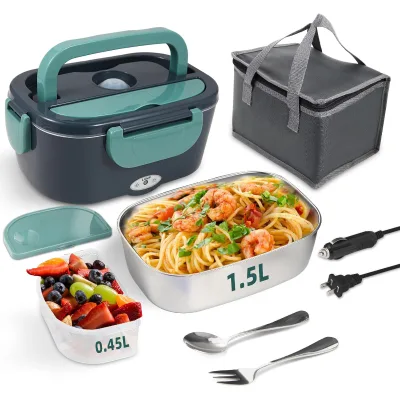
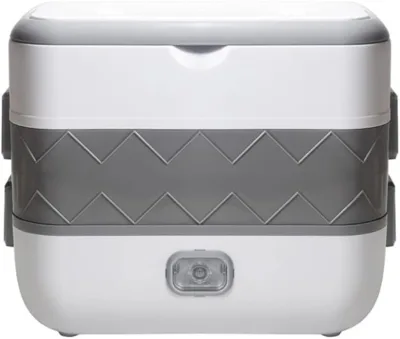
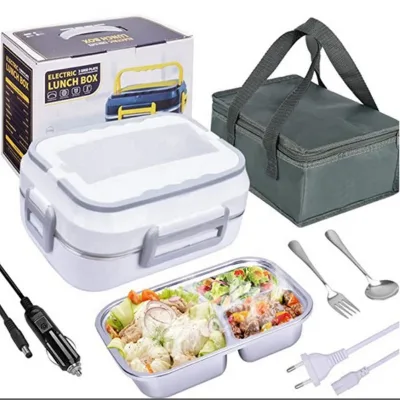
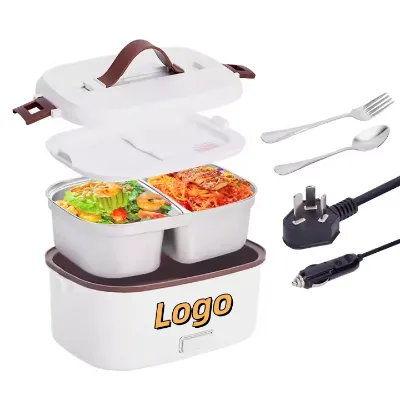
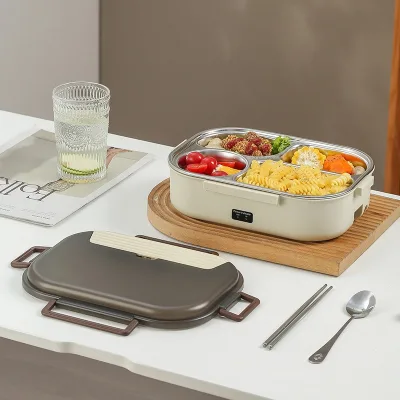
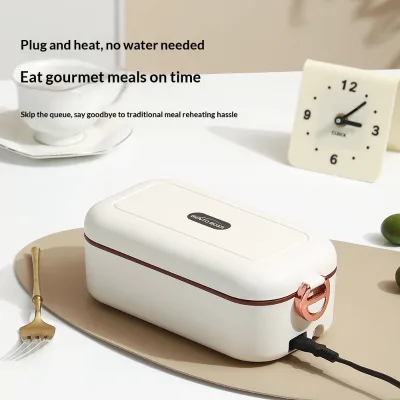


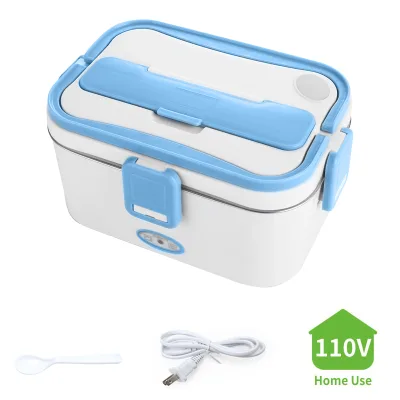
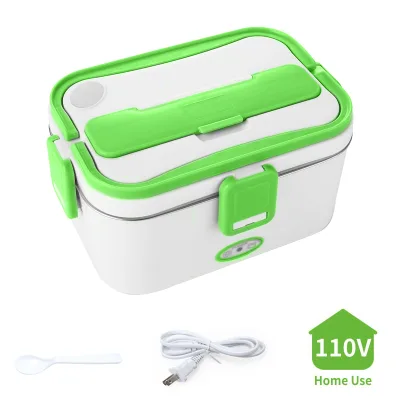


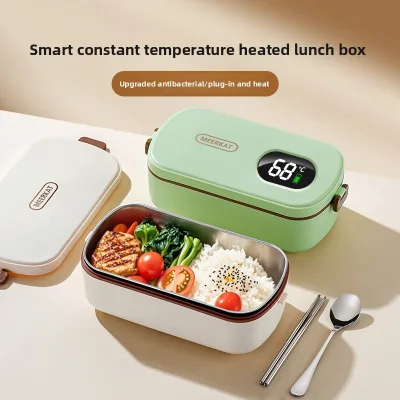
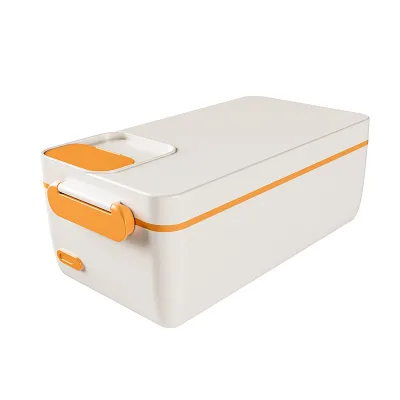
Comprehensive Sourcing Guide
Portable Electric Heating Lunch Box Supplier Concentration and Factory Types
Current data indicates a concentration of suppliers in China Guangxi and China Zhejiang, though specific factory clusters for this category require direct verification. Some entities in these regions operate as Trading Companies, while others may possess ODM or OEM capabilities. The Guangxi-based results show a focus on electric lunch boxes, food warmers, and stainless steel variants, suggesting a specialized manufacturing ecosystem. In contrast, suppliers in Zhejiang list broader appliance portfolios including fans, rice cookers, and air fryers, which may indicate a more diversified production line capable of adapting to lunch box manufacturing. Buyers should not assume all suppliers in these provinces specialize solely in portable heating solutions; the main product lists vary significantly between entities.
To identify the correct factory type, buyers must examine the company type field and the stated R&D capacity. A Trading Company may offer a wider range of models but might lack direct control over the production line compared to a manufacturer with ODM capabilities. The presence of ODM capacity suggests the supplier can modify designs, which is critical for branding. However, the data also shows suppliers with OEM capabilities, implying they can produce to exact client specifications. Since the search results do not confirm the establishment year for every entity, buyers must verify how long a specific supplier has operated in this niche. Relying on the main product list alone is insufficient; the company type and capacity details provide the necessary distinction between a reseller and a true manufacturer.
How to Verify Portable Electric Heating Lunch Box Suppliers
Verification begins with checking for third-party audit badges like SGS, which appears in the current supplier results. This verification status provides a baseline of trust regarding the supplier's business legitimacy and operational stability. Buyers should not assume that a verified badge covers all aspects of product safety or factory conditions; it primarily confirms the entity's existence and basic compliance. For electric lunch boxes, the certification of the final product is equally critical. The observed data lists FDA, CE / EU, and LFGB certifications for specific models, indicating that these items meet international food safety and electrical standards. However, buyers must confirm that these certifications apply to the specific model they intend to order, as product attributes can vary even within the same supplier's catalog.
Response time is another vital metric for assessing supplier reliability and communication efficiency. The current results show response times ranging from 5.26 to 17.41, which suggests significant variation in how quickly different suppliers engage with inquiries. A faster response time often correlates with better customer service and a more active sales team, which is essential for resolving technical questions about heating elements or voltage compatibility. Buyers should also look for evidence of customization availability, as the data confirms that many suppliers offer this service. This capability is a strong indicator of a supplier's flexibility and willingness to collaborate on product development. Always request proof of the stated certifications and ask for a sample to validate the response time before committing to a large order.
What to Compare Across Portable Electric Heating Lunch Box Suppliers
When comparing suppliers, the minimum order quantity (MOQ) is a primary differentiator that affects inventory planning and cash flow. The data reveals a wide disparity in MOQs, with some suppliers requiring 1800 units while others accept orders as low as 160 units. This variation allows buyers to select partners that align with their order volume and risk tolerance. A supplier with a high MOQ might offer lower unit prices, but it requires a larger upfront investment. Conversely, a lower MOQ supplier may be more suitable for testing the market or for smaller retailers. Buyers must also compare the unit price, which ranges from approximately $0.49 to $9.60 in the observed results. This price spread often reflects differences in material quality, such as stainless steel versus plastic, or the complexity of the heating mechanism.
Lead time and response speed are equally critical factors in the comparison process. The observed lead times are around 15 days, but this can fluctuate based on order volume and production scheduling. A supplier with a 15-day lead time might be efficient, but buyers must verify if this includes packaging and shipping preparation. Additionally, the response time of 5.26 versus 17.41 hours indicates how quickly a supplier can address urgent requests or changes. Buyers should also evaluate the product specifications, such as size, weight, and capacity, which vary from 1L to 1.8L and different dimensions. Comparing these technical attributes ensures the selected product meets the end-user's needs. Finally, check the packaging details, as some suppliers pack 12 or 16 pieces per carton, which impacts shipping costs and storage efficiency.
Common Portable Electric Heating Lunch Box Sourcing Risks
One significant risk involves the discrepancy between the claimed product origin and the actual manufacturing location. While some product attributes list the origin as Zhongshan or China, the supplier location might be Guangxi or Zhejiang. This mismatch can complicate logistics and customs clearance if not properly documented. Buyers must ensure that the country of origin stated on the product matches the shipping documents to avoid regulatory issues. Another risk is the variation in certification claims. Although FDA, CE, and LFGB are listed for specific models, these certifications may not cover all SKUs offered by the same supplier. Relying on a general certification claim without verifying the specific model number can lead to non-compliance in target markets.
Material safety and heating functionality present another layer of risk. The data shows some products feature stainless steel bodies with food-grade plastic inner shells, while others may differ. Buyers must verify that the inner shell material is indeed food-grade and safe for heating, as this directly impacts consumer health. The "No Water Heating" function noted in some attributes suggests specific design limitations that must be communicated clearly to avoid misuse. Additionally, the weight and dimensions vary significantly, which can affect shipping costs and product durability during transit. A heavier unit might be more robust but could incur higher freight charges. Buyers should request detailed material safety data sheets and performance test reports to mitigate these risks before finalizing any purchase agreement.
Portable Electric Heating Lunch Box Regional Sourcing and Logistics
Sourcing from China Guangxi and China Zhejiang offers distinct logistical advantages and challenges. Guangxi-based suppliers often specialize in specific home appliances, potentially offering streamlined production for lunch boxes. However, the distance from major ports may influence shipping times and costs. Buyers should verify the specific port of loading for Guangxi suppliers, as inland locations might require additional trucking to reach coastal shipping hubs. In contrast, Zhejiang is a major manufacturing hub with well-established logistics networks, which could result in faster and more cost-effective shipping options. The response time differences observed between regions may also reflect the efficiency of local logistics infrastructure.
Packaging dimensions and weight are critical for calculating freight costs and optimizing container space. The data indicates varying carton sizes, such as 5438.552cm for 16 pieces or 564341cm for different models. These dimensions directly impact how many units fit into a standard shipping container, affecting the overall landed cost. Buyers must also consider the gross weight per carton, which ranges from 16kgs to 116.5kgs depending on the packaging configuration. A heavier carton might reduce the number of units per container, increasing the per-unit shipping cost. Additionally, the color box size and individual unit weight, such as 1.2kgs or 1.3kgs, influence the final retail packaging and handling requirements. Accurate logistics planning requires precise data on these physical attributes to avoid unexpected expenses.
Portable Electric Heating Lunch Box Commercial Terms and Order Planning
Order planning must account for the diverse commercial terms presented in the supplier data, particularly regarding pricing and minimums. The price range from $0.49 to $9.60 suggests that buyers can find options for different market segments, but the MOQ requirements vary drastically. A supplier with a 160-unit MOQ might be ideal for a startup, while a 1800-unit MOQ supplier suits established distributors. Buyers should negotiate based on their volume potential, as higher volumes often unlock better pricing tiers. It is also essential to clarify the payment terms and whether escrow services are available to protect the transaction. While the data does not explicitly confirm escrow availability for all suppliers, buyers should insist on secure payment methods to mitigate financial risk.
Lead time and customization availability are key components of the order planning process. With a standard lead time of 15 days, buyers can plan their inventory cycles accordingly, but this assumes no delays in material sourcing or production. Customization is marked as available for many models, allowing for branding and design modifications. However, buyers must confirm if customization affects the lead time or unit price. The product attributes, such as temperature control features and shape, should be finalized before production begins to avoid costly changes later. Additionally, the packaging configuration, such as 12 or 16 pieces per carton, should be agreed upon to ensure consistency in shipping and retail display. Clear communication of these terms ensures a smooth transaction and timely delivery of the portable electric heating lunch boxes.
FAQs
What certifications do portable electric lunch boxes have?
Many portable electric lunch boxes carry FDA, CE, EU, and LFGB certifications to ensure food safety. These standards verify that materials are safe for direct food contact and meet international regulatory requirements for electrical appliances used in thermal food applications.
What is the typical lead time for these products?
The observed lead time for portable electric heating lunch boxes is 15 days. This duration allows manufacturers to complete production and prepare shipments efficiently while maintaining quality control standards for the electric heating components and stainless steel structures.
Are customization options available for these lunch boxes?
Customization is available for many portable electric lunch box models. Buyers can often request specific features or branding, though minimum order quantities may apply. This flexibility supports tailored solutions for different market needs and corporate branding requirements.
What is the minimum order quantity for these items?
Minimum order quantities vary by model, with some requiring 160 units and others needing 1600 or 1800 units. Buyers should check specific product listings to confirm the exact MOQ before placing an order to ensure compliance with supplier production constraints.
Where are these suppliers located?
Suppliers for portable electric heating lunch boxes are located in China, specifically in Guangxi and Zhejiang provinces. These regions host trading companies and manufacturers specializing in small kitchen appliances and smart home improvement products for global export markets.
What is the price range for these lunch boxes?
Prices for portable electric heating lunch boxes range from approximately 0.49 to 9.60 USD per unit. The cost depends on the model, capacity, material quality, and specific features like temperature control or stainless steel construction included in the final product.
Do these lunch boxes support steamable food containers?
Yes, many portable electric lunch boxes feature steamable food containers. This capability allows users to heat food directly within the box, making them versatile for office, travel, or home use while maintaining food quality and safety during the warming process.