Portable Household Grill Cleaning Tool Suppliers and Manufacturers
Compare 23 verified suppliers offering portable household grill cleaning tools with varying lead times, response speeds, and customization options. Review product specifications like material and battery voltage to select the right factory for your needs; review the available evidence before requesting comparable quotations from suitable candidates.
Suppliers List

Wuxi Wonderful Import & Export Co., Ltd.
- Verified by TUVRHEINLAND
- Trading Company
- China Jiangsu
- Lead time30 days
- Avg. response≤ 12h
Main productsHome & Garden Products
Main marketsSouth America,Southeast Asia/ Mideast,Europe,Australia,North America

Nantong Change Electric Tools Co., Ltd.
- Verified by TUVRHEINLAND
- Combined
- China Jiangsu
- Lead time30 days
- Avg. response≤ 1h
Main productsPower Tools, Cordless Tools, Concrete Vibrators, Garden Tools, Power Tools Accessories, Pressure Washers, Angle Grinders, Electric Drills, Cutter Machines, Armatures & Stators
Main marketsDomestic

Yangjiang C&B Consumer Product Limited
- Verified by CTI
- Trading Company
- China Guangdong
- Lead time15 days
- Avg. response≤ 5h
Main productsBarbecue Tongs, Grilling Brushes, Outdoor Shovel, Grilling Tools, Kitchen Ware, Outdoor Products, Pizza Tools, Knife Set
Main marketsSouth America,Africa,Southeast Asia/ Mideast,Europe,Australia,North America
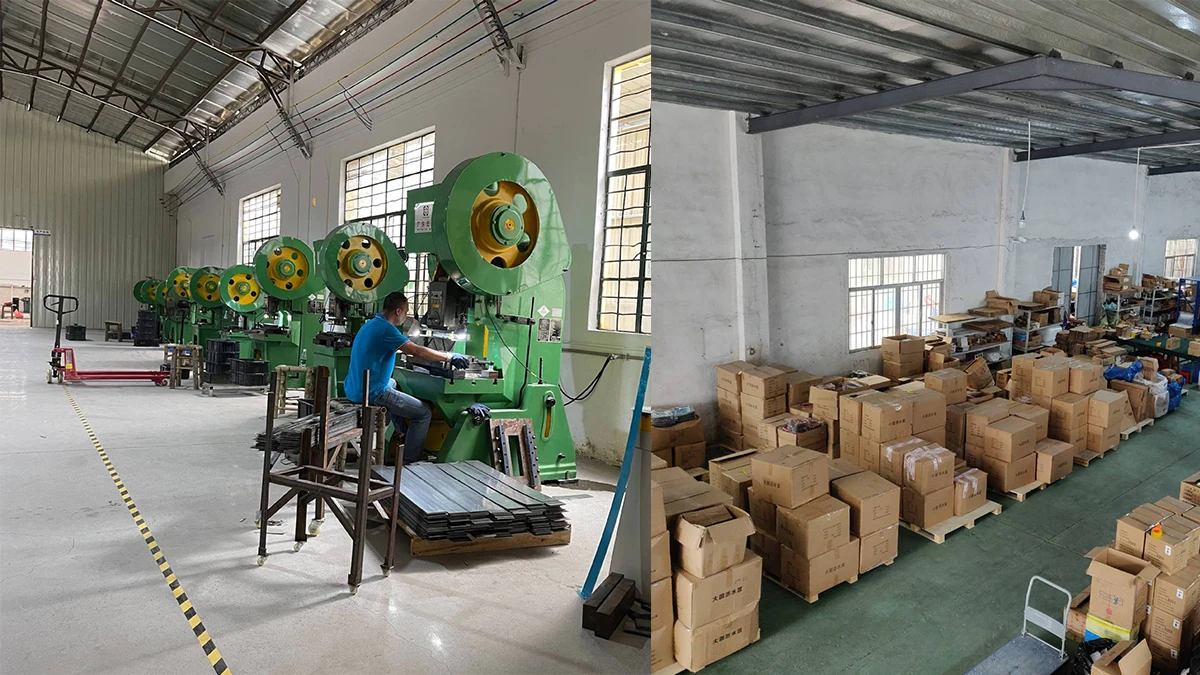
Xiamen Ample Outdoor Products Co., Ltd.
- Manufacturer, Trading Company, Distributor/Wholesaler
- Fujian, China
- Lead time0 days
- Avg. response≤ 7h
Main productsBBQ Accessories,BBQ Tools,Outdoor BBQ Products,Kamado Grill Accessories,BBQ Grill Accessories
Main marketsWestern Europe(30.0%), North America(20.0%), Oceania(10.0%), South America(10.0%), Northern Europe(10.0%), Southern Europe(5.0%), Eastern Europe(5.0%), Mid East(5.0%), Africa(2.0%), Eastern Asia(2.0%), South Asia(1.0%)
Shenzhen Youweiyoupin Tech Co., Ltd.
- Verified by SGS Group
- Trading Company
- Guangdong, China
- Lead time7 days
Main productsLint Remover, Blender, Face & Neck Lifting Massager, Shoulder & Neck Massager, Education Toys
EGO Sourcing Hangzhou Co., Ltd.
- Verified by Intertek
- Trading Company
- Lead time20 days
Main productsKitchen Gadgets, Cookware, Bakeware, Household Cleaning, Kitchen Storage
Main marketsWestern Europe(70%), South America(15%), North America(15%)

Chongqing Bweiser Industry Company Limited
- Verified by CTI
- Trading Company,Manufacturer/Factory,Group Corporation
- China Chongqing
- Lead time45 days
- Avg. response≤ 3h
Main productsGarden Tools, Pizza Tools, Roadway Safety, BBQ, Raincoat, Handcrafts, Bait, Grillware, Cleaning Brush, Bar Shaker
Main marketsSouth America,Eastern Europe,Mid East,North America,Southeast Asia,Eastern Asia,Oceania,Western Europe,Africa
Xiamen Cleanwell Households I/E Co.,Ltd
- Verified by TüVRheinland
- Manufacturer, Trading Company
- Lead time40 days
- Avg. response≤ 4h
Main productsBrushes, Cleaning Cloth, Duster, Mop Bucket, Mop
Main marketsNorthern Europe(46%), North America(23%), Western Europe(21%)

Nanjing Gussdo Electronic Technology Co., Ltd.
- Verified by SGS
- Combined
- China Jiangsu
- Lead time30 days
- Avg. response≤ 5h
Main productsCar Vacuum Cleaner, Car Air Pump, Electric Cleaning Brush
Main marketsSoutheast Asia/ Mideast,East Asia(Japan/ South Korea),Europe,North America
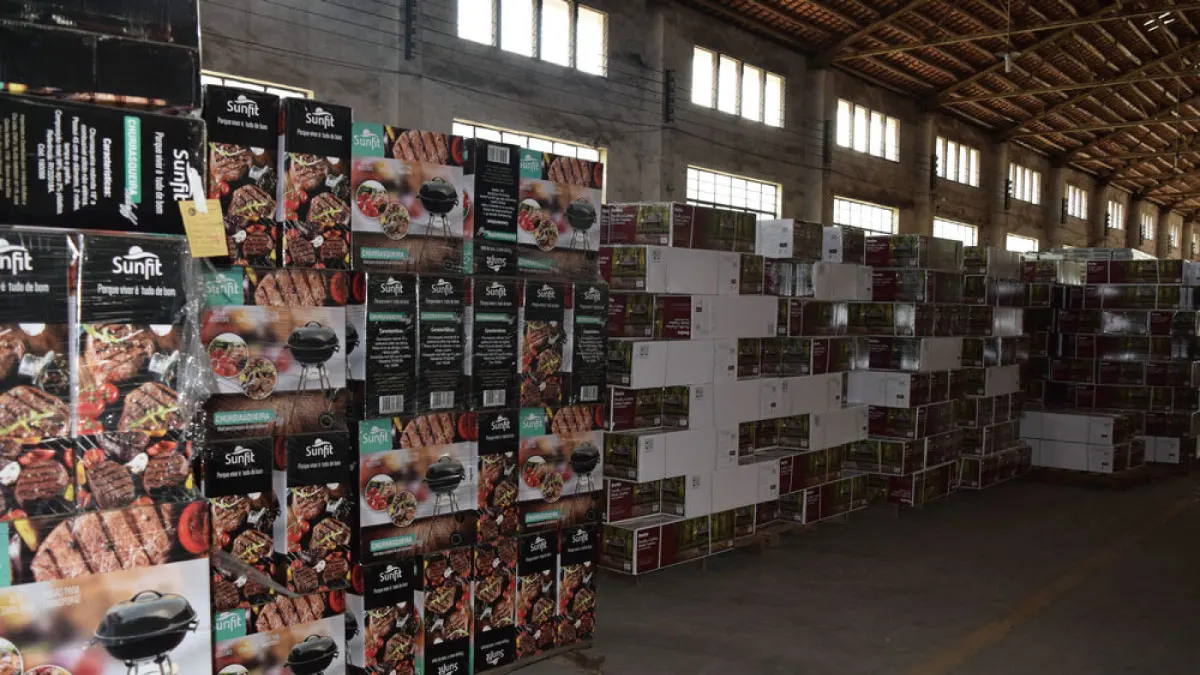
Foshan Anhuai Metal Products Co., Ltd.
- Manufacturer
- Guangdong, China
- Lead time30 days
- Avg. response≤ 2h
Main productsbbq grill,bbq charcoal grill,bbq gas grill,disposable bbq grill,BBQ Accessories
Main marketsMid East(19.0%), Northern Europe(17.0%), North America(17.0%), South Asia(14.000000000000002%), Eastern Europe(12.0%), South America(11.0%)

- Verified by BV
- Trading Company,Manufacturer/Factory
- China Zhejiang
- Lead time23 days
- Avg. response≤ 5h
Main productsSpiral Slicer, Tent, Hammock, Garden Decoration, Garden Light, Kitchenware, Homeware, Camping, Travel Suitcase, Organizer
Main marketsSouth America,Eastern Europe,Mid East,North America,Southeast Asia,Eastern Asia,Oceania,Western Europe,Africa

- Verified by BV
- Trading Company
- China Zhejiang
- Lead time30 days
- Avg. response≤ 11h
Main productsHousehold Products, Recreation& Game Products, Outdoor Products, Garden Products, Pet Products, Car Products, Daily Use Products
Main marketsSouth America,Africa,Southeast Asia/ Mideast,East Asia(Japan/ South Korea),Europe,Australia,North America

Ningbo Peaceport Imp. & Exp. Co., Ltd.
- Trading Company,Manufacturer/Factory
- China Zhejiang
- Lead time45 days
- Avg. response≤ 21h
Main productsWater Through Car Brush, Mop, Window Squeegee, Snow Brush, Push Broom, Telescopic Pole, Car Brush, Dustpan, Broom, Floor Squeegee
Main marketsSouth America,Eastern Europe,North America,Southeast Asia,Eastern Asia,Oceania,Western Europe,Africa


Kitchen Cleaning Brush Barbecue Grill Cleaning Brushes Copper Wire Brush BBQ Brush Set
$1.00 - $4.00
Moq: 2000

Kitchen Cleaning Brush Barbecue Grill Cleaning Brushes Copper Wire Brush BBQ Brush Sets
$1.00 - $4.00
Moq: 2000
- Verified by TüVRheinland
- Manufacturer, Trading Company
- Lead time30 days
- Avg. response≤ 1h
Main productsPolishing Brush, Strip Brush, Stenter Brush, Twisted Wire Brush, Cleaning Brush
Main marketsEastern Europe(30%), Western Europe(30%), North America(24%)

- Verified by SGS
- Trading Company,Manufacturer/Factory,Other
- China Zhejiang
- Lead time38 days
- Avg. response≤ 16h
Main productsBath Mat, Cushion, Wooden Toys, Fitness Equipment, Cosmetic Bag, Luggage, Festival Products, Gym Items, Face Mask, Paracord Bracelet
Main marketsSouth America,Eastern Europe,Mid East,North America,Southeast Asia,Eastern Asia,Oceania,Western Europe,Africa


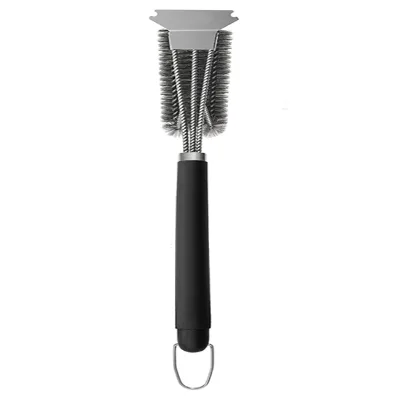
Dexterously Fashioned, Effective and Long-Lasting Barbecue Cleaning Instrumentality
$0.14 - $0.16
Moq: 6230

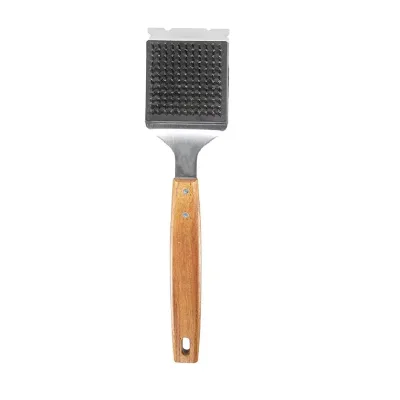
Cleverly Engineered, High-Performance and Long-Lasting Barbecue Cleaning Gadget
$0.30 - $0.33
Moq: 3000
Henan Chengbai Network Technology Co., Ltd.
- Trading Company
- Henan, China
- Lead time7 days
- Avg. response≤ 3h
Main productsKitchen supplies,Toy,Arts and Crafts,Home textiles,Consumer electronics
Main marketsNorth America(19.0%), South America(14.800000000000002%), Eastern Europe(12.1%), Northern Europe(8.3%), Southern Europe(7.3%), Western Europe(7.200000000000001%), Africa(6.0%), Central America(5.3%), Eastern Asia(5.3%), Southeast Asia(4.8%), Domestic Market(4.2%), Oceania(2.1%), South Asia(1.9%), Mid East(1.7000000000000002%)

Suzhou Rdit Commercial Co., Ltd.
- Trading Company,Manufacturer/Factory
- China Jiangsu
- Lead time45 days
- Avg. response≤ 10h
Main productsBBQ Grills, BBQ Gas Grill, Pellet Grill, Patio Heater, Fire Pit, Cooking Grates, Flower Pots, BBQ Grill Tools, BBQ Grill Accessories, Heating Products Accessories
Main marketsSouth America,Eastern Europe,North America,Oceania,Western Europe
Shenzhen Bsv Solar Energy Co., Ltd.
- Verified by TüVRheinland
- Manufacturer, Trading Company
- Lead time20 days
- Avg. response≤ 2h
Main productsSolar Irrigation, Solar Pump, Solar Aerator, Solar Hydroponic
Main marketsNorth America(30%), Western Europe(25%), Southeast Asia(20%)
- Verified by TUVRHEINLAND
- Trading Company
- China Zhejiang
- Lead time15 days
- Avg. response≤ 5h
Main productsHome, Kitchen, Outdoors, Garden, Sports, Travel, Pet Supplies
Main marketsNorth America
Guangdong Fulihua Company Limited
- Verified by Intertek
- Manufacturer, Trading Company
- Lead time30 days
Main productsBBQ Tools, BBQ Accessories, BBQ Grill
Main marketsWestern Europe(40%), North America(30%), South America(30%)

Ningbo Newlite International Trade Co., Ltd.
- Trading Company
- China Zhejiang
- Lead time60 days
- Avg. response≤ 20h
Main productsOven Parts, Oven Components, Gas Cooker Part, Spark Igniter, Oven Switch, Gas Stove Part, Oven Timer, Gas Valve, Barbeque Grill Parts, Gas Water Heater Parts
Main marketsSoutheast Asia/ Mideast,Europe,North America
Foshan Alpicool Holding Group Co., Ltd.
- Verified by SGS Group
- Manufacturer, Trading Company
- Lead time35 days
- Avg. response≤ 6h
Main productsCar Refrigerator, Portable Air Conditioner, Ice Maker, Prefab House
Main marketsNorth America(20%), Domestic Market(15%), Southeast Asia(10%)
Shenzhen Wenchuangfu Electronic Plastic Product Co., Ltd.
- Verified by SGS Group
- Manufacturer, Trading Company
- Lead time5 days
- Avg. response≤ 6h
Main productsChicken Coop Door; Egg Incubator; Pet Toys; Mini Sealer; Phone Holder
















Comprehensive Sourcing Guide
Portable Household Grill Cleaning Tool Supplier Concentration and Factory Types
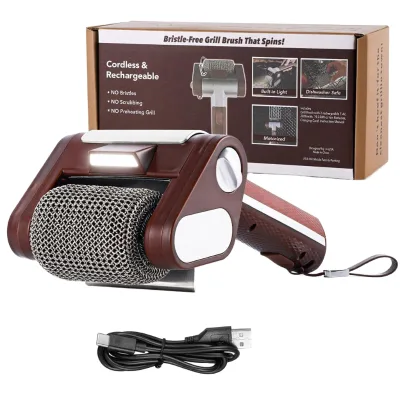
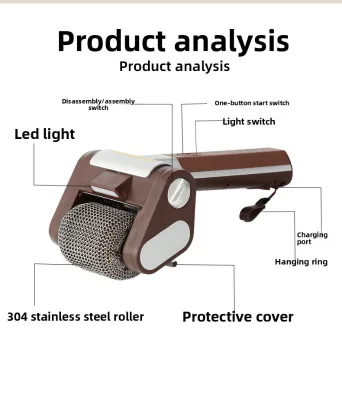
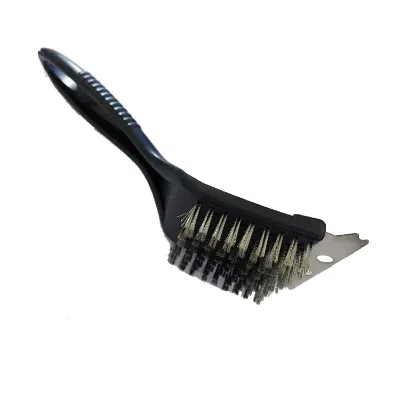
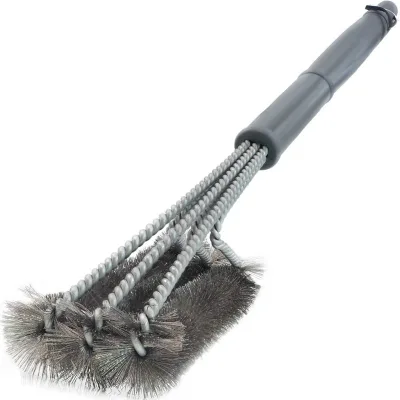
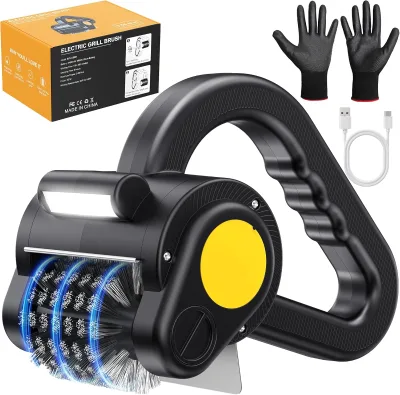
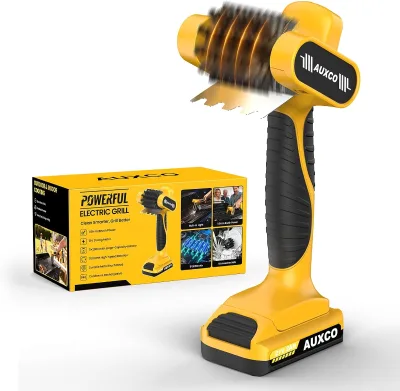
Current data indicates that suppliers for portable household grill cleaning tools are concentrated in specific Chinese provinces, with Jiangsu and Guangdong emerging as primary manufacturing hubs. Fact records show a distinct clustering of production facilities in Jiangsu, where companies often specialize in home and garden products alongside general cleaning tools. This region hosts trading companies and combined entities that manage the supply chain for items ranging from manual wire brushes to electric rechargeable units. The presence of these facilities suggests a mature ecosystem for sourcing both simple bristle brushes and more complex motorized cleaning devices. Buyers should prioritize regions where the specific product type, such as cordless electric brushes or stainless steel manual tools, is listed as a core competency within the supplier's main product portfolio.
Factory types vary significantly across the available supplier pool, ranging from pure trading companies to combined entities that may offer both manufacturing and trading services. Some suppliers are identified as trading companies, which often implies they source from various factories rather than owning production lines directly. In contrast, other entities are classified as combined, potentially indicating a broader capacity to handle OEM and ODM requests for custom designs. This distinction is critical when evaluating the ability to customize product features like handle materials, brush head composition, or battery specifications for electric models. Buyers must verify whether a supplier's classification aligns with their need for direct factory interaction or if a trading partner is sufficient for their volume requirements.
How to Verify Portable Household Grill Cleaning Tool Suppliers
Verification of supplier credibility relies heavily on third-party audit reports and specific certification statuses provided in the supplier profile. Evidence shows that some suppliers hold verification from recognized bodies like TÜV Rheinland, which adds a layer of confidence regarding their operational standards and business legitimacy. Conversely, other entries may list system certifications as NIL, requiring buyers to exercise additional caution and request direct proof of quality management systems before proceeding. The presence of a verification badge does not guarantee product quality but serves as a baseline indicator that the company has undergone external scrutiny. Buyers should treat these verification statuses as a primary filter to narrow down the pool of potential partners before engaging in detailed negotiations.
Beyond external verification, buyers must assess the supplier's responsiveness and communication efficiency as a proxy for reliability. Response time metrics provide a tangible measure of how quickly a supplier engages with inquiries, with data showing variations ranging from under one hour to over eleven hours. A supplier with a response time of less than one hour may indicate a dedicated sales team ready to address urgent sourcing needs, whereas longer response times could signal a lack of immediate availability or a smaller operational scale. Additionally, checking the main product list is essential to ensure the supplier specializes in grill cleaning tools rather than offering them as a minor accessory to unrelated categories like power tools or concrete vibrators. This specialization often correlates with deeper product knowledge and better quality control for the specific items being sourced.
What to Compare Across Portable Household Grill Cleaning Tool Suppliers
When evaluating potential partners, buyers should compare key operational metrics such as lead times, minimum order quantities, and pricing structures to determine the best fit for their business model. Lead times vary significantly, with some suppliers offering a thirty-day window while others can deliver within fifteen days, impacting inventory planning and market responsiveness. Minimum order quantities also differ, ranging from as low as 200 units for certain models to 2000 units for others, which directly affects the financial risk for new buyers or those testing the market. Pricing data indicates a wide spectrum, with manual brushes starting at fractions of a dollar and electric models commanding higher price points due to their complex components like motors and batteries. These variables must be weighed against the buyer's specific volume requirements and cash flow constraints.
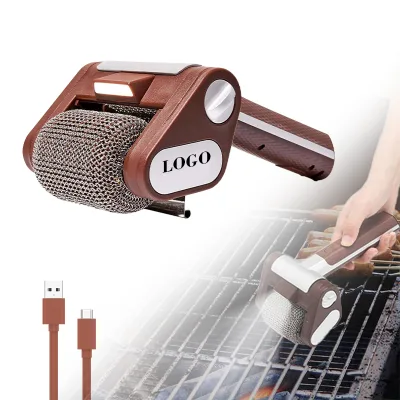
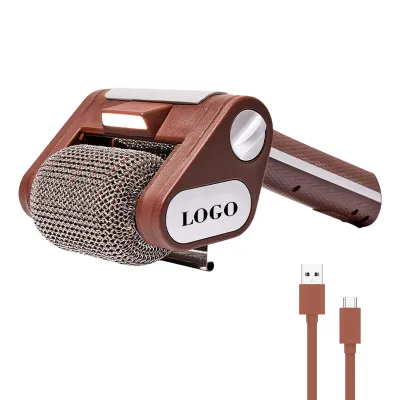
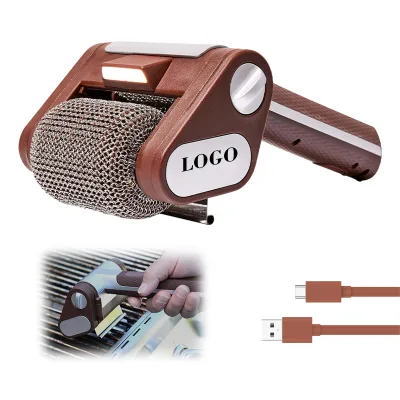
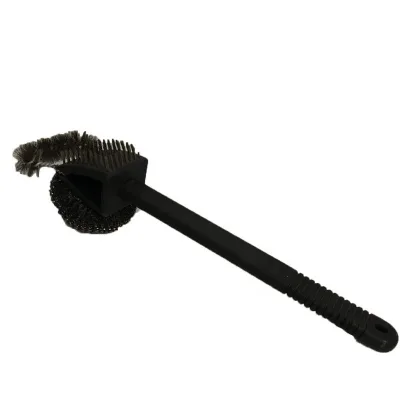
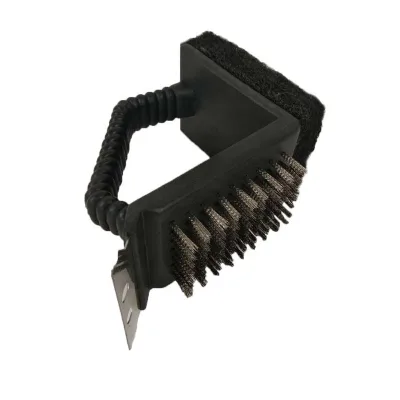
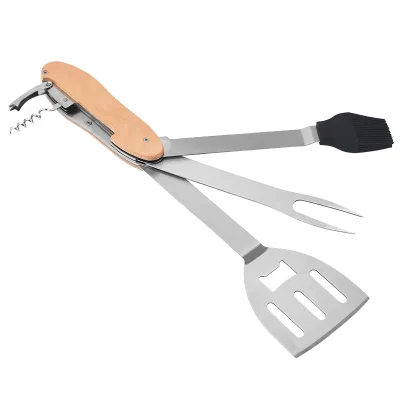
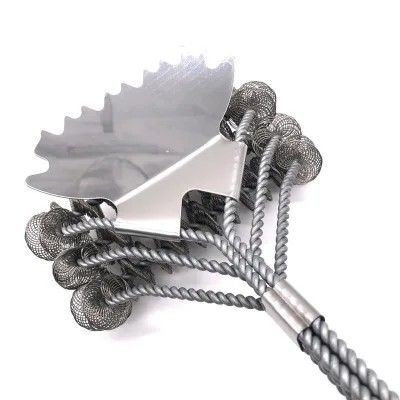
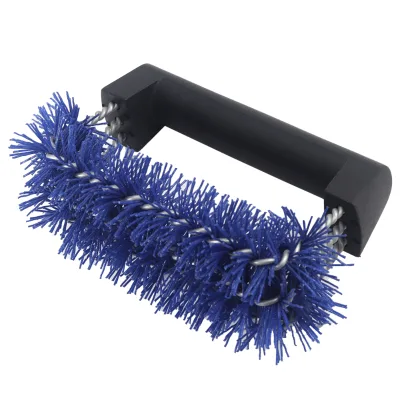
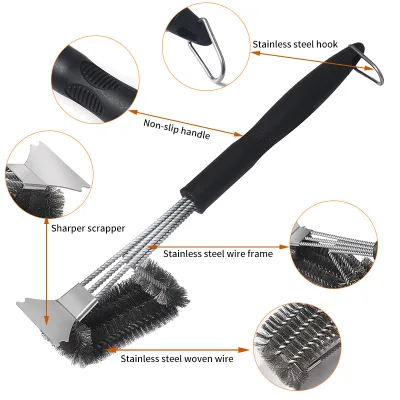
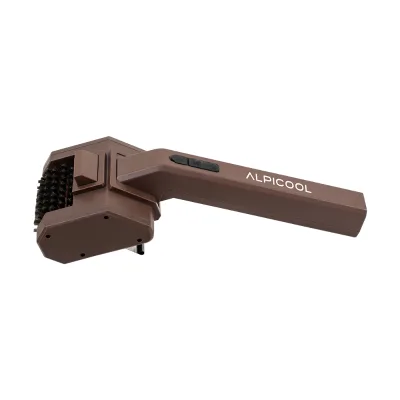
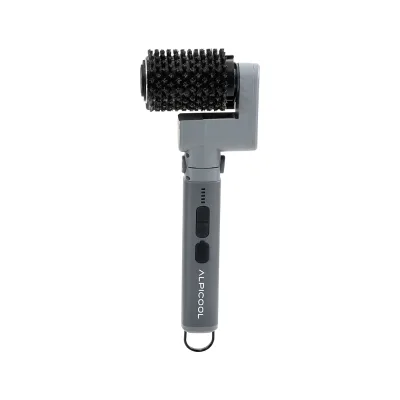
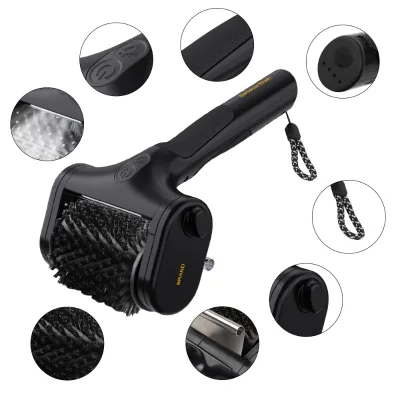
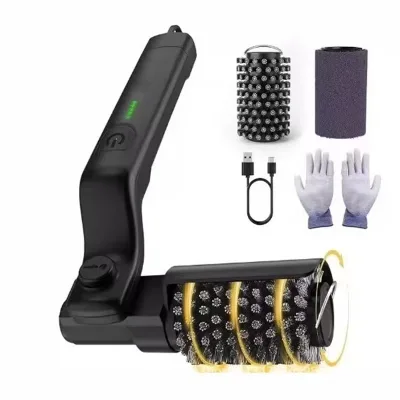
Product specifications and customization capabilities represent another critical dimension for comparison across the supplier landscape. Detailed product attributes reveal differences in materials, such as stainless steel handles versus metal or plastic components, and variations in brush head designs like wire mesh or bristle-free options. Some suppliers offer fully customized sizes and logos, while others provide standard stock items with limited flexibility. The availability of OEM and ODM services is another differentiator, allowing buyers to create unique products that stand out in their respective markets. Buyers should scrutinize the specific attributes listed for each product, such as battery voltage for electric brushes or cleaning depth for motorized units, to ensure the technical specifications meet their quality standards and customer expectations.
Common Portable Household Grill Cleaning Tool Sourcing Risks
One significant risk in sourcing portable household grill cleaning tools involves the discrepancy between product descriptions and actual manufacturing capabilities, particularly regarding material quality and safety standards. While product attributes may list materials like stainless steel or high-quality brushed motors, the absence of specific certification data for some suppliers creates uncertainty about the durability and safety of the final product. For instance, electric models with rechargeable batteries require strict adherence to safety standards to prevent overheating or leakage, yet some supplier profiles do not explicitly confirm compliance with international electrical safety norms. Buyers must be vigilant in requesting test reports or safety certifications to mitigate the risk of receiving substandard goods that could lead to product recalls or customer dissatisfaction.
Another prevalent risk is the potential for supply chain disruptions due to inconsistent lead times and production capacity limitations. Although some suppliers advertise short lead times, the actual fulfillment may be delayed if the supplier is managing multiple orders or lacks sufficient raw material inventory. The variation in response times observed across the supplier pool suggests that communication bottlenecks could further exacerbate delays, making it difficult to coordinate timely shipments. Furthermore, the reliance on trading companies rather than direct manufacturers can introduce additional layers of complexity, potentially obscuring the true source of production delays or quality issues. Buyers should establish clear communication protocols and contingency plans to address these potential disruptions before they impact their business operations.
Portable Household Grill Cleaning Tool Regional Sourcing and Logistics
Sourcing from specific regions like Jiangsu and Guangdong offers logistical advantages due to established infrastructure and proximity to major shipping ports. Fact records confirm that suppliers in these provinces are well-positioned to handle international shipments, leveraging their location to facilitate efficient export processes. The concentration of manufacturing clusters in these areas allows for streamlined logistics, reducing transit times and potentially lowering freight costs for buyers. However, buyers must verify the specific port of loading and shipping terms with each supplier, as these details can vary even within the same region. Understanding the local logistics landscape is crucial for planning inventory replenishment and managing delivery schedules effectively.
Logistics planning also requires careful consideration of packaging standards and product protection during transit. Product attributes indicate that suppliers use various packaging methods, including color boxes, clam shells, and tie cards, which can influence the durability of the goods during shipping. For electric models with batteries, special packaging requirements may apply to comply with international shipping regulations for hazardous materials. Buyers should confirm that the supplier's packaging meets these regulatory standards to avoid customs delays or additional fees. Additionally, the size and weight of the products, as indicated by dimensions like 20.4*7.5cm or 38X16X2.5cm, will impact shipping costs and container utilization, necessitating precise calculations to optimize freight expenses.
Portable Household Grill Cleaning Tool Commercial Terms and Order Planning
Commercial terms and order planning are pivotal for managing the financial and operational aspects of sourcing portable household grill cleaning tools. Buyers must carefully review the minimum order quantities and pricing tiers to ensure they align with their budget and sales projections. The data shows a wide range of MOQs, from 300 units for electric models to 2000 units for manual brushes, which can significantly affect the initial investment required. Pricing structures also vary, with some suppliers offering competitive rates for bulk orders while others maintain higher price points for smaller quantities. Understanding these terms is essential for calculating the total cost of goods sold and determining the profitability of the product line.
Order planning should also account for sample times and customization lead times to ensure timely product launches. Some suppliers indicate a sample time of seven days, which can be a critical factor for buyers needing to validate product quality before placing large orders. Customization requests, such as adding a custom logo or altering product dimensions, may extend the production timeline and require additional coordination with the supplier. Buyers should factor these variables into their overall project schedule to avoid delays in bringing products to market. Establishing a clear timeline for sampling, production, and shipping is essential for maintaining a smooth supply chain and meeting customer demand effectively.
FAQs
What is the price range for portable grill cleaning brushes?
Portable grill cleaning tools typically range from $0.35 to $14.50 per unit depending on the model and features. Manual stainless steel brushes are priced between $0.35 and $1.50, while electric rechargeable options cost between $7.80 and $14.50. Prices vary based on customization and order volume.
What are the minimum order quantities for these tools?
Minimum order quantities vary by product type. Manual wire brushes require a minimum of 500 to 2000 pieces. Electric cordless grill scrubbers have a lower threshold, starting at 300 units. Buyers should verify specific MOQs for customized or specialized cleaning tools before placing orders.
How long does production take for these items?
Standard lead times for portable grill cleaning tools are approximately 15 to 30 days. Some suppliers offer faster turnaround times for stocked items, while customized orders may require the full production cycle. Buyers should confirm specific delivery schedules with suppliers to ensure timely receipt of goods.
Are these grill brushes safe for food contact?
Many portable grill cleaning tools are designed for kitchen and food use. Materials include stainless steel and plastic, with some products explicitly labeled for drink or food contact. Buyers should verify material certifications and safety standards to ensure the tools meet specific food safety requirements for their market.
Can I customize the logo and design of these brushes?
Customization is available for many portable grill cleaning tools. Suppliers offer options for custom logos, colors, and sizes. Both manual and electric models support branding. Buyers should discuss specific design requirements and minimum order quantities for customized products directly with the supplier to ensure feasibility.
Where are these grill cleaning tools manufactured?
These portable grill cleaning tools are primarily manufactured in China. Key production locations include Jiangsu and Guangdong provinces. Buyers can source from trading companies or combined suppliers located in these regions. Verifying the specific origin ensures alignment with sourcing preferences and logistics planning.