Portable Home Hair Clipper Suppliers and Manufacturers
Source 15 verified suppliers for Portable Home Hair Clipper units. Compare attributes like stainless steel blades, lithium battery runtime, and IPX6 waterproof ratings alongside lead times and MOQs. Review product specifications and request quotes to identify the right fit for your business needs.
Suppliers List
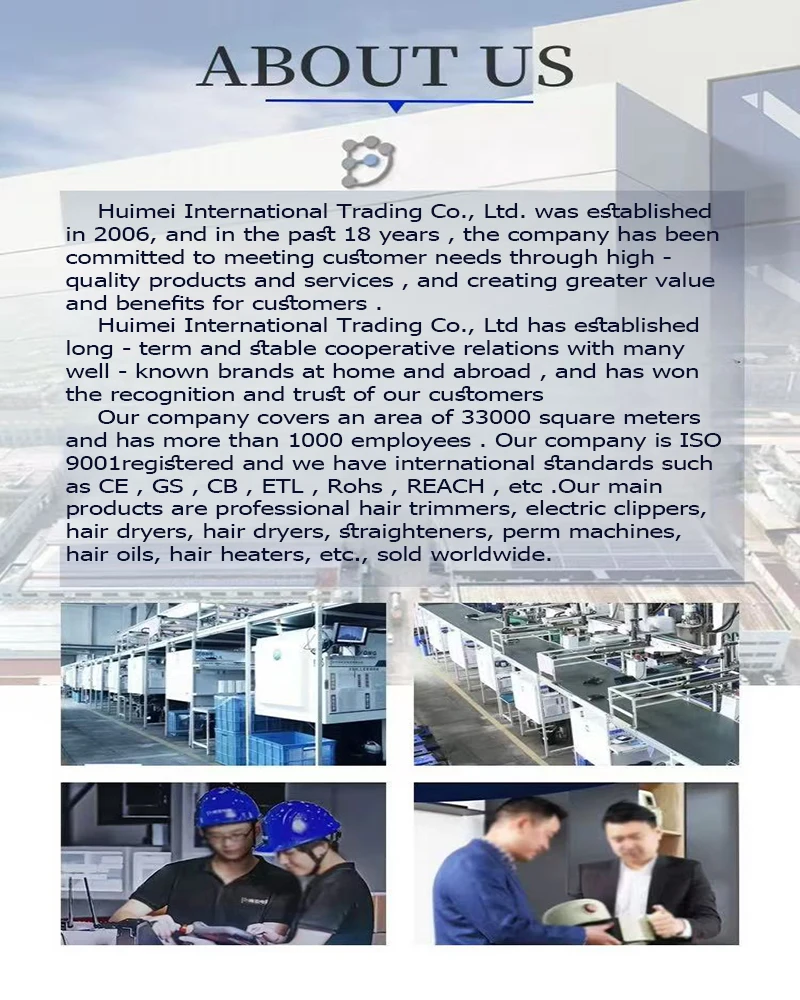
Puyang Huimei Trading Co., Ltd.
- Trading Company
- Henan, China
- Lead time15 days
- Avg. response≤ 3h
Main productsElectric clippers,Hair dryer,razor,Hair electric splint,Hair trimmer
Main marketsDomestic Market(30.00%), Eastern Asia(20.00%), Southeast Asia(20.00%), Mid East(10.00%), North America(2.00%), South Asia(2.00%), Southern Europe(2.00%), Northern Europe(2.00%), Central America(2.00%), Western Europe(2.00%), Eastern Europe(2.00%), South America(2.00%), Oceania(2.00%), Africa(2.00%)

- Trading Company
- China Zhejiang
- Lead time30 days
- Avg. response≤ 11h
Main productsHome Appliance, Cookware Set, Thermos, Home Storage, Furniture, Pet Supplies, Garden Tools, Outdoor Supplies, Baby Supplies, Houesehold Items
Main marketsSouth America,Africa,Southeast Asia/ Mideast,East Asia(Japan/ South Korea),Domestic,Europe,Australia,North America

Wenzhou Boyo Electric Appliance Co., Ltd.
- Verified by BV
- Manufacturer/Factory
- China Zhejiang
- Lead time45 days
- Avg. response≤ 12h
Main productsHair Straightener, Hair Curler, Men's Shaver, Lady Epilator/Rozar, Callus Remover, Hair Dryer, Hair Clipper/Trimmer, Facial Cleansing Brush, Hot Air Brush, Oil Diffuser
Main marketsSouth America,Eastern Europe,Mid East,North America,Southeast Asia,Eastern Asia,Oceania,Western Europe,Africa


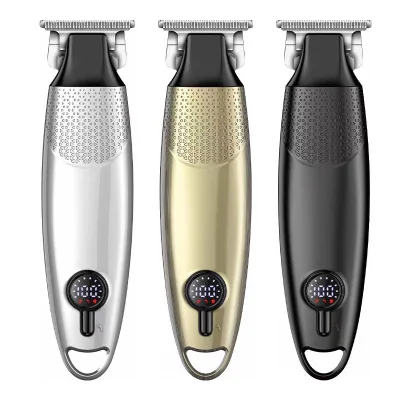
Electric Portable Cordless Hair Trimmer Rechargeable Professional Hair Clipper
$5.80 - $6.50
MOQ: 3000 Pieces


Changsha Fusheng Electronic Technology Co., Ltd.
- Trading Company
- China Hunan
- Lead time15 days
- Avg. response≤ 2h
Main productsElectronic Product
Main marketsSoutheast Asia/ Mideast,Europe,North America

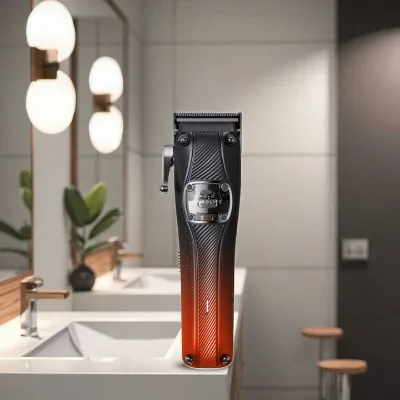
High Quality Supreme Cordless Electric Hair Clipper, Rechargeable Clipper
$12.90 - $17.50
MOQ: 10 Pieces


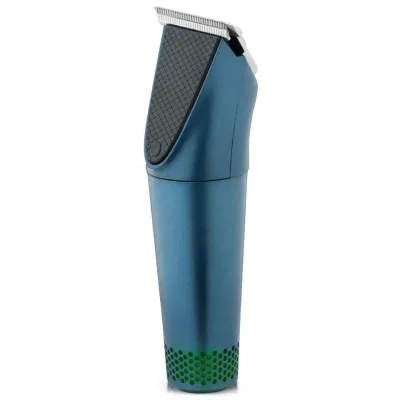
Low Noise Hair Clipper Popular Rechargeable Hair Cutting Machine Hair Trimmer
$9.90 - $13.90
MOQ: 20 Pieces

Rechargeable Cordless Mini Clipper Professional Men Hair Cutting Hair Trimmer
$20.60 - $27.90
MOQ: 10 Pieces


Guangzhou Umei Technology Co., Ltd
- Verified by SGS
- Manufacturer/Factory
- China Guangdong
- Lead time15 days
- Avg. response≤ 3h
Main productsHair Straightener, Hair Dryer, Hair Curler, Hair Clipper, Photo Booth Vending Machine, Cotton Candy Vending Machine, Popcorn Vending Machine, Vending Machine, Ice Cream Vending Machine, 360 Photo Booth
Main marketsSouth America,Eastern Europe,Mid East,North America,Southeast Asia,Eastern Asia,Western Europe

- Verified by SGS
- Trading Company
- China Zhejiang
- Lead time15 days
- Avg. response≤ 17h
Main productsFan, Heater Fan, Air Fryer, Toaster, Rice Cooker, Vacuum Cleaner, Coffee Machine, Hairdressing Appliance, Electric Toothbrush, Steam Iron
Main marketsEurope,Australia

Long Runtime USB Rechargeable Household Travel Use Multifunctional Portable Electric Hair Clippers
$6.31 - $7.06
MOQ: 140 Pieces

2023 Hot Sale New Best USB Rechargeable Household Haircut Set Hair Clipper
$2.00 - $4.00
MOQ: 333 Pieces
Guangdong Yilian Digital Industry Co., Ltd.
- Manufacturer, Trading Company
- Guangdong, China
- Lead time30 days
- Avg. response≤ 23h
Main productsMobile Charger,Data Cable,Sports,Others,TWS
Main marketsSouth America(40.00%), South Asia(10.00%), Western Europe(10.00%), Eastern Asia(10.00%), Mid East(10.00%), Africa(10.00%), Southeast Asia(10.00%)

Ningbo Mingni Import And Export Co., Ltd.
- Verified by SGS
- Manufacturer/Factory
- China Zhejiang
- Lead time23 days
- Avg. response≤ 3h
Main productsWindow Handle, Door Handle, Hinge, Gas Cooker Knob, Oven Knob, Name Plate, Cabinet Handle, Bathroom Hardware, Auto Parts
Main marketsSouth America,Eastern Europe,North America,Western Europe


Electric Clippers LCD Digital Display Electric Hair Clippers Hair Salon Clipper Trimmer
$8.00 - $10.00
MOQ: 100 Pieces

Cordless Professional Salon Private Label Beard Hair Trimmer Electric Hair Clipper
$8.00 - $10.00
MOQ: 100 Pieces

Wenzhou Hexi Electronic Technology Co., Ltd.
- Verified by SGS
- Combined
- China Zhejiang
- Lead time23 days
- Avg. response≤ 5h
Main productsNeck and Back Massager, Massage Gun, Massage Pillow, Foot Massager, Beauty& Personal Care, Water Flosser, Eye Massager, Electric Toothbrush, Hair Curler, Knee Massager
Main marketsAfrica,Southeast Asia/ Mideast,Europe

$13.00 - $15.00
MOQ: 100 Pieces


Fast Charging Custom Logo Multifunctional Professional Rechargeable Barber Hair Clipper
$31.00 - $35.00
MOQ: 100 Pieces

$6.50 - $7.50
MOQ: 100 Pieces

Waterproof Barber Clipper Cordless Professional Hair Trimmer Rechargeable Hair Clippers for Men
$9.00 - $10.00
MOQ: 100 Pieces

Yueqing Fiy Electric Co., Ltd.
- Verified by CTI
- Combined
- China Zhejiang
- Lead time23 days
- Avg. response≤ 7h
Main productsIndustry Socket, Industry Plug, Solar String Light, Christmas Decoration, Solar Light, Christmas Lights, Solar LED Light, LED Strip Light, Industry Switch, Tools Switch
Main marketsSoutheast Asia/ Mideast,Domestic,Europe,North America

$7.56 - $7.89
MOQ: 2000 Pieces

Travel Portable LED Cordless Hair & Beard Clipper - Professional Salon Trimmer
$10.35 - $10.80
MOQ: 2000 Pieces

$10.84 - $11.31
MOQ: 2000 Pieces


Men's Professional Cordless Rechargeable Hair Clipper with Base Home and Salon Electric Hair Trimmer
$3.78 - $3.94
MOQ: 2000 Pieces
WENZHOU ALDOECHOICE INDUSTRIAL CO., LTD.
- Verified by TüVRheinland
- Manufacturer, Trading Company
- Lead time45 days
- Avg. response≤ 3h
Main productsHair Dryer, Hair Trimmer, Hair Straightener, Hair Remover, Callus Remover
Main marketsNorth America(25%), South America(10%), Eastern Europe(10%)

Guangzhou Xinyang Electric Appliance Co., Ltd.
- Verified by SGS
- Combined
- China Guangdong
- Lead time15 days
- Avg. response≤ 10h
Main productshair dryer
Main marketsDomestic


Multifunctional Electric Hair Clipper for Barber Shop; Home Use for Shaving Head and Carving Designs
$7.80 - $11.50
MOQ: 500 Pieces

$15.30 - $18.00
MOQ: 500 Pieces

New Professional Rechargeable Hair Clipper; for Barber Shop Useelectric Trimmer
$7.80 - $11.50
MOQ: 500 Pieces
Guangxi Guangrong Technology Co., Ltd.
- Verified by TüVRheinland
- Manufacturer, Trading Company
- Lead time0 days
- Avg. response≤ 4h
Main productsSmall Household Appliances, Table Dishwashers, Fans, Auto Parts Products
Main marketsDomestic Market(40%), Africa(10%), North America(5%)

- Verified by SGS
- Trading Company
- China Guangdong
- Lead time15 days
- Avg. response≤ 12h
Main productsRespirator
Main marketsSouth America,Southeast Asia/ Mideast,Domestic,Europe,North America
Ningbo A-Ok Outdoors Products Co., Ltd.
- Trading Company
- Zhejiang, China
- Lead time25 days
- Avg. response≤ 2h
Main productsHeadlamp,flashlight,Camping lamp,Solar sensor wall lamp,Garden LED wall lamp
Main marketsSouth America(25.00%), North America(25.00%), Domestic Market(20.00%), Eastern Europe(10.00%), Southeast Asia(5.00%)


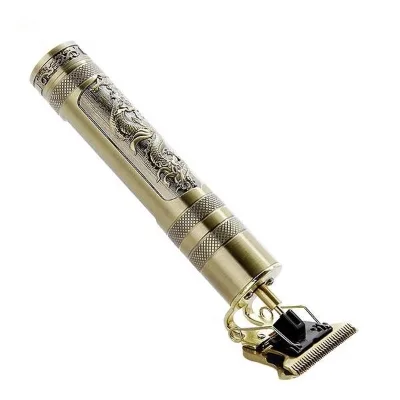
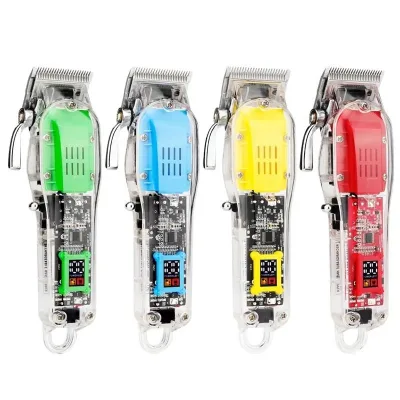
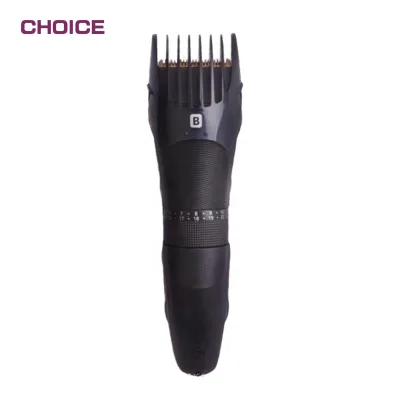
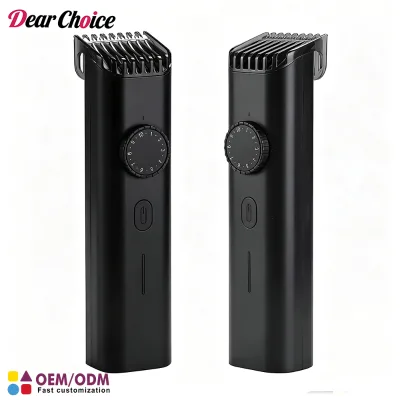
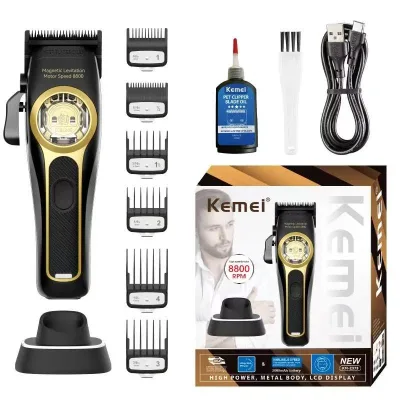
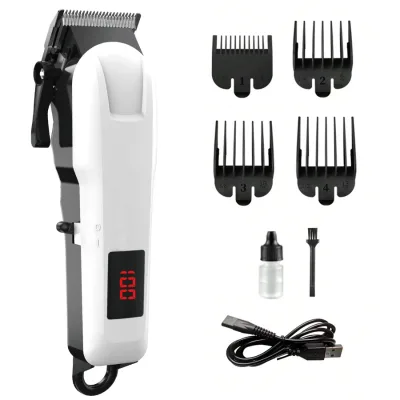


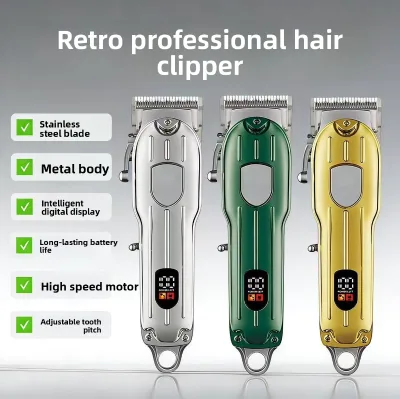
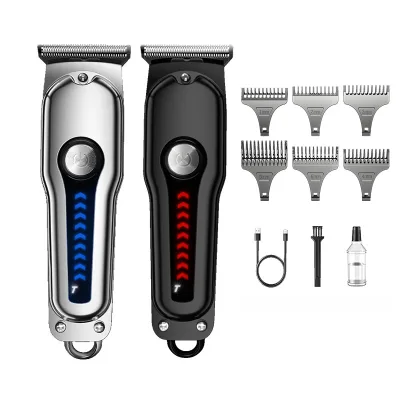
Comprehensive Sourcing Guide
Portable Home Hair Clipper Supplier Concentration and Factory Types
The current supplier landscape for portable home hair clippers reveals a distinct concentration of manufacturing and trading entities within specific Chinese provinces. Available data indicates a significant presence of suppliers located in Henan, China, alongside others operating from Zhejiang and Guangdong provinces. These regions host a mix of company types, ranging from pure trading companies to established manufacturers and factories. For instance, some entities are identified specifically as trading companies, while others operate as manufacturers with factory certifications like BSCI and ISO 9000. This diversity suggests that buyers may encounter different operational models depending on the specific regional cluster they engage with, requiring careful distinction between a direct factory source and an intermediary trading firm.
When evaluating the concentration of these suppliers, it is crucial to note that not all entities in these regions offer the same depth of production capability. Some suppliers in these clusters specialize in a broad range of home appliances, including cookware and furniture, while others focus exclusively on personal care devices like hair clippers and trimmers. The presence of specific certifications, such as ISO9001:2015 or ISO14001:2015, often correlates with the manufacturing depth of the facility. Buyers should verify if a supplier's primary product line aligns with their specific needs, as a company listing hair straighteners and epilators alongside clippers may have different quality control priorities than a dedicated hair tool manufacturer. Understanding this distribution helps in targeting the right type of partner for volume production versus quick sourcing.
How to Verify Portable Home Hair Clipper Suppliers
Verification of Portable Home Hair Clipper suppliers requires a rigorous check of their declared credentials against independent standards. The available data highlights that some suppliers possess specific system certifications, such as a Declaration of Conformity, while others hold more comprehensive quality management certificates like ISO 9001 or BSCI. A verified status, such as a BV verification, adds a layer of confidence regarding the company's legitimacy. However, buyers must not assume that all suppliers in a search result possess these credentials. It is essential to request current certification documents directly from the supplier and cross-reference them with the issuing body to ensure they are valid and relevant to the specific product category being sourced.
Beyond certifications, the response time and operational transparency of a supplier serve as critical indicators of their reliability. Data shows that response times can vary significantly, with some suppliers responding within three hours while others may take over ten hours to reply. A faster response time often suggests a more active sales team and better communication channels, which is vital for resolving technical queries about product specifications like voltage or battery capacity. Buyers should also examine the supplier's main product list to ensure they are not a generalist trading company with limited expertise in hair care appliances. Confirming the authenticity of their claims regarding factory ownership and production capacity through third-party audits or video calls is a necessary step before committing to any order.
What to Compare Across Portable Home Hair Clipper Suppliers
Comparing suppliers requires a detailed analysis of key operational metrics such as lead time, minimum order quantity, and pricing structures. The data indicates that lead times can range from 15 days to 30 days, depending on the supplier's production schedule and order volume. Minimum order quantities (MOQ) also vary widely, with some suppliers requiring as few as 10 units, while others demand orders of 100 or even 1000 units. Pricing is another critical variable, with observed price ranges spanning from approximately $2.35 to $17.00 per unit. Buyers must weigh these factors against their budget and inventory needs, understanding that a lower MOQ might come with a higher unit price, while larger orders could secure better rates but require more capital upfront.
In addition to cost and volume, product specifications and warranty terms are essential comparison points. Suppliers offer different battery types, such as lithium or Li-Ion, and varying voltage requirements, including 5V USB power or 100-240V AC input. Warranty periods are consistently noted as one year in the available data, but the scope of after-sales service, such as free spare parts or return policies, may differ. Some products feature LCD displays and fast charging capabilities, while others may have LED displays or standard charging times. Buyers should create a comparison matrix that includes these technical attributes alongside the commercial terms to identify which supplier offers the best balance of performance, durability, and cost-effectiveness for their specific market requirements.
Common Portable Home Hair Clipper Sourcing Risks
One significant risk in sourcing portable home hair clippers involves the discrepancy between product descriptions and actual manufacturing capabilities. While some suppliers claim to be manufacturers, others are trading companies that may not have direct control over the production process. This can lead to inconsistencies in quality, especially regarding critical components like blade material, which can range from stainless steel to carbon steel. If a trading company sources from multiple factories, the quality of the final product may vary between batches. Buyers must verify the actual origin of the product, as some listings indicate origins in Chongqing, Guangdong, or Yiwu, and ensure that the supplier has the capacity to maintain consistent quality standards across all units.
Another major risk is the potential for mismatched specifications regarding power sources and safety features. The data shows variations in voltage requirements, with some units operating on 5V USB while others support 100-240V international voltages. Additionally, waterproof ratings differ, with some products rated IPX6 and others explicitly marked as not waterproof. If a buyer orders a product intended for commercial or hotel use without verifying its waterproof capabilities, they may face high failure rates in wet environments. Furthermore, the absence of detailed testing reports or specific safety certifications for the target market can lead to compliance issues. Buyers should insist on detailed product specifications and safety test reports before finalizing any purchase to mitigate these technical and regulatory risks.
Portable Home Hair Clipper Regional Sourcing and Logistics
Regional sourcing decisions for portable home hair clippers are heavily influenced by the location of the supplier and the associated logistics costs. The available data points to suppliers located in Henan, Zhejiang, and Guangdong, each offering different logistical advantages. Suppliers in coastal provinces like Zhejiang and Guangdong often have better access to major ports, which can streamline export processes and reduce shipping times. In contrast, suppliers in inland regions like Henan or Chongqing might have different shipping dynamics that could affect delivery timelines. Buyers should consider the proximity of the supplier to the destination port to optimize freight costs and ensure timely delivery, especially when dealing with time-sensitive inventory needs.
Logistics planning also involves understanding packaging and shipping dimensions, which vary significantly between suppliers. Product data indicates single package sizes ranging from compact dimensions like 19x11x6 cm to larger bulk packaging such as 57.5x44.5x34 cm. These dimensions directly impact the total cubic meter (CBM) of a shipment, which in turn affects freight charges. Some suppliers offer customized packaging options, while others use standard corrugated or color boxes. Buyers must calculate the total shipping volume based on the supplier's packaging specifications to avoid unexpected costs. Additionally, the weight of individual units, ranging from 0.17 kg to 0.55 kg, influences the overall shipping weight and potential tariffs. Accurate logistics planning requires a clear understanding of these physical attributes to ensure efficient supply chain management.
Portable Home Hair Clipper Commercial Terms and Order Planning
Commercial terms for Portable Home Hair Clipper orders are defined by a combination of payment conditions, warranty policies, and after-sales support. The data reveals that most suppliers offer a standard one-year warranty, but the specifics of after-sales service, such as the provision of free spare parts or return and replacement policies, can vary. Some suppliers explicitly state they provide free spare parts, while others may have different terms for handling defective units. Buyers should clarify these terms in writing before placing an order to ensure they have adequate protection against product failures. Additionally, the availability of customization services, such as private mold options or OEM branding, should be confirmed, as this can significantly impact the final product and market positioning.
Order planning must also account for the specific production lead times and response capabilities of the chosen supplier. With lead times ranging from 15 to 30 days, buyers need to factor in these durations when planning their inventory replenishment cycles. A supplier with a shorter lead time might be preferable for urgent orders, while a longer lead time could be acceptable for planned seasonal stock. Response times, which can vary from three hours to over ten hours, also play a role in the efficiency of the ordering process. Buyers should establish clear communication protocols and set expectations for order confirmation and production updates. By aligning commercial terms with realistic production schedules, buyers can minimize delays and ensure a smooth procurement process for their Portable Home Hair Clipper needs.
FAQs
What is the price range for portable home hair clippers?
Portable home hair clippers are available at prices ranging from $2.35 to $17.00 per unit. The lowest price points are associated with higher minimum order quantities of 1000 units, while premium models with advanced features like waterproofing start at $17.00 for orders of 100 units. Buyers should verify specific pricing tiers based on their required volume and customization needs.
What is the minimum order quantity for these products?
Minimum order quantities vary significantly by supplier and product tier. Some manufacturers require a minimum of 10 units for standard models, while others set the threshold at 100 units for professional-grade trimmers. Higher volume discounts are often available for orders reaching 1000 units, which may lower the per-unit cost to approximately $2.35. Buyers must check individual listings for exact MOQs.
How long does production and shipping take?
Lead times for portable hair clippers typically range from 15 to 30 days depending on the supplier. Some manufacturers offer faster turnaround times of 15 days for standard orders, while others may require up to 30 days for production and logistics. Buyers should confirm specific delivery schedules with suppliers to ensure alignment with their inventory planning and market launch timelines.
What certifications do these hair clippers have?
Suppliers offer various certifications including ISO 9001, ISO 14001, BSCI, and Declaration of Conformity. These certifications indicate adherence to quality management and environmental standards. Buyers should request valid certification documents to verify compliance with their local market regulations. Not all suppliers hold every certification, so verifying specific credentials is essential for import requirements.
What battery types are used in these clippers?
Portable hair clippers commonly use lithium-ion or lithium batteries with capacities around 1200 mAh. These batteries support USB charging and provide maximum runtimes exceeding 90 minutes for some models. Buyers should verify voltage specifications, such as 5V or 100-240V, to ensure compatibility with their power sources and regional electrical standards.
Are these clippers waterproof for home use?
Waterproof capabilities vary by model, with some clippers rated IPX6 for water resistance. Other models are explicitly noted as not waterproof, making them suitable only for dry use. Buyers should carefully check product attributes to determine if a specific clipper meets their hygiene and cleaning requirements for home or commercial salon environments.