Portable Inflatable Cold Plunge Tub Suppliers and Manufacturers
Source 17 verified suppliers for Portable Inflatable Cold Plunge Tub. Compare dimensions, MOQ, lead times, and certifications from China. Filter by response time and request quotes today to find the best fit for your business needs and requirements; review the available evidence before requesting comparable quotations from suitable candidates.
Suppliers List

Guangzhou Raysen Health Technology Co., Ltd.
- Verified by SGS
- Trading Company
- China Guangdong
- Lead time30 days
- Avg. response≤ 3h
Main productsInfrared Pemf Mat, SPA Capsule, Sauna Blanket, Sauna Room, Therapy Belt, Cold Plunge, Red Light Products, Sauna Dome
Main marketsEurope,North America

Weihai Hi Wobang Yacht Co., Ltd.
- Verified by SGS
- Manufacturer/Factory
- China Shandong
- Lead time23 days
- Avg. response≤ 17h
Main productsInflatable Boat, Air Track, Inflatable Toy, Kayak, Surfboard, Sup, Air Bed, Inflatable Paddle Board, Inflatable Sup, Tent
Main marketsSouth America,Eastern Europe,Mid East,North America,Eastern Asia,Western Europe

Portable Inflatable Ice Bath Tub Outdoor Indoor Cold Plunge Ice Bath Tub
$230.80 - $269.20
MOQ: 1 Pieces

Inflatable Ice Bath Tube Outdoor Inflatable Foldable Portable Ice Bath Tub
$230.80 - $269.20
MOQ: 1 Pieces

Guangdong Quanguan Health Technology Co., Ltd.
- Verified by SGS
- Combined
- China Guangdong
- Lead time15 days
- Avg. response≤ 4h
Main marketsNorth America


High Quality Cold Plunge for Therapy Home Portable Inflatable Ice Water Bath Tub
$250.00
MOQ: 1 Pieces


HEFEI SMARTMAK INDUSTRIAL CO., LTD.
- Verified by BV
- Combined
- China Anhui
- Lead time30 days
- Avg. response≤ 12h
Main productskn95
Main marketsSoutheast Asia/ Mideast,East Asia(Japan/ South Korea),Europe,Australia,North America

Inflatable Cold Plunge Tub Portable Cold Plunge for Cold Therapy Ice Tubs
$178.00 - $200.00
MOQ: 1 Pieces


Therapy Ice Tub New Portable Ice Plunge Sports Inflatable The Barrel Cold Plunge Tub Ice Bath
$178.00 - $200.00
MOQ: 1 Pieces


$178.00 - $200.00
MOQ: 1 Pieces

Lixin Outdoor Product Co., Ltd.
- Verified by TUVRHEINLAND
- Combined
- China Guangdong
- Lead time23 days
- Avg. response≤ 8h
Main productsPool Floats, Inflatable Swimming Pools, Inflatable Swimming Ring, Kid Toys, Inflatable Pool, Inflatable Sprinkler Toys, Air Bed Air Mattress, Inflatable Furnitures Inflatable Sofa, Inflatable Boat, Snow Tube
Main marketsSoutheast Asia/ Mideast,East Asia(Japan/ South Korea),Europe,Australia,North America

Cold Plunge Tub Inflatable Ice Bath Cold Water Therapy Portable Ice Bath
$12.90 - $24.00
MOQ: 100 Pieces


Portable Athletes Ice Bath Tub Barrel Modern Cold Plunge Barrel Inflatable Bathtub
$12.90 - $15.00
MOQ: 300 Pieces

Outdoor Cold Plunge with Cover Inflatable Bathtub Adult Inflatable Portable Ice Bath
$9.78 - $10.81
MOQ: 2 Pieces

Portable Cold Plunge Bathtub for Athlete Recovery Black Inflatable Ice Bath Tub
$12.90 - $15.00
MOQ: 500 Pieces

Portable Ice Bath for Cold Water Therapy Training Inflatable Ice Bath Tub
$12.90 - $15.00
MOQ: 500 Pieces

Guangzhou Fuluo Trading Co. Ltd
- Verified by SGS
- Trading Company
- China Guangdong
- Lead time30 days
- Avg. response≤ 2h
Main productsSauna, SPA
Main marketsAfrica,Southeast Asia/ Mideast,Europe,North America

Portable Ice Bath Sports Recovery Drop Stitch Cold Plunge Inflatable Bathtub
$215.00 - $255.00
MOQ: 10 pc

Portable Inflatable Ice Bathtub Cold Therapy and Fitness Recovery Ice Bath Tub
$19.00 - $23.00
MOQ: 100 pc


Portable Ice Tub Inflatable Bathtub for Body Recovery Cold Therapy After Sports
$21.00 - $25.00
MOQ: 100 pc


Hangzhou Aquila Outdoor Products Co., Ltd.
- Combined
- China Zhejiang
- Lead time23 days
- Avg. response≤ 12h
Main productsPaddle Board, Kayak, Air Track, Floating Dock, Surfing Accessories
Main marketsEurope,Australia,North America

2 Person Portable Inflatable Cold Plunge Inflatable Ice Bath Recovery Tub Outdoor Pool
$219.00 - $249.00
MOQ: 10 Pieces

Hot Selling Portable Inflatable Barrel Cold Plunge Inflatable Ice Bath Tub with Chiller
$219.00 - $249.00
MOQ: 10 Pieces

Customized Color Portable Ice Bath Inflatable Cold Therapy Pool Beverage Tub
$89.00 - $129.00
MOQ: 10 Pieces


Customized Logo Foldable Tub Inflatable Ice Barrel Ice Bath Cold Plunge with Water Chiller
$89.00 - $129.00
MOQ: 10 Pieces

Customized Design 1HP WiFi Cold Plunge Machine Inflatable Ice Bath with Chiller
$219.00 - $249.00
MOQ: 10 Pieces

Qingdao Joineasy International Trade Co., Ltd.
- Verified by TUVRHEINLAND
- Trading Company,Manufacturer/Factory
- China Shandong
- Lead time0 days
- Avg. response≤ 9h
Main productsInflate & Deflate Valves &, Oars & Accessories, Mooring Ropes, PVC Fabrics, Rubbing Strips, Outdoor Folding Series, Pumps & Accessories, Feeding Bucket, Boat The Accessories, Ice Bath Tub

Portable Foldable Cold Plunge Pool for Quick Refresh Inflatable PVC Ice Bath Tub
$225.00 - $250.00
MOQ: 1 Pieces

2024 Hot Sale Inflatable Cold Plunge Bathtub Outdoor Large Cold Plunge Pool
$185.00 - $230.00
MOQ: 1 Pieces

High Quality Recovery Icebath Inflatable Ice Bathtub for Cold Plunge Bath
$215.00 - $260.00
MOQ: 1 Pieces

Huizhou Alpha Sauna & Swimming Pool Equipment Co., Ltd.
- Verified by Intertek
- Manufacturer, Trading Company
- Lead time20 days
- Avg. response≤ 2h
Main productsSauna Room, Cold Plunge Chiller, Sauna Accessories, Infrared Sauna, Cold Plunge Tub
Main marketsNorth America(25%), Northern Europe(10%), Southern Europe(10%)
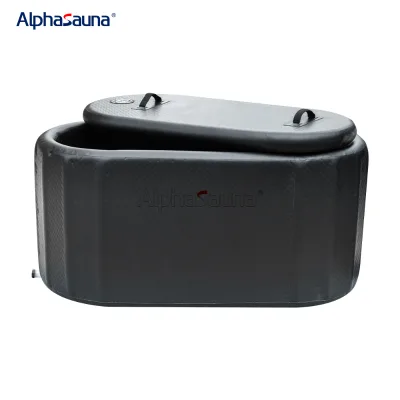
Sports Inflatable Ice Bath Tub Therapy Ice Bath Tub New Design Inflatable Cold Plunge Tub
$220.00 - $350.00
MOQ: 1
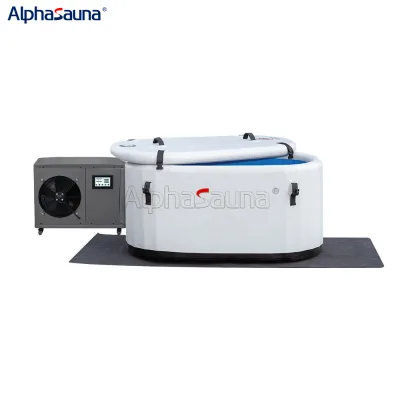
$192.76 - $229.48
MOQ: 1 sets
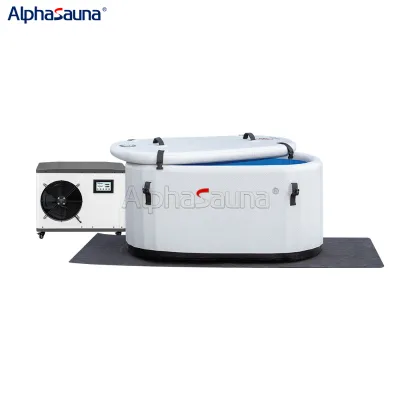
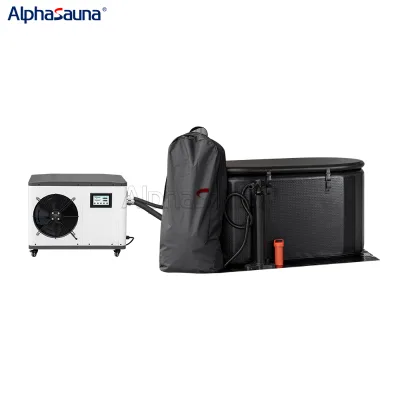
$199.00 - $359.00
MOQ: 1 sets
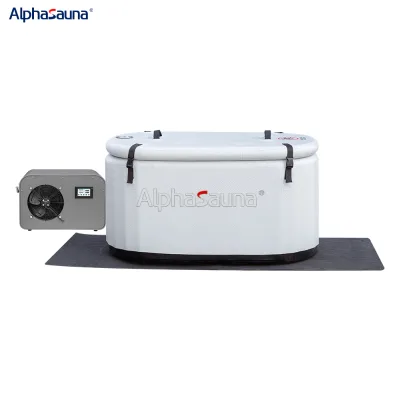
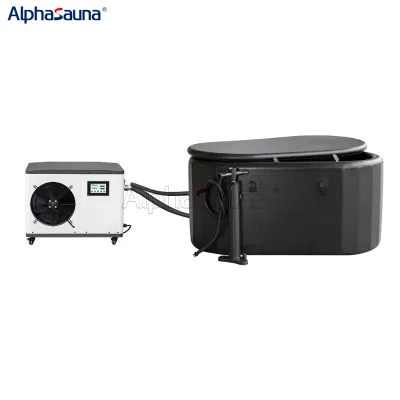
Solid Inflatable Cold Plunge Ice Bath With 0.75 HP Chiller With Wifi and UV Filter Optional
$199.00 - $289.00
MOQ: 1 sets

Shenzhen Welltek Technology Co., Ltd.
- Verified by SGS
- Trading Company
- China Guangdong
- Lead time15 days
- Avg. response≤ 5h
Main productsCompression Recovery Boots, Cold Therapy Machine, Air Compression Leg Massager, Massage Gun, Foot Massager, Eye Massager, Neck Massager, Head Massager, Hand Massager, Waist Massager
Main marketsAfrica,Domestic,Europe,North America

Factory Custom Athletes Sports Recovery Cold Water Portable Inflatable Ice Plunge Bath Tub
$129.00 - $209.00
MOQ: 1 Pieces

Factory OEM ODM Athletes Sports Recovery Cold Water Portable Inflatable Ice Plunge Bath Tub
$139.00 - $219.00
MOQ: 1 Pieces

Sports Recovery Inflatable Portable Ice Cold Plunge Bath Tubs for Athletes Commercial Gym
$139.00 - $219.00
MOQ: 2 Pieces

$139.00 - $219.00
MOQ: 2 Pieces

High Quality Outdoor Sauna Inflatable Cold Plunge Barrel Recovery Ice Tub
$129.00 - $209.00
MOQ: 2 Pieces

High Quality Indoor Outdoor Portable Inflatable Sauna and Ice Cold Plunge Tub with Chiller
$139.00 - $219.00
MOQ: 2 Pieces

Qingdao Colton Yacht Co., Ltd.
- Trading Company
- China Shandong
- Lead time30 days
- Avg. response≤ 22h
Main productsAluminum Rib, Fiberglass Rib, Inflatable Boat, Fiberglass Boat, Aluminum Boat, Boat Accessories
Main marketsEurope,Australia,North America


2023 Inflatable Ice Tub Sport Recovery Portable Ice Bath with Chiller
$200.00 - $300.00
MOQ: 10 Pieces

High Quality Inflatable Ice Tub Sport Recovery Portable Ice Bath with Chiller
$200.00 - $300.00
MOQ: 10 Pieces

Guangzhou Caixin Inflatable Products Co., Ltd.
- Verified by SGS
- Trading Company
- China Guangdong
- Lead time15 days
- Avg. response≤ 12h
Main productsInflatable, Inflatable Tent, Inflatable Bouncer, Inflatable Slide, Inflatable Water Park, Helium Balloon, Inflatable Advertising Replica, Inflatable Toys, Interactive Inflatable, Festival Inflatable
Main marketsOthers(foreignTradeCapacity.exportBusinessCapacityMarketOther)
Shenzhen Ruilailong Tech Industrial Co., Ltd.
- Verified by Intertek
- Trading Company
- Lead time0 days
- Avg. response≤ 3h
Main productsIce Bath Chiller, Bath Tub, Sauna
Main marketsNorth America(40%), Oceania(20%), Mid East(5%)

Guangdong Quanguan Intelligent Technology Co., Ltd.
- Verified by BV
- Combined
- China Guangdong
- Lead time30 days
- Avg. response≤ 4h
Main productsAir Conditioner, Heat Exchanger, Water Chiller, Oil Chiller
Main marketsSouth America,Southeast Asia/ Mideast,East Asia(Japan/ South Korea),Europe,North America

Manufacturer Inflatable Bath Tubs Portable Cold Plunge Water Chiller for Ice Bath Therapy
$520.00 - $1140.00
MOQ: 1 Pieces

Cold Plunge Ice Bath Tub Manufacturer Inflatable Ice Bath with Water Chiller
$520.00 - $1140.00
MOQ: 1 Pieces
Huizhou Binyuan Plastic Products Co., Ltd.
- Manufacturer
- Guangdong, China
- Lead time25 days
- Avg. response≤ 2h
Main productsInflatable Swimming Suits,Adult Bathtub,Sauna Spa Bathtub,Baby Swimming Pool,Inflatable Products
Main marketsEastern Europe(40.00%), Africa(15.00%), Domestic Market(10.00%), South Asia(7.50%), Eastern Asia(7.50%), North America(5.00%), South America(5.00%), Southeast Asia(5.00%), Mid East(5.00%)
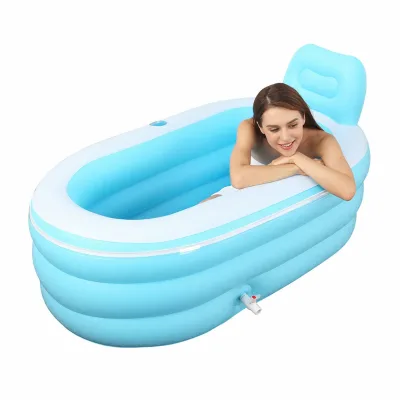
Fold Inflatable Adults Bathtub With Portable
$18.11 - $21.13

Foshan Yuanding Energy Technology Co., Ltd.
- Verified by TUVRHEINLAND
- Trading Company,Manufacturer/Factory
- China Guangdong
- Lead time30 days
- Avg. response≤ 1h
Main productsIce Bath, Mini Heat Pump, Chiller, Ice Bath Chiller, Portable Ice Bath, Swimming Pool Heat Pump, Pool Heat Pump, Plate Heat Exchanger, Heat Exchangers, Sheet Metal Casing
Main marketsSouth America,Eastern Europe,Mid East,North America,Southeast Asia,Eastern Asia,Oceania,Western Europe,Africa


Wholesale OEM Inflatable Ice Plunge Tub with Ice Bath Chiller Water Chiller
$500.00 - $600.00
MOQ: 1 Pieces

Zhejiang Fenglang Mechanical and Electrical Equipment Co., Ltd.
- Verified by SGS
- Combined
- China Zhejiang
- Lead time15 days
- Avg. response≤ 25h
Main productsStand up Paddle Board, Aquabike, Inflatable Bathtub
Main marketsDomestic,Europe,North America

Inflatable Portable Round Hot SPA Tub for 4-6 Person Relaxation Swimming Pool
$214.00 - $226.00
MOQ: 1 Pieces

Swim SPA Inflatable Swimming SPA Pool Outdoor SPA Hot Tub Massage Tub Bath
$214.00 - $226.00
MOQ: 1 Pieces


Comprehensive Sourcing Guide
Portable Inflatable Cold Plunge Tub Supplier Concentration and Factory Types
Current data indicates that suppliers for portable inflatable cold plunge tubs are concentrated in specific Chinese provinces, with Guangdong and Shandong emerging as primary manufacturing hubs. Factories in Guangdong often operate as trading companies, while those in Shandong may function as manufacturers or combined entities. This geographic clustering suggests that buyers should expect a mix of direct factory capabilities and trading intermediaries depending on the specific region. The presence of multiple product lines, such as infrared PEMF mats and sauna equipment in Guangdong, alongside inflatable boats and air tracks in Shandong, indicates that these facilities often diversify their production to maximize resource utilization.
When evaluating supplier types, buyers must distinguish between trading companies and manufacturers based on the provided company type data. Some suppliers are explicitly listed as trading companies, which may imply a focus on sourcing and logistics rather than direct production. In contrast, other entities are identified as manufacturers or factories, potentially offering more direct control over the production process and customization options. The existence of combined company types further complicates the landscape, suggesting that some suppliers may blend trading and manufacturing functions. Buyers should verify the specific operational model of each supplier to ensure alignment with their procurement strategy, as this distinction directly impacts lead times, pricing structures, and the ability to implement custom designs.
How to Verify Portable Inflatable Cold Plunge Tub Suppliers
Verification of suppliers requires a careful examination of third-party credentials and system certifications provided in the supplier profile. Some suppliers in the current results have undergone verification by recognized agencies such as SGS or BV, which adds a layer of credibility to their business operations. Additionally, system certifications like BSCI, ISO 9001, and SEDEX are present for certain manufacturers, indicating adherence to specific social and quality management standards. These certifications are critical indicators of a supplier's commitment to ethical labor practices and consistent product quality, serving as a primary filter for buyers seeking reliable partners.
Beyond certifications, buyers should assess the response time and verification status of potential suppliers to gauge their operational efficiency. Data shows response times varying significantly, with some suppliers responding within a few hours while others take longer. A faster response time often correlates with better communication channels and a more active sales team, which is essential for resolving issues quickly during the sourcing process. Furthermore, the presence of specific product attributes, such as CE certification for individual items, provides evidence of compliance with safety standards. Buyers must cross-reference these product-level certifications with the broader company verification status to ensure a comprehensive understanding of the supplier's reliability and capability to deliver safe, compliant products.
What to Compare Across Portable Inflatable Cold Plunge Tub Suppliers
Comparing suppliers involves analyzing key operational metrics such as lead time, minimum order quantity (MOQ), and response speed to determine the best fit for specific project needs. Lead times in the current dataset range from 15 to 30 days, reflecting differences in production capacity and supply chain efficiency. Buyers should prioritize suppliers with shorter lead times if their project timeline is tight, while those with longer lead times might offer more competitive pricing or higher customization options. Similarly, MOQs vary, with some suppliers accepting orders as low as one set, which is advantageous for small-scale testing or niche market entry, whereas others may have higher thresholds.
Product attributes and customization capabilities also serve as critical comparison points across different suppliers. The availability of OEM and ODM services allows buyers to tailor products to their brand requirements, with some suppliers explicitly stating that customization is acceptable. Dimensions, materials, and functional features like jet types and installation methods differ between products, influencing the final utility and appeal of the cold plunge tubs. Buyers should compare these technical specifications against their specific application needs, ensuring that the selected supplier can meet the required performance standards. Additionally, warranty periods and after-sales support, such as online technical assistance, should be evaluated to ensure long-term product reliability and customer satisfaction.
Common Portable Inflatable Cold Plunge Tub Sourcing Risks
One significant risk in sourcing portable inflatable cold plunge tubs is the potential mismatch between supplier claims and actual product capabilities, particularly regarding material quality and durability. While some suppliers list attributes like high-density materials and puncture resistance, these claims must be validated through sample testing or third-party inspection reports. The absence of detailed product evidence for certain attributes, such as specific insulation properties or long-term water retention, can lead to unexpected failures in the field. Buyers should be cautious of suppliers who provide vague descriptions without concrete technical data, as this may indicate a lack of rigorous quality control processes.
Another risk involves the variability in lead times and the potential for delays due to supply chain disruptions or production bottlenecks. The observed lead times range from 15 to 30 days, but these figures may not account for unforeseen circumstances such as raw material shortages or logistical challenges. Buyers should factor in buffer time when planning their orders and maintain open communication with suppliers to monitor production progress. Additionally, the reliance on trading companies rather than direct manufacturers can introduce additional layers of complexity, potentially affecting transparency and accountability. It is crucial for buyers to establish clear contractual terms regarding delivery schedules and penalties for delays to mitigate these risks effectively.
Portable Inflatable Cold Plunge Tub Regional Sourcing and Logistics
Regional sourcing strategies should leverage the geographic concentration of suppliers in China, specifically in provinces like Guangdong and Shandong, to optimize logistics and reduce shipping costs. Suppliers in these regions often have established infrastructure for exporting goods, which can streamline the transportation process. However, buyers must consider the specific logistics requirements associated with inflatable products, which may require specialized packaging to prevent damage during transit. The use of wooden box packaging or carton boxes, as noted in some product attributes, indicates that suppliers are aware of these needs, but buyers should confirm the adequacy of packaging for their specific shipping routes.
Logistics planning also involves understanding the impact of regional differences on lead times and shipping costs. Suppliers in different provinces may have varying access to ports and transportation networks, which can influence the overall delivery timeline. Buyers should evaluate the proximity of suppliers to major shipping hubs to minimize transit times and costs. Additionally, the size and weight of the products, such as the 15kg gross weight mentioned for some tubs, should be factored into shipping calculations to ensure accurate cost estimates. By aligning regional sourcing decisions with logistical capabilities, buyers can enhance the efficiency of their supply chain and reduce the risk of delays or additional expenses.
Portable Inflatable Cold Plunge Tub Commercial Terms and Order Planning
Commercial terms for portable inflatable cold plunge tubs often include specific pricing structures, payment conditions, and warranty provisions that buyers must carefully review. Prices in the current dataset range from approximately $147 to $269, reflecting variations in product features, materials, and customization levels. Buyers should negotiate terms that align with their budget constraints while ensuring that the quoted price includes all necessary components, such as chiller systems or accessories. Warranty periods, typically ranging from six months, provide a safety net for product defects, but buyers should clarify the scope of coverage and the process for claiming warranty support.
Order planning requires a strategic approach to managing MOQs, lead times, and production schedules to ensure timely delivery. With MOQs as low as one set, buyers have flexibility in starting small, but they should consider the economies of scale for larger orders to reduce per-unit costs. Lead times of 15 to 30 days necessitate careful scheduling to avoid delays in product availability. Buyers should also plan for potential customization requests, which may extend lead times, and communicate these requirements clearly to the supplier. By integrating these commercial terms and planning considerations into their procurement strategy, buyers can optimize their order management and achieve a successful sourcing outcome.
FAQs
What is the typical lead time for portable inflatable cold plunge tubs?
Manufacturers generally require 15 to 30 days to produce and ship these units. The specific duration depends on the supplier type and current order volume. Buyers should confirm the exact timeline with the factory before placing an order to ensure it aligns with their project schedule.
What is the minimum order quantity for these inflatable tubs?
Many suppliers accept a minimum order quantity of just one set. This low threshold allows buyers to test product quality before committing to larger volumes. Some manufacturers may require higher quantities for custom branding or specific packaging requirements, so verifying the MOQ is essential for bulk purchases.
Are these cold plunge tubs customizable for branding?
Yes, customization is widely available for logos, colors, and packaging. Suppliers typically offer OEM and ODM services to meet specific brand requirements. Buyers can request custom logos or colors to match their marketing strategy. It is important to confirm customization options and any associated costs with the supplier.
What certifications do these inflatable tubs usually have?
Products often carry CE certification to meet safety and quality standards. Some suppliers also hold ISO 9001 or BSCI certifications for their manufacturing processes. Buyers should request valid certificates to ensure compliance with regional regulations. Verification services like SGS or BV may also be available for added assurance.
What is the price range for portable inflatable cold plunge tubs?
Prices typically range from approximately $147 to $270 per unit. The cost varies based on size, material quality, and included features like chiller systems. Buyers should compare quotes from multiple suppliers to find the best value. Additional costs for shipping and customization may also affect the final price.
Where are these suppliers primarily located?
Most suppliers are located in China, specifically in provinces like Guangdong, Shandong, and Anhui. These regions are known for manufacturing inflatable products and sports equipment. Buyers can filter results by location to find suppliers closer to their shipping ports. This can help reduce logistics costs and lead times.
What warranty and after-sales support is provided?
Suppliers typically offer a six-month warranty on the inflatable tubs. After-sales support often includes online technical assistance for setup and maintenance. Buyers should clarify the warranty terms and support channels before purchasing. Some suppliers may provide extended warranty options or additional support for bulk orders.