Portable Hot Galvanized Livestock Tent Suppliers and Manufacturers
Find 10 verified suppliers offering Portable Hot Galvanized Livestock Tent solutions with ODM and OEM capabilities. Compare response times, lead times, and product certifications like SGS and GB standards before requesting quotes for your specific shelter needs; review the available evidence before requesting comparable quotations from suitable candidates.
Updated
Suppliers List

Shandong Gaishi New Material Co., Ltd.
- Verified by SGS
- Combined
- China Shandong
- Lead time30 days
- Avg. response≤ 5h
Main productsOutdoor Tent, Shelter Tent, Tensioned Structure Roof, Landscape Awning, Car Parking Shed, Warehouse Tent, Livestock Tent, Landscape Tent, Garage, Industrial Storage Tent
Main marketsSoutheast Asia/ Mideast,Europe,Australia,North America

Hot Sale Steel Structure Livestock Goat Cattle Animal Shelter Portable Horse Tent
$19.90 - $40.00
MOQ: 300 Square Meters

Portable Horse PVC Shelter Tensile Membrane Structure Livestock Tent for Sheep
$26.00 - $28.00
MOQ: 200 Square Meters

Animal Horse Sheep Goat Cattle Tent Steel Structure Livestock PVC Cattle Tent
$21.00 - $32.00
MOQ: 1 Square Meters

Waterproof PVC Livestock Sunshade Portable Farm Animal Shelter Tent
$16.00 - $38.00
MOQ: 100 Square Meters

Portable Steel Structure Dome Livestock Shelter PVC Cattle Horse Tent
$26.00 - $28.00
MOQ: 200 Square Meters

Outdoor Windproof Cattle Sheep Animal Tent Portable Hay Storage Tent
$16.00 - $25.00
MOQ: 1000 Square Meters
Qingdao Jianqiang Metal Manufacturing Co., Ltd.
- Verified by Intertek
- Manufacturer, Trading Company
- Lead time15 days
Main productsShelter
Main marketsNorth America(45%), Northern Europe(23%), Domestic Market(12%)
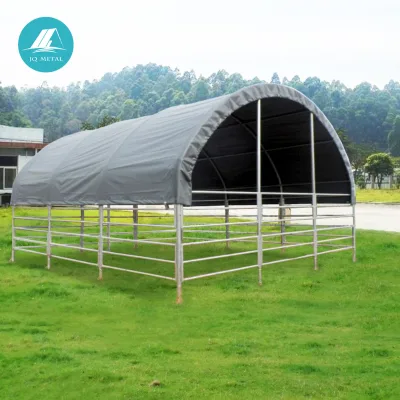
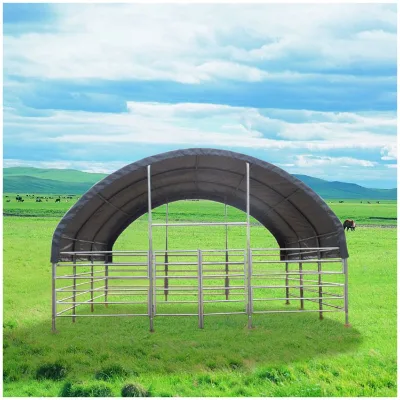
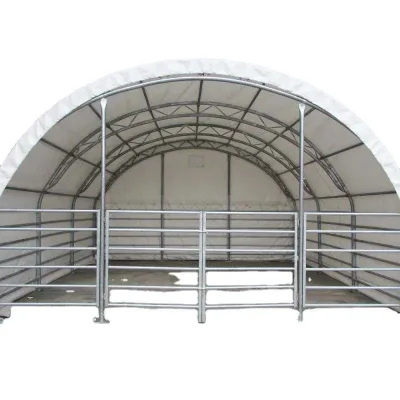
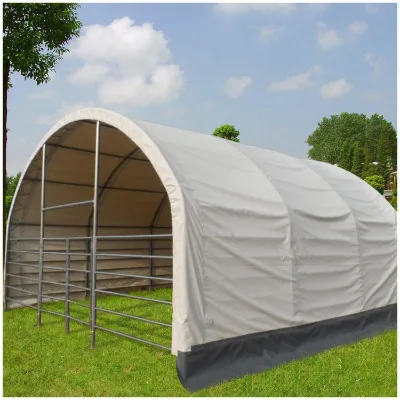
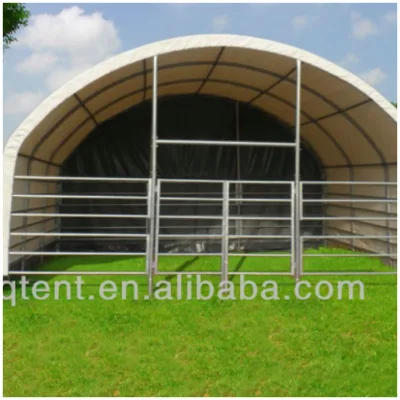
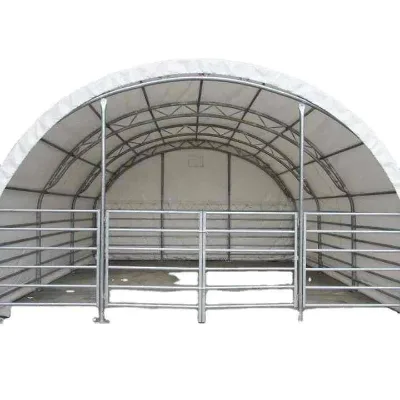
New Products Outdoor Cheap Prefab Steel Frame PVC Plastic Livestock Shelter Portable Cattle Tent
$500.00 - $1200.00
MOQ: 1 Minimum

Qingdao Eastern Equipment Technology Co., Ltd.
- Verified by SGS
- Trading Company
- China Shandong
- Lead time30 days
- Avg. response≤ 3h
Main productsStorage Tents, Storage Shipping Containers, PVC PE Tarpaulin, ISO Modified Containers, Fencing, Gardening, Greenhouse, Rolling Doors, Auto Parts and Accessories, Outdoor Storage
Main marketsNorth America


PVC Tarpaulin Cover Steel Structure Livestock Tent Animal Husbandry Shelter Tent
$2500.00
MOQ: 5 Pieces

Qingdao Jinhexin Industrial Products Co., Ltd.
- Trading Company,Manufacturer/Factory
- China Shandong
- Lead time30 days
- Avg. response≤ 7h
Main productsStorage Shelter, Storage Building, Container Shelter, Carport Garage, Container Dome Canopy, RV Shed, Portable Garage, Foldable Wagon, Container Vending Booth, Portable Toilet
Main marketsSouth America,Eastern Europe,Mid East,North America,Southeast Asia,Eastern Asia,Oceania,Western Europe,Africa
Hebei Sichuang Steel Structure Engineering Co., Ltd.
- Verified by TüVRheinland
- Manufacturer, Trading Company
- Lead time30 days
- Avg. response≤ 1h
Main productsPrefabricated Building, Prefabricated Farm Houses, Prefabricated H-shaped Steel Structure Components, Prefabricated Sports Hall Building, Prefabricated Warehouse Building
Main marketsSouth America(15%), Africa(15%), Domestic Market(10%)

Anping BoYue Metal products Co.,Ltd
- Verified by BV
- Manufacturer/Factory
- China Hebei
- Lead time15 days
- Avg. response≤ 2h
Main productsWire Mesh Fence, Livestock Farm Fence, Fence, 3D Wire Mesh Fence Panel, Cattle Horse Fence Panel, Garden Fence, Gas Cylinder Cage, Storage Cage, Metal Fence
Main marketsSouth America,Eastern Europe,Mid East,North America,Southeast Asia,Eastern Asia,Oceania,Western Europe,Africa

Qingdao Jitcover Trading Co., Ltd.
- Verified by BV
- Trading Company
- China Shandong
- Lead time23 days
- Avg. response≤ 16h
Main productsCarport Shelter, Fabric Building Tent, Portable Storage Shed, Party Tent, Large Tent, Garage Tent, Aircraft Hangar, Industrial Engineer Structure Tent, Clear Span Tent, Greenhouse
Main marketsEurope,Australia,North America

Qingdao Haylite Machinery Co., Ltd.
- Verified by BV
- Combined
- China Shandong
- Lead time30 days
- Avg. response≤ 22h
Main productsTool Cabinet, Exhibition Tent, Tire Changer, Camper Trailer, Auto Lift, Livestock Product, Trailer, Container Loading Ramp, Iron Gate, Tire
Main marketsAustralia,North America

- Verified by TUVRHEINLAND
- Combined
- China Tianjin
- Lead time15 days
- Avg. response≤ 1h
Main productsSolar Bracket, Solar Carport, Solar Mounting Structure, Solar Mounting Bracket, Greenhouse
Main marketsEurope


Durable Galvanized Steel Animal Shelter for Livestock Breeding Needs
$6.00 - $12.00
MOQ: 100 Square Meters


Customizable Durable Livestock Breeding Shelter with Steel Frame
$6.00 - $12.00
MOQ: 100 Square Meters

Qingdao Showhoo Steel Structure Co., Ltd.
- Verified by SGS
- Trading Company,Manufacturer/Factory
- China Shandong
- Lead time30 days
- Avg. response≤ 9h
Main productsSteel Structure Warehouse, Structure Structure Workshop, Steel Structure Building, Chicken Farm Building, Poultry House, Steel Structure Hangar, Shed/Garage/Barn, Prefabricated Steel Building, Steel Building, Prefabricated Warehouse
Main marketsSouth America,Eastern Europe,Mid East,North America,Southeast Asia,Eastern Asia,Oceania,Western Europe,Africa


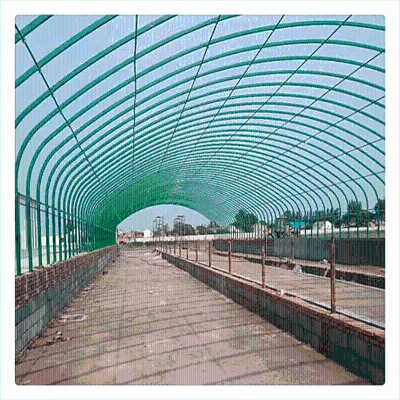
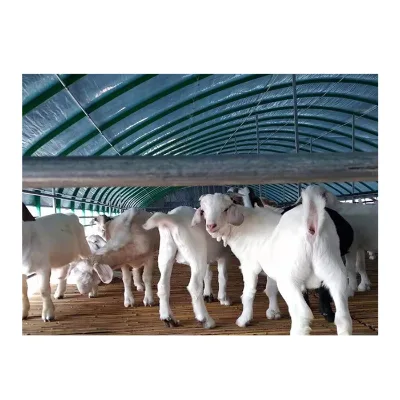
Durable and Cheap Chicken Tent Poultry Farms with Factory Design
$33.00 - $37.00
MOQ: 200 Square Meters




Comprehensive Sourcing Guide
Portable Hot Galvanized Livestock Tent Supplier Concentration and Factory Types
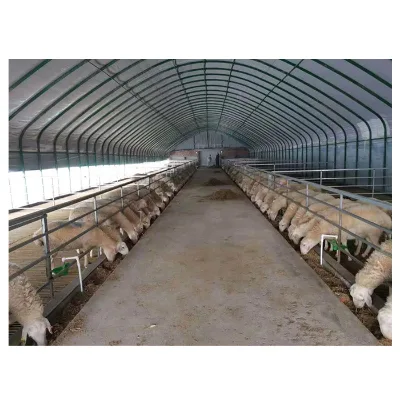
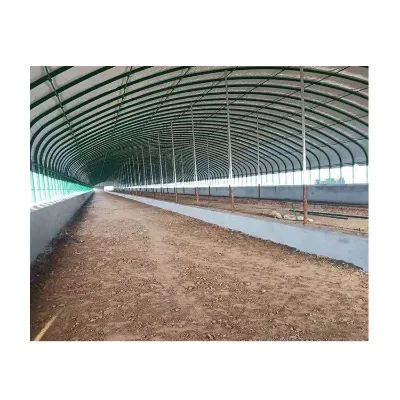
The sourcing landscape for portable hot galvanized livestock tents reveals a distinct concentration of manufacturing capabilities within specific industrial regions, with China’s Shandong province emerging as a primary hub for these specialized structures. Suppliers located in this area often operate as combined entities, blending trading services with direct manufacturing or close OEM/ODM partnerships, which allows them to offer flexible customization options while maintaining control over production quality. This geographic clustering is not merely a logistical convenience but a reflection of established supply chains for steel structures and PVC membrane materials, which are critical components in constructing durable animal shelters. Buyers evaluating suppliers should recognize that factories in this region are accustomed to producing large-scale tensioned structures, including warehouse tents, landscape awnings, and specific livestock shelters designed for cattle, sheep, and horses. The presence of these combined company types suggests a market where buyers can access both standardized models and bespoke designs, provided they understand the underlying production capabilities. It is essential to verify whether a supplier’s "combined" status implies genuine factory ownership or merely a trading arrangement, as this distinction impacts lead times, communication efficiency, and the ability to resolve technical issues during fabrication. The concentration in Shandong indicates a mature ecosystem where raw material sourcing, such as Q235 steel and PVC fabrics, is readily available, potentially reducing costs and improving consistency across different orders. However, buyers must not assume that all suppliers in this region offer identical quality levels; rather, they should use the location as a starting point for deeper due diligence. Understanding the local industrial context helps buyers anticipate the types of engineering support available, such as wind and snow load calculations, which are often included as additional services by manufacturers in this cluster. This regional focus also implies that many suppliers are experienced in exporting to diverse climates, given the varied weather conditions they must withstand locally. Consequently, the supplier base is likely robust in terms of technical expertise related to structural integrity and material durability, which are paramount for livestock shelters that must protect animals from extreme temperatures and weather events. Buyers should leverage this knowledge to ask targeted questions about local supply chain resilience and material sourcing origins, ensuring that the "hot galvanized" aspect of the steel frame meets their specific corrosion resistance requirements.
How to Verify Portable Hot Galvanized Livestock Tent Suppliers
Verifying the credibility and technical competence of suppliers requires a multi-layered approach that goes beyond basic company profiles, focusing on tangible evidence of manufacturing capability and quality assurance. One critical step is to confirm third-party verification status, such as SGS certification, which provides an independent assessment of the supplier’s business legitimacy and operational standards. Buyers should request detailed documentation of this verification to ensure it is current and covers the relevant product lines, particularly the steel structure and PVC membrane components. Additionally, assessing the supplier’s response time is a practical indicator of their operational efficiency and customer service commitment; a response time around 4.14 hours suggests a responsive team capable of handling inquiries promptly, which is crucial for complex custom orders. However, speed alone is not sufficient; buyers must also evaluate the technical depth of the responses, looking for specific details about material specifications, such as the use of GB Q235 steel for frames and PVC covers with specific hardness and temperature resistance ratings. It is vital to verify that the supplier can provide evidence of their ability to meet international or local standards, such as GB standards for steel structures, and to confirm if they offer additional engineering services like wind, snow, and seismic resistance calculations. Buyers should also inquire about the supplier’s experience with similar projects, asking for case studies or references that demonstrate their capability to install large-scale livestock shelters. Checking the supplier’s main product list can reveal their specialization; a focus on outdoor tents, shelters, and livestock-specific structures indicates a higher level of expertise compared to general-purpose tent manufacturers. Furthermore, buyers should verify the supplier’s ability to provide after-sales support, such as online technical assistance, which is essential for troubleshooting installation issues or addressing warranty claims. It is also important to confirm the supplier’s production capacity and whether they have the necessary equipment to handle large orders, especially given the potential for customized sizes and colors. Buyers should ask for detailed product attributes, including fire ratings, wind resistance levels, and lifespan expectations, to ensure the product meets their specific operational needs. By combining these verification steps, buyers can build a comprehensive picture of the supplier’s reliability and technical competence, reducing the risk of sourcing from unqualified vendors.
What to Compare Across Portable Hot Galvanized Livestock Tent Suppliers
When evaluating multiple suppliers, buyers must systematically compare key commercial and technical parameters to identify the best fit for their specific project requirements. One of the most significant differentiators is the minimum order quantity (MOQ), which can vary widely from as low as one set for smaller, customized projects to 300 units for larger, standardized orders. Buyers should align their procurement volume with the supplier’s MOQ flexibility, considering whether they need a single prototype or a bulk deployment. Another critical factor is the price range, which can span from approximately $16 to $40 per square meter, depending on the complexity of the design, material thickness, and customization options. Buyers should request detailed quotes that break down costs for the steel frame, PVC cover, and any additional features like side walls or doors, ensuring transparency in pricing. Lead times are also a crucial comparison point, with some suppliers offering a standard 30-day production window, while others may have longer timelines depending on order quantity and customization complexity. Buyers should assess whether the supplier’s lead time aligns with their project schedule, especially if they have tight deadlines for installation. Additionally, comparing the supplier’s response speed can provide insight into their communication efficiency, with faster response times indicating a more agile and customer-focused operation. Buyers should also evaluate the range of main products offered, as suppliers with a broader portfolio of outdoor tents and shelters may have more versatile manufacturing capabilities. It is important to compare the specific technical attributes of the products, such as wind resistance ratings (e.g., 110km/h to 120km/h), snow load capacity, and temperature tolerance ranges, to ensure the shelter can withstand local environmental conditions. Buyers should also compare the warranty terms and after-sales service offerings, as these can significantly impact the long-term value of the purchase. By systematically comparing these factors, buyers can make an informed decision that balances cost, quality, and service, ensuring they select a supplier that meets their specific needs.
Common Portable Hot Galvanized Livestock Tent Sourcing Risks
Sourcing portable hot galvanized livestock tents involves several inherent risks that buyers must proactively manage to avoid project delays, quality issues, or financial losses. One significant risk is the potential for miscommunication regarding customization requirements, as many suppliers offer flexible options for size, color, and design, which can lead to discrepancies between the ordered product and the final delivery if specifications are not clearly documented. Buyers should ensure that all custom details, including dimensions, material grades, and finish requirements, are explicitly stated in the contract to prevent misunderstandings. Another risk is the variability in product quality, particularly concerning the durability of the hot galvanized steel frame and the PVC cover. Buyers must verify that the galvanization process meets industry standards to prevent corrosion, especially in humid or coastal environments, and that the PVC material is resistant to UV radiation, fire, and extreme temperatures. Failure to verify these material properties can result in premature degradation of the shelter, leading to costly replacements and operational disruptions. Additionally, buyers face the risk of supply chain disruptions, which can affect lead times and material availability. Suppliers may experience delays due to raw material shortages, production bottlenecks, or logistical challenges, particularly if they are relying on imported components. Buyers should assess the supplier’s supply chain resilience and ask about their contingency plans for such disruptions. Another risk is the lack of adequate after-sales support, which can leave buyers without assistance if installation issues arise or if warranty claims need to be processed. Buyers should verify the supplier’s after-sales service capabilities, including the availability of online technical support and the clarity of warranty terms. Furthermore, buyers should be cautious of suppliers who do not provide comprehensive engineering calculations for wind and snow loads, as this can compromise the structural integrity of the shelter in adverse weather conditions. By identifying and mitigating these risks through thorough due diligence and clear contractual agreements, buyers can ensure a smoother sourcing process and a more reliable final product.
Portable Hot Galvanized Livestock Tent Regional Sourcing and Logistics
Regional sourcing decisions significantly impact the logistics, cost, and timeline of procuring portable hot galvanized livestock tents, with suppliers in China’s Shandong province offering distinct advantages in terms of manufacturing efficiency and export experience. The concentration of suppliers in this region facilitates a streamlined supply chain for steel structures and PVC membranes, reducing lead times and potentially lowering costs due to economies of scale. Buyers should consider the logistical implications of sourcing from this region, including shipping methods, transit times, and import regulations in their destination country. The use of containerized shipping is common for these large structures, and buyers should verify the packing specifications, such as PVC-wrapped membranes or iron box packages, to ensure safe transport and minimize damage during transit. Additionally, buyers should assess the supplier’s experience with international logistics, as this can affect the efficiency of customs clearance and delivery. The regional focus on livestock shelters also implies that suppliers are familiar with the specific requirements of different climates, which can be beneficial for buyers operating in diverse environments. Buyers should inquire about the supplier’s ability to provide installation instructions and technical support, as these are crucial for ensuring the shelter is assembled correctly and safely. Furthermore, buyers should consider the environmental conditions of the destination, such as temperature extremes and wind patterns, to ensure the selected shelter design is appropriate. The supplier’s ability to customize the shelter’s dimensions and features can also impact logistics, as larger or more complex structures may require special handling and transportation arrangements. Buyers should work closely with the supplier to plan the logistics strategy, including the timing of production and shipping, to align with their project schedule. By understanding the regional sourcing dynamics, buyers can optimize their procurement process, reduce costs, and ensure timely delivery of high-quality livestock shelters.
Portable Hot Galvanized Livestock Tent Commercial Terms and Order Planning
Effective order planning and negotiation of commercial terms are essential for securing the best value and ensuring a smooth transaction when sourcing portable hot galvanized livestock tents. Buyers should prioritize clarity in payment terms, delivery schedules, and warranty conditions to protect their interests and minimize financial risk. It is crucial to negotiate a payment structure that aligns with production milestones, such as a deposit upon order confirmation and the balance upon completion or before shipment, to ensure both parties are committed to the project. Buyers should also verify the supplier’s production time estimates, which can vary based on order quantity and customization complexity, and incorporate these timelines into their overall project schedule. Additionally, buyers should discuss the supplier’s packaging and shipping arrangements, ensuring that the tents are packed securely to prevent damage during transit and that the shipping method is cost-effective and reliable. Warranty terms are another critical aspect of commercial terms, with suppliers typically offering a one-year warranty on the structure and varying lifespans for the PVC cover, ranging from five to ten years. Buyers should clarify the scope of the warranty, including what is covered and the process for making claims, to ensure they have adequate protection against defects. Furthermore, buyers should negotiate any additional services, such as engineering calculations or installation support, and confirm whether these are included in the price or charged separately. It is also important to discuss the supplier’s return and refund policies in case the product does not meet the agreed-upon specifications. By carefully planning the order and negotiating favorable commercial terms, buyers can mitigate risks, control costs, and ensure a successful procurement outcome. Clear communication and detailed documentation throughout
FAQs
What is the price range for portable livestock tents?
Prices typically range from $16 to $40 per square meter depending on customization and material specifications. Buyers should verify exact quotes based on dimensions, frame thickness, and cover fabric weight. Minimum order quantities often start at one set or 100 units, affecting the final unit cost significantly.
What is the standard lead time for these tents?
The standard production lead time is approximately 30 days after order confirmation. This duration may vary based on order quantity and specific customization requirements. Buyers should confirm production schedules directly with suppliers to ensure timely delivery for urgent agricultural or construction projects.
What materials are used for the frame and cover?
Frames are typically constructed from galvanized steel or GB Q235 steel for durability. Covers are made from PVC fabric, which offers waterproof, fire retardant, and UV resistance properties. Some models also feature painted or customized surface treatments to meet specific environmental or aesthetic requirements.
What is the minimum order quantity for these tents?
Minimum order quantities vary by supplier, ranging from one set to 300 units. Some manufacturers accept single sets for testing, while others require bulk orders of 100 or 200 units. Buyers should check specific supplier listings to determine the applicable MOQ for their project scale.
Are these tents suitable for extreme weather conditions?
Yes, many models are designed to withstand harsh conditions with wind resistance up to 120 km/h and snow loads of 2.3 Kpa. They operate effectively in temperatures ranging from -40°C to +70°C. Features include fire ratings of B1 or dB1 and waterproof PVC covers.
What certifications do these suppliers hold?
Suppliers are often verified by SGS for quality and reliability. Products may comply with GB standards and feature fire ratings such as B1 or dB1. Buyers should request specific certification documents to ensure the tents meet local safety and construction regulations for their intended application.
What after-sales support is provided?
Most suppliers offer online technical support and installation instructions for easy assembly. Warranty periods typically cover one year for the structure. Buyers should confirm the availability of spare parts and the duration of support services before finalizing their purchase agreement with the manufacturer.