Portable Inflatable Camping Neck Pillow Suppliers and Manufacturers
Source 22 verified Portable Inflatable Camping Neck Pillow suppliers from China Zhejiang, Shandong, and Fujian. Compare response times, lead times, MOQs, and certifications like ISO 9001 to find the right partner. Contact suppliers directly to request samples and negotiate pricing.
Suppliers List

Ningbo Chanceca Import & Export Co., Ltd.
- Verified by TUVRHEINLAND
- Trading Company
- China Zhejiang
- Lead time30 days
- Avg. response≤ 3h
Main productsTrekking Poles, Camping Tent, Camping Furniture, Camping Gear, Sleeping Gear, Waterproof Dry Bag
Main marketsSouth America,Africa,Southeast Asia/ Mideast,East Asia(Japan/ South Korea),Europe,Australia,North America

Weihai Rancoo Sports Goods Co., Ltd.
- Combined
- China Shandong
- Lead time23 days
- Avg. response≤ 16h
Main productsPaddle Board, Inflatable Boat, Kayak, Tent
Main marketsDomestic

Jinjiang Jiaxing Import and Export Co., Ltd.
- Verified by CTI
- Manufacturer/Factory
- China Fujian
- Lead time120 days
- Avg. response≤ 1h
Main productsShoes, Slipper, Clothes, Promotion Gifts, Silicone Products, Outdoor Sports Products, Bags, Fashion Accessories, Consumer Electronics
Main marketsSouth America,Eastern Europe,Mid East,North America,Southeast Asia,Eastern Asia,Oceania,Western Europe,Africa
- Verified by SGS
- Manufacturer/Factory
- China Fujian
- Lead time45 days
- Avg. response≤ 3h
Main productsSilicone Bracelet, PVC Keychain, PVC Mats, Silicone Mold, Mouth Guard, Nasal Dilator, Ear Plugs, Lanyards, Toys, Keychains
Main marketsSouth America,Eastern Europe,Mid East,North America,Southeast Asia,Eastern Asia,Oceania,Western Europe,Africa

Shenzhen Lionstar Technology Co., Ltd.
- Combined
- China Guangdong
- Lead time15 days
- Avg. response≤ 3h
Main productsFace Mask, KN95, 3ply Disposable Face Mask, Protective Face Cover, FFP2 KN95 Ce FDA Face Mask, Protective Goggle, Face Shield, Gloves, Gowns, Thermometer
Main marketsSouth America,Southeast Asia/ Mideast,East Asia(Japan/ South Korea),Europe,Australia,North America

Dongyang Xinyuan Household Products Co., Ltd
- Verified by SGS
- Combined
- China Zhejiang
- Lead time23 days
- Avg. response≤ 12h
Main productsU Shape Pillow, Throw Pillow, Plush Toys, Cushion, Eye Mask
Main marketsSoutheast Asia/ Mideast

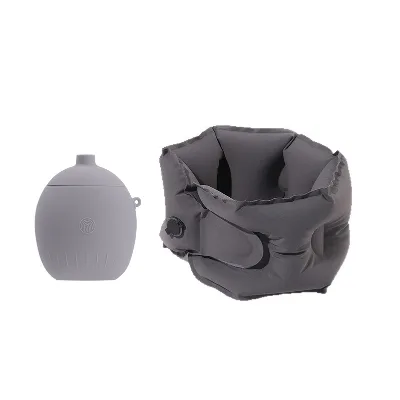
Soft Ultralight Portable Outdoor Travel Camping Neck U-Shaped Inflatable Pillow
$0.70 - $1.10
Moq: 300


- Trading Company
- Hong Kong S.A.R.
- Lead time20 days
- Avg. response≤ 2h
Main productsHonesty Camping chairs,Honesty Camping tables,Honesty Camping Cots,Camping tents,Camping Blankets
Main marketsNorth America(35.0%), South America(20.0%), Eastern Asia(10.0%), Eastern Europe(10.0%), Southern Europe(5.0%), Northern Europe(5.0%), Central America(5.0%), Western Europe(5.0%), Southeast Asia(5.0%)

- Verified by TUVRHEINLAND
- Combined
- China Zhejiang
- Lead time30 days
- Avg. response≤ 10h
Main productsSnowboard, Ski Boot, Ski Equipments, Snowboardings, Ski Helmet, Boots, Ski Gloves, Ski Goggles, Binding
Main marketsEast Asia(Japan/ South Korea),Europe,North America
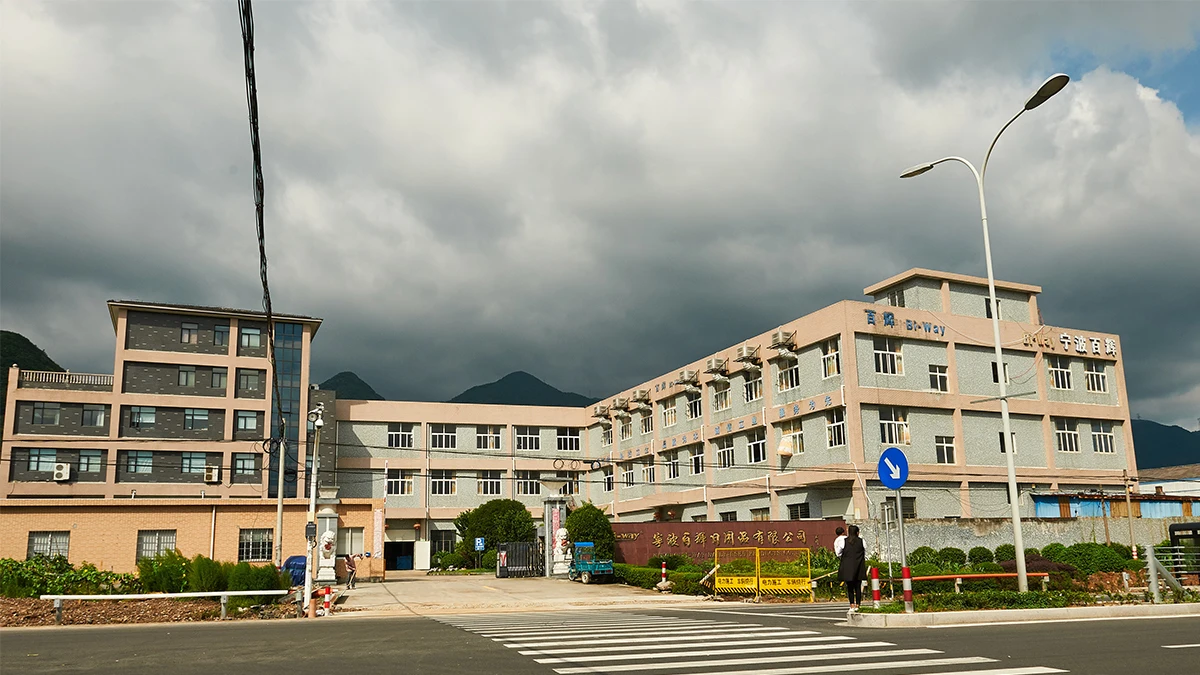
Ningbo Bi-Way Daily-Used Products Co., Ltd.
- Manufacturer, Trading Company
- Zhejiang, China
- Lead time30 days
- Avg. response≤ 3h
Main productsEye Mask,Inflatable Pillow,Coolers,Travel Security Pouch,Waterproof Pouch
Main marketsNorth America(40.0%), Western Europe(15.0%), Domestic Market(15.0%), Eastern Europe(5.0%), Southeast Asia(5.0%), Oceania(4.0%), South America(4.0%), Mid East(3.0%), South Asia(3.0%), Southern Europe(3.0%), Northern Europe(3.0%)

Lixin Outdoor Product Co., Ltd.
- Verified by TUVRHEINLAND
- Combined
- China Guangdong
- Lead time23 days
- Avg. response≤ 9h
Main productsPool Floats, Inflatable Swimming Pools, Inflatable Swimming Ring, Kid Toys, Inflatable Pool, Inflatable Sprinkler Toys, Air Bed Air Mattress, Inflatable Furnitures Inflatable Sofa, Inflatable Boat, Snow Tube
Main marketsSoutheast Asia/ Mideast,East Asia(Japan/ South Korea),Europe,Australia,North America

Outdoor Adventure Inflatable Pillow for Camping Lightweight Cozy Inflatable Travel Pillow
$13.50 - $15.50
Moq: 1000

Neck Pillow Travel Pillows Inflatable Compact Portable Head and Neck Support Pillows
$2.02 - $2.20
Moq: 100


Best Inflatable Pillow for Camping Camp Backpacking Ultralight Sleeping Inflatable Travel Pillow
$13.50 - $15.50
Moq: 1000

Camping Double Sleeping Pad Inflatable Sleeping Mat with Pillow Inflatable Camping Mat
$27.80 - $30.80
Moq: 300

MAX (HK) INDUSTRIAL CO., LIMITED
- Verified by SGS
- Trading Company,Manufacturer/Factory,Group Corporation
- China Guangdong
- Lead time23 days
- Avg. response≤ 2h
Main productsInflatable Promotion Items, Inflatable Pool Float, Inflatable Swimming Tools, Inflatable Hot Air Balloon, Mascot Costume, Inflatable Sofa or Furniture, Inflatable Moon House Bouncer, Inflatable Castle and Sports Game, Inflatable Commerical Ad Display, Inflatable Outdoor Camping Prodcuts
Main marketsSouth America,Eastern Europe,Mid East,North America,Southeast Asia,Eastern Asia,Oceania,Western Europe,Africa

Pan an Wild Mountain Wolf Outdoor Co., Ltd.
- Combined
- China Zhejiang
- Lead time30 days
- Avg. response≤ 2h
Main productsMat, Self-Inflating Mat, Self-Inflating Mattress, Self-Inflating Sleeping Pad, Inflatable Air Mat, Sleeping Pad, Ultralight Sleeping Pad, Sleeping Mat, Inflatable Air Mattress, Self-Inflatable Mattress
Main marketsSouth America,Southeast Asia/ Mideast,East Asia(Japan/ South Korea),Domestic,Europe,Australia,North America
Ningbo Honesty Outdoor Products Co., Ltd.
- Manufacturer
- Zhejiang, China
- Lead time30 days
- Avg. response≤ 1h
Main productsCamping Chair,Camping Table,Camping Cot,Camping Tent,Camping Blanket
Main marketsNorth America(40.0%), South America(30.0%), Eastern Europe(10.0%), Southern Europe(5.0%), Northern Europe(5.0%), Central America(5.0%), Western Europe(5.0%)
Anhui Feistel Outdoor Product Ltd.
- Verified by SGS Group
- Trading Company
- Lead time15 days
- Avg. response≤ 2h
Main productsFolding Table, Folding Chair, Folding Bed, Trekking Pole, Sleeping Pad
Main marketsNorth America(40%), Eastern Asia(30%), Northern Europe(9%)

- Verified by TUVRHEINLAND
- Trading Company
- China Zhejiang
- Lead time30 days
- Avg. response≤ 11h
Main productsSports and Outdoor
Main marketsSoutheast Asia/ Mideast,Europe
Shanghai ETRAVEL Industrial Co., Ltd.
- Verified by SGS Group
- Manufacturer, Trading Company
- Shanghai, China
- Lead time20 days
- Avg. response≤ 3h
Main productsOutdoor equipment, Travel and grooming, Bathroom products, Home textiles, toothbrush cup
Main marketsEastern Europe(40%), North America(30%), Southeast Asia(30%)
Dongguan Bestfun Toys Co., Ltd.
- Manufacturer
- Guangdong, China
- Lead time30 days
- Avg. response≤ 8h
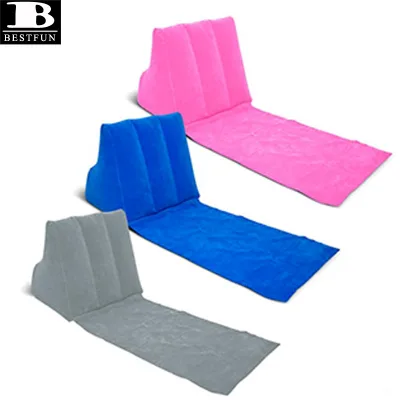
Main productsPVC TPU Flocked PVC products,customized inflatable advertising products,customized inflatable promotional products,inflatable beach items,inflatable water toys
Main marketsNorth America(50.0%), Northern Europe(10.0%), Western Europe(5.0%), South Asia(5.0%), Southern Europe(5.0%), South America(5.0%), Central America(5.0%), Southeast Asia(5.0%), Eastern Europe(5.0%), Domestic Market(1.0%), Eastern Asia(1.0%), Mid East(1.0%), Oceania(1.0%), Africa(1.0%)

Ningbo Explorer Tour Goods Co., Ltd.
- Verified by CTI
- Manufacturer/Factory
- China Zhejiang
- Lead time90 days
- Avg. response≤ 3h
Main productsCamping Tent, Hiking & Mountaineering Tent, Air Mats, Sleeping Bag, Hammocks
Main marketsSouth America,North America,Eastern Asia,Oceania,Western Europe
Coody (Tianjin) International Trade Co., Ltd.
- Verified by SGS
- Combined
- China Tianjin
- Lead time15 days
- Avg. response≤ 3h
Main productsInflatable Tent, Outdoor Tent, Hotel Tent, Camping Tent, Outdoor Furnitures, Tent Accessories
Main marketsSoutheast Asia/ Mideast,North America

Wenzhou Jiasheng Latex Products Co., Ltd
- Manufacturer/Factory
- China Zhejiang
- Lead time0 days
- Avg. response≤ 2h
Main productsLatex Pillows, Latex Mattresses, Latex Quilts, Latex Mats, Latex Towels, Latex Underwear, Latex Sheets, Latex Baby Pillows, Latex Baby Mats, Latex Cushions

Ningbo Comfort Industry Co., Ltd.
- Verified by TUVRHEINLAND
- Manufacturer/Factory
- China Zhejiang
- Lead time45 days
- Avg. response≤ 6h
Main productsElectric Adjustable Beds, Adjustable Beds, Lift Recline Chairs, Memory Foam Mattress, Massage Adjustable Beds, Massage Lift Chairs, Memory Foam Pillows, Wallhugger Adjustable Bed, Electric Bed, Massage Chair
Main marketsSouth America,North America,Southeast Asia,Eastern Asia,Oceania,Western Europe
Ningbo Jukaiwtec Outdoor Equipments Co., Ltd.
- Verified by Intertek
- Trading Company
- Lead time30 days
- Avg. response≤ 2h
Main productsTent, Camping Cookware, Folding Chair, Foldable Table, Camping Light
Main marketsNorth America(30%), Western Europe(10%), Northern Europe(10%)


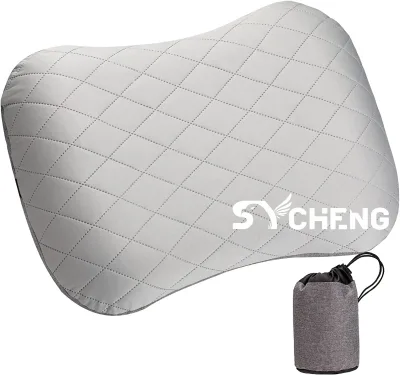
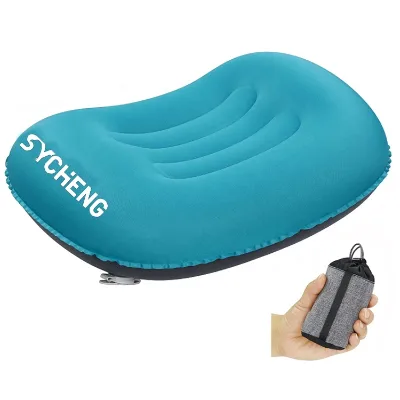


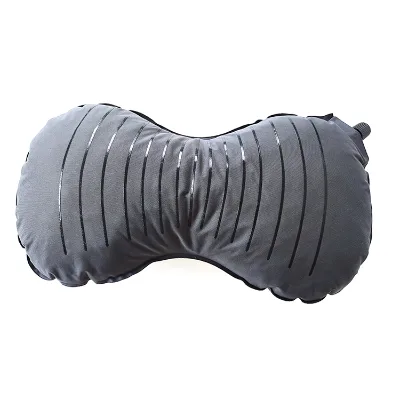
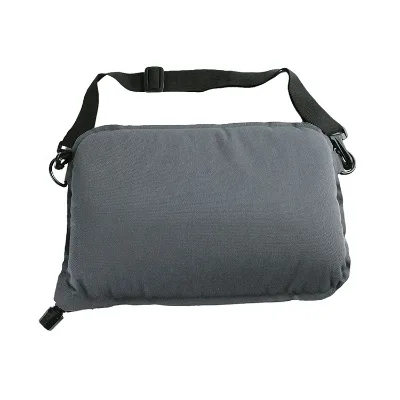
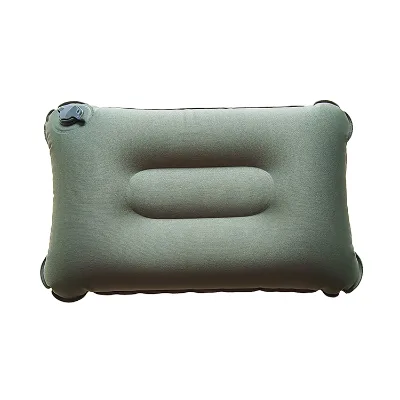


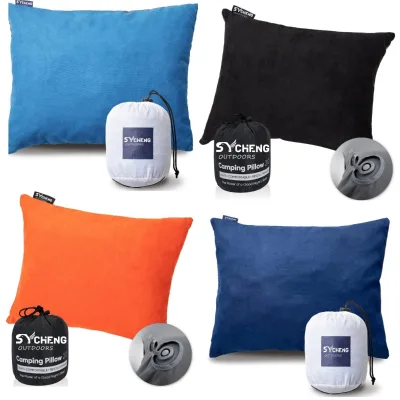
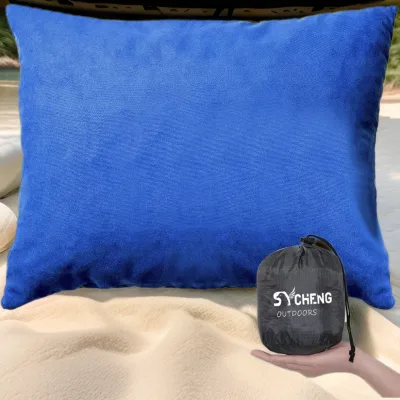
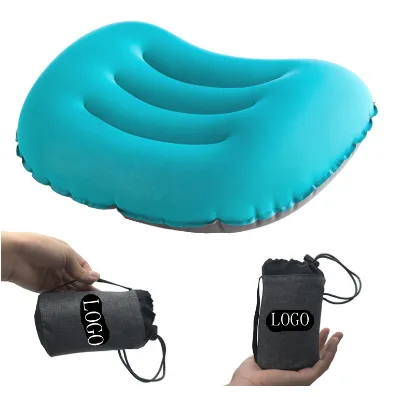
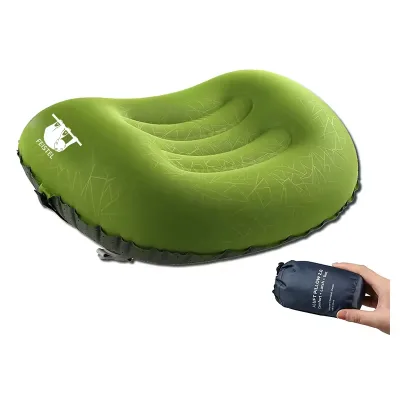
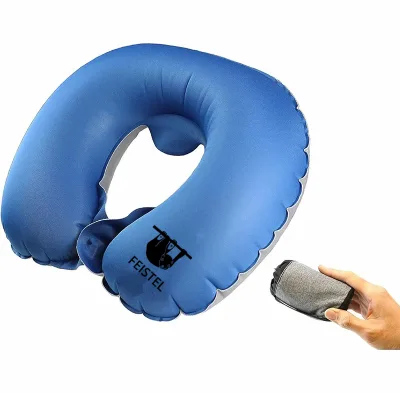




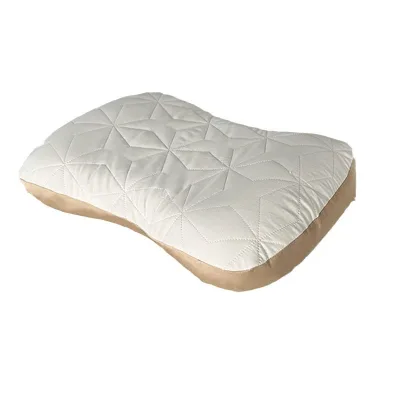
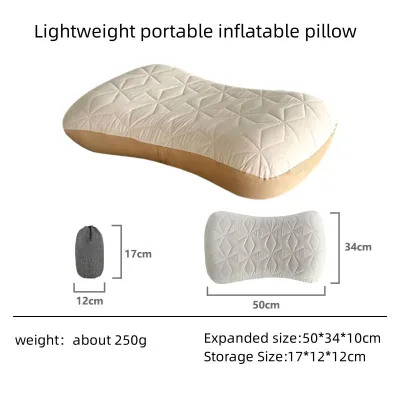
Comprehensive Sourcing Guide
Portable Inflatable Camping Neck Pillow Supplier Concentration and Factory Types
Current data indicates a concentration of suppliers in China, specifically within the Zhejiang and Shandong provinces, where manufacturers and trading companies operate. In Zhejiang, the primary output includes trekking poles, camping furniture, and sleeping gear, with a notable presence of trading companies offering ODM and OEM capabilities. These entities often list specific product models like KG6325 or KG5321, suggesting a focus on standardized inflatable pillow production lines. The region appears to host a mix of pure trading firms and combined entities that manage both sales and production oversight, allowing for varied sourcing strategies depending on the buyer's need for direct factory interaction versus supply chain flexibility.
In contrast, suppliers located in Shandong and Fujian present different operational profiles. The Shandong-based entities are classified as combined companies dealing in paddle boards and inflatable boats alongside camping pillows, indicating a broader product ecosystem that may leverage shared manufacturing resources. Meanwhile, the Fujian cluster features manufacturers and factories certified under ISO 9001, specializing in silicone products, outdoor sports gear, and footwear. This diversity suggests that while Zhejiang offers a dense network of specialized trading partners, Shandong and Fujian provide access to factories with distinct certifications and broader material capabilities, such as PVC and polyester, which are critical for determining the final quality and durability of the inflatable neck pillows.
How to Verify Portable Inflatable Camping Neck Pillow Suppliers
Verification of supplier credibility relies heavily on third-party audit results and specific system certifications rather than self-declared claims. Some suppliers in the current dataset display verification from TUVRHEINLAND, a recognized international inspection body, which serves as a concrete indicator of operational compliance. Others may hold ISO 9001 system certifications, particularly those in the Fujian region, signaling adherence to quality management standards. Buyers must prioritize these external validations over internal statements, as the presence of a specific certification or verification badge provides a tangible baseline for assessing the supplier's reliability and the consistency of their manufacturing processes.
Beyond certifications, the response time and company type offer immediate insights into supplier engagement and structure. A response time of 0.76 hours suggests a highly active trading floor or factory floor, whereas a 15.89-hour response might indicate a larger, less agile organization or a different time zone alignment. It is essential to distinguish between trading companies and manufacturers, as the latter often provide more direct control over production schedules and material sourcing. Buyers should request proof of these verification statuses and confirm the specific company type before proceeding, ensuring that the entity they engage with possesses the necessary infrastructure to support their specific order requirements without relying on unverified intermediaries.
What to Compare Across Portable Inflatable Camping Neck Pillow Suppliers
When evaluating potential partners, buyers must scrutinize the minimum order quantities (MOQ) and unit pricing structures, which vary significantly across the supplier pool. For instance, some listings show an MOQ of 500 units with a price range between $1.65 and $1.77, while others offer an MOQ of just 100 units at a higher price point of $2.56 to $3.50. This variance allows buyers to align their order volume with their budget constraints, but it requires careful calculation of the total landed cost. Comparing these figures directly helps identify whether a lower unit price is offset by a prohibitive minimum order requirement, or if a higher price per unit offers the flexibility needed for a smaller initial market test.
Lead times and production capacity are equally critical dimensions for comparison, as they dictate the speed of market entry and inventory planning. The observed lead times range from 30 days to 120 days, a substantial difference that impacts cash flow and stock availability. Suppliers with a 30-day lead time may be better suited for urgent restocking or rapid product launches, whereas those with 120-day lead times might require advanced planning and larger safety stocks. Additionally, the capacity for ODM and OEM services varies, with some suppliers offering customized logos and specific material choices like PVC or polyester. Buyers should map these operational metrics against their specific timeline and customization needs to select a partner that balances cost efficiency with delivery reliability.
Common Portable Inflatable Camping Neck Pillow Sourcing Risks
One significant risk involves the inconsistency of product specifications and material quality across different supplier batches. While some products are described with precise dimensions like 43278cm and weights of 300g, others may list custom sizes or different material compositions such as 100% polyester versus PVC. Without a standardized specification sheet agreed upon in the contract, there is a risk of receiving goods that do not match the intended design or performance expectations. Buyers must ensure that all technical attributes, including features like anti-static properties or massage capabilities, are explicitly defined and verified against the physical sample before mass production begins to avoid discrepancies in the final delivered goods.
Another critical risk is the potential for misalignment in warranty and after-sales support terms. While some product listings mention a one-year warranty, others do not specify any warranty period, leaving the buyer exposed to potential defects or durability issues. The absence of a clear warranty clause can complicate returns or replacements if the inflatable pillows fail prematurely. Furthermore, the reliance on external inflators or specific packing methods like bags or cartons must be confirmed, as these details affect the product's usability and shipping costs. Buyers should verify these terms explicitly in the purchase agreement to ensure that the supplier accepts responsibility for product failures and that the packaging standards meet the logistical requirements of the destination market.
Portable Inflatable Camping Neck Pillow Regional Sourcing and Logistics
Sourcing from China, specifically the Zhejiang, Shandong, and Fujian provinces, offers distinct logistical advantages and challenges that buyers must navigate. The concentration of suppliers in these regions means that freight consolidation is often feasible, allowing for mixed container loads that include trekking poles, tents, and camping furniture alongside the neck pillows. However, the distance from these manufacturing hubs to major ports can vary, influencing the final shipping cost and transit time. Buyers should calculate the total logistics cost, including inland transportation from the factory to the port, to ensure that the savings from lower unit prices are not eroded by high freight charges or complex customs procedures.
The choice of supplier location also impacts the ability to manage quality control and inspection schedules. Suppliers in Zhejiang and Shandong may have different local regulations and infrastructure capabilities compared to those in Fujian. For instance, a supplier with a 30-day lead time might be located closer to a major shipping hub, facilitating faster dispatch, while a 120-day lead time supplier might be in a more remote industrial zone. Buyers should verify the specific port of loading for each supplier to optimize their shipping routes and minimize delays. Additionally, understanding the local packaging standards, such as the use of cartons versus polybags, is essential for ensuring that the products arrive in good condition and meet the retail requirements of the target market.
Portable Inflatable Camping Neck Pillow Commercial Terms and Order Planning
Commercial terms regarding payment and escrow services are vital for securing the transaction and protecting the buyer's financial interests. While the provided data does not explicitly list escrow availability for every supplier, buyers should confirm whether the platform or supplier offers secure payment mechanisms that release funds only upon delivery or inspection. This is particularly important when dealing with new suppliers or large order volumes where the financial exposure is significant. Establishing clear payment milestones, such as a deposit followed by a balance upon shipment, can help manage cash flow and reduce the risk of non-delivery or substandard goods.
Order planning must also account for the customization capabilities and branding requirements of the supplier. Many listings indicate that customized logos are available, with options for OEM branding, which is crucial for buyers looking to establish a unique market presence. However, the lead time for customized orders may differ from standard stock items, potentially extending the production schedule. Buyers should factor in the time required for design approval, sample production, and mass manufacturing when planning their inventory cycles. By aligning the order timeline with the supplier's specific capacity for ODM and OEM services, buyers can ensure a smooth transition from concept to market launch without unexpected delays or additional costs.
FAQs
What is the price range for portable inflatable camping neck pillows?
Prices typically range from $0.399 to $3.50 per unit depending on material and features. Basic polyester models start around $0.50, while premium PVC options with custom branding cost up to $3.50. Buyers should verify specific quotes based on order volume and customization requirements.
What are the minimum order quantities for these pillows?
MOQs vary significantly by supplier and product model. Some manufacturers require a minimum of 100 units, while others set the threshold at 500 pieces. Buyers must check individual product listings to confirm the exact MOQ applicable to their desired specifications and customization needs.
How long does production take for these items?
Lead times generally range from 23 to 120 days depending on the supplier and order complexity. Some factories offer faster turnaround times around three weeks, while others may require up to four months. Buyers should confirm specific production schedules with suppliers before placing orders.
What materials are used for these camping pillows?
Common materials include 100% Polyester and PVC. Polyester options often feature anti-static and massage properties, while PVC models provide durable, waterproof construction. Some products also include external inflators for easier setup. Buyers should select materials based on weight, comfort, and durability preferences.
Can I customize the logo on these pillows?
Yes, most suppliers offer customized logo printing services. Options include OEM branding or specific company logos printed on the pillow surface. Buyers should confirm customization details, such as logo size and placement, with the supplier to ensure it meets their brand requirements.
Where are these suppliers located?
Suppliers are primarily located in China, specifically in Zhejiang, Shandong, and Fujian provinces. Zhejiang and Shandong suppliers often focus on camping gear and inflatable products, while Fujian manufacturers may offer broader outdoor sports products. Buyers can filter by location to find nearby suppliers.
Are these suppliers verified?
Yes, several suppliers hold verification badges from recognized agencies like TUV Rheinland and CTI. These verifications indicate that the suppliers have undergone third-party assessments for business legitimacy and product quality. Buyers should look for these badges to ensure supplier reliability.