Portable Multifunction Baby Bed Suppliers and Manufacturers
Source 18 verified suppliers for Portable Multifunction Baby Bed products. Compare key dimensions including location, lead times, MOQs, and certifications like ISO 9001. Review product specs and request quotes directly from manufacturers; review the available evidence before requesting comparable quotations from suitable candidates.
Updated
Suppliers List

Ningbo Jiangbei Ringlong Import & Export Co., Ltd.
- Verified by BV
- Combined
- China Zhejiang
- Lead time23 days
- Avg. response≤ 2h
Main productsKitchenware, Textile, Memory Foam Series, Household Items, Outdoor Products, Packing Box, Air Conditioning System, TV Products, Fitness, Baby Products
Main marketsEurope

Ningbo Happy Island Baby Products Co., Ltd.
- Verified by SGS
- Manufacturer/Factory
- China Zhejiang
- Lead time60 days
- Avg. response≤ 5h
Main productsBaby Bed, Baby Stroller, Baby Changing Station, Baby Play Pen, Baby Playard, Baby Camp Cot, Baby Travel Bed, Portable Bed, Foldable Cot, Baby Pram
Main marketsSouth America,Eastern Europe,Mid East,North America,Southeast Asia,Eastern Asia,Oceania,Western Europe,Africa
- Verified by Intertek
- Manufacturer, Trading Company
- Lead time30 days
- Avg. response≤ 7h
Main productsBaby Products
Xiamen Ansafe Baby&maternal Products Co., Ltd.
- Verified by TüVRheinland
- Manufacturer, Trading Company
- Lead time30 days
- Avg. response≤ 4h
Main productsBaby Playpens, Baby Bed, Travel Cot
Main marketsEastern Europe(25%), Western Europe(25%), North America(20%)
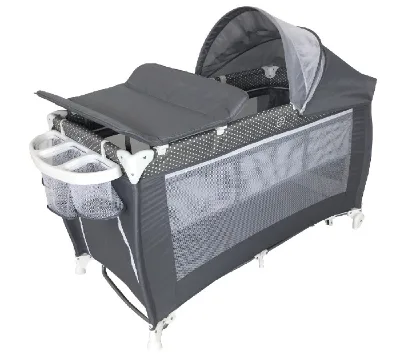
$34.00 - $36.00
MOQ: 300 pieces
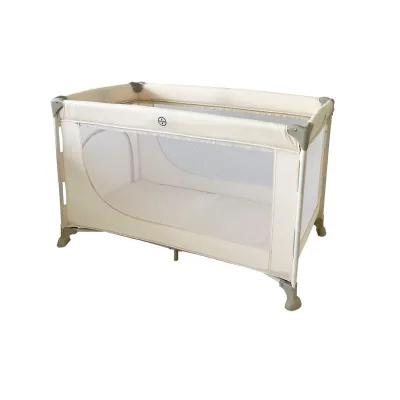
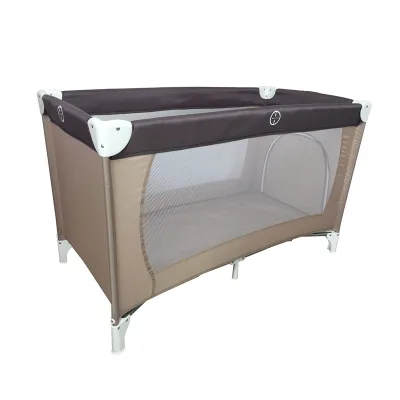

Kunshan Cool Kids Business Co., Ltd.
- Trading Company
- China Jiangsu
- Lead time45 days
- Avg. response≤ 25h
Main productsBaby Stroller, Playard, Car Seat, Baby Buggy, Travel System, Baby Bed, Baby Dinner Chair, Cradle
Main marketsSouth America,Africa,Southeast Asia/ Mideast,East Asia(Japan/ South Korea),Domestic,Europe
Yiluo Baby Products (hubei) Co., Ltd.
- Trading Company
- Hubei, China
- Lead time15 days
- Avg. response≤ 2h
Main productsBaby Stroller, Baby Walker, Baby Carrier, Baby Car Seat, Baby Bed
Main marketsNorth America(40.00%), Africa(20.00%), South America(15.00%), Western Europe(15.00%), Oceania(10.00%)
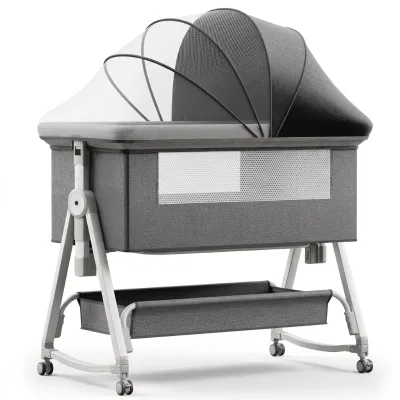
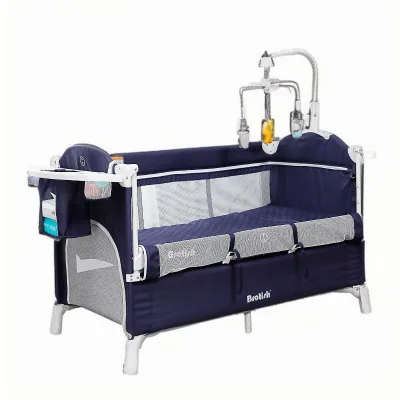
Multifunctional Baby Cot Bed Baby Crib Bedroom Kids Baby Bed with Diaper Table
$66.8303 - $70.9318
MOQ: 10 pieces
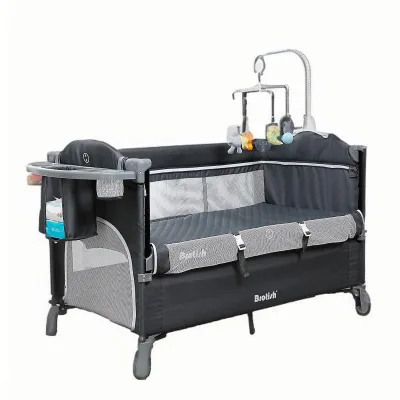
High Quality Multi Function Portable Baby Crib square Bed Kids Baby Playpen Bed Foldable
$66.6925 - $70.7865
MOQ: 10 pieces
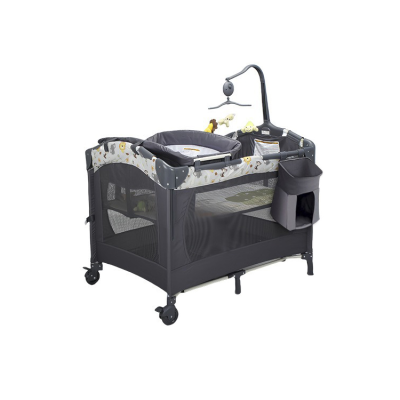
$57.5771 - $70.9423
MOQ: 5 pieces
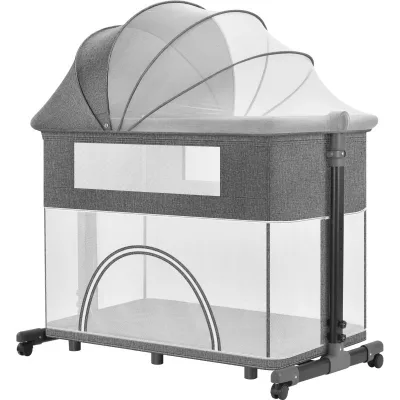
$30.6805 - $34.5154
MOQ: 1 pieces
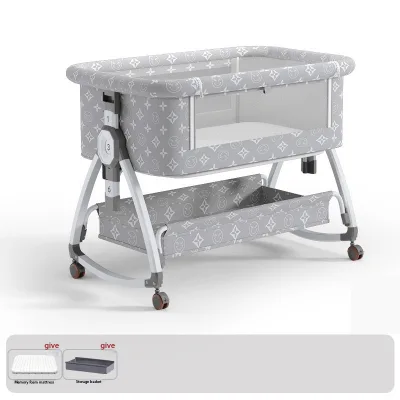
$24.9642 - $28.089
MOQ: 10 pieces

Ningbo Hongrun Imp.& Exp. Co., Ltd.
- Manufacturer, Trading Company
- Zhejiang, China
- Lead time0 days
- Avg. response≤ 1h
Main productsBaby Furniture,Baby products
Main marketsMid East(40.00%), Southeast Asia(20.00%), South America(10.00%), Oceania(10.00%), Western Europe(10.00%), Eastern Europe(5.00%), Eastern Asia(5.00%)
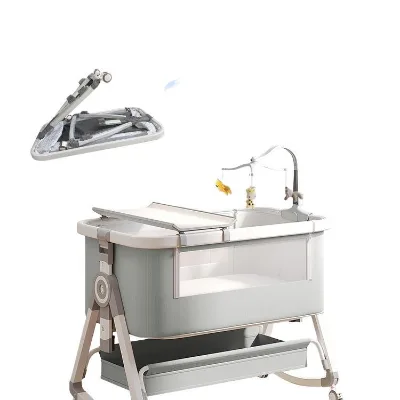
$81.9706 - $138.3238
MOQ: 2 Minimum
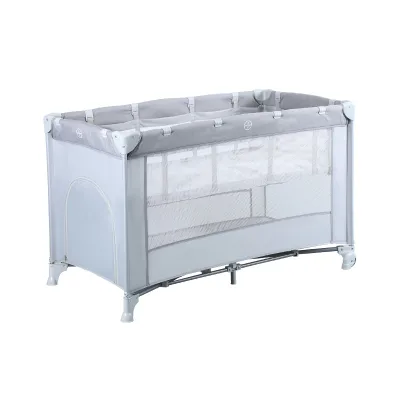
$40.9853 - $46.1084
MOQ: 5 pieces
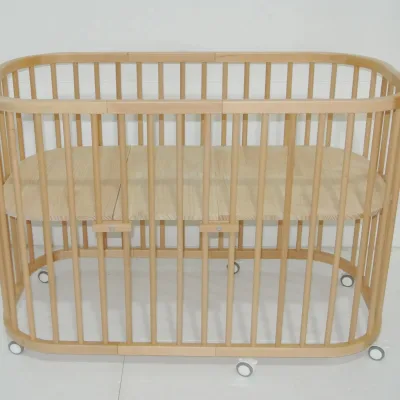
Dual Purpose Multifunction High Quality Custom Design Sleeping Foldable Cot Baby Bed and Chair
$143.8305 - $151.7579
MOQ: 200 pieces
Qingdao Lepinkids Homefurnishing Co., Ltd.
- Manufacturer, Trading Company
- Shandong, China
- Lead time30 days
- Avg. response≤ 6h
Main productsBaby Cribs,Baby Chair,Baby Mattress,Changing Table,Baby Wardrobe
Main marketsWestern Europe(50.00%), Domestic Market(20.00%), Northern Europe(5.00%), North America(5.00%), South Asia(2.00%), Southeast Asia(2.00%), Southern Europe(2.00%), Central America(2.00%), Eastern Europe(2.00%), Eastern Asia(2.00%), Mid East(2.00%), South America(2.00%), Oceania(2.00%), Africa(2.00%)
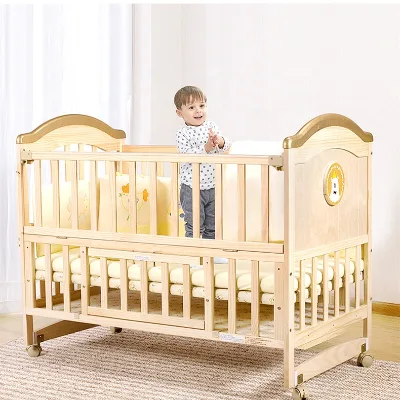
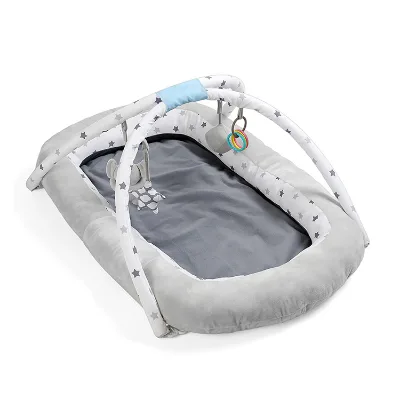
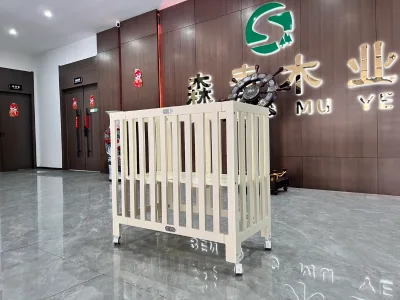
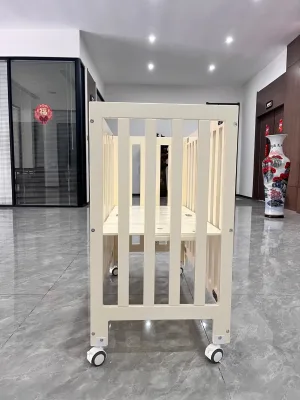
Hot Selling Portable Foldable Baby Crib, Lightweight Travel Bed for Newborn Toddler Infant
$77.2174 - $80.3063
MOQ: 200 cases
- Trading Company
- Hong Kong S.A.R.
- Lead time0 days
- Avg. response≤ 2h
Main productsBaby Cribs,Baby Chair,Baby Mattress,Changing Table,Baby Wardrobe
Main marketsNorth America(50.00%), Eastern Europe(20.00%), Mid East(10.00%), Southeast Asia(10.00%), South America(10.00%)
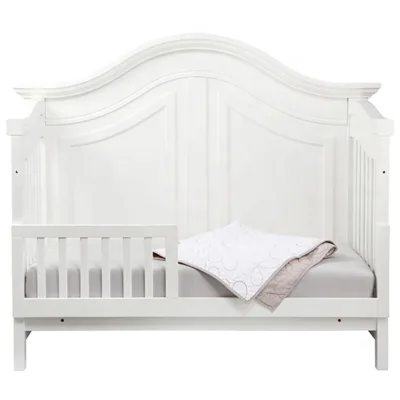
$127.73 - $141.0127
MOQ: 50 cases
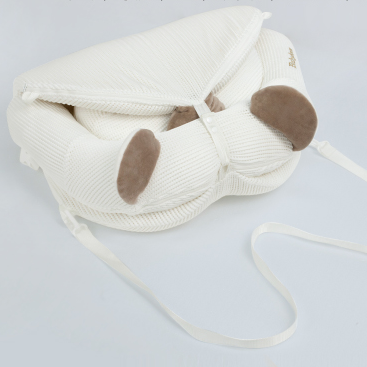
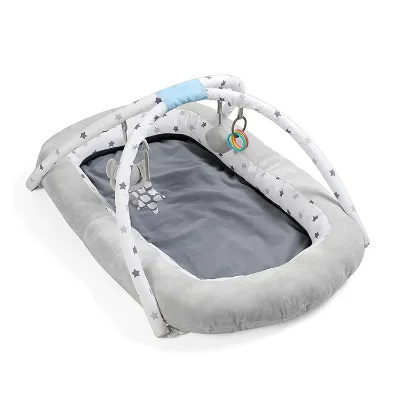
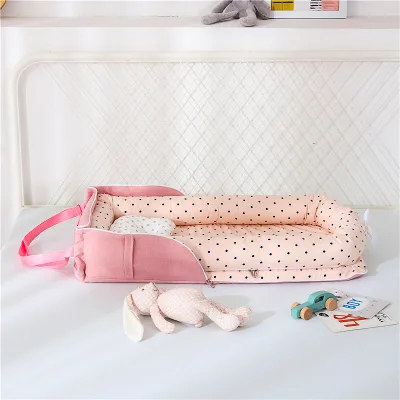
Soft 100% Cotton & Breathable Baby Nest Newborn Baby Bed Portable Adjustable Infant Floor Seat
$6.00 - $10.00
MOQ: 100 cases
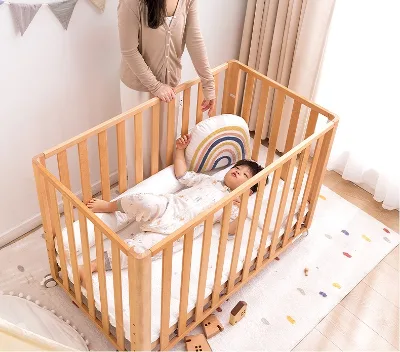
$82.5353 - $98.0111
MOQ: 50 cases
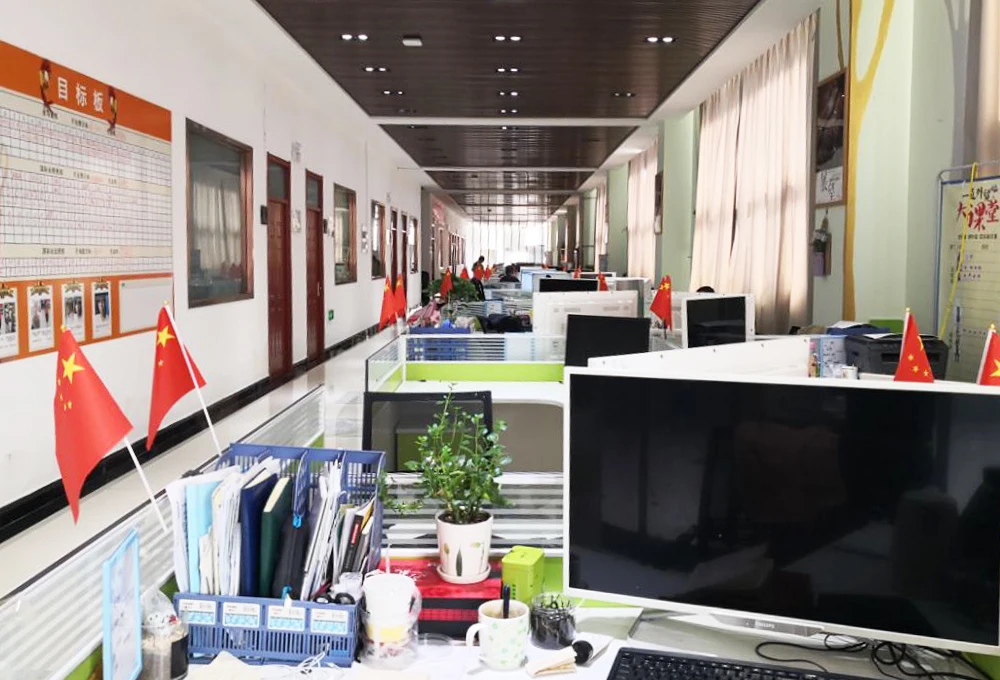
Zhongshan Beipai Trading Co., Ltd.
- Trading Company
- Guangdong, China
- Lead time25 days
- Avg. response≤ 2h
Main productsBaby Strollers/Baby Feeding Chairs/Baby Cribs/Baby Rockers,Pet Strollers,Kid's Furniture,baby rocker,baby crib
Main marketsNorth America(20.00%), Western Europe(20.00%), Eastern Asia(15.00%), Eastern Europe(12.00%), South America(10.00%), Oceania(8.00%), Southeast Asia(8.00%), Mid East(7.00%)
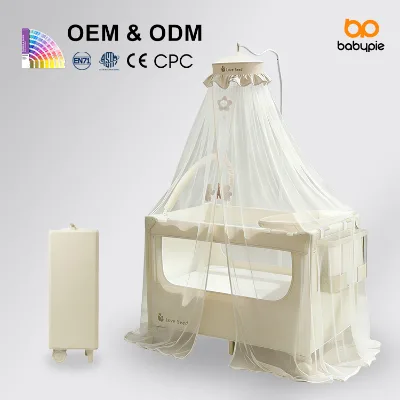
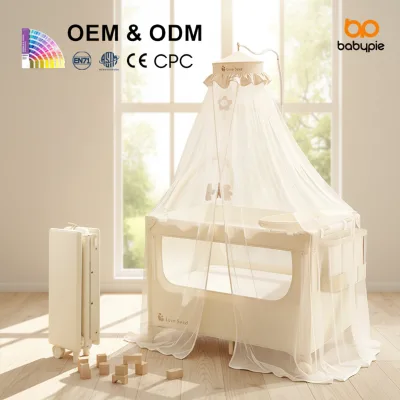
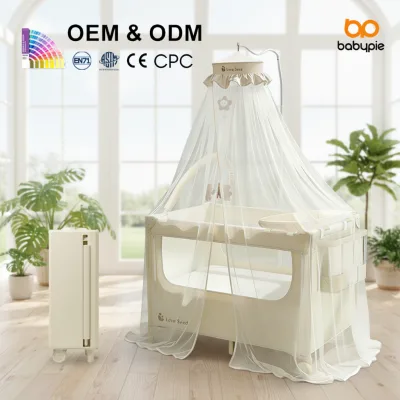
Foldable Travel Baby Bed with Drop Side Design for Outdoor Activities and Family Travel
$21.50 - $35.00
MOQ: 550
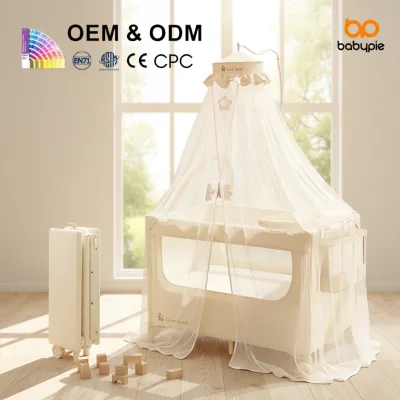
Baby Next to Me Bed Foldable Compact Design Baby Safe Material for Baby Daily Play & Sleep
$21.50 - $35.00
MOQ: 550
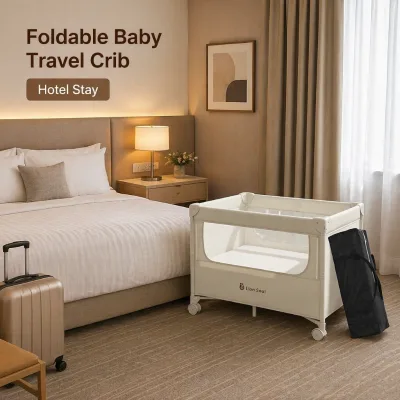
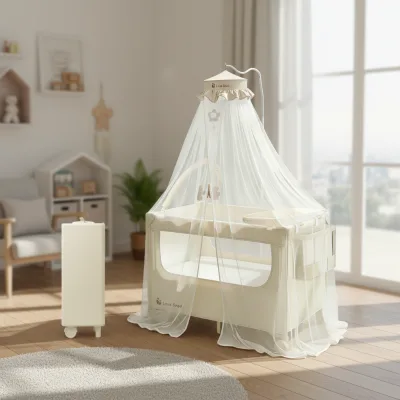
Solid Adjustable Baby Bed with Safety Railing for Protecting Baby During Sleeping
$21.50 - $35.00
MOQ: 550
Ningbo Foyomed Medical Instruments Co., Ltd.
- Manufacturer, Trading Company
- Zhejiang, China
- Lead time25 days
- Avg. response≤ 12h
Main productsOxygen Mask,Pipet Tips,Non-Woven Bandage,Swab,Suction Catheter
Main marketsEastern Europe(18.00%), Western Europe(15.00%), North America(15.00%), Southern Europe(8.00%), South America(8.00%), Southeast Asia(8.00%), Northern Europe(5.00%), Africa(5.00%), Mid East(5.00%), Oceania(4.00%), Eastern Asia(4.00%), South Asia(3.00%), Central America(2.00%)
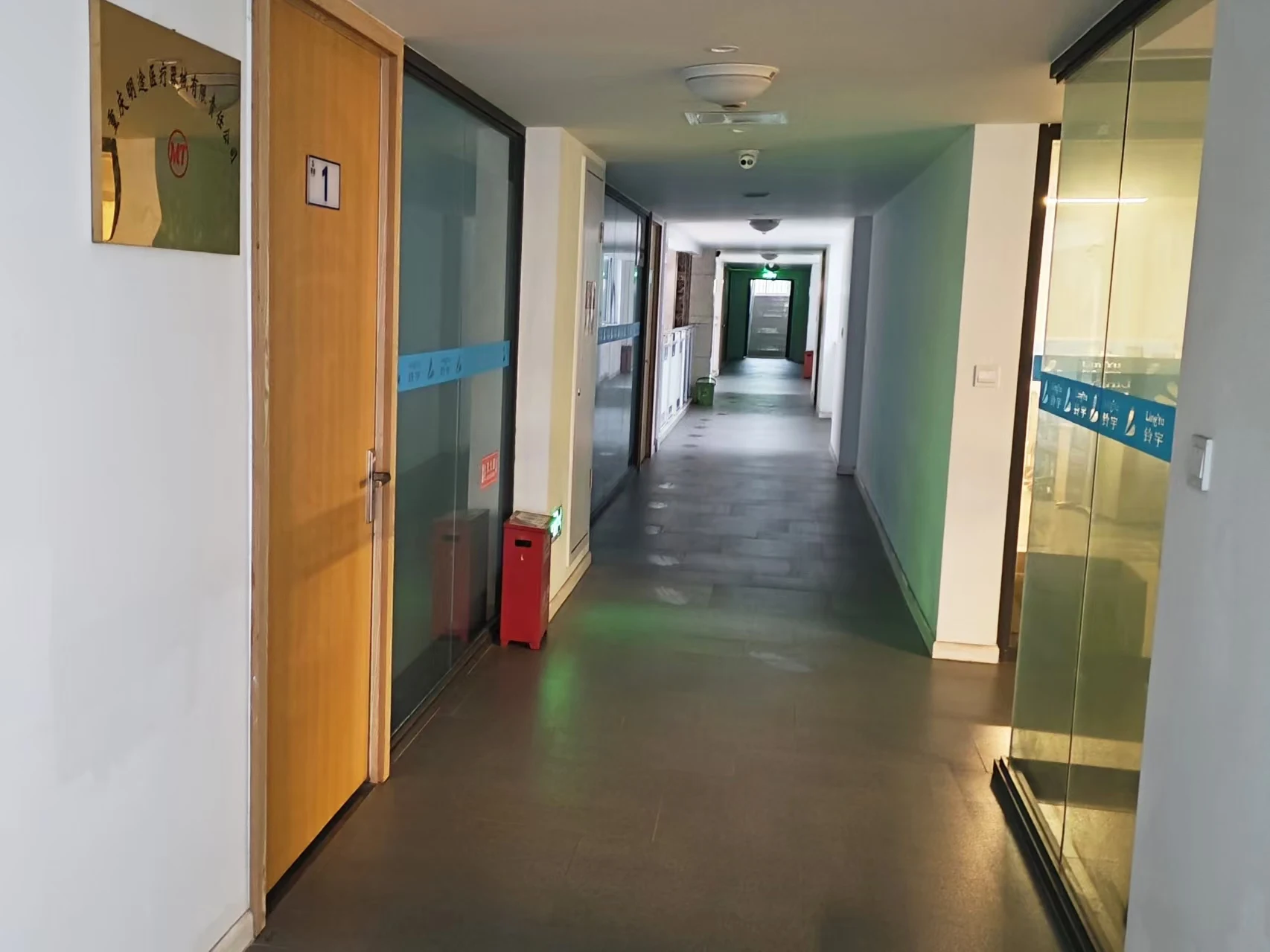
Chongqing Mingtu Medical Equipment Co., Ltd.
- Trading Company
- Chongqing, China
- Lead time0 days
- Avg. response≤ 2h
Main productsBaby products,Baby bed,Baby walker,Children bike,Baby stroller
Main marketsNorth America(20.00%), Africa(15.00%), Southeast Asia(15.00%), Oceania(15.00%), South America(15.00%), Western Europe(10.00%), Eastern Europe(10.00%)
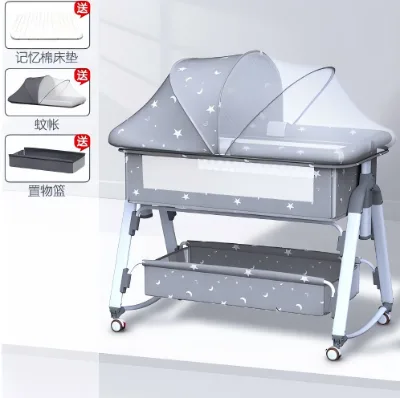
Portable Foldable Baby Bed with Storage Infant Nursery Bed for Newborns Premium Baby's Bedding
$28.45 - $28.9683
MOQ: 1 pieces
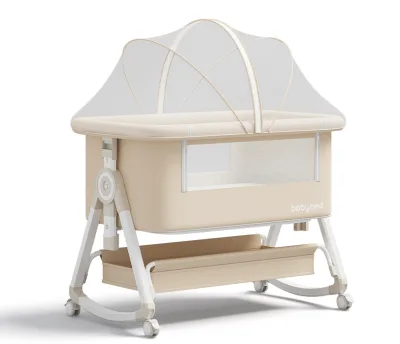
Large Size Baby Bed with Wheels Easy to Move for Nursery Use Knitted Technics
$31.80 - $32.00
MOQ: 1 pieces
Henan Le Shu Electronic Commerce Limited
- Verified by TüVRheinland
- Trading Company
- Lead time25 days
- Avg. response≤ 1h
Main productsBaby Stroller, Baby Crib, Baby Dining Chair, Baby Rocker, Pet Stroller
Main marketsWestern Europe(35%), North America(31%), Southeast Asia(10%)
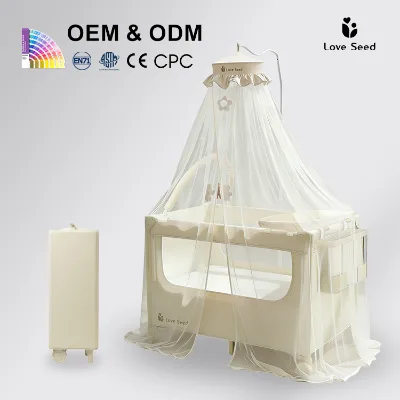
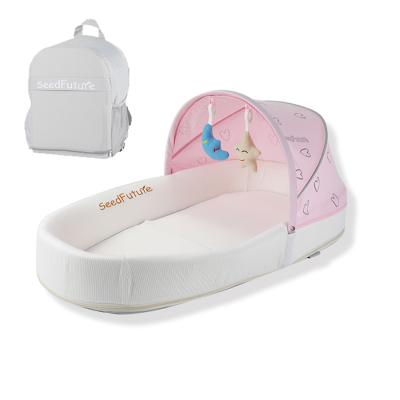
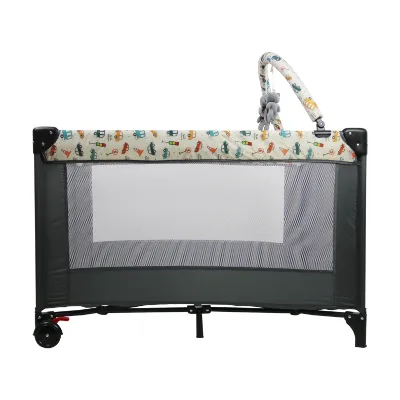
Portable Foldable Baby Crib 819 | Lightweight Nursery Bed | Easy Storage & Travel Baby Cot
$21.50 - $35.00
MOQ: 550 pieces
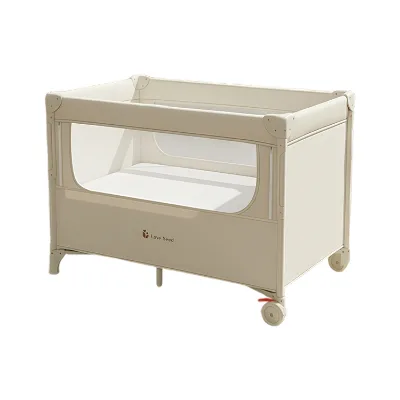
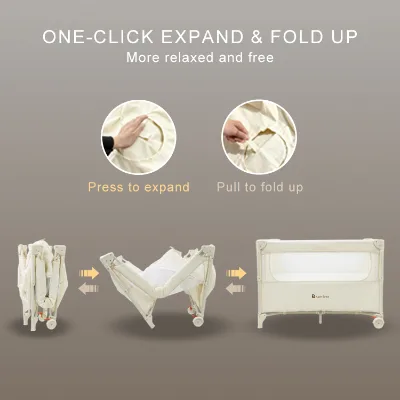
$21.9996 - $35.8142
MOQ: 550 pieces
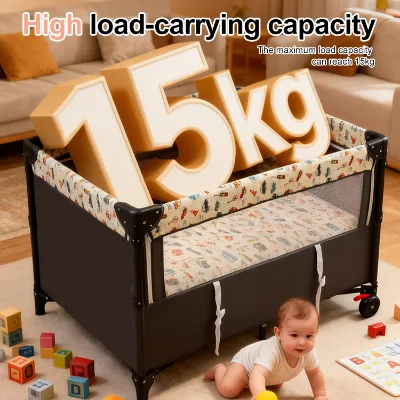
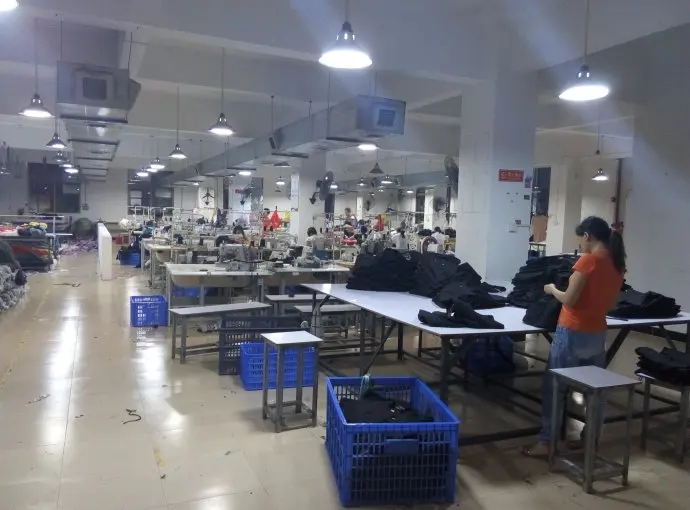
Shantou Minxin Clothing Co., Ltd.
- Manufacturer, Trading Company
- Guangdong, China
- Lead time5 days
- Avg. response≤ 4h
Main productsBaby Sleeping Bag,Baby Swaddle Blanket,Baby Products,Baby Clothing,Baby Sleeping Pillow
Main marketsDomestic Market(90.00%), Southeast Asia(5.00%), Eastern Europe(3.00%), North America(2.00%)
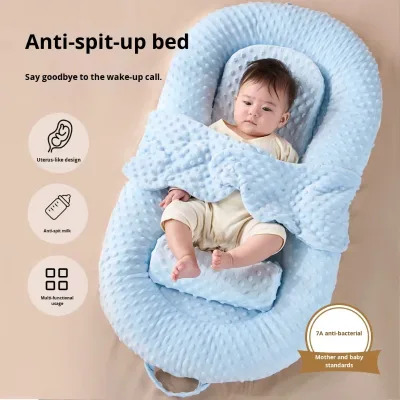
$12.2896 - $16.5214
MOQ: 50 Minimum
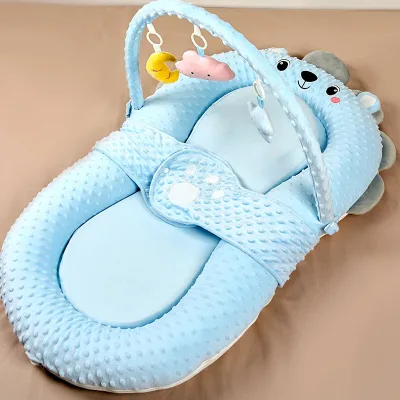
$16.2698 - $26.8097
MOQ: 50 Minimum
Shenzhen Brin Technology Co., Ltd.
- Verified by TüVRheinland
- Trading Company
- Lead time0 days
- Avg. response≤ 1h
Main productsPlush Toys, Educational Toys, Sensory Toys, Pet Products, Custom Products
Main marketsNorth America(40%), South America(20%), Western Europe(10%)

Suzhou Haoxin Medical Technology Co., Ltd
- Verified by BV
- Combined
- China Jiangsu
- Lead time15 days
- Avg. response≤ 1h
Main productsStretcher, Emergency Trolley, Basket Stretcher, First Aid, Stair Chair, Spine Board, Folding Chair, Funeral Product, Hospital Furniture, Chair Lift
Main marketsSouth America,Europe

Versatile Adjustable Bed for Newborns and Infants with Safety Features
$100.00 - $120.00
MOQ: 1 Pieces

Anhui Cool Baby Science & Technology Development Corporation
- Verified by SGS Group
- Manufacturer, Trading Company
- Lead time45 days
- Avg. response≤ 5h
Main productsBaby Playard, Baby Bassinet, Baby Chair, Baby Stroller, Baby Buggy
Main marketsNorth America(30%), Western Europe(20%), Northern Europe(10%)
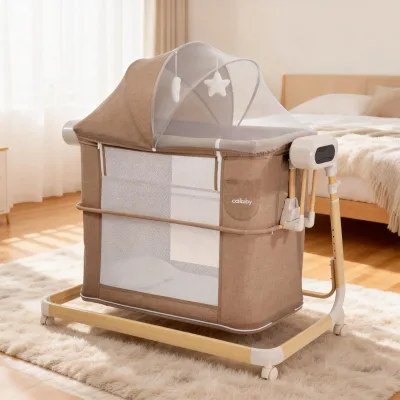
CB112 Cool Baby Height Adjustable Automatic Baby Bed for Newborn with Lullabies and App Control
$50.7283 - $54.8687
MOQ: 10 pieces
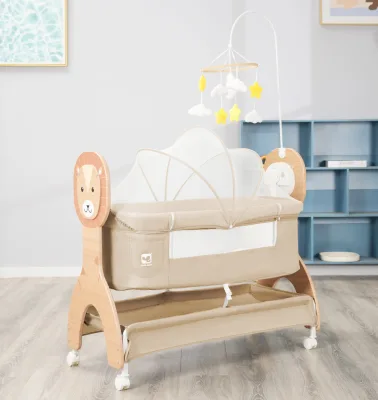
$40.3471 - $45.5197
MOQ: 10 pieces
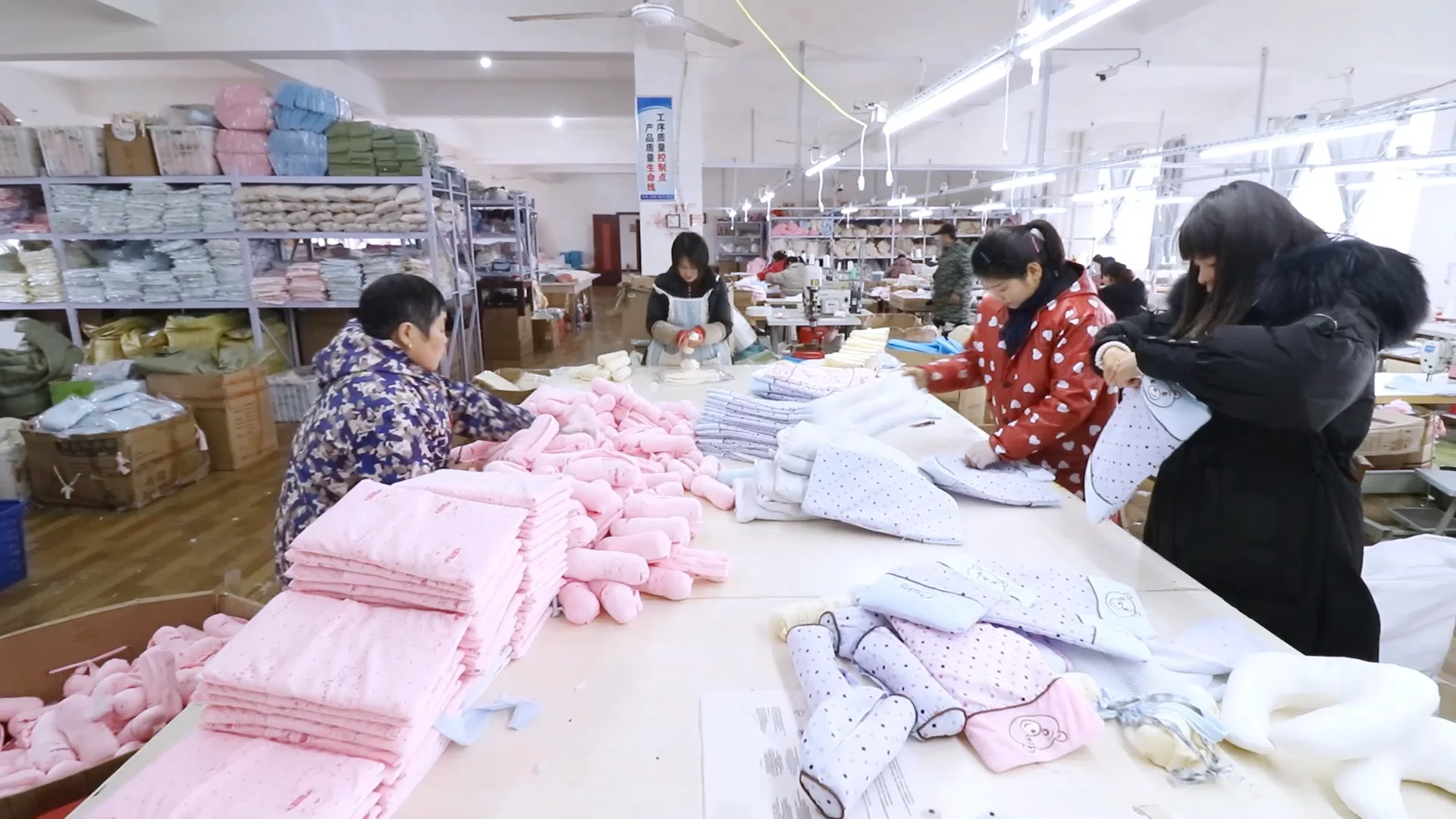
Shucheng Yulan childrens products Co., Ltd
- Manufacturer, Trading Company
- Anhui, China
- Lead time15 days
- Avg. response≤ 1h
Main productsNap Mat,Baby Nest,Baby Pillow,Footmuff,Baby Nest
Main marketsSoutheast Asia(50.00%), Western Europe(10.00%), Oceania(10.00%), North America(10.00%), Eastern Europe(10.00%), South America(10.00%)
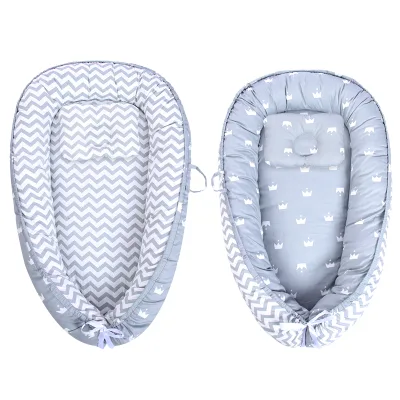
$8.0847 - $12.2147
MOQ: 100 pieces
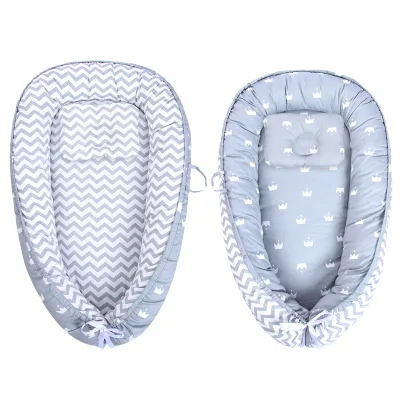
$8.1686 - $12.3405
MOQ: 100 pieces


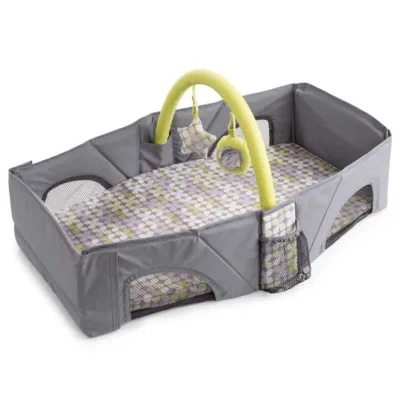
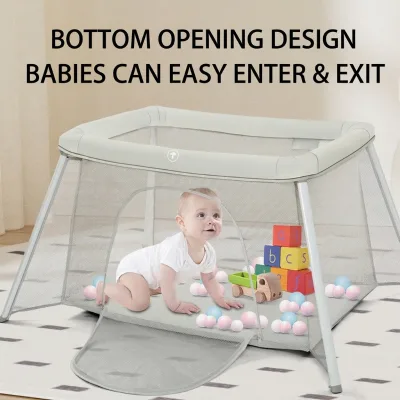
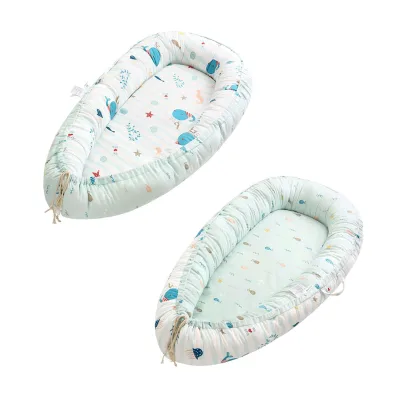


Comprehensive Sourcing Guide
Portable Multifunction Baby Bed Supplier Concentration and Factory Types
Suppliers of the Portable Multifunction Baby Bed on this results page are concentrated in Zhejiang, China, and that province is explicitly listed as a company location and as the stated origin for individual products. This matters because Zhejiang is one of China's most developed consumer-goods regions, and buyers sourcing in this category typically find the surrounding supply chain — frame metals, fabrics, foams, hardware, packaging and color-box printing — accessible within a short radius of the factories. When you evaluate other markets or platforms, you should identify clusters the same way: check whether a supplier's stated province matches its product origins, and favor suppliers whose manufacturing base sits where component sourcing is dense, since that usually compresses both cost and lead time.
Factory types on this page split into two camps. One supplier is labeled a combined company with a broad main-product list spanning kitchenware, textiles, memory foam, household items, outdoor products, TV products, fitness and baby products — a profile typical of a group or trading-style operation that consolidates multiple categories. Another is labeled a manufacturer/factory whose main products are entirely baby-related: baby beds, strollers, playpens, playards, camp cots, travel beds and prams. Both profiles can deliver, but they behave differently on customization depth, quality control ownership and pricing. A category-focused factory is generally easier to audit for crib-specific processes, while a combined exporter can be convenient when you are consolidating a mixed container. Verify which entity actually holds the production line before committing.
How to Verify Portable Multifunction Baby Bed Suppliers
Verification on this page starts with third-party inspection labels: one supplier is verified by BV and another by SGS, both of which are recognized inspection bodies. A verification badge, however, only confirms that the listed company identity and basic credentials were checked — it does not certify product safety. For a baby sleep product, you should go further and ask for the documents behind any claimed system certifications; one factory lists ISO 14001 and ISO 9001 system certifications, and individual product listings also cite ISO 9000 and ISO 14001 references, while one portable baby crib listing references EN 716 testing, which relates to children's cots and folding cribs. Treat every one of these as a claim to be validated by requesting the actual certificates with scope, validity dates and the certified entity name.
Beyond documents, verify capability against the product evidence. Listings on this page describe foldable frames, wheels, breathable mesh tops, disassembly, ODM and OEM capacity, and customization availability — ask each supplier to demonstrate these on a current production sample, not a catalog photo. Confirm the factory-to-exporter relationship by asking whether the verified legal name matches the entity that will appear on your invoice and bill of lading. Check response behavior as a practical signal: the suppliers here show displayed response times of roughly one hour and four hours respectively, so test whether quoted response speed holds when you send technical questions rather than simple inquiries. Finally, request references or repeat-order evidence for the specific multifunction baby bed models, since category experience matters more than general export history.
What to Compare Across Portable Multifunction Baby Bed Suppliers
Build a comparison grid using the dimensions actually displayed on this page. Lead time is one: one supplier shows a lead time of 23 days while another shows 60 days — a difference that can determine whether you hit a retail season. MOQ is another: displayed product MOQs here run at 300 units for one metal-frame portable crib and 500 units for other models, so align minimums with your first-order budget before investing in sampling. Response time, at roughly one to four hours for the suppliers shown, predicts how smoothly engineering questions will be handled. Also compare company type (factory versus combined exporter), verification body (BV versus SGS), location, and the breadth of main products, because a baby-goods-focused manufacturer and a diversified trading company will differ on customization depth.
Then compare at the product level, since a single supplier may quote very different models. On this page, prices range from about 20 to 22 dollars for metal-frame portable cribs, roughly 21 to 25 dollars for a newborn bed-in-bed with cushion, and up to 30 to 35 dollars for multifunctional and wheeled models — confirming that feature set, not just size, drives cost. Compare structure: one model is 120×60×76 cm with adjustable height and EN 716 testing noted; another is 90×48 cm foldable; a playpen-style bed is 111×66×78 cm at 8 kg. Compare materials (metal frame versus micro-foam sponge and honeycomb fabric), swing function, wheels, packing format (color box versus carton) and whether customization is genuinely available for your branding.
Common Portable Multifunction Baby Bed Sourcing Risks
The most serious risk in this category is quality-control drift on a product that infants sleep in. Foldable mechanisms, locking latches, mesh tension and mattress firmness are exactly the features that vary between a golden sample and mass production. One supplier on this page offers 23-day lead times, which is fast, but short lead times leave little buffer for pre-shipment inspection and rework — build a hold point before shipment regardless of the factory's schedule. Another risk is certificate ambiguity: listings may display ISO 9000, ISO 14001 or EN 716 references in attribute strings, but attribute text is not proof. A certificate issued to a sister company, an expired scope, or a test report on a different model are common failure modes you should actively rule out.
Commercial risks are equally concrete. MOQs of 300 to 500 units mean your trial order carries real inventory exposure, especially for customized colorways or packaging that cannot be resold. The combined-type supplier with a wide main-product list spanning kitchenware to fitness goods may not control baby-product production directly, which can surface as inconsistent samples or unclear accountability on defects. Price spreads on this page — from around 20 dollars to 35 dollars for superficially similar items — suggest differences in frame material, fabric grade or configuration that may not be obvious from photos; a low quote may exclude the features you assumed. Finally, lead times up to 60 days plus shipping can strand you between seasons if reorder timing is not planned backwards from your sales calendar.
Portable Multifunction Baby Bed Regional Sourcing and Logistics
The sourcing geography on this page is unambiguous: suppliers are located in Zhejiang, China, and at least one product listing states Zhejiang as its origin while another states China generally. That concentration has logistics consequences. Zhejiang sits within reach of major eastern Chinese ports, which matters for a bulky, lightweight item like a foldable baby bed — most of the shipped volume is air and packaging rather than dense weight, so container utilization and carton design directly affect your landed cost. When comparing quotations, ask each supplier for packed carton dimensions and units per container, because two models with similar unfolded footprints can differ significantly in folding-flat efficiency.
Lead-time planning should combine the displayed production windows with transit realities. A 23-day lead time from one supplier and a 60-day lead time from another are both plausible depending on order queue and model complexity, but add shipping, customs and inland handling before promising dates to your own customers. For EU-bound orders, note that one listing references EN 716, the European standard for children's cots — confirm which destination-market requirements apply to your specific model and destination before shipping, not after. Consider sourcing structure too: a factory in the cluster may ship FOB efficiently, while a combined exporter elsewhere in the chain may consolidate mixed containers from multiple Zhejiang factories. Ask where goods actually ship from, whether the listed province matches the shipping port used, and whether the supplier can split deliveries or hold finished stock for staggered releases.
Portable Multifunction Baby Bed Commercial Terms and Order Planning
Plan orders around the terms visible on this page. Displayed MOQs are 300 units for one metal-frame portable crib and 500 units for other baby bed models, so your pilot order will likely sit in that band. Price ranges run from about 20 to 22 dollars, 21 to 25 dollars, and up to 30 to 35 dollars depending on model, which gives you a realistic budgeting envelope but not a final quote — configuration choices such as adjustable height, swing function, fabric grade and packaging format will move the number. Confirm in writing what each quote includes: color-box versus carton packing, customization of logos or fabrics, and whether tooling or sample fees apply to your modified version.
Order sequencing should respect the displayed lead times of 23 and 60 days. For a new supplier relationship, order the lowest viable MOQ in a standard configuration, inspect it fully, then move to customized runs — customization is listed as available, and disassembly and ODM/OEM capacity appear as attributes, which supports a staged ramp-up. Secure the commercial relationship itself: confirm payment structure, warranty terms on folding mechanisms, and defect allowance in the contract, since these protect you more than any listing claim. Set a reorder calendar working backwards from transit time plus the longest plausible lead time among your shortlisted suppliers. Finally, keep the certificates, test reports and golden samples from your first order on file so reorders can be compared objectively against the approved reference rather than a new production batch.
FAQs
What is the price range for portable multifunction baby beds?
Prices typically range from $20.00 to $35.00 per unit depending on the specific model and customization options. Basic foldable designs start around $20.00, while premium models with wheels or advanced features may cost up to $35.00. Buyers should verify exact pricing based on order quantity and specific product attributes.
What is the minimum order quantity for these baby beds?
The minimum order quantity is generally 300 to 500 units. Some suppliers require a minimum of 500 units for standard portable beds, while others may accept orders as low as 300 units for specific multifunctional models. Buyers should confirm the exact MOQ with the supplier before placing an order.
How long does it take to manufacture these beds?
Lead times vary between 23 and 60 days depending on the supplier and order volume. Some manufacturers offer faster turnaround times of around 23 days, while others may require up to 60 days for production. Buyers should discuss specific delivery schedules with suppliers to ensure timely receipt of goods.
Are these baby beds customizable for branding?
Yes, customization is available for many portable multifunction baby beds. Suppliers offer OEM and ODM services, allowing buyers to customize colors, materials, and packaging. Some models also support logo printing or specific design adjustments. Buyers should confirm customization options and any associated costs with the supplier.
What certifications do these baby beds have?
Many portable multifunction baby beds come with ISO 9001 and ISO 14001 certifications. Some products also meet EN716 safety standards for children's furniture. Buyers should verify specific certifications for each product model to ensure compliance with local regulations and safety requirements.
Where are these baby beds manufactured?
These baby beds are primarily manufactured in China, with many suppliers located in Zhejiang province. The origin is consistently listed as China for most models. Buyers should confirm the specific manufacturing location with the supplier to understand logistics and shipping implications.