Candy Color Cotton Polyester Cardigan and Pants Set Suppliers and Manufacturers
Source 13 verified suppliers for Candy Color Cotton Polyester Cardigan and Pants Set. Compare Guangdong and Sichuan locations, OEM capabilities, and lead times. Contact suppliers directly to request samples and pricing; review the available evidence before requesting comparable quotations from suitable candidates.
Updated
Suppliers List
Guangzhou Gaoteng Garment Co., Ltd.
- Verified by Intertek
- Manufacturer, Trading Company
- Lead time0 days
- Avg. response≤ 2h
Main productsKids Sweater, Sweatshirt Set, Girl Dress, Kids Top, Baby Romper
Main marketsNorth America(60%), Northern Europe(15%), Southern Europe(9%)
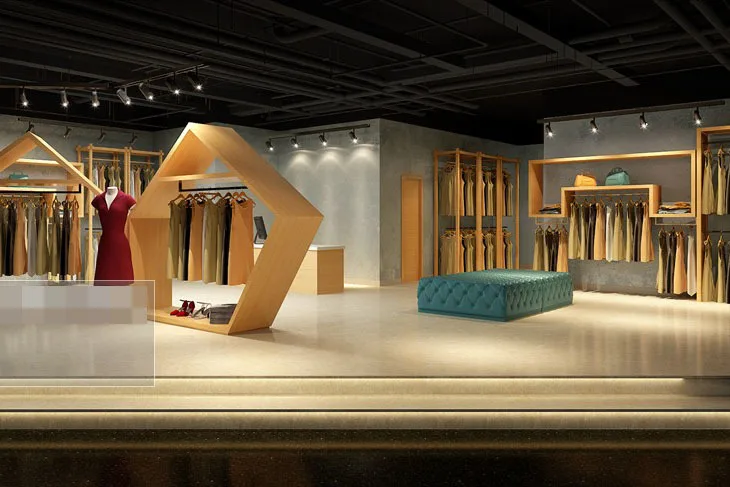
Love Double Apparel (Guangdong) Co., Ltd.
- Trading Company
- Guangdong, China
- Lead time10 days
- Avg. response≤ 5h
Main productsCasual Dresses, Women's Sets, Women's Blouses & Shirts, Women's Pants & Trousers, Women's Coats
Main marketsNorth America(50.00%), Africa(30.00%), Eastern Asia(10.00%), Western Europe(5.00%), Southeast Asia(5.00%)
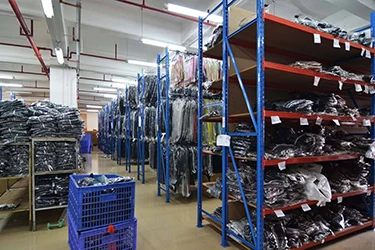
Chengdu Xinqiming Information Technology Co., Ltd.
- Trading Company
- Sichuan, China
- Lead time0 days
- Avg. response≤ 4h
Main productsWomen Clothing,Men Clothing,Children Clothing
Main marketsNorth America(100.00%)

Guangzhou BaiNaJia Garment Co., Ltd
- Verified by SGS
- Manufacturer/Factory
- China Guangdong
- Lead time45 days
- Avg. response≤ 3h
Main productsKnitted Sweater, Women Sweater, Men Sweater, Child Sweater, T-Shirt, Hoodies, Apparel, Custom Sweater, Sweater Products, Fashion Sweater
Main marketsEastern Europe,Mid East,North America
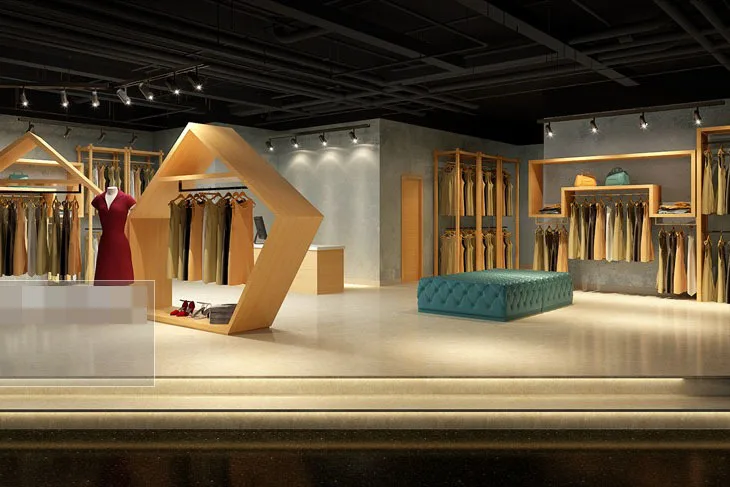
Dongguan Love Double Apparel Co., Ltd.
- Trading Company
- Guangdong, China
- Lead time0 days
- Avg. response≤ 3h
Main productsCasual Dresses, Women's Sets, Women's Coats, Women's Blouses & Shirts, Women's Pants & Trousers
Main marketsSouth Asia(5.00%), Western Europe(5.00%), North America(2.00%), Southern Europe(2.00%), Africa(2.00%), Eastern Europe(2.00%), South America(1.00%), Mid East(1.00%)
Xinxiang Chushi Clothing Co., Ltd.
- Trading Company
- Henan, China
- Lead time7 days
- Avg. response≤ 4h
Main productsClothing and Customization,Design and customization of label and water washing label patterns,Design and customization of clothing tags,LOGO Design and Customization,Clothing and Accessories
Main marketsNorth America(20.00%), Central America(10.00%), South Asia(10.00%), South America(10.00%), Mid East(10.00%), Africa(8.00%), Domestic Market(5.00%), Southeast Asia(5.00%), Eastern Asia(5.00%), Northern Europe(5.00%), Oceania(3.00%), Western Europe(3.00%), Southern Europe(3.00%), Eastern Europe(3.00%)
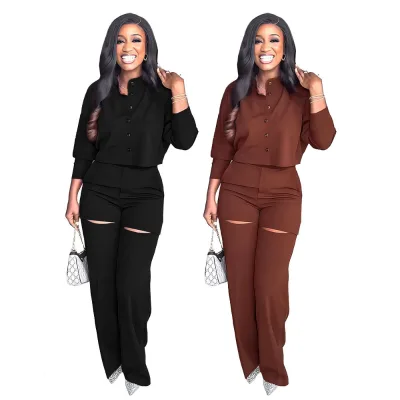
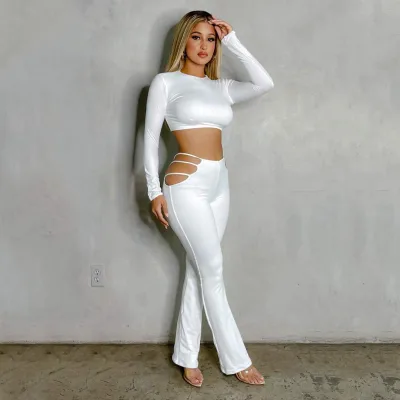
Spring Long Sleeved Cardigan Short Top Set Fashionable and Distressed High Pants Two-Piece Set
$10.00 - $10.67
MOQ: 2 pieces

- Verified by SGS
- Combined
- China Sichuan
- Lead time15 days
- Avg. response≤ 3h
Main productsCashmere Sweater, Baby Sweater, Wool Sweater, Cotton T Shirt, Organic Cotton Garments, Cashmere Pants, Cashmere Scarf, Baby Knitwear, Baby Blankets, Kids Sweaters
Main marketsEast Asia(Japan/ South Korea),Domestic,Europe,Australia,North America
Changsha Easylife Technology Co., Ltd.
- Trading Company
- Hunan, China
- Lead time0 days
- Avg. response≤ 3h
Main productsBag&Luggage,women clothing,men's clothing
Main marketsAfrica(75.00%), Mid East(10.00%), Central America(5.00%), South America(5.00%), North America(5.00%)
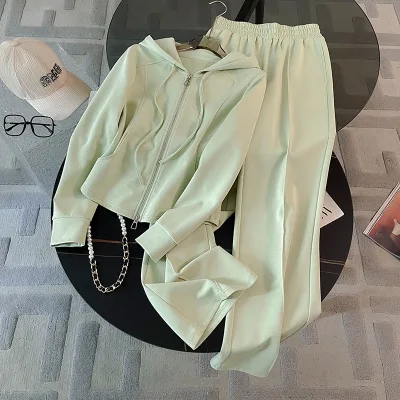
$7.1979 - $7.5784
MOQ: 2 pieces
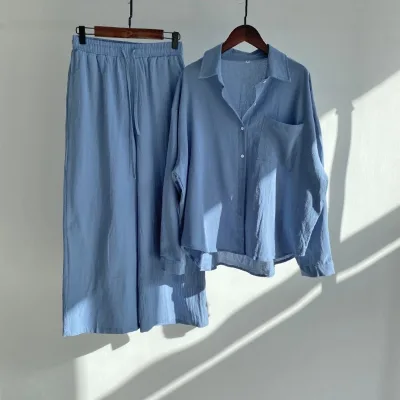

Wfs Cashmere Industry Co., Ltd
- Verified by CTI
- Combined
- China Shandong
- Lead time15 days
- Avg. response≤ 14h
Main productsCashmere Sweater, Women's Sweater, Men's Sweater, Cashmere Beanie, Cashmere Scarf, Child Sweater, Knitwear
Main marketsSouth America,Africa,East Asia(Japan/ South Korea),Europe,Australia,North America

Tong Lu Spring River Knitting Group Co., Ltd.
- Verified by BV
- Manufacturer/Factory
- China Zhejiang
- Lead time60 days
- Avg. response≤ 25h
Main productsSweater, Cashmere Cardigan, Cashmere Sweater, Knitwear, Merino Sweater, Knitted Pullover, Kid Sweater, Wool Sweater, Women Sweater, Men Sweater
Main marketsEastern Europe,Mid East,North America,Eastern Asia,Western Europe
- Verified by Intertek
- Manufacturer, Trading Company
- Lead time0 days
- Avg. response≤ 2h
Main productsT-shirt, Sweatshirt, Pants, Polo shirt, Children Garment
Main marketsNorth America(32%), South America(27%), Central America(18%)
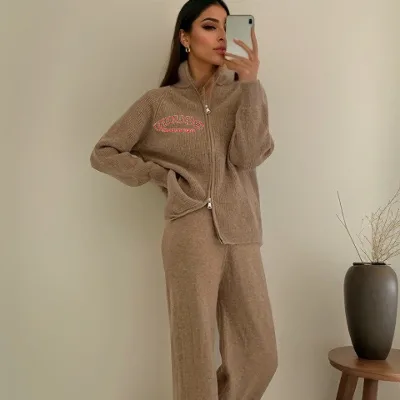
$11.5361 - $14.0932
MOQ: 20 pieces
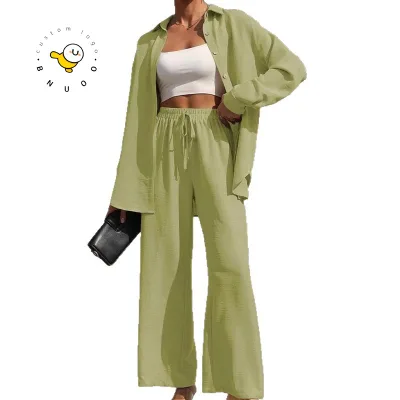
$8.3304 - $11.3788
MOQ: 100 pieces
Xiamen Hualecai Clothing Co., Ltd.
- Manufacturer, Trading Company, Distributor/Wholesaler
- Fujian, China
- Lead time5 days
- Avg. response≤ 6h
Main productsfashion clothing,women's clothing,swimsuit,Yoga Wear,shoes
Main marketsNorth America(95.00%), Western Europe(2.00%), Africa(2.00%), Southern Europe(1.00%)

Guangzhou Sunyoung Garment Co., Ltd.
- Verified by SGS
- Combined
- China Guangdong
- Lead time15 days
- Avg. response≤ 6h
Main productsPolo-Shirt, Shirt, Suit, Coat, Uifrom
Main marketsDomestic
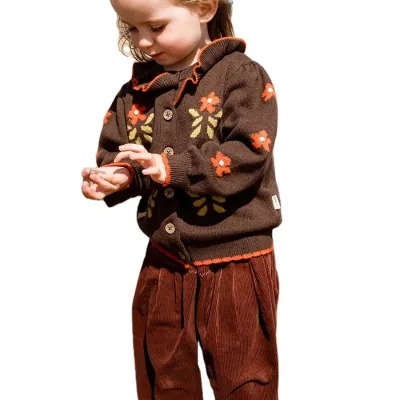
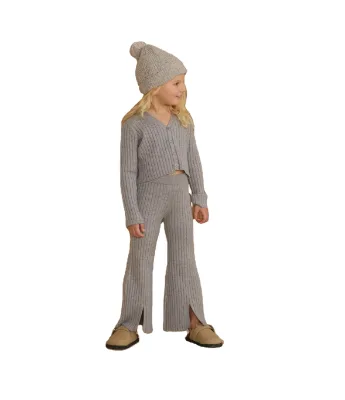
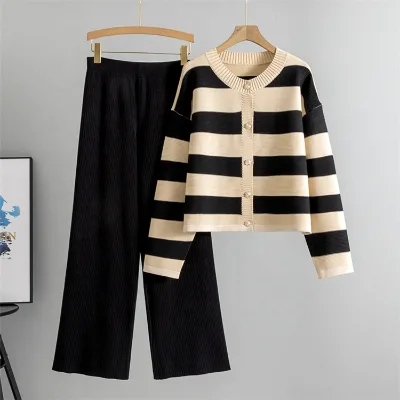
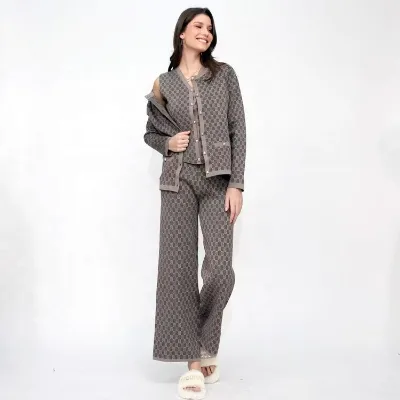
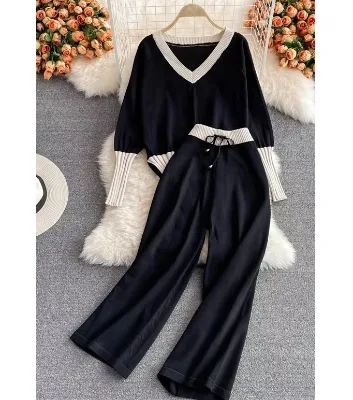
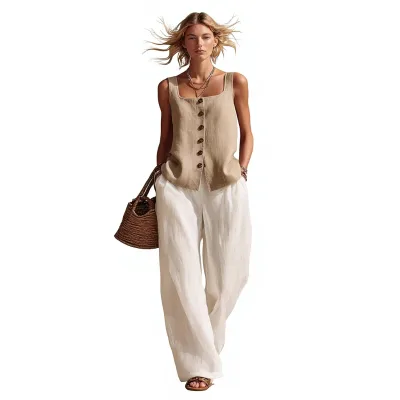
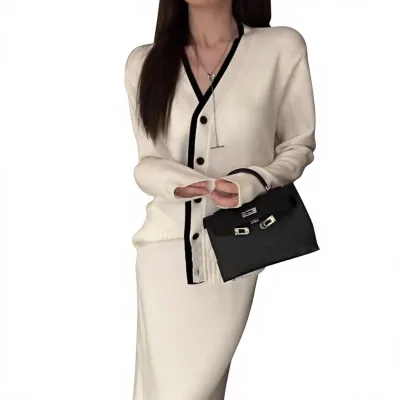


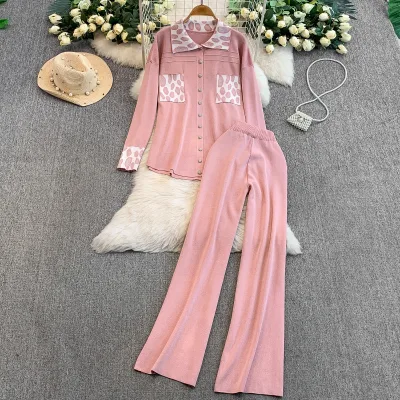
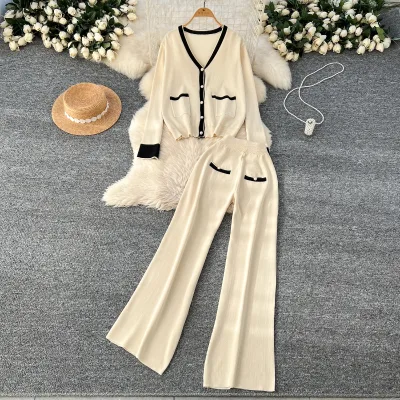


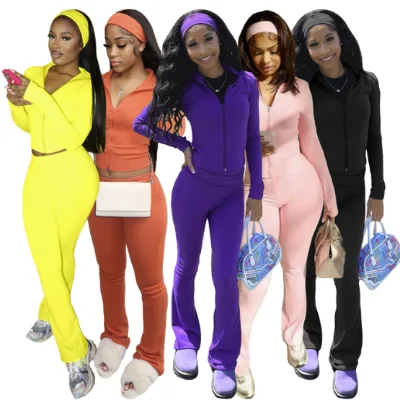
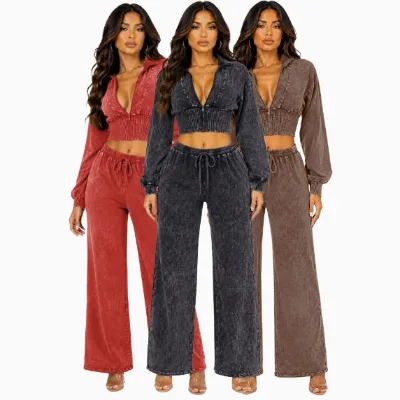



Comprehensive Sourcing Guide
Candy Color Cotton Polyester Cardigan and Pants Set Supplier Concentration and Factory Types
Sourcing results for this category show suppliers located in Guangdong, China and Sichuan, China, which tells you that knit set production is not confined to a single coastal cluster. Guangdong listings in the current results include a manufacturer-and-trading-company hybrid producing kids' knit cardigan and pants sets, with sample orders supported on short lead times, while Sichuan-based results lean toward trading companies focused on women's and children's apparel. When your search returns no cluster data at all, do not assume concentration; instead, triangulate by filtering for the product keyword, reviewing each company's listed main products, and noting which regions repeat across verified results before you commit to a region.
The supplier types you will encounter fall into three broad groups. Manufacturers, sometimes paired with a trading arm, list knit sets for children alongside sweaters, sweatshirts and rompers, and typically advertise light customization, on-demand customization, sample processing and graphic processing. Pure trading companies present broader apparel catalogs spanning women's sets, dresses, blouses and coats, and may offer in-stock items rather than made-to-order production. In-stock listings for knit two-piece sets in the current results carry attributes such as yarn-dyed fabric and autumn seasonality, which signals a different fulfillment model than OEM production. Match the supplier type to your intent: custom candy-color ranges need manufacturers with customization capacity, while fast replenishment of existing designs may suit a trading company with ready stock.
How to Verify Candy Color Cotton Polyester Cardigan and Pants Set Suppliers
Verification starts with the evidence a supplier presents on its listing page, not with claims made in chat. In current results, some suppliers hold third-party verification, with at least one assessed by Intertek, and system certifications listed including 16 CFR 1610 and CPC — both relevant if you sell children's knitwear into the United States. Treat these labels as starting points: confirm the certificate scope covers the specific garment category and fabric composition, and ask for the certificate number so you can validate it independently. A supplier listing 100% cotton or cotton-polyester knits should also be able to produce fabric composition reports on request.
Beyond documents, verify operational behavior. Response time is displayed for many listings; in the current results it ranges from around two hours to around five hours, which gives you a comparable signal of communication discipline before you ever send an inquiry. Check that the supplier's main products actually include knit sets or children's clothing rather than unrelated categories, since a mismatched catalog often indicates a generalist trader relisting items. Request product model numbers and cross-check attributes — one current listing shows model SE250925 with a defined package size and gross weight, which is the level of product specificity you want. Finally, place a sample order before production: several listings state support for a seven-day sample order lead time, and a paid sample with honest feedback is the most reliable verification step available to a buyer.
What to Compare Across Candy Color Cotton Polyester Cardigan and Pants Set Suppliers
Build a comparison sheet using the attributes that listings actually display, and leave fields blank rather than guessing when an attribute is absent. Useful dimensions include supplier type (manufacturer versus trading company), location, lead time, response time, main products, verification status and certifications. In the current results, lead time values vary noticeably — one Sichuan trading company lists a ten-day lead time while another listing shows zero, which likely reflects in-stock availability versus made-to-order production — so confirm what a displayed lead time actually covers before ranking suppliers on it. Response times of two versus five hours also meaningfully affect how quickly sample issues get resolved.
Product-level comparison matters just as much. Compare MOQ (one kids' knit set listing shows 100 sets), price bands, fabric content, size ranges and customization options. Current price examples span roughly USD 7.00–9.90 for a women's knit two-piece, USD 8.50–10.21 for a striped cardigan set, USD 12.00–13.98 for a three-piece jacquard set, and USD 15.88–16.89 for a children's floral knit cardigan and corduroy pants set — a reminder that garment count, fabric and target age drive price more than the cardigan-and-pants format itself. Also compare fabric attributes such as anti-wrinkle finish, 160-gram fabric weight or cotton-polyester blends, and whether sizes are customized or one-size, since these choices determine how well each supplier fits your candy-color program.
Common Candy Color Cotton Polyester Cardigan and Pants Set Sourcing Risks
The most frequent risk in this category is a mismatch between listing and reality. A listing may show one-size products (as one current women's cardigan set does) while your retail channel needs a graded size run, or it may show a solid pattern when your candy-color program requires multi-color production. Color accuracy is a particular risk for candy-color palettes, which sit in saturated pastel ranges where a cotton-polyester blend can take dye differently from pure cotton — one current listing specifies 100% cotton while others specify cotton-polyester or polyester-cotton blends, and that composition difference changes both shade and washfastness. Always approve a lab-dip or sample in your target colors before bulk.
Other risks cluster around compliance and communication. If you source children's sets, a supplier without children's-apparel certifications may not be able to support the safety testing your market requires, even if the price is attractive; current results show only some suppliers listing 16 CFR 1610 and CPC certification. Trading companies reselling another factory's output introduce a further layer: lead times and MOQs they quote may depend on an upstream producer you never speak to. Fabric weight and seasonality also create risk — a listing marked for autumn with standard-thickness knitting may not suit your spring drop. Finally, blank attributes (no displayed MOQ, no lead time, no response-time figure) are not proof of a bad supplier, but they do mean you must obtain that information in writing before you transfer any deposit.
Candy Color Cotton Polyester Cardigan and Pants Set Regional Sourcing and Logistics
The two regions appearing in current results, Guangdong and Sichuan, imply different logistics profiles. Guangdong sits in the coastal manufacturing belt with well-developed export infrastructure, which typically shortens inland transport to major ports, while Sichuan is an inland province where goods travel further before vessel loading. Do not assume either advantage blindly; ask each supplier which port or airport they ship from, whether the quoted price is FOB, EXW or CIF, and what the displayed lead time (such as the ten days shown by one Sichuan trading company) actually includes — production only, or production plus handover at port.
Packaging and unit weights directly affect freight cost for knit sets, so compare them across listings. Current product data show single package sizes of roughly 30×25×6 cm and 30×24×5 cm with gross weights from about 0.8 kg to 1.2 kg, and one women's set at 40×40×10 cm — meaningful differences when you calculate container utilization for bulky knitwear. Knit cardigans compress well, but packaging choices (polybag versus boxed) change carton counts. Also confirm whether the supplier supports seven-day sample dispatch, since a supported sample lead time signals a functioning sample room rather than a middleman waiting on a third party. For regional comparisons, weigh total landed cost — product price plus inland freight plus port charges — rather than unit price alone, because an inland supplier's lower quote can erode once trucking to a coastal port is added.
Candy Color Cotton Polyester Cardigan and Pants Set Commercial Terms and Order Planning
Commercial planning for this category should begin with the MOQ and price band evidence on each listing. Current results show a 100-set MOQ on a children's knit set, which is workable for testing a multi-color candy range — for example, three or four colors at 100 sets each. Prices in the results range from roughly USD 7 to USD 17 depending on garment count, fabric and target age, so normalize quotes before comparing: specify identical composition (cotton-polyester blend), identical size grading, identical packaging and identical trim so every supplier prices the same garment. Confirm whether quoted prices are per set or per piece, since two-piece and three-piece sets in the results illustrate how easily that confusion arises.
Order planning should sequence sample, trial bulk and repeat orders. Use the suppliers that support fast sample dispatch (several current listings state support for seven-day sample orders) to validate color and fit, then scale in stages: a first bulk near the displayed MOQ, a quality review, and only then consolidation into larger seasonal buys. Negotiate payment terms that keep risk proportional — a modest deposit with balance after inspection is standard practice — and confirm the production lead time in writing with a penalty clause for delays, especially where a listing shows a ten-day lead time that may exclude peak-season queuing. Finally, align reorder planning with fabric weight and season attributes on each listing, since yarn-dyed autumn-weight knits and lighter all-season sets will need different booking windows.
FAQs
What materials are used in these cardigan and pants sets?
The sets are crafted from 100% cotton or cotton-polyester blends. These fabrics ensure breathability and comfort for daily wear. Some options feature knitted textures for added warmth. Buyers can choose solid colors or striped patterns based on preference. The material choice supports durability and ease of care for both children and adults.
What is the minimum order quantity for custom sets?
The minimum order quantity is typically 100 sets. This threshold applies to customized sizes and logo placements. Buyers seeking OEM services must meet this baseline requirement. Stock items may have different terms, but customization requires bulk commitment. Verify specific MOQ details with the supplier before finalizing your order.
How long does sample processing take for these sets?
Sample processing generally supports a seven-day lead time. This duration allows for quality checks and customization adjustments. Buyers can request samples to verify fabric quality and fit. The supplier confirms support for sample orders within this timeframe. Expedited options may be available upon direct negotiation with the manufacturer.
Where are these clothing sets manufactured?
These sets are manufactured in Guangdong and Sichuan, China. Guangdong suppliers often offer light customization and graphic processing. Sichuan-based suppliers provide ready-to-ship options for women's sets. The location influences shipping logistics and lead times. Buyers should confirm the specific origin to align with their supply chain needs.
What certifications do these products hold?
Products hold CPC and 16 CFR 1610 certifications. These standards ensure safety for children's clothing items. The verification is conducted by Intertek for reliability. Buyers importing to regulated markets should request these documents. Compliance with these standards is essential for selling kids' apparel in international markets.
What is the typical response time from suppliers?
Suppliers typically respond within two to five days. This timeframe allows for detailed inquiries and quotation requests. Faster responses may occur for stock items. Buyers should expect prompt communication regarding customization and pricing. Consistent response times help streamline the sourcing process for bulk orders.