Light Weight Rubber Football Shoes Suppliers and Manufacturers
Compare 25 verified suppliers of Light Weight Rubber Football Shoes based on location, lead times, certifications, and pricing. Review product specifications like materials and customization options, then request quotes directly from manufacturers in China Fujian; review the available evidence before requesting comparable quotations from suitable candidates.
Updated
Suppliers List

Quanzhou Ascending Sports Co., Ltd.
- Manufacturer/Factory
- China Fujian
- Lead time105 days
- Avg. response≤ 25h
Main productsSports Shoes, Shoes, Running Shoe, Sneaker, Soccer Shoes, Children Shoes, Custom Outsole Mould, Outsole, Footwear, Outsole Mold Custom
Main marketsSouth America,Eastern Europe,Mid East,North America,Southeast Asia,Eastern Asia,Oceania,Western Europe,Africa


Indoor Soccer Shoes Rubber Outsole Football Footwear Outdoor Soccer Shoes, Football Shoes (817-172)
$6.50 - $7.80
MOQ: 600 Pairs

HK Nineup International Trading Limited
- Trading Company,Manufacturer/Factory
- China Fujian
- Lead time45 days
- Avg. response≤ 7h
Main productsRunning Shoes, Football Shoes, Outsole, Shoes Material, Ceramic Crafts, Shoe Machine, Golf Shoes
Main marketsSouth America,Eastern Europe,North America,Southeast Asia,Western Europe

Quanzhou Alex Sports Goods Co., Ltd.
- Verified by SGS
- Trading Company
- China Fujian
- Lead time15 days
- Avg. response≤ 2h
Main marketsSouth America,Southeast Asia/ Mideast,Europe,Australia,North America

Soft Touch Material Breathable Flexible Structure Football Shoes for Sports Activities
$8.00 - $14.00
MOQ: 100 Pairs


Comfortable and Stable Football Shoes with Enhanced Traction Performance
$8.00 - $14.00
MOQ: 100 Pairs


OEM/ODM Lightweight PU Uppe Multi-Surface Compatibility Breathable Football Shoes
$8.00 - $14.00
MOQ: 100 Pairs

Quanzhou Gushi Technology Co., Ltd.
- Verified by CTI
- Trading Company
- China Fujian
- Lead time15 days
- Avg. response≤ 25h
Main productsShoes, Clothing, Dried Flower, Dolls, Shoes Charms, Bags, Shoes Accessories, Home Craft Decorations
Main marketsEurope


Outdoor Sport Football Shoes for Men Comfortable Anti-Skid Soccer Sneakers
$8.58 - $10.00
MOQ: 50 Pairs

Rui'an Hehang International Trade Co., Ltd.
- Verified by Intertek
- Trading Company
- Lead time20 days
- Avg. response≤ 5h
Main productsSports Shoes, Canvas Shoes, Soccer Shoes, Sandals Shoes, Boots
Main marketsSoutheast Asia(25%), Western Europe(15%), North America(12%)
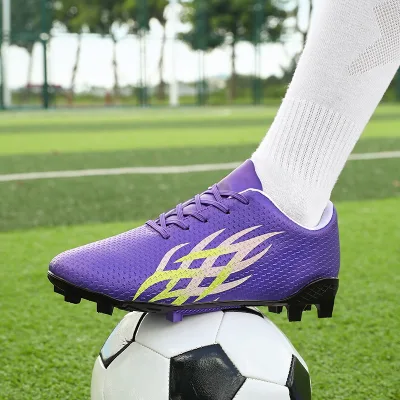
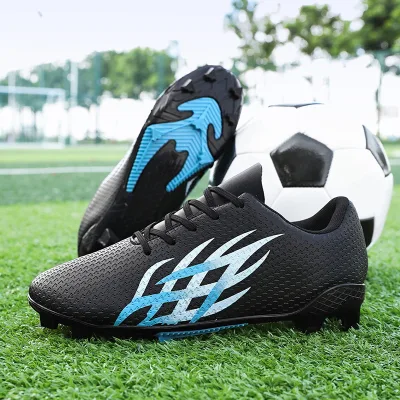
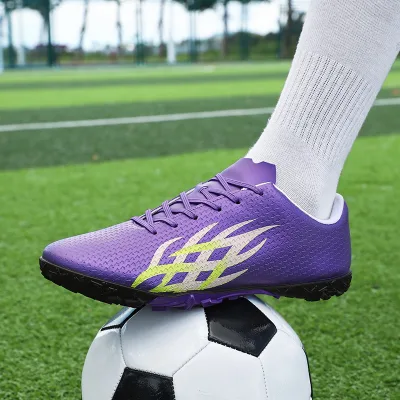
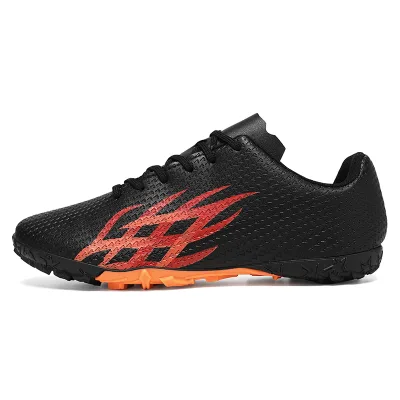
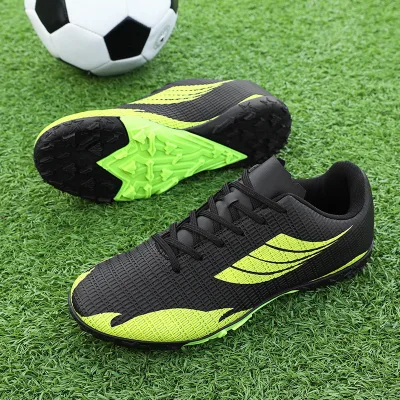
Hot Selling Breathable Anti-Odor Football Shoes Professional Man Soccer Competition Sneakers
$3.80 - $4.80
MOQ: 2 pairs
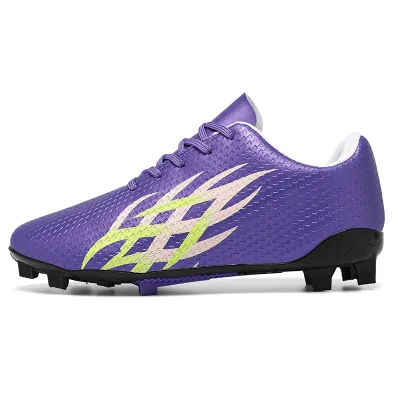
Hebei Aiwoer Import And Export Trade Co., Ltd.
- Manufacturer, Trading Company
- Hebei, China
- Lead time7 days
- Avg. response≤ 1h
Main productspaper bag,paper rope,paper handle,barefoot shoes,water shoes
Main marketsNorth America(30.00%), Western Europe(20.00%), Mid East(14.00%), South America(10.00%), Southeast Asia(7.00%), Oceania(5.00%), Southern Europe(5.00%), Domestic Market(3.00%), Northern Europe(2.00%), South Asia(2.00%), Eastern Europe(2.00%)

QUANZHOU JINJIANG NEW BLT SHOES CO.,LTD
- Verified by BV
- Trading Company,Manufacturer/Factory
- China Fujian
- Lead time0 days
- Avg. response≤ 22h
Main productsSport Shoes, Casual Shoes, Hiking Shoes, School Shoes, Canvas Shoes, Water Shoes, Outdoor Shoes, Skateboard Shoes, PVC Injection Shoes, Running Shoes
- Verified by TüVRheinland
- Manufacturer, Trading Company
- Lead time50 days
- Avg. response≤ 4h
Main productsSports Shoes, Casual Shoes, Children Shoes, Tennis Shoes, Hiking Shoes
Main marketsNorth America(40%), Western Europe(30%), South America(10%)
Yongkang Taige Daily Necessities Business Department.
- Trading Company
- Jinhua, China
- Lead time15 days
- Avg. response≤ 2h
Main productscup,bottle,Musical Instruments,bicycle,camping
Main marketsCentral America(30.00%), North America(20.00%), South America(20.00%), Southern Europe(10.00%), Northern Europe(10.00%), Western Europe(10.00%)
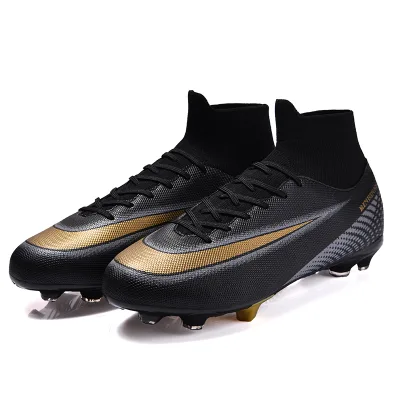
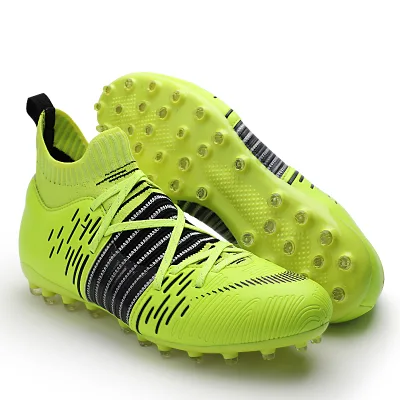
Wholesale Professional Competition Indoor and Outdoor Training Shoes Football Shoes
$15.00 - $17.66
MOQ: 1 pairs
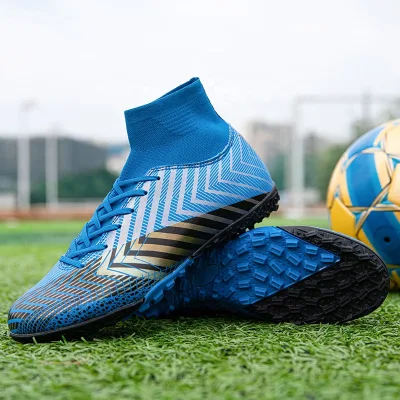
New Style Mens Soccer Shoes Football Cleats Turf Tf Ag Football Soccer Shoes Boots for Men
$13.50 - $15.50
MOQ: 1 pairs
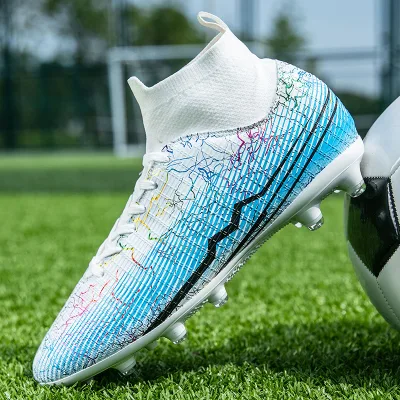
$14.616 - $17.2255
MOQ: 2 pairs
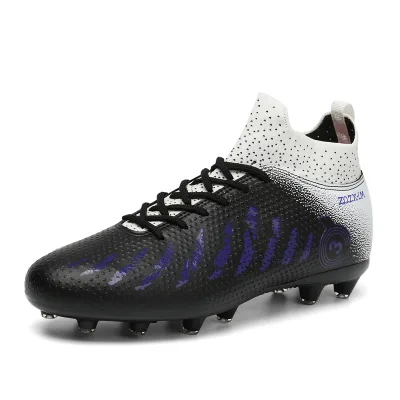
$16.3057 - $18.6546
MOQ: 1 pairs

- Verified by BV
- Trading Company
- China Fujian
- Lead time45 days
- Avg. response≤ 15h
Main productsShoes, Sport Shoes, Running Shoes, Casual Shoes, Skate Shoes, Hiking Shoes, Comfort Shoes, Sandals, Slippers, Vulcanize Shoes
Main marketsSouth America


Anti-Slip Sport Football Shoes Light Soccer Footwear Comfortable Sneaker
$7.55 - $18.55
MOQ: 600 Pairs


Quanzhou Hantuo Shoes Co., Ltd.
- Verified by Intertek
- Manufacturer, Trading Company
- Lead time15 days
- Avg. response≤ 5h
Main productsCustom Shoes, Custom Slipper
Main marketsNorth America(80%), Western Europe(15%), Southeast Asia(5%)
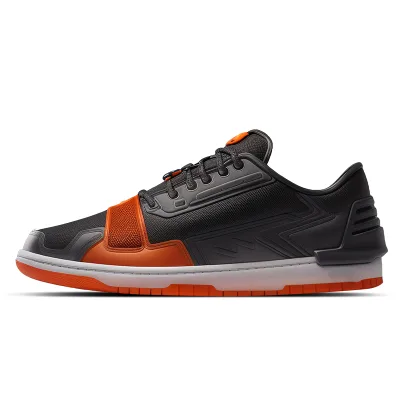
$21.5817 - $29.8057
MOQ: 2 pairs
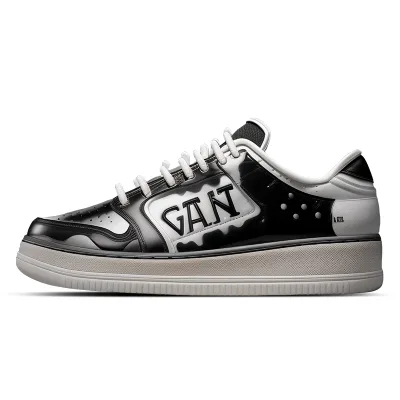

Guangzhou Caixin Inflatable Products Co., Ltd.
- Verified by SGS
- Trading Company
- China Guangdong
- Lead time15 days
- Avg. response≤ 11h
Main productsInflatable, Inflatable Tent, Inflatable Bouncer, Inflatable Slide, Inflatable Water Park, Helium Balloon, Inflatable Advertising Replica, Inflatable Toys, Interactive Inflatable, Festival Inflatable
Main marketsOthers(foreignTradeCapacity.exportBusinessCapacityMarketOther)
Yiwu Binsen Sports Goods Co., Ltd.
- Trading Company
- Zhejiang, China
- Lead time15 days
- Avg. response≤ 3h
Main productsBasketball; Soccer Ball; Volleyball; Ping Pong Racket; Sport Bag Jump Rope; Badminton Racket
Main marketsEastern Europe(29.00%), Central America(13.00%), South America(11.00%), Western Europe(11.00%), Southern Europe(8.00%), North America(7.00%), Southeast Asia(6.00%), Mid East(4.00%), South Asia(3.00%), Eastern Asia(2.00%), Oceania(2.00%), Northern Europe(2.00%), Africa(1.00%), Domestic Market(1.00%)

Quanzhou Feitianyue Trading Co., Ltd.
- Verified by TUVRHEINLAND
- Trading Company
- China Fujian
- Lead time23 days
- Avg. response≤ 10h
Main productsSoccer Shoes, Sports Footwear, Running Shoes, Basketball Shoes, Men Casual Shoes, Women Casual Shoes
Main marketsDomestic

New Design Lightweight Rubber Indoor/Outdoor Futsal Turf Soccer Training Footwear Football Shoes
$20.00 - $30.00
MOQ: 5 Pairs

Cool Fashion Black Soccer Shoes Anti-Slip Wear-Resistant Football Shoes Light Footwear Custom
$20.00 - $30.00
MOQ: 5 Pairs

Stylish Running Shoes for Football Custom Fit Sizes 36-45 Comfortable Soccer Shoes
$20.00 - $30.00
MOQ: 5 Pairs
Huizhou Lucky Stone Technology Co., Ltd.
- Manufacturer, Trading Company
- Guangdong, China
- Lead time15 days
- Avg. response≤ 5h
Main productsRoller Skates,Scooters,Bikes,Camping&Hiking
Main marketsNorth America(40.00%), Domestic Market(17.00%), Northern Europe(10.00%), Oceania(10.00%), Eastern Europe(10.00%), Mid East(8.00%), South America(5.00%)
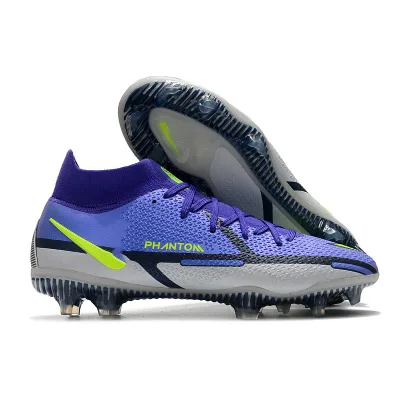
Men Weave Breathable Krampon Sport Football Shoes
$37.00 - $42.50
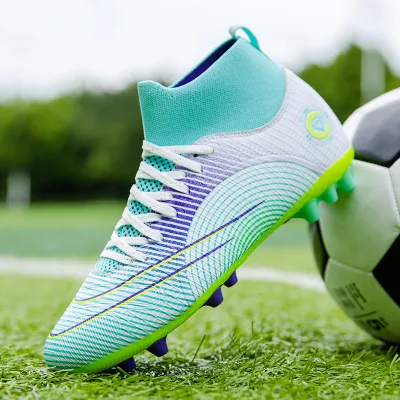
$9.00 - $18.67
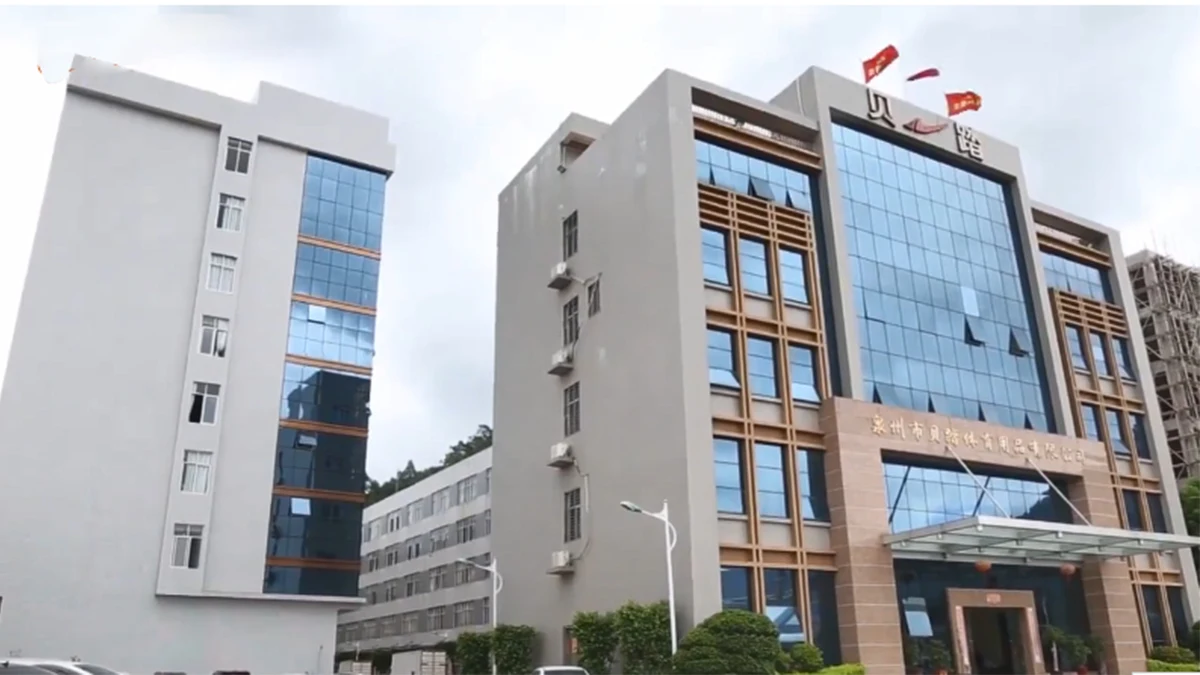
Quanzhou Beita Sporting Goods Co., Ltd.
- Manufacturer, Trading Company
- Fujian, China
- Lead time40 days
- Avg. response≤ 5h
Main productsSports Shoes,Casual Shoes,Fashion Sneakers,Kid shoes,football shoes
Main marketsDomestic Market(100.00%)
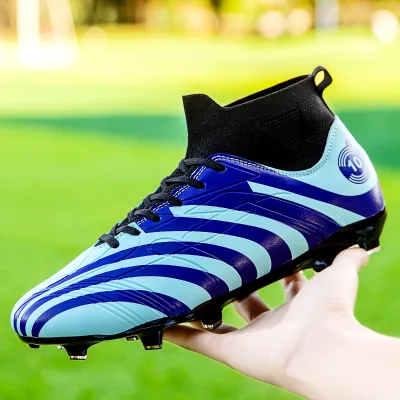
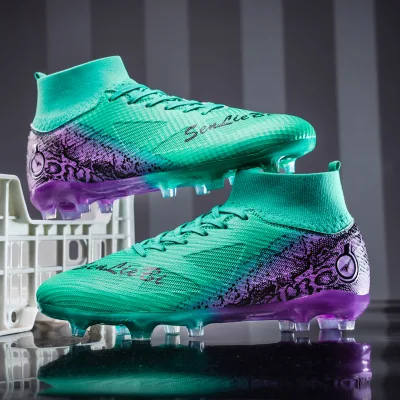
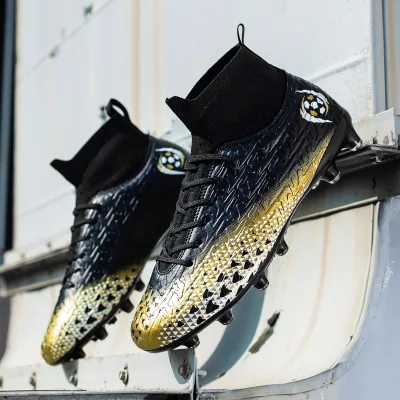
$11.7893 - $13.2678
MOQ: 5 pairs
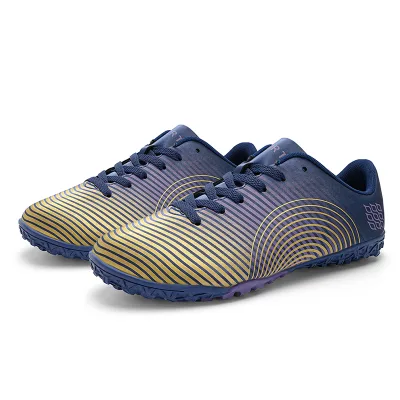
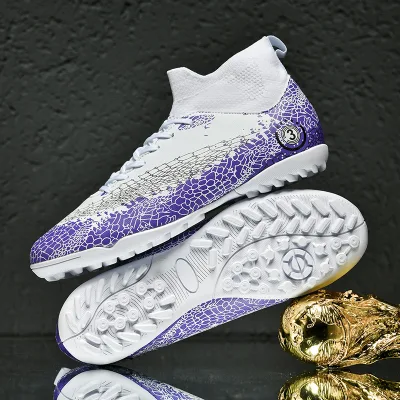
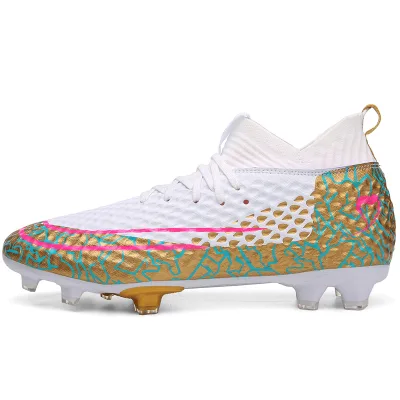
2025 Supfreedom Training Shoes Outdoor Football Size 34-47 Boots Soccer Boots
$13.0101 - $14.6325
MOQ: 10 pairs
Ruian Douchuan Trading Co., Ltd.
- Manufacturer, Trading Company
- Zhejiang, China
- Lead time20 days
- Avg. response≤ 4h
Main productsCanvas Shoes; Sneakers; Casual Shoes; Hiking Shoes; Boots
Main marketsMid East(30.00%), Southeast Asia(30.00%), Domestic Market(10.00%), Africa(10.00%), South Asia(5.00%), Central America(5.00%), South America(5.00%), North America(5.00%)

Hubei Jingli Xunzhen Trading Co., Ltd
- Verified by SGS
- Trading Company
- China Hubei
- Lead time150 days
- Avg. response≤ 1h
Main productsShoe, Sneakers, Pumps, Sandals
Main marketsSouth America,Eastern Europe,Mid East,North America,Southeast Asia,Eastern Asia,Oceania,Western Europe


Non-Sliplow-Top Football Wear-Resistant Indoor Boots Shoes Football Shoes Sports Shoes Soccer Shoes
$8.00 - $38.00
MOQ: 1 Pieces
Wenzhou Machalon Trading Co., Ltd.
- Trading Company
- Zhejiang, China
- Lead time45 days
- Avg. response≤ 7h
Main productsTeam sports,Yoga and fitness,Indoor sports,Kids sports toy,Swim sports
Main marketsNorth America(35.00%), Oceania(20.00%), Western Europe(15.00%), Mid East(5.00%), South America(5.00%), Eastern Asia(5.00%), Southeast Asia(5.00%), Eastern Europe(3.00%), Africa(3.00%), South Asia(2.00%), Northern Europe(2.00%)
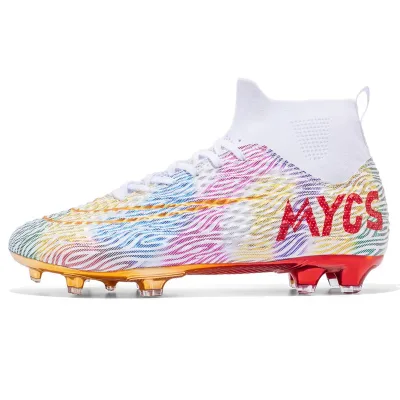
Long Nail Football Boots Soccer Shoe 3 Colors Sports Shoe Football Wholesale for Kids Men Football
$19.9264 - $23.4422
MOQ: 2 pieces
$15.1448 - $18.4044
MOQ: 2 pairs
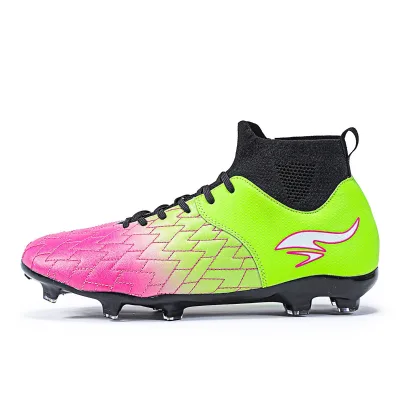
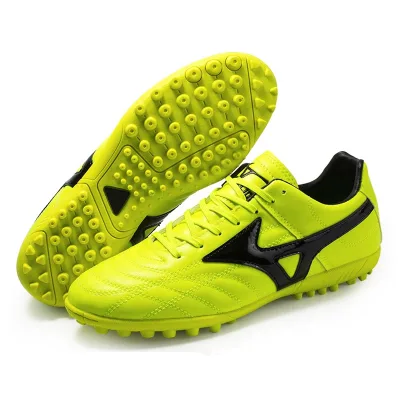
Wholesale Football Soccer Shoes Men Children Indoor Outdoor Soccer Boots Kids Sport Shoes
$8.90 - $9.92
MOQ: 50 sets
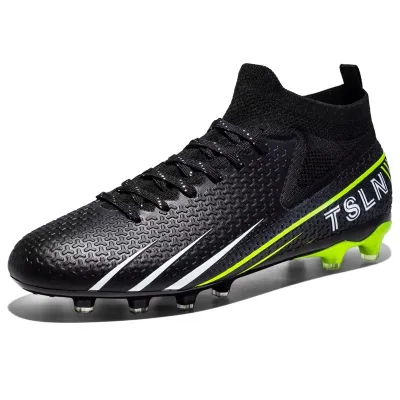
New High Quality Kids Soccer Shoes High Top Football Boots Rubber Sole Men's Soccer Shoes for Men
$14.2969 - $16.1619
MOQ: 1 pairs

Jinjiang Maituo Import and Export Trading Co., Ltd.
- Verified by CTI
- Combined
- China Fujian
- Lead time60 days
- Avg. response≤ 7h
Main productsShoe, Shoe Accessories, Sporting Shoes, Shoe Machine, Shoe Sole, Microfiber PU, Space Leather, TPU, Basketball Cover, Textile Fabrics
Main marketsEurope


Outdoor Sports Soccer Football Sneaker Shoes for High-Performance Training
$9.39 - $9.89
MOQ: 600 Pairs


Hangzhou Yiqi Sports Equipment Co., Ltd.
- Verified by SGS Group
- Manufacturer, Trading Company
- Lead time30 days
- Avg. response≤ 2h
Main productsRoller Skates, Outdoor Products, Skateboards, Protective Gear, Roller Accessories
Main marketsNorth America(30%), Eastern Europe(30%), Western Europe(10%)
Dongguan Songhe Technology Co., Ltd.
- Trading Company
- Guangdong, China
- Lead time0 days
- Avg. response≤ 2h
Main productsshoes
Main marketsNorth America(80.00%), Eastern Europe(20.00%)
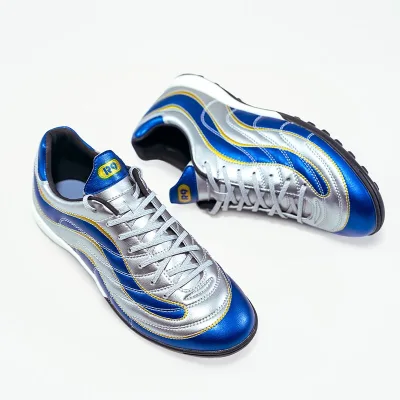
Oem Wholesale Men Breathable Soccer Shoes Football Sneakers Wear Resistant Sports Shoes
$39.3135 - $43.451
MOQ: 200 pieces
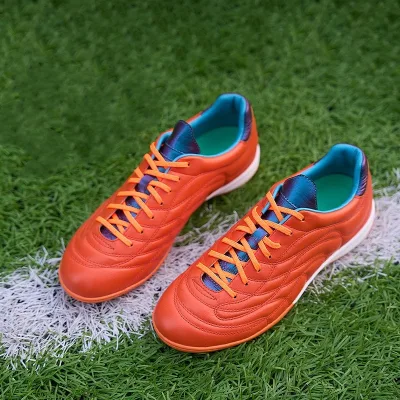
$38.00 - $42.00
MOQ: 200 pieces
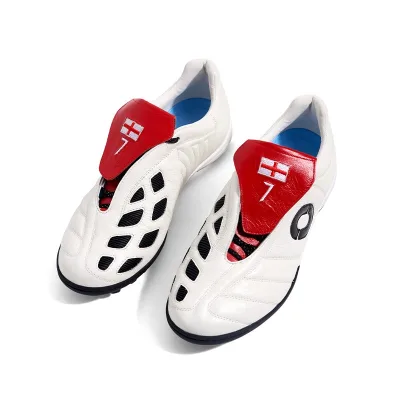
$39.3135 - $43.451
MOQ: 200 pieces
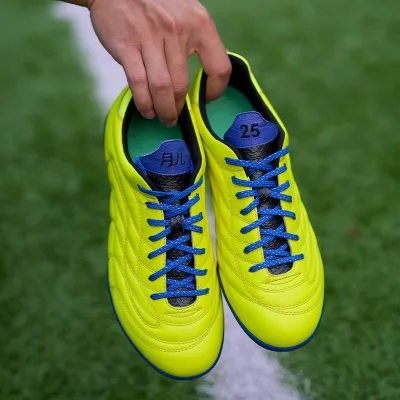
New Wholesale Soccer Shoes Spikes Sport Football Shoes Soccer Boots for Men
$38.00 - $42.00
MOQ: 200 pieces
Guangzhou City Huadu District Xinhua Xinye Jewelry Store
- Manufacturer
- Guangdong, China
- Lead time5 days
- Avg. response≤ 4h
Main productsshoes,lady shoes,men shoes,slipper,sandal
Main marketsNorth America(50.00%), Africa(30.00%), Northern Europe(5.00%), Central America(5.00%), Mid East(5.00%), South America(5.00%)
Jinjiang Runshuang Sports Products Co., Ltd.
- Manufacturer, Trading Company
- Fujian, China
- Lead time45 days
- Avg. response≤ 1h
Main productsSoccer Shoes,Tennis Shoes,Hiking Shoes,Running Shoes,Pickleball Shoes
Main marketsNorth America(35.00%), Western Europe(35.00%), South America(15.00%), Mid East(10.00%), Southeast Asia(5.00%)
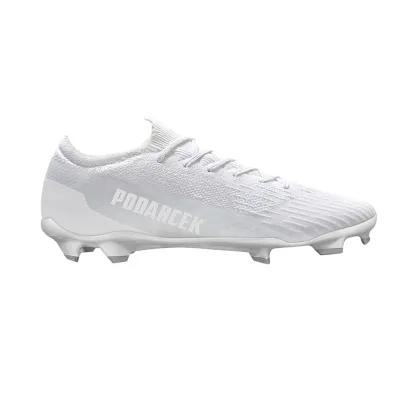
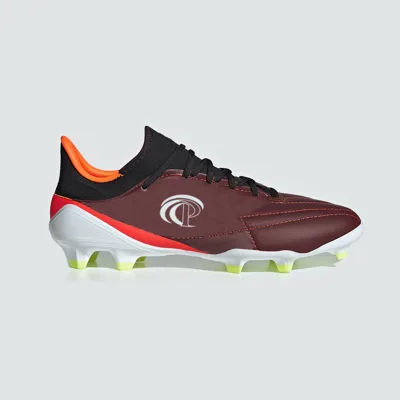
Supplier Customize High Quality Lightweight Futsal Firm Ground Football Soccer Shoes for Kids
$6.8908 - $7.5679
MOQ: 1 pairs
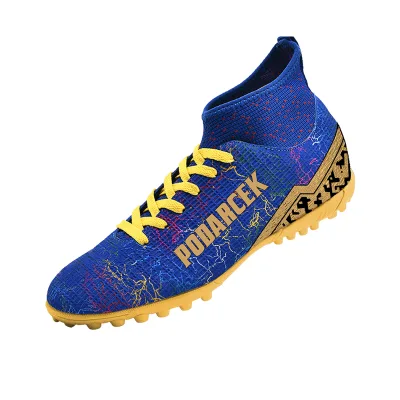
Hot Selling Quality Fall New Products FG Football Boots Outdoor High-Top Athletic Men's Soccer Shoes
$8.8592 - $10.2538
MOQ: 1 pairs
Jinan Dongtai Renewable Resources Co., Ltd.
- Trading Company
- Shandong, China
- Lead time15 days
- Avg. response≤ 5h
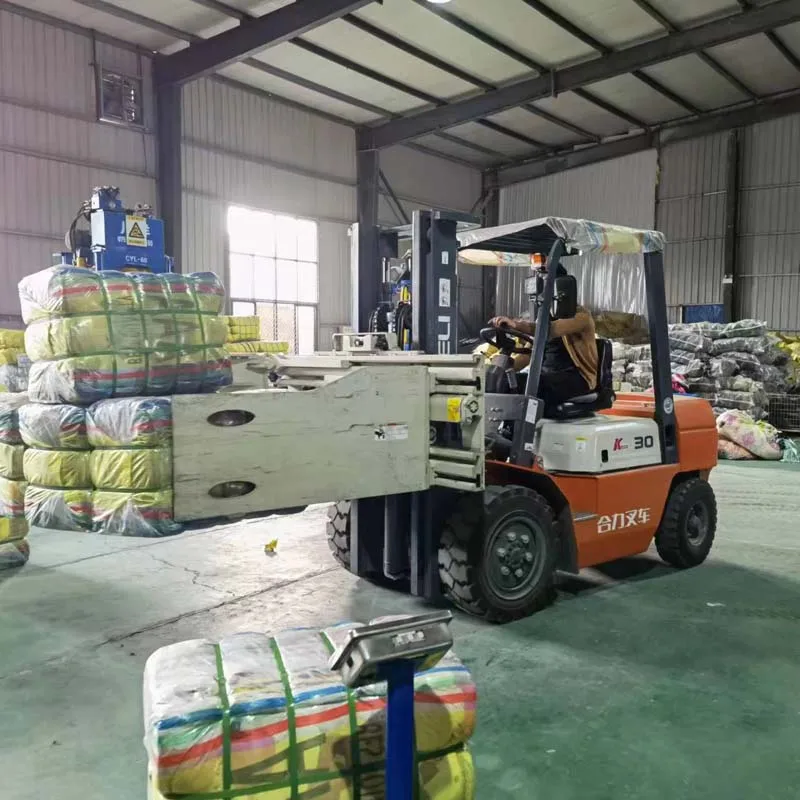
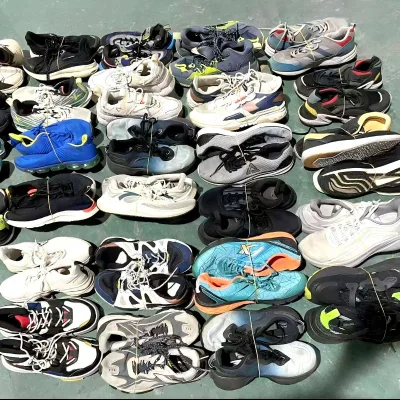
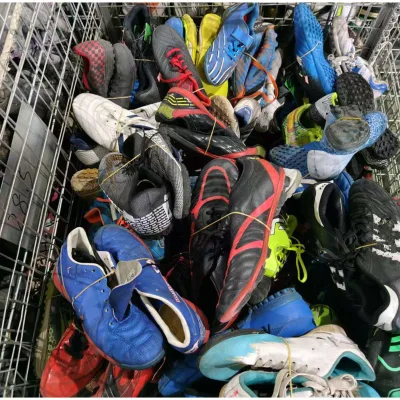
Main productsUsed Clothes,Used Shoes,Used Bags,Second-hand Clothes,Second-hand Shoes
Main marketsAfrica(22.00%), Southeast Asia(20.00%), Mid East(20.00%), South America(20.00%), South Asia(2.00%), Southern Europe(2.00%), Northern Europe(2.00%), Central America(2.00%), Western Europe(2.00%), Eastern Asia(2.00%), Eastern Europe(2.00%), Oceania(2.00%), North America(2.00%)






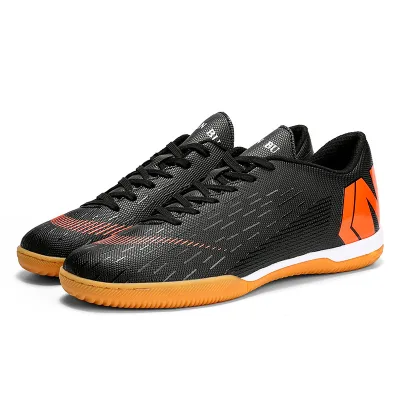
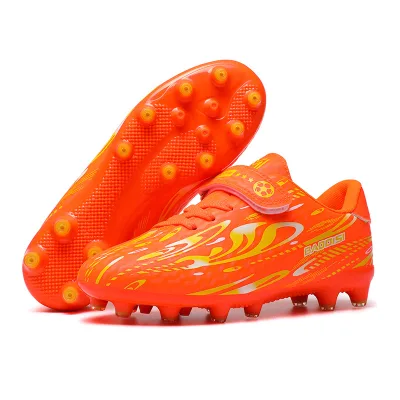
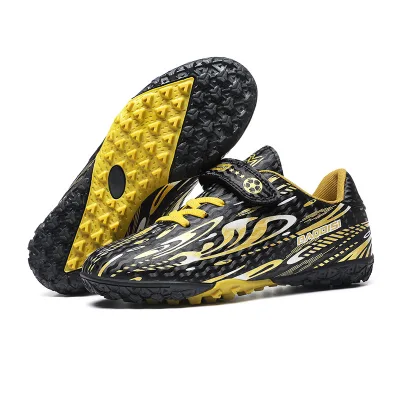
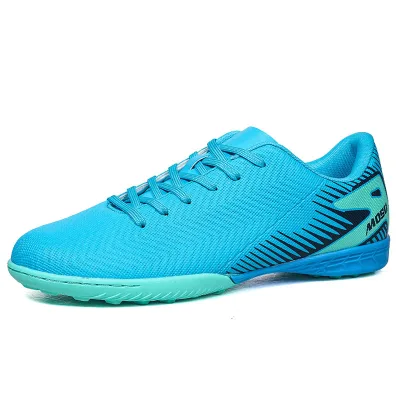
Comprehensive Sourcing Guide
Light Weight Rubber Football Shoes Supplier Concentration and Factory Types
The current supplier landscape for Light Weight Rubber Football Shoes reveals a distinct mix of manufacturing capabilities and trading structures, primarily anchored in specific industrial regions. Evidence indicates that a significant portion of these suppliers are located in China, with Fujian province emerging as a notable concentration point for footwear production. This geographic clustering is typical for the industry, as regions like Fujian have developed extensive ecosystems for shoe manufacturing, including access to raw materials like rubber and PU, as well as specialized labor and logistics networks. Buyers evaluating suppliers should recognize that this concentration often correlates with established supply chains for sports footwear, potentially offering advantages in material sourcing and production efficiency. However, the presence of suppliers in this region does not guarantee uniform quality or pricing, as individual factory capabilities vary widely. The data shows that while some entities are purely trading companies, others operate as manufacturers or factories with direct control over the production process. This distinction is critical for buyers seeking to understand the origin of their products and the level of oversight they can exert over manufacturing standards.
Company types among the results include both Manufacturer/Factory entities and Trading Companies, with some suppliers identifying as both. This dual classification suggests that some trading companies may have close ties to manufacturing partners or even own production facilities, blurring the lines between pure intermediaries and direct producers. For Light Weight Rubber Football Shoes, the ability to customize materials such as PU uppers, EVA insoles, and rubber outsoles is a key differentiator. Suppliers listing OEM and ODM capabilities indicate a readiness to produce custom designs, which is essential for brands looking to differentiate their products in a competitive market. The presence of RD capacity for both OEM and ODM models further supports the notion that many suppliers in this space are equipped to handle complex design requirements. Buyers should carefully review the company type to determine whether they are dealing with a direct factory or an intermediary, as this impacts communication efficiency, pricing transparency, and the ability to resolve production issues. Understanding the factory type helps in assessing the supplier’s flexibility in handling small or large orders and their capacity to innovate on product features like breathability and weight reduction.
How to Verify Light Weight Rubber Football Shoes Suppliers
Verifying the legitimacy and capability of suppliers requires a multi-layered approach that goes beyond surface-level profile information. One of the primary methods is to scrutinize the system certifications displayed by the supplier, such as BSCI and ISO standards. These certifications serve as indicators of the supplier’s adherence to social responsibility, quality management, and operational standards. For instance, the presence of BSCI certification suggests that the supplier has undergone audits regarding labor practices and working conditions, which is crucial for buyers concerned with ethical sourcing. Similarly, ISO certifications like ISO 9001 or ISO 20000 indicate a structured approach to quality control and service management. Buyers should request copies of these certificates and verify their validity through the issuing bodies to ensure they are current and not expired. Additionally, product-specific standards such as SGS testing should be examined to confirm that the materials used, particularly the rubber outsoles and PU uppers, meet safety and performance requirements. This verification process helps mitigate the risk of receiving substandard products that may fail in the market or cause harm to end-users.
Another critical aspect of verification is assessing the supplier’s responsiveness and operational efficiency. The response time metric provides insight into how quickly a supplier engages with potential buyers, which can be indicative of their overall customer service quality. A faster response time, such as under seven hours, often correlates with a more agile and attentive support team, which is beneficial for resolving queries and negotiating terms efficiently. Conversely, slower response times may signal potential delays in communication during the production phase. Buyers should also look for evidence of past performance, such as product attributes and specifications, to ensure the supplier can deliver the exact features required, such as specific lining materials like cotton fabric or mesh, and gender-specific designs. Checking the origin of the products, often listed as Jinjiang or other specific cities in China, can help verify the supplier’s claimed location and manufacturing base. Furthermore, buyers should inquire about the supplier’s ability to provide samples before committing to large orders, allowing for a physical assessment of the Light Weight Rubber Football Shoes’ quality, fit, and durability. This hands-on verification is essential for confirming that the supplier’s claims align with the actual product characteristics.
What to Compare Across Light Weight Rubber Football Shoes Suppliers
When evaluating multiple suppliers for Light Weight Rubber Football Shoes, buyers must compare key operational metrics to identify the most suitable partner for their specific needs. One of the most significant factors is the lead time, which varies considerably among suppliers. Some suppliers may offer lead times as short as 45 days, while others might require up to 105 days for order fulfillment. This disparity can impact inventory management and time-to-market strategies, making it crucial for buyers to align their order planning with the supplier’s production capacity. Additionally, the Minimum Order Quantity (MOQ) is a critical consideration, with some suppliers requiring as few as 600 pairs, while others may demand 1000 pairs or more. Lower MOQs are advantageous for smaller businesses or those testing new markets, whereas higher MOQs may offer better unit economics for large-scale operations. Buyers should also compare the price ranges, which can vary from as low as $5.50 to over $16.50 per pair, depending on the materials, customization options, and order volume. Understanding these price variations helps in budgeting and determining the potential profit margins for the final product.
Beyond operational metrics, buyers should compare the customization options and product features offered by each supplier. The availability of customization, such as specific upper materials like PU or mesh, insole materials like EVA or rubber, and outsole designs, is a key differentiator. Suppliers that offer a wide range of customization options can better meet the unique requirements of different brands and target audiences. Additionally, the response time of the supplier can influence the efficiency of the negotiation and order placement process. A supplier with a quicker response time may be more reliable in addressing last-minute changes or urgent requests. Buyers should also consider the supplier’s main products and expertise; those specializing in sports shoes, soccer shoes, and related accessories may have deeper knowledge and better quality control in this niche. Comparing these factors holistically allows buyers to select a supplier that not only meets their quantitative requirements but also aligns with their qualitative expectations for product quality and service. This comprehensive comparison ensures that the chosen supplier can deliver the desired Light Weight Rubber Football Shoes efficiently and cost-effectively.
Common Light Weight Rubber Football Shoes Sourcing Risks
Sourcing Light Weight Rubber Football Shoes from international suppliers introduces several risks that buyers must proactively manage to ensure a successful procurement process. One significant risk is the variability in product quality, particularly concerning the materials used. While suppliers may claim to use high-quality rubber for outsoles and PU for uppers, the actual quality can vary based on the supplier’s manufacturing standards and quality control processes. Without rigorous verification, buyers may receive products that do not meet the specified durability or performance standards, leading to customer dissatisfaction and potential returns. Another risk is the discrepancy between the quoted lead times and the actual delivery dates. Suppliers may underestimate production complexities or face unforeseen delays, resulting in late deliveries that disrupt the buyer’s supply chain and sales plans. This risk is exacerbated by the lack of transparency in some suppliers’ operations, making it difficult to track production progress and anticipate potential bottlenecks. Buyers must establish clear communication channels and regular update protocols to mitigate this risk.
Additionally, there is a risk associated with intellectual property and design infringement, especially when working with suppliers that offer OEM and ODM services. If a supplier uses proprietary designs or materials without proper authorization, the buyer could face legal challenges and reputational damage. This risk is heightened in regions with less stringent IP enforcement, although certifications like BSCI and ISO can indicate a higher level of operational integrity. Another common risk is the misalignment of expectations regarding product specifications, such as size ranges, gender classifications, and feature sets like breathability or waterproofing. Suppliers may interpret requirements differently, leading to products that do not match the buyer’s specifications. To mitigate these risks, buyers should invest in thorough due diligence, including factory audits and sample testing, and establish detailed contracts that specify quality standards, delivery timelines, and IP protections. By anticipating and addressing these potential pitfalls, buyers can reduce the likelihood of costly errors and ensure a smoother sourcing experience for Light Weight Rubber Football Shoes.
Light Weight Rubber Football Shoes Regional Sourcing and Logistics
The regional concentration of suppliers in China, particularly in Fujian province, offers both advantages and challenges for buyers sourcing Light Weight Rubber Football Shoes. This geographic clustering facilitates efficient logistics and supply chain integration, as suppliers are often located near ports and transportation hubs, reducing shipping times and costs. However, buyers must also consider the logistical complexities associated with international shipping, including customs clearance, import duties, and potential delays due to global supply chain disruptions. Understanding the specific origin of the products, such as Jinjiang, can help buyers estimate shipping routes and transit times more accurately. Additionally, the proximity of suppliers to raw material sources, such as rubber and synthetic materials, can contribute to lower production costs and faster turnaround times. Buyers should leverage this regional advantage by negotiating favorable shipping terms and exploring consolidated shipping options to optimize logistics costs.
Furthermore, the regional sourcing landscape influences the availability of specialized services and support. Suppliers in established manufacturing hubs often have access to a wider range of ancillary services, such as packaging, labeling, and quality inspection, which can streamline the procurement process. Buyers should inquire about these additional services to determine if they can be bundled with the product purchase, reducing the need for multiple vendors. The regional focus also means that buyers may encounter suppliers with varying levels of expertise in export procedures and documentation. It is essential to verify that the supplier is experienced in handling international shipments and can provide all necessary documentation, such as commercial invoices, packing lists, and certificates of origin. By understanding the logistical implications of regional sourcing, buyers can make informed decisions about their supply chain strategy, ensuring that the Light Weight Rubber Football Shoes are delivered efficiently and cost-effectively to their target markets.
Light Weight Rubber Football Shoes Commercial Terms and Order Planning
Effective order planning for Light Weight Rubber Football Shoes requires a careful analysis of commercial terms, including pricing structures, payment conditions, and order flexibility. The price range for these products can vary significantly, from budget-friendly options around $5.50 to premium models exceeding $16.50, depending on materials, customization, and order volume. Buyers should negotiate pricing based on their expected order quantities, leveraging economies of scale to secure better rates. Additionally, understanding the MOQ requirements is crucial for aligning order sizes with budget constraints and inventory needs. Suppliers with lower MOQs may offer higher per-unit prices, while those with higher MOQs may provide more competitive pricing. Buyers should also consider the payment terms, such as deposits and balance payments, to manage cash flow effectively. Clear communication regarding payment schedules and methods can prevent misunderstandings and ensure smooth transactions.
Furthermore, buyers must plan for potential variations in production and delivery timelines by incorporating buffer periods into their order schedules. Given the variability in lead times, ranging from 45 to 105 days, it is advisable to place orders well in advance of the expected sales season. This proactive approach allows for adjustments in case of delays or quality issues. Buyers should also establish clear criteria for product acceptance, including specific tests for durability, fit, and material quality, to ensure that the delivered goods meet their standards. By integrating these commercial and logistical considerations into their order planning, buyers can minimize risks and optimize the procurement process for Light Weight Rubber Football Shoes. This strategic approach ensures that
FAQs
What is the price range for rubber football shoes?
Prices for rubber football shoes typically range from $5.50 to $16.50 per pair. The lowest cost options are around $5.50, while premium models reach up to $16.50. Most standard pairs fall between $6.50 and $10.80. Buyers should verify specific pricing based on order volume and customization requirements before finalizing procurement decisions.
What is the minimum order quantity for these shoes?
Minimum order quantities vary by supplier, generally starting at 600 pairs for some manufacturers. Other suppliers require a minimum of 1000 pairs per order. Buyers must check individual supplier listings to confirm the exact MOQ applicable to their specific product selection and customization needs before placing any purchase orders.
How long does production take for these shoes?
Production lead times range from 45 to 105 days depending on the supplier. Some manufacturers offer faster turnaround times of 45 days, while others require up to 105 days. Delivery dates for specific models may also be listed as 45-60 days. Buyers should confirm current lead times directly with suppliers.
Are these shoes customizable for branding?
Yes, customization is available for most rubber football shoe models listed. Suppliers offer OEM and ODM services to accommodate specific branding requirements. Buyers can request custom outsole molds, logos, or packaging options. It is essential to discuss customization details and additional costs directly with the supplier during the inquiry process.
What certifications do these suppliers hold?
Suppliers hold various certifications including BSCI, ISO 9001, and ISO 20000. Some products also meet SGS standards. Buyers should verify specific certification documents with suppliers to ensure compliance with their regional regulations and quality requirements before finalizing any procurement agreements or contracts.
Where are these football shoes manufactured?
These shoes are manufactured in China, with specific origins noted in Jinjiang, Fujian. Buyers should verify the exact production location with each supplier. Manufacturing locations can impact shipping logistics and costs. Confirming the origin is important for compliance with trade regulations and for planning efficient supply chain operations.