Printed Multi Color Foil Balloon Suppliers and Manufacturers
Compare 25 verified suppliers of Printed Multi Color Foil Balloon based on location, certifications, lead times, and MOQ. Review product attributes like material and customization options before contacting factories in China Anhui or Tianjin for quotes; review the available evidence before requesting comparable quotations from suitable candidates.
Updated
Suppliers List

Hefei Sublime International Co., Ltd
- Verified by BV
- Trading Company,Manufacturer/Factory
- China Anhui
- Lead time30 days
- Avg. response≤ 5h
Main productsParty Favour Items, Wooden Decoration, DIY Hobby, Paper Stationery, Wooden Crafts, Paper Crafts, Wooden Gifts, Honeycomb Ball, Tissue Pompon, Paper Bags
Main marketsSouth America,Eastern Europe,Mid East,North America,Eastern Asia,Oceania,Western Europe

Tianjin Smile Imp & Exp Co., Ltd.
- Verified by TUVRHEINLAND
- Trading Company
- China Tianjin
- Lead time30 days
- Avg. response≤ 1h
Main productsBalloon, Curtain, Tablecloth, Iron Arch, Bunting, Paper Garland, Tiara, Paper Tableware, Gift Bag, Confetti
Main marketsOthers(foreignTradeCapacity.exportBusinessCapacityMarketOther),Europe,North America
- Manufacturer, Trading Company
- Guangdong, China
- Lead time25 days
- Avg. response≤ 7h
Main productsBalloon accessories,Party supplies,Party accessories,Customize balloon printing,promotion products
Main marketsDomestic Market(25.00%), Africa(10.00%), Western Europe(10.00%), Oceania(10.00%), Southern Europe(9.00%), Eastern Europe(5.00%), North America(5.00%), Eastern Asia(5.00%), Northern Europe(5.00%), South America(5.00%), South Asia(3.00%), Southeast Asia(3.00%), Mid East(3.00%), Central America(2.00%)
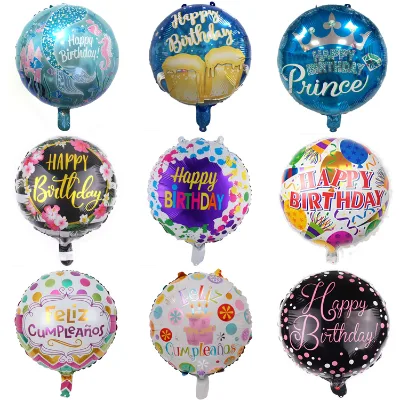
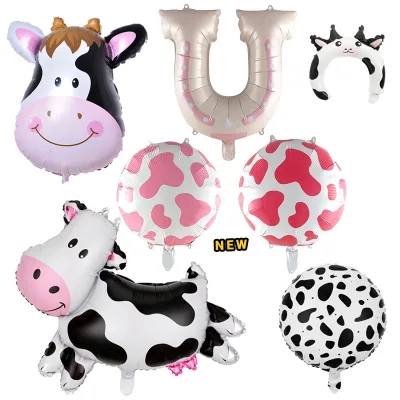
Happy Birthday and Celebration Walking Animal Foil Balloon for Party Decoration
$0.11 - $0.88
MOQ: 100
- Verified by SGS Group
- Trading Company
- Lead time15 days
- Avg. response≤ 7h
Main productsBalloons, Gifts, Package Printing, Party Decoration, Christmas Products
Main marketsNorth America(60%), Western Europe(20%), Eastern Europe(10%)
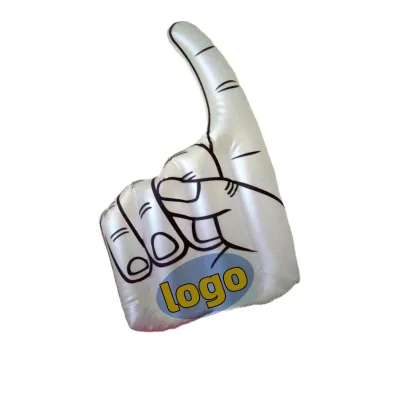
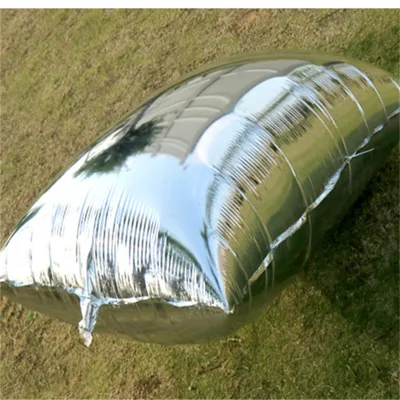
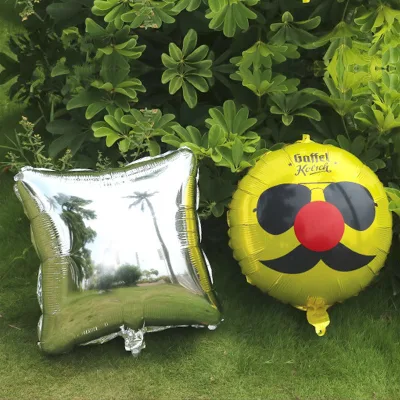
$0.1124 - $0.2262
MOQ: 50 pieces
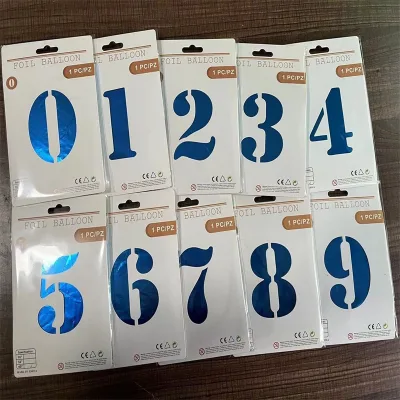


LION PROMOTIONAL GIFT CO., LIMITED
- Verified by TUVRHEINLAND
- Trading Company
- China Zhejiang
- Lead time30 days
- Avg. response≤ 25h
Main productsPromotional Gifts, Giveaways, Advertising Gift, Premium Items, Publicity Material, Freebie Items, Marketing Gifts, Campaign Gifts, Promotional Products, China Gifts Supplier
Main marketsAfrica,Europe,North America
Starrysky International Trading Shanxi Co., Ltd.
- Verified by Intertek
- Trading Company
- Lead time45 days
- Avg. response≤ 4h
Main productsBalloon, Pipe and Stand
Main marketsNorth America(40%), Oceania(30%), Western Europe(20%)
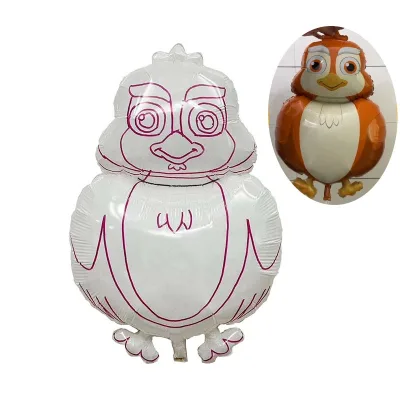
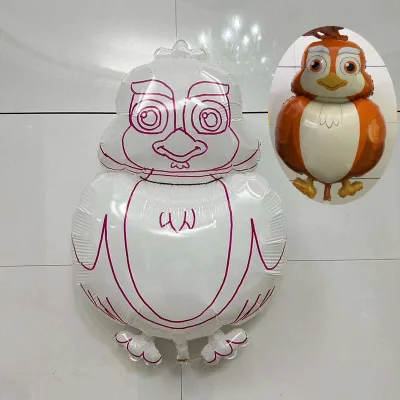
Custom LOGO Shape Advertising Promotional Balloon Helium Customized Shape Foil Balloon
$0.4105 - $1.0261
MOQ: 2000 pieces
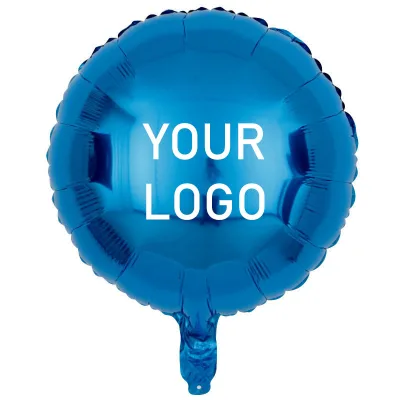

Print Balloons Personalized Custom Printed LOGO Decorative Advertising Foil Mylar Balloons
$0.1648 - $0.2052
MOQ: 500 pieces
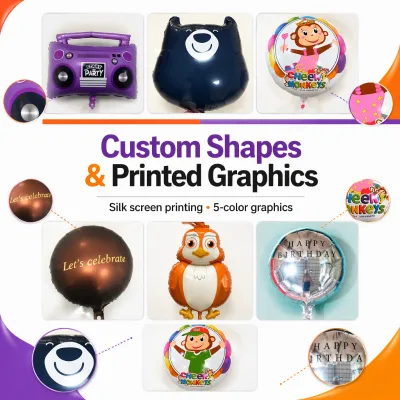

QUANZHOU VEKEDUO SUPPLY CHAIN MANAGEMENT CO.,LTD
- Verified by SGS
- Trading Company
- China Fujian
- Lead time30 days
- Avg. response≤ 7h
Main productsNon-Woven Bags, Apparel, Stationery, Resin Crafts, Stuffed Toys, Sport Products, Textile, Inflatable Toy
Main marketsSoutheast Asia/ Mideast,East Asia(Japan/ South Korea),Europe,North America

Five Dimensional Space (Guangdong) Balloons Co., Ltd.
- Manufacturer, Trading Company, Buying Office
- Guangdong, China
- Lead time15 days
- Avg. response≤ 2h
Main productsAluminum foil balloons,custom foil balloons,4D foil balloons,Birthday Balloons,Agate balloon
Main marketsWestern Europe(30.00%), Mid East(18.00%), North America(15.00%), Southern Europe(11.00%), Southeast Asia(5.00%), Oceania(4.00%), Eastern Asia(3.00%), Northern Europe(3.00%), South Asia(2.00%), Domestic Market(2.00%), South America(2.00%), Central America(2.00%), Eastern Europe(2.00%), Africa(1.00%)
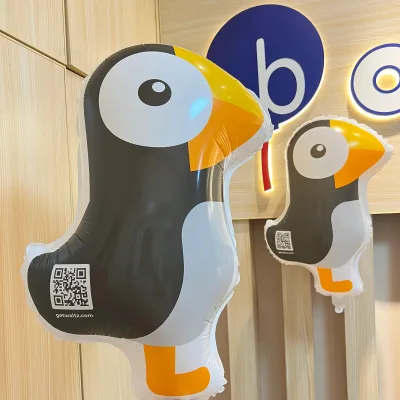
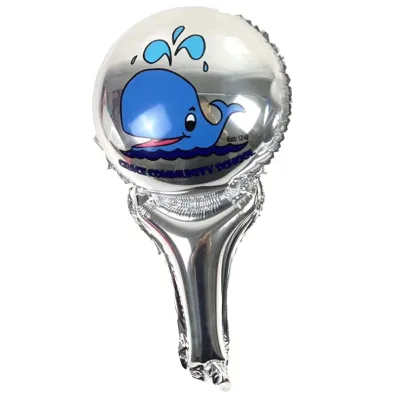
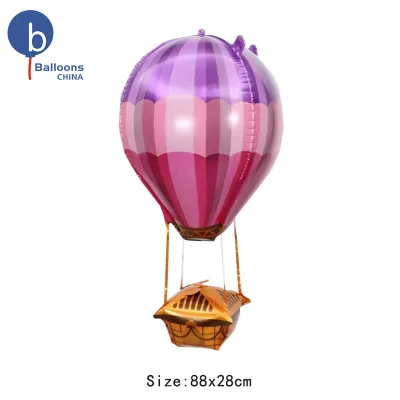
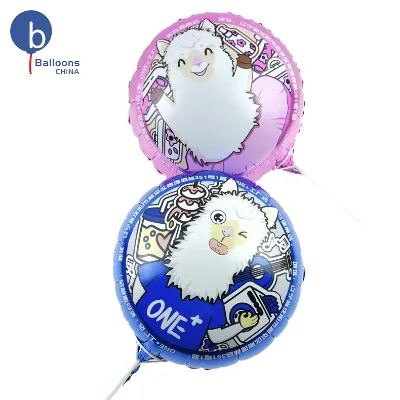
$0.3101 - $0.5168
MOQ: 1000 pieces

Baoding Likeparty Trading Co., Ltd.
- Verified by SGS
- Trading Company,Group Corporation
- China Hebei
- Lead time90 days
- Avg. response≤ 4h
Main productsParty Supplies, Birthday Decoration, Foil Curtain, Shimmer Wall, Party Wall Decoration, Balloon Arch Kit, Metal Arch Stand, Balloon Accessories, Tinsel Garland, Balloon Pump
Main marketsSouth America,Eastern Europe,Mid East,North America,Southeast Asia,Eastern Asia,Oceania,Western Europe,Africa

Unicorn Balloons Birthday Party Decorations Colorful Party Supplies Foil Balloons
$0.37 - $0.57
MOQ: 3000 Pieces

Heart Shaped Balloons 40 Inch Large Foil Balloons for Wedding Decorations
$0.62 - $0.72
MOQ: 3000 Pieces


18 Inch Happy Birthday Floating Foil Balloons Foil Mylar Balloons Decoration
$0.15 - $0.25
MOQ: 1000 Pieces


Popular Festive Birthday Party Balloons Set Foil Balloons for Celebrations and Events
$0.95 - $1.20
MOQ: 1 Pieces
Qianan Haoshidai rubber industry Co.,Ltd
- Verified by Intertek
- Manufacturer, Trading Company
- Lead time30 days
- Avg. response≤ 3h
Main productsBalloon
Main marketsNorth America(50%), South America(20%), Eastern Europe(10%)
Nanjing Jiamusen Technology Co., Ltd.
- Manufacturer, Trading Company
- Jiangsu, China
- Lead time10 days
- Avg. response≤ 12h
Main productsBalloon,Cake Decoration,Festival Decoration
Main marketsDomestic Market(35.00%), North America(30.00%), Western Europe(20.00%), Southeast Asia(15.00%)

Chang'an District Huaguang Packing Material Store
- Verified by SGS
- Manufacturer/Factory,Group Corporation
- China Hebei
- Lead time15 days
- Avg. response≤ 3h
Main productsBirthday Candle, Nonwoven Bag, Party Supplies, Birthday Hat, Disposable Tableware, Latex Balloon, Foil Balloon, Balloon Garland Kits
Main marketsSouth America,Eastern Europe,Mid East,North America,Southeast Asia,Eastern Asia,Western Europe,Africa

Print Balloons Personalized Custom Ballons Logo Balloons Decorative Advertising Mylar Foil Balloon
$0.03 - $0.05
MOQ: 2000 Pieces


Custom Logo Printed Balloons Printed Custom Logo Bobo Balloon Printing Bobo Balloon
$0.018 - $0.021
MOQ: 1000 Pieces

Custom Printed with Logo 18 Inch Foil Balloons Mylar Round Shape balloon
$0.03 - $0.05
MOQ: 2000 Pieces

$0.15 - $0.35
MOQ: 50 Pieces

18 Inch Christmas Foil Balloon Merry Christmas Foil Balloons for Christmas Decorations Supplies
$0.08 - $0.29
MOQ: 500 Pieces
Guangzhou Luckyballoons Co., Ltd.
- Trading Company
- Guangdong, China
- Lead time15 days
- Avg. response≤ 9h
Main productsFoil Balloon, Party Ballon
Main marketsNorth America(40.00%), Eastern Europe(40.00%), South America(10.00%), Northern Europe(5.00%), Mid East(5.00%)
Xiongxian Nine Carat Latex Products Co., Ltd.
- Verified by SGS Group
- Manufacturer, Trading Company
- Lead time7 days
- Avg. response≤ 4h
Main productsLatex balloon, Balloon Garland Arch Kits, Bobo Balloon, Foil Balloon, Balloon Accessories
Main marketsNorth America(25%), South America(22%), Eastern Europe(22%)
Guangdong Balloon Industrial Co., Ltd.
- Verified by Intertek
- Manufacturer, Trading Company
- Lead time90 days
- Avg. response≤ 3h
Main productsFoil Balloon, Table cover
Main marketsDomestic Market(30%), North America(25%), South America(25%)
- Trading Company
- Zhejiang, China
- Lead time0 days
- Avg. response≤ 7h
Main productsballoon
Main marketsSouth America(30.00%), North America(30.00%), Eastern Europe(20.00%), Central America(10.00%), Western Europe(10.00%)
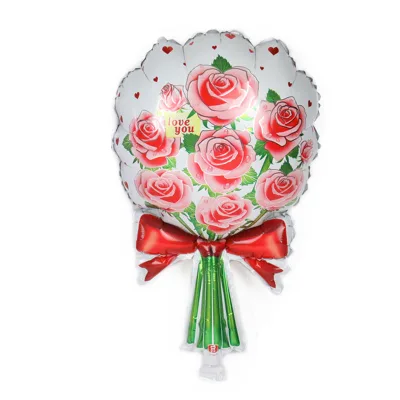
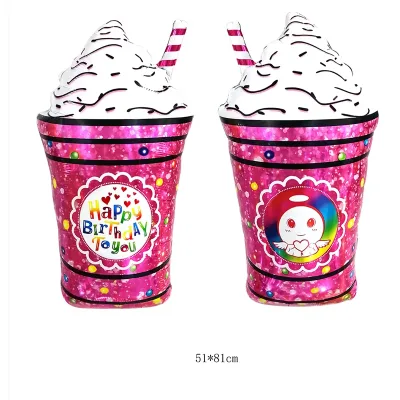
2024 Foil Balloon Bouquet Pink Balloon Happy Birthday Ice Cream Balloon Birthday Party Kids Toy
$0.18 - $0.23
MOQ: 100 pieces
- Verified by TüVRheinland
- Trading Company
- Lead time0 days
- Avg. response≤ 3h
Main productsFoil Balloons, Latex Balloons, Balloons Accessories, Party Supplies
Main marketsDomestic Market(50%), Western Europe(12%), North America(10%)
Xiamen Canghai Minghui Industry & Trade Co., Ltd.
- Manufacturer, Trading Company
- Fujian, China
- Lead time7 days
- Avg. response≤ 1h
Main productsParty Supplies, Party Decorations, Cake Decorations, Home Decorations, Decor Painting
Main marketsNorth America(95.00%), Western Europe(3.00%), Eastern Europe(2.00%)
- Trading Company
- Zhejiang, China
- Lead time15 days
- Avg. response≤ 5h
Main productsBalloons,Party supplies,Christmas Items,Paper Craft,Promotion Gift
Main marketsNorth America(50.00%), Western Europe(30.00%), Southeast Asia(10.00%), Central America(4.00%), Northern Europe(3.00%), Domestic Market(1.00%), Africa(1.00%), Mid East(1.00%)

- Trading Company
- Zhejiang, China
- Lead time15 days
- Avg. response≤ 1h
Main productsBalloon,Celebration Party supplies,Party Decoration,Candle,Table Cloth
Main marketsWestern Europe(40.00%), North America(35.00%), South America(10.00%), Eastern Europe(10.00%), Eastern Asia(5.00%)
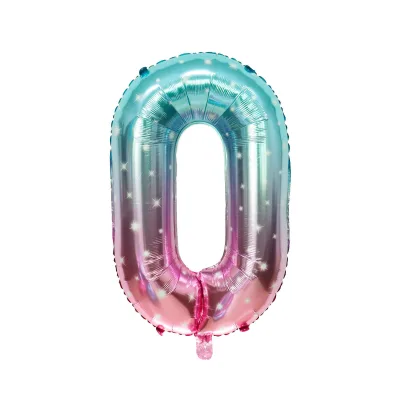
$0.113 - $0.1336
MOQ: 50 pieces
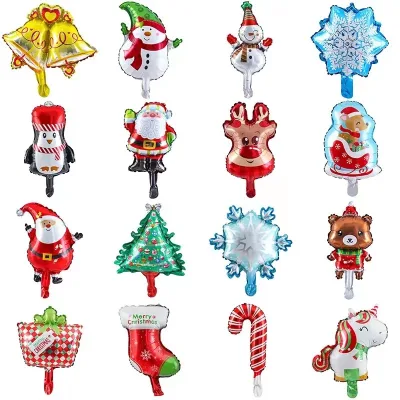
Mini Foil Balloon - Wholesale Party Gift Inflatable Merry Christmas Helium Foil Balloons
$0.0719 - $0.1027
MOQ: 50 pieces
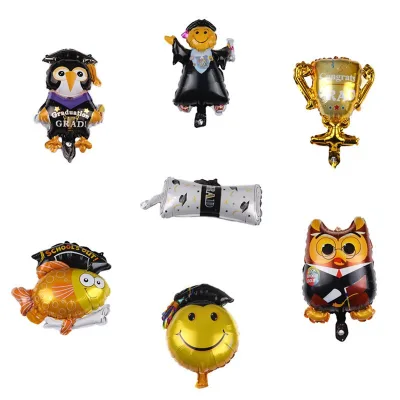
$0.0517 - $0.0724
MOQ: 50 pieces

- Manufacturer, Trading Company
- Zhejiang, China
- Lead time30 days
- Avg. response≤ 4h
Main productsParty items,Festival Products,DIY crafts,paper&Metal crafts,Customized products
Main marketsNorth America(25.00%), Western Europe(15.00%), Eastern Europe(15.00%), Northern Europe(15.00%), Southern Europe(10.00%), Southeast Asia(8.00%), South America(7.00%), Africa(5.00%)
- Trading Company
- Zhejiang, China
- Lead time5 days
- Avg. response≤ 5h
Main productsBalloon
Main marketsNorth America(50.00%), South America(25.00%), Oceania(4.00%), Eastern Europe(4.00%), Africa(3.00%), Western Europe(2.00%), Southern Europe(2.00%), Northern Europe(2.00%), Domestic Market(2.00%), Mid East(2.00%), Southeast Asia(2.00%), South Asia(1.00%), Eastern Asia(1.00%)
Celetex Balloons (GuangZhou) Limited
- Manufacturer
- Guangdong, China
- Lead time10 days
- Avg. response≤ 11h
Main productsBalloons,latex balloons,Number balloons,foil balloons,Globo
Main marketsWestern Europe(20.00%), Central America(20.00%), Southern Europe(15.00%), Eastern Europe(15.00%), Northern Europe(10.00%), South America(8.00%), North America(5.00%), Southeast Asia(3.00%), South Asia(2.00%), Eastern Asia(2.00%)
Fuzhou Yantuo Import And Export Co., Ltd.
- Trading Company
- Fujian, China
- Lead time30 days
- Avg. response≤ 2h
Main productscar license plate frame,custom license plate frame,car keychain,promotional balloons,metal keychain
Main marketsSouth America(30.00%), North America(30.00%), Southern Europe(10.00%), Northern Europe(10.00%), Central America(10.00%), Western Europe(10.00%)

Yiwu Dun Shan Trading Co., Ltd.
- Trading Company
- Zhejiang, China
- Lead time10 days
- Avg. response≤ 2h
Main productslatex balloon,Foil Balloon,party balloon,bobo balloon,Party decoration toy
Main marketsEastern Europe(35.00%), Southern Europe(35.00%), North America(30.00%)


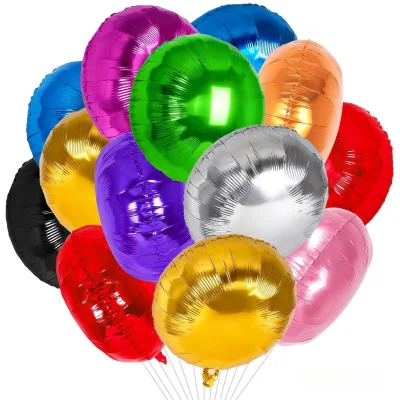
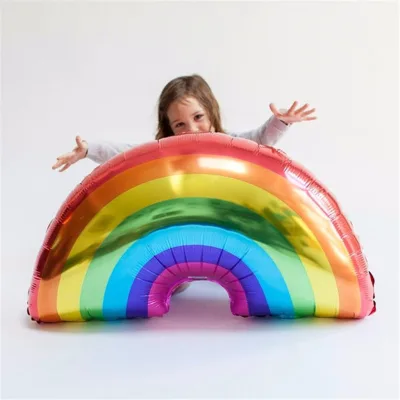

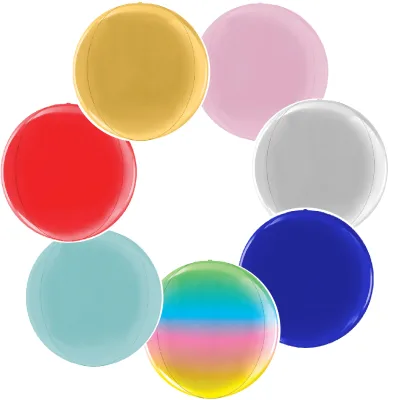
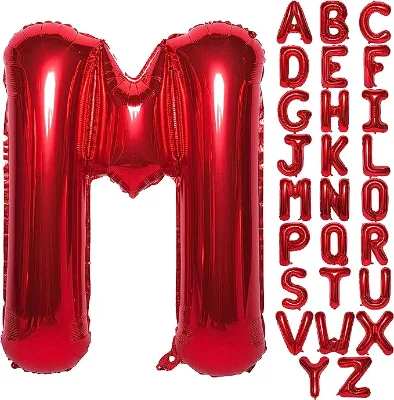
Comprehensive Sourcing Guide
Printed Multi Color Foil Balloon Supplier Concentration and Factory Types
The current supplier landscape for printed multi color foil balloons reveals a distinct geographic concentration in China, with specific manufacturing hubs identified in Anhui and Tianjin provinces. Suppliers in Anhui often operate as a hybrid of trading companies and manufacturing factories, suggesting a supply chain that integrates direct production capabilities with commercial distribution networks. This dual structure allows for greater flexibility in handling both standard inventory and custom orders, as the facility can manage raw material sourcing and final assembly under one roof. The presence of such entities indicates that buyers can potentially access more competitive pricing on bulk orders while still benefiting from the logistical support of a trading entity. In contrast, suppliers located in Tianjin are predominantly identified as trading companies, which may imply a different operational model focused on aggregation and export facilitation rather than direct manufacturing. Understanding this distinction is crucial for buyers who prioritize direct factory communication versus those who prefer the streamlined service of a trading partner. The concentration in these specific regions suggests established industrial clusters where specialized knowledge in foil balloon production, including printing and shaping techniques, has been developed over time. Buyers should consider how the supplier’s type aligns with their specific needs for customization, volume, and direct oversight of the production process.
Beyond geography, the company types observed indicate a diverse range of operational capabilities within the sector. Many suppliers offer both OEM and ODM services, which is a critical factor for brands seeking unique designs or private label opportunities. The ability to customize logos, shapes, and packaging is frequently highlighted in product attributes, demonstrating that these suppliers are equipped to handle bespoke requirements rather than just off-the-shelf items. This flexibility is particularly important for the party supplies industry, where trends change rapidly and unique visual appeal is a key driver of sales. Suppliers that identify as manufacturers may have more control over the production timeline and quality consistency, whereas trading companies might offer a broader portfolio of related party decorations, such as tableware or garlands, allowing for consolidated shipping. Buyers must evaluate whether the supplier’s primary business model supports their scale and customization needs. For instance, a large retailer might prefer a manufacturer for cost efficiency, while a boutique event planner might value the curated selection and service of a trading company. The interplay between location and company type creates a complex but navigable sourcing environment where due diligence is essential to match the right partner with the right business model.
How to Verify Printed Multi Color Foil Balloon Suppliers
Verification is a critical step in mitigating risk when sourcing printed multi color foil balloons, as the market contains a mix of manufacturers and trading companies with varying levels of transparency. Buyers should prioritize suppliers who have undergone third-party verification processes, as these provide an external validation of the company’s legal existence and operational legitimacy. In the current results, some suppliers display verification badges from recognized entities such as BV or TÜV Rheinland, which can serve as a strong indicator of reliability. These verifications often involve on-site checks or document audits, offering a layer of assurance that the supplier is a legitimate business entity capable of fulfilling contracts. However, verification alone is not a guarantee of quality or financial stability, so it should be used as a baseline criterion rather than a sole decision factor. Buyers should look for clear indicators of these verification statuses on the supplier’s profile and understand what specific aspects of the business were audited. This information helps in distinguishing between superficial claims and substantiated business credentials, reducing the likelihood of engaging with fraudulent or non-existent entities.
In addition to third-party verification, buyers should assess the supplier’s responsiveness and communication efficiency as proxies for their operational maturity. Response times are a measurable metric that can indicate how well a supplier manages their sales pipeline and customer service. In the observed data, response times vary, with some suppliers demonstrating rapid engagement capabilities while others may have slower turnaround times. A quick and professional response to initial inquiries often correlates with a more organized internal process, which is essential for handling complex orders involving customization and logistics. Buyers should test this by sending detailed inquiries about product specifications, lead times, and customization options to gauge the quality and speed of the reply. Furthermore, examining the supplier’s certification history, such as ISO 9001 or BSCI, can provide insights into their commitment to quality management and social responsibility. These certifications require regular audits and adherence to specific standards, offering additional evidence of a supplier’s professional standing. By combining verification badges, response time analysis, and certification checks, buyers can build a comprehensive profile of a supplier’s reliability and suitability for their sourcing needs.
What to Compare Across Printed Multi Color Foil Balloon Suppliers
When evaluating multiple suppliers for printed multi color foil balloons, buyers must systematically compare key operational metrics to identify the most suitable partner for their specific requirements. One of the most critical factors is the minimum order quantity (MOQ), which can vary significantly across different suppliers and product lines. Some suppliers may offer low MOQs, such as 10 pieces, which is ideal for testing the market or fulfilling small-scale orders, while others may require bulk purchases of thousands of units. Understanding these thresholds is essential for aligning supplier capabilities with the buyer’s inventory strategy and cash flow constraints. Additionally, lead times are a vital comparison point, as they directly impact the buyer’s ability to meet customer demand and manage seasonal peaks. Suppliers may quote different lead times based on their production capacity and current order backlog, with some offering faster turnaround for standard items and longer times for customized designs. Buyers should request specific lead time estimates for their intended order volume and customization level to ensure realistic planning.
Price and customization options are also central to the comparison process, as they determine the overall cost-effectiveness and competitive advantage of the sourced products. Unit prices can fluctuate based on material quality, printing complexity, and order volume, so buyers should compare quotes for similar specifications to ensure accurate benchmarking. The availability of customization services, such as logo printing, unique shapes, or custom packaging, adds value but may also incur additional costs or affect lead times. Buyers should assess the extent of customization offered by each supplier, including whether they support OEM or ODM models, and how these services are priced. Furthermore, the supplier’s main product focus can indicate their expertise and reliability; suppliers specializing in party supplies may offer better quality control and design innovation compared to general traders. By systematically comparing MOQs, lead times, prices, and customization capabilities, buyers can make informed decisions that balance cost, speed, and quality. This structured approach ensures that the selected supplier aligns with the buyer’s strategic goals and operational requirements, minimizing risks and maximizing value.
Common Printed Multi Color Foil Balloon Sourcing Risks
Sourcing printed multi color foil balloons involves several inherent risks that buyers must proactively manage to ensure a smooth procurement process. One significant risk is the discrepancy between sample quality and bulk production output, which can occur if the supplier lacks rigorous quality control measures. Foil balloons are delicate and prone to damage during handling and shipping, so any inconsistencies in material thickness, printing alignment, or sealing integrity can lead to high rejection rates. Buyers should insist on pre-production samples and clearly defined quality standards to mitigate this risk, ensuring that the final product matches the approved sample in every detail. Another risk is the potential for delayed shipments, which can disrupt the buyer’s supply chain and result in missed sales opportunities, especially during peak seasons like holidays or weddings. Lead time estimates provided by suppliers may not always account for unforeseen production delays or logistical bottlenecks, so buyers should build buffer time into their planning and maintain regular communication with the supplier to track progress.
Intellectual property and design infringement are also critical concerns, particularly when working with suppliers who offer extensive customization services. Buyers must ensure that their unique designs or logos are protected and that the supplier does not share or replicate them for other clients. Clear contractual agreements regarding confidentiality and intellectual property rights are essential to safeguard the buyer’s brand identity. Additionally, there is a risk of miscommunication regarding product specifications, such as size, color, or packaging requirements, which can lead to costly errors and returns. To minimize this, buyers should provide detailed technical drawings and specifications, and confirm all details in writing before production begins. The variability in supplier types, from manufacturers to trading companies, can also introduce risks related to transparency and accountability. Trading companies may add layers of complexity to communication and quality assurance, so buyers must verify the actual source of production and ensure direct oversight where necessary. By identifying and addressing these risks early in the sourcing process, buyers can establish a more resilient and reliable supply chain for their Printed Multi Color Foil Balloon needs.
Printed Multi Color Foil Balloon Regional Sourcing and Logistics
The geographic location of suppliers plays a pivotal role in determining logistics costs, lead times, and overall supply chain efficiency for printed multi color foil balloons. Suppliers located in China, particularly in provinces like Anhui and Tianjin, offer access to established manufacturing clusters with specialized expertise in party supplies and balloon production. These regions benefit from mature infrastructure and a concentration of related industries, which can facilitate faster production and lower material costs. However, buyers must consider the logistical implications of sourcing from these locations, including shipping distances, customs procedures, and potential transit delays. For buyers in North America or Europe, shipping from China involves longer transit times and higher freight costs compared to regional suppliers, which can impact the total landed cost of the product. Understanding these logistical factors is essential for accurate cost modeling and inventory planning, as delays in shipping can disrupt the buyer’s ability to meet customer demand.
Logistics planning also involves selecting the appropriate shipping method and incoterms to balance cost and speed. For large bulk orders, sea freight is often the most cost-effective option, but it requires advance planning and larger inventory buffers. Air freight may be necessary for urgent or smaller orders, though it comes at a premium. Buyers should work closely with their suppliers to determine the most efficient shipping strategy based on order volume and delivery deadlines. Additionally, the supplier’s experience with international shipping and documentation can significantly impact the smoothness of the logistics process. Suppliers who are familiar with export regulations and customs requirements can help avoid delays and additional fees. Buyers should verify the supplier’s logistics capabilities and ensure they have a proven track record of successful international shipments. By carefully evaluating the regional advantages and logistical requirements of different supplier locations, buyers can optimize their supply chain for cost, speed, and reliability, ensuring that their printed multi color foil balloons arrive on time and in good condition.
Printed Multi Color Foil Balloon Commercial Terms and Order Planning
Effective commercial terms and order planning are essential for managing the financial and operational aspects of sourcing printed multi color foil balloons. Buyers should negotiate clear payment terms that align with their cash flow needs and risk tolerance, such as using escrow services or partial payments to secure orders. Escrow provides a layer of security by holding funds until the buyer confirms receipt and quality of the goods, reducing the risk of fraud or non-delivery. Understanding the supplier’s payment policies and any associated fees is crucial for accurate cost calculation. Additionally, buyers must plan for the total cost of ownership, which includes not only the unit price but also shipping, insurance, customs duties, and any potential tariffs. These costs can vary significantly depending on the supplier’s location and the buyer’s destination, so comprehensive cost modeling is necessary to determine the true profitability of the sourced products. Buyers should request detailed quotes that break down all costs to avoid unexpected expenses.
Order planning also involves managing inventory levels and production schedules to meet demand without overstocking. Given the seasonal nature of party supplies, buyers must anticipate peak periods and place orders well in advance to ensure timely delivery. Working with suppliers who offer flexible production schedules and reliable lead times can help buyers adjust their orders based on market demand. Buyers should also consider the supplier’s capacity to handle rush orders or changes in specifications, as this flexibility can be
FAQs
What is the typical lead time for foil balloon orders?
Production lead times generally range from 30 to 35 days after sample approval. Some suppliers offer faster delivery windows of 5 to 7 days for specific stock items. Buyers should confirm exact timelines based on order volume and customization requirements before finalizing contracts.
What is the minimum order quantity for custom foil balloons?
Minimum order quantities vary significantly by supplier and product type. Standard items may require as few as 10 pieces, while custom printed designs often start at 1,000 units. Larger orders for specific shapes can have minimums of 3,000 or 5,000 pieces depending on the manufacturer.
Are these suppliers verified for quality and compliance?
Many suppliers hold BV verification and carry certifications such as ISO 9001, ISO 14001, BSCI, and SEDEX. These credentials indicate adherence to international quality and ethical standards. Buyers should request current certificates to ensure compliance with their specific market regulations and safety requirements.
What is the price range for printed foil balloons?
Unit prices typically range from $0.10 to $0.30 depending on size, material, and order volume. Lower prices often apply to larger quantities or standard shapes. Custom printing and specialized designs may affect the final cost, so requesting detailed quotes based on specific specifications is recommended.
Can suppliers provide OEM and ODM services?
Yes, many manufacturers offer both OEM and ODM services for custom balloon designs. Buyers can request customized logos, shapes, and packaging options. This flexibility allows businesses to create unique party supplies tailored to specific themes or branding needs while maintaining quality standards.
How quickly do suppliers respond to inquiries?
Response times vary, with some suppliers averaging around 4.20 hours and others responding within 0.99 hours. Faster response times often indicate higher operational efficiency. Buyers should prioritize suppliers with quick response rates to ensure smooth communication throughout the sourcing and production process.
What materials are used for foil balloons?
Foil balloons are primarily made from metallic foil materials, often described as aluminum mylar. These materials provide durability and a shiny appearance suitable for various decorations. The products are generally eco-friendly and safe, making them suitable for weddings, birthdays, and other festive occasions.