Educational Logic Chess Board Suppliers and Manufacturers
Explore 34 verified options for Educational Logic Chess Board products from Guangdong and Zhejiang factories. Compare response times, lead times, certifications like EN71 and ASTM, and pricing to find suitable partners. Contact suppliers directly to request samples or custom logos.
Updated
Suppliers List
Guangzhou Baolilong Toys Trading Co., Limited
- Trading Company
- Guangdong, China
- Lead time45 days
- Avg. response≤ 8h
Main productspromotion toys,dollar chain shop toys,OEM and ODM,candy toy,capsule toy
Main marketsNorthern Europe(35.00%), Mid East(25.00%), Eastern Europe(25.00%), South Asia(10.00%), South America(5.00%)
- Verified by SGS Group
- Manufacturer, Trading Company
- Lead time20 days
- Avg. response≤ 3h
Main productsKids Toys, Chess Set, Puzzle, Block, Craft
Main marketsNorth America(20%), Eastern Europe(20%), South America(11%)

Ningbo Shone Med-Tech Co., Ltd.
- Verified by SGS
- Trading Company,Manufacturer/Factory,Group Corporation
- China Zhejiang
- Lead time23 days
- Avg. response≤ 3h
Main productsWooden Games, Wooden Toys, Bingo Games, Wooden Sport Items, Wooden Box
Main marketsSouth America,Eastern Europe,Mid East,North America,Southeast Asia,Eastern Asia,Oceania,Western Europe,Africa


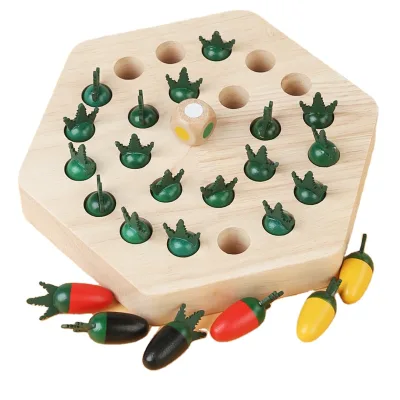
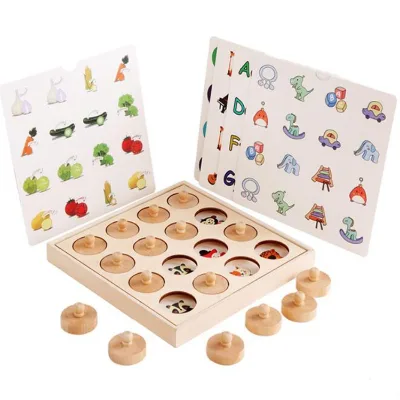
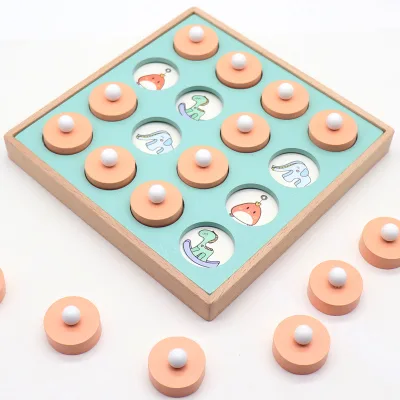
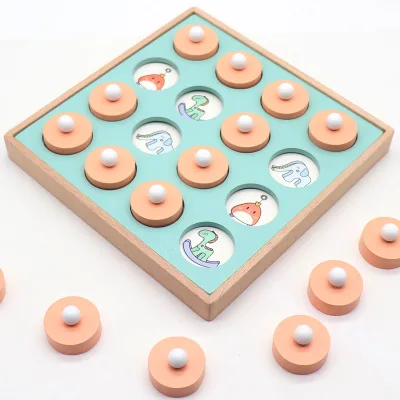
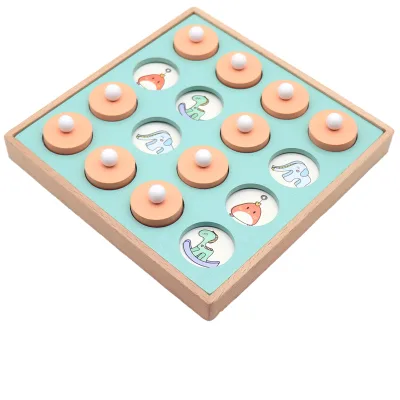
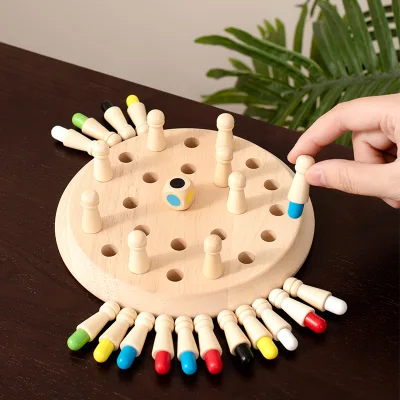
Montessori Wooden Educational Kids Logic Thinking Fruit Memory Chess Board Game
$2.80 - $3.80
MOQ: 200 Pieces


Shenzhen Merrycoo Industrial Co., Ltd.
- Manufacturer, Trading Company, Distributor/Wholesaler
- Guangdong, China
- Lead time25 days
- Avg. response≤ 6h
Main productsNovelty & Gag Toys,Fidget Sensory Toy,Educational Toys,Festive & Party Supplies,Baby toys
Main marketsNorth America(30.00%), Eastern Asia(15.00%), Northern Europe(15.00%), Mid East(10.00%), South Asia(10.00%), Eastern Europe(8.00%), South America(5.00%), Southeast Asia(3.00%), Western Europe(2.00%), Southern Europe(2.00%)
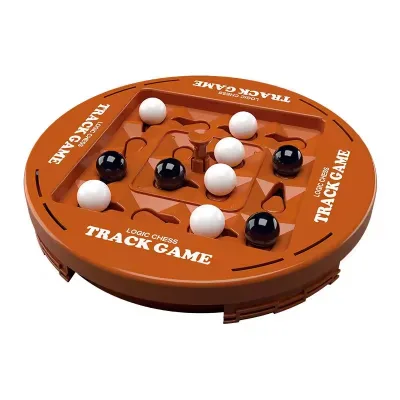
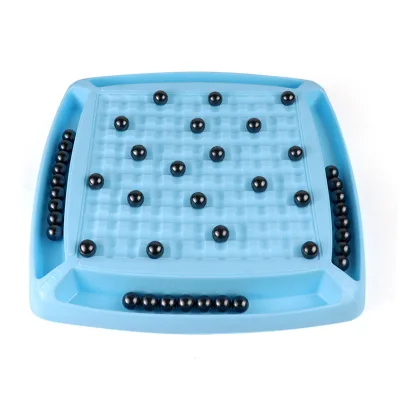
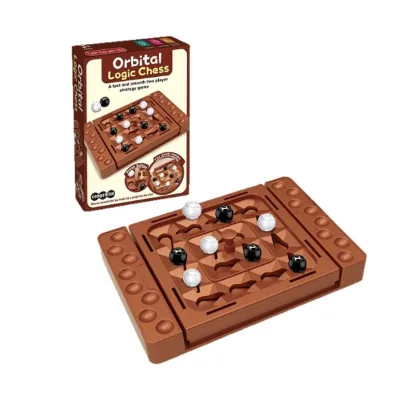
New Logic Chess Track Board Game Toy 2 Players Kids Educational Battle Chess Toys
$1.6613 - $1.868
MOQ: 50 pieces
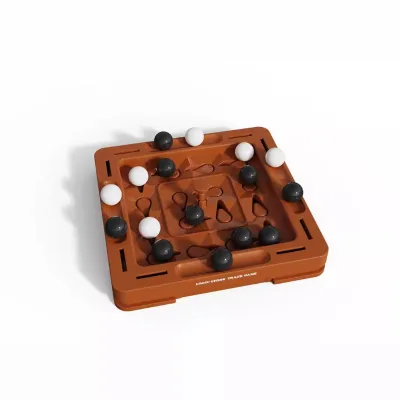
$1.6448 - $1.7467
MOQ: 50 pieces
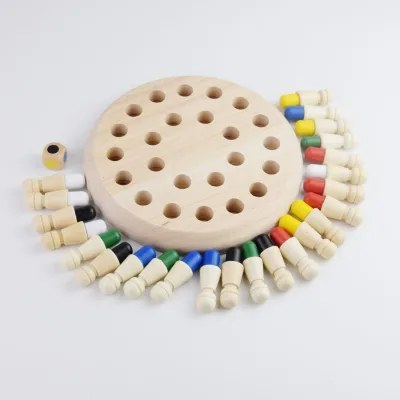
$1.5414 - $1.6957
MOQ: 30 pieces
- Trading Company
- Lead time旺季: "1 - 500":4,"501 - 3000":15,"3001 - 5000":30,"> 5000":"To be negotiated", 淡季: "1 - 500":4,"501 - 3000":15,"3001 - 5000":30,"> 5000":"To be negotiated"
- Avg. response≤ 3h
Main productsWooden Toys,Kids Furniture,Wooden& Bamboo Crafts,Sports And Entertainment Product,Beauty Makeup

- Verified by TUVRHEINLAND
- Trading Company
- China Zhejiang
- Lead time15 days
- Avg. response≤ 13h
Main productsWooden Toy, Outdoor Product, Kitchen Item, Personal Care Tool, Painting Set, Disk Rack, Yoga, Garden
Main marketsSouth America,Europe,North America

Early Educational Children Logic Wooden Cognitive Match Stick Chess Memory Game
$4.00 - $5.00
MOQ: 20 Pieces


Classic Design Indoor Partyfolding Board with Ludo Chess Game Wooden Toys
$3.60 - $3.78
MOQ: 10 Pieces

Hangzhou Dongsheng Crafts Co., Ltd.
- Trading Company
- Zhejiang, China
- Lead time10 days
- Avg. response≤ 1h
Main productsSTEM Puzzle Toys,Customized wooden Montessori toys,Teaching Aids,School Supplies,Event supplies
Main marketsNorthern Europe(10.00%), Mid East(10.00%), Southeast Asia(10.00%), Eastern Europe(10.00%), South America(10.00%), North America(10.00%), Domestic Market(5.00%), South Asia(5.00%), Southern Europe(5.00%), Oceania(5.00%), Central America(5.00%), Western Europe(5.00%), Eastern Asia(5.00%), Africa(5.00%)
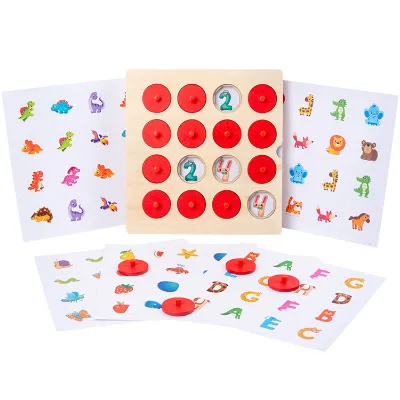
Children'S Logic Concentration Training Game Early Education Wooden Memory Chess Game
$2.40 - $3.05
MOQ: 10 pieces
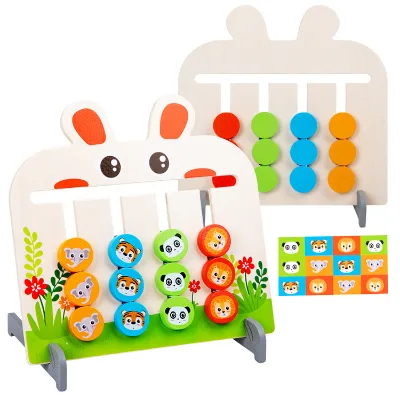
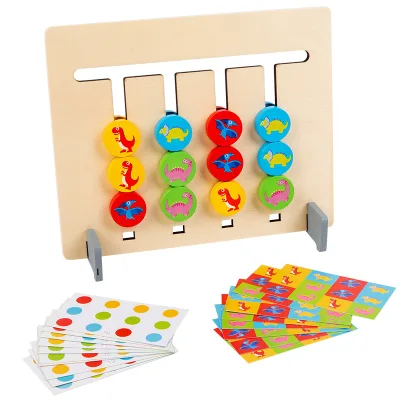
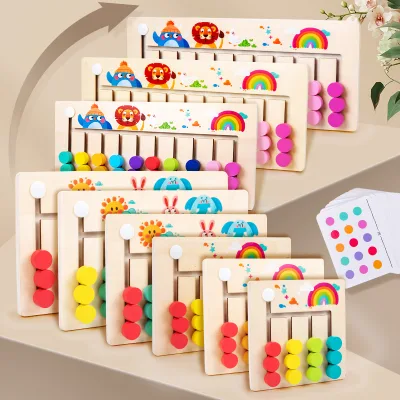
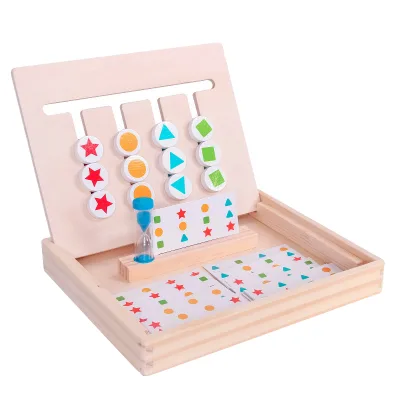
Logical Reasoning Training Wooden Double Sided Memory Chess Color Cognition Match Four Color Game
$3.2282 - $4.0985
MOQ: 10 pieces
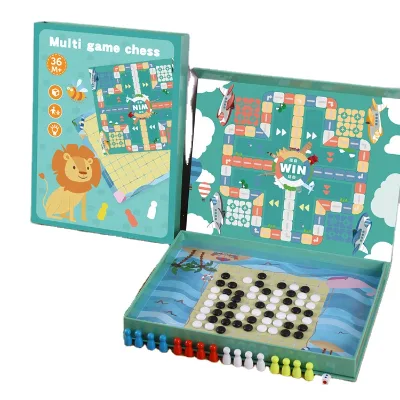
Kids Educational Three-In-One Creative Multi-Function Wooden Checkers Chess Board Game
$3.45 - $4.45
MOQ: 20 pieces

- Verified by TUVRHEINLAND
- Combined
- China Guangdong
- Lead time15 days
- Avg. response≤ 5h
Main marketsSouth America,Southeast Asia/ Mideast,Europe,North America

Christmas Chess Game Magnetic Educational Toy for Kids Logic Practice Toy
$3.99 - $4.79
MOQ: 108 Pieces


Shantou Chenghai Xaqi Toys Industrial Co., Limited
- Verified by BV
- Combined
- China Guangdong
- Lead time23 days
- Avg. response≤ 5h
Main productsRemote Control Car, Educational Toy, Sport Toy, Pretend Play Toys, Remote Contro Toy, Baby Toy, Summer Toy, B/O Toy
Main marketsSoutheast Asia/ Mideast,Domestic,Europe
Yunhe County Luofu Toys Co., Ltd.
- Trading Company
- Zhejiang, China
- Lead time0 days
- Avg. response≤ 6h
Main productsWooden toys,Children's Toys,Educational Toys,Jigsaw puzzle,Building Blocks
Main marketsNorth America(50.00%)
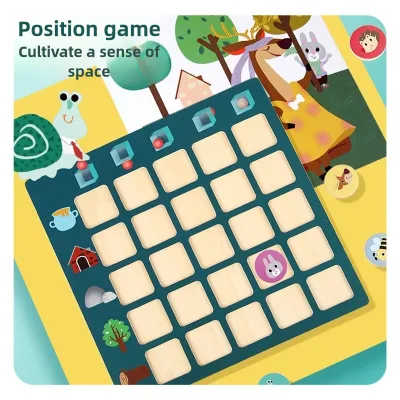
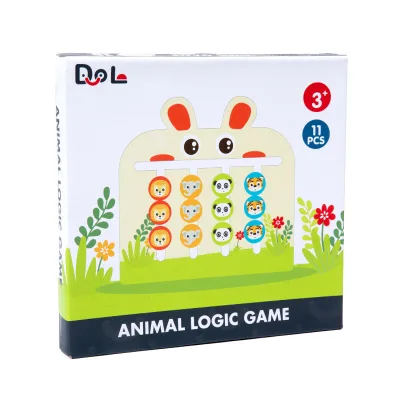
Hoye Crafts Educational Toy Logic Thinking Boards Cute Animal Chess Find Orientation Game
$2.0568 - $2.5706
MOQ: 2 pieces
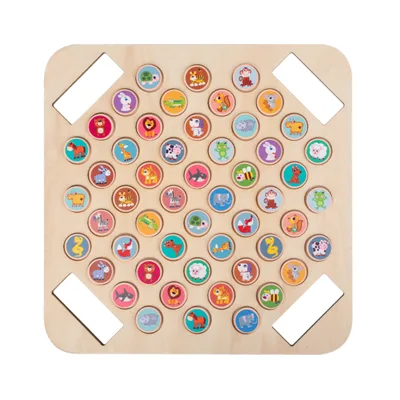
$1.6568 - $2.5706
MOQ: 2 Minimum
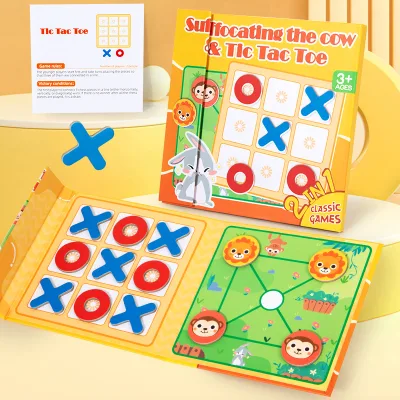
Logical Thinking Training Puzzle Board Game Xo Chess Tic Tac Toe Board Game Wooden Tic-tac-toe Game
$0.57 - $0.71
MOQ: 2 pieces

Hai Yang International Limited
- Verified by SGS
- Trading Company,Manufacturer/Factory
- China Zhejiang
- Lead time60 days
- Avg. response≤ 4h
Main productsWooden Toy, Montessori Material, Wooden Educational Toys, Wooden Puzzle, Wooden Blocks, Wooden Train Set, Wooden Nutcrackers, Wooden Crafts, Wooden Dolls, Wooden Chess
Main marketsEastern Europe,Mid East,North America,Southeast Asia,Eastern Asia,Oceania

High Quality Chess Game Board Brain Training Kids Educational Intelligence Toy Wooden Chess Game
$3.20 - $3.60
MOQ: 100 Pieces

Wenzhou Fun Arts & Crafts Co., Ltd.
- Manufacturer, Trading Company
- Zhejiang, China
- Lead time25 days
- Avg. response≤ 15h
Main productsMontessori Toys,Wooden Wall Toy,Wooden Puzzle,Wooden Building Block,Pretend Play Game
Main marketsNorth America(30.00%), Northern Europe(16.00%), Western Europe(15.00%), Southern Europe(9.00%), South America(8.00%), Eastern Asia(4.00%), Oceania(4.00%), Central America(3.00%), South Asia(2.00%), Southeast Asia(2.00%), Africa(2.00%), Mid East(2.00%), Eastern Europe(2.00%), Domestic Market(1.00%)
Shenzhen Krishna Toys & Gifts Co., Limited.
- Verified by SGS Group
- Trading Company
- Guangdong, China
- Lead time0 days
- Avg. response≤ 7h
Main productsEducational Toys, Kitchen Toys, Montessori Toy, Wooden Toys, Stuffed Animal Toy
Main marketsNorth America(20%), Southeast Asia(20%), Eastern Europe(20%)
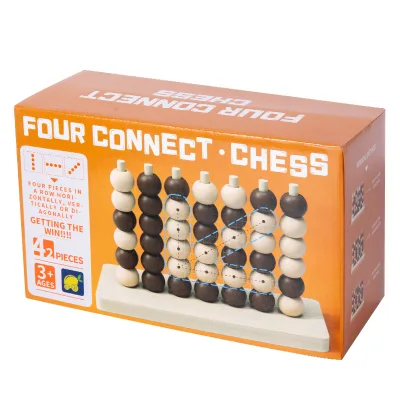
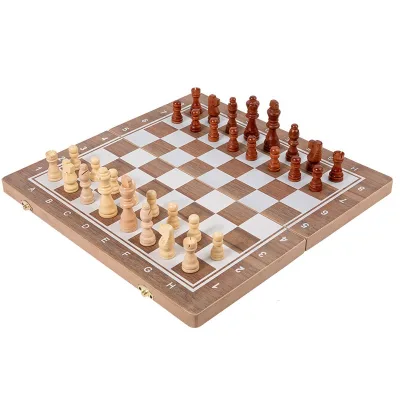
3D Montessori Portable Wooden Chess Board Chess Games Educational Logo Custom Chess Board
$1.69 - $2.00
MOQ: 48 pieces
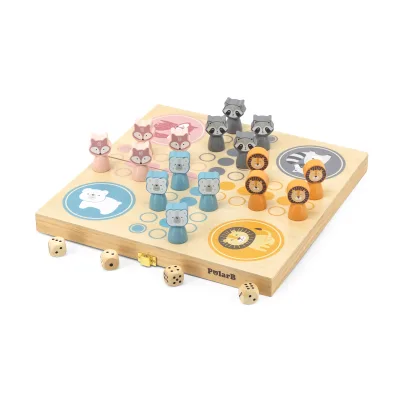
$10.098 - $11.8731
MOQ: 24 sets
SHANTOU BHX TECHNOLOGY CO., LTD.
- Verified by SGS Group
- Manufacturer, Trading Company
- Guangdong, China
- Lead time5 days
- Avg. response≤ 3h
Main productsBaby Toy, Radio Control Toy, Play Set Toy, Outdoor Toy, Educational Toy
Main marketsNorth America(15%), South America(10%), Mid East(10%)
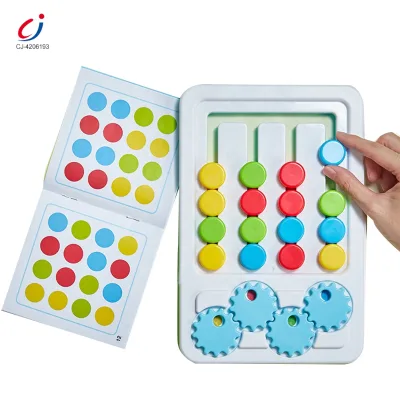
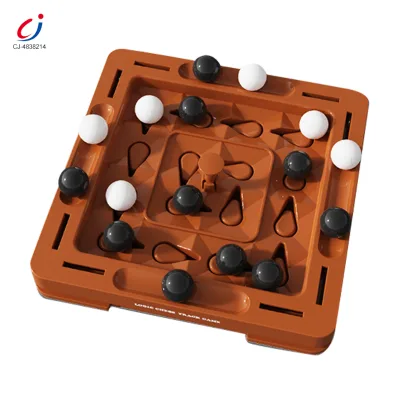
$1.3063 - $1.6253
MOQ: 288 pieces

Shantou XIQI Plastic Products Co., Ltd.
- Verified by SGS
- Manufacturer
- China Guangdong
- Lead time15 days
- Avg. response≤ 2h
Main productsToys Gift Electrical Equipment Household Effe
Main marketsEast Asia(Japan/ South Korea),Europe,North America


New Puzzle Plastic Stereo Chess Early Education Children Interactive Chess Board Game Board Toys
$1.50 - $1.60
MOQ: 72 Pieces


Shenzhen Leleto Electronic Technology Co., Ltd.
- Manufacturer
- Guangdong, China
- Lead time0 days
- Avg. response≤ 1h
Main productsEducational Toys,Pretend Play Toys,Montessori Toys,Learning Machine,Baby Toys
Main marketsNorth America(15.00%), Eastern Asia(12.00%), Southeast Asia(12.00%), Western Europe(10.00%), Mid East(10.00%), Southern Europe(8.00%), Eastern Europe(8.00%), South America(8.00%), Africa(5.00%), Northern Europe(5.00%), South Asia(5.00%), Central America(2.00%)
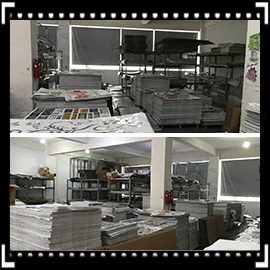
Wenzhou High And Long Co., Ltd.
- Trading Company
- Zejiang, China
- Lead time30 days
- Avg. response≤ 4h
Main productsKids Toys,Wall Clock,Gifts,Sticker
Main marketsWestern Europe(40.00%), Eastern Asia(40.00%), Mid East(10.00%), North America(10.00%)
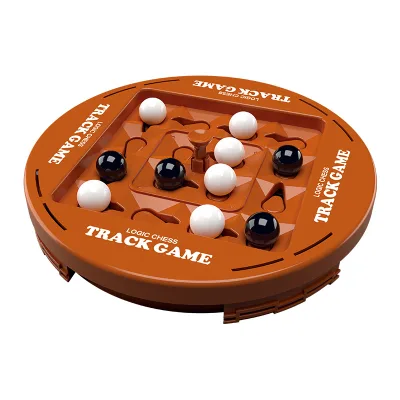
2024 New Arrival Logic Chess Track Board Game Toy Cognition Chess Training Game Educational Toys
$2.0687 - $2.2755
MOQ: 60 sets
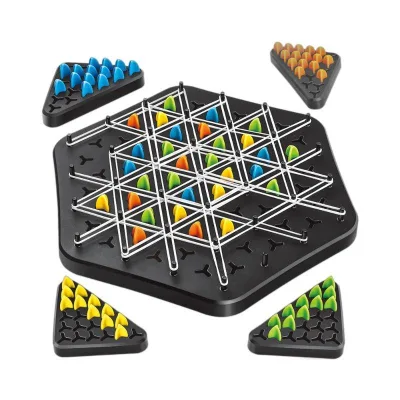
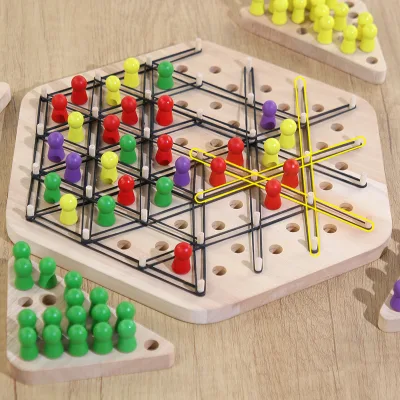
2024 NEW Triangle Strategic Board Game Chain Chess Enhances Memory and Logical Reasoning Abilities
$1.7062 - $2.0687
MOQ: 144 sets

Ningbo Hardwork Art & Craft Co., Ltd.
- Verified by BV
- Combined
- China Zhejiang
- Lead time15 days
- Avg. response≤ 14h
Main productsDIY Kit, Stamp, Wooden Craft, Book
Main marketsEurope

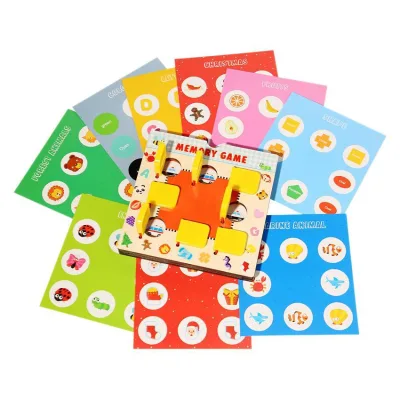
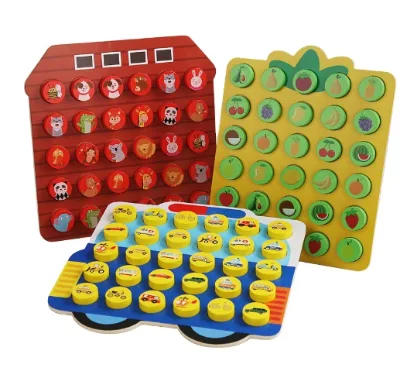
Board Game Children Color Sorting Logical Thinking Training Wooden Memory Chess Game
$1.42 - $2.51
MOQ: 500 pieces


- Trading Company
- Jiangsu, China
- Lead time10 days
- Avg. response≤ 6h
Main productswhatsapp:15161989378,Silicone Toy,Squeeze Toy,Flippy chain toy,Educational Toy
Main marketsDomestic Market(15.00%), South America(15.00%), North America(15.00%), Southern Europe(10.00%), Northern Europe(10.00%), Central America(10.00%), Western Europe(10.00%), Eastern Europe(10.00%), Mid East(5.00%)
Shenzhen Aidisheng Trading Co., Ltd.
- Trading Company
- Guangdong, China
- Lead time15 days
- Avg. response≤ 2h
Main productsRC Airplanes,Toy Guns,Fidget Toys,RC Cars,Cosmetic Toys
Main marketsNorth America(30.00%), Africa(10.00%), Southern Europe(10.00%), Southeast Asia(10.00%), Eastern Europe(10.00%), Western Europe(10.00%), South America(10.00%), Mid East(4.00%), Oceania(4.00%), Northern Europe(2.00%)

Shantou Haizhiming Network Technology Co., Ltd.
- Verified by TUVRHEINLAND
- Combined
- China Guangdong
- Lead time15 days
- Avg. response≤ 5h
Main marketsDomestic
Quanzhou Lanjin Chuangze Trading Co., Ltd.
- Trading Company
- Fujian, China
- Lead time7 days
- Avg. response≤ 5h
Main productsSales of maternal and infant products,Hardware fittings,Toys,Clothing customization,Shoes and hats
Main marketsDomestic Market(1.00%), South Asia(1.00%), Southern Europe(1.00%), Northern Europe(1.00%), Central America(1.00%), Western Europe(1.00%), Eastern Asia(1.00%), Mid East(1.00%), Oceania(1.00%), Africa(1.00%), Southeast Asia(1.00%), Eastern Europe(1.00%), South America(1.00%), North America(1.00%)

- Verified by TUVRHEINLAND
- Trading Company
- China Zhejiang
- Lead time15 days
- Avg. response≤ 15h
Main productsStationery Set, Calendar, Promotion Pen, Bottle, Car Products, Fidget Toy, DIY Toy, Education Toy, Art Set, Pencil Case
Main marketsSouth America,Europe,North America


Children's Tabletop Flick Chess Parent-Child Interactive Toy Chess Educational Toys
$2.10 - $3.00
MOQ: 100 Pieces


Wooden Tabletop Game Memory for Children's Logical Thinking and Focused Training Chess
$3.80 - $4.00
MOQ: 100 Pieces
Shantou Chenghai Hua Nuo Intelligent Technology Co., Ltd.
- Verified by SGS Group
- Manufacturer, Trading Company
- Lead time20 days
- Avg. response≤ 4h
Main productsKid Makeup Toy, Educational Toy, Water Gun, RC Toy-RC Car, Bubble Toys
Main marketsNorth America(40%), Eastern Europe(20%), South America(10%)
- Verified by Intertek
- Trading Company
- Lead time30 days
- Avg. response≤ 2h
Main productsPlastic Toys, Promotion Toys, Baby Toys, Role Play Set Toys, RC Toys
Main marketsWestern Europe(47%), North America(15%), Southeast Asia(11%)
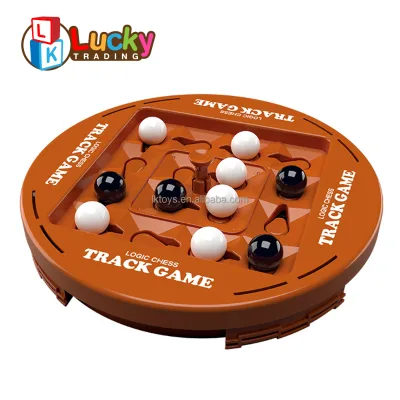
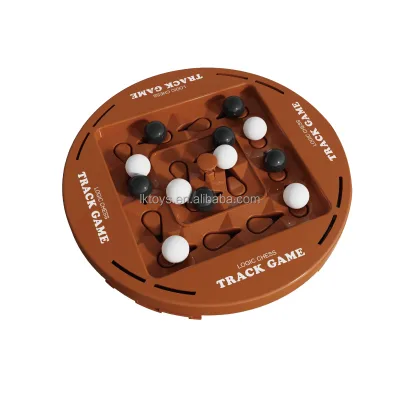
$1.2733 - $1.3347
MOQ: 300 pieces
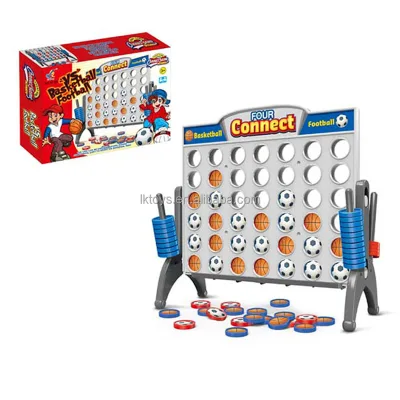
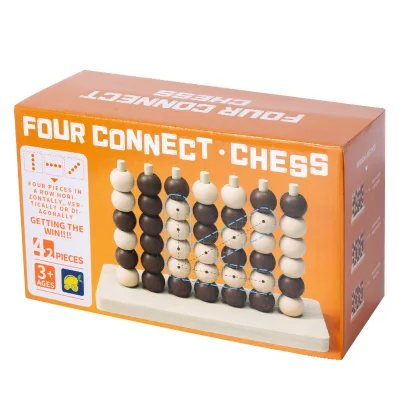
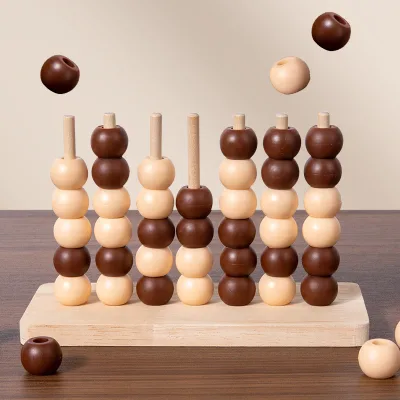
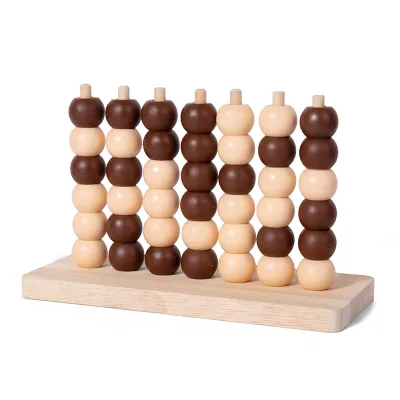
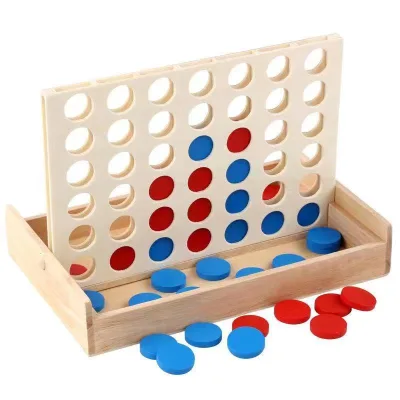
Interesting Kids Play Chess Set Connect Four Game for Intellectual Development
$0.81 - $1.08
MOQ: 480 pieces
Ningbo Hooleesh International Trading Co., Ltd.
- Trading Company
- Zhejiang, China
- Lead time25 days
- Avg. response≤ 4h
Main productsOutdoor Toss Game, Desktop Game, Wooden Handicraft, Party Supplies
Main marketsNorth America(60.00%), Western Europe(20.00%), Eastern Europe(10.00%), Southern Europe(5.00%), Northern Europe(5.00%)

Jinjiang Naike Eco Technology Co., Ltd.
- Verified by SGS
- Trading Company
- China Fujian
- Lead time30 days
- Avg. response≤ 2h
Main productsKeychain, Promotional Gifts, Shoes Charm, Straw Toppers, Pencil Toppers, Christmas Decoration, Party Decoration, Toy, Metal Craft, Silicone Products
Main marketsEurope,North America

Eonjoy Plastics (Guangzhou) Co., Ltd.
- Trading Company
- China Guangdong
- Lead time0 days
- Avg. response≤ 1h
Main productsAcrylic Display, Acrylic Photo Frame, Acrylic Cosmetic Display, Artifact in Resin, Lucite Tray, Transparent Storage Box, Acrylic Box

Transparent Luxury Chess Game Board for Home Entertainment & Children & Educational Toy
$16.90 - $18.90
MOQ: 1000 Pieces


Ningbo Yinzhou Wenhui Paper Co., Ltd.
- Verified by TUVRHEINLAND
- Manufacturer/Factory
- China Zhejiang
- Lead time45 days
- Avg. response≤ 8h
Main productsStationery Gifts Promotional Homeware, Pen, Pet Products, Board Game, Paper Tube, Notebook, Wooden Toys, DIY Toy, Puzzle, Gift Bag
Main marketsSouth America,Eastern Europe,Mid East,North America,Southeast Asia,Eastern Asia,Oceania,Western Europe,Africa
- Manufacturer, Trading Company
- Zhejiang, China
- Lead time0 days
- Avg. response≤ 8h
Changsha Xinchuangle Electronic Commerce Co., Ltd.
- Manufacturer, Trading Company
- Hunan, China
- Lead time7 days
- Avg. response≤ 8h
Main productsMahjong,Dice,Domino,Chess,Poker chips
Main marketsNorth America(45.00%), South America(15.00%), Southern Europe(10.00%), Northern Europe(10.00%), Western Europe(10.00%), Oceania(10.00%)
Ningbo EC Life Imp&Exp Co., Ltd.
- Verified by Intertek
- Trading Company
- Lead time45 days
- Avg. response≤ 3h
Main productsOutdoor Toys, Educational Toys, Novelty Toys, Night Lights, Gifts & Crafts
Main marketsWestern Europe(40%), North America(20%), Northern Europe(10%)
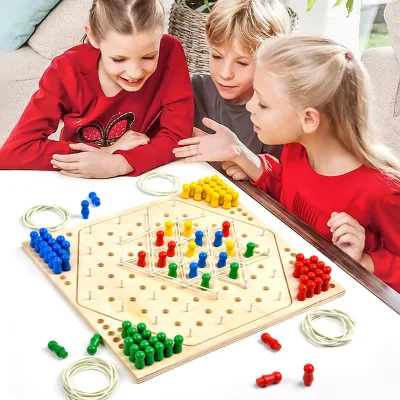
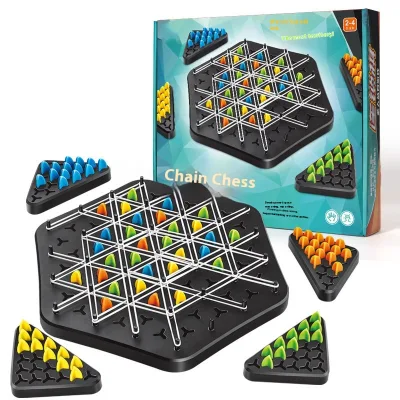
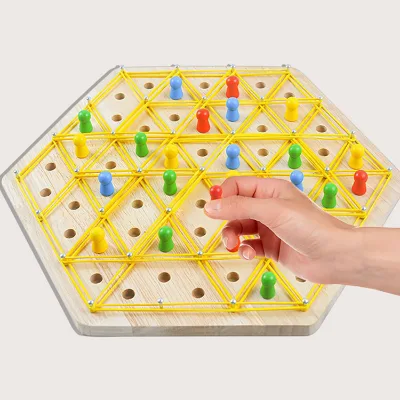
Puzzle Triangle Chess Table Game Family Interactive Rubber Band Training Board Wholesale Interactive
$4.1015 - $4.6153
MOQ: 40 pieces
$0.6741 - $0.779
MOQ: 60 pieces

WENZHOU TIMES ARTS&CRAFTS CO., LTD.
- Verified by SGS
- Manufacturer/Factory
- China Zhejiang
- Lead time23 days
- Avg. response≤ 5h
Main productsToys, Montessori Toys, Wooden Toy, Educational Toy, Role Play Toys, Children Furniture, Puzzle, Kid Bike, Musical Toy, Wooden Blocks
Main marketsSouth America,Eastern Europe,Mid East,North America,Southeast Asia,Eastern Asia,Oceania,Western Europe,Africa

New Hottest Educational Game Wooden Children Playing Chess with Chess Pieces W11A078
$1.00 - $6.00
MOQ: 100 Sets


Wholesale Educational Wooden Ejection Board Chess Games for Kids W11A131
$5.00 - $20.00
MOQ: 1000 Sets

Customized Educational Game Board Wooden Traditional Games for Kids W11A085
$1.00 - $5.00
MOQ: 100 Sets

New Hottest Kids Educational Wooden Play Go Board Game From China W11A073
$3.00 - $10.00
MOQ: 100 Sets

Lishui Zhangzhongbao Toys Co., Ltd.
- Trading Company,Manufacturer/Factory
- China Zhejiang
- Lead time30 days
- Avg. response≤ 3h
Main productsWooden Toys, Educational Toys, Doll House, Kitchen Toy, Wooden Bike
Main marketsSouth America,Eastern Europe,Mid East,North America,Southeast Asia,Eastern Asia,Oceania,Western Europe,Africa

High Quality Educational Matching Game Wooden Memory Chess Board for Kids Z11150A
$1.00 - $5.00
MOQ: 1000 Pieces

Educational Color Matching Radish Wooden Memory Chess Board for Kids Z01561A
$2.00 - $8.00
MOQ: 1000 Pieces

Educational Color Matching Radish Wooden Memory Chess Board for Kids Z01561A
$2.00 - $8.00
MOQ: 1000 Pieces

Factory Direct Educational Game Mulfunctional Wooden Chess Board for Kids Z11145A
$10.00 - $15.00
MOQ: 1000 Pieces






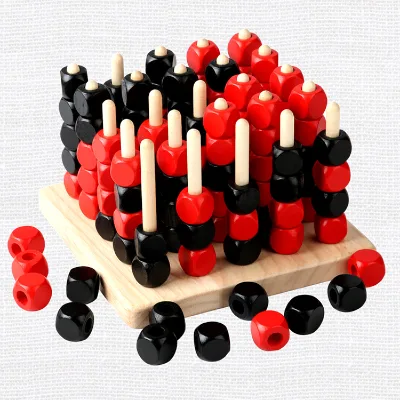
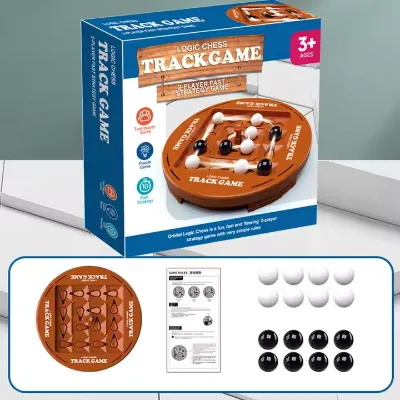
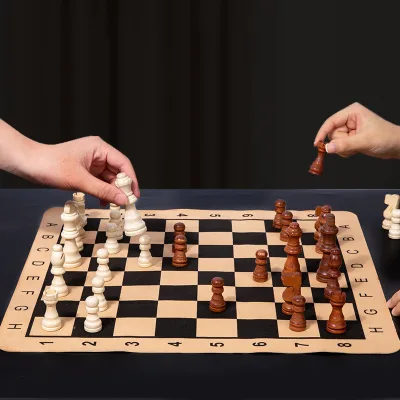
Comprehensive Sourcing Guide
Educational Logic Chess Board Supplier Concentration and Factory Types
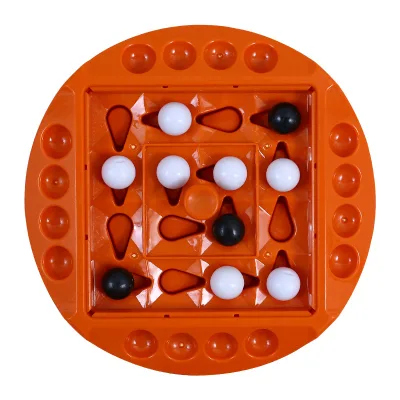
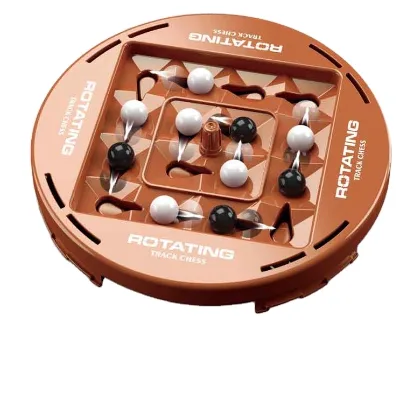
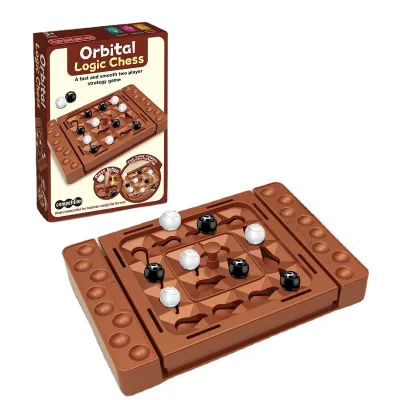
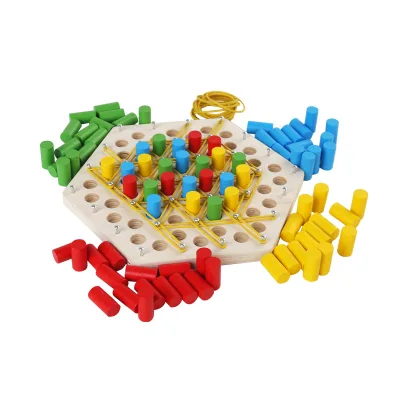
The current supplier landscape for educational logic chess boards reveals a distinct concentration of manufacturing and trading entities within specific industrial regions in China. Data indicates that a significant portion of these suppliers are located in Guangdong, a province renowned for its robust plastic manufacturing infrastructure and electronics supply chains. This geographic clustering suggests that buyers sourcing plastic-based logic games, such as orbital track chess or rotating puzzle boards, will likely encounter suppliers with established access to raw materials and injection molding capabilities. The presence of these suppliers in Guangdong often correlates with efficient logistics networks and mature export processes, which can streamline the shipping of finished goods to international markets. However, it is crucial to recognize that not all suppliers operate from this single hub. Some manufacturers are situated in Zhejiang, a region traditionally associated with wooden toy production and early childhood educational materials. This geographic diversity means that buyers must carefully evaluate the material composition of their desired product, as wood-based logic puzzles may originate from different regional clusters than their plastic counterparts. Understanding these regional distinctions helps in anticipating the specific strengths and logistical advantages each supplier might offer based on their local industrial ecosystem.
Beyond location, the company types available in this sector vary significantly, influencing the nature of the business relationship and the flexibility of the supply chain. The observed results include both pure Trading Companies and entities that identify as Manufacturers or Trading Companies. Trading companies often act as intermediaries, aggregating products from multiple factories to offer a broader catalog, which can be beneficial for buyers seeking diverse SKUs without managing multiple vendor relationships. In contrast, suppliers that explicitly state they are manufacturers may offer greater control over production processes, quality assurance, and customization options. Some listings highlight capabilities such as OEM and ODM services, indicating a willingness to adapt products to specific brand requirements. This distinction is vital for buyers who prioritize direct communication with the production floor or require strict adherence to specific design specifications. The presence of companies offering both manufacturing and trading services suggests a hybrid model that may provide the best of both worlds, combining production control with flexible commercial terms. Buyers should carefully review the company type to ensure it aligns with their strategic goals, whether that involves cost efficiency, customization depth, or supply chain simplicity.
How to Verify Educational Logic Chess Board Suppliers
Verifying the legitimacy and capability of Educational Logic Chess Board suppliers requires a multi-layered approach that goes beyond surface-level profile reviews. One of the most critical steps is to examine the verification status provided by independent third-party inspection agencies. For instance, some suppliers in this category have undergone verification by SGS Group, a globally recognized leader in inspection and certification services. This verification adds a layer of credibility regarding the supplier’s business operations and physical existence. Buyers should prioritize suppliers who display such third-party validations, as they indicate a commitment to transparency and adherence to international business standards. Additionally, checking for specific system certifications is essential, particularly for toys intended for children. Certifications such as BSCI, EN 71, ASTM F963, CE, CPC, and UKCA are frequently listed and serve as proof that the products meet rigorous safety and quality benchmarks. These certifications are not merely decorative; they are often mandatory for importing toys into major markets like the European Union and the United States. Buyers must ensure that the certifications listed are current and applicable to the specific product models they intend to purchase, as different regions have varying regulatory requirements.
Another crucial aspect of verification is assessing the supplier’s responsiveness and operational efficiency. The response time is a key indicator of how well a supplier manages customer inquiries and potential order issues. In the current results, response times vary, with some suppliers demonstrating a rapid response capability of three days, while others may take up to eight days. A faster response time often correlates with better customer service and more agile problem-solving, which is invaluable during the sourcing process. Furthermore, buyers should investigate the supplier’s production capacity and customization capabilities. Some manufacturers highlight their ability to handle light customization, sample processing, and graphic processing, which suggests a flexible production line capable of adapting to unique buyer requests. It is also important to verify the authenticity of these claims by requesting recent test reports or factory audit videos. Buyers should not rely solely on the information provided in the product listings but should actively engage with the supplier to confirm these details. By combining verification of third-party credentials with an assessment of operational metrics, buyers can significantly reduce the risk of partnering with unreliable suppliers.
What to Compare Across Educational Logic Chess Board Suppliers
When evaluating multiple suppliers for educational logic chess boards, buyers must systematically compare key operational metrics to identify the most suitable partner for their specific needs. One of the primary dimensions for comparison is the minimum order quantity (MOQ). The data shows a wide range in MOQs, with some suppliers requiring as few as two units, while others set the bar at ten sets or more. This variation is critical for buyers who are testing the market with small initial orders versus those planning large-scale distribution. A lower MOQ allows for greater flexibility and reduced financial risk, making it ideal for startups or niche retailers. Conversely, higher MOQs may indicate a focus on bulk efficiency and potentially lower per-unit costs for larger orders. Buyers should align their MOQ expectations with their inventory management strategy and cash flow capabilities. Additionally, comparing the lead times is essential for planning supply chain timelines. Lead times in this category can vary significantly, with some suppliers offering a turnaround of twenty days, while others may require up to forty-five days. Understanding these lead times helps buyers manage customer expectations and avoid stockouts, especially during peak shopping seasons.
Price and payment terms are another crucial area for comparison, although buyers must be cautious when interpreting listed prices. The observed price ranges for various logic chess products vary widely, from as low as $0.34 to over $2.90 per unit, depending on the product complexity, material, and packaging. These prices often reflect the base cost for the minimum order quantity and may not include shipping, taxes, or additional customization fees. Buyers should request detailed quotations that break down these costs to ensure accurate total landed cost calculations. Furthermore, examining the payment terms is vital for financial planning. Some suppliers accept standard payment methods like T/T, while others may offer more secure options like escrow services, which protect the buyer’s funds until the goods are confirmed as satisfactory. The availability of OEM and ODM services is also a key differentiator. Suppliers that welcome customized logos and packaging can help buyers build a unique brand identity, whereas those with rigid product offerings may limit branding opportunities. By meticulously comparing MOQs, lead times, prices, payment terms, and customization capabilities, buyers can make informed decisions that balance cost, risk, and brand alignment.
Common Educational Logic Chess Board Sourcing Risks
Sourcing educational logic chess boards from international suppliers introduces several inherent risks that buyers must proactively manage to ensure a successful procurement process. One of the most significant risks is the discrepancy between the product samples and the bulk production quality. While suppliers may provide high-quality samples that meet all specifications, the mass-produced items might suffer from inconsistencies in material durability, color accuracy, or assembly precision. This risk is particularly prevalent with plastic-based logic games, where injection molding variations can affect the fit and function of moving parts. To mitigate this, buyers should insist on pre-shipment inspections or hire third-party inspection services to verify that the bulk order matches the approved sample. Additionally, the risk of intellectual property infringement is a concern, especially when dealing with OEM orders. Buyers must ensure that their designs are protected and that the supplier does not share their proprietary information with competitors. Clear contractual agreements regarding confidentiality and IP rights are essential to safeguarding brand assets.
Another common risk is the miscommunication regarding certification and compliance requirements. While suppliers may list various certifications such as EN 71, ASTM, or CPC, there is a risk that these documents may be outdated, forged, or not applicable to the specific product variant being ordered. Buyers must verify the authenticity of these certificates by checking the issuing body’s database or requesting recent test reports from accredited laboratories. Failure to do so can result in customs delays, product recalls, or legal liabilities in the destination market. Furthermore, the risk of logistical delays is heightened by the varying lead times observed among suppliers. A supplier claiming a twenty-day lead time might face unexpected production bottlenecks, causing significant delays in delivery. Buyers should build buffer time into their supply chain plans and maintain open communication with suppliers to monitor production progress. Additionally, the risk of hidden costs, such as unexpected shipping fees or customs duties, can impact the overall profitability of the order. Buyers should obtain comprehensive quotes that include all potential charges and stay informed about import regulations in their target markets. By anticipating and addressing these risks, buyers can navigate the sourcing process with greater confidence and security.
Educational Logic Chess Board Regional Sourcing and Logistics
The regional sourcing of educational logic chess boards is heavily influenced by the industrial clusters where these products are manufactured, which in turn affects logistics strategies and cost structures. As noted, a significant number of suppliers are located in Guangdong, a region with a mature infrastructure for plastic manufacturing and export logistics. This concentration offers buyers access to a dense network of suppliers, facilitating easier comparison and negotiation. The proximity to major ports in Guangdong, such as Shenzhen and Guangzhou, often results in more efficient shipping options and competitive freight rates for ocean transport. Buyers sourcing from this region can benefit from shorter transit times to major global markets, particularly those in Asia and North America. However, it is important to note that not all suppliers are located in Guangdong. Some manufacturers, particularly those specializing in wooden toys, are situated in Zhejiang. This region is known for its expertise in wood processing and traditional craft techniques, offering a different value proposition for buyers seeking eco-friendly or natural material products.
Logistics planning must account for the specific characteristics of the products being sourced. Educational logic chess boards vary in size, weight, and packaging, which directly impacts shipping costs and container utilization. For instance, plastic-based games often come in compact color boxes, allowing for higher density packing and more efficient use of container space. In contrast, wooden puzzles may require more protective packaging to prevent damage during transit, potentially increasing volumetric weight and shipping costs. Buyers should work closely with their suppliers to optimize packaging designs to minimize logistics expenses. Additionally, understanding the regional export regulations and documentation requirements is crucial. Suppliers in different regions may have varying levels of experience with international trade compliance, which can affect the smoothness of the export process. Buyers should ensure that their suppliers are proficient in preparing necessary export documents, such as commercial invoices, packing lists, and certificates of origin. By aligning their sourcing strategy with the strengths of specific regional clusters and optimizing logistics planning, buyers can enhance supply chain efficiency and reduce overall procurement costs.
Educational Logic Chess Board Commercial Terms and Order Planning
Effective order planning for educational logic chess boards requires a thorough understanding of the commercial terms offered by suppliers, which can significantly impact the overall procurement strategy. One of the key commercial terms to consider is the payment structure. While many suppliers accept standard payment methods like T/T, the availability of escrow services provides an additional layer of security for buyers. Escrow ensures that funds are only released to the supplier once the buyer confirms receipt and satisfaction with the goods, reducing the risk of fraud or non-delivery. Buyers should prioritize suppliers who offer secure payment options, especially for new or high-value orders. Additionally, the flexibility of payment terms, such as the percentage of deposit required upfront versus the balance due upon shipment, can affect cash flow management. Buyers should negotiate terms that align with their financial capabilities and risk tolerance. Furthermore, understanding the supplier’s return and warranty policies is essential. While not explicitly detailed in all listings, buyers should inquire about the procedures for handling defective products or quality issues, ensuring there is a clear mechanism for recourse.
Order planning must also
FAQs
What certifications do these educational logic chess toys have?
Manufacturers typically provide EN71, ASTM, CE, and CPC certifications to ensure safety for children. These standards verify that materials are non-toxic and meet international quality benchmarks. Buyers should always request specific test reports for the exact model number to confirm compliance before placing bulk orders.
What is the typical lead time for production?
Production lead times generally range from 20 to 45 days depending on the supplier type and order volume. Manufacturers often offer faster turnaround times compared to trading companies. Buyers should confirm the exact schedule with the supplier early in the negotiation process to align with their shipping deadlines.
What is the minimum order quantity for these games?
Minimum order quantities vary significantly, with some suppliers accepting as few as two pieces while others require ten sets or more. This flexibility allows buyers to test market demand with smaller initial purchases. Always verify the specific MOQ for the chosen model to avoid unexpected inventory costs.
Can I customize the logo or packaging?
Most suppliers welcome OEM and ODM requests, allowing for customized logos and packaging designs. This service helps brands establish a unique market presence. Buyers should discuss design files and additional costs with the supplier to ensure the customization meets their specific branding requirements and budget constraints.
What materials are used in these chess sets?
Educational logic chess sets are commonly made from durable plastic or eco-friendly wood. Plastic versions often feature bright colors and interactive tracks, while wooden sets focus on traditional tactile learning. Buyers should select the material that best suits their target age group and safety preferences.
How quickly do suppliers respond to inquiries?
Response times typically range from three to eight hours for active suppliers on the platform. Faster response rates indicate a more responsive sales team capable of addressing urgent questions. Buyers should prioritize suppliers with quick response times to ensure smooth communication throughout the sourcing and production process.