Foldable Transformable Die Cast Car Suppliers and Manufacturers
Explore 27 verified suppliers offering Foldable Transformable Die Cast Car options with ODM and OEM capabilities. Compare response times, lead times, certifications like ASTM and EN, and pricing ranges to find the right partner. Contact suppliers directly to request samples and confirm customization details.
Updated
Suppliers List

Shantou Chenghai Xaqi Toys Industrial Co., Limited
- Verified by BV
- Combined
- China Guangdong
- Lead time23 days
- Avg. response≤ 5h
Main productsRemote Control Car, Educational Toy, Sport Toy, Pretend Play Toys, Remote Contro Toy, Baby Toy, Summer Toy, B/O Toy
Main marketsSoutheast Asia/ Mideast,Domestic,Europe

Dongguan Glory Plastic Products Co., Ltd.
- Verified by SGS
- Combined
- China Guangdong
- Lead time30 days
- Avg. response≤ 10h
Main productsBoardgame Accessories, Plastic Injection PVC Miniature, Plastic Dice, Products Design & Mould, Game Components, Print and Painting and Packing, Plastic Products Custom Packing, Poly Resin Craft Gift and Toy, Freight and Shipping, Creative Consultation
Main marketsEast Asia(Japan/ South Korea),Domestic


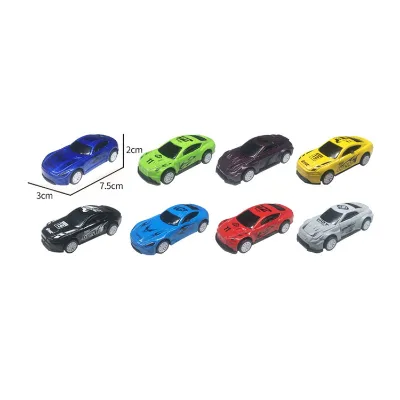
Miniature Toys Factory Small Cars for Children Vehicle Toys Diecast Car Model
$1.00 - $3.00
MOQ: 3000 Pieces

Shenzhen Brin Technology Co., Ltd.
- Verified by TüVRheinland
- Trading Company
- Lead time0 days
- Avg. response≤ 1h
Main productsPlush Toys, Educational Toys, Sensory Toys, Pet Products, Custom Products
Main marketsNorth America(40%), South America(20%), Western Europe(10%)
Shantou Chenghai De'er Toy Factory
- Manufacturer
- Guangdong, China
- Lead time45 days
- Avg. response≤ 4h
Main productsRemote control toys,Plush toys,Toy car,Souptoys,Baby toys
Main marketsSoutheast Asia(25.00%), South America(15.00%), North America(12.00%), Eastern Europe(10.00%), Africa(10.00%), Northern Europe(9.00%), Mid East(5.00%), South Asia(5.00%), Western Europe(5.00%), Southern Europe(4.00%)

Shantou Nanhuang Toys Co., Ltd.
- Verified by TUVRHEINLAND
- Trading Company
- China Guangdong
- Lead time15 days
- Avg. response≤ 2h
Main productsToys
Main marketsSoutheast Asia/ Mideast,Europe
Shantou Believe-Fly Science And Educational Co., Ltd.
- Manufacturer, Trading Company
- Guangdong, China
- Lead time20 days
- Avg. response≤ 6h
Main productsRC Toy,Candy toy,Promotional toy,Educational toy,Animal toy
Main marketsNorth America(30.00%), Eastern Europe(15.00%), Southeast Asia(10.00%), South America(10.00%), Oceania(9.00%), Western Europe(5.00%), Mid East(5.00%), Africa(5.00%), Central America(3.00%), Eastern Asia(3.00%), Northern Europe(2.00%), Domestic Market(1.00%), South Asia(1.00%), Southern Europe(1.00%)
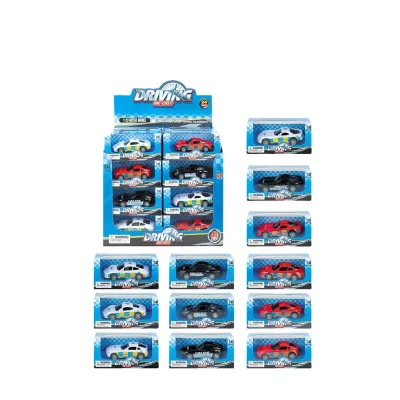
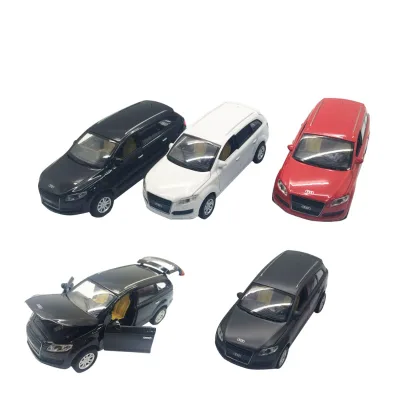
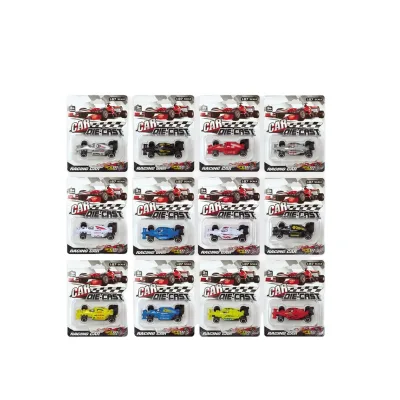
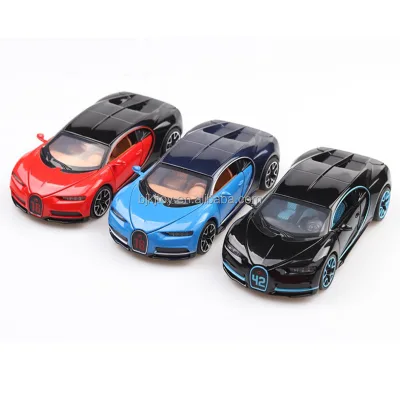
Openable Door Pull Back Car Model Diecast Toy Vehicles with Light and Sound
$3.1907 - $3.6012
MOQ: 5 Minimum
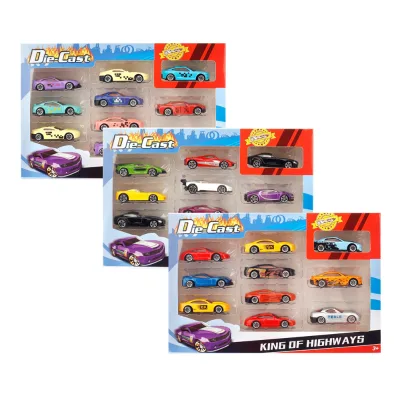
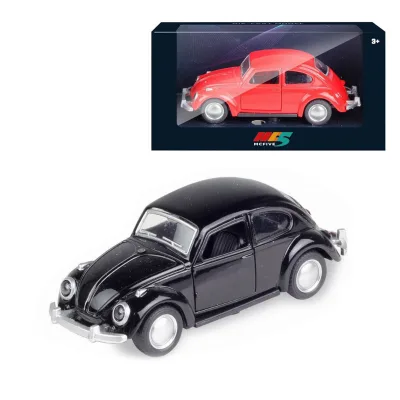
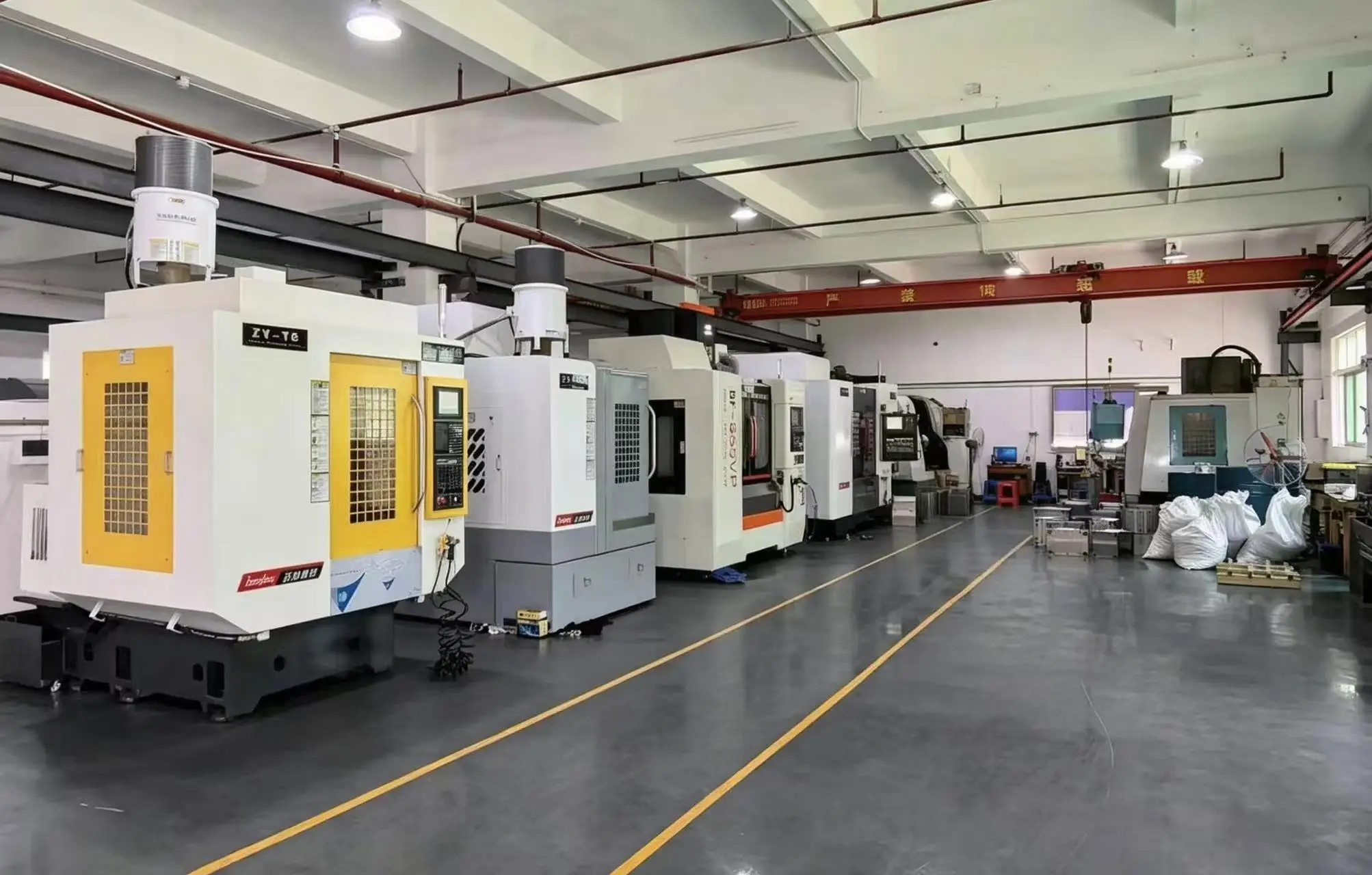
Shenzhen Idea Animation Co., Ltd
- Manufacturer, Trading Company
- Guangdong, China
- Lead time30 days
- Avg. response≤ 7h
Main productstoys,models,figures,gifts,crafts
Main marketsWestern Europe(20.00%), Eastern Asia(20.00%), Oceania(20.00%), Southeast Asia(20.00%), North America(20.00%)
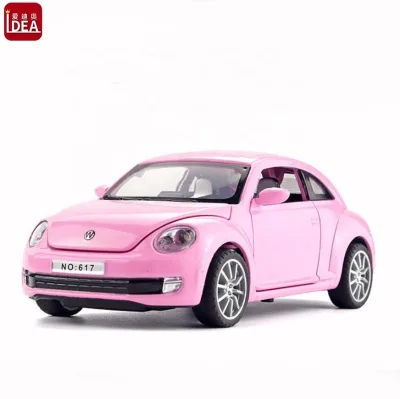
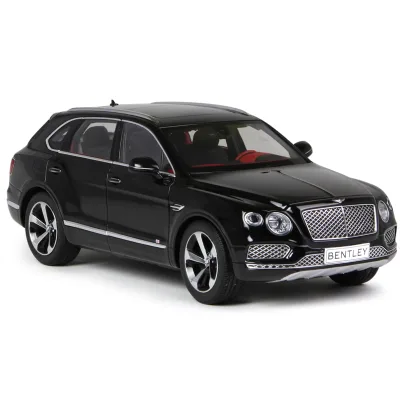
Model Car 1:24 Diecast Autoart Car Model Collectable Model Cars Die Cast Supplier
$13.90 - $15.90
MOQ: 1000
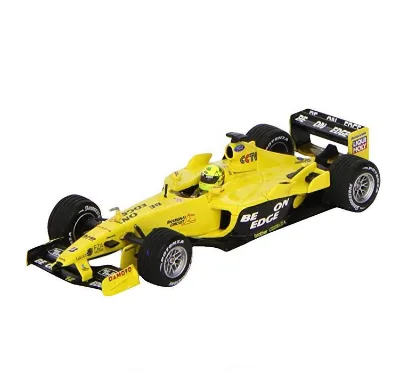
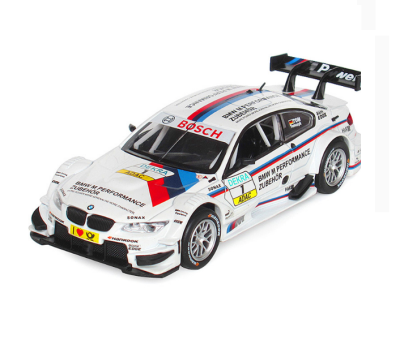
Customized High Details 1/18 Diecast Model Cars Resin Model Car 1:18 Supplier
$19.90 - $29.90
MOQ: 1000
Shantou Rongheqiang Trade Co. Ltd
- Verified by TüVRheinland
- Trading Company
- Lead time7 days
- Avg. response≤ 1h
Main productsToys
Main marketsNorth America(50%), Western Europe(30%), Southeast Asia(10%)
Shantou Beijia Technology Co., Ltd.
- Trading Company
- Guangdong, China
- Lead time30 days
- Avg. response≤ 7h
Main productsEducational Toy,rc car,block toy,toy accessories,car model
Main marketsCentral America(15.00%), South Asia(15.00%), Africa(15.00%), Southeast Asia(15.00%), South America(15.00%), North America(15.00%), Eastern Asia(10.00%)
Shenzhen Dimenqi Toys Co., Ltd.
- Manufacturer, Trading Company, Agent, Distributor/Wholesaler
- Guangdong, China
- Lead time7 days
- Avg. response≤ 2h
Main productsRC toy,Home Cooking Tools,gun,Kitchen toys,Kids EDUCATIONAL TOYS
Main marketsNorthern Europe(25.00%), Western Europe(20.00%), North America(20.00%), South America(10.00%), Southern Europe(10.00%), Africa(10.00%), Southeast Asia(5.00%), South Asia(5.00%), Mid East(5.00%), Central America(5.00%)
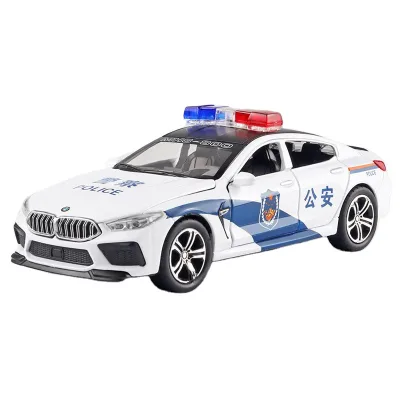
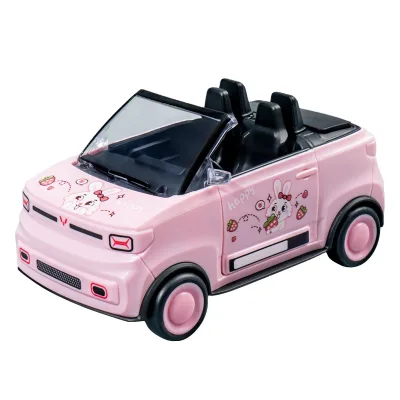
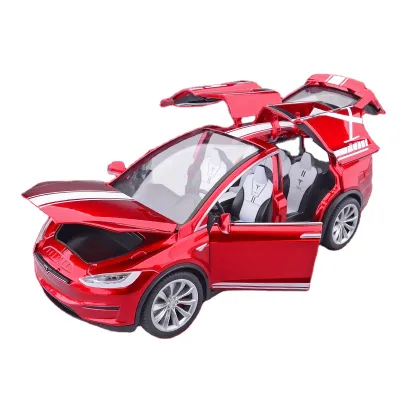

1/24 Alloy Models Six Open Door With Lights and Sound Pull Back Toy Car Diecast Model
$6.50 - $7.20
MOQ: 2 pieces
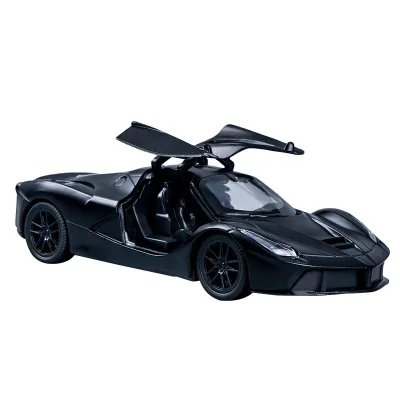
Shantou Huatailong Plastic Industry Co., Ltd.
- Manufacturer, Trading Company
- Guangdong, China
- Lead time7 days
- Avg. response≤ 1h
Main productsPlastic Toys, Educational Toys, Alloy Toys, Summer Toys, Aircraft Toys
Main marketsEastern Europe(45.00%), North America(30.00%), Southeast Asia(15.00%), Mid East(10.00%)
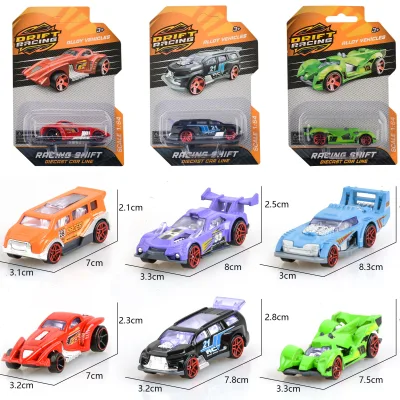
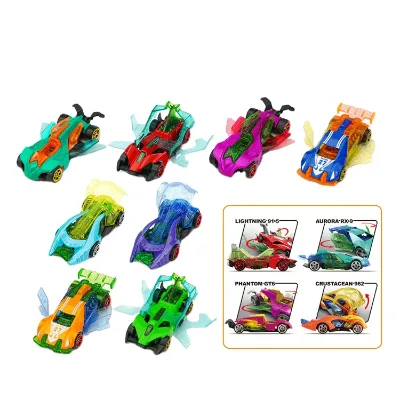
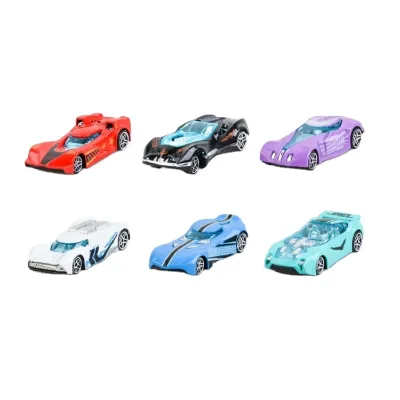
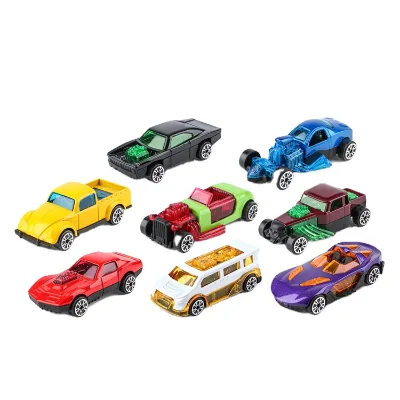
60 Pcs City Car Alloy Body Inertia Driving 1/72 Die Cast Model Car for Kids Age 3+
$0.3011 - $0.3116
MOQ: 5 pieces
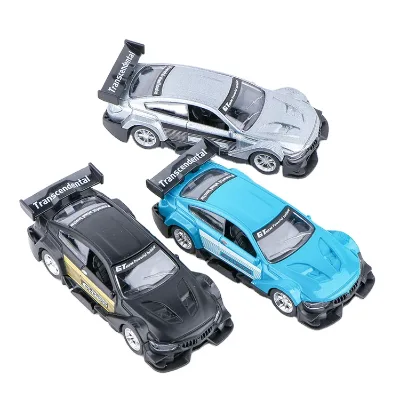
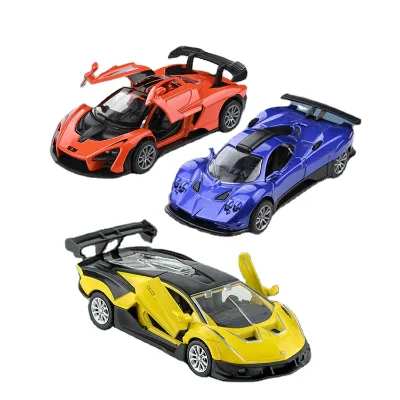
Two Door Opened Three Color Mixed 1/36 Pull Back Die Cast Model Racing Car for Kids Age 3+
$3.4754 - $3.5278
MOQ: 5 pieces

- Verified by BV
- Trading Company
- China Guangdong
- Lead time23 days
- Avg. response≤ 4h
Main productsToys, Plush Toy, Toy Car, Plastic Toys, RC Car, Bath Toys, Educational Toys, Pretend Play Toys, Doll Toys, Candy Toys
Main marketsEurope

Guangdong qunlong technology co., ltd
- Manufacturer
- China Guangdong
- Lead time15 days
- Avg. response≤ 1h
Main productsOEM/Design Toys, Plastic Products
Main marketsDomestic
Shantou Chengji Toys & Gifts Co., Ltd.
- Verified by TüVRheinland
- Manufacturer, Trading Company
- Guangdong, China
- Lead time5 days
- Avg. response≤ 4h
Main productsPretend Play Toys, Outdoor Toys, Baby Toys, Educational Toys, Gun Toys
Main marketsNorth America(12%), Southeast Asia(12%), Mid East(12%)
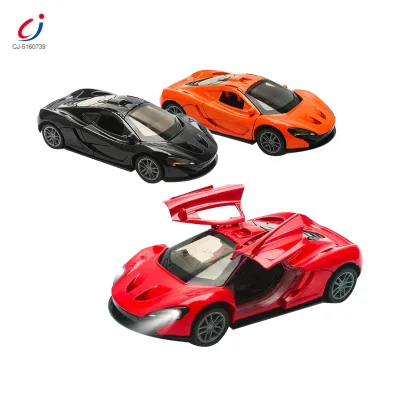
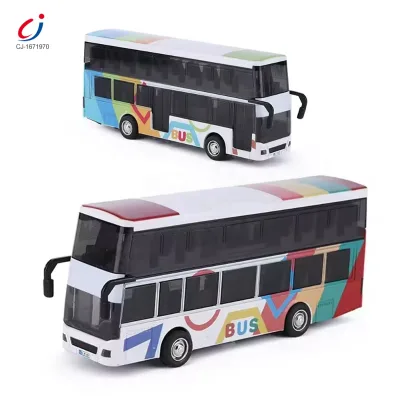
New Toys Alloy Return Force Cartoon Bus Metal Die Cast Model Cars With Light and Music
$3.64 - $3.96
MOQ: 160 pieces
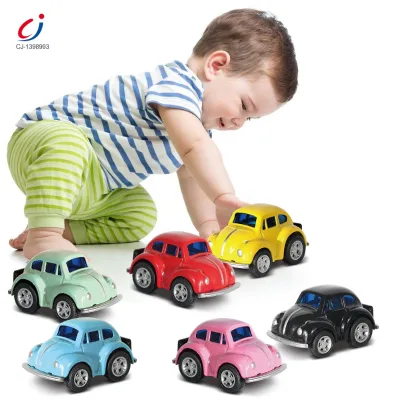
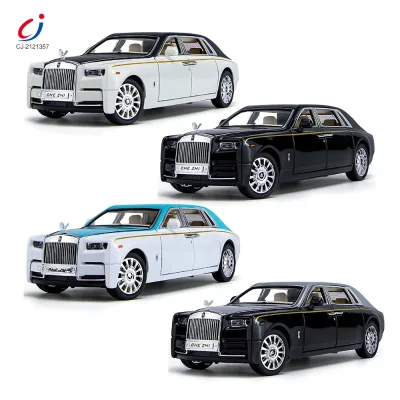
Manufactory Products Small Diecast Model Cars 1/24
$6.05 - $7.49

Shantou Kaixin Trading Co., Ltd
- Verified by BV
- Manufacturer
- China Guangdong
- Lead time23 days
- Avg. response≤ 6h
Main productsToy, Educational Toy, Remote Control Toy, Pretend Play Toy Set, Summer Toy, Vehicle Toy, Doll, Promotion Toy, Baby Toy, Game Toy
- Trading Company
- Guangdong, China
- Lead time0 days
- Avg. response≤ 3h
Main productsEDUCATION TOYS,RC TOYS,BO TOYS,BABY TOYS,SUMMER TOYS
Main marketsMid East(40.00%), Northern Europe(20.00%), Western Europe(20.00%), South America(10.00%), Africa(10.00%)

Shantou Denko Toys Co., Limited
- Manufacturer, Trading Company
- Guangdong, China
- Lead time30 days
- Avg. response≤ 11h
Main productsEducational Toys,Baby Toys,R/C Toys,Sport Toys,Plastic Toys
Main marketsWestern Europe(18.00%), Mid East(15.00%), South America(14.00%), Southeast Asia(13.00%), South Asia(11.00%), Domestic Market(8.00%), Oceania(8.00%), Eastern Asia(5.00%), North America(5.00%), Africa(3.00%)
Guangzhou Baolilong Toys Trading Co., Limited
- Trading Company
- Guangdong, China
- Lead time45 days
- Avg. response≤ 8h
Main productspromotion toys,dollar chain shop toys,OEM and ODM,candy toy,capsule toy
Main marketsNorthern Europe(35.00%), Mid East(25.00%), Eastern Europe(25.00%), South Asia(10.00%), South America(5.00%)
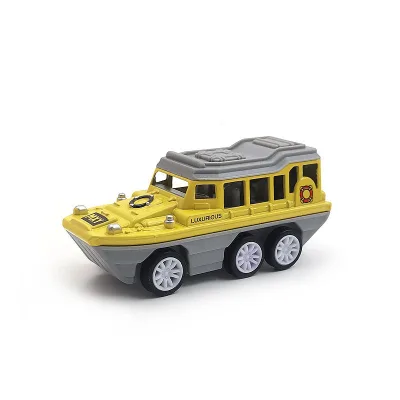
Water and Land Pull Back Toy Car Die Cast Amphibious Tourist Car Kids Pull Back Car
$0.5003
MOQ: 1920 Minimum

Xiamen Hengji Hengxin Trading Co., Ltd.
- Trading Company
- Fujian, China
- Lead time20 days
- Avg. response≤ 3h
Main productsRemote Control Toys,Educational Toys,Baby Toys,Outdoor Toys,rc planes
Main marketsSouth America(70.00%), Mid East(20.00%), North America(5.00%), Africa(3.00%), Northern Europe(1.00%), Eastern Europe(1.00%)

Guangzhou Combuy Toys Co., Ltd.
- Trading Company
- Guangdong, China
- Lead time30 days
- Avg. response≤ 3h
Main productsEducational Toy,Building blocks,Baby Toy,Summer Toy,RC Toys
Main marketsMid East(20.00%), Eastern Europe(20.00%), South America(20.00%), North America(20.00%), Western Europe(10.00%), Eastern Asia(10.00%)
Xi'an Cowrie Import And Export Trading Co., Ltd.
- Trading Company
- Shaanxi, China
- Lead time7 days
- Avg. response≤ 1h
Main productsPlush toys,Gun Toys,Car toys,Puzzle toys,Electric toys
Main marketsNorth America(19.00%), South America(11.00%), Domestic Market(10.00%), Southeast Asia(10.00%), Eastern Europe(10.00%), Africa(9.00%), Oceania(9.00%), Mid East(8.00%), Eastern Asia(5.00%), Central America(3.00%), Western Europe(2.00%), Northern Europe(2.00%), Southern Europe(1.00%), South Asia(1.00%)
Jilin Province Zhengfeng Trading Co., Ltd.
- Trading Company
- Jilin, China
- Lead time30 days
- Avg. response≤ 10h
Main productsDiecast toys,Model car,Anime action figure,Gifts and crafts,RC toy
Main marketsSouth America(35.00%), North America(35.00%), Southern Europe(5.00%), Northern Europe(5.00%), Western Europe(5.00%), Eastern Asia(5.00%), Southeast Asia(5.00%), Eastern Europe(5.00%)
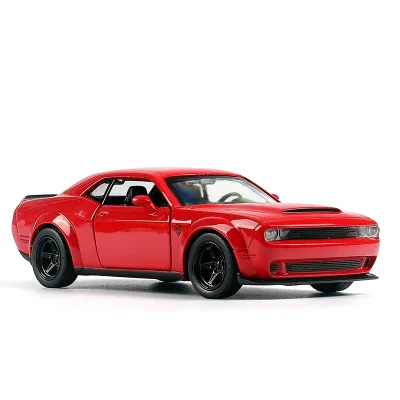
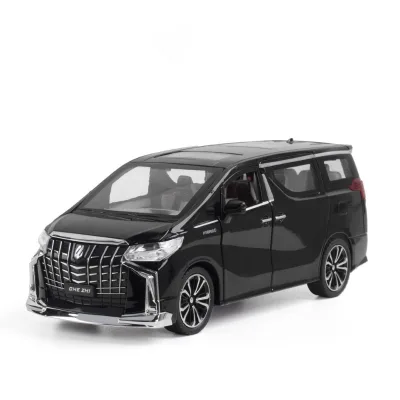
$7.7761 - $10.3677
MOQ: 3 pieces
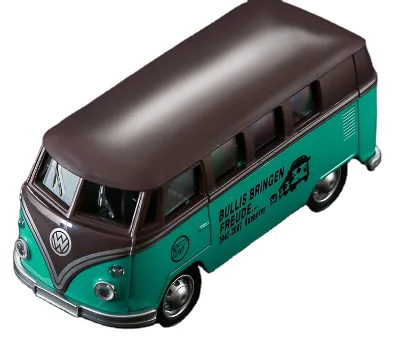
- Verified by Intertek
- Manufacturer, Trading Company
- Lead time7 days
- Avg. response≤ 5h
Main productsModel Car
Main marketsDomestic Market(40%), Mid East(30%), North America(10%)
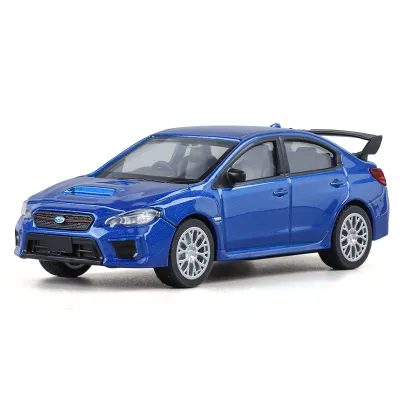
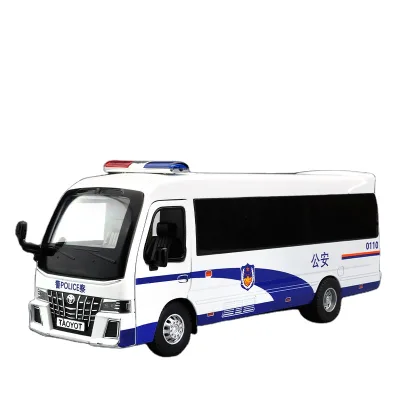
$5.6639 - $6.0759
MOQ: 60 pieces
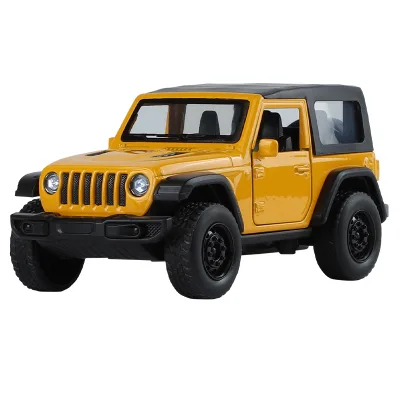
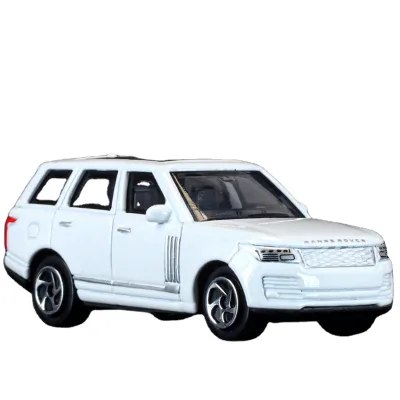
1/36 Diecast Model Car SUV for Decoration and Gifts Original Manufacturer Authorization
$1.7811 - $2.226
MOQ: 72 pieces
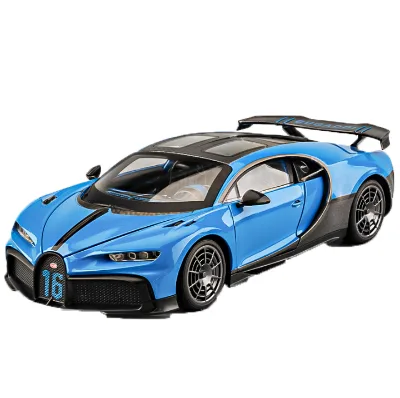

Hengjun Plastic Toys Manufactory
- Verified by CTI
- Manufacturer/Factory
- China Guangdong
- Lead time15 days
- Avg. response≤ 19h
Main productsEducational Toys, RC Toys, Bo Toys, Candy Toys, Die Cast Toys, Baby Toys, Summer Toys, Promotion Toys & Gifts, Pretend Play Toys, Outdoor & Sport Toys
Main marketsSouth America,Eastern Europe,Mid East,North America,Southeast Asia,Eastern Asia,Oceania,Western Europe

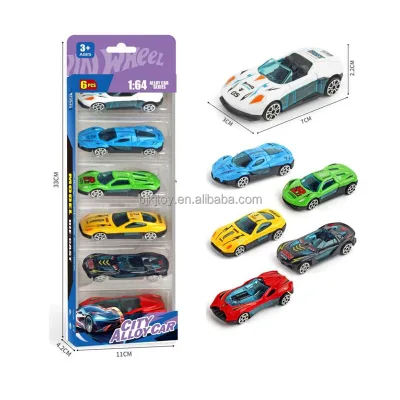
High Quality Mini Alloy Car Toy Diecast Model Car 1: 64 for Kids Toys Car
$1.20 - $1.38
MOQ: 480 pieces


$1.10 - $1.37
MOQ: 1000 Pieces

Shan Tou City Xinzhigu Toys Co., Ltd.
- Verified by CTI
- Trading Company
- China Guangdong
- Lead time15 days
- Avg. response≤ 3h
Main productsToys
Main marketsEurope


High Quality 1: 24 Scale Die Cast Car off-Road Pull Back Door Open Alloy Model Car
$5.19 - $5.69
MOQ: 48 Sets

Wholesale Die Cast Car 1: 32 Prowl Metal Car with Light and Sound Alloy Car
$3.28 - $3.58
MOQ: 96 Sets
Shantou Chenghai Hua Nuo Intelligent Technology Co., Ltd.
- Verified by SGS Group
- Manufacturer, Trading Company
- Lead time20 days
- Avg. response≤ 4h
Main productsKid Makeup Toy, Educational Toy, Water Gun, RC Toy-RC Car, Bubble Toys
Main marketsNorth America(40%), Eastern Europe(20%), South America(10%)
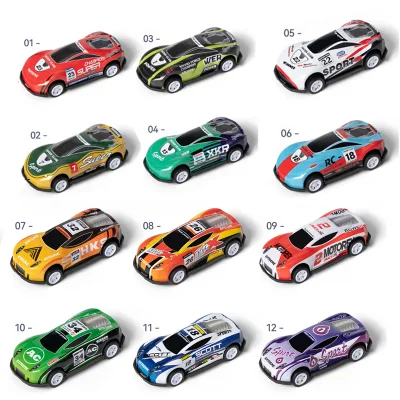
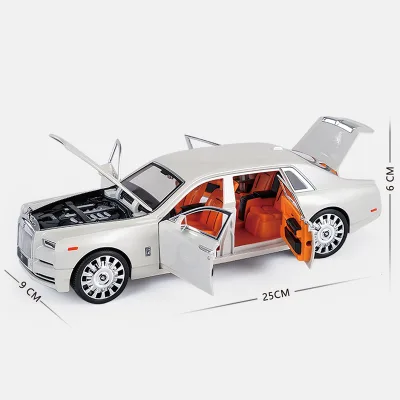
$13.31 - $14.30
MOQ: 120 pieces
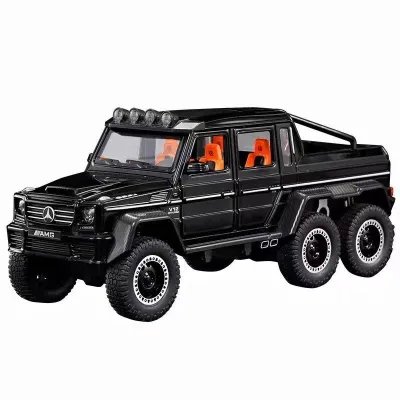

Shantou Chenghai District Xingli Run Toy Shop
- Trading Company
- China Guangdong
- Lead time0 days
- Avg. response≤ 10h
Main productsAlloy Car Toy, Building Blocks Toy, Remote Control Car Toy, Educational Toy

$0.50 - $0.60
MOQ: 1800 Pieces

Wholesale Children DIY 1: 36 Diecast Toy Vehicle Boys Toy Car Small Die Casting Alloy Car
$1.70 - $2.10
MOQ: 480 Pieces






Comprehensive Sourcing Guide
Foldable Transformable Die Cast Car Supplier Concentration and Factory Types
The current supplier landscape for die cast vehicles reveals a distinct concentration in China, specifically within the Guangdong province. This regional clustering is significant because Shantou, a city in Guangdong, is repeatedly cited as the origin for numerous product listings. This geographic density suggests a mature industrial ecosystem where specialized tooling, alloy sourcing, and assembly lines are co-located, potentially reducing logistical friction for buyers. When evaluating suppliers, it is crucial to distinguish between pure trading companies and combined entities that may offer both trading services and manufacturing capabilities. The data indicates that many suppliers are classified as "Combined" types, which can provide a hybrid advantage by offering the flexibility of a trader with the production control of a factory. However, buyers must verify the actual manufacturing footprint, as some combined suppliers may outsource core processes while retaining quality control. Understanding this distinction helps in assessing whether a supplier can handle complex customizations or if they are merely intermediaries for standard stock items. The presence of ODM and OEM capabilities among these combined suppliers indicates a readiness to adapt existing designs or create new ones, which is vital for brands seeking unique foldable or transformable mechanisms.
Beyond location, the types of main products offered by these suppliers provide insight into their technical proficiency. Many suppliers list a broad range of toy categories, including remote control cars, educational toys, and pretend play items, alongside die cast models. This diversity suggests that these factories are not niche specialists but rather generalist toy manufacturers with established production lines for metal and plastic components. For foldable or transformable die cast cars, this generalist background can be both an asset and a risk. On one hand, these factories have experience with moving parts and intricate assembly, which is essential for transformable mechanisms. On the other hand, their broad focus may mean that foldable die cast cars are not their primary specialty, potentially leading to less optimized tooling compared to a dedicated niche manufacturer. Buyers should examine the specific product evidence, such as model numbers like RFD528348 or RFD573326, to gauge the depth of their experience with metal die cast processes. The presence of keywords like "Pull Back Car" and "Die Cast Car" across multiple listings confirms a strong baseline competency in vehicle toy manufacturing, which serves as a foundation for more complex transformable designs.
How to Verify Foldable Transformable Die Cast Car Suppliers
Verification is a critical step in mitigating risk when sourcing from international suppliers, particularly for products involving moving parts and metal components. The current data shows that some suppliers hold BV (Bureau Veritas) verification, while others have SGS verification. These third-party audits provide a baseline level of confidence regarding the supplier's business legitimacy and operational standards. However, verification alone does not guarantee product quality, especially for complex items like foldable die cast cars. Buyers should prioritize suppliers who display these verification badges, as they have undergone external scrutiny of their business licenses and factory conditions. It is important to note that not all suppliers in the current results display verification status, so buyers must actively filter for these credentials to ensure a minimum standard of reliability. The presence of BV or SGS verification is a strong positive signal, but it should be complemented by other due diligence steps, such as requesting recent audit reports or conducting video calls to inspect the production floor. This multi-layered verification approach helps ensure that the supplier is not only a legitimate business entity but also capable of maintaining consistent quality control.
In addition to third-party verification, buyers should assess the supplier's response time and communication efficiency. The data indicates varying response times, with some suppliers showing a response time of 4.10 and others at 9.52. A faster response time often correlates with better customer service and more agile problem-solving, which is crucial when dealing with customizations or quality issues. Buyers should test the supplier's responsiveness by sending detailed inquiries about foldable mechanisms, material specifications, and certification requirements. The ability of the supplier to provide clear, technical answers to specific questions about transformable parts is a strong indicator of their engineering capability. Furthermore, buyers should verify the supplier's claimed certifications, such as ASTM, CE, and EN standards, which are mentioned in some product listings. These certifications are essential for ensuring that the toys meet safety regulations in target markets, particularly for children's products. Buyers should request copies of these certificates and verify their validity with the issuing bodies. By combining verification badges, response time analysis, and certification checks, buyers can build a comprehensive profile of a supplier's reliability and technical competence.
What to Compare Across Foldable Transformable Die Cast Car Suppliers
When evaluating multiple suppliers, it is essential to compare key operational metrics such as lead time, minimum order quantity (MOQ), and pricing structures. The data reveals a wide range in lead times, with some suppliers offering 23 days and others requiring 30 days. This difference can significantly impact inventory planning and time-to-market, especially for seasonal products. Buyers should align their order timelines with the supplier's stated lead times, allowing for buffer periods to account for potential delays. Similarly, MOQs vary considerably, ranging from 120 units for certain models to as high as 8280 units for others. This disparity requires buyers to assess their sales volume and storage capacity before committing to a supplier. Smaller MOQs are advantageous for testing the market or launching new product lines, while larger MOQs may offer better unit economics for established brands. Buyers should also compare the price ranges, which span from as low as $0.15 to over $39.75 per unit. This wide range reflects differences in material quality, complexity, and packaging. For foldable die cast cars, buyers should expect higher prices due to the additional engineering required for transformable mechanisms. It is crucial to request detailed quotes that break down costs for tooling, materials, and assembly to ensure transparency.
Another critical aspect of comparison is the customization options and product specifications provided by each supplier. The data shows that customization is available across many listings, but the extent of this customization varies. Buyers should inquire about the ability to modify the foldable mechanism, change the alloy composition, or adjust the packaging design. Some suppliers offer ODM (Original Design Manufacturing) and OEM (Original Equipment Manufacturing) services, which allow for greater flexibility in product development. Buyers should also compare the product attributes, such as material type, age recommendations, and sound features. For instance, some products are specified for ages 3-8 years, while others are for 8-11 years, indicating different safety and durability standards. The presence of certifications like ASTM, CE, and EN is another differentiator, as these affect market access and consumer trust. Buyers should prioritize suppliers who can provide comprehensive product data sheets and technical drawings for the foldable components. By systematically comparing these operational and technical factors, buyers can identify suppliers that best match their specific business needs and quality requirements. This structured comparison helps in making informed decisions that balance cost, speed, and quality.
Common Foldable Transformable Die Cast Car Sourcing Risks
Sourcing foldable or transformable die cast cars introduces specific risks related to mechanical complexity and material durability. Unlike static die cast models, transformable vehicles require precise engineering to ensure that moving parts function smoothly and do not break during use. One significant risk is the potential for mechanical failure, such as hinges snapping or joints becoming loose after repeated use. Buyers must assess the supplier's quality control processes for these moving parts, as standard die cast inspections may not cover the durability of transformable mechanisms. The data indicates that some products are made of metal, while others use a combination of metal and plastic. The interface between these materials can be a weak point, especially if the plastic components are not of high quality. Buyers should request samples to test the foldable mechanisms extensively, checking for smooth operation and resistance to wear. Additionally, the risk of small parts becoming detached poses a safety hazard, particularly for younger children. Suppliers must adhere to strict safety standards, such as ASTM and EN, to mitigate these risks. Buyers should verify that the supplier has a robust testing protocol for these safety-critical aspects.
Another common risk is the discrepancy between sample quality and mass production output. Suppliers may provide high-quality samples that do not reflect the consistency of the final batch. This is particularly relevant for custom orders where tooling modifications are involved. Buyers should ensure that the supplier has a clear process for maintaining quality consistency throughout production. The data shows that some suppliers have a lead time of 30 days, which may allow for more thorough quality checks, but it also increases the risk of delays if issues arise. Buyers should establish clear quality acceptance criteria in their contracts, including specific tolerances for the foldable mechanisms and material specifications. Communication gaps can also lead to misunderstandings about design requirements, resulting in products that do not meet the buyer's expectations. Buyers should maintain open and frequent communication with the supplier, providing detailed specifications and feedback throughout the production process. By proactively addressing these risks through rigorous testing, clear contracts, and effective communication, buyers can minimize the potential for costly errors and ensure a successful sourcing outcome.
Foldable Transformable Die Cast Car Regional Sourcing and Logistics
The concentration of suppliers in China, particularly in Guangdong, has significant implications for logistics and supply chain management. Sourcing from this region offers access to a well-developed infrastructure for toy manufacturing, including efficient ports and specialized logistics providers. However, buyers must account for the distance and potential transit times when planning their supply chain. The data indicates that many products originate from Shantou, which is a major hub for toy production. This proximity to manufacturing clusters can reduce inland transportation costs and lead times, but international shipping remains a variable factor. Buyers should work with suppliers who have experience in exporting to their target markets, as this ensures familiarity with customs regulations and documentation requirements. The choice of shipping method, whether by sea or air, will impact both cost and delivery speed. For large orders, sea freight is typically more cost-effective, while air freight may be necessary for urgent replenishments. Buyers should also consider the packaging dimensions, as some products have specific carton sizes that affect container loading efficiency.
Logistics planning should also include considerations for inventory management and warehousing. The varying MOQs and lead times mean that buyers need to balance order frequency with storage capacity. Suppliers with shorter lead times, such as 23 days, allow for more flexible ordering strategies, reducing the need for large safety stocks. Conversely, suppliers with 30-day lead times require more advanced planning and larger initial orders. Buyers should also evaluate the supplier's ability to handle packaging customization, as this can impact logistics efficiency. Some products are packed in display boxes, while others use simple cartons or packing bags. The choice of packaging can affect the number of units per container, influencing overall shipping costs. Additionally, buyers should be aware of any specific labeling or marking requirements for their target markets, which the supplier must adhere to. By carefully planning logistics and working closely with suppliers on packaging and shipping details, buyers can optimize their supply chain and reduce overall costs. This proactive approach ensures that products arrive on time and in good condition, supporting smooth market entry and sales operations.
Foldable Transformable Die Cast Car Commercial Terms and Order Planning
Commercial terms and order planning are critical for ensuring a smooth transaction and successful product launch. Buyers should negotiate clear payment terms, such as a deposit followed by balance payment upon shipment, to protect their interests. The data shows a wide range of prices, from $0.15 to $39.75, which requires careful budgeting and cost analysis. Buyers should request detailed quotations that include all costs, such as tooling, mold fees,
FAQs
What is the price range for die cast cars?
Prices vary significantly based on scale and material. Options range from $0.15 to $39.75 per unit. Lower-cost items often have higher minimum order quantities, while premium models with detailed packaging may cost more. Buyers should check specific product listings for exact pricing tiers.
What are the minimum order quantities for these toys?
MOQs depend on the specific model and customization level. Requirements range from 120 units for larger display boxes to 8,280 units for smaller alloy cars. Bulk orders typically secure better pricing, so buyers should verify the MOQ for their desired product model before placing an order.
How long does production take for die cast models?
Standard lead times are approximately 23 to 30 days. Some suppliers offer faster turnaround, while others may require more time for complex customizations. Buyers should confirm the exact production schedule with the supplier, as lead times can vary based on order volume and specific design requirements.
Are these toys certified for safety standards?
Many suppliers provide products certified to ASTM, CE, and EN standards. These certifications ensure the toys meet international safety requirements for children. Buyers should request specific certification documents for each product model to verify compliance before purchasing, especially for items intended for younger age groups.
Can I customize the die cast car designs?
Customization is available for many models, including logo printing and packaging design. Suppliers offer OEM and ODM services to create unique products. Buyers should discuss their specific customization needs with the supplier to ensure the design can be implemented within the production timeline and budget constraints.
Where are these die cast cars manufactured?
Most suppliers are located in China, specifically in Guangdong and Shantou regions. These areas are known for their toy manufacturing expertise. Buyers can verify the exact origin of each product, as some listings specify Shantou as the production location, ensuring transparency in the supply chain.